
Importance of Professional Realtor Photography
In the competitive Miami real estate market, the quality of property presentation plays a crucial role in attracting potential buyers. Professional realtor photography elevates property listings by showcasing homes in their best light, highlighting architectural features, interior design, and unique selling points with clarity and vibrancy. High-resolution images not only make listings more visually appealing but also convey a sense of credibility and professionalism, encouraging buyers to explore further. Enhanced photography directly impacts online engagement — properties with superior visuals tend to receive more clicks, increased inquiries, and faster sales. As most buyers begin their home search online, the first impression created by compelling images can determine whether they consider a property further. Effective realtor photography captures the essence of a home's character and lifestyle appeal, making it a vital tool for real estate agents aiming to stand out in Miami’s bustling market. Moreover, well-produced images can reduce the number of showings needed to sell a property. When buyers can tour a home visually from the comfort of their own space, they become more serious and informed, streamlining the buying process. This ultimately leads to higher satisfaction for sellers and quicker transactions. Figures and high-quality visuals also serve as a foundation for various marketing efforts, including social media campaigns, email marketing, and online advertising platforms. Professional images ensure that every promotional channel presents the property in a polished and attractive manner, broadening reach and appeal. Given the diverse and vibrant Miami landscape, capturing a property’s unique features through expert photography becomes even more critical. Wide-angle shots can emphasize spacious interiors while drone photography offers breathtaking views of large estates or waterfront properties, appealing to a broad spectrum of buyers. Investing in professional realtor photography is more than a mere enhancement; it is a strategic move that facilitates quicker sales, attracts serious buyers, and creates a memorable impression. With the right visuals, real estate listings become powerful tools to generate interest, build trust, and ultimately close deals efficiently.
Choosing the Right Photographer and Equipment
Securing a skilled photographer with a specialized focus on realtor photography ensures that property images meet high standards of quality and professionalism. When selecting a photographer, consider their portfolio to evaluate their experience with real estate listings and their ability to capture properties in their best light. A photographer familiar with the Miami market will better understand how to highlight a property's unique features, whether it’s waterfront views, luxury interiors, or architectural details.
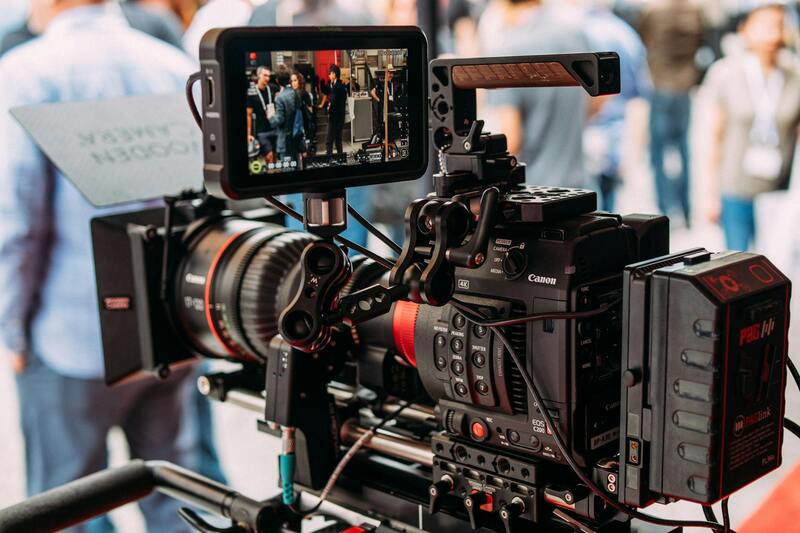
Equipping the shoot with advanced gear is vital for capturing stunning visuals. Professional-grade DSLR or mirrorless cameras with high-resolution sensors ensure crisp, detailed images that translate well across various online platforms. Wide-angle lenses are especially important, as they allow for expansive shots that make rooms appear larger and more inviting. Additionally, using multiple lenses can help capture interior spaces and exterior details effectively from different perspectives.
Complementing photography equipment with professional lighting tools is crucial. Proper lighting eliminates shadows that can obscure key features and creates a balanced, inviting atmosphere. In some cases, portable lighting kits or reflectors may be employed to enhance natural light, especially in areas with limited sunlight or interior shadows. For exterior shots, a drone equipped with high-quality cameras can deliver captivating aerial views, providing potential buyers with a comprehensive understanding of the property's surroundings.
Establishing a partnership with a photographer who has access to professional equipment and understands the nuances of realtor photography can significantly elevate the visual impact of property listings. This investment in proper tools and skills translates directly into more compelling visuals, helping properties stand out in Miami’s competitive market.
Preparation Tips for Shooting Day
Effective preparation on the day of the shoot can substantially improve the quality of images captured. Start by ensuring all areas of the property are clean, decluttered, and well-organized to highlight each space’s potential. This involves removing personal items, excess furniture, and anything that distracts viewers from the property’s features.
Lighting setup is also critical. Opening curtains and blinds before the shoot allows natural light to fill the rooms, creating a bright and airy atmosphere. If the weather permits, scheduling the shoot during the day when sunlight is abundant will help achieve balanced and vibrant images. Additionally, preparing props and staging elements—such as fresh flowers, tasteful artwork, or neatly arranged furniture—can add visual interest without overcrowding the space.
On the technical side, it’s advisable to plan the sequence of shots to optimize time and scenery. Starting with exterior shots during the golden hour can provide warm, inviting visuals. Then, proceed indoors, capturing every key room from multiple angles. Ensure that all devices—cameras, drones, lighting—are fully charged and functioning properly to prevent interruptions.
By meticulously preparing both the environment and equipment, real estate professionals can ensure that each shoot results in high-quality, impactful images that accurately represent the property and entice potential buyers to explore further.
Guidance on selecting experienced photographers and the appropriate equipment to ensure top-quality imagery for Miami properties
Choosing the right photographer for realtor photography is a critical step in showcasing a property effectively. An experienced professional possesses an in-depth understanding of architectural styles, lighting techniques, and composition principles, which culminate in images that highlight a property’s best features. A seasoned photographer also stays current with industry-standard equipment and editing software, ensuring that the final images meet high-quality standards.
When considering freelancers or agencies, review their portfolios to gauge consistency in style, clarity, and detail. It is beneficial to select a photographer who specializes in real estate images, as this expertise translates into a nuanced understanding of how to portray spaces compellingly. Testimonials or reviews from previous clients can offer insight into their professionalism, punctuality, and ability to deliver under tight deadlines.
Regarding equipment, a professional realtor photographer typically employs a range of tools tailored to capture both interior and exterior shots with precision. This includes high-resolution digital cameras equipped with wide-angle lenses to encompass expansive spaces, ensuring that rooms appear larger and more inviting. Tripods are essential for stability during long exposure shots, especially in lower light conditions or when capturing interiors during dusk or dawn.
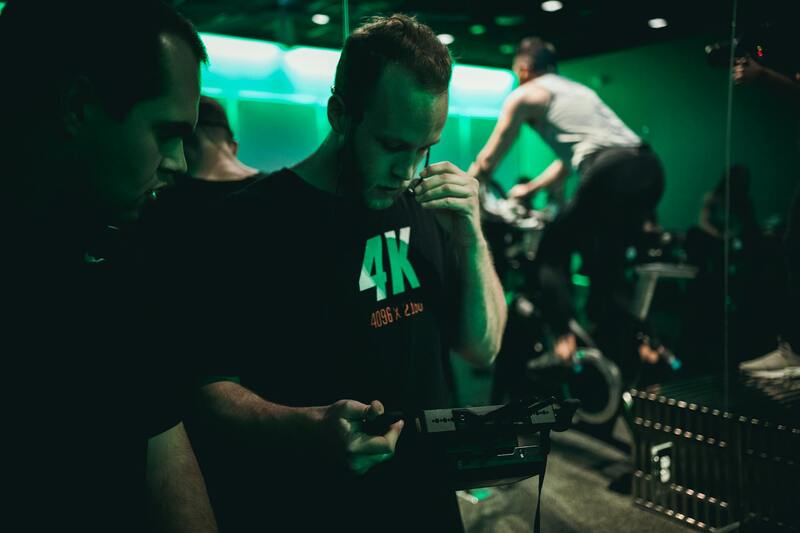
Drone photography has become increasingly popular for providing aerial views that include surrounding neighborhoods, landscape features, and property boundaries. The use of drones can deliver a comprehensive perspective that elevates the appeal of Miami listings, especially for waterfront or large estates. Additionally, proper lighting equipment such as portable flash units and reflectors can help manage challenging light conditions indoors, ensuring that every detail is crisp and well-lit.
In essence, the synergy of an experienced photographer and high-quality equipment results in imagery that captures the essence of a property with clarity and vibrancy. Miami’s competitive real estate market demands visuals that precisely differentiate each listing, making this investment a vital part of a successful marketing strategy.
Preparation Tips for Shooting Day
The success of a realtor photography session hinges on the meticulous preparation of the property and equipment. Prior to the shoot, ensure the space is thoroughly cleaned and decluttered, emphasizing an organized and inviting environment. Personal items should be stored away, allowing potential buyers to envision themselves in the space.
Staging plays a significant role in enhancing the property's visual appeal. Use tasteful decor, such as fresh flowers or art pieces, to add warmth and character without overcrowding the space. Arranging furniture to maximize natural flow and highlight key features can make a substantial difference.
For exterior shots, consider weather and lighting conditions. Early mornings or late afternoons offer optimal natural light, known as the golden hour, which casts a warm glow over the property—ideal for captivating images. Ensure outdoor areas are tidy—lawn mowed, outdoor furniture arranged attractively, and windows cleaned for sparkle and clarity in photos.
Technical preparations include verifying that all camera and drone batteries are fully charged, and that equipment functions properly. Prepare backup memory cards and arrange shot sequences to streamline the process, minimizing disruptions during the session. Communicating with the photographer ahead of time ensures alignment on shot lists, special features, and desired angles.
Legal and Ethical Aspects of Realtor Photography
Respecting Privacy and Compliance Standards
When engaging in realtor photography, maintaining respect for property owners' privacy is essential. Photographers should ensure that all individuals within the property are aware of the shoot and have provided consent if identifiable features or personal items are to be captured. This practice not only upholds the integrity of the service but also strengthens trust with clients and stakeholders.
Adhering to established standards involves using authorized methods and equipment that meet professional specifications. Photographers should avoid manipulating images in ways that could mislead potential buyers, such as artificially enhancing features beyond natural appearance. Instead, focus on capturing authentic representations of the property’s true condition and features.
Intellectual Property and Usage Rights
Clear agreements should outline the scope of image use, ensuring that photographs are employed solely for intended marketing channels. This includes licensing rights for online listings, social media, and print materials. Proper licensing prevents unauthorized use or reproduction, maintaining the photographer’s ownership rights and protecting the property's representation.
Transparency and Client Communication
Effective communication with clients prior to the shoot includes discussing expectations, preferred angles, and any specific features they wish to highlight. This transparency aligns the vision of the property presentation with the photographer's technical capabilities, fostering a collaborative environment that results in high-quality images.
Utilizing Certified Equipment and Methods
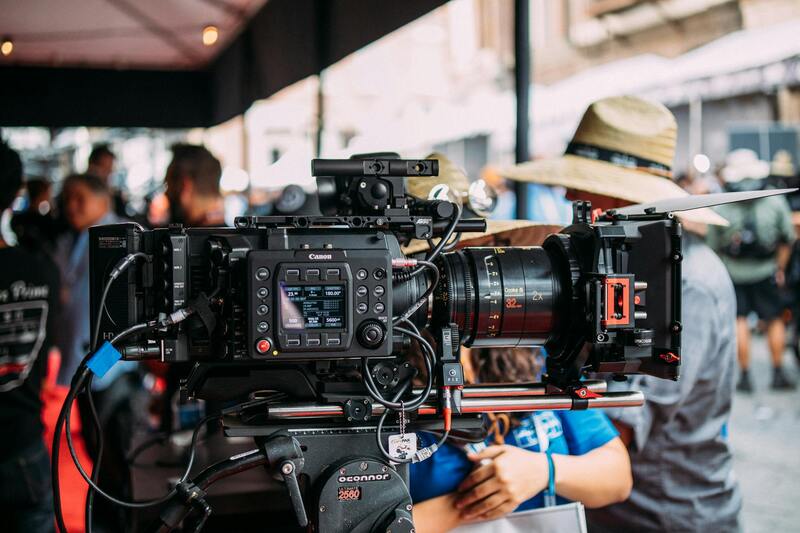
Employing professional-grade cameras, lenses, lighting, and stabilization tools ensures the images are clear, well-lit, and accurately depict the property. Using drones responsibly with proper permits and adherence to airspace regulations exemplifies a commitment to ethical practices. Such diligence minimizes potential legal complications and enhances the credibility of the marketing efforts.
Legal and Ethical Aspects of Realtor Photography
Adhering to established practices in realtor photography is essential for maintaining trust and professionalism in the real estate industry. This involves obtaining proper permissions for the use of private and copyrighted images, especially when photographing properties that may include artwork, branded signage, or other proprietary elements. Ensuring consent from property owners and residents before executing photography sessions not only aligns with industry standards but also respects privacy rights, reinforcing a reputable business approach.
When utilizing drone technology for aerial shots, securing appropriate permits and following airspace regulations are critical. This diligence helps avoid potential disruptions and demonstrates responsible operation, which is indispensable for safeguarding the integrity of marketing campaigns. The use of certified equipment and adherence to operational guidelines ensures images are captured ethically and professionally, contributing to a trustworthy presentation of the property.
Photographers should also understand and implement copyright laws regarding image licensing. This involves clearly establishing licensing rights for the images produced, so that their use in online listings, social media, and print advertisements complies with intellectual property standards. Proper licensing not only secures the photographer’s rights but also prevents unauthorized reproduction or distribution, which could otherwise lead to reputational issues or disputes.
Clear communication with clients about image rights and usage rights from the outset minimizes misunderstandings. Drafting and reviewing agreements that specify permitted uses, duration, and exclusivity of images help set expectations. This proactive approach ensures that all parties are aligned on the scope of image deployment, fostering ethical conduct and legal clarity.
Ultimately, maintaining high standards in realtor photography exemplifies a commitment to honesty and professionalism. It reinforces the credibility of the marketing efforts, enhances the property's presentation, and protects all involved parties. By following industry-best practices, real estate professionals can leverage visual assets that not only attract potential buyers but also uphold the integrity of their brand.
Legal and Ethical Aspects of Realtor Photography
Maintaining high standards in realtor photography is essential not only for visual appeal but also to uphold legal and ethical responsibilities. This encompasses a comprehensive understanding of image rights, consent, and licensing protocols. Photography professionals must ensure that all images are captured, used, and distributed within the bounds of established guidelines, fostering trust with clients and potential buyers alike.
One key component is obtaining explicit consent from property owners prior to the shoot. This agreement should clarify which images may be captured, how they will be used, and in what formats or outlets they will be published. Clear communication about image rights helps prevent misunderstandings and ensures that all parties are aligned on the scope of photo usage, from online listings to promotional campaigns.
It is equally important to respect the privacy and security of the property's surroundings and residents. Avoiding intrusive or overly personal shots ensures that privacy concerns are addressed proactively. When drone or aerial photography is involved, particular care must be taken to adhere to regulations related to airspace and privacy, minimizing risks of privacy infringements or accidental breaches.
In addition to consent, adhering to licensing and copyright laws regarding the images is paramount. Real estate professionals should work with photographers to establish licensing agreements that specify how images can be used, distributed, and reproduced. These agreements protect the rights of photographers while allowing realtors to utilize the images effectively across various platforms.
Another critical aspect is maintaining honesty and transparency throughout the process. Avoiding misleading or overly enhanced images ensures that potential buyers are presented with an accurate representation of the property. This practice helps to build credibility and long-term trust, which are vital for sustained professional success.
By consistent adherence to these guidelines, real estate professionals can avoid misunderstandings and potential disputes. The goal is to create a truthful, appealing visual story that respects legal boundaries and ethical standards. This balanced approach promotes a reputable image, enhances client satisfaction, and ultimately supports a thriving real estate business grounded in integrity.
Ensuring Proper Use and Distribution of Realtor Photos
Once high-quality realtor photos are captured, managing their distribution becomes a crucial aspect of professional real estate marketing. Proper handling ensures that the images serve their intended purpose effectively while safeguarding the rights associated with their use. Real estate professionals should establish clear protocols for storing, sharing, and publishing images to avoid misuse or unauthorized reproduction.
For online listings, images should be optimized for fast loading without sacrificing quality. This involves using appropriate file formats and compression techniques to improve website performance, which is key to enhancing user experience and attracting potential buyers. Maintaining consistent branding, including logo placement or watermark placement, can help reinforce the professional image of the realtor and prevent unauthorized use by third parties.
When sharing images across different platforms—such as social media, email campaigns, or printed marketing materials—it's essential to adhere to the agreements established with photographers. This includes respecting usage rights, which may specify limitations on the types of media, resolutions, or geographic regions where the images can be utilized. Proper attribution, if required, should also be observed to honor the work of the original photographers and uphold ethical standards.
Moreover, implementing a digital asset management system can streamline the organization, cataloging, and retrieval of images. Such systems ensure only authorized personnel access the content, reducing the risk of unintentional misuse. This approach also simplifies updating listings with new images or removing outdated visuals, ensuring consistency across all marketing channels.
Monitoring the performance of listed images through analytics tools can provide insights into viewer engagement. These metrics help real estate professionals refine their visual marketing strategies, focusing on the most appealing images to maximize impact. By maintaining vigilant control over image use, realtors can uphold their professional reputation while effectively promoting their properties.
Maintaining Transparency and Professional Standards in Realtor Photography
In the realm of realtor photography, transparency about the image creation process enhances trust with clients and prospective buyers. Clear communication regarding the purpose, scope, and limitations of photographic representations ensures that all parties have aligned expectations. Providing clients with previews or proofs before finalizing images fosters confidence and allows for adjustments, ensuring the visuals meet the desired standards.
Adhering to high ethical standards also entails avoiding any form of image manipulation that could mislead viewers. While enhancements such as color correction and minor adjustments are acceptable, reconstruction or alterations that significantly change the appearance of the property should be avoided. This commitment to honesty safeguards professional integrity and contributes to long-term client relationships.
Finally, continued education and staying informed about industry developments, technology upgrades, and best practices related to realtor photography can significantly enhance service quality. Attending workshops, participating in professional networks, and reviewing legal and ethical guidelines regularly help photographers and real estate professionals maintain excellence in their visual marketing efforts.
Legal and Ethical Aspects of Realtor Photography
Maintaining integrity in realtor photography involves adherence to established standards regarding image rights, privacy, and consent. These guidelines not only protect the interests of all parties involved but also reinforce the professionalism of real estate marketing efforts.
Respecting Privacy and Securing Permissions
Before capturing photographs of private properties, obtaining explicit permission from property owners is essential. This includes informing them about how the images will be used, shared, and displayed across various platforms. Respecting the owner's privacy ensures that sensitive areas or features are appropriately managed, especially if there are privately owned spaces or personal belongings visible in the images.
Compliance with Image Rights and Usage
Clear agreements should be established regarding image rights, delineating how realtor photography may be utilized, stored, and redistributed. This prevents misunderstandings and unauthorized use, safeguarding both the photographer's and the realtor's interests. When using images in promotional materials or online listings, verifying that usage rights are explicitly granted avoids potential legal complications.
Consent for Consent for People and Private Spaces
Photographs that feature individuals, especially in private settings, require their consent to be publicly shared. Similarly, if certain areas within a property are not meant for public viewing, proper consent is necessary before capturing or publishing images of those spaces. This ethical approach respects personal privacy and aligns with best practices in visual marketing.
Transparency and Accurate Representation
Ensuring that images accurately depict the property's condition and features is vital. While minor enhancements like color correction are acceptable, digital alterations that misrepresent the property's appearance can diminish trust and lead to misleading impressions. Providing authentic visuals fosters credibility and helps set accurate buyer expectations.
Staying Informed and Adapting to Industry Standards
Staying updated with evolving legal guidelines and ethical standards related to realtor photography is crucial for ongoing compliance. Engaging in professional development opportunities, participating in industry forums, and reviewing current regulations enable real estate professionals to maintain high standards in their visual marketing efforts.
By implementing these practices, real estate agents and photographers in Miami can ensure their visual content aligns with ethical considerations and industry expectations. Upholding transparency, securing proper permissions, and representing properties authentically enhance trust and contribute to long-term success within the competitive real estate market.