
Factors Influencing Real Estate Video Production Prices
Investing in high-quality real estate video production requires a clear understanding of the various factors that influence overall pricing. The cost structure is shaped by a combination of property-specific elements, production complexity, and the level of detail required to produce compelling visual content. Recognizing these components allows property owners, real estate agents, and developers to make better-informed decisions when budgeting for their marketing efforts.
Property Size and Scope
The physical dimensions of a property are a primary determinant in pricing. Larger homes or commercial properties necessitate more extensive filming sessions, additional footage, and sometimes specialized equipment to capture the space effectively. A sprawling estate will naturally incur higher costs compared to a modest apartment due to the increased shooting time and editing complexity. Additionally, properties with unique architectural features may require specialized angles or drone footage, further elevating costs.
Shooting Complexity and Requirements
Properties with intricate layouts, multiple stories, or extensive outdoor landscapes challenge videographers to craft comprehensive visual narratives. These scenarios often involve multiple shooting days, advanced camera setups, and potentially the use of additional equipment such as cranes or aerial drones. The need to showcase specific selling points or unique features also influences shooting plans and, consequently, the overall investment.
Production Quality and Editing
The level of post-production work significantly impacts pricing. Standard video packages may include basic editing, color correction, and music overlays. However, if a property owner seeks a cinematic approach, including 4K footage, professional voiceovers, motion graphics, or virtual staging, the costs will increase accordingly. High-grade editing ensures the video resonates with target audiences and enhances the property's appeal, which can justify higher price points.
Equipment and Crew Requirements
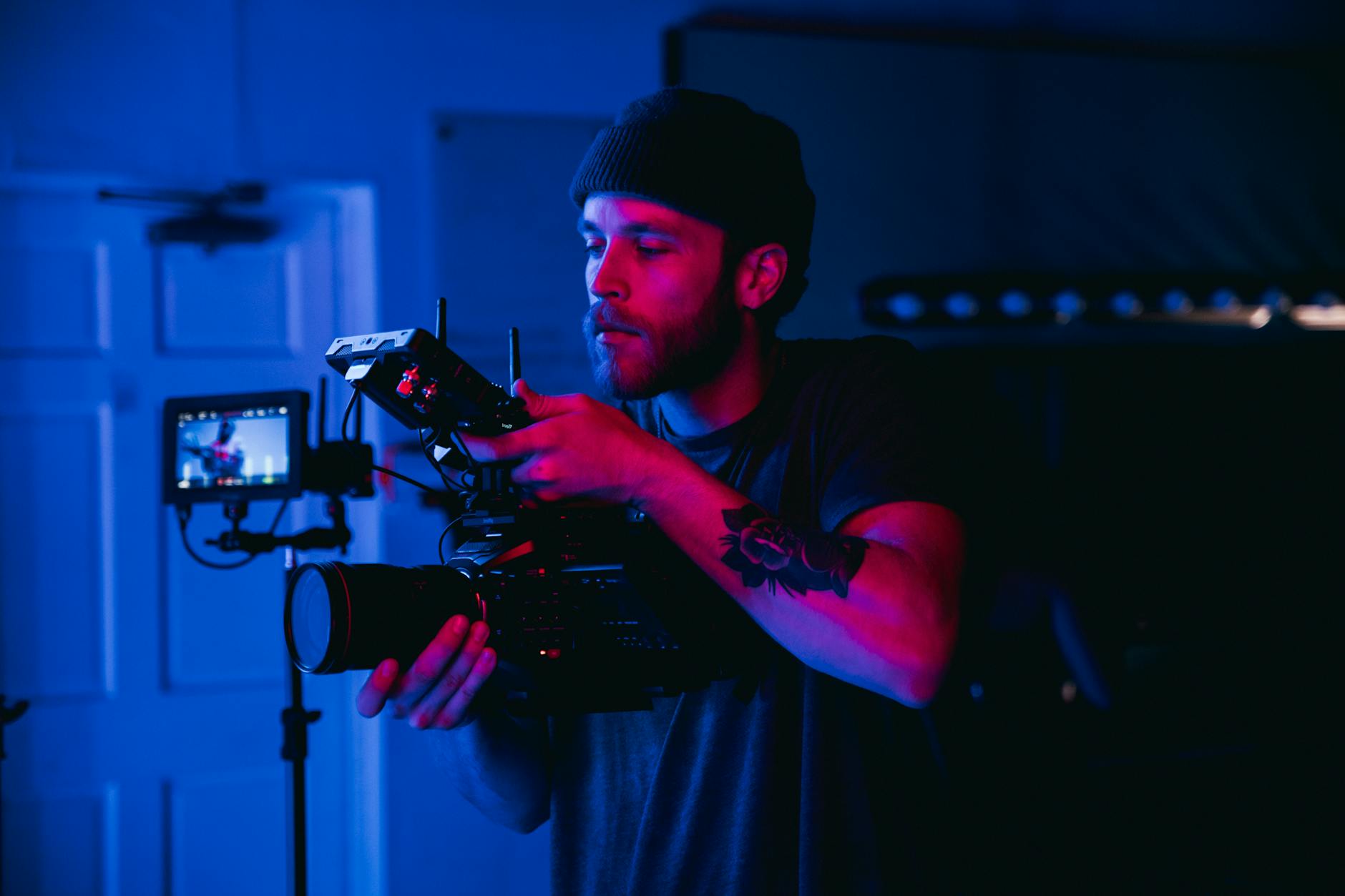
The choice of equipment and the size of the production crew also influence costs. Utilizing advanced stabilization systems, drone technology, or 360-degree cameras adds to the expense. Larger crews with specialized roles, such as drone operators, stylists, or editing specialists, increase overall production costs but can significantly improve video quality and production efficiency.
Summary
Multiple factors coalesce to determine real estate video production prices. From the physical attributes of the property and the complexity of the shoot to the desired quality of the final product, each element contributes to the final budget. Understanding these key influences helps stakeholders plan more effectively and allocate resources appropriately for impactful marketing visuals.
Services Included in Video Production Pricing
Effective real estate video production encompasses a range of services designed to showcase a property’s best features and appeal to potential buyers. The core services typically include pre-production planning, such as location scouting, scripting, and storyboarding, which lay the groundwork for a smooth shoot. During the actual production phase, professional videographers utilize high-end equipment, including stabilized cameras, drones, and lighting, to capture the property from multiple angles and in various lighting conditions. This ensures comprehensive coverage that highlights the property’s unique selling points.
Post-production editing constitutes a significant portion of the overall cost. This process involves color grading to enhance visual appeal, seamless editing to create a cohesive narrative, and the addition of visual effects like motion graphics or virtual staging to further accentuate key areas. If professional voiceovers, background music, or custom graphics are desired, these elements will be incorporated into the final product, adding to the pricing.
Additional services that can influence the overall cost include virtual tours, 3D walkthroughs, and interactive floor plans. These options provide viewers with a more immersive experience but require specialized software and expertise, which naturally increases production expenses. Many providers also offer expedited delivery or multiple revisions, which can be factored into the pricing structure.
Factors That Can Increase Costs
Several specific elements can drive up the costs of real estate video production, often depending on the scope and complexity of the project. One primary factor is the property size and layout—larger or more intricate properties require additional shooting time, specialized equipment, and more extensive editing efforts. Properties with unique architectural features or difficult access points may also involve specialized techniques, such as drone cinematography from hard-to-reach angles or aerial shots, which can increase expenses.
The level of cinematic quality desired substantially influences the overall investment. For instance, producing a 4K or 8K video with high dynamic range (HDR) and professional-grade stabilizers demands advanced equipment and skilled operators, adding to production costs. Virtual staging and interactive features, although time-consuming and resource-intensive, can dramatically enhance a property's presentation but typically come with higher price tags.
The geographic location and environmental conditions can further impact costs. Shoot locations with strict permitting requirements, challenging weather conditions, or access restrictions may necessitate additional planning and resources. Moreover, the inclusion of advanced marketing elements such as augmented reality (AR) features or embedded virtual tours requires specialized development work, which contributes to overall expenses.
Factors Influencing Pricing
When evaluating real estate video production prices, several key elements play a crucial role in determining the final cost. Understanding these factors allows property marketers and agents to make informed decisions that align with their budget and objectives.
Property Size and Complexity
The physical dimensions of a property and its architectural intricacies directly affect production costs. Larger properties or those with expansive layouts require more extensive filming sessions, multiple camera setups, and longer editing times. Unique architectural details or design features that demand specialized filming angles can necessitate additional equipment, such as drone cameras or steadicams, to capture the property's full aesthetic appeal.
Cinematic Quality and Production Techniques
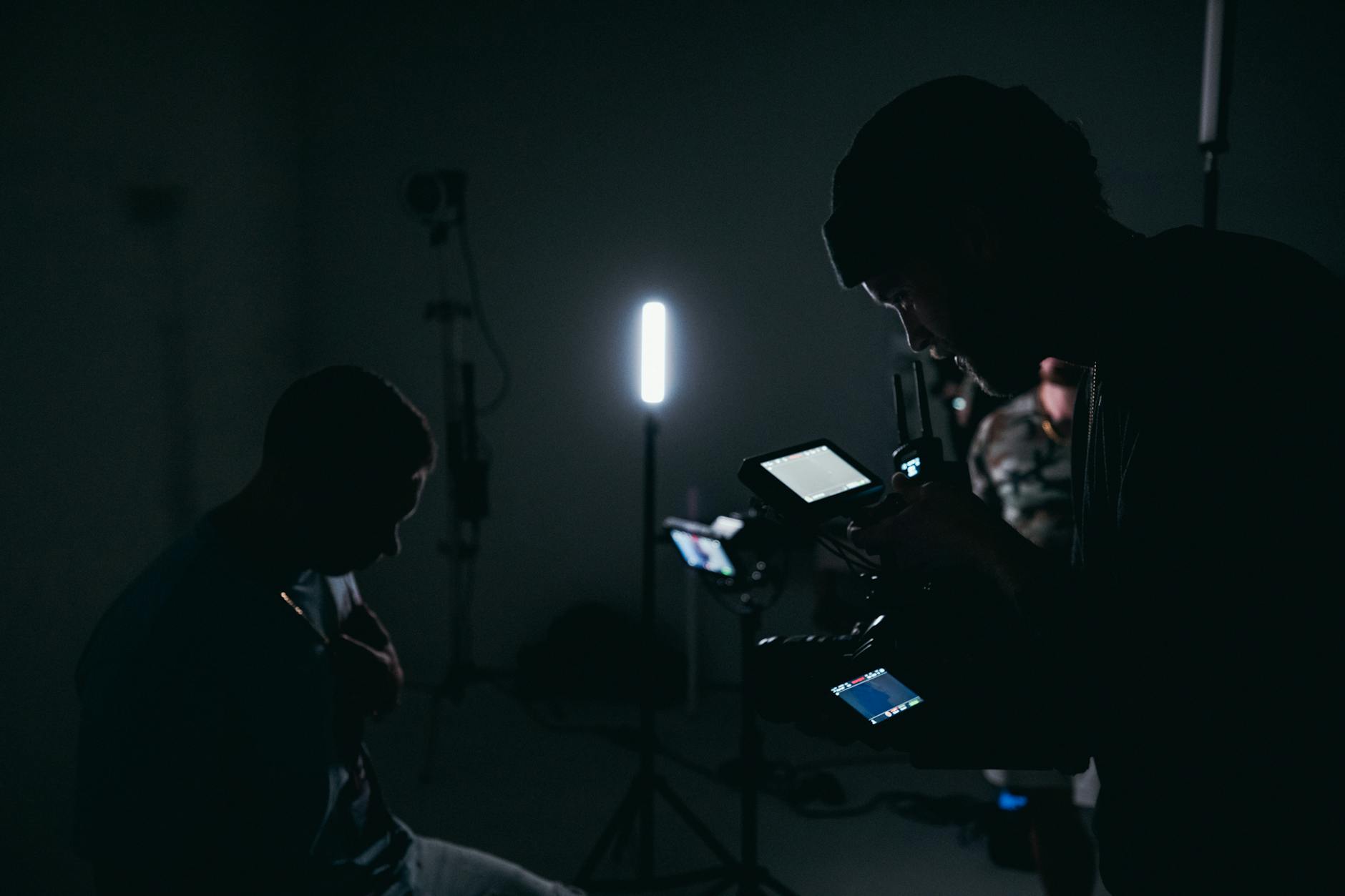
Higher production values, such as 4K or 8K resolution, high dynamic range (HDR), and professional-grade stabilization, involve sophisticated equipment and skilled operators. The more polished and cinematic the finished video, the greater the investment, especially when incorporating virtual staging, drone footage, or virtual tours. These advanced techniques can significantly enhance the property's presentation but inevitably increase costs.
Location and Environmental Conditions
Shot locations with strict permitting protocols, environmental challenges, or difficult access points can elevate production expenses. Adverse weather conditions, such as rain or strong winds, may lead to rescheduling or additional safety measures. Furthermore, outdoor shoots in urban environments might include permit fees or restrictions, adding another layer of costs. For projects incorporating high-tech marketing tools like AR features or virtual reality integrations, additional development expenses are factored into the overall price.
Specialized Equipment and Techniques
Projects requiring drone videography, 360-degree filming, or extensive post-production editing will typically incur higher charges. These advanced methods demand additional expertise, equipment, and time, particularly when capturing hard-to-reach angles or creating interactive content that enhances viewer engagement and property appeal.
Services Included in Video Production Pricing
Standard real estate video packages usually cover core services such as on-site filming, editing, color correction, and sound mixing. These foundational elements ensure a professional presentation that highlights the property's key features. Many providers also include some level of virtual staging, basic animations, or text overlays to reinforce marketing messages.
The scope of post-production work directly influences pricing. More comprehensive packages may offer custom graphics, branding elements, or specialized animations that elevate the video’s production value. Additionally, the turnaround time for delivering the final product can impact costs, with expedited services generally commanding higher prices.
Factors That Can Increase Costs
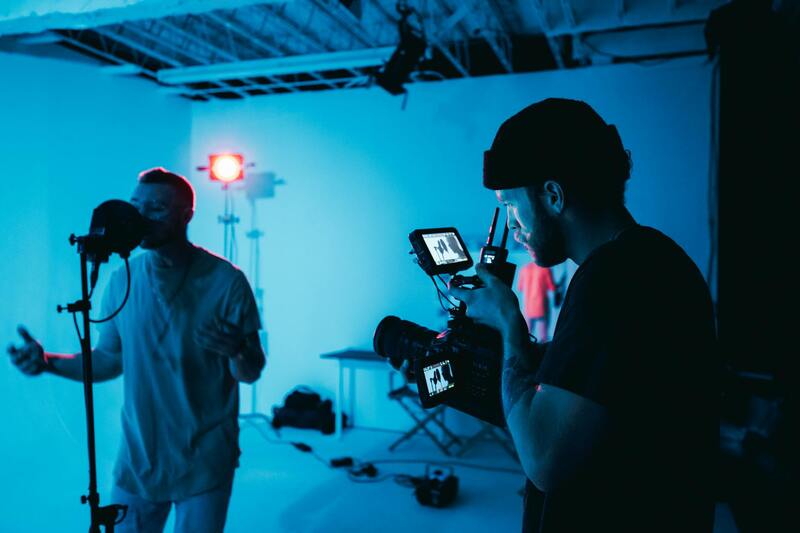
Beyond the standard package, certain factors can contribute to higher expenses. These include additional shoot locations, complex editing requirements, and inclusion of advanced marketing features. For instance, virtual tours integrated into the video may require specialized software and development time. Similarly, employing drones or other innovative filming techniques increases the need for highly skilled operators and equipment, thus raising the overall cost.
Budget Considerations for Real Estate Marketing
Establishing a realistic budget involves balancing the quality of visual content with marketing goals. It is vital to recognize that investing in higher-quality videos can lead to increased viewer interest, longer engagement times, and ultimately, faster property sales. Nonetheless, aligning production scope with available resources ensures an optimal marketing outcome that maximizes return on investment.
Comparing Local Market Rates in Miami
Miami’s real estate video production market varies widely, influenced by local expertise, availability of advanced equipment, and demand for high-end production. Pricing can differ substantially based on the provider’s reputation and portfolio. A thorough comparison of local rates can reveal competitive pricing structures while ensuring quality standards are maintained. It is advisable to request detailed quotes that specify included services and production timelines to make informed comparisons.
Tips for Getting the Best Value
- Define clear project objectives to align production scope with your budget.
- Prioritize key property features to focus investment on the most compelling visuals.
- Request detailed, itemized quotes from multiple providers for transparency.
- Leverage packages that bundle filming and editing for cost efficiency.
- Choose providers with proven experience in luxury and commercial properties to ensure high-quality outcomes.
Setting Realistic Expectations Based on Budget
Appropriate planning and an honest assessment of available resources allow for realistic expectations about the final product. Recognizing the correlation between budget and production quality helps prevent overspending while ensuring the videos produced are professional, impactful, and aligned with marketing goals. Clear communication with your production team can also facilitate adjustments that maximize your investment’s value, resulting in a visually compelling and market-ready property presentation.
Factors That Can Increase Costs
In the realm of real estate video production, certain additional elements can significantly elevate the overall project expenses beyond standard filming and editing fees. It is essential for property owners and agents to understand these factors to effectively allocate their budgets and avoid unforeseen costs.
- Drone Footage: Aerial shots add a dynamic perspective that highlights the property's exterior, surrounding environment, and landscape features. Using drone technology involves pilot licensing, specialized equipment, and adherence to flight regulations, which can increase the production cost. These fees are often billed separately or as an upgrade package.
- Virtual Tours: Incorporating interactive 3D virtual tours involves advanced imaging technology and software. Creating accurate, immersive virtual walkthroughs typically necessitates additional equipment and post-production work, which can add to the overall price.
- Twilight Shoots: Filming during the twilight hours provides a dramatic and captivating visual effect, showcasing the property's exterior lighting and ambiance in different lighting conditions. Twilight shoots require precise scheduling, additional lighting setups, and often higher labor costs due to limited working hours.
- Special Editing Requests: Customized edits such as motion graphics, animated text, or color grading tailored to specific branding or marketing styles can raise costs. These embellishments demand skilled editors and extra production time, which are billed accordingly.
- Extended Shooting Days: Properties with complex layouts or extensive exterior grounds may require multiple shooting days, increasing labor, equipment rental, and crew accommodations.
- Additional Spots or Multiple Versions: Creating multiple versions of a video for various platforms or targeting different audiences translates into more editing and review cycles, impacting overall costs.
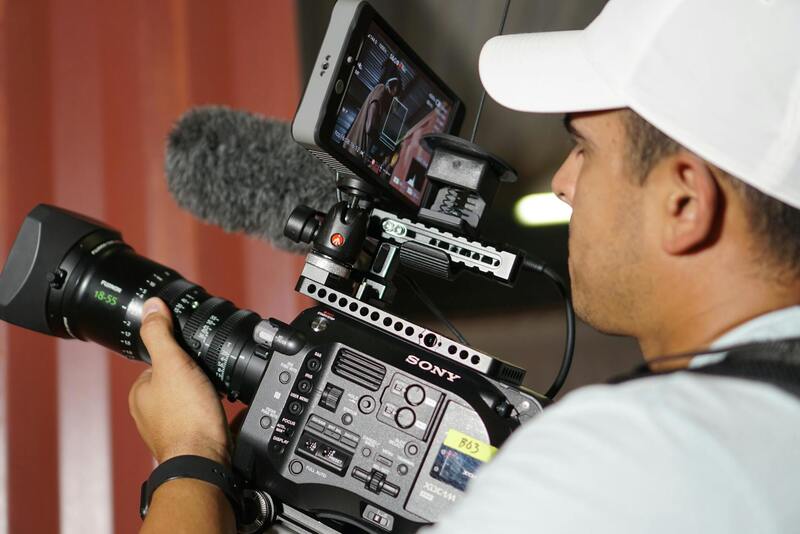
Understanding these components allows for better budget planning and ensures that the final product aligns with your marketing goals while avoiding surprises regarding expenses. When consulting with a video production team, it is advisable to clarify which elements are essential and which are optional, facilitating a transparent estimation process and tailored service package.
Factors Influencing Pricing
Determining the cost of real estate video production involves a range of variables that can significantly impact the final price. While standardized packages exist, the unique characteristics of each property, desired video style, and client requests contribute to the overall expense. One of the primary factors is the complexity of the project. Properties with intricate layouts, expansive outdoor spaces, or unique architectural features require more planning, equipment, and shooting time, which naturally raises costs.
Another essential aspect is the type of footage desired. Standard walk-through videos, often used for online listings, tend to be more budget-friendly. However, if the production includes specialty shots such as drone footage, twilight filming, or stabilized gimbal shots for smooth, cinematic sequences, these will incur additional charges due to specialized equipment and expertise needed.
Post-production work also influences the pricing structure. Basic editing, including color correction and simple cuts, is less costly than extensive editing with motion graphics, animated text, or intricate color grading tailored to specific branding strategies. Similarly, the number of revisions requested can extend production timelines, impacting costs. Additional services like 3D walkthroughs or VR integration may further elevate pricing.
Location-specific factors, such as the ease of access, permits required, and the need for travel or on-site accommodations, can also influence costs. Urban or congested areas might necessitate additional logistical planning, which could add to labor and transportation expenses. Moreover, tight deadlines or rush orders generally command premium pricing to prioritize your project within the production schedule.
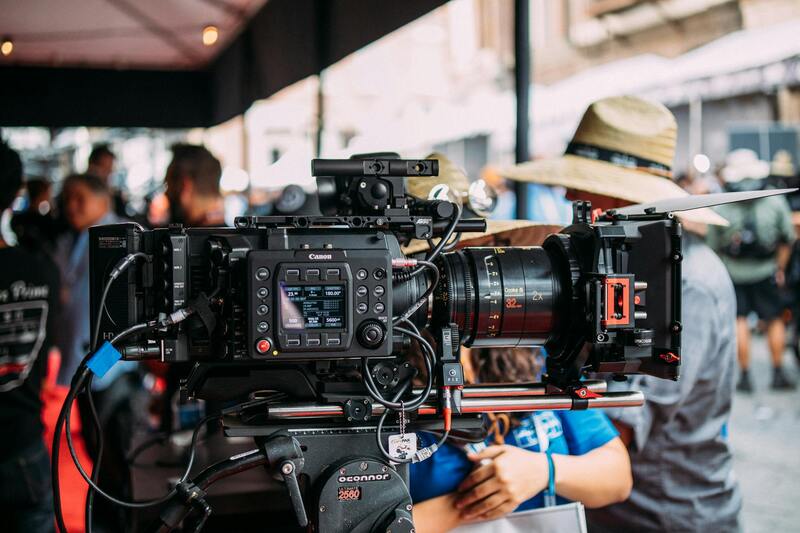
Typical Price Ranges for Different Property Types
Pricing varies considerably based on property type and scope of work. For a small residential property, such as a single-family home or condo, production costs typically range from $1,000 to $2,500. These projects usually encompass a basic walk-through video, some drone shots, and standard editing. Larger, luxury estates or commercial properties demand more extensive coverage, often resulting in prices between $3,500 to $8,000 depending on complexity and additional features.
Multi-unit residential complexes or commercial developments may see costs escalate further, particularly if multiple videos or special features are required. These projects often necessitate longer shooting days, advanced drone work, or cinematic effects, which push the budgeting into higher tiers. Customized packages, such as bespoke branding videos or agent introductions, might be priced separately based on production requirements.
Services Included in Video Production Pricing
A typical real estate video package covers several core services:
- Pre-Production Planning: Site assessments, shot list creation, and scheduling to ensure efficient filming.
- Filming: Covering interior and exterior shots, with optional aerial drone footage or twilight shoots.
- Editing: Cutting footage, color correction, sound mixing, and adding background music.
- Revisions: Usually includes one or two rounds of edits based on client feedback.
- Delivery: Final video formatted for various platforms, such as MLS listings, social media, or websites.
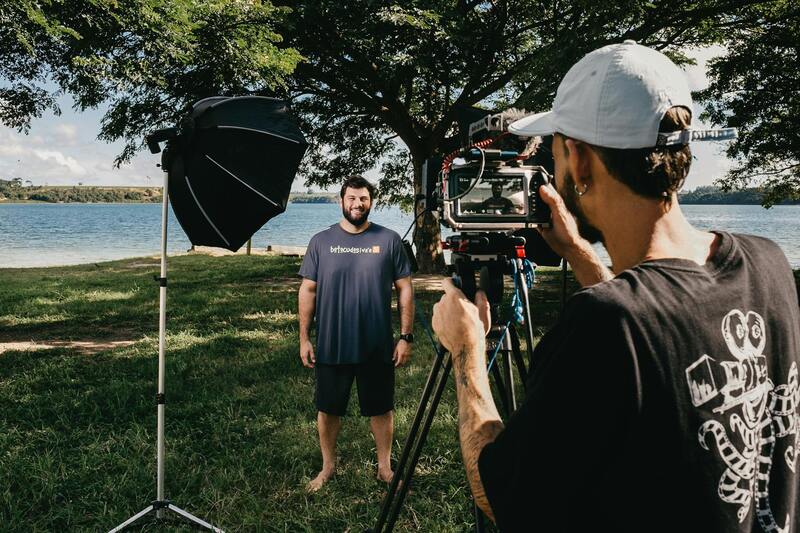
Factors That Can Increase Costs
Several elements can contribute to higher production expenses. Twilight shoots, for instance, are time-sensitive and require additional lighting and crew effort, which often leads to increased costs. Similarly, custom editing requests, such as animated overlays, branding elements, or cinematic color grading, demand advanced skills and extra time, raising the overall price.
Extended shooting schedules are common for high-end properties or those with extensive grounds and multiple exterior angles. Multiple shooting days increase crew wages, equipment rentals, and logistical efforts. Additionally, creating multiple versions of a video for various marketing channels—like social media snippets or platform-specific formats—requires further editing cycles and review periods.
Advanced drone footage, especially when capturing expansive estates or delicate environments, incurs higher costs due to specialized pilots and equipment. Permitting and location access considerations can also add to expenses, particularly if permissions need to be acquired or if filming occurs in challenging or restricted areas.
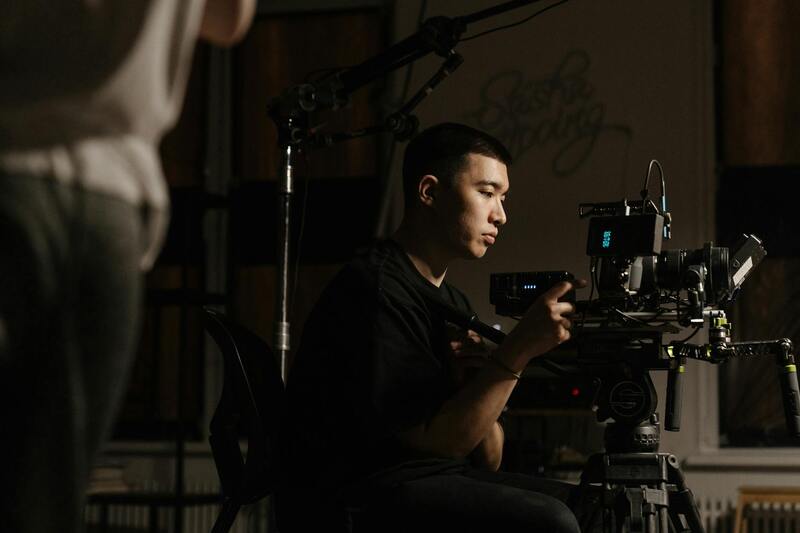
Factors Influencing Pricing
Numerous variables play a role in determining the cost of real estate video production. The complexity of the property itself is a primary consideration; larger estates or properties with intricate architectural details often require more comprehensive coverage, multiple camera angles, and additional time on-site, thereby increasing labor and equipment expenses. The desired level of production quality also impacts pricing—higher-end videos incorporating cinematic shots, sophisticated editing techniques, and premium post-production effects typically command higher fees.
Location plays a significant role as well. Properties situated in remote or hard-to-access areas can incur extra costs for transportation, permits, and logistical planning. Additionally, weather conditions can influence shoot schedules and resource allocation, especially for outdoor shots that require optimal lighting and safety considerations.
Time sensitivity is another crucial factor. Urgent projects that demand rapid turnaround or last-minute scheduling may come with premium charges. Conversely, flexible timelines can sometimes reduce costs but may also limit availability and scheduling options.
Typical Price Ranges for Different Property Types
While prices vary based on specific project scope and service provider, general ranges can be outlined for different property categories:
- Small Residential Homes: $300 - $700 per project. These often include simple walkthrough videos with minimal editing.
- Mid-sized Residential Properties: $700 - $2,000. Includes multiple angles, drone footage, and basic post-production enhancements.
- Luxury Estates and Commercial Properties: $2,000 - $10,000 or more. Custom productions with advanced cinematic techniques, aerial shots, twilight or sunset filming, and extensive editing are typical in this category.
Services Included in Video Production Pricing
Pricing usually encompasses several core services that together create a comprehensive marketing asset:
- Pre-production Planning: Concept development, location scouting, and storyboard creation to ensure alignment with marketing goals.
- Filming: On-site shooting using high-quality cameras, drones for aerial views, and specialized equipment for different lighting conditions.
- Post-production Editing: Cutting, color correction, sound mixing, and adding graphics or branding elements as needed.
- Final Delivery: Exporting the video in various formats suitable for MLS listings, social media platforms, or website embedding.
Factors That Can Increase Costs
Several elements contribute to elevated production expenses beyond the base rates. Twilight shoots, for example, involve shooting during dawn or dusk, requiring additional planning, lighting, and crew effort. Custom editing requests, such as animated overlays, virtual staging, or cinematic color grading, demand higher skill levels and more extensive work hours. Extended filming schedules are common for properties with expansive grounds or multiple exterior shots, adding wages and logistical expenses. Additionally, producing multiple versions of a video tailored for different marketing channels—such as short social media clips or specific platform dimensions—increases editing complexity and review requirements.
Advanced drone footage, especially over large estates or environmentally sensitive areas, involves specialized pilots and equipment, often leading to higher costs. Permitting and access restrictions may incur additional fees when filming in restricted zones or private properties, where negotiations or permissions are required. These factors, combined with optional enhancements like special effects or detailed virtual staging, contribute to a significant increase in overall expenditure.
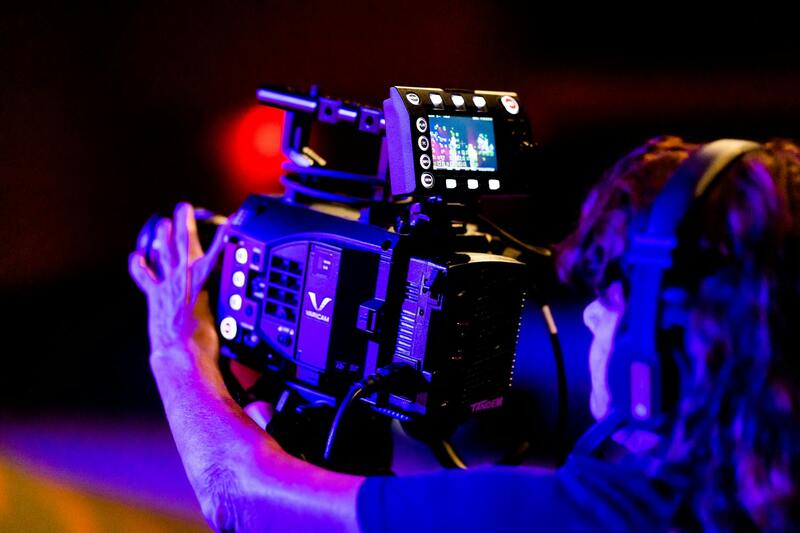
Factors Influencing Pricing
Understanding the elements that impact real estate video production prices is essential for making informed decisions. Several core factors determine the overall cost, including the scope of the project, the complexity of the footage, and the level of post-production required. For instance, properties with intricate architectural features or expansive grounds may necessitate additional planning, multiple shooting days, and specialized equipment such as drones or stabilizers. The choice of additional services, such as 3D virtual tours, animated overlays, or cinematic color grading, also contributes significantly to the final price.
Lighting conditions and scheduling play a critical role as well. Filming during dawn or dusk—commonly referred to as twilight shoots—requires careful coordination, additional gear, and extended crew hours, all influencing costs upward. Location permissions, especially for private or restricted areas, can add to expenses due to required permits and negotiations. Moreover, the delivery format and the number of versions of the video for different marketing platforms can alter the workload, thereby affecting pricing.
Typical Price Ranges for Different Property Types
Prices for real estate videos vary according to the property's size, location, and marketing needs. Entry-level or smaller residential properties often fall within a lower price point, generally ranging from $300 to $800 per project. These packages typically include basic videography, standard editing, and simple virtual tours. Mid-range properties, such as larger family homes or condominiums, usually see prices between $800 and $2,000, reflecting longer filming times, more complex editing, and inclusion of additional visuals like drone footage.
Luxury estates or commercial properties can command premium prices, often exceeding $2,500. These projects involve extensive planning, multiple filming sessions, aerial shots, customized animations, and extensive post-production work to showcase the property's unique features. For high-end listings, producers may offer tailored packages that incorporate 3D walkthroughs or virtual reality elements, significantly increasing costs.
Services Included in Video Production Pricing
- Pre-production planning and scripting
- On-location filming with professional equipment
- Use of drones for aerial shots
- Basic or advanced editing, including color correction
- Adding music tracks and voiceovers
- Virtual staging, floor plans, or 3D visualization
- Multiple export formats suitable for MLS, social media, and websites
The level of service varies among providers, with premium packages offering extensive customization and targeted marketing enhancements to maximize property visibility.
Factors That Can Increase Costs
Several variables can drive up the base cost of a real estate video project. Specialized shooting conditions such as twilight or night shots demand additional equipment, crew, and time, making them more expensive. Virtual staging or highly detailed CGI enhancements require advanced skill sets and more intricate post-production work. Extended filming schedules arise for larger properties or those with complex layouts, adding wages and logistical costs.
Creating multiple versions of a video tailored for different channels or audiences entails extra editing time. Advanced drone footage, particularly over large estates or environmentally sensitive zones, involves certified pilots and often, permits that come with extra fees. Restrictions at certain properties or locations that require negotiation or special access arrangements further influence the cost structure. Optional extras like special effects, virtual walk-throughs, or cinematic color grading also contribute to higher production budgets.
Budget Considerations for Real Estate Marketing
Aligning your video production budget with your marketing goals ensures an efficient allocation of resources. Lower-cost options might suffice for smaller or less competitive listings, providing basic visuals to attract potential buyers. Budgeting for slightly higher investment can yield improved quality and more impactful marketing content, increasing the property's visibility and appeal.
Investments should be balanced against the expected return in terms of faster sales or higher listing prices. Combining quality production with strategic distribution can amplify the property's exposure across social media, listing platforms, and targeted advertising campaigns. Planning ahead and specifying your key marketing objectives make it easier to select a package that delivers value without unnecessary expenditure.
Comparing Local Market Rates in Miami
Miami's vibrant real estate market features a range of production services, with prices reflecting the area's competitive landscape. Local providers typically offer packages from $500 for basic videos of modest properties, up to $3,500 or more for comprehensive packages involving drone footage, virtual tours, and advanced editing for luxury listings. Regional demand, provider experience, and the availability of specialized equipment influence these rates.
Engaging with local production companies allows for better understanding of the prevailing market prices and service quality. Gathering multiple quotes and examining portfolio samples ensure that your investment aligns with your expectations and desired market positioning. Miami producers often tailor their offerings to suit the upscale nature of local properties, emphasizing high-quality visuals, dynamic cinematography, and seamless editing to enhance property appeal across apartments, waterfront estates, and commercial spaces.
Factors Influencing Pricing
Determining the cost of real estate video production depends on multiple key elements. Equipment quality plays a significant role; high-definition cameras, aerial drones, and stabilization gear can elevate production costs but significantly enhance visual appeal. The complexity of the shoot, including the number of locations, interior shots, and the necessity for special effects or virtual staging, also impacts the overall price. Additionally, the level of post-production work required—such as advanced editing, color grading, 3D animations, or motion graphics—can increase expenses. These technical aspects contribute to a polished presentation that commands higher fees.

Furthermore, the duration of the shoot and the number of revisions requested by the client can affect pricing. Longer shoots or multiple revision rounds require more time and labor from the production team, adding to the total cost. Geographic factors also influence prices; service providers in highly competitive markets or regions with higher labor costs will typically charge more than those operating in less saturated areas.
Typical Price Ranges for Different Property Types
In general, budget for a single property’s video production can range from $300 to $3,500 depending on complexity. Standard listings, such as modest apartments or single-family homes, usually fall within the $500 to $1,200 range, offering basic footage and simple editing. Luxury properties, waterfront estates, or commercial spaces often require premium services like drone footage, virtual tours, or 3D walkthroughs, which can push prices toward the $2,000 to $5,000 mark.
Services Included in Video Production Pricing
Common services encompassed within standard packages include aerial drone footage, interior and exterior walkthroughs, basic editing, music licensing, and color correction. Some providers offer add-on features such as virtual staging, 3D floor plans, 360-degree virtual tours, and voice-over narration. Clarifying which services are included and what constitutes additional charges helps in evaluating the overall value and ensures alignment with marketing goals.
Factors That Can Increase Costs
- Expedited timelines: Tight schedules requiring rapid turnaround can lead to higher fees.
- High-end equipment: Use of advanced stabilization systems, cinematic lenses, or drone technology incurs additional costs.
- Extensive editing: Customized animations, special effects, and detailed post-production work add to pricing.
- Multiple locations or large properties: More footage and logistics increase time and resource commitments.
- Professional talent: Employing skilled videographers, drone operators, and editors with extensive experience may carry premium rates.
Budget Considerations for Real Estate Marketing
When allocating funds for video production, it is important to balance expense with expected marketing impact. Cost-effective options exist that provide high-quality visuals without excessive spending—such as focusing on key areas or utilizing simpler editing techniques. Diversifying marketing investments across multiple channels, including social media advertising and algorithm-optimized listing presentations, can amplify the video's reach and return on investment.
Comparing Local Market Rates in Miami
Miami’s dynamic real estate environment features a spectrum of service providers, with pricing tiers often reflecting the high-end market. Basic video packages for modest properties tend to start around $500, covering essential footage and straightforward editing. Conversely, luxury listings and commercial properties benefit from advanced productions that include aerial shots, 3D virtual tours, and professional voice-overs, often exceeding $3,000. Regional demand, provider expertise, and specialized equipment availability influence these variations. Engaging with local companies enables property owners to assess current rates, compare service quality, and identify options that align with their marketing strategies. Local production teams frequently craft tailored packages for upscale properties, emphasizing clarity, visual sophistication, and seamless editing to appeal to high-net-worth buyers and investors.
Tips for Getting the Best Value
- Request multiple quotes: Comparing offers from different providers helps identify competitive pricing and service differences.
- Review portfolios carefully: Portfolio samples provide insight into a provider’s style and quality, ensuring their work matches your expectations.
- Clarify included services: Confirm what is part of the base package to avoid hidden costs and ensure comprehensive coverage.
- Consider scalability: Choose providers offering scalable packages that can grow with your marketing needs.
- Invest strategically: Prioritize services that maximize visual appeal, such as drone footage or virtual tours, especially for high-value listings.