
Importance of Video Marketing in Miami Real Estate
In the dynamic and highly competitive Miami real estate market, leveraging innovative marketing strategies is essential for property success. Video marketing has emerged as a vital tool for real estate professionals seeking to elevate the visibility of their listings and attract serious buyers. High-quality video content allows potential buyers to experience a property virtually, providing a comprehensive view that static images and written descriptions cannot fully capture. This immersive experience enhances engagement, builds trust, and accelerates the decision-making process.
Miami’s diverse and vibrant real estate landscape demands a marketing approach that stands out. Video presentations of properties showcase not only the physical features of the home but also the ambiance, architectural details, and neighboring amenities. Two primary factors drive the effectiveness of real estate videos in this market: visual appeal and emotional connection. A stunning video can evoke a sense of lifestyle, luxury, and exclusivity, resonating deeply with prospective buyers.
Moreover, social media platforms and online listing portals prioritize video content, offering greater reach and engagement metrics. Videos are more likely to be shared, increasing property exposure across multiple channels. The inclusion of drone footage, 3D walk-throughs, and professional narration further enhances video quality, making listings more compelling and accessible.
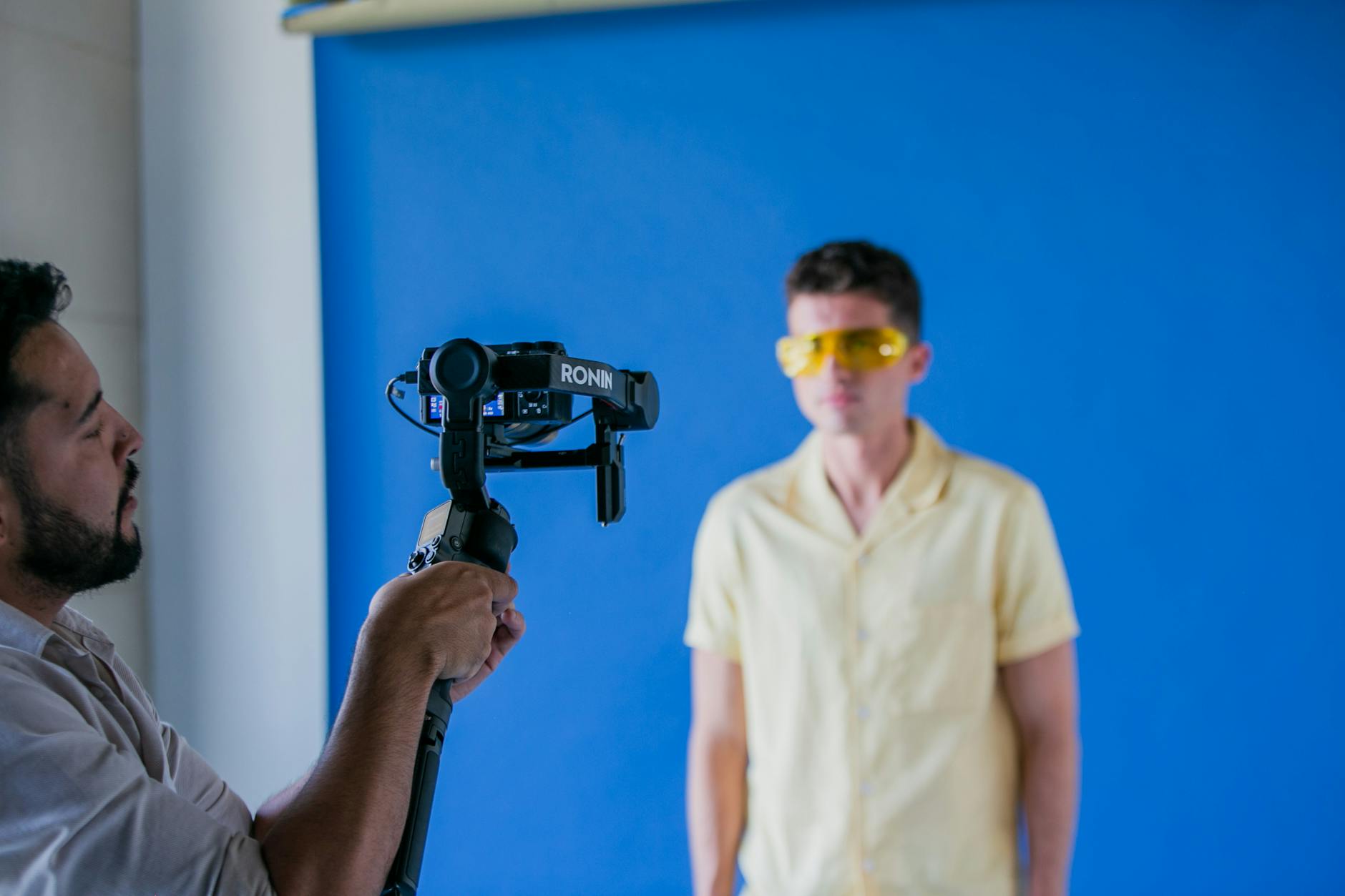
Real estate video marketing also supports a faster sales cycle. By providing detailed visual information remotely, it reduces the number of physical viewings needed and attracts serious buyers who have already gained a thorough understanding of the property’s features. This efficiency benefits both sellers and agents, saving time and resources.
In Miami’s competitive environment, where buyers often compare listings rapidly, professionally produced videos serve as a critical differentiator. They reinforce the property’s appeal, highlight unique selling points, and foster an emotional connection that motivates viewers to act. As the digital landscape evolves, investing in quality real estate videos becomes an indispensable element of effective property marketing strategies in Miami.
Planning and Pre-production for Miami Real Estate Videos
Effective real estate video production begins with meticulous planning and pre-production strategies tailored to the Miami market. This phase involves understanding the unique features of the property, target audience, and the desired message to convey. The initial step is to conduct a comprehensive assessment of the property, noting its architectural details, interior design elements, outdoor spaces, and surrounding neighborhood. This information guides the creative direction and scripting process.
Developing a detailed storyboard or shot list is essential for ensuring all key aspects of the property are captured systematically. This plan should include specific footage sequences, angles, lighting preferences, and special features such as swimming pools, balconies, or scenic views that are prominent selling points in Miami. Collaborating with real estate agents or property owners provides insight into the property's unique story and the emotions it aims to evoke.
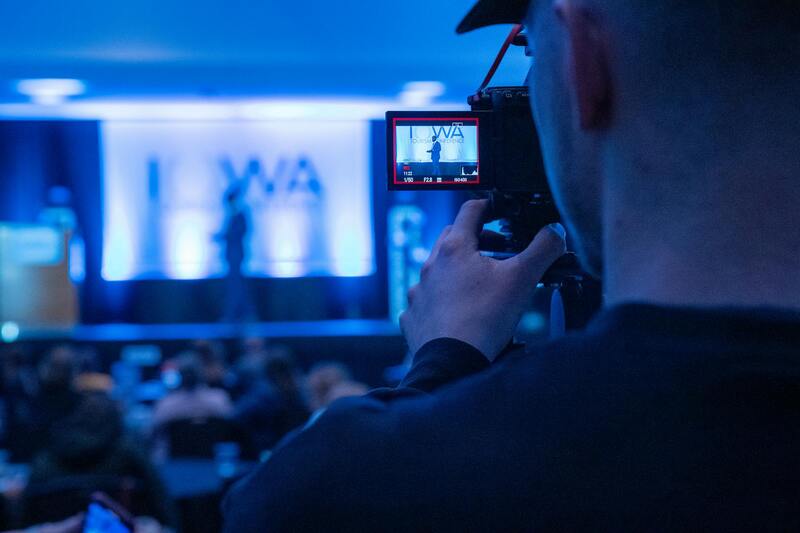
Location scouting is also a critical component. For Miami properties, this involves evaluating the best times of day for shooting to maximize natural lighting, considering weather patterns, and identifying ideal vantage points that showcase the property's proximity to beaches, cityscapes, or parks. Securing any necessary permits or permissions for drone shots or restricted areas must be part of the pre-production checklist to avoid delays.
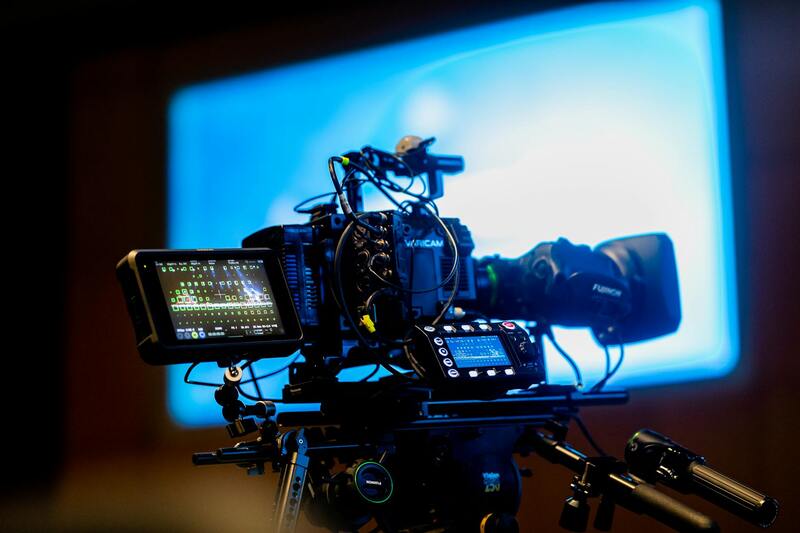
Additionally, selecting the right equipment—such as high-resolution cameras, stabilizers, and drones—based on the property's size and complexity ensures high-quality footage. Planning for professional narration, background music, and graphics during post-production can further enhance storytelling, making the final product more engaging.
Ultimately, thorough pre-production preparation lays a solid foundation for filming. It helps streamline the shoot process, reduces unforeseen challenges, and ensures the final video effectively captures the essence of Miami real estate, appealing to prospective buyers both locally and internationally.
Filming Techniques for Miami Real Estate Videos
Effectively capturing Miami real estate requires a blend of advanced filming techniques tailored to highlight the unique features of each property. Utilizing high-resolution cameras ensures sharp, vibrant visuals that resonate with viewers viewing on large screens or mobile devices. When filming, wide-angle lenses are essential for showcasing interior spaces, giving a comprehensive view that helps potential buyers envision living in the space. Employing cinematic camera movements, such as slow dollies or smooth pans, can elevate the perceived quality of the property, making shots more engaging and dynamic.
The strategic use of natural lighting plays a vital role in Miami's bright, sun-drenched environment. Filming during the golden hours—shortly after sunrise and before sunset—maximizes natural light, creating warm, inviting visuals. Overcast days can also serve as ideal shooting conditions, providing diffused lighting that reduces harsh shadows.
In exterior shoots, drone footage is invaluable for capturing panoramic views of the property within its Miami surroundings. Real-time aerial shots can showcase a property's proximity to beaches, parks, or cityscapes, emphasizing its prime location. To ensure safety and compliance, professional drone operators are well-versed in restricted airspace regulations and can obtain necessary permits.
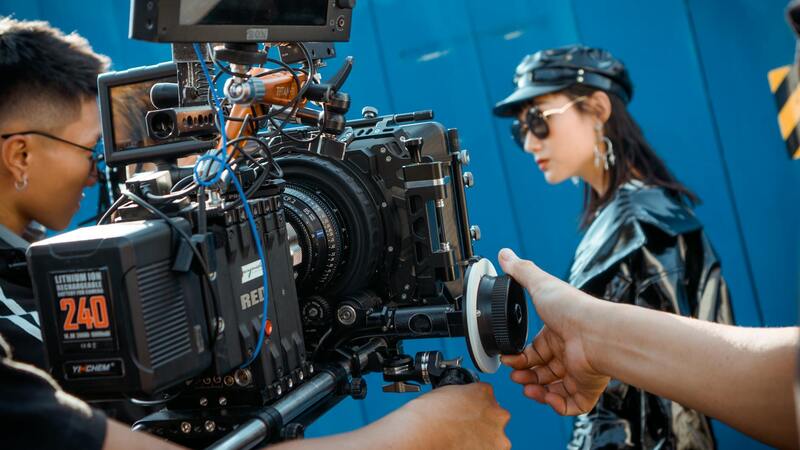
Stabilization equipment such as gimbals and steadicams helps achieve smooth footage, especially during walkthroughs. This technique enhances viewer immersion, providing a seamless viewing experience that mirrors professional property tours. Additionally, employing different angles—including low shots to accentuate height or wide shots to establish context—adds depth and visual interest.
Lighting techniques also extend to interior filming. Use of portable LED lights can brighten darker spaces without altering natural aesthetics. Highlighting features like fireplaces, built-in appliances, or scenic views through clever framing can draw attention to key selling points.
Legal Considerations and Best Practices
When producing real estate videos in Miami, adherence to official protocols and procedural standards ensures a smooth and compliant process. First, securing appropriate permits for drone usage is essential, especially when capturing aerial footage over private properties or public spaces. This involves consulting with local aviation authorities and obtaining necessary authorizations to operate drones within regulatory guidelines. Skilled operators are equipped to handle these permits, minimizing delays and leveraging their in-depth understanding of airspace restrictions.
Property rights also play a significant role in video production. It is crucial to acquire written consent from property owners or agents before shooting, confirming permission to showcase the premises on commercial platforms. This minimizes potential disputes and protects all parties involved.
Respecting privacy concerns should be a top priority. This entails avoiding filming areas that could capture neighbors' private spaces or personal activities without prior consent. When filming in shared complexes, coordination with management helps streamline access and ensures compliance with community guidelines.
In terms of content, adhering to transparency standards about what is being showcased enhances credibility. Accurate representations—avoiding misleading claims or exaggerated features—build trust with prospective buyers.
Additionally, safeguarding intellectual property rights for the footage and music used in videos is critical. This involves licensing assets properly and respecting copyrights, which helps prevent potential legal complications.
Implementing these official procedures during the production process not only upholds high industry standards but also enhances the reputation of your listings. It signals professionalism to clients and viewers alike, reinforcing the trustworthiness of your Miami real estate offerings.
Legal Considerations and Best Practices
Creating high-quality real estate videos in Miami requires adherence to official procedures that ensure professionalism, respect, and compliance. Before initiating any filming, securing written consent from property owners or authorized representatives is essential. This documentation affirms permission to showcase the property on commercial platforms and helps avoid misunderstandings. It’s also vital to clearly define the scope of the shoot, including specific areas permitted for filming, to prevent any inadvertent intrusion into private spaces.
Respecting residents’ and neighbors’ privacy is an ongoing priority. Proper coordination with property management or HOA representatives can facilitate smooth access while respecting community guidelines. This proactive communication demonstrates transparency and fosters trust among all parties involved.
During filming, it’s important to be aware of applicable regulations regarding drone usage and city-specific filming restrictions. Miami has designated zones where drone flights are permitted under specific conditions, and obtaining necessary permits ensures adherence to local regulations. Using drones responsibly can dramatically enhance aerial shots without infringing on airspace restrictions or privacy concerns.
Additionally, selecting licensed and insured production crews ensures that all activities meet the established standards for safety and professionalism. Certified operators should be familiar with Miami’s specific policies related to filming within public and private spaces, especially when using equipment like drones or specialized cameras.
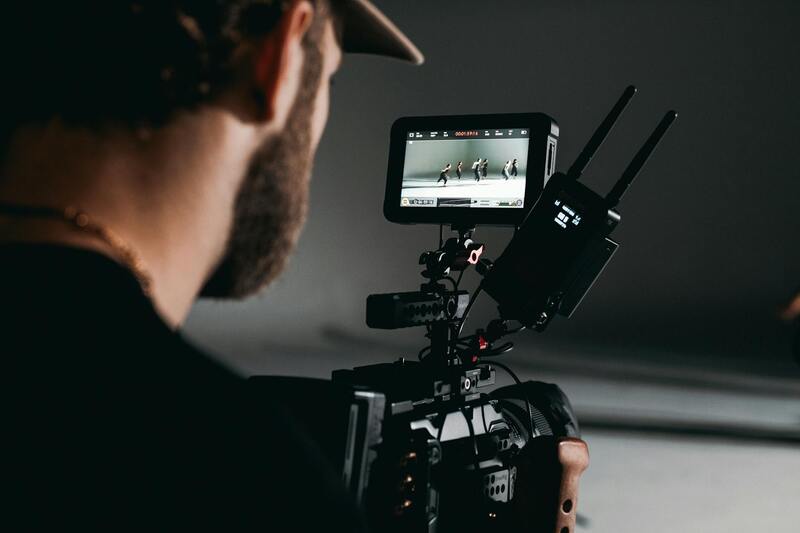
In terms of intellectual property rights, it’s necessary to license all music, graphics, and stock footage used during editing. This prevents potential disputes related to copyright infringement and maintains the integrity of the production. Incorporating clear disclosures about what the video showcases and ensuring accurate representations also bolster viewer trust and meet industry standards.
Filmmakers and agents should note that Miami’s local regulations, including noise ordinances and filming times, must be followed diligently. These official steps help uphold the professionalism of your listings while avoiding penalties or delays. By consistently implementing these practices, real estate professionals demonstrate a commitment to excellence and enhance their reputation within the market.
Legal Considerations and Best Practices
When creating high-quality real estate videos for the Miami market, adhering to established best practices is essential to ensure professionalism and enhance listing effectiveness. These practices not only promote transparency and accuracy but also help maintain a positive reputation within the industry.
One fundamental aspect is the clear depiction of property features. Accurately showcasing the property's size, layout, and condition avoids misconceptions that could lead to buyer dissatisfaction or disputes. Utilizing detailed floor plans combined with video walkthroughs provides prospective buyers with comprehensive information, fostering trust and facilitating informed decisions.
Moreover, respecting privacy boundaries is paramount. Securing consent from property owners and residents before filming ensures that all parties are comfortable with the footage being used for marketing. This process involves obtaining written approval, especially when filming in private spaces, to prevent misunderstandings or unauthorized disclosures.
Another key element involves the appropriate use of music, graphics, and footage within videos. Licensing all multimedia components prevents copyright infringements and potential legal repercussions. Professionals should source music from reputable providers offering licenses for commercial use, and incorporate disclaimers or attributions where required.
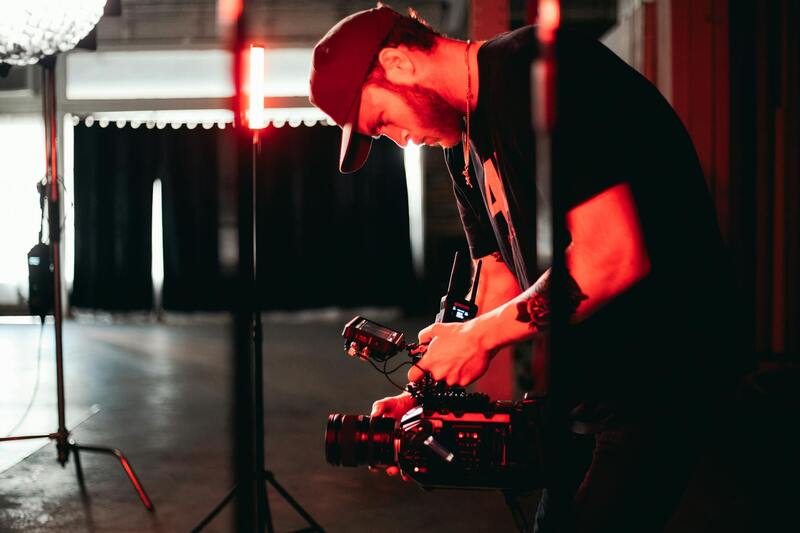
In the production process, maintaining consistency and accuracy with the property’s representation can reduce discrepancies between marketing content and actual listings. Using updated visuals and verifying details against current property status minimizes risks of misleading potential buyers or facing complaints.
Compliance with local regulations related to filming is another integral component. This includes awareness of Miami's specific ordinances regarding permissible filming hours, noise levels, and drone operations. Securing necessary permits before shooting, especially in public areas or aerial filming, supports seamless production and avoids penalties.
To preserve the integrity of the content and uphold industry standards, real estate professionals should establish a comprehensive review process. This ensures that all videos undergo quality assurance checks, verifying factual accuracy, proper licensing, and adherence to community guidelines.
Finally, maintaining transparency throughout the marketing process fosters trust with clients and viewers. Including disclosures about property conditions, potential imperfections, or ongoing improvements demonstrates honesty and builds a strong reputation within the Miami real estate market.
Legal Considerations and Best Practices
Successfully producing real estate videos in Miami involves careful attention to several legal considerations that ensure smooth and compliant operations. First, obtaining explicit permission from property owners before filming is essential. This consent guarantees clarity on the scope and purpose of the shoot, preventing potential disputes or misunderstandings.
When incorporating aerial footage, drone operation regulations must be rigorously followed. Operators should verify that they have the appropriate authorizations to fly within permissible zones, especially in airspace that might be restricted or sensitive. Miami's specific rules about drone flight times, altitude limits, and no-fly zones should be thoroughly reviewed to avoid penalization or interruptions during production.
In addition to permissions for the property itself, any footage featuring recognizable individuals requires their consent. This is particularly relevant when capturing bystanders or staff members during shoot days. Acquiring model releases, where applicable, helps prevent any future claims related to privacy or image rights.
Using licensed music and multimedia elements is another fundamental aspect of legal compliance. Content creators must source audio tracks and visual elements from reputable providers that offer licenses suitable for commercial use. Incorporating proper attributions and acknowledgments where necessary maintains transparency and adheres to licensing agreements.
Furthermore, clearly communicated disclosures about the property’s condition, ongoing renovations, or special features foster transparency with prospective buyers and uphold professional standards. Disclaimers about potential discrepancies or updates ensure viewers receive accurate and current information.
To sustain industry reputation and avoid liabilities, real estate professionals should implement internal review procedures that verify content accuracy, licensing compliance, and adherence to community guidelines. This due diligence enhances viewer trust and reinforces the professionalism of the marketing material.
Legal Considerations and Best Practices
Executing high-quality real estate videos in Miami requires adherence to several official standards that uphold ethical standards and promote transparency. One fundamental aspect involves obtaining all necessary permissions prior to filming. Property owners must give explicit consent for footage to be captured, particularly when including interior and exterior shots that highlight property features. This includes documenting any restrictions related to property access that might affect the shoot schedule or shot list.
Drone footage has become an integral part of Miami real estate videos, offering breathtaking aerial views that showcase property layouts and neighborhood context. However, complying with drone operation regulations is essential. Permits should be secured where necessary, and drone pilots should be qualified according to local aviation guidelines. Proper planning ensures that aerial shots are conducted safely, avoiding interference with aircraft routes or restricted airspace areas.
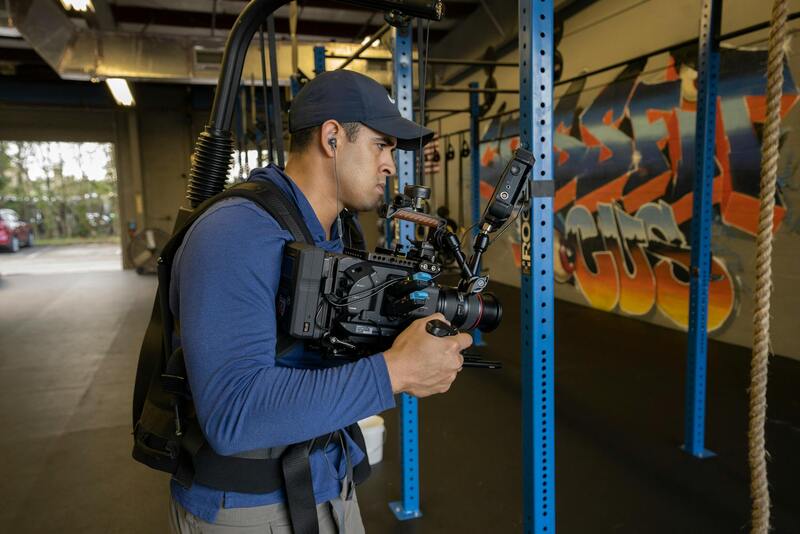
Audio elements included in the videos must also be sourced responsibly. Using licensed music from reputable providers guarantees that content complies with intellectual property rights. Incorporating externally obtained multimedia components, such as background music or sound effects, should always be documented with appropriate licensing agreements. This level of diligence helps prevent copyright disputes and maintains professional integrity.
Disclosures within the video content play a critical role in providing accurate information. Details about property conditions, ongoing renovations, or specific features should be clearly communicated. Including disclaimers about potential variations or updates encourages transparency and aligns with best practices for managing viewer expectations.
Managing Privacy and Image Rights
- Ensure that any footage featuring recognizable individuals, such as staff or visitors, is accompanied by proper releases. This is especially important in busy environments where bystanders may inadvertently appear in shots.
- Implement internal review processes to verify that all content aligns with agreed-upon permissions before distribution.
- Clearly define boundaries regarding photographing or filming private areas that may compromise personal privacy.
Community and Neighborhood Considerations
In Miami’s vibrant neighborhoods, it’s essential to respect community guidelines and property-specific rules during video production. This might involve coordinating with local authorities or community associations to ensure compliance with noise ordinances, filming restrictions, and public safety requirements.
By diligently following these guidelines, real estate professionals and video producers can produce compelling, accurate, and compliant content that showcases Miami properties effectively and responsibly.