
Importance of Video Marketing in Real Estate
In today’s competitive Miami real estate market, the utilization of high-quality property videos has become a fundamental component in effective marketing strategies. Visual content, particularly videos, provides prospective buyers with an immersive experience, showcasing properties beyond static images and detailed descriptions. This dynamic form of presentation captures the attention of a broader audience, increases engagement, and enhances the overall appeal of property listings.
Videos serve as a powerful tool to highlight the unique features and architectural details of a property. They enable viewers to experience the space as if they were physically present, helping to establish an emotional connection that can accelerate the decision-making process. In Miami’s diverse and vibrant housing market, property videos can stand out among numerous listings, making them an indispensable element for real estate professionals seeking to maximize exposure.
Moreover, research indicates that listings with videos typically garner more views, generate increased inquiries, and result in faster sales compared to traditional photo-only listings. For sellers, investing in professional property videos is a strategic move to attract serious buyers, often translating into higher sale prices and reduced time on the market. For agents, utilizing high-quality visual content elevates their brand reputation and enhances client trust.
Miami’s real estate sector is characterized by its dynamic nature and international appeal. High-caliber property videos help bridge geographical gaps, enabling interested buyers from around the world to explore homes virtually. As a result, property videos extend the reach of listings significantly, facilitating a broader buyer pool and supporting quicker transactions.
In a market where first impressions matter immensely, professionally produced property videos provide a crucial edge. They serve not only as a marketing asset but also as a testament to the quality and desirability of the featured property. With the increasing reliance on digital platforms and online searches, the strategic adoption of property videos is vital for modern real estate marketing in Miami.
Because the visual narrative created through these videos directly influences prospective buyers' perceptions, it is essential to prioritize quality and authenticity. Well-crafted videos that accurately showcase a property’s best features can dramatically boost interest and trust, ultimately leading to increased sales success in a competitive marketplace.
Types of Property Videos for Real Estate
Effective real estate property videos encompass a variety of formats, each tailored to highlight different aspects of a listing and engage potential buyers in unique ways. A comprehensive video marketing strategy leverages multiple formats to deliver a compelling narrative that resonates with viewers and encourages inquiries.
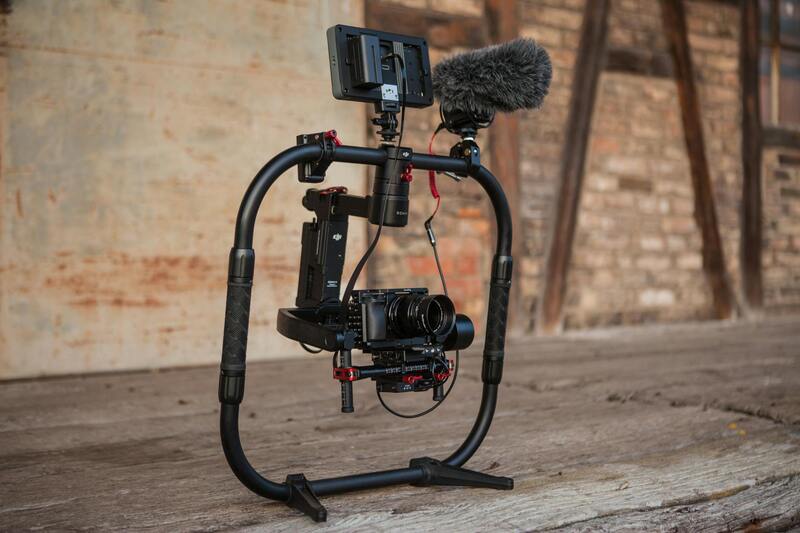
- Virtual Tours: These immersive walkthroughs allow viewers to explore a property in a realistic manner. Virtual tours can be conducted using handheld cameras or stabilized equipment to ensure smooth navigation, providing a comprehensive view of each room’s layout, size, and flow. They are ideal for online listings, enabling prospective buyers to experience the property without visiting in person.
- Drone Footage: Aerial shots captured via drone photography elevate property presentations by showcasing the surrounding environment and landscape features. Drone footage is particularly effective for large estates, waterfront properties, or homes with scenic outdoor areas. It underscores the property's setting, neighborhood amenities, and nearby attractions, adding depth to the visual story.
- Neighborhood Highlights: Videos that focus on the community, local amenities, schools, parks, and transportation options provide potential buyers with contextual insights. These videos help convey the lifestyle associated with the property, strengthening emotional appeal and providing a comprehensive understanding of the location’s advantages.
- Highlight Reels and Property Showcases: Short clips emphasizing the most attractive features—such as kitchens, master suites, outdoor living spaces, and unique architectural details—help capture viewers' attention quickly. These bite-sized highlights are particularly useful for sharing across social media platforms to generate initial interest.
- 360-Degree and Interactive Tours: Advanced virtual tour formats that enable users to interactively explore spaces in 360 degrees foster engagement and allow viewers to focus on areas of personal interest. These formats provide a sense of depth and spatial accuracy, which can significantly influence a buyer’s decision-making process.
Utilizing a diverse array of video formats ensures a comprehensive presentation of the property and its surroundings. Each type plays a strategic role in addressing different buyer preferences and emphasizes specific features, ultimately creating a richer and more engaging visual experience that can set a listing apart in a competitive market.
Types of Property Videos for Real Estate
In the realm of real estate marketing, diversifying video content is essential to cater to the varied preferences of prospective buyers. A well-rounded video strategy incorporates multiple formats, each serving a specific purpose in the sales funnel. The main types include virtual tours, drone footage, neighborhood highlights, and lifestyle videos, collectively constructing a comprehensive showcase of the property and its surroundings.
Virtual Tours
Virtual tours are immersive, walk-through videos that allow potential buyers to explore the interior and exterior of a property from any location. They can be static, 3D rendered, or interactive, offering an in-depth perspective that simulates an on-site visit. Interactive tours, in particular, provide viewers with control over their navigation, enabling them to focus on the rooms or features that matter most. These tours are especially valuable in attracting remote buyers who cannot physically visit the property but wish to experience its layout and flow.
Drone Footage
Drone videos capture expansive aerial views that highlight a property's size, landscaping, and surrounding amenities. They are particularly effective for showcasing estates, luxury homes, and properties with significant outdoor features. High-quality drone footage provides a dramatic perspective that emphasizes the property's positioning within the neighborhood, proximity to parks, lakes, or cityscapes, and its overall curb appeal. Such footage adds a cinematic quality, making listings stand out in digital marketplaces.
Neighborhood Highlights
Videos focusing on the local community and amenities serve to sell the lifestyle rather than just the property. These videos encompass scenes of nearby parks, schools, local businesses, transportation options, and community events. They help build a narrative about the daily life that buyers can expect, fostering emotional connections and emphasizing the advantages of the location.
Lifestyle and Lifestyle-Oriented Videos
Beyond showing the physical space, these videos portray the experience of living in the property. They may include footage of family gatherings in the backyard, cooking in the kitchen, or relaxing in a spa-like bathroom. This approach aims to evoke an aspirational feeling, making it easier for potential buyers to visualize themselves in the space and identify with the property's unique lifestyle offerings.
Using a variety of video types ensures a layered, engaging presentation that resonates with different buyer motivations. By emphasizing key features, neighborhood advantages, and lifestyle benefits, real estate professionals can craft compelling narratives that elevate their listings and foster quicker, more confident purchasing decisions.
Editing and Post-Production Techniques
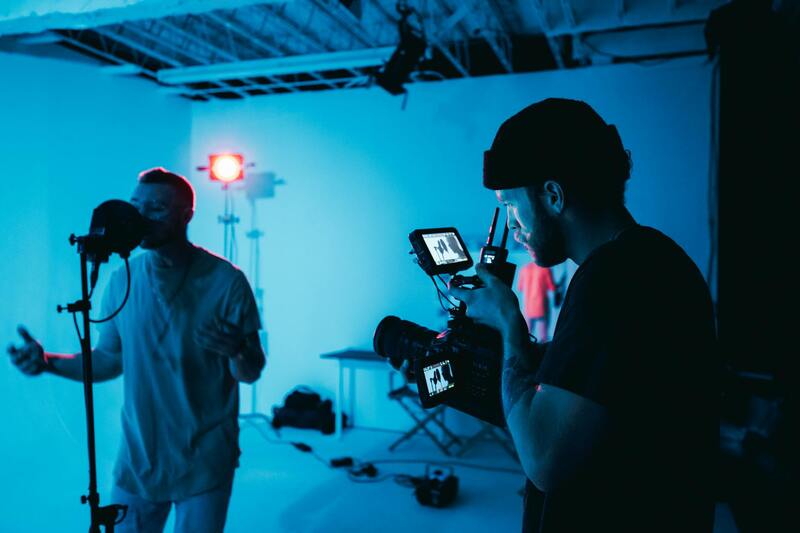
Once footage of a property has been captured, the editing phase becomes crucial in transforming raw clips into a polished, engaging visual presentation. Effective editing involves cutting unnecessary or distracting moments to maintain a clear narrative flow, highlighting the property’s best features without overwhelming viewers. Color correction is often employed to enhance lighting and vibrancy, ensuring that the home appears inviting and true to life. Additionally, stabilizing shaky footage can significantly improve the viewer's experience, lending a professional and seamless appearance. Incorporating strategic transitions and subtle effects can create a smooth viewing journey that guides potential buyers through the property. For example, fade-ins and fade-outs between scenes can evoke a cinematic feel, while overlays such as text or icons can point out distinctive features or highlight key selling points. Audio quality should not be overlooked. Clear, balanced background music can evoke emotional responses, while voiceovers or on-screen narration can provide context and description, making the video more informative. Subtle sound effects may also be used to accentuate particular features, such as the sound of water in a spa bath or the crackling of a fireplace. Utilizing professional editing software allows for precise control over these elements, resulting in a cohesive and compelling property showcase that captures the essence of the home and its environment.
Legal and Ethical Considerations in Real Estate Property Videos
Creating effective and compliant property videos requires adherence to certain standards that respect the rights of all parties involved and reflect ethical marketing practices. When producing real estate videos, professionals should prioritize accuracy and transparency to ensure potential buyers receive an honest representation of the property. This involves accurately showcasing the current condition of the property, avoiding exaggerated features or misleading visuals that could set unrealistic expectations.
Securing proper permissions is essential. This includes obtaining consent from homeowners, tenants, or stakeholders before filming their space. Respecting privacy is paramount, especially when capturing areas that could reveal sensitive or personal information. Visuals should be free from unintended inclusions, such as personal belongings, pets, or occupants, unless expressly authorized.
Another critical aspect pertains to intellectual property. The footage, music, and any added effects should be rights-cleared or licensed for commercial use to prevent infringement issues. Copyrighted music or proprietary editing assets should only be incorporated with appropriate licensing agreements, ensuring the final production complies with copyright laws.
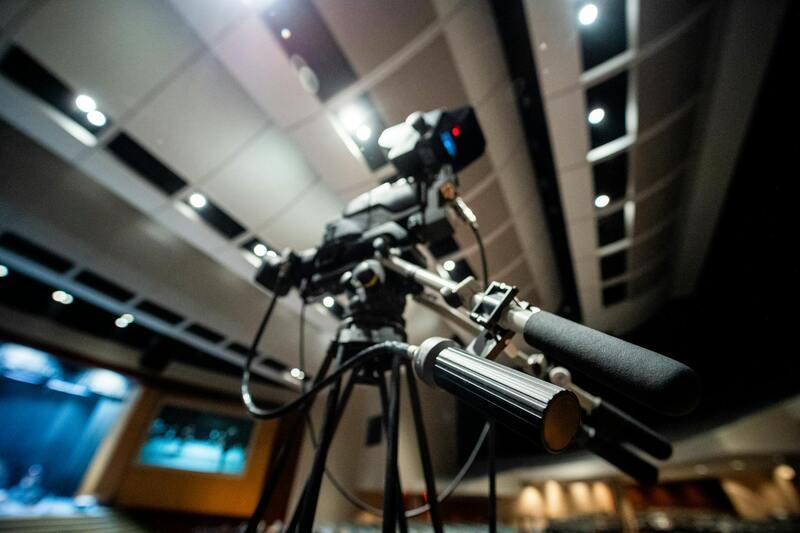
Accuracy in visual presentation also extends to proper lighting, angles, and editing. While enhancing visual appeal is a common practice, alterations should not distort the property's true appearance or mislead viewers about its size, layout, or features. Editing should enhance, not misrepresent.
Transparency and Professionalism
- Clear disclosure of any post-production enhancements or modifications made to the footage.
- Honest communication about the property's features, avoiding manipulative tactics that could undermine trust.
- Providing factual and verifiable information alongside visual content, such as property size, year built, and unique characteristics.
Compliance with industry standards and ethical guidelines fortifies the credibility of the marketing process. Real estate professionals and videographers must act with integrity to foster trust with buyers and uphold the reputation of the market. Practicing transparency, respecting privacy, and securing all necessary permissions contribute to the creation of high-quality property videos that are both captivating and ethically sound.
Legal and Ethical Considerations
When producing real estate property videos, adherence to established standards and practices is essential to maintain integrity and trustworthiness in marketing efforts. Ensuring that all visual content aligns with the property's actual features helps prevent potential misunderstandings or disputes. This includes accurately representing the property's interior and exterior spaces, as well as any important details like renovations or unique attributes. Transparency about modifications made during editing contributes to an ethical presentation that respects the viewer's right to honest information.
Proper permissions are critical when utilizing third-party elements such as music, graphics, or proprietary footage within property videos. Obtaining licenses or clearances for these components eliminates the risk of copyright infringement. Additionally, avoiding the use of misleading visual techniques, such as excessively wide-angle lenses or digital enhancements that distort reality, preserves the authenticity of the property presentation. This approach fosters consumer confidence and sets a standard for integrity across the real estate marketing landscape.

Respect for privacy is paramount when filming in and around private properties. This entails securing consent from homeowners or tenants before capturing footage, especially if personal areas are visible. Maintaining confidentiality of sensitive information or private spaces aligns with ethical filming practices. Moreover, clear disclosure of the scope of post-production modifications, including color correction, lighting adjustments, or virtual staging, ensures viewers receive an unambiguous understanding of the property's condition.
Adhering to these standards safeguards the reputation of real estate professionals and videographers, reinforcing their commitment to honest and responsible marketing. Such practices not only uphold industry dignity but also contribute to a more transparent and fair real estate marketplace.
Legal and Ethical Considerations in Real Estate Property Videos
Creating compelling property videos requires adherence to established standards that govern the use of visual content in the real estate industry. It is essential to manage rights properly, ensuring all media included in videos—such as music, images, and proprietary footage—is used with appropriate permissions and licensing arrangements. This practice not only maintains compliance with intellectual property rights but also demonstrates a commitment to ethical marketing practices.
Respect for privacy is another critical aspect. Filming in private residences necessitates obtaining explicit consent from homeowners or tenants to avoid any infringement on personal spaces or sensitive information. This step protects the privacy of individuals and maintains trust between real estate professionals, videographers, and clients. When filming exterior shots or shared community amenities, clarity about what is being captured and how the footage will be utilized safeguards all parties involved.
Post-production adjustments, including digital enhancements and virtual staging, should be transparently communicated to viewers. Clear disclosure of such modifications preserves the integrity of the property's visual representation, helping prospective buyers and investors form accurate expectations. This transparency fosters credibility and minimizes the risk of misunderstandings or misrepresentations that could arise from heavily altered visuals.
Adhering to local regulations related to filming permits, drone usage, and property disclose requirements is also vital in producing legitimate and professional real estate videos. Many jurisdictions mandate specific permissions for aerial footage or commercial filming within certain areas, ensuring operations are conducted lawfully. Compliance with these guidelines prevents disruptions and enhances the professionalism of the marketing efforts, reflecting positively on the agency or videographer involved.
By integrating these practices, real estate professionals safeguard their reputation, promote trustworthiness, and uphold industry standards — ultimately facilitating a fair and transparent marketplace for buyers, sellers, and investors alike.
Final Considerations: Ensuring Effective and Respectful Property Video Campaigns
As real estate professionals deepen their commitment to leveraging high-quality property videos, the importance of maintaining ethical standards and thorough professionalism cannot be overstated. The process of creating compelling visual content extends beyond technical execution; it involves a nuanced understanding of the property's unique features, the target audience's expectations, and the broader market context.
One crucial aspect is the adherence to transparency during all stages of production. When employing digital enhancements, virtual staging, or post-production editing, clear communication about these modifications is essential. This practice fosters transparency with viewers, sets accurate expectations, and upholds the trust between the seller and potential buyers.
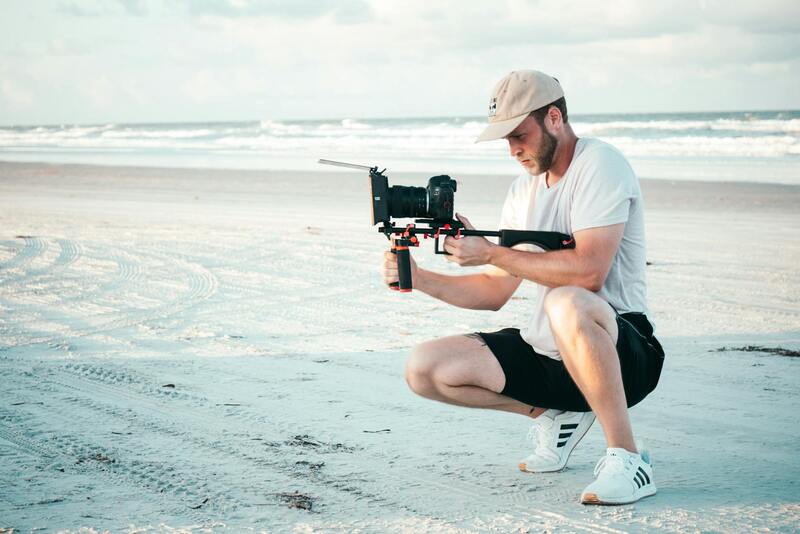
Another key element involves meticulous planning and coordination, especially when utilizing aerial footage or capturing shared community amenities. Securing the appropriate permissions and respecting privacy boundaries are integral to ethical content creation. These actions not only comply with relevant guidelines but also demonstrate respect for the property's community and its residents, reinforcing a professional image for the real estate agent or agency.
Moreover, producers should be vigilant in avoiding misleading representations. That includes providing accurate descriptions, showcasing well-maintained aspects of the property, and highlighting its best features responsibly. Such honesty enhances the reputation of the listing, attracts genuinely interested buyers, and reduces potential disputes or dissatisfaction down the line.
Embracing Continuous Improvement and Industry Standards
Staying updated with the latest trends, technological advancements, and best practices in real estate videography ensures content remains competitive and adheres to evolving standards. Participating in industry seminars, engaging with professional communities, and regularly reviewing market feedback can illuminate areas for refinement. When these efforts are integrated into the production process, they deliver more engaging, trustworthy, and effective videos.
This ongoing commitment to professionalism also involves respecting the diverse views and privacy concerns of potential viewers or clients. Incorporating options for viewers to access additional information, such as virtual walk-throughs or detailed property specifications, enhances their experience and supports informed decision-making.
Final Note: Fostering Industry Respect and Client Satisfaction
By emphasizing honesty, respecting privacy, and adhering to professional standards, real estate videos can significantly impact the success of property marketing. These practices not only comply with industry expectations but also build a foundation of respect and trust that benefits all stakeholders. When paired with creative innovation and strategic distribution, such responsible approaches position professionals as trustworthy leaders capable of elevating the local market landscape.