Importance of High-Quality Property Photos
In the competitive Miami real estate market, the significance of high-quality property pictures cannot be overstated. These images serve as the first impression potential buyers and investors have of a property. Quality visuals attract more attention in online listings, social media campaigns, and marketing materials, ultimately driving increased interest and foot traffic.
Clear, professional photographs highlight a property's most appealing features, such as spacious layouts, modern upgrades, picturesque views, and unique architectural details. Well-captured images can convey the true essence and potential of a space more effectively than written descriptions alone. When viewed online, compelling photos foster trust, demonstrate transparency, and set realistic expectations, which are critical factors in a buyer’s decision-making process.
Furthermore, the prominence of high-quality property pictures enhances the visibility of listings across various digital platforms. Search engines and real estate portals favor listings with professional images, leading to higher rankings and greater exposure. This increased visibility translates into faster sales and often yields better market value for property owners.
Investing in professional photography for real estate properties in Miami is a strategic move that can considerably elevate a listing's appeal. It offers a competitive edge by standing out amidst numerous other listings, especially in vibrant neighborhoods like Downtown Miami, Brickell, Coral Gables, and Miami Beach. High-caliber images not only appeal to individual buyers but also attract institutional investors and international clients seeking premium properties.
Visual storytelling is a powerful tool in real estate marketing. Effective property photography captures the lifestyle and ambiance of Miami living, whether it's a waterfront condo, a luxurious estate, or a chic urban apartment. High-quality images evoke emotional reactions and allow prospective buyers to envision themselves living in the space, thereby accelerating the buying process.
Ultimately, professional property pictures are an indispensable component of successful real estate marketing strategies in Miami. They serve as a visual gateway that compels viewers to explore further, inquire more, and ultimately make a purchase decision. With the right approach, high-quality images become a valuable asset that enhances reputation, maximizes exposure, and facilitates faster transactions.

Preparation of Your Property for Photography
Careful preparation of the property is crucial to capturing outstanding real estate images. Begin with a thorough decluttering process, ensuring each room is tidy and reflects the intended lifestyle. Remove personal items and excess furniture that may obstruct views or make spaces appear smaller. Pay particular attention to details such as clean windows, polished surfaces, and freshly made beds or styled furniture, as these elements contribute significantly to the visual appeal.
Proper staging elevates a property's presentation by highlighting its strengths and creating an inviting atmosphere. Incorporate neutral tones and subtle decor accents that appeal to a broad audience, while maintaining the property's unique character. Adequate organization and cleanliness are essential; clutter detracts from the space's potential and can diminish the impact of the photographs.
It is also important to ensure outdoor areas are well-maintained, with trimmed landscaping, clean walkways, and tidy outdoor furniture. Fresh flowers or potted plants can add vibrancy and charm to exterior shots. These small but impactful enhancements make a significant difference when capturing authentic, appealing images that resonate with prospective buyers.
Timing and Lighting for Property Photos
Optimal timing plays a vital role in real estate photography. Naturally, the best light occurs during the early morning or late afternoon, often called the golden hours. During these periods, sunlight is softer, reducing harsh shadows and providing a warm, inviting glow that enhances the property's features.
On cloudy days, diffused daylight offers a balanced and evenly lit environment, preventing glare or overly dark areas. It is beneficial to plan shoots around weather forecasts to ensure consistent, high-quality results. For interior shots, turning on all lights in the property creates a uniformly bright setting that complements natural light and fills dark corners, revealing the true essence of each space.

Using reflectors or diffusers can help manage shadows and illuminate difficult areas. Proper lighting not only enhances the aesthetic appeal but also ensures the images accurately portray the property's condition and ambiance, enticing prospective buyers and investors.
Choosing the Right Equipment and Post-Processing
High-quality real estate images rely on the proper selection of photography tools. A professional-grade digital camera with a wide-angle lens is typically preferred, as it captures expansive spaces without distortion. A sturdy tripod ensures stability, especially during long exposures in low-light conditions, maintaining sharpness and clarity in images.
Post-processing adds value by refining the images, correcting exposure, adjusting color balance, and enhancing details. Techniques such as HDR (High Dynamic Range) combine multiple exposures to reveal both bright and shadowed areas, providing a balanced view of interior and exterior scenes. Editing should be subtle and aim to produce images that are true to life, avoiding over-saturation or unrealistic enhancements.
When executed with precision, these methods maximize the visual impact of property pictures, making each listing stand out in Miami’s competitive real estate market. The combination of expert equipment and careful post-production elevates the overall perception of the property and facilitates more engagement from potential clients.
Legal and Ethical Considerations
When capturing real estate property pictures, adherence to official standards and best practices is paramount to maintaining professionalism and credibility. Using authorized methods and ensuring compliance with industry guidelines not only safeguards the integrity of the listing but also fosters trust with potential buyers and stakeholders. Consistency in quality and representation helps avoid misinterpretations that could arise from misaligned or misleading images. Ensuring that property photos accurately reflect the space is crucial. Avoid any form of image manipulation that might exaggerate the property's features or hide imperfections. Post-processing should aim to enhance clarity and color accuracy while maintaining a true representation of the property’s condition and ambiance. This transparency supports informed decision-making, which is essential in the competitive Miami real estate market. It is equally important to secure proper permissions before photographing private properties, especially when the images will be used publicly. Respect for privacy and property rights reinforces a professional approach and aligns with ethical standards. Additionally, capturing comprehensive visuals from multiple angles—including key interior spaces and notable exterior features—can significantly improve listings' engagement levels. Each image should be purposefully selected to highlight property strengths without overpromising or creating false impressions. Incorporating actual measurements and detailed descriptions alongside images ensures prospective buyers receive an honest, holistic view of the property. This approach not only enhances credibility but also helps streamline the sales process, reducing misunderstandings or unmet expectations. Adopting these practices creates a trustworthy foundation for real estate marketing efforts and underscores a commitment to transparency and professionalism in every aspect of property presentation.
Choosing the Right Equipment and Editing
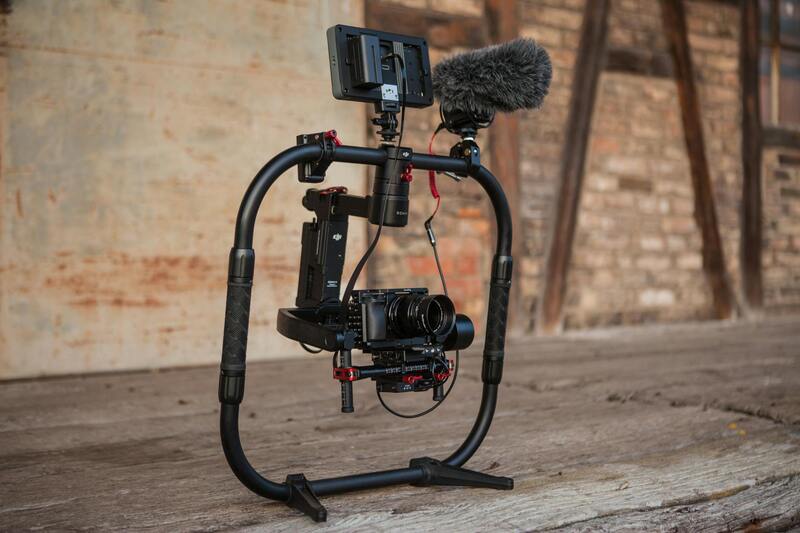
High-quality equipment plays a pivotal role in capturing stunning real estate images. Cameras with high resolution, wide-angle lenses, and stabilizers help produce clear, distortion-free photos that showcase every nuance of the property. Utilizing a DSLR or mirrorless camera with a lens specifically designed for interior photography can significantly enhance image clarity and depth.
Proper lighting equipment can help overcome challenges related to low light conditions, ensuring every room appears bright and inviting. Additionally, tripods enable stable shots, avoiding blurriness caused by camera shake and allowing for precise framing.
Post-editing is equally critical in delivering professional property photos. Their purpose is to enhance color accuracy, correct any distortions, and improve overall sharpness without altering the true appearance of the property. Techniques such as brightness and contrast adjustments, perspective correction, and color balancing help realize a polished final image that remains authentic to what prospective buyers will encounter.

Post-processing should be approached with a focus on authenticity, avoiding excessive enhancements that could mislead viewers. Maintaining the true ambiance of each space is essential, especially when potential buyers rely heavily on visual cues for initial impressions.
Incorporating advanced editing software allows for detailed adjustments and retouching, such as removing minor imperfections or enhancing focal points. Nonetheless, it remains vital to strike a balance to preserve the integrity of the property’s visual representation.
By investing in suitable equipment and applying precise editing techniques, real estate professionals can deliver visually compelling images that attract interest and facilitate faster transactions.
Enhancing Property Listings with Effective Visual Strategies
Utilizing Multiple Photos to Showcase Different Property Aspects
When aiming to attract potential buyers or renters, presenting a comprehensive visual story of the property is essential. High-quality real estate property pictures should encompass various angles and perspectives of each space to highlight its unique features and layout. This involves capturing wide-angle shots of living rooms, bedrooms, kitchens, bathrooms, and outdoor areas, ensuring each room's spatial dynamics are accurately represented. Including images of special amenities, such as a swimming pool, a landscaped garden, or an appealing facade, can significantly boost viewer interest.
Implementing a balanced mix of exterior and interior shots provides a holistic view, helping viewers visualize living in the space. For instance, showcasing the property's curb appeal through well-lit exterior photos can make a strong first impression, while detailed interior images demonstrate the quality of finishes and the flow of the layout. Consistency in style and quality across all images further reinforces professionalism and helps in creating a cohesive listing.
Incorporating Aerial and 360-Degree Photography
To elevate property presentation, integrating aerial photography using drone technology can reveal the property's surroundings and scale, offering potential buyers a perspective that ground-level photos cannot provide. Aerial shots of the estate’s boundaries, neighboring amenities, and landscaping features are particularly valuable in Miami’s diverse and expansive real estate market.
Additionally, 360-degree virtual tours are increasingly popular, allowing interested parties to explore the property remotely. These immersive experiences provide a detailed view of room layouts and spatial relationships without physically visiting the property. Combining traditional high-resolution images with aerial shots and virtual tours creates a multi-faceted marketing approach that caters to a broader audience and fosters quicker engagement.
Optimizing Images for Online Platforms
Image optimization plays a crucial role in ensuring that property pictures load swiftly, appear sharp across devices, and rank favorably in search results. This involves compressing image files to reduce load times without sacrificing quality and using descriptive, keyword-rich filenames and alt text to enhance visibility in search engines. Properly optimized images not only improve user experience but also strengthen the overall SEO strategy of the property listing.
Furthermore, maintaining consistent aspect ratios and dimensions across all images ensures a clean and professional appearance on various listing platforms. Accurate color representation and clarity are vital, as they help manage viewer expectations and prevent misunderstandings about the property's condition or aesthetic quality. By focusing on these technical details, real estate professionals can maximize the impact of their visual content.
Implementing Effective Image Management Practices
Managing large collections of property images efficiently is essential for seamless marketing workflows. Using a digital asset management system allows for easy categorization, retrieval, and updating of photos. This organization ensures that the most current and high-quality images are always used across listings, brochures, and digital campaigns.
Regularly reviewing and updating property images to reflect any renovations, seasonal changes, or other updates ensures that marketing materials remain accurate and engaging. This ongoing attention to detail reinforces credibility and professionalism in property marketing efforts.
Legal and Ethical Considerations
When capturing and utilizing real estate property pictures, adherence to established standards is essential to uphold trust and professionalism within the market. Securing necessary permissions before photographing private areas or sensitive spaces ensures respect for the property's occupants and owners. Transparency about what is shown in the images helps manage potential buyer expectations and mitigates misunderstandings.
It's also critical to present imagery that accurately reflects the property's current condition. Avoid the temptation to embellish or digitally alter images in ways that could mislead viewers. Such practices, often referred to as misleading representations, can lead to misconceptions, diminishing consumer confidence and affecting long-term reputation. Striving for honest and precise visuals reinforces credibility and aligns with ethical marketing standards.
Additionally, respecting privacy involves obtaining consent from residents or tenants before including their personal space or belongings in photographs. This practice not only fosters goodwill but also aligns with responsible marketing practices, demonstrating a commitment to integrity and professionalism.
In the context of compliance, ensure that all images are free from inappropriate content or editing that could distort the property's appearance. This includes avoiding overly polished images that can create false expectations. By maintaining transparency through authentic visuals, real estate professionals build a foundation of trust that benefits all parties involved in the transaction.
Legal and Ethical Considerations in Real Estate Photography
Maintaining transparency and integrity in real estate property pictures is fundamental to fostering trust between sellers, agents, and prospective buyers. Accurately representing a property through photography not only aligns with professional standards but also ensures that expectations are set appropriately from the outset of the viewing process.
When capturing images of a property, it is essential to document the space as it exists at the time of the shoot. This means avoiding alterations that could mislead viewers, such as digitally enhancing features or omitting existing imperfections. Authentic visuals help create an honest impression of the property, allowing buyers to make informed decisions based on truthful representations.
Respecting the privacy of current residents or tenants is another vital aspect of ethical photography. Prior to photographing interiors, obtain explicit consent from those inhabiting the space, especially if personal belongings or private areas are involved. This process not only demonstrates professionalism but also preserves a respectful relationship between all parties involved.
Photographers should also be attentive to content being captured, ensuring no inappropriate or sensitive material is included in visuals. This includes avoiding images that could portray the property in an overly polished manner, which might lead to unrealistic expectations. Ensuring that all images are free from misleading modifications reinforces transparency and credibility in marketing efforts.
Adhering to these practices aligns with a commitment to fair, transparent marketing practices. By emphasizing authenticity and respecting privacy, real estate professionals foster trust with their audience—ultimately supporting sustainable success in property transactions.
Legal and Ethical Considerations in Property Photography
Maintaining integrity in real estate property pictures is essential for fostering trust with potential buyers and upholding industry standards. Accurate documentation of a property’s features not only provides a truthful overview but also mitigates misunderstandings that could arise from misrepresented visuals. Photographers should adhere strictly to capturing images that reflect the space as it exists, avoiding any digital enhancements or manipulations that could distort the actual appearance of rooms, exteriors, or features.
Respecting privacy is equally important in property photography. Gaining explicit consent from current residents or tenants before capturing interior images demonstrates professionalism and consideration for personal boundaries. It is crucial to ensure that private areas, personal belongings, or sensitive information are not unintentionally revealed in photographs. This practice preserves the dignity of the inhabitants and maintains a professional reputation.
Additionally, photographers must be vigilant about the content they include in their images. Inappropriate or sensitive material, such as personal documents or private items, should be excluded. Images should portray the property in a manner that is honest and transparent, avoiding exaggerated or overly polished portrayals that could create unrealistic expectations for prospective buyers.
Adherence to these ethical practices in real estate photography not only safeguards consumer interests but also enhances the credibility of the listing. When visuals precisely represent the property, buyers can make well-informed decisions based on reliable information. This transparency nurtures trust and fosters smoother transactions, ultimately benefiting all parties involved in the real estate process.
Best Practices for Legal and Ethical Property Photography
- Obtain explicit permission: Always seek consent from current occupants prior to photography sessions.
- Disclose any modifications: Avoid digitally enhancing photos in a way that alters the true appearance of the property.
- Exclude private or sensitive content: Carefully review images to ensure no personal documents or private items are visible.
- Respect private spaces: Focus on areas intended for public viewing and avoid infringing on private zones without consent.
- Be honest and accurate: Present the property as it is to foster transparency and build buyer confidence.
Implementing these principles helps establish a benchmark for ethical conduct in real estate marketing, ensuring that property images serve as trustworthy representations that support fair and transparent transactions.