
Importance of High-Quality Property Photos
In the competitive Miami real estate market, the quality of property photographs plays a critical role in attracting potential buyers and closing deals efficiently. Professional real estate property photography transforms listings by capturing the property's unique features, spaciousness, and ambiance with clarity and precision. High-resolution images allow prospective buyers to virtually explore the property remotely, creating a compelling first impression that can make a listing stand out among countless others.
The impact of professional photography extends beyond initial attraction. Listings with superior images tend to generate more online views and engagement, leading to increased foot traffic and inquiries. In a vibrant market like Miami, where waterfront properties, luxury condos, and urban homes coexist, showcasing the aesthetic appeal through high-quality visuals is essential. Well-composed photos can highlight natural lighting, reveal architectural details, and demonstrate the property's full potential, encouraging faster sales at optimal prices.
Moreover, professional photography supports branding efforts for real estate agencies by establishing a reputation for quality and attention to detail. This perception can improve client trust and foster long-term relationships. High-quality images, when used consistently across various marketing channels such as MLS listings, social media, and print advertisements, significantly elevate the overall visibility and desirability of the property in the eyes of discerning buyers.
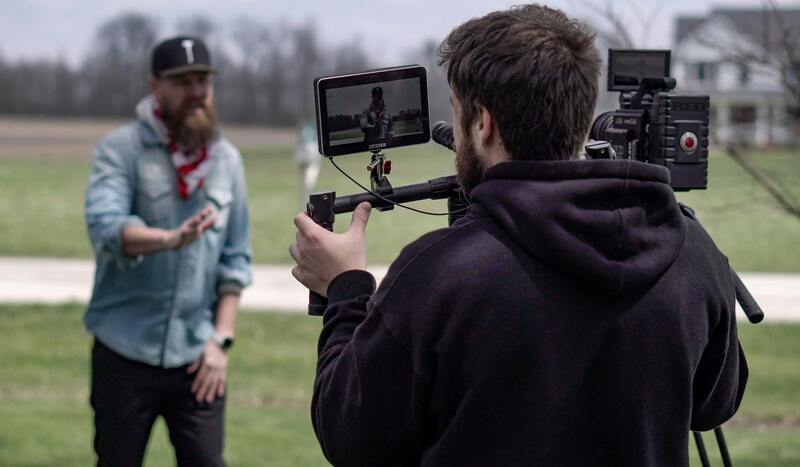
In conclusion, investing in professional real estate property photography is a strategic move that enhances a property’s marketability, attracts qualified buyers faster, and ultimately increases the sale potential within the dynamic Miami real estate landscape.
Key Elements of Successful Property Photography
Effective real estate photography hinges on several fundamental elements that ensure each image appeals to buyers and accurately represents the property. Clarity and focus are paramount, with sharp, well-lit photos that highlight the property’s best features. Wide-angle lenses are often employed to capture entire rooms, giving a sense of space and flow that appeals to viewers browsing online listings.
Lighting is another critical factor. Utilizing natural light enhances the warmth and vibrancy of interior spaces. In scenarios where natural light is limited, professional lighting equipment helps to create balanced, evenly-lit images that avoid harsh shadows or overexposure. Composition also matters: strategic framing directs the viewer's eye towards the property's focal points, such as an elegant kitchen, spacious living area, or scenic balcony views.
Furthermore, the consistency in style and quality across all images helps create a cohesive presentation that effectively communicates the property’s personality. Attention to detail, including tidying up spaces and removing clutter before shooting, ensures the photos reflect the true potential and appeal of each property.
Choosing the Right Equipment and Techniques
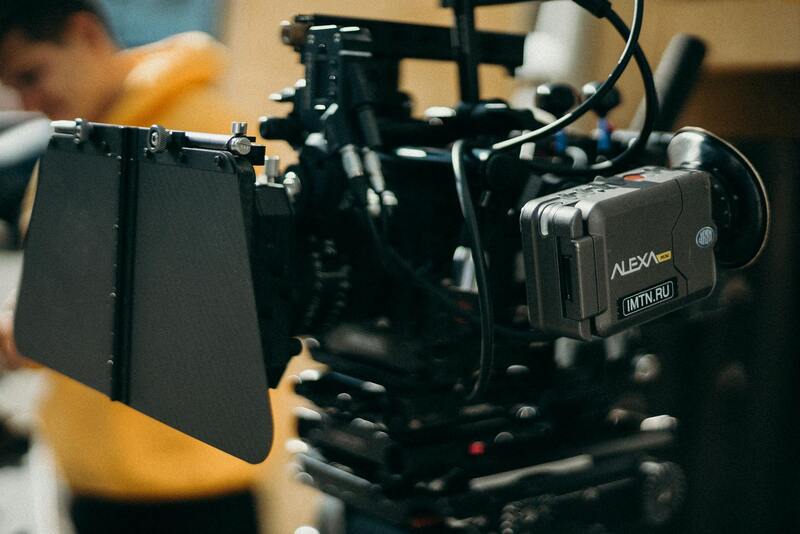
Selecting the appropriate equipment is essential to capturing compelling property images. High-quality DSLR or mirrorless cameras equipped with wide-angle lenses allow photographers to include more of a space within a single shot, effectively conveying room dimensions without distortion. Tripods ensure stability for crisp images, especially in lower light conditions or interior shots.
Utilizing advanced techniques such as HDR (High Dynamic Range) imaging can balance exposures between bright and dark areas within a scene, producing more detailed and visually appealing photos. Drone photography and 360-degree virtual tours are increasingly popular tools for showcasing outdoor spaces and providing immersive experiences that attract tech-savvy buyers seeking comprehensive views of properties and surroundings.
Mastering these equipment options and techniques enables photographers to produce images that elevate listings, especially in Miami’s diverse real estate environment, where every detail counts in the pursuit of buyer interest.
Mastering Equipment and Techniques for Exceptional Property Photography
Achieving high-caliber real estate property photography hinges on selecting the appropriate tools and mastering advanced imaging techniques. For capturing the full essence of a Miami property, professional-grade equipment is indispensable. A high-quality DSLR or mirrorless camera with a wide-angle lens enables photographers to capture expansive interior and exterior spaces without distortion, providing a true sense of room dimensions and architectural details. Using a sturdy tripod ensures stability, especially during interior shoots in lower light conditions, resulting in sharp, clear images that reflect the property's true character.
Advanced techniques such as High Dynamic Range (HDR) imaging play a crucial role in creating balanced images with accurate light and color reproduction. HDR involves capturing multiple exposures and blending them to showcase both bright and dark areas effectively, which is particularly useful in Miami homes with large windows or bright outdoor environments. Incorporating drone photography offers aerial views that elevate listings, providing potential buyers with a comprehensive perspective of the property’s outdoor spaces and surrounding neighborhoods. Additionally, 360-degree virtual tours allow viewers to virtually walk through a property, adding an immersive layer that appeals to remote or international buyers seeking detailed inspections from afar.
For outdoor scenes, proper timing of sunlight—preferably during golden hour—can significantly enhance the visual appeal by casting warm, inviting light. Techniques such as strategic framing and choosing optimal angles ensure that key features—such as waterfront views, lush landscaping, and architectural highlights—stand out. Understanding the nuances of these modalities and integrating them seamlessly into the shoot process can transform ordinary images into compelling visual stories that attract and retain buyer interest.
Enhancing Visual Appeal Through Strategic Use of Equipment
- Wide-Angle Lenses: Capture expansive rooms and outdoor areas, providing a sense of scale.
- Tripods and Stabilizers: Achieve crisp images with controlled camera movement, particularly in low-light conditions.
- Drone Cameras: Showcase property exteriors and neighborhood context from unique aerial perspectives.
- 360-Degree Cameras: Create virtual walkthroughs that increase engagement and interactivity.
Refining Technique for Maximum Impact
- Proper Lighting: Utilize natural light during specific times and supplement with professional lighting setups to eliminate harsh shadows and highlight key features.
- Optimal Composition: Follow the rule of thirds to place focal points strategically, guiding viewers’ eyes through the scene.
- Angle Selection: Experiment with high and low angles to reveal space dimensions and architectural details effectively.
- Post-Processing Integration: Enhance images through professional editing to correct color, straighten lines, and remove minor imperfections, ensuring each shot reflects the property's true potential.
Choosing the Right Equipment and Techniques
Successful real estate property photography relies heavily on the selection of appropriate equipment and employing proven techniques that highlight a property's best features. Professional-grade cameras with high-resolution sensors form the foundation for capturing detailed, vibrant images capable of showcasing both interior and exterior spaces effectively. Mirrorless cameras are favored for their balance of quality and portability, allowing photographers to maneuver efficiently within various property layouts.
High-quality lenses are crucial; wide-angle lenses, typically ranging from 14mm to 24mm, are essential for capturing expansive rooms and outdoor areas while maintaining clarity and minimizing distortion. Specialty lenses, such as tilt-shift or prime lenses, can be used sparingly to emphasize architectural details or create unique perspectives.
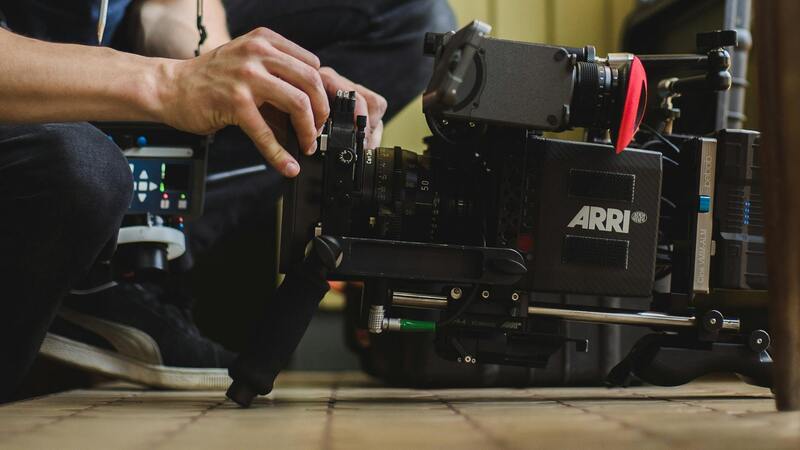
Additional accessories play a vital role in professional property photography. Tripods and stabilizers ensure steady shots, especially in low-light indoor settings; drone cameras offer aerial views that provide a comprehensive understanding of the property's scope and surrounding neighborhood. 360-degree cameras enable the creation of virtual tours, facilitating remote viewing experiences that can significantly increase interest and engagement online.
Advanced Shooting Techniques for Maximum Visual Impact
- High Dynamic Range (HDR): By capturing multiple exposures and merging them, HDR technique ensures balanced lighting across scenes with contrasting light intensities, such as interior rooms with bright windows.
- Bracketing and Exposure Blending: Combining slight variations of exposures can achieve detailed, well-lit images especially in high-contrast situations like shadowed areas or reflective surfaces.
- Time-of-Day Optimization: Shooting during specific times, such as golden hour, enhances natural lighting and creates warm, inviting atmospheres that appeal to prospective buyers.
- Aerial and Drone Photography: Offering unique perspectives, drone photography captures the property's exterior and its relationship to neighboring features, adding depth to marketing visuals.

Implementing Techniques for Consistent Quality
Beyond equipment choice, mastering technical skills is essential. Proper exposure settings, white balance adjustments, and focus precision ensure every shot accurately reflects the property's appearance. Shooting in RAW format allows greater flexibility during post-processing, preserving image detail and color fidelity.
Experimenting with different angles, including high and low vantage points, can reveal architectural nuances and spatial relationships that standard eye-level shots might miss. This variability enriches the visual narrative, helping potential buyers envision themselves within the space. Post-production editing further refines images; color correction, straightening lines, and defect removal create polished visuals that meet professional standards and accurately represent the property’s true appeal.
Preparing Properties for Photography
Achieving high-quality property photos begins long before the camera is even raised. Proper preparation of the property is essential to showcase its best features and create a compelling visual story. The process involves meticulous decluttering, thorough cleaning, and strategic lighting adjustments to ensure each space is presented in its most appealing form.
Decluttering and Staging
Removing unnecessary items, personal belongings, and cluttered objects creates a clean, spacious appearance that allows potential buyers to focus on the property's features. Strategic staging helps highlight key areas such as living rooms, kitchens, and bedrooms, making spaces look inviting and functional. Incorporating neutral decor and minimal accessories ensures the environment appeals to a wide audience and does not distract from the property's architectural qualities.
Cleaning Walls, Floors, and Windows
Surface cleanliness plays a crucial role in photography. Dust, smudges, and stains on walls and floors detract from the image quality. Performing deep cleaning prior to the shoot enhances the overall appearance of the interior. Windows should be thoroughly cleaned to maximize natural light entry and prevent glare issues, resulting in brighter, more vibrant photos.
Optimizing Lighting Conditions
Natural light significantly influences the quality of exterior and interior photos. Scheduling shoots during times when natural light is abundant, such as late morning or early afternoon, ensures well-lit images with balanced exposure. In spaces with limited natural light, supplemental lighting with softboxes or portable light sources can be employed to eliminate shadows and highlight architectural details. Proper lighting setup minimizes post-processing efforts and prevents images from appearing overly dark or washed out.
Exterior and Surroundings
Exterior preparation includes mowing lawns, trimming bushes, and ensuring walkways are clean and unobstructed. Enhancing curb appeal with fresh plants, colorful flowers, and colorful accents can make a significant impact. When shooting exterior shots, consider weather conditions and lighting; shooting during the golden hour can add warmth and depth to the property's appearance. Including well-maintained landscaping and clear, unobstructed views of the property's exterior further boosts the visual attractiveness.
Final Inspection and Setup
Before the camera clicks, conducting a thorough walkthrough ensures everything is in its proper place. Adjustments such as repositioning furniture, fixing minor repairs, and repositioning lights ensure each shot captures the property at its best. Completeness and attention to detail during this stage elevate the final quality of the images, making them more compelling for viewers.
Importance of High-Quality Property Photos
Exceptional real estate property photography serves as a cornerstone in attracting potential buyers and renters. High-quality images provide an authentic representation of the space, showcasing architectural details, interior design, and the property's unique features. When photos are clear, well-lit, and professionally composed, they create an immediate visual connection that can significantly influence a viewer's decision-making process. Moreover, polished imagery enhances credibility, positioning the listing as a reputable and desirable option within a competitive market.
In a vibrant real estate environment like Miami, where properties range from sleek waterfront condos to luxurious estates, the visual appeal must be optimized to stand out. Clients increasingly rely on online listings first, and compelling images can reduce the time a property remains on the market. Sharp, balanced photos not only highlight a property's strengths but also build trust with prospective buyers by accurately depicting spaces, reducing surprises during physical viewings. The importance of investing in high-quality property photography is evident when considering the impact on marketing effectiveness, engagement rate, and overall sales success.
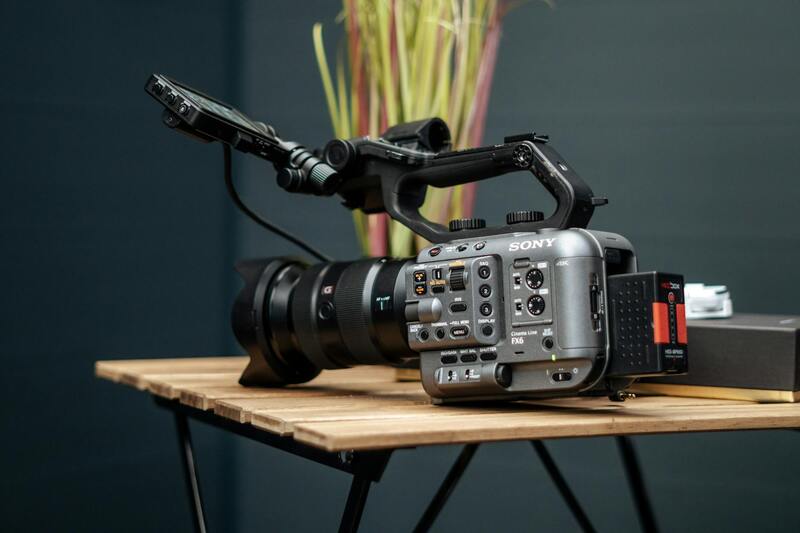
Key Elements of Successful Property Photography
- Lighting: Natural light is preferred to showcase true colors and space dimensions. Properly timed shoots during daylight hours or golden hour maximize visual warmth and clarity.
- Composition: Utilizing wide-angle lenses helps capture more of the space, making rooms appear larger and more inviting. Symmetrical framing and balanced lines ensure an aesthetically pleasing shot.
- Decluttering: Clear spaces free from unnecessary items emphasize the property's architecture and design features, creating an inviting atmosphere.
- Timing: Scheduling photography during optimal weather conditions and suitable times of day enhances natural light and reduces shadows or unwanted reflections.
- Post-Processing: Minor adjustments such as brightness, contrast, and color correction refine images without misrepresenting the property. Consistency across photos maintains a professional appearance.
Choosing the Right Equipment and Techniques
Employing quality tools is essential in delivering standout property photos. High-resolution digital cameras with wide-angle lenses are standard, enabling capturing expansive interiors and exteriors with minimal distortion. Tripods stabilize shots, especially in low-light conditions, resulting in sharper images. Additionally, drones and aerial photography platforms are invaluable for capturing expansive properties or showcasing a property's surroundings, adding a dynamic perspective that static images cannot provide.
Techniques such as HDR (High Dynamic Range) imaging enhance the detail in both shadowed and brightly lit areas, providing a balanced and vibrant image. Proper camera settings, including aperture, ISO, and shutter speed, should be optimized for each scene to produce clear, well-exposed photographs. Furthermore, employing a color checker or gray card during shoots helps in achieving accurate color reproduction, essential for realistic property portrayal.
Preparing Properties for Photography
Effective real estate property photography begins long before the camera shutter clicks. Ensuring that the space is optimally prepared not only enhances the visual appeal but also accurately represents the property's potential. This preparation involves strategic staging, decluttering, and meticulous attention to detail, which collectively contribute to compelling images that attract prospective buyers.
Staging plays a crucial role in highlighting the property's strengths. It involves arranging furniture to create a welcoming flow, accentuating architectural features, and adding tasteful decor to evoke a sense of lifestyle appeal. Proper staging can make spaces appear larger, more inviting, and better suited for the target market.
Decluttering remains an essential step. Removing personal items, excess furniture, and extraneous clutter ensures clean, unobstructed views of rooms. This simplicity allows viewers to focus on the space itself without distraction, fostering an emotional connection with potential buyers.
Cleaning surfaces thoroughly, including windows, floors, and fixtures, enhances the overall cleanliness and brightness of images. Addressing minor repairs—such as fixing leaky faucets, squeaky hinges, or chipped paint—further elevates the property's appeal. Additionally, playing with natural light through window treatments can soften shadows and create a warm, inviting atmosphere.
Time management is vital in property preparation. Scheduling photography during daylight hours maximizes natural light, which is a pivotal element in high-quality real estate images. Opening curtains and blinds beforehand ensures unobstructed access to sunlight, while turning on interior lights can fill in shadows and add depth to the images.
Outside spaces also warrant careful preparation. Mowing lawns, trimming shrubbery, and removing debris contribute to a well-maintained appearance. Landscaping details such as potted plants, outdoor furniture, or seasonal accents can be strategically incorporated to highlight outdoor living areas, which are increasingly significant in Miami's real estate market.
In sum, thorough preparation ensures that every shot taken during the real estate property photography session accurately reflects the property's best qualities. Every detail, from cleanliness to lighting, can influence a potential buyer’s first impression and ultimately, the success of the marketing endeavor.
Advanced Strategies for Effective Real Estate Property Photography
To consistently produce stunning and compelling property images that resonate with prospective buyers and enhance marketing efforts, it is essential to delve into advanced techniques tailored specifically for real estate photography. These methods go beyond basic shooting and require an in-depth understanding of composition, lighting, and post-processing enhancements tailored to highlight each property’s unique features.
Mastering Composition and Perspective
Optimal composition is critical in shaping captivating images that garner attention. This involves carefully selecting camera angles that emphasize a property’s spaciousness, architectural details, and natural lighting. Utilizing techniques such as the rule of thirds, leading lines, and framing can guide viewers’ eyes toward focal points, creating a more engaging visual narrative. Strategic use of wide-angle lenses can effectively showcase interior spaces, but it is important to avoid distortions that may misrepresent room proportions.

Optimal Lighting Techniques
Lighting plays a vital role in real estate images. Effective use of natural light involves capturing images during the day when sunlight fills the space, reducing reliance on artificial lighting. However, controlling and balancing natural light with interior lights can produce balanced images that appear inviting and true to life. Techniques such as HDR (High Dynamic Range) photography enable photographers to combine multiple exposures, ensuring both interior brightness and exterior details are clearly visible without overexposure or underexposure.
Incorporating Lifestyle and Contextual Elements
Beyond mere representation, storytelling through images can significantly impact the viewer's perception. Incorporating lifestyle elements, such as staged outdoor furniture or neatly arranged interior accessories, helps buyers envision living in the space. Contextual shots capturing property proximity to Miami’s vibrant local amenities, beaches, or parks add value and appeal, especially in a competitive market.
Utilizing Aerial and 3D Imaging
Aerial photography using drones offers expansive views of a property and its surroundings, presenting a comprehensive picture that ground-level shots cannot achieve. Similarly, 3D virtual tours and interactive floor plans provide immersive experiences allowing potential buyers to explore properties remotely with greater detail and confidence. These advanced tools enhance engagement and expand marketing reach.
Implementing Consistent Branding in Photography
Maintaining a consistent visual style across all property images strengthens brand identity for real estate professionals. This includes standardized color grading, composition style, and lighting adjustments. Consistency ensures that all listings align with a firm’s branding standards, fostering trust and professionalism among clients and buyers.

Refining Post-Processing Skills
Post-processing is an integral component of delivering polished, professional images. Techniques such as color correction, exposure adjustment, and minor retouching help to enhance the property's appearance without misrepresentation. Advanced editing may include digital stitching of images, perspective correction, and masking to effectively highlight specific property features or remove distracting elements. Attention to detail during editing ensures the final images produce a cohesive, appealing presentation that aligns with the property's actual qualities.
Staying Updated with Industry Trends
The real estate market, especially in dynamic regions like Miami, is continually evolving. Staying informed about emerging trends such as eco-friendly features, modern architectural styles, or new technological tools ensures that property photography remains relevant. Adaptation to these trends allows real estate professionals to craft visual narratives that meet prospective buyers' interests and expectations, ultimately boosting engagement and sales.
Effective Use of Photography in Online Listings and Virtual Tours
Maximizing the impact of real estate property photography extends beyond the initial image capture to the strategic use of photographs within online listings and virtual tours. High-quality images serve as digital storefronts, enticing prospective buyers to explore further. Integrating professional photos into multiple online platforms, including dedicated real estate portals, social media, and agency websites, ensures broad visibility.
When combining still images with virtual tours, the process enhances the storytelling aspect of property presentation. Virtual tours allow potential buyers to navigate through spaces remotely, providing a comprehensive understanding of the property's layout, flow, and spatial relationships. These immersive experiences should be complemented with consistent, well-lit photographs to highlight key features and unique selling points.
Utilizing strategic photo placement and sequencing within virtual tour platforms can guide viewers through the property seamlessly, emphasizing architectural details and design elements that appeal to targeted buyer demographics. Properly optimized images ensure fast loading times and clarity across devices, which is vital for maintaining viewer interest.
Tracking Performance and Receiving Feedback to Improve Visual Strategies
Monitoring the performance of property photos through analytics tools helps real estate professionals understand viewer engagement, such as click-through rates and time spent on listings. Analyzing these metrics provides insights into which images resonate most with potential buyers, guiding future photography efforts.
Feedback from clients, agents, and potential buyers is invaluable for refining visual presentation strategies. Soliciting constructive feedback on image quality, lighting, and staging can uncover areas for improvement, ensuring that subsequent shoots are more aligned with market expectations.
Regular review and adaptation of photography techniques, aligned with current market trends and consumer preferences, are critical to maintaining a competitive edge in Miami's dynamic real estate landscape.