
Importance of HD Real Estate Photos
High-definition (HD) real estate photographs serve as a critical component in showcasing property features effectively. In the competitive Miami real estate market, where visual impressions often determine buyer interest, HD images allow potential buyers to experience the property remotely with clarity and detail that ordinary photos cannot provide. Superior image quality helps highlight the unique characteristics of each property, including spacious interiors, architectural details, and exterior landscapes, making listings more appealing and engaging.
Research indicates that homes with high-quality images receive significantly more online views and inquiries compared to listings with standard photos. This increased visibility directly correlates with faster sales times and higher sale prices, as visually striking images can create emotional connections and a sense of immediacy for prospective buyers. When images are rendered in high definition, they help prospective buyers assess the property’s condition and layout more accurately, reducing uncertainties that can delay decision-making processes.
Moreover, HD real estate photography enhances the professionalism of real estate presentations. High-resolution images convey a sense of reliability and seriousness about the listing, reflecting the seller’s commitment to quality and transparency. As online platforms dominate property marketing strategies, having visually compelling, HD images becomes indispensable for agents and sellers aiming to distinguish their listings in a crowded marketplace.
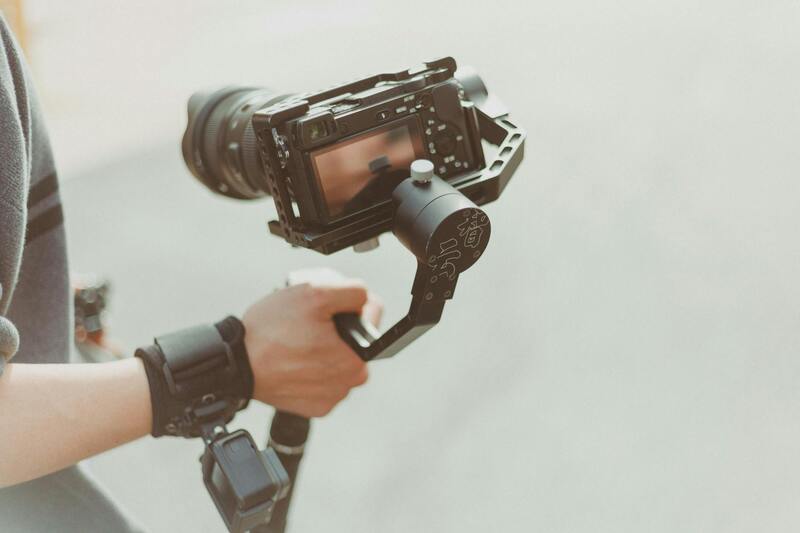
In essence, the visual appeal facilitated by HD real estate photography acts as a powerful marketing tool, influencing buyer perceptions and encouraging quicker, more confident purchasing decisions. In Miami, where luxury homes, waterfront properties, and unique architectural designs are prevalent, the use of HD images becomes even more critical to capture the distinct essence of each property, making them stand out in a vibrant and diverse market.
Key Elements of Effective Real Estate Photography
Effective real estate photography transcends mere image quality, encompassing composition, lighting, and timing to produce compelling visuals that attract and retain viewer interest. Key elements include:
- Lighting: Natural light is preferred to showcase the property in its best light. Proper timing, such as early morning or late afternoon, can provide soft, warm illumination, highlighting the space effectively.
- Composition: Strategic framing and adherence to principles like the rule of thirds help emphasize the property's most attractive features. Ensuring a clean, clutter-free environment also contributes significantly to the visual appeal.
- Angles: Wide-angle lenses enable capturing extensive room views, giving a sense of spaciousness that appeals to buyers. Multiple perspectives help illustrate different areas of the property comprehensively.
- Timing: Shooting during optimal weather conditions ensures exterior spaces look inviting, especially for waterfront or outdoor features prominent in Miami properties.
Balancing these elements with high-quality photographic equipment results in images that effectively communicate the property's value proposition, capturing the attention of discerning buyers.

In conclusion, HD real estate photos are an essential aspect of modern property marketing. When executed with attention to the right elements, they can significantly optimize the listing’s impact, facilitating quicker sales and enhanced buyer trust, especially in a competitive marketplace like Miami. The following sections will explore the tools, techniques, and professional strategies that can elevate real estate visuals to new standards of excellence, aligning with current industry best practices.
Key Elements of Effective Real Estate Photography
Achieving high-quality, HD real estate pictures demands more than just good equipment; it involves mastering several core elements that collaboratively elevate the visual storytelling of a property. Mastery of lighting, staging, and perspective is fundamental to capturing images that not only attract potential buyers but also authentically showcase the property's features.
Lighting Techniques
Lighting remains a crucial factor in real estate photography. Utilizing natural light through strategic timing, such as shooting during the golden hour—early morning or late afternoon—can create a warm, inviting atmosphere. Proper lighting accentuates the property's best features while minimizing shadows and reflections that could distract viewers. In interiors, supplementing ambient light with professional lighting equipment ensures uniform brightness and clarity, highlighting textures and architectural details with precision.
Staging and Clutter-Free Environments
The presentation of a property significantly impacts how prospective buyers perceive it. Effective staging involves arranging furniture and decor to enhance spatial perception and showcase the potential uses of each room. Maintaining a clutter-free environment involves careful decluttering to prevent distractions, allowing the space to appear larger and more appealing. Small touches, such as artful placement of accessories and neutral color schemes, help in creating a versatile backdrop that resonates with a wide audience.
Optimal Angles and Perspectives
Using wide-angle lenses allows real estate photographers to capture expansive views of rooms, emphasizing their openness. Strategic selection of shooting angles ensures that key features—such as natural light sources, architectural details, and outdoor views—are prominently displayed. Multiple perspectives help provide a comprehensive visual narrative of the property, enabling viewers to get a true sense of space and layout.
Composition and Framing
Proper composition aligns with foundational principles like the rule of thirds, ensuring the subject and architectural elements are balanced within the frame. Attention to framing also involves positioning the camera at optimal heights and distances to produce a natural, unobstructed view. Including leading lines or framing elements, such as doorways or windows, guides viewers’ eyes through the space, creating a sense of flow and connectivity.
Consistency and Detail
Every image should maintain visual consistency in exposure, color balance, and perspective to ensure a cohesive presentation across the listing. High-resolution images capture fine details—such as textured surfaces, intricate moldings, or outdoor finishes—highlighting the quality of construction and finishes. Ensuring all photos are sharp, clear, and properly exposed is essential for an impactful presentation that builds trust and credibility among viewers.
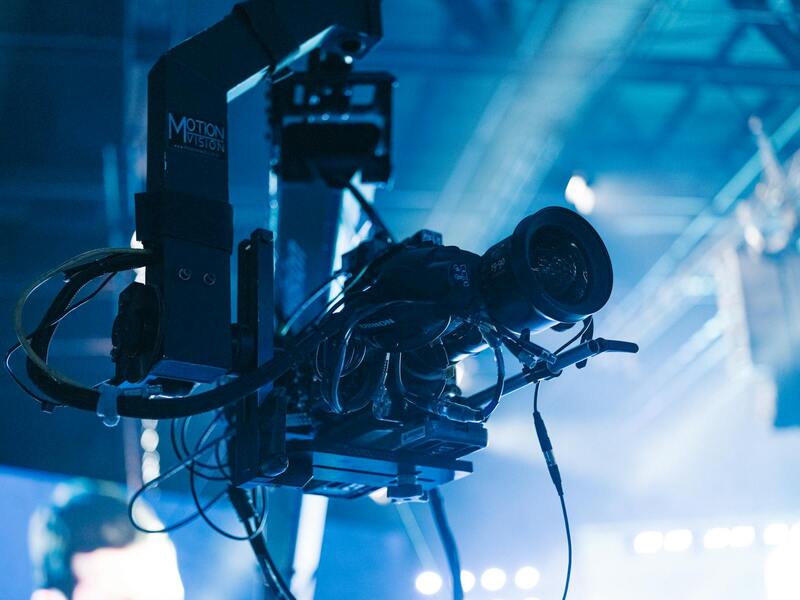
Integrating these essential elements requires careful planning, technical skill, and an eye for detail. When executed correctly, they combine to produce captivating, professional-grade images that effectively communicate the unique qualities of Miami properties, thereby increasing the appeal and marketability of each listing.
Tools and Equipment for HD Real Estate Photography
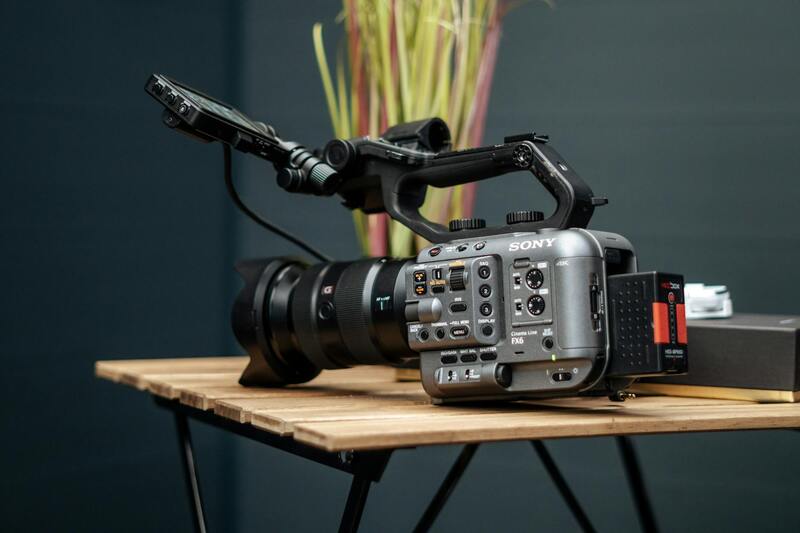
Producing high-quality real estate pictures in HD requires an arsenal of advanced tools and equipment designed to capture every detail with clarity and precision. At the core of this setup is a professional-grade digital camera, preferably a full-frame sensor model that excels in low-light conditions and produces high-resolution images. These cameras often support interchangeable lenses to suit various shooting scenarios, from wide-angle shots of spacious interiors to detailed captures of architectural features.
Lens selection plays a pivotal role in achieving HD quality. Wide-angle lenses, typically within the 14mm to 24mm range, are essential for showcasing interior spaces and capturing the full scope of rooms without distortion. Prime lenses with apertures of f/2.8 or wider are advantageous for capturing sharp images in varied lighting conditions and emphasizing depth of field.
Tripods are indispensable, providing stability needed for long exposures and ensuring sharp images, especially in interior settings with subdued lighting. Additionally, remote triggers or intervalometers help minimize camera shake, resulting in clearer, more professional photos. To facilitate capturing multiple exposures for HDR processing, photographers often use dedicated bracketing systems or camera settings to automate this process efficiently.
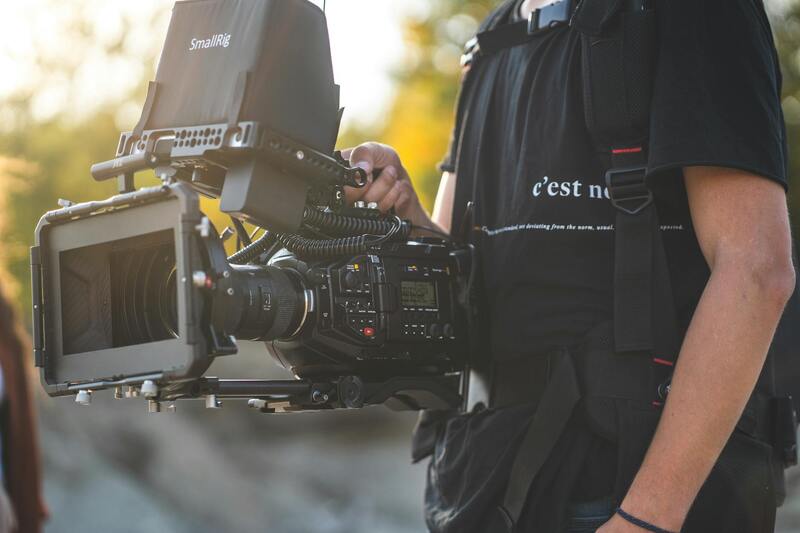
Lighting equipment can further enhance image quality, especially in spaces with limited natural light. Portable strobes, softboxes, and reflectors help balance light across rooms, reducing shadows and highlighting architectural details. For exterior shoots, drone technology is increasingly popular, capturing stunning aerial views that provide a comprehensive perspective of the property and its surroundings.
Post-processing software, such as Adobe Lightroom and Photoshop, is also vital for editing HDR images, adjusting exposure, correcting color balance, and removing minor distortions. These tools enable photographers to refine raw captures into polished, eye-catching images that accurately represent the property’s aesthetic and scale.
Best Practices for Shooting Real Estate in HD
Achieving professional-level HD real estate images involves meticulous planning and execution. The process begins with detailed preparation—scouting the property to identify optimal times for natural light, preparing rooms by decluttering and adjusting lighting, and planning shooting angles that best showcase the space.
Utilizing a tripod and camera with high dynamic range capabilities allows capturing multiple exposures, which are then merged in post-processing to produce balanced images that retain detail in both shadows and highlights. When framing shots, adhering to the rule of thirds and including leading lines or natural framing elements directs viewers’ attention through the room, emphasizing spaciousness and architectural integrity.
Lighting plays a crucial role; shooting during the day when natural light floods into rooms can significantly enhance image quality. Artificial lighting should complement natural light, avoiding overly dark corners or washed-out areas. Consistency in exposure and color temperature across multiple images ensures a cohesive visual flow throughout the property tour.
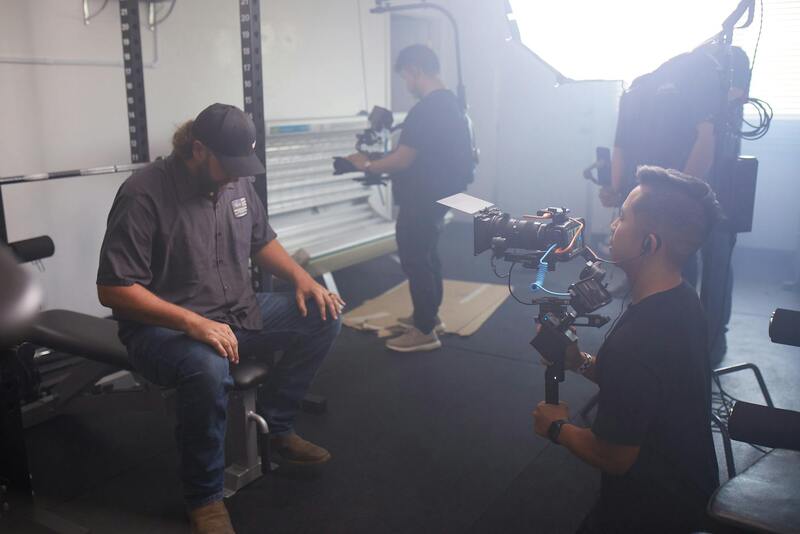
Properly configuring your camera settings—such as ISO, aperture, and shutter speed—is essential to capture crisp, vibrant images. Overexposure or underexposure can diminish image quality, so shooting in RAW format provides the flexibility needed to make precise adjustments during editing. Conducting test shots allows fine-tuning of settings and framing before commencing the full shoot, reducing errors and maximizing efficiency.
Incorporating drone photography expands the portfolio of HD images, offering elevated perspectives that add a dynamic dimension to property listings. These aerial shots are particularly effective for showcasing large estates, waterfront properties, or land parcels, providing prospective buyers with comprehensive visual context.
Optimal Workflow for High-Quality Real Estate Images
Achieving superior real estate pictures in HD requires a structured and disciplined workflow. Starting with meticulous planning, photographers should schedule shoots during times when natural light is abundant, often during early morning or late afternoon, which creates softer shadows and highlights essential for showcasing a property’s true ambiance.
Pre-shoot preparations involve assessing each space to determine the best angles and vantage points. This includes removing clutter, arranging furniture to highlight architectural features, and ensuring that windows are clean to allow maximum natural light to enter. Checking weather conditions before scheduling outdoor shots ensures consistent lighting quality, especially when capturing images of exterior facades or landscapes.
During the shoot, using a tripod stabilizes the camera, which is essential for capturing sharp images, particularly in low-light conditions or when using slow shutter speeds. Employing a wide-angle lens enables the inclusion of more space within the frame, creating a sense of openness that appeals to potential buyers. Adjusting camera settings correctly — such as setting a low ISO to reduce noise, a narrow aperture to ensure depth of field, and an appropriate shutter speed — results in vibrant, well-detailed images.
Post-shoot, the editing process involves fine-tuning exposure, contrast, and color balance to accurately reflect the property's appearance. Slight adjustments in perspective correction may be necessary to eliminate distortion, especially when using wide-angle lenses. Enhancing lighting and shadow details ensures the images appear bright yet natural, avoiding overly processed effects that can mislead viewers. Consistency across all images maintains a professional finish and facilitates a smooth visual flow through property listings.
Finally, selecting the right format and resolution is crucial, especially for online platforms or print media. Saving images in high-resolution formats like TIFF or optimized JPEGs ensures clarity and color fidelity. Properly naming and cataloging the images also simplifies the integration process into digital marketing materials, virtual tours, or property websites, ensuring a seamless presentation experience for prospective buyers.
Legal and Ethical Considerations in Property Photography
When capturing high-definition real estate images, understanding the importance of adhering to established standards and ethical practices is essential. Professional real estate photography requires a commitment to accuracy, honesty, and respect for property owners. Ensuring that all images truly represent the property's features helps maintain trust with clients and prospective buyers.
One crucial aspect is obtaining explicit consent from property owners or representatives before photographing the property. This not only demonstrates respect but also clarifies permissible usage of the images. Private areas, personal belongings, or spaces not intended for public view should be properly respected and, if necessary, styled or cleared to enhance visual appeal without misrepresentation.
Accuracy in image portrayal is paramount. Photographers should avoid excessive post-processing or digital manipulation that could distort the true appearance of the property. This includes refraining from using filters or editing techniques that may artificially enhance or alter the property's features, ultimately leading to misleading impressions.
Additionally, capturing images in a way that respects the privacy and security of inhabitants is foundational. This includes avoiding photographing sensitive areas or personal details inadvertently visible in the framing. Photographers should also consider the timing of shoots to minimize disturbances and ensure the home appears inviting while remaining genuine.
Maintaining professionalism includes adhering to local regulations regarding photography in private spaces and respecting any restrictions imposed by property owners. Clear communication about the scope of the shoot and intended use of images fosters trust and smooth collaboration.
Furthermore, proper image management is vital. Organized cataloging, secure storage, and responsible sharing of photographs prevent misuse and unauthorized distribution. This diligent approach reinforces a commitment to integrity and respects the interests of property owners.
In the competitive Miami real estate market, these ethical practices distinguish professional photographers from amateurs. They help establish a reputation for reliability and authenticity, ultimately supporting effective marketing and sales strategies.
Legal and Ethical Considerations in Property Photography
When capturing real estate images, adherence to professional standards is fundamental to ensuring a trustworthy presentation of properties. Photographers must obtain proper permissions before entering or photographing private spaces, respecting the rights of homeowners and tenants. This process involves clear communication regarding the purpose of the shoot and the intended use of the images, thereby fostering transparency and trust.
Maintaining the accuracy of фотографий is paramount. Images should faithfully represent the property's condition without exaggeration or misleading alterations. Over-editing can distort viewers' perceptions and diminish credibility, making it essential to balance enhancement with authenticity.
Furthermore, respecting privacy involves avoiding the inclusion of identifiable personal belongings or sensitive areas that could compromise occupant privacy or security. Photographers are responsible for ensuring no personal or confidential information is inadvertently displayed within images. This includes careful framing and strategic use of angles to omit private spaces from view.
In the context of Miami’s dynamic real estate environment, compliance with local guidelines concerning drone or aerial photography is also a consideration. This includes obtaining necessary permits and respecting designated privacy zones to avoid disruptions or infringements.
Responsible image management extends beyond shooting to include secure storage and proper distribution. This meticulous approach helps prevent unauthorized sharing and preserves the proprietary nature of the photographs, reinforcing a professional reputation and safeguarding client interests.
Legal and Ethical Considerations in Property Photography
Conducting professional real estate photography in Miami involves strict adherence to established standards that ensure both quality and integrity. Ethical standards guide photographers in representing properties accurately and respectfully, fostering trust between agents, clients, and potential buyers. It is essential to obtain clear and explicit permission from property owners or tenants prior to the shoot, which clarifies the scope and purpose of the photography session. This pre-shoot communication helps prevent misunderstandings regarding the use of images and ensures all parties are aligned.
Part of maintaining integrity in real estate imagery includes accurately portraying the property's features without misrepresentation. Photographers should avoid overly aggressive editing that could alter the true appearance of spaces, which might mislead viewers. Maintaining visual authenticity is crucial for helping prospective buyers make informed decisions based on true property conditions. When adjusting photos, subtle enhancements such as correcting lighting, color balance, or minor touch-ups are acceptable, provided they do not distort the property's actual state.
Respect for privacy is another fundamental element in property photography. Photographers must be vigilant to exclude personal belongings, confidential documents, or any identifiable private areas from their visuals. Strategic framing, controlled use of angles, and careful selection of shots ensure that imagery remains professional without encroaching on personal privacy. In multi-unit buildings or shared spaces, particular care should be taken to avoid capturing neighboring units or sensitive communal areas unless explicitly authorized.
Moreover, photographers involved in aerial or drone photography must obtain necessary permits and adhere to local regulations, thereby respecting privacy zones and airspace restrictions. It is crucial to stay informed about Miami's specific guidelines related to aerial shots to prevent unauthorized incursions. This compliance not only secures permission but also demonstrates a commitment to upholding community standards and respectful conduct.
Secure management of images is equally important. Digital files should be stored safely, with access limited to authorized personnel to prevent unauthorized dissemination or misuse. When distributing photographs to listing platforms or clients, ensure proper watermarking and copyright notices are in place to protect intellectual property. Transparent and ethical handling of imagery reinforces a professional reputation, builds client trust, and aligns with the highest standards of the real estate industry in Miami.
High-Resolution Image Optimization and Storage for Real Estate Listings
In the competitive Miami real estate market, the use of HD real estate pictures extends beyond initial photography. Optimizing and properly storing these images are critical components that influence the success of property listings. High-quality images should be compressed properly to ensure fast website loading times without sacrificing visual clarity. This process involves selecting appropriate file formats, such as JPEG or WebP, that balance image detail with file size, which significantly enhances user experience and reduces bounce rates.
Furthermore, implementing a robust digital asset management system is vital for maintaining an organized, accessible library of visual content. Such systems allow agents and marketing teams to easily retrieve, update, or replace images, ensuring that listings remain current and visually appealing. Proper tagging and categorization also facilitate efficient workflows, especially when managing numerous properties across different locations in Miami.
Maintaining image quality during storage involves safeguarding against corruption or accidental deletion. Cloud-based storage solutions with redundant backups are ideal for real estate agencies aiming for reliable access and disaster recovery. These platforms often provide version control, enabling easy updates to images as listings evolve. Additionally, strict access controls ensure sensitive visual content remains protected and available only to authorized personnel.
For online listings, employing adaptive image techniques ensures that on different devices—smartphones, tablets, and desktops—viewers experience optimal clarity. Responsive images dynamically adjust resolution based on screen size and bandwidth, delivering high-definition visuals without compromising loading speeds. Such technical considerations are imperative in maximizing the visual potential of HD real estate pictures, thereby attracting more prospective buyers and tenants in Miami’s vibrant property market.