Importance of High-Quality Visual Content in Real Estate Marketing
In the highly competitive Miami real estate market, capturing the interest of potential buyers requires more than just listing details and descriptive text. High-quality visual content, including professional photography and videography, has become a crucial element for effective property marketing. Stunning images and compelling video tours can significantly influence a buyer’s first impression, fostering emotional connections that translate into faster sales and higher property values.
Professional visual content elevates the presentation of a property, showcasing its unique features, spaciousness, and ambiance in ways that amateur photos often fail to achieve. In Miami’s vibrant market, where luxury properties, waterfront homes, and urban condos demand a heightened level of presentation, investing in top-tier visuals is essential for standing out among numerous listings.
Beyond attracting immediate interest, high-quality visuals contribute to a broader marketing strategy. Well-produced images and videos can be utilized across multiple platforms—from listing websites and social media to virtual tours and promotional campaigns—maximizing outreach and engagement. This diverse application enhances a property’s visibility, ultimately leading to quicker sales cycles and increased return on investment.
Moreover, professional visual content fosters trust and credibility with prospective buyers. High-resolution images and professionally shot videos demonstrate a commitment to quality and transparency, key factors for buyers investing significant capital. This enhances the perceived value of the property while reducing the time it spends on the market.
The importance of high-quality visual content extends to the use of innovative techniques such as drone videography, virtual staging, and 3D walkthroughs, which provide comprehensive views and immersive experiences. These methods complement traditional photography, capturing the full potential of the property from various angles and perspectives.
In conclusion, for Miami real estate professionals and property owners aiming to optimize their marketing efforts, leveraging professional photography and videography is not just an option but a strategic necessity. By investing in top-tier visual content, they can effectively showcase their properties, attract qualified buyers, and achieve faster, more profitable sales in an increasingly competitive marketplace.
Key Elements of Real Estate Photography
Effective real estate photography hinges on several core principles that serve to highlight a property's best features while maintaining authenticity and appeal. Optimal lighting is paramount; utilizing natural light during daytime shoots or professional lighting arrangements ensures that interiors appear inviting and spacious. Proper staging, including decluttering and arranging furnishings to enhance flow and highlight architectural details, significantly impacts visual storytelling.
Camera settings must be meticulously adjusted to achieve clarity, depth, and accurate color representation. Wide-angle lenses are often employed to capture expansive interior spaces, making rooms appear larger and more open. A balanced perspective is crucial to prevent distortion and convey a true sense of scale. Additionally, deliberate composition—such as framing key features or unique architectural elements—draws viewers’ attention and adds visual interest.
Post-processing plays a vital role in refining images. Color correction, exposure adjustments, and minor retouching help produce polished visuals that remain true to the property's actual appearance. It is essential that images deliver clarity without over-enhancement, providing potential buyers with honest representations that foster trust.
In addition to static images, integrating 360-degree panoramas allows viewers to explore properties interactively, promoting engagement and providing comprehensive spatial understanding. Attention to details such as weather conditions and time of day during shoots further enhances the authenticity and appeal of the visuals. Overall, a strategic approach to photography ensures that real estate listings capture attention, foster emotional connections, and facilitate faster decision-making processes.
Best Practices for Real Estate Videography
Implementing effective real estate videography requires adherence to several best practices that ensure the production of engaging, professional-quality content. First and foremost, pre-production planning is essential. This includes understanding the property’s key features, target audience, and desired viewing experience. A detailed shot list helps organize scenes, ensuring all relevant areas are covered systematically, avoiding unnecessary footage and maintaining a clear narrative flow.
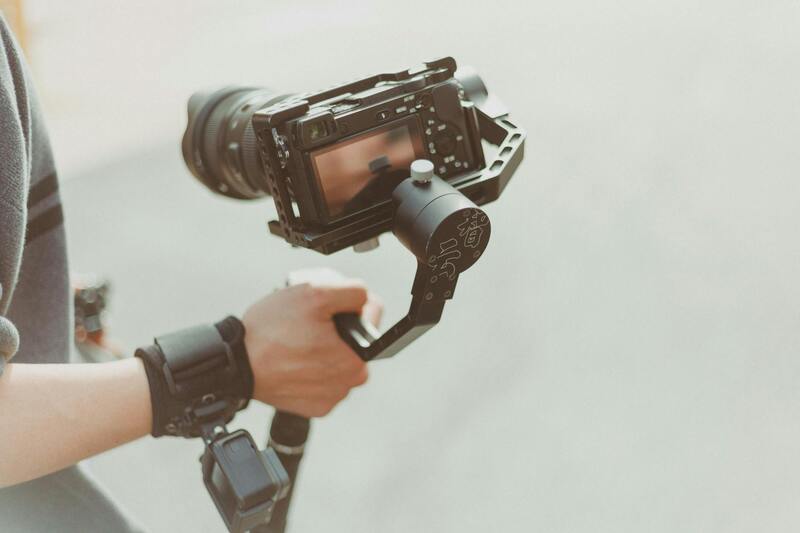
During filming, stabilization equipment such as gimbals or steadicams should be employed to produce smooth, flicker-free footage. Maintaining consistent lighting levels, especially when transitioning between different areas or times of day, enhances visual coherence. It’s advisable to shoot during optimal lighting conditions—preferably during the golden hour—to maximize natural light and create inviting atmospheres.
Camera angles and movements play a crucial role in storytelling. Wide shots that encompass entire rooms help convey space effectively, while gradual camera movements, like slow pans and slides, add a dynamic element that guides viewers through the property. Close-ups of architectural details, finishes, and unique features foster a connection to the property's quality and character.
Post-production editing ties everything together, enhancing visual appeal and storytelling. Color grading ensures consistent tones across scenes, emphasizing the property's best features without over-saturation. Strategic pacing—balancing between broad walkthroughs and detailed shots—creates a compelling narrative that holds viewers’ interest. Adding background music and voiceovers can further elevate the presentation, providing context and highlighting key selling points.
Additionally, optimizing video resolution and compression settings ensures compatibility with various listing platforms without sacrificing quality. Incorporating call-to-action overlays or brief text overlays can also guide viewers toward further engagement or inquiries. Overall, meticulous planning, skilled filming, and refined editing are essential elements in producing real estate videos that attract discerning buyers and facilitate faster transactions.
Adhering to these practices ensures that each property is presented in the most appealing way, maximizing its visual impact and marketability in an increasingly competitive digital landscape.
Ensuring Compliance and Proper Permitting for Drone Videography in Miami
In the realm of real estate videography, particularly when utilizing drone technology, adhering to local regulations and acquiring the necessary permissions is essential. The unique maritime and aerial airspace regulations in Miami necessitate thorough planning and compliance to ensure smooth operations and avoid potential disruptions. Before deploying drones for capturing real estate images and videos, professionals must secure appropriate clearances from relevant authorities, such as the Federal Aviation Administration (FAA) and local Miami municipal agencies.
One of the foundational steps involves registering the drone with the FAA, which is mandatory for commercial operations. This registration process involves providing specific details about the drone and the operator, guaranteeing accountability and adherence to safety standards. Additionally, operators must complete FAA-approved drone pilot certification courses to demonstrate their competency in handling airborne equipment responsibly.
Local Miami ordinances may impose restrictions on flight altitude, restricted airspace zones, and times of operation, especially near sensitive locations like airports, government buildings, and densely populated areas. Understanding these boundaries is crucial to avoid inadvertent legal issues. For instance, drone flights over private property require the consent of property owners, particularly when capturing footage for commercial purposes such as real estate marketing. Obtaining explicit permission minimizes the risk of claims related to privacy violations or trespassing.
Professional real estate media teams familiar with Miami's regulatory landscape typically coordinate with local authorities and use advanced planning tools to identify no-fly zones and optimal flight paths. Permits are often issued in conjunction with the property's listing process, ensuring that aerial footage can be incorporated seamlessly without delays. Engaging with experienced drone operators who are well-versed in Miami's legal environment is invaluable for maintaining operational legality and achieving high-quality visual content.
Failure to adhere to these requirements can result in fines, legal actions, or forced suspension of filming activities, which can hamper marketing timelines. Consequently, every stage—from flight planning to post-production—must be aligned with city and federal guidelines to ensure a smooth, compliant process. This meticulous approach not only safeguards the project but also enhances the professional integrity of the real estate marketing campaign.
Legal Considerations and Permits in Miami
Ensuring compliance with Miami’s federal, state, and local regulations is fundamental for any real estate videography project. This comprehensive approach involves understanding the requirements for aerial drone operations, filming permits, and privacy standards. Collaborating with experienced professionals who possess a deep familiarity with Miami's regulatory environment can streamline the process, mitigate risks, and facilitate a smooth production timeline.
Obtaining proper permits is a crucial step in the process. Miami’s aviation authorities regulate drone flights, requiring applications for specific flight zones and altitude restrictions. These permits typically involve submitting detailed flight plans, including the purpose of the shoot, areas to be covered, and safety protocols. Local authorities may also require proof of drone operator certification, insurance, and adherence to FAA guidelines, particularly for commercial filming endeavors.
Additionally, property owners' rights must be carefully considered. Securing explicit permissions from property owners before capturing video or photography ensures that all content produced respects personal privacy and property rights. This is especially vital when filming in densely populated areas or private residential neighborhoods, where unapproved footage may breach privacy expectations and lead to disputes.
Miami’s legal landscape also includes guidelines for data collection, especially if the footage involves individuals or private properties. Implementing clear use policies, ensuring data security, and providing transparent information about the purpose and scope of the filming help build trust with clients and the community. Adherence to these standards not only prevents legal complications but also bolsters the credibility of the marketing campaign.
Permits and Documentation Process
- Submitting detailed drone flight plans for no-fly zones and altitude restrictions.
- Securing necessary authorizations from Miami’s aviation authorities.
- Gaining explicit permission from property owners for on-site filming.
- Complying with federal regulations set by the FAA for commercial drone use.
- Maintaining documentation of all permits, approvals, and correspondence for future reference.
Best Practices for Ensuring Compliance
- Engage licensed drone operators familiar with Miami's aviation rules and permit procedures.
- Conduct thorough planning to identify no-fly zones and suitable flight paths in advance.
- Obtain written consent from property owners for footage involving private residences or landmarks.
- Implement safety protocols during filming to prevent accidents or unauthorized surveillance.
- Stay informed about updates to Miami's aerial filming regulations through official channels and industry associations.
Best Practices for Real Estate Videography
Creating compelling real estate videos involves a combination of strategic planning, technical expertise, and adherence to industry standards. To maximize engagement and deliver a professional experience, certain best practices should be followed meticulously. This includes thorough pre-production planning, effective use of equipment, and post-production editing that highlights the property's best features.
Pre-Production Planning
Before filming begins, a detailed plan should be established. This involves scouting the property to identify optimal shooting angles, lighting conditions, and key features that need emphasis. Developing a shot list helps guide the filming process and ensures all vital aspects of the property are covered without unnecessary repetitions or omissions. It is also essential to coordinate with property owners or agents to understand any restrictions or preferred focal points.
Utilizing the Right Equipment
High-quality cameras with high-resolution sensors are fundamental for capturing crisp, vivid footage. Stabilization equipment, such as gimbals or steadicams, ensures smooth camera movements, creating a professional look free from shakiness. Proper lighting equipment helps overcome indoor lighting limitations, ensuring rooms appear bright and inviting. When capturing aerial shots, drone technology equipped with stabilization and high-resolution cameras can showcase expansive views and property surroundings effectively.
Filming Techniques and Composition
- Steady Shots: Use stabilized cameras and smooth movements to avoid jittery footage. Controlled pans, tilts, and tracking shots make the video more engaging and easier to watch.
- Proper Framing: Follow composition principles such as the rule of thirds to create visually appealing shots that naturally draw viewers' attention to key areas.
- Lighting: Film during optimal daylight hours to take advantage of natural light. Supplement with professional lighting when necessary for indoor environments.
- Sequence Planning: Arrange shots logically to tell a cohesive story of the property, from exterior to interior, highlighting unique features along the way.
Post-Production Enhancement
After filming, editing plays a crucial role in delivering a polished final product. Color grading enhances visual consistency and appeals, while background music and voice-over narration can provide additional context or emotional impact. Incorporating text overlays or property details helps viewers retain critical information. Ensuring that the video is optimized for various platforms guarantees maximum reach and engagement.
Legal Considerations and Permits in Miami
When creating high-quality visual content for real estate in Miami, understanding the necessary legal protocols and obtaining appropriate permits is essential to ensure compliance with local regulations. These measures help safeguard both the content creators and property owners while maintaining the integrity of the marketing materials.
Miami's vibrant urban landscape and diverse neighborhoods often require specific permissions for aerial videography and photography, especially when deploying drone technology. The city mandates that drone operators adhere to guidelines set forth by the Federal Aviation Administration (FAA) as well as local ordinances. Obtaining permits involves submitting detailed flight plans, including the purpose, location, and safety protocols, to the relevant municipal authorities.
In addition to drone-specific regulations, filming in certain areas—such as historic districts, private properties, or environmentally sensitive zones—may necessitate additional permissions. It is crucial to secure these beforehand to prevent legal complications or filming interruptions. This process often involves coordinated efforts with property owners, city officials, or designated agencies managing public spaces.
For interior filming, compliance with property-specific rules is equally important. Some properties may require agreements or written consent, especially for capturing distinctive interiors or exclusive features. Ensuring proper authorization avoids potential disputes and preserves the professionalism associated with the marketing campaign.
Consulting with local experts who specialize in Miami's filming regulations can streamline the permit acquisition process. They help navigate the administrative requirements, ensure adherence to safety standards, and provide insights on scheduling to minimize neighborhood disturbances or conflicts with other city activities.
Legal Considerations and Permits in Miami
Securing proper authorizations is a fundamental step in producing high-quality real estate videos and photography in Miami. The process involves obtaining specific permits that regulate the use of aerial equipment and filming operations within the city's jurisdiction. This ensures that all media activities are conducted in accordance with local regulations, safety standards, and community guidelines.
When deploying drones for property videography, operators must coordinate with the Federal Aviation Administration (FAA) and Miami municipal authorities. The FAA mandates that drone flights adhere to established safety protocols and operational restrictions, especially in densely populated or restricted zones. Filming in areas like historic districts, private neighborhoods, or environmentally sensitive zones often requires additional permissions. These might include special permits or clearance from property owners and relevant city departments.
Applying for these permits generally involves submitting detailed flight plans, including the intended locations, safety measures, and purpose of the media production. Property owners’ consent is also crucial when filming interiors or private exteriors. Written agreements help avoid misunderstandings and facilitate smooth collaborative efforts with property managers or owners.
Consulting with local professionals experienced in Miami's filming and drone regulations can significantly streamline this process. These experts possess comprehensive knowledge of municipal procedures and can assist in gathering required documentation, scheduling shoots to minimize disruptions, and ensuring compliance with safety and environmental policies. This proactive approach minimizes potential delays and legal complications, contributing to a smooth production workflow.
Advancements in technology and evolving policies necessitate ongoing awareness of regulatory updates. Filming crews should regularly verify permit requirements and maintain open communication with regulatory bodies. This diligence guarantees that all media activities comply fully with local standards, reinforcing the credibility and professionalism of the property listing.
In summary, thorough planning and adherence to official procedures are essential for real estate videography and photography in Miami. Proper permits not only uphold legal standards but also foster trust with clients and property stakeholders, ensuring a successful visual marketing campaign.