
Introduction to Real Estate Photography Portfolios
In the competitive Miami real estate market, a professionally curated photography portfolio serves as a vital tool for photographers aiming to elevate their business. A compelling portfolio not only displays technical expertise but also captures the essence of diverse property types, appealing directly to potential clients seeking high-quality visuals that can sell or lease properties effectively. For photographers in Miami, where luxury and architectural innovation are prevalent, a well-crafted portfolio becomes a showcase of style, skill, and versatility that differentiates one from competitors.

Building an impactful real estate photography portfolio is a strategic process that involves curating a selection of your best work, demonstrating a range of styles, and aligning the presentation with the expectations of the local property market. Whether capturing modern condos, historic homes, or expansive commercial spaces, your portfolio should reflect your capacity to highlight a property's assets through composition, lighting, and editing. This visual tool serves as an introduction to your abilities, providing prospective clients with confidence in your professionalism and expertise.
Investing time and effort into developing a comprehensive portfolio is essential for establishing authority in the Miami real estate scene. It acts as both a marketing asset and a professional reference, designed to evoke trust and inspire inquiries from real estate agents, developers, and property owners. An effective portfolio not only documents your skills but also tells the story of your artistic and technical growth as a photographer committed to excellence.
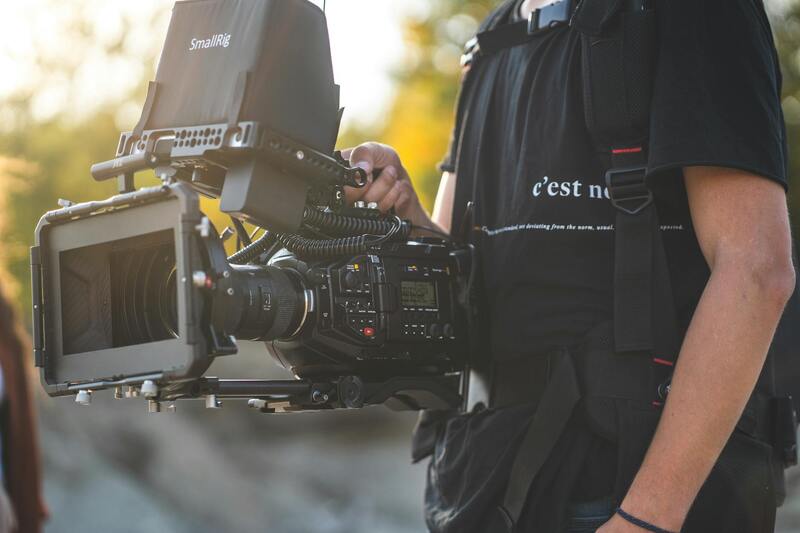
Ultimately, a meticulously assembled portfolio is an investment in reputation that can significantly impact your ability to attract high-value clients and secure ongoing projects in the Miami real estate market. It encapsulates your approach, professionalism, and mastery of the craft, making it an indispensable element of your business development strategy. As the market evolves, maintaining and continuously improving this portfolio remains a key factor in sustained success and growth as a real estate photographer in Miami.
Showcasing Different Property Types
In the competitive Miami real estate market, a diverse portfolio that effectively captures various property types demonstrates your versatility and adaptability as a photographer. Including images of luxury condominiums, sprawling single-family homes, commercial office spaces, and rental apartments allows potential clients to see your capacity to handle different styles and complexities of property presentation. Each property type presents unique challenges and opportunities for creative composition, lighting, and staging, which should be reflected in your portfolio to showcase your comprehensive skill set.

By methodically presenting each property category, you can tell a compelling story of professional growth and specialization. For instance, capturing the modern sleekness of a downtown condo with strategic lighting and angles contrasts with the warm, inviting atmosphere achieved through natural light in a suburban home. Differentiating your approach to each type illustrates your understanding of their distinct market appeal, giving prospective clients confidence in your ability to tailor your skill set to specific property needs.
Organizing and Presenting Your Work
An organized portfolio enhances viewer experience and enables prospects to quickly find the relevant property types they are interested in. Use categorization or thematic grouping—such as residential, commercial, or luxury properties—to streamline navigation. Additionally, consider using a clean, professional layout that emphasizes your images without clutter, ensuring each photograph's quality is front and center.

Integrating concise descriptions alongside each image can provide context and demonstrate your attention to detail. Highlight specific challenges you overcame, the techniques employed, or the equipment used to produce the best possible shot. These insights can reassure clients of your technical competence and your capacity to handle complex or high-value properties.
Highlighting Technical Skills and Equipment
Your portfolio is a testament to your technical mastery, so it’s essential to include images that showcase your proficiency with various tools and techniques. Demonstrate your ability to manipulate lighting, utilize drone photography for expansive views, or employ advanced editing software to enhance the final image quality. Showcasing behind-the-scenes elements or before-and-after shots extends credibility and highlights your technical evolution.

Potential clients look for photographers who understand the nuances of real estate imagery—such as optimal aperture settings, lens selection for different space types, and post-processing finesse. Including detailed captions about your equipment, such as high-resolution cameras, wide-angle lenses, or lighting setups, helps establish your technical authority and reassures clients about your precision and professionalism.
Showcasing Different Property Types
When developing a comprehensive real estate photography portfolio, it's essential to include a diverse range of property types to demonstrate versatility and appeal to a broad client base. In Miami’s dynamic market, this means effectively representing residential homes, commercial properties, luxury estates, and vacation rentals. Each category requires tailored photographic techniques and styling to highlight unique features and cater to different target audiences.
For residential properties, focus on capturing the warmth and character of homes through well-balanced lighting and strategic composition. Emphasize spaciousness and natural light to evoke a welcoming atmosphere. For commercial real estate, images should emphasize functionality, location, and accessibility—using wide-angle lenses and aerial shots where appropriate to showcase the property's surroundings and scale.
Luxury properties benefit from high-end equipment such as high-resolution cameras, stabilizers, and drone photography to capture expansive views and intricate architectural details. Employing lighting setups that accentuate opulence and highlighting unique features like pool areas or panoramic terraces can make these listings stand out.
Vacation homes, especially in Miami’s vibrant setting, are best showcased with bright, inviting images that highlight outdoor amenities and scenic environments. Using twilight photography can create an inviting, lifestyle-oriented narrative that appeals to prospective tenants or buyers seeking a holiday retreat.

Organizing and Presenting Your Work
An organized, well-structured presentation of your portfolio can significantly impact how potential clients perceive your professionalism. Use categories or filters to separate different property types or styles, making it easier for clients to find relevant examples. Incorporate high-quality images with detailed captions that convey your technical process, challenges overcome, and creative decisions.
Creating a logical flow from residential to commercial or luxury properties helps demonstrate your adaptability. Consider chronological arrangements to highlight your growth and evolving skills, or thematic groupings that focus on specific techniques, such as aerial photography or twilight shots. Employ a clean, minimalist design that directs attention to your work without unnecessary distraction.

Highlighting Technical Skills and Equipment
In a competitive real estate photography market, demonstrating technical proficiency and the use of advanced equipment is crucial for establishing credibility and attracting discerning clients. Your portfolio should reflect a mastery of core skills such as proper lighting, composition, and post-processing techniques that enhance the property's best features. Detailed descriptions of your technical approach can add depth to your portfolio, illustrating your understanding of how to adapt lighting setups for different spaces, whether dealing with natural light or artificial lighting systems.
Utilizing high-end equipment can significantly elevate the quality of your images. This includes professional-grade cameras with multiple lenses to capture wide-angle shots or detailed close-ups, drone systems for aerial photography, and stabilization gear for smooth, steady shots in challenging conditions. Showcasing your use of such equipment not only emphasizes your technical expertise but also reassures clients of your commitment to delivering superior results.
Incorporate images that highlight the impact of your technical skills, such as HDR images that balance exposure in spaces with high contrast lighting or panoramic captures that provide immersive views of the property. Including before-and-after editing samples can further demonstrate your proficiency with editing software, illustrating how you refine raw images into compelling marketing tools.


By consistently integrating technical insights and equipment highlights into your portfolio, you underline your professionalism, technical competence, and a dedication to excellence that elevates your standing within the real estate marketing industry.
Showcasing Different Property Types
To establish credibility and demonstrate versatility within the real estate photography landscape, it is essential to include a diverse range of property types in your portfolio. This not only appeals to a broad client base but also underscores your adaptability to various architectural styles, interior designs, and property conditions. Your portfolio should feature images of residential homes, from cozy apartments to sprawling estates, each highlighting unique features that make the property attractive.
In addition to residential properties, don’t overlook commercial spaces such as retail outlets, office buildings, and industrial facilities. These require capturing larger areas and often involve showcasing functional design elements and the spatial flow that are critical to potential buyers or tenants. Including images of luxury properties, vacation homes, and multi-unit developments can further illustrate your capacity to handle high-end and complex projects.
When presenting different property types, attention to detail in framing, lighting, and staging is crucial. For instance, highlighting natural light in beachfront condos, emphasizing the spaciousness of open-plan living areas, or capturing the ambiance of outdoor amenities can greatly influence potential clients’ perception of your work. Using a variety of angles and perspectives can also help depict each property’s unique dimension, making your portfolio more engaging and comprehensive.

Incorporating Lifestyle and Contextual Shots
Beyond static images of the property itself, including lifestyle shots that show the property as part of a vibrant community or an inviting lifestyle can add depth to your portfolio. Shots that depict outdoor living spaces, nearby parks, and neighborhood attractions help provide context, making listings more compelling and aspirational for prospective buyers.
Utilizing Professional Post-Processing Techniques
Enhancing images through post-processing ensures that your portfolio reflects high-quality visuals. Techniques such as color correction, perspective adjustments, and subtle retouching help emphasize the property's best features without misrepresenting the actual space. While editing is vital, maintaining authenticity is important to foster trust and meet client expectations.

Showcasing Technical Skills and Equipment
Demonstrating proficiency in the technical aspects of real estate photography is essential for establishing credibility and attracting discerning clients. An effective portfolio should include a variety of images that highlight your mastery over different techniques and the use of professional-grade equipment. This not only reflects your commitment to quality but also reassures clients of your capability to deliver exceptional results across diverse property types.
Utilizing high-end DSLR or mirrorless cameras with wide-angle lenses enables capturing expansive indoor spaces while maintaining clarity and detail. Tripods are fundamental for achieving sharp images, especially in low-light conditions or when precise framing is required. Advanced features such as high dynamic range (HDR) imaging allow for balanced exposures, ensuring both interior brightness and exterior views are well-rendered within a single shot.

Post-processing software like Adobe Lightroom and Photoshop are powerful tools to fine-tune images. Skillful use of these programs can correct color imbalances, straighten tilted horizons, and enhance specific features of a property to captivate viewers. Subtle retouching helps in presenting a polished look without altering the authenticity of the space, maintaining trust while showcasing the property at its best.
Understanding and showcasing proficiency in lighting—both natural and artificial—is pivotal. For instance, diffusing natural light to reduce harsh shadows or implementing external flashes and light modifiers can create a welcoming atmosphere in interiors. Mastery of lighting ensures each property is depicted with clarity and warmth, making the images more inviting and professional.
Additional Technical Skills to Highlight
- Vertical and horizontal perspective correction to prevent distortion
- Panoramic and virtual tour shooting capabilities
- Proper staging and angle selection to emphasize property features
- Understanding of color temperature and white balance optimization
- Use of drone photography for aerial views of larger properties or unique landscapes
Including projects that demonstrate these technical skills within your portfolio assures clients of your comprehensive understanding of the craft. It positions you as a capable professional equipped to meet the demands of contemporary real estate marketing, utilizing the latest techniques and equipment to produce compelling visual content that accelerates property sales.
Effective Strategies for Showcasing Your Real Estate Photography Portfolio to Clients
Presenting your real estate photography portfolio to potential clients requires a thoughtful approach that emphasizes professionalism, clarity, and strategic communication. Establishing credibility and showcasing your unique style can significantly influence a client’s decision-making process. Here are proven methods to effectively display your portfolio and attract new business.
Creating a Professional Presentation
Invest in a clean, well-organized digital platform that highlights your work in an intuitive manner. Ensure each project is accompanied by concise descriptions detailing the challenges, techniques employed, and any innovative solutions you implemented. Visual consistency, such as uniform image size and layout, demonstrates your attention to detail and professional standards.
Utilizing Multiple Mediums
While digital portfolios are essential, consider supplementing this with physical portfolios for face-to-face meetings. High-quality printed albums provide a tangible, immersive experience that can leave a lasting impression. Additionally, creating engaging presentations or slideshows can help you narrate the story behind each property’s visual transformation, engaging clients more effectively.
Tailoring Your Portfolio for Target Audiences
Customize your portfolio to resonate with different client segments. For residential clients, highlight cozy, well-staged interiors and inviting exteriors. For commercial or luxury properties, emphasize scale, detailed architecture, and innovative drone shots. This targeted approach showcases your versatility and understanding of diverse real estate markets.
Highlighting Client Results and Testimonials
Including case studies that demonstrate how your photography contributed to successful property sales can bolster your credibility. Client testimonials and reviews add social proof, reinforcing trust in your skills and results. Show potential clients that your images can accelerate sales cycles, attract high-quality buyers, and enhance listing visibility.
Incorporating Interactive and Virtual Elements
Modern clients value immersive experiences. Incorporate virtual tours, 3D walkthroughs, or interactive image galleries within your portfolio. These elements not only showcase your technical capabilities but also align with current marketing trends, setting you apart from competitors.

By consistently refining your presentation methods and aligning them with client expectations and industry standards, you position yourself as a confident, capable professional. A well-curated, sophisticated portfolio serves as a powerful marketing tool that can open doors to new opportunities and reinforce your reputation within the competitive market of real estate photography.
Establishing Credibility Through Authentic Client Results
An essential aspect of a compelling real estate photography portfolio is the inclusion of verifiable client results. Showcasing successful sales or lease transactions driven by your images adds real-world credibility to your work. This can be achieved by incorporating case studies that detail the property's details, your photography approach, and the subsequent impact on the sales process. Well-documented results demonstrate your ability to contribute directly to client objectives, reinforcing your professional reputation within the industry.
Additionally, client testimonials serve as powerful testimonials to your accountability and quality. When previous clients share their positive experiences, potential clients gain confidence in your professionalism and expertise. These endorsements, whether presented as written reviews or video testimonials, should emphasize how your images facilitated faster sales, attracted higher-quality prospects, or improved listing visibility.
By regularly updating your portfolio with recent success stories and client feedback, you maintain a dynamic presentation that reflects your current capabilities. This ongoing process not only demonstrates your commitment to excellence but also helps prospective clients see tangible benefits from engaging your services.
Incorporating Interactive and Virtual Elements
Modern real estate marketing increasingly relies on immersive digital experiences. Incorporating virtual tours, 3D walkthroughs, and interactive photo galleries into your portfolio elevates your presentation beyond static images. These features showcase your technical proficiency and align with industry trends, helping you stand out in a competitive market.
- Virtual Tours and 3D Walkthroughs: Offering clients interactive, panoramic views of properties provides a realistic sense of space and flow, making listings more appealing.
- Interactive Image Galleries: Incorporating clickable, zoomable images allows prospective clients to explore details at their own pace, demonstrating an attention to detail and user experience.
Furthermore, these interactive elements serve as compelling marketing tools during client meetings. They enable you to present your work engagingly, capture attention quickly, and effectively communicate the value of your photography skills.
Maintaining Your Portfolio for Long-Term Success
A real estate photography portfolio is a living asset that requires ongoing maintenance. Regular updates ensure that your work reflects the latest projects, techniques, and industry standards. Remove outdated or less impressive images to keep the presentation fresh and relevant.
Strategically categorize your images based on property type, location, or style. This organizational approach allows potential clients to navigate your portfolio easily, find examples relevant to their needs, and perceive your versatility.
Additionally, collecting feedback from peers and clients can offer valuable insights into your portfolio's effectiveness. Incorporate new images that highlight advancements in your technical skills or new equipment, such as drone photography or advanced editing techniques. Keeping your portfolio current fosters trust and positions you as a professional committed to continual growth and excellence.