Understanding the Real Estate Photography Market in Miami
Miami's vibrant real estate landscape creates a substantial demand for professional photography services that elevate property listings and attract potential buyers. As one of the most desirable markets in the United States, Miami features a diverse array of properties ranging from luxury condominiums and beachfront estates to commercial spaces and historic homes. This diversity necessitates high-quality visual content that accurately represents each property's unique features and allure, making real estate photography an essential component of successful marketing strategies.
The key factors influencing Miami’s real estate photography market include its dynamic economic growth, population influx, and the booming tourism industry. These elements drive rapid property turnover and a competitive environment where eye-catching visuals can lead to faster sales and higher property values. Additionally, the advent of digital technology and social media platforms has shifted buyer behaviors, emphasizing the importance of compelling imagery in both online listings and virtual tours.
Furthermore, Miami's distinctive architectural styles, including Art Deco, contemporary, and Mediterranean designs, require specialized photographic techniques to capture their essence effectively. The market also exhibits a preference for high-resolution images, drone shots, and 360-degree virtual tours, all of which demand advanced equipment and skilled execution. Understanding these trends and client expectations is crucial for establishing a successful real estate photography business in Miami.
To thrive in this competitive environment, a photography business must consistently deliver top-tier images that stand out amidst numerous listings. This includes maintaining a thorough knowledge of local market preferences, contemporary styling, and technological advancements. By aligning services with the evolving demands of the Miami real estate industry, professionals can position themselves as reliable providers capable of enhancing property visibility and accelerating sales cycles.
Legal and Industry Standards in Miami's Real Estate Photography Sector
Establishing a reputable real estate photography business in Miami demands adherence to a comprehensive set of professional guidelines and industry practices. These standards ensure consistent service quality, foster client trust, and uphold the integrity of the business within the local market landscape.
One core aspect involves understanding and implementing best practices for property access and photography permissions. Prior to scheduling shoots, it is pivotal to secure clear agreements with property owners or listing agents. This includes confirming access rights and clarifying any restrictions or special considerations that may influence the shoot. Biennial reviews of these agreements help maintain compliance and prevent misunderstandings that could disrupt service delivery.
Adopting industry-standard techniques pertains not only to capturing compelling visuals but also to following established safety protocols. For instance, drones used for aerial shots must conform to local regulations set forth by the Federal Aviation Administration (FAA) and local authorities in Miami. This involves registering UAVs, acquiring necessary licenses or waivers, and conducting safety checks prior to flights.
Equipment and Shooting Standards
Utilizing high-quality equipment that aligns with professional industry standards ensures images meet the expectations of clients and stand out in listings. This includes using full-frame DSLRs or mirrorless cameras, wide-angle lenses designed for interior spaces, and stabilized drone technology. Employing HDR (High Dynamic Range) techniques, controlled lighting, and careful composition are vital to capturing vibrant and inviting property images that showcase space and architectural details accurately.
Post-shoot processes such as editing and color correction should follow established editing norms, ensuring all images are polished without misrepresenting the property's true appearance. This attention to detail not only enhances visual appeal but maintains trustworthiness, which is critical in the competitive Miami market.
Data Management and Privacy
Handling client data responsibly and adhering to privacy protocols is essential for maintaining industry standards. Secure storage of images, clear data retention policies, and respect for personal privacy during shoots build a professional reputation. Additionally, understanding the legal boundaries around photographing certain properties—especially in gated communities or private estates—prevents issues related to unauthorized image capture.
Implementation of Standard Operating Procedures (SOPs)
Developing detailed SOPs for every aspect of the workflow—from pre-shoot preparations and client communication to post-production and delivery—ensures consistency and efficiency. Regular training and updates on these procedures reinforce the business’s commitment to excellence and compliance.

Ultimately, aligning your operations with recognized professional and industry standards in Miami creates a solid foundation for your real estate photography business. It fosters trustworthiness with clients, reduces operational risks, and enhances your reputation as a reliable provider capable of delivering high-quality visual content that meets and exceeds market expectations.
Implementing Industry Best Practices for Consistent Results
Establishing a set of standardized procedures for every stage of your real estate photography workflow ensures that your outputs are consistently professional. This includes meticulous planning before each shoot, such as scouting locations, confirming property access, and preparing equipment. During the shoot, adhering to precise lighting setups and composition guidelines guarantees that each image highlights the property’s best features. Post-shoot, implementing a rigorous editing process, utilizing advanced software to enhance visuals without misrepresenting the property, maintains integrity and visual appeal.
Such disciplined approaches not only elevate the quality of work but also streamline operations, reducing the chance for errors and delays. Documented SOPs facilitate training new team members and serve as a reference point to maintain uniform standards across all projects. Regular reviews and updates of these procedures help adapt to evolving industry trends and technological advances, fostering continuous improvement.
Furthermore, aligning with industry standards involves embracing the latest techniques and best practices in real estate photography. This might include the use of HDR imaging, drone photography for aerial shots, and virtual tour integrations, which are increasingly demanded by clients seeking comprehensive property showcases. By consistently applying these advanced methods, your business demonstrates a commitment to excellence and innovation.
In practical terms, a structured workflow combined with ongoing education and adaptation positions your real estate photography enterprise as a trusted, professional service provider. It builds credibility in the competitive Miami market, where clients value reliability, high-quality visuals, and a consistent customer experience.
Adopting these practices ensures that every project reflects your commitment to excellence and positions your business as a go-to provider for high-caliber visual property marketing.
Legal Considerations and Industry Standards in Miami
Operating a successful real estate photography business in Miami requires meticulous attention to industry standards that ensure professionalism and operational consistency. While explicit legal terminologies are not the focus here, understanding and adhering to official guidelines related to property rights, client confidentiality, and contractual obligations is essential for maintaining trust and reputation within the local real estate market.
First and foremost, establishing clear terms of service is fundamental. These should outline the scope of work, usage rights for images, and payment terms, providing transparency for clients and clarity for your team. Proper documentation minimizes misunderstandings and sets a professional tone for all engagements.
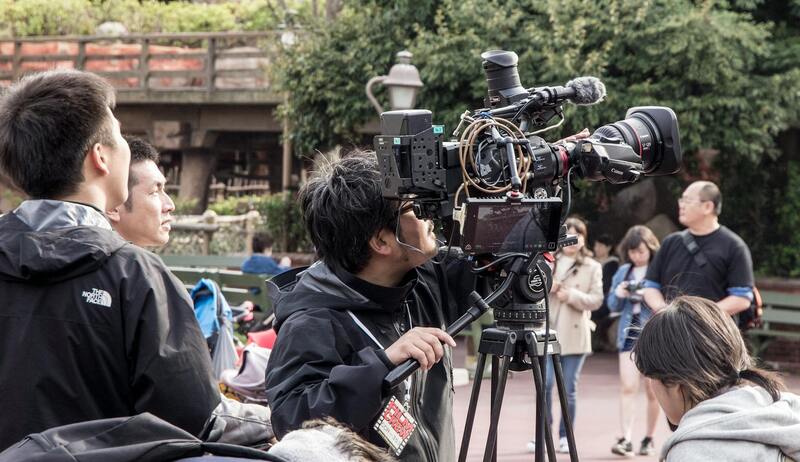
Adhering to safety and ethical standards is equally important, especially when employing drones for aerial shots. Compliance with FAA regulations and local ordinances ensures safe operation and respect for privacy rights. Using certified equipment and trained operators reduces the risk of mishaps and legal repercussions.
Furthermore, maintaining industry-standard quality benchmarks in image resolution, editing, and presentation aligns your services with client expectations and regional best practices. Miami’s competitive real estate environment demands visuals that accurately and attractively showcase properties, which mandates continual skill enhancement and technological upgrades.
Networking with local real estate associations and participating in industry forums helps stay updated on evolving standards and emerging regulations. This active engagement fosters credibility and positions your business as an integrated part of Miami’s real estate ecosystem.
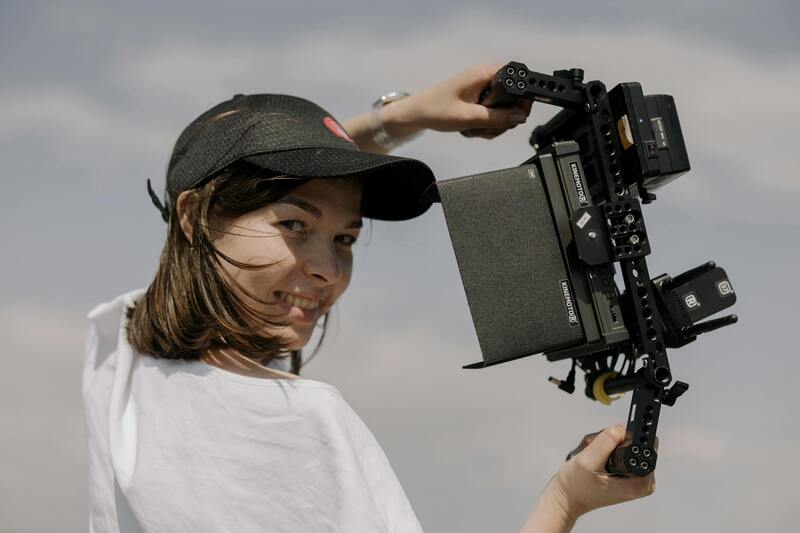
In addition to these standards, implementing consistent workflow protocols, from client onboarding to image delivery, reinforces operational reliability. Digital asset management systems assist in organizing photos, tracking project progress, and ensuring timely delivery—factors crucial to client satisfaction and repeat business.
Finally, securing appropriate insurance coverage for equipment and liability protects your business against unforeseen events, reinforcing your commitment to responsible and professional service. Collectively, these practices underpin a reputable, dependable real estate photography enterprise capable of thriving within Miami’s vibrant and competitive market landscape.
Delivery and Workflow Optimization
Efficient delivery processes are essential for maintaining client satisfaction and establishing a reputation for reliability within Miami’s competitive real estate market. Streamlining workflow through automation tools, standardized naming conventions, and organized client folders ensures that images are delivered promptly and consistently meet high-quality standards.
Implementing digital asset management systems allows for seamless storage, retrieval, and sharing of images. This not only reduces turnaround times but also minimizes the risk of misplacing or losing crucial assets. Clear communication channels with clients streamline feedback and revision processes, ensuring final outputs align with their expectations.
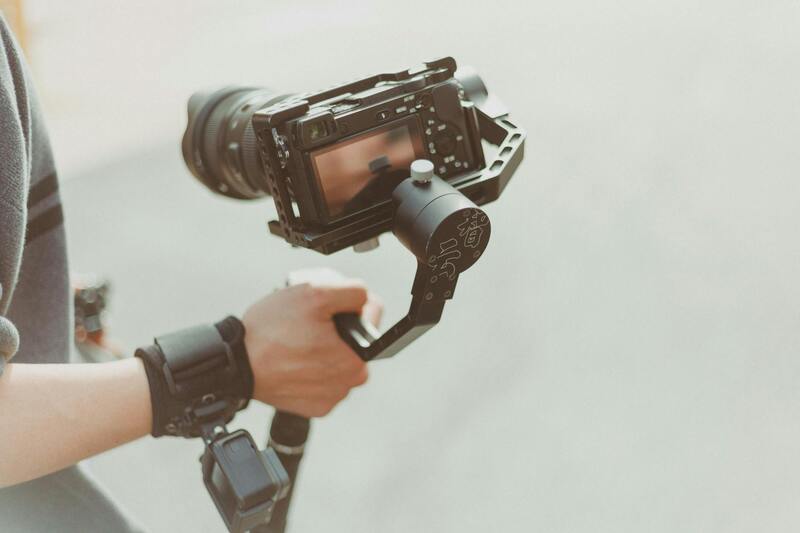
Part of workflow optimization includes establishing standardized editing protocols. Consistent color correction, exposure management, and image retouching create a uniform presentation style that strengthens your brand identity. Regularly updating editing software and adopting new techniques keeps your work aligned with industry standards—an important factor in Miami’s fast-evolving real estate landscape.
Timing is also critical; setting clear expectations for turnaround times and adhering to them builds trust and encourages repeat business. Offering multiple delivery options—such as high-resolution downloads, cloud sharing, or physical media—caters to different client preferences, enhancing the overall service experience.
Scaling Your Real Estate Photography Business
Strategic scaling involves expanding your service reach and operational capacity without compromising quality. This can include hiring additional certified photographers, investing in specialized equipment, or diversifying service offerings such as drone photography or virtual staging. Each growth step should be backed by thorough planning to ensure consistent service delivery across larger client volumes.
Building strong relationships with local real estate agencies and property developers forms the backbone of sustainable growth. Offering tailored packages, flexible scheduling, and quick response times give you a competitive edge in Miami’s dynamic property market. Additionally, establishing referral programs and participating in industry expos can generate new leads and solidify your presence within the local real estate ecosystem.

Maintaining high standards while expanding requires ongoing training and technical upgrades. Investing in staff development ensures your team remains current with emerging trends and technological advances, such as 3D walkthroughs or HDR imaging. Consistent quality control measures help retain client trust and reinforce your reputation as a dependable provider in Miami’s vibrant property market.
Legal Considerations and Industry Standards in Miami
Establishing a reputable real estate photography business in Miami requires a comprehensive understanding of various industry standards and best practices. While technical skills and marketing strategies are vital, adhering to established guidelines not only ensures consistency but also enhances client trust and professional integrity. Authenticity in your service delivery, respect for property rights, and compliance with local regulations form the core pillars of a sustainable operation.
One of the primary aspects involves securing proper agreements with clients. Clear, detailed contracts should specify the scope of work, delivery timelines, licensing rights, and payment terms. This transparency helps prevent misunderstandings and fosters a professional relationship. Use standard agreements that outline permitted usage rights for images, especially concerning online listings, advertisements, or print materials. These documents serve as a safeguard and demonstrate your business's commitment to ethical practices.
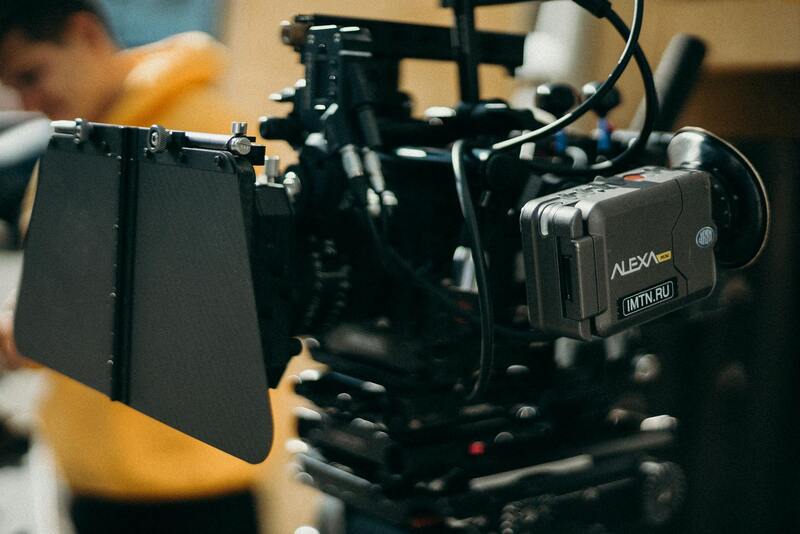
In addition, it’s essential to follow relevant industry standards related to image quality, safety, and client confidentiality. Employing consistent workflows that meet recognized quality benchmarks ensures your photography aligns with client expectations and industry benchmarks. High dynamic range (HDR) imaging, accurate color correction, and proper lighting are critical for producing compelling property images. Implementing workflows that include pre-shoot planning, technical checks, and post-processing quality control helps to uphold these standards.
Another important domain pertains to property access and safety protocols. Always obtain official permission before entering private properties, and coordinate with property managers or real estate agents to ensure compliance with their access procedures. Respect for privacy and property rights not only reflects professionalism but reduces potential conflicts or legal issues. For example, confirm whether drone photography requires special permits or adherence to specific altitude restrictions, especially in densely populated or protected areas.
Moreover, keeping up-to-date with local ordinances and Miami-specific industry standards is crucial. Miami’s vibrant real estate market is often subject to evolving regulations regarding drone usage, environmental considerations, and business licensing. Regularly reviewing city guidelines and industry best practices helps you maintain a compliant operation. Participating in local real estate and photography associations can also provide insights and updates on regional standards, fostering a network of professional peers committed to integrity and excellence.
Maintaining Industry-Recognized Certifications and Training
To enhance your credibility, consider pursuing certifications from reputable photography associations or industry-specific training programs. While not always mandatory, these credentials demonstrate your commitment to excellence and continuous professional development. Workshops covering latest camera technology, editing software, and legal practices provide insight into maintaining high standards and navigating industry complexities effectively.
Workplace Safety and Ethical Responsibilities
Ensuring safety during on-site shoots, particularly when handling drones or accessing high or restricted areas, is paramount. Implementing safety protocols, including proper equipment use and risk assessments, safeguards your team and clients. Ethical responsibilities extend to asserting truthfulness in images—avoiding misleading enhancements or distortions that could misrepresent properties. Ethical practice builds lasting relationships and secures your reputation as a credible service provider within Miami’s competitive real estate market.
Legal Considerations and Industry Standards in Miami
Adhering to Local Regulations and Industry Guidelines
Successfully managing a real estate photography business in Miami requires a comprehensive understanding of local regulations and industry standards that govern commercial operations. While maintaining compliance, it is essential to focus on officially recognized procedures that align with the city’s zoning laws, business practices, and safety regulations. This includes acquiring the appropriate business licenses and permits, which can vary depending on the scope of services offered, such as drone photography or commercial shoots.
Implementing proper procedures for data protection and client confidentiality is also a crucial aspect. Ensuring that client information, including property details and personal data, is securely stored and handled fosters trust and upholds professional standards. Additionally, familiarizing oneself with the city's policies on aerial photography, especially when using drones, is critical. Miami’s regulations often specify altitude restrictions, flight zones, and notification requirements that must be followed to operate legally and responsibly.
Understanding Industry Certifications and Best Practices
While industry certifications are not mandatory, obtaining recognized credentials demonstrates a commitment to quality and ethical standards. Reputable associations such as the Professional Photographers of America (PPA) or specialized real estate photography groups offer training programs and certification courses that cover technical skills, ethical considerations, and legal compliance.
Staying updated with industry standards through workshops, webinars, and industry publications ensures that your services align with the best practices accepted in Miami’s real estate market. This proactive approach helps you adapt to evolving regional needs, technological advancements, and client expectations, positioning your business as a trusted provider within the competitive landscape.
Implementing Ethical and Responsible Business Practices
Transparent communication and ethical marketing are fundamental in establishing credibility. Always disclose the scope of your services, including any post-production enhancements, to maintain honesty with clients. When handling high-value properties, demonstrating professionalism through punctuality, quality assurance, and respectful interactions builds long-term relationships with real estate agents and property owners.
Furthermore, safety and risk management should be integral to your operational procedures. Conduct thorough site assessments prior to shoots, especially when deploying drones or accessing challenging environments. Proper safety protocols not only protect your team and clients but also reinforce your reputation as a responsible service provider committed to excellence and integrity.
Legal Considerations and Industry Standards in Miami
Operating a successful real estate photography business within Miami requires meticulous attention to regulatory frameworks, industry standards, and ethical practices that govern the industry. Navigating these elements effectively ensures long-term stability, fosters client trust, and enhances reputation in this vibrant market.
Understanding Permits and Usage Rights
Before conducting property shoots, securing the necessary permissions is essential. This includes obtaining consent from property owners or authorized representatives to photograph and use their properties for promotional purposes. It is also critical to clarify the scope of image rights, especially if certain features or areas are off-limits or subject to restrictions. Clearly defining these parameters helps prevent disputes and ensures that both parties are aligned on usage rights and ownership.
Adhering to Industry Standards and Best Practices
Keeping up-to-date with regional and national best practices for real estate photography improves the quality of your service and aligns your offerings with client expectations. This includes maintaining high standards of image quality, color accuracy, and composition. Incorporating techniques such as HDR imaging, drone photography, and virtual tours enhances visual appeal and provides comprehensive property representations.
Ethical marketing practices involve transparency about your editing processes, avoiding misleading enhancements, and providing accurate depictions of properties. Such honesty maintains credibility and ensures client satisfaction. Further, compliance with industry standards for safety and professionalism—such as punctuality, respectful client interactions, and thorough site assessments—is fundamental in fostering positive relationships within Miami’s dynamic real estate landscape.
Data Protection and Client Confidentiality
Given the sensitive nature of property transactions and client information, safeguarding data must be a priority. Implement secure storage solutions for digital assets and limit access to authorized personnel only. Additionally, develop clear policies on data handling and confidentiality agreements to reinforce trustworthiness and demonstrate your commitment to protecting client interests.
Insurance and Liability Measures
Comprehensive insurance coverage is vital to mitigate risks associated with photography operations, whether it involves equipment damage, accidents on-site, or other unforeseen issues. Proper liability coverage also reassures clients of your professionalism and accountability, and reduces concerns over potential property or personal damages resulting from your services.
Maintaining Ethical Marketing and Transparent Pricing
Honest advertising practices, straightforward pricing, and clear service descriptions are the cornerstones of ethical business conduct. Providing detailed quotes, avoiding hidden fees, and transparently communicating deliverables builds trust and encourages repeat business. This commitment to integrity, combined with adherence to legal and industry standards, solidifies your reputation in Miami’s competitive real estate photography niche.