
Importance of High-Quality Photography in Real Estate
In the bustling Miami real estate market, showcasing properties with exceptional visual content has become an essential strategy for real estate professionals. High-quality photography not only captures the unique architectural features and aesthetic appeal of each property but also creates a compelling first impression for potential buyers browsing online listings. With digital platforms serving as the primary channel for property searches, the visual presentation of a home significantly influences a buyer's decision-making process.
Professional real estate photography involves meticulous attention to lighting, composition, and post-processing to ensure images accurately represent the property's true value and appeal. Well-executed images highlight key selling points, such as spacious interiors, modern finishes, and desirable outdoor spaces. This, in turn, enhances the property's perceived value and prompts viewers to schedule viewings. In Miami's competitive market, property listings with striking visuals stand out, leading to increased interest, faster sales, and often higher sale prices.

Moreover, professional photography fosters trust and credibility with prospective buyers, signaling that the property has been presented with care and attention to detail. Buyers tend to form initial judgments based on photos; therefore, investing in high-caliber images is crucial for maintaining a competitive edge. In a city known for its luxury homes and diverse real estate offerings, compelling visual content serves as a virtual handshake, inviting interest and engagement from prospective buyers across various platforms.
Real estate agents and property owners recognize that the visual storytelling facilitated by expert photography separates listings from the competition. When paired with accurate descriptions and comprehensive virtual tour options, these images form a cohesive narrative that captures the essence and lifestyle offered by the property. This comprehensive visual strategy ultimately accelerates the sales cycle, maximizes exposure, and supports a smoother transaction process.
In conclusion, investing in professional real estate photography is a proven approach to amplifying a property's appeal. It transforms an ordinary listing into a captivating showcase that resonates with potential buyers, assists in establishing a property's market presence, and enhances overall sales performance within Miami's dynamic real estate landscape.
Key Elements of Effective Real Estate Photography
To capture the essence of a property and attract prospective buyers, effective real estate photography must emphasize certain core elements. First and foremost, lighting plays a pivotal role. Utilizing natural light whenever possible ensures images are bright, inviting, and true to the space’s ambiance. Proper lighting helps to highlight architectural details, create a sense of depth, and make rooms appear larger. Professional photographers often employ equipment such as diffusers, reflectors, and high-quality flash units to achieve optimal lighting conditions even in challenging settings.
Composition and Framing
Effective composition guides the viewer’s eye through each photograph, emphasizing the property’s best features. Wide-angle lenses are typically used to capture more of each room while maintaining perspective. Composition techniques, such as the rule of thirds and leading lines, help create balanced and engaging images. Framing should also consider the overall story; for instance, highlighting a stunning view or an architectural detail can elevate a photo’s impact. Attention to detail, such as decluttering spaces and arranging furnishings to accentuate space, contributes to professional-looking images that resonate with buyers.
Orientation and Perspectives
Capturing a property from multiple angles provides a comprehensive visual narrative. Exterior shots should include front elevations, backyard views, and unique landscape features. Within the interior, a combination of wide shots for room layout and specific close-ups of noteworthy features—like custom cabinetry, high-end appliances, or luxury finishes—enhances buyer engagement. Consistent perspectives across images create a cohesive gallery that accurately represents the property’s layout and flow, helping prospective buyers mentally walk through the space even before visiting in person.
Post-Processing and Image Enhancement
Post-production editing is crucial for refining images and ensuring they meet professional standards. Adjustments to brightness, contrast, and color saturation enhance realism and appeal. Skilled editing can also remove minor imperfections, such as shadows or reflections, that may distract from the overall image quality. It’s important that post-processing retains the natural look of the property, avoiding over-editing that can mislead buyers or diminish the authenticity of the listing. Well-edited images serve as a compelling visual introduction, motivating viewers to explore further and schedule visits.
Consistency and Branding
Maintaining visual consistency across all listing images reinforces professionalism and strengthens brand recognition. Consistent color grading, framing, and composition techniques make a portfolio of listings appear cohesive, which can build trust with potential clients. When working with a professional real estate photography agency, agents and property owners benefit from tailored branding elements—such as watermarking or specific stylistic choices—that align with their overall marketing strategy and increase their reputation’s visibility in Miami’s competitive market.
Optimizing Visual Content for Listing Success
Effective real estate photography and virtual tours serve as essential tools in creating compelling property listings. Quality visuals can significantly influence a potential buyer’s decision-making process, making it imperative to employ proven methods that highlight the property's strengths and minimize imperfections. When shooting property images, professional photographers focus on balancing natural and artificial lighting to ensure the space appears welcoming and accurately represented. Proper lighting eliminates shadows that can distort perceptions of room size and layout, while also emphasizing architectural features.
Staging plays a critical role in making spaces appealing; carefully arranged furniture, accessories, and decor set the tone and showcase potential lifestyle scenarios for prospective buyers. This approach not only enhances the aesthetic appeal but also helps viewers envisage living in the space. Angles used during photography should capture the most flattering perspectives without creating misleading distortions, enabling viewers to grasp true spatial relationships.
Post-processing techniques are applied to enhance clarity, color saturation, and overall image quality. Skilled editing preserves the authentic look of the property while ensuring images are bright, crisp, and attractive. Minor imperfections, such as reflections, uneven lighting, or clutter, are adjusted discreetly to maintain realism. High-quality imagery, when consistently applied across all listing materials, sustains a professional appearance that builds credibility and trust among prospective clients.
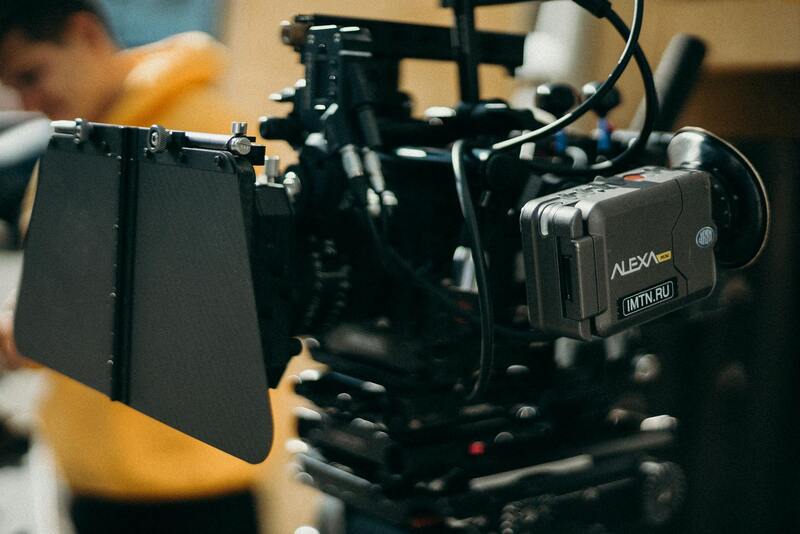
Virtual tours extend the reach of property listings beyond traditional photography, offering immersive, interactive experiences that attract more engaged viewers. These virtual walkthroughs provide a comprehensive view of the property, allowing potential buyers to explore the layout and spatial flow at their own pace. This immersive experience can reduce the number of in-person visits required, saving time and resources for both buyers and sellers.
Another advantage of virtual tours is their ability to highlight unique features and selling points that may not be immediately apparent in static images. Features such as high ceilings, panoramic ocean views, or intricate architectural details become more evident when experienced digitally.
Many virtual tour formats exist, including 360-degree panoramic views, guided videos, and interactive floor plans. Each offers a different level of engagement, catering to varying buyer preferences. For example, 360-degree panoramas allow viewers to explore each room freely, fostering a sense of presence and spatial understanding. Conversely, guided virtual tours can narrate the property’s key features, offering a more curated experience.

Types of Virtual Tours and Their Advantages
360-Degree Panoramic Virtual Tours
360-degree panoramic virtual tours allow viewers to explore a property as if they are physically present, offering a comprehensive view of each room from multiple angles. This format provides an interactive experience where prospective buyers can control their navigation within a space, rotating and zooming to examine details closely. This method fosters a virtual sense of presence, helping buyers assess spatial relationships and proportions more accurately than static images.
Guided Virtual Tours
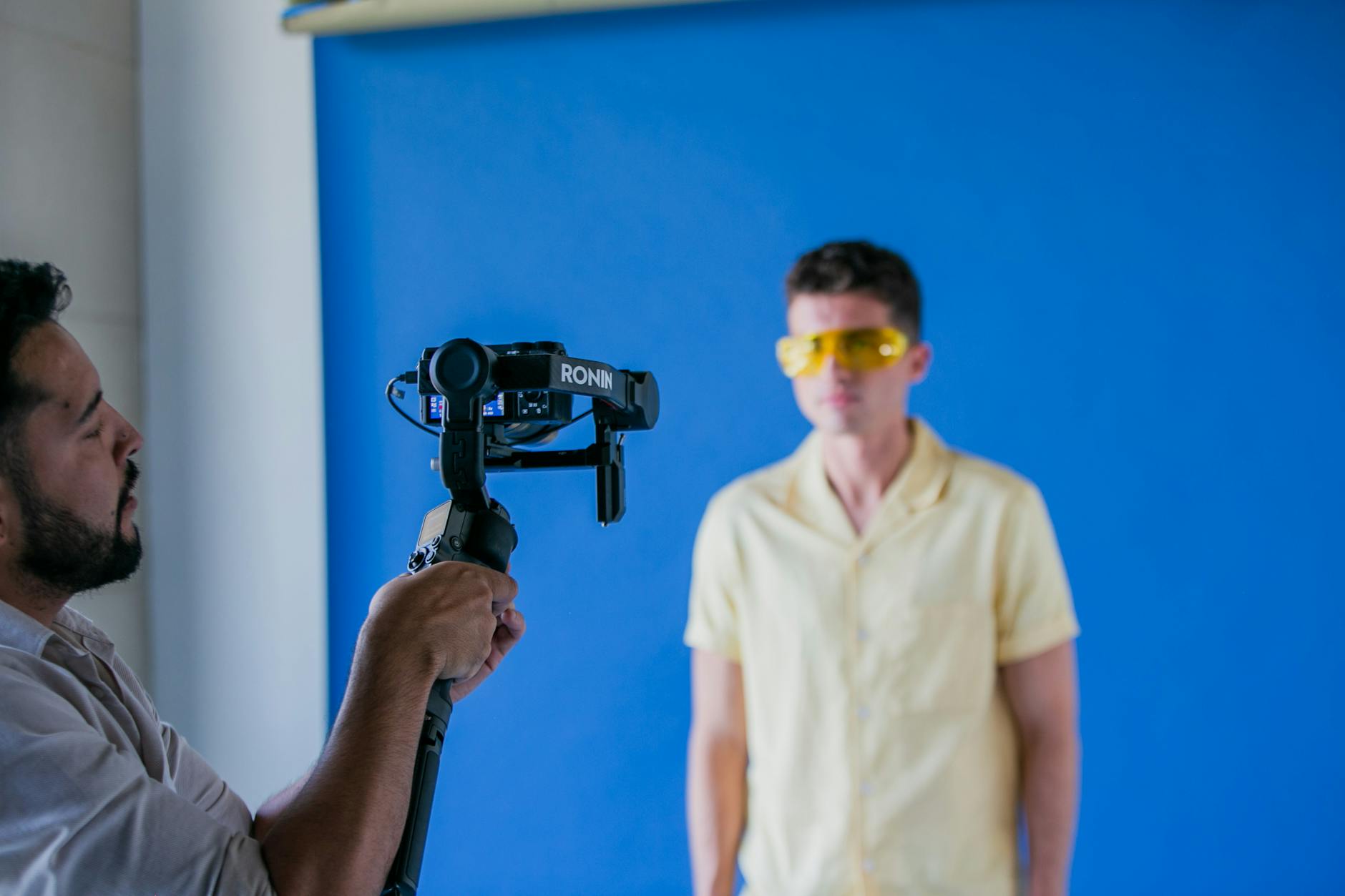
Guided virtual tours incorporate video narration or commentary by a host or real estate agent, walking viewers through the property and highlighting its key features. This format offers a curated experience, emphasizing the most desirable aspects of the property while providing contextual information such as design details, renovation history, or unique architectural features. Guided tours are particularly effective in conveying the ambiance and lifestyle potential associated with a property.
Interactive Floor Plans
Interactive floor plans combine detailed layout diagrams with clickable or navigable features, allowing users to visualize the property’s structure and flow. These virtual representations typically integrate with panoramic images or videos to provide a seamless exploration experience. Interactive floor plans are useful for illustrating spatial relationships, room sizes, and the overall design, aiding buyers in visualizing their potential living space before committing to a visit.
Comparison of Virtual Tour Formats and Their Benefits
- 360-degree panoramic tours: Provide maximum interactivity and spatial understanding, ideal for visually-oriented buyers who want to explore independently.
- Guided virtual tours: Offer a narrated, curated experience, effective for conveying the lifestyle and unique features of a property.
- Interactive floor plans: Facilitate spatial comprehension and integration with visual media, enhancing the overall virtual viewing experience.
Choosing the appropriate virtual tour format depends on the property type, target audience, and marketing objectives. Combining different formats can maximize engagement, providing a dynamic and comprehensive online presentation that resonates with diverse prospective buyers.
Best Practices for Shooting Real Estate Photos and Virtual Tours
Achieving high-quality real estate imagery requires meticulous planning and execution. To ensure that property listings stand out and attract the right buyers, professionals should adhere to industry best practices that highlight each property’s unique features effectively.
Firstly, proper lighting is essential. Utilizing natural light whenever possible enhances the authenticity and warmth of the images, reducing the need for extensive post-production editing. For indoor shots, shooting during bright, overcast days or scheduling professional lighting setup can make spaces appear larger and more inviting. Properly balanced lighting reduces shadows and highlights architectural details, creating images that are clear and visually appealing.
Composition plays a critical role in real estate photography. Employing the rule of thirds to position key elements within the frame draws viewers' attention to the most attractive features. Wide-angle lenses are commonly used to capture more of a space in a single shot, providing a comprehensive view of rooms and emphasizing the property's spaciousness. However, care must be taken to prevent distortion, which can mislead prospective buyers about the actual size of rooms.

For virtual tours, smooth camera movements and stable footage are critical to creating an immersive experience. Utilizing professional stabilization equipment ensures seamless navigation through property spaces, helping prospective buyers feel as if they are physically walking through the property. Incorporating a mix of static, panning, and orbit shots allows viewers to explore spaces from different angles, emphasizing layout and design features.
Post-production editing should be subtle and focus on enhancing realism. Adjustments to brightness, contrast, and color balance can significantly improve the visual impact without misrepresenting the property. Adding accurate floor plans, annotations, or labels can also help viewers understand the layout better, especially in virtual tours that integrate visual media with interactive elements.
In Miami's competitive real estate market, adhering to these best practices ensures that listings not only showcase the property's strengths but also foster trust with potential buyers. A professional approach to photography and virtual tour creation can translate into faster sales, higher property values, and an elevated online presence that attracts discerning clients seeking quality and authenticity.
Impact on Property Value and Selling Time
Integrating high-quality real estate photography and immersive virtual tours significantly influences both the valuation of a property and the speed at which it transacts. Professionally captured images and engaging virtual experiences highlight the true potential of a space, enabling prospective buyers to visualize living or investing prospects accurately. Enhanced visual presentation amplifies the perceived value by emphasizing key features, layout, and finishes, often leading to increased offers and facilitating quicker negotiations.
Listings that leverage superior photography and virtual tours tend to draw more attention, which in turn reduces the time a property spends on the market. Buyers are more likely to engage deeply with listings that provide a detailed, authentic view of the property's interior and exterior. This upfront clarity minimizes miscommunications or surprises during physical viewings, accelerating decision-making processes and reducing the need for multiple visits.
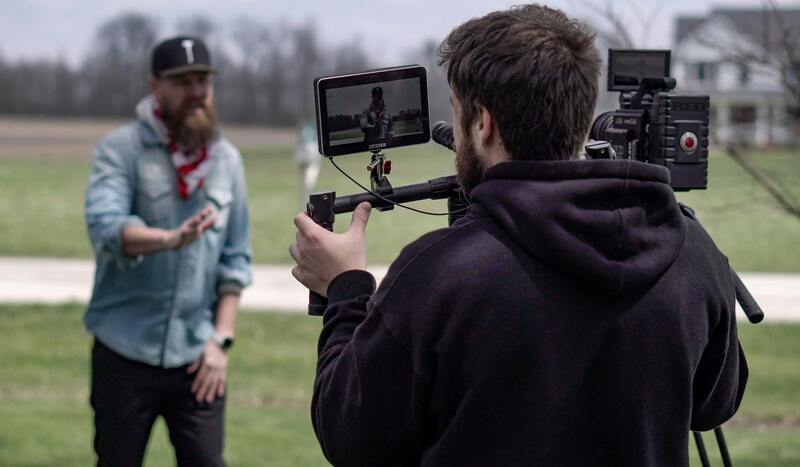
Moreover, high-quality virtual tours give prospective buyers an in-depth experience reminiscent of an in-person visit, often inspiring serious offers without the need for immediate physical attendance. This becomes especially advantageous in competitive markets such as Miami, where a well-crafted virtual presentation can distinguish a listing from hundreds of others. By delivering transparency and convenience, professionally produced media not only enhances the property's desirability but can also justify higher asking prices.
Real estate agents and sellers recognize that investment in premium visuals directly correlates with reduced selling times and increased return on investment. The combination of compelling imagery and engaging virtual tours builds trust and confidence among buyers, streamlining the path from listing to closing and ultimately benefiting all parties involved.
Enhancing Digital Engagement and Broader Reach
In today’s digital-driven market environment, properties with robust visual content outperform those with basic or amateurish media. Well-executed virtual tours incorporated into online listings expand a property's reach beyond traditional local buyers, attracting international and out-of-state investors. This increased exposure can be critical in a vibrant real estate hub like Miami, where diverse buyer demographics compete for prime property assets. As a result, listings featuring high-quality visuals tend to generate more inquiries, visits, and faster transaction timelines, making professional photography and virtual tours indispensable tools for successful property marketing strategies.
Impact on Property Value and Selling Time
In Miami’s vibrant and competitive real estate landscape, the presentation quality of a property significantly influences its market performance. High-caliber real estate photography and immersive virtual tours serve not only as visual assets but also as strategic tools that impact the overall valuation and speed of sale.
Professional imagery can create an immediate visual impact, capturing the unique features, architecture, and ambiance of a property. This enhanced visual appeal often translates into higher perceived value, allowing sellers to command better prices. When potential buyers can easily envision themselves living in a home through clear, compelling photos and virtual walkthroughs, their confidence in making an offer increases.
Additionally, properties with comprehensive virtual tours tend to spend less time on the market. These virtual experiences enable buyers to conduct detailed explorations remotely, reducing the need for multiple in-person visits and expanding the reach to out-of-town or international investors. This broader exposure accelerates the decision-making process, often leading to quicker offers and faster closings.
Future Trends in Real Estate Photography and Virtual Tours
Emerging technological advances continue to shape the future of real estate visual marketing. High-resolution 3D modeling and virtual reality (VR) integration are revolutionizing how properties are showcased, offering buyers an even more immersive and interactive experience. As these tools become more accessible and refined, they will enable agents and sellers to present properties with unprecedented clarity and realism.
Moreover, the adoption of artificial intelligence (AI) and machine learning algorithms will enhance the personalization of virtual tours, tailoring experiences to individual buyer preferences and behavior patterns. Video walkthroughs, drone footage, and augmented reality (AR) are also expected to grow in prominence, providing dynamic perspectives that highlight a property’s surroundings and unique selling points.
As Miami continues to attract international attention, innovative media solutions will be essential in attracting global buyers. The integration of these advanced techniques ensures that property listings remain competitive, engaging, and highly effective in converting interest into sales.
Impact of Professional Media on Buyer Engagement and Market Perception
High-quality real estate photography and immersive virtual tours significantly influence buyer engagement by providing a comprehensive and realistic view of a property. When potential buyers access visually compelling images and interactive virtual walk-throughs, they develop a stronger emotional connection and a clearer understanding of the space. This enhanced engagement often translates into increased inquiries, better offers, and quicker decision-making processes.
Moreover, the presentation of properties through professional visuals elevates market perception, positioning listings as premium and well-maintained. In competitive markets like Miami, where properties often compete for attention, superior media assets help listings stand out and attract serious buyers. The perception of quality conveyed through high-definition photography and detailed virtual tours can effectively boost a property’s desirability and perceived value, directly impacting its market stance.
Maximizing Marketing ROI with Visual Content
Investing in top-tier real estate photography and virtual tours not only appeals to buyers but also optimizes marketing return on investment (ROI). High-quality visuals are more likely to generate online traffic, social shares, and inquiry conversions, making marketing efforts more cost-effective. When paired with targeted digital advertising strategies, professional visuals accelerate lead generation and increase the likelihood of closing deals quickly.
Agents and sellers benefit from a reduced sales cycle because professional media reduces the need for multiple showings and staging adjustments. Potential buyers can assess the property thoroughly from remote locations, which streamlines the decision-making process and minimizes logistical costs. As a result, listings with superior visual content tend to sell faster and at higher prices, ensuring a greater ROI for marketing expenditures.

Influence on Buyer Decision-Making and Market Trends
Effective visual content directly influences buyer’s confidence and decision-making by providing transparency and allowing for detailed property assessments. As virtual tours and high-resolution images become more prevalent, buyer expectations continue to rise, pushing sellers to adopt advanced visual strategies to remain competitive.
This shift is also reflected in market trends where listings equipped with comprehensive visual assets tend to achieve higher visibility and activity levels. The adoption of virtual tours has been particularly transformative in Miami’s diverse real estate market, where international and out-of-town buyers require remote viewing options. The availability of such technology not only accelerates sales but also broadens the pool of potential buyers, enhancing overall market liquidity.
Final Considerations for Property Sellers and Real Estate Professionals
- Prioritize professional photography to accurately represent property features and ambiance.
- Incorporate virtual tours that provide an interactive experience, allowing prospects to explore every detail at their own pace.
- Invest in updated visual technology, such as 4K imaging and 3D modeling, to remain competitive in Miami’s evolving market landscape.
- Collaborate with experienced media providers who understand the nuances of real estate showcasing and can tailor solutions to specific property types and target audiences.
- Continuously evaluate emerging trends and technological advances to keep marketing strategies aligned with buyer preferences and industry standards.