
Understanding the Importance of Real Estate Photography and Videography
In the highly competitive Miami real estate market, the visual presentation of a property can significantly influence potential buyers’ perceptions and decisions. High-quality real estate photography and videography serve as powerful tools for showcasing a property's best features, capturing its unique charm, and providing an immersive experience that static images alone cannot deliver. Professional imagery can elevate a listing from mediocre to compelling, drawing more online traffic and encouraging prospective buyers to schedule viewings.
Effective visual content acts as the initial point of engagement in digital listings, where most property searches begin. When images and videos are clear, well-lit, and professionally composed, they convey a sense of quality and transparency that builds trust with viewers. This professional presentation highlights key aspects of the property — such as spacious interiors, exquisite architecture, and desirable amenities — making a lasting impression that can translate into faster sales cycles and higher offers.
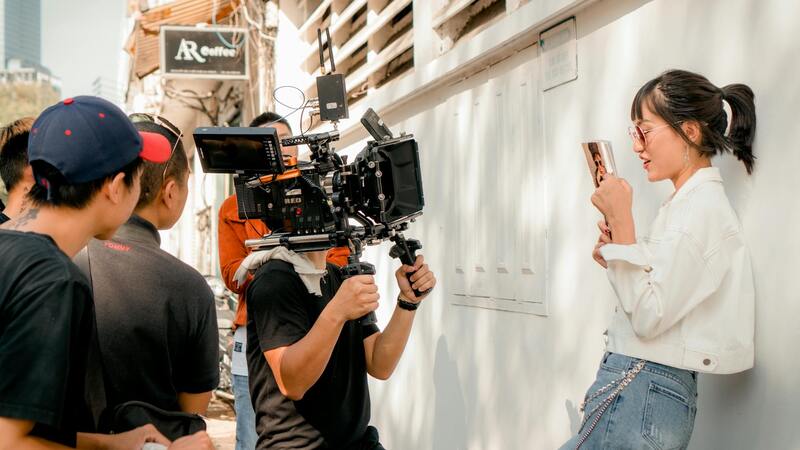
In a city like Miami, where luxury properties, waterfront estates, and modern condos are prevalent, the significance of compelling visual storytelling cannot be overstated. Buyers often make decisions based on the images and videos they see online; thus, investing in professional photography and videography is as much a marketing strategy as it is a representation of the property itself. By capturing properties in the best light, real estate professionals can effectively differentiate their listings, attract a broader pool of qualified buyers, and ultimately achieve faster sales with better terms.
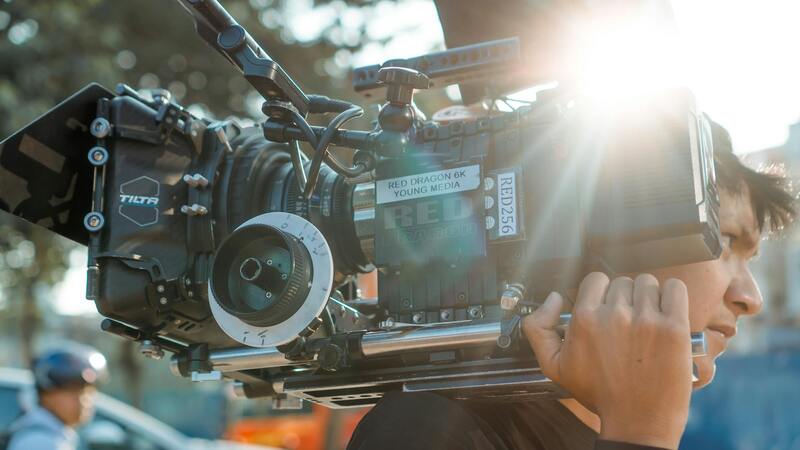
Moreover, as digital platforms evolve, the emphasis on high-quality visual content continues to grow. Social media channels, virtual tours, and online property portals prioritize professional media, making it essential for real estate professionals to invest in high-caliber real estate photography and videography. The right images and videos open doors to a wider audience, including international buyers, investors, and remote clients, who rely heavily on visual cues before making purchasing decisions.
Ultimately, the strategic use of professional photography and videography enhances the perceived value of a property, accelerates the sales process, and maximizes the property's market potential. For real estate practitioners and property owners in Miami, embracing high-quality visual content is an investment that yields tangible results in terms of visibility, interest, and successful transactions.
Effective Videography Techniques for Real Estate Listings
In the competitive Miami real estate market, the quality of video content can significantly influence buyer engagement. Professionally produced real estate videos serve as dynamic virtual tours, allowing prospective buyers to experience a property’s layout, flow, and atmosphere from afar. To maximize impact, videographers employ a range of techniques that highlight a property’s strengths while providing an immersive viewing experience.
One fundamental approach is utilizing smooth, steady camera movements through professional stabilization equipment. Gimbal stabilization ensures that walkthroughs appear seamless and polished, avoiding distracting shakes that can detract from the viewer's experience. These controlled movements guide viewers through each room, emphasizing spatial relationships and architectural features effectively.
In addition to smooth movement, strategic shot composition plays a vital role. Incorporating wide-angle lenses allows for capturing the full scope of interior spaces, making rooms appear more spacious and inviting. Layering shots of key features—such as gourmet kitchens, luxurious bathrooms, or expansive outdoor areas—helps tell a compelling story about the property’s unique selling points.
Lighting remains crucial within videography practices. Natural light is preferred when available, as it enhances the property's ambiance and reduces the need for extensive post-production adjustments. However, supplemental lighting setups are employed to brighten darker areas uniformly, ensuring visibility of details without creating harsh shadows or overexposure.
To create a sense of scale and depth, videographers often include establishing shots of the property's exterior, neighborhood amenities, and nearby points of interest. These provide contextual information that enriches the viewer’s understanding of the property's location, surroundings, and lifestyle potential.
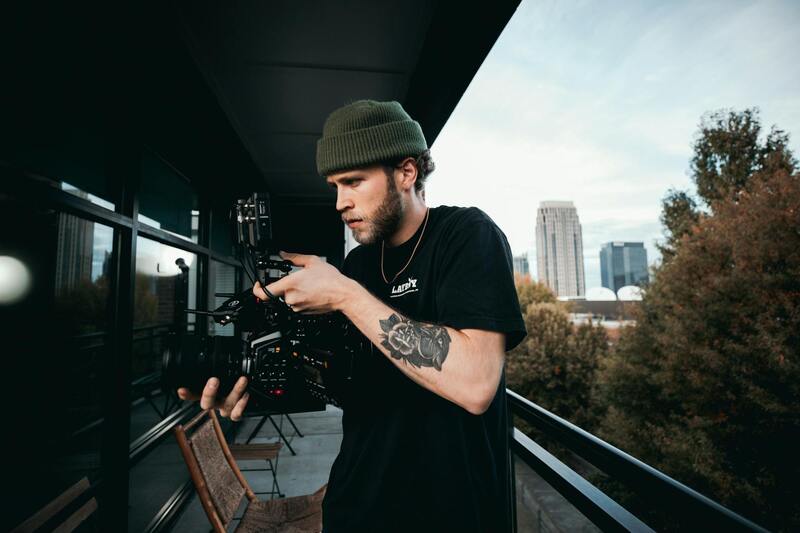
Incorporating voice-over narration and background music further enhances the storytelling component of real estate videos. Well-crafted narration can specify details that might be overlooked visually, while background music sets the tone and rhythm, making the viewing experience more engaging and emotionally resonant.
Color grading and post-production editing are the final transformative steps in professional real estate videography. Adjustments to color balance, contrast, and sharpness ensure that the video’s visuals accurately represent the property’s look and feel. Careful editing avoids over-editing, maintaining authenticity while highlighting the property’s best features.
Ultimately, employing these sophisticated videography techniques transforms simple walkthroughs into compelling visual narratives. The goal is to evoke an emotional response, establish a connection with potential buyers, and increase the likelihood of inquiries or visits. For Miami property listings, where visual appeal is paramount, investing in high-quality videography techniques ensures that each listing stands out and attracts the right audience.
Choosing the Right Equipment and Technology
In the realm of high-quality real estate photography and videography, selecting the appropriate equipment and technology is fundamental to capturing compelling visuals that elevate property listings. Professionals in this field rely on advanced camera gear, stabilization tools, and lighting systems to ensure every shot emphasizes the property’s best features with clarity and precision.
Digital single-lens reflex (DSLR) cameras or mirrorless systems are preferred for their exceptional image quality and versatility. These cameras support different lenses—wide-angle lenses are particularly effective in capturing spacious interior shots and expansive exterior views, offering potential buyers a comprehensive perspective of the property. Additionally, high dynamic range (HDR) imaging capabilities allow for optimal exposure balance, showcasing both bright and shadowed areas without losing detail.
Stabilization equipment such as gimbals and drone stabilization systems enable smooth footage during videography, especially when capturing dynamic scenes or outdoor shots from aerial perspectives. These tools help eliminate unwanted shake or jitter, which can detract from the overall quality and professionalism of the content. For interior shoots, portable lighting setups, including softboxes and LED panels, illuminate rooms evenly, ensuring that spaces are bright and inviting.
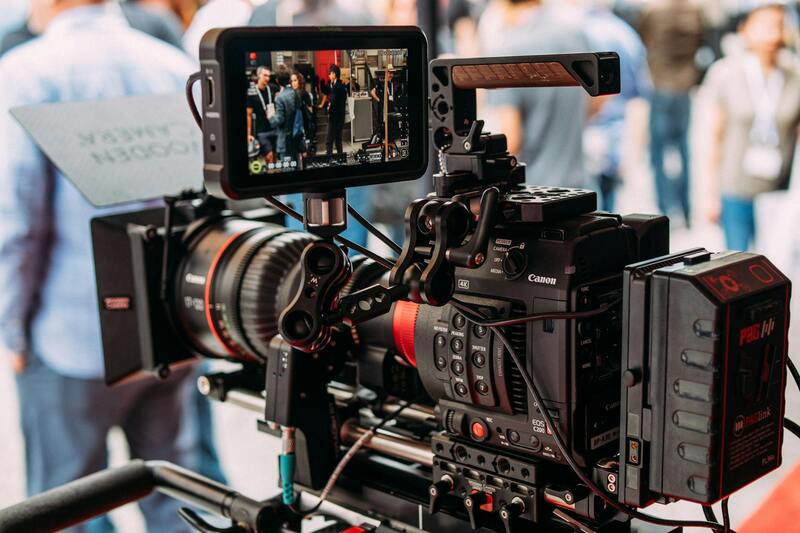
Moreover, drone technology has revolutionized real estate videography by providing breathtaking aerial views that highlight the property’s scale, location, and surrounding area. Drones equipped with high-resolution cameras should be operated by trained pilots to ensure safe operation and optimal shot composition. Additionally, software solutions for image stitching and 3D modeling are crucial for creating virtual tours and detailed floor plans, enhancing the online presentation of the property.
Investing in top-tier equipment and adopting the latest technological advancements enables professionals to deliver vivid, engaging, and accurate visuals that resonate with prospective buyers. These tools also facilitate efficiency and consistency, ensuring each listing is presented in the best possible light while maintaining high standards of quality.
Optimizing Visual Content for Online Listings
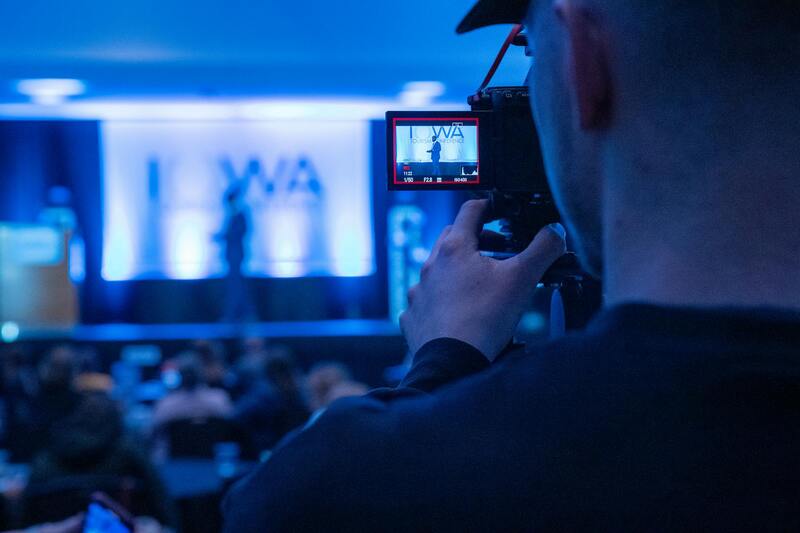
Properly optimizing visual content is essential to maximize the impact of real estate images and videos across various online platforms. Effective optimization involves both technical adjustments and strategic presentation to ensure that potential buyers see a true representation of the property, compelling enough to generate inquiries and visits.
High-resolution images should be processed with careful attention to color accuracy, brightness, and contrast. Post-production editing helps remove minor imperfections, enhance natural light, and ensure the visuals are sharp and vibrant. When editing, it’s crucial to strike a balance—over-editing can lead to unrealistic representations, which may harm trust and lead to dissatisfaction upon viewing in person.
Video content must be formatted appropriately for each platform, with consideration given to aspect ratios, file sizes, and loading speeds. Short, engaging clips that highlight the property’s key features—such as spacious living areas, modern kitchens, luxurious bathrooms, and outdoor amenities—are more likely to capture viewers’ interest. Including virtual tours, narrated walkthroughs, or thematic sequences can help tell a captivating story about the property.
Metadata optimization, such as descriptive filenames, relevant tags, and compelling descriptions, enhances discoverability in search results. Ensuring that the visual content aligns with targeted keywords associated with Miami properties increases the likelihood of attracting interested buyers searching for this specific market segment.
Leveraging Advanced Equipment for Superior Real Estate Visuals
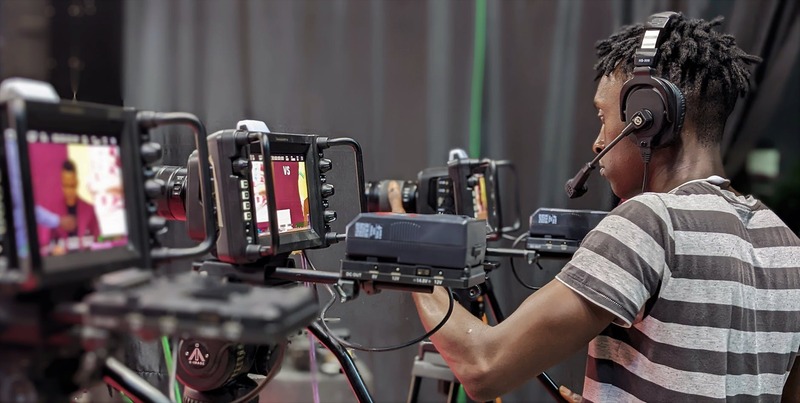
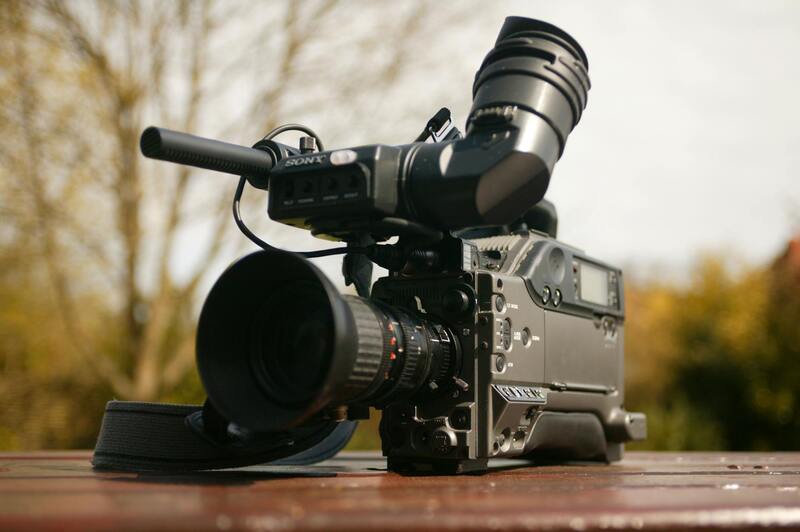
To produce compelling real estate photography and videography, leveraging the latest equipment is essential. High-resolution digital cameras equipped with wide-angle lenses enable capturing expansive, detailed images that showcase every aspect of a property. These cameras should support low-light conditions and offer adjustable aperture settings to ensure optimal clarity regardless of lighting variations within the space.
Drone technology has revolutionized property showcase capabilities by allowing dynamic aerial shots that reveal a property's layout, landscaping, and proximity to local amenities. High-quality drone cameras with stabilization features ensure smooth, distortion-free footage, enhancing the visual storytelling of the property.

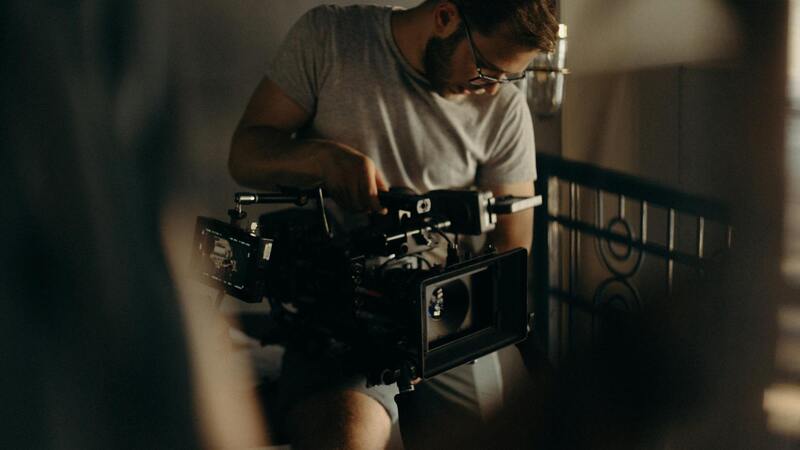
For video productions, gimbal-stabilized cameras help maintain smooth footage during walkthroughs and exterior shots, especially when moving through the property or capturing exterior details from different angles. Additionally, professional video editing software such as Adobe Premiere Pro or Final Cut Pro enables editors to craft seamless, engaging narratives from raw footage.
Proper lighting equipment, including portable LED lights and reflectors, assists in accentuating the property's features and compensating for uneven natural light. Using these tools effectively ensures that the visuals are bright, balanced, and highlight the property's best attributes.
Investing in quality equipment not only elevates the visual quality but also improves efficiency, allowing providers to deliver polished content within tight schedules—a crucial factor in competitive real estate markets like Miami. Regular maintenance and staying updated with technological advancements further ensure that the visuals remain crisp, impactful, and aligned with industry standards.
Legal Considerations and Ethical Practices
When producing high-quality real estate imagery, adherence to established guidelines and ethical standards is paramount to maintain professionalism and client trust. Content creators must ensure that all visuals accurately represent the property without exaggeration or misrepresentation. This involves honest depiction of space, features, and the overall condition of the property, avoiding any editing or enhancements that could mislead viewers.
Respecting privacy is another critical aspect. Filming and photographing areas that are adjacent or outside the property boundary should be conducted with due consideration, especially when capturing footage that might include neighboring properties or public rights of way. Clear communication with clients about what will be documented can prevent misunderstandings and potential disputes.
Compliance with local regulations regarding drone use and filming permits is essential. Operators should be aware of restrictions on aerial photography in certain zones, ensuring that all necessary permits are obtained and that flights are conducted safely and responsibly. This commitment to regulatory standards demonstrates professionalism and safeguards the integrity of the content creation process.
The use of property images should align with ethical marketing practices. This means avoiding manipulative tactics such as selectively omitting less desirable features or over-editing to create an unrealistic portrayal of the property. Genuine, honest visuals foster trust with prospective buyers and enhance the credibility of the listing.
Professional Standards and Client Relationships
- Establish transparent communication with clients to understand their expectations and highlight what can be achieved through photography and videography.
- Deliver content that meets industry standards, utilizing high-resolution images and stabilization techniques to ensure clarity and stability.
- Maintain consistent branding and presentation quality across all projects, reinforcing professionalism and reliability.
- Protect client confidentiality by managing sensitive information responsibly, especially in video content that could reveal proprietary or private details.
Effective Off-Site SEO Strategies for Real Estate Visual Content
Beyond creating captivating images and videos, implementing robust off-site SEO strategies plays a crucial role in amplifying the visibility of real estate listings. These strategies ensure that high-quality visual content reaches the widest relevant audience, thereby increasing engagement and potential inquiries.
One of the foundational elements of off-site SEO is the distribution of content across multiple authoritative platforms. Sharing property visuals on reputable real estate portals, industry-specific forums, and national listing sites helps build backlinks and drives traffic directly from sources with high domain authority. Consistent branding and optimized image descriptions across these channels reinforce branding identity and improve discoverability.
Social media marketing remains one of the most effective methods for expanding reach. Platforms such as Instagram, Facebook, and Pinterest are highly visual-centric, making them ideal for showcasing property images. Regular posting, engaging stories, and targeted advertising campaigns can boost visibility and generate leads in specific geographic areas or demographic segments.
Utilizing optimized metadata is also vital. Embedding descriptive alt text into images, including relevant keywords related to real estate photography and videography, helps search engines index visual content effectively. This improves the listings' appearance in image search results and enhances organic traffic.
Engaging with local communities and real estate influencers can further extend the content’s reach. Collaborations, guest posts, and shared content arrangements with well-established real estate blogs or industry figures lend credibility and attract niche audiences interested in property investments or market trends.
Monitoring and analyzing off-site engagement metrics provides insights into which channels and methods deliver the highest quality traffic. Using analytical tools, professionals can refine their distribution strategies, ensuring that content placement maximizes the impact of each visual asset. This iterative process is fundamental in maintaining an effective, evolving online presence for real estate listings.
Legal Considerations and Ethical Practices
In the realm of real estate photography and videography, adhering to official standards ensures the integrity of the visual content and fosters trust among clients and audiences. When capturing properties, professionals should obtain explicit permissions from property owners or authorized representatives before shooting. This proactive approach not only respects property rights but also streamlines the process, minimizing delays or misunderstandings.
Maintaining transparency about the scope of work and the use of images and videos is essential. Clients should be informed about how their visuals will be used, including online listings, marketing materials, and social media platforms. Clear communication prevents disagreements and confirms mutual expectations from the outset.
Accurate representation is a critical aspect of ethical practice. Photographers and videographers must strive to depict properties honestly, avoiding any alterations that could mislead viewers. The goal is to showcase the property’s true condition, features, and spatial arrangements, providing prospective buyers with an authentic understanding of the space.

Including identifiable individuals within the visuals requires thoughtful consent, particularly in interior shots or community scenes. Securing written permission from models or residents helps uphold privacy standards and aligns with best professional practices.
In addition, professionals should stay updated with regional regulations and industry guidelines related to property photography and videography. This ongoing awareness supports compliance and demonstrates a commitment to high standards.
Ethical practices extend to the handling of digital assets. Protecting client confidentiality, securely storing images and videos, and ensuring the use aligns strictly with agreed-upon purposes reinforce a reputation built on trust and integrity in the property marketing sphere.
Ensuring Proper Usage and Ethical Distribution of Visual Content
Maximizing the exposure of real estate visuals through appropriate channels is essential for successful property marketing. When deploying high-quality images and videos, it's crucial to select platforms that align with industry standards and target audiences. This includes listing websites, dedicated real estate portals, and professional social media platforms where visual content can reach active and relevant buyers.
Professionals should implement a strategic approach to distribution, ensuring that content reaches potential purchasers without overexposing the property or infringing on privacy. This involves curating the right mix of visual assets tailored to each platform’s specifications and audience preferences. For instance, high-resolution images optimized for desktops and mobile viewers, along with short, engaging video snippets suitable for social media stories, can significantly enhance a listing’s visibility.
Effective dissemination also involves scheduling releases to coincide with peak activity times, increasing the likelihood of engagement. Coordinating with real estate agents to synchronize marketing efforts ensures that visuals are integrated seamlessly into broader marketing campaigns, including email newsletters and virtual tours. Such collaborative strategies foster a professional presentation and boost the property's online presence.
By maintaining consistency in branding and messaging across all platforms, professionals help cultivate trust among prospective buyers. This consistency reassures viewers that they are engaging with credible and high-quality content, which can influence their decision to schedule viewings or make offers. Ensuring the proper attribution and clear identification of the property in all visual assets also plays a key role in maintaining transparency and fostering positive client relationships.
Furthermore, regularly updating and refreshing visuals based on market feedback and viewer interactions can enhance the effectiveness of marketing efforts. This adaptive approach demonstrates a commitment to transparency and ongoing improvement, establishing a reputable presence within the competitive real estate landscape.
Protecting Intellectual Property and Digital Assets
It’s vital for professionals to understand how to safeguard the visual content they produce. Properly watermarking images, utilizing secure storage solutions, and clearly stipulating usage rights in client agreements help prevent unauthorized use or distribution. These measures ensure that the creator’s rights are respected and that the property’s portrayal remains accurate and protected from misrepresentation.
By implementing disciplined management of digital assets, real estate photographers and videographers build their reputation as trusted figures within the industry. Clear policies regarding the rights to use, reproduce, and share visual content reinforce professionalism and help maintain control over how the property’s images and videos are employed across different channels.
Ultimately, responsible handling and strategic management of visual content contribute to a cohesive marketing effort, fostering trust with clients and maximizing the return on investment in visual marketing technologies. When combined with effective distribution tactics, these practices elevate the prominence of real estate listings, resulting in quicker sales and satisfied clients.