
Understanding the Role of Quality Photography in Real Estate Marketing
In the competitive Miami real estate market, the first impression of a property often hinges on its visual presentation. High-quality real estate images serve as a powerful tool to attract potential buyers and increase engagement with listings. Professionally captured photographs highlight the unique features of each property, emphasizing interior spaces, architectural details, and exterior aesthetics with clarity and vibrancy.
Research consistently shows that listings with superior images generate more clicks, longer viewing times, and ultimately, quicker sales. Clear, well-lit images allow buyers to imagine living in the space, fostering an emotional connection that can lead to an offer. It is essential to understand that in online real estate browsing, visual first impressions directly influence buyer interest and decision-making processes.
Quality photography not only enhances the visual appeal of actual properties but also boosts credibility and professionalism for real estate agents and agencies. Listings accompanied by compelling images differentiate themselves in a crowded market, establishing a trustworthy image that encourages prospective buyers to inquire further. Moreover, high-caliber images extend their reach across multiple online platforms, social media channels, and email campaigns, making a well-rounded marketing strategy possible.
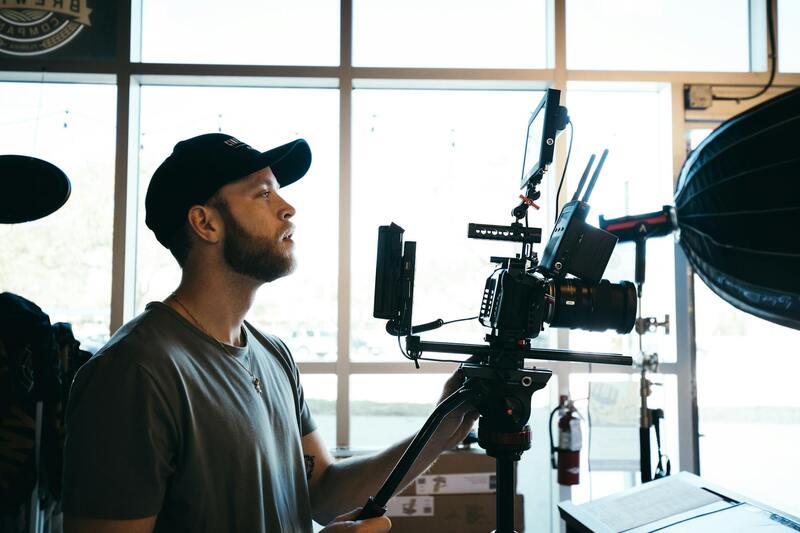
In essence, investing in professional real estate photography is fundamental to maximizing property exposure, reducing time on the market, and achieving optimal sales outcomes in Miami's dynamic market environment. High-resolution images with proper lighting, optimal angles, and attention to detail are indispensable elements that can transform a simple listing into an attractive and persuasive showcase for potential buyers.
Choosing the Right Photography Style for Miami Properties
Selecting a suitable photography style for Miami properties involves understanding the target market, property type, and desired aesthetic. Whether aiming for a modern, luxury, beachfront, or urban feel, the style of imagery should align with the property's unique selling points. Specialized techniques like drone photography can capture expansive views and exterior landscapes, while interior shots should emphasize space, natural light, and design elements.
Key Elements of Effective Real Estate Marketing Pictures
Creating impactful real estate marketing pictures requires a focus on several core elements that work together to produce visually compelling and market-ready images. These elements are critical in highlighting a property's best features, attracting potential buyers, and enhancing the overall appeal of listings across multiple channels.
- Lighting: Proper lighting is fundamental to capturing true-to-life images that showcase a property's ambiance. Natural light, during optimal times of the day, illuminates interior and exterior spaces, minimizing shadows and enhancing texture. Professional photography often involves supplemental lighting or reflectors to ensure even illumination and to accentuate design details.
- Angles and Composition: Selecting the right angles emphasizes spaciousness and architectural features. Wide-angle lenses are commonly used to capture more of the space in a single shot, but must be handled carefully to avoid distortion. The rule of thirds, leading lines, and framing help create balanced compositions that draw viewers' eyes through the image and toward key features.
- Image Quality: High-resolution images are essential for clarity and detail, especially when viewed on large screens or in print. Blur, graininess, or pixelation can diminish perceived value and professionalism. Post-processing techniques, such as color correction and retouching, refine images without over-enhancing or misrepresenting the property.
- Highlighting Unique Features: Special amenities or architectural elements should be intentionally showcased. This might include a gourmet kitchen, outdoor entertaining areas, or scenic waterfront views. Focused shots that provide close-ups or panoramic wide-angle views can help communicate these selling points effectively.
- Consistent Style: Maintaining a uniform aesthetic across all images ensures the listing looks cohesive and well-curated. A consistent color palette, perspective, and level of brightness convey professionalism and build trust with prospective buyers.

The Importance of Professional Photography for Real Estate Listings
Employing professional photography services elevates the quality and effectiveness of real estate listings. These professionals bring specialized equipment, technical expertise, and an understanding of visual storytelling that amateur photos often lack. Well-crafted images can significantly increase the number of inquiries, generate more virtual interest, and ultimately reduce time on market.
High-caliber photographs not only attract immediate attention but also build the credibility of the listing. Prospective buyers are more likely to engage with listings that appear curated and polished, which reflects positively on the property's perceived value. Furthermore, professional photographers are adept at staging spaces visually, ensuring each room is presented in a way that accentuates its potential without misrepresentation.

Optimizing Photos for Online Platforms and Marketing Campaigns
In the digital age, the way images are displayed can make or break a listing's success. Optimizing photographs for various online channels involves more than just high resolution; it demands tailoring images to specific platform requirements and viewer expectations.
- File Size and Format: Proper compression ensures images load quickly without sacrificing quality. JPEG remains the standard for web use, with adjustments made for the best balance between clarity and speed.
- Aspect Ratios: Different online platforms favor specific aspect ratios. For example, Instagram prefers square or vertical images, while real estate websites often use horizontal or wide-angle shots to showcase room layouts effectively.
- Consistent Branding: Incorporating subtle branding elements, such as watermarks or color filters, can reinforce brand identity. This consistency helps build recognition across listings and marketing materials.
- Captions and Descriptions: Pairing images with detailed descriptions that emphasize key features enhances user engagement. Clear, keyword-rich captions improve search engine visibility and attract targeted traffic.
Using Virtual Tours and 3D Imaging as Part of Marketing Pictures
In addition to static images, integrating immersive virtual tours and 3D visualizations offers prospective buyers a comprehensive view of the property. These virtual experiences are becoming vital tools for remote viewing, allowing potential clients to explore spaces interactively from any location.
High-quality virtual tours provide multiple benefits:
- Enhanced Engagement: Interactive tours keep viewers engaged longer and foster a deeper understanding of the property's layout and flow.
- Broader Reach: Virtual walkthroughs can attract out-of-town or international buyers who cannot visit in person, expanding the pool of potential purchasers.
- Detailed Visualization: 3D imaging and virtual staging help viewers imagine themselves living in the space, increasing emotional connection and interest.
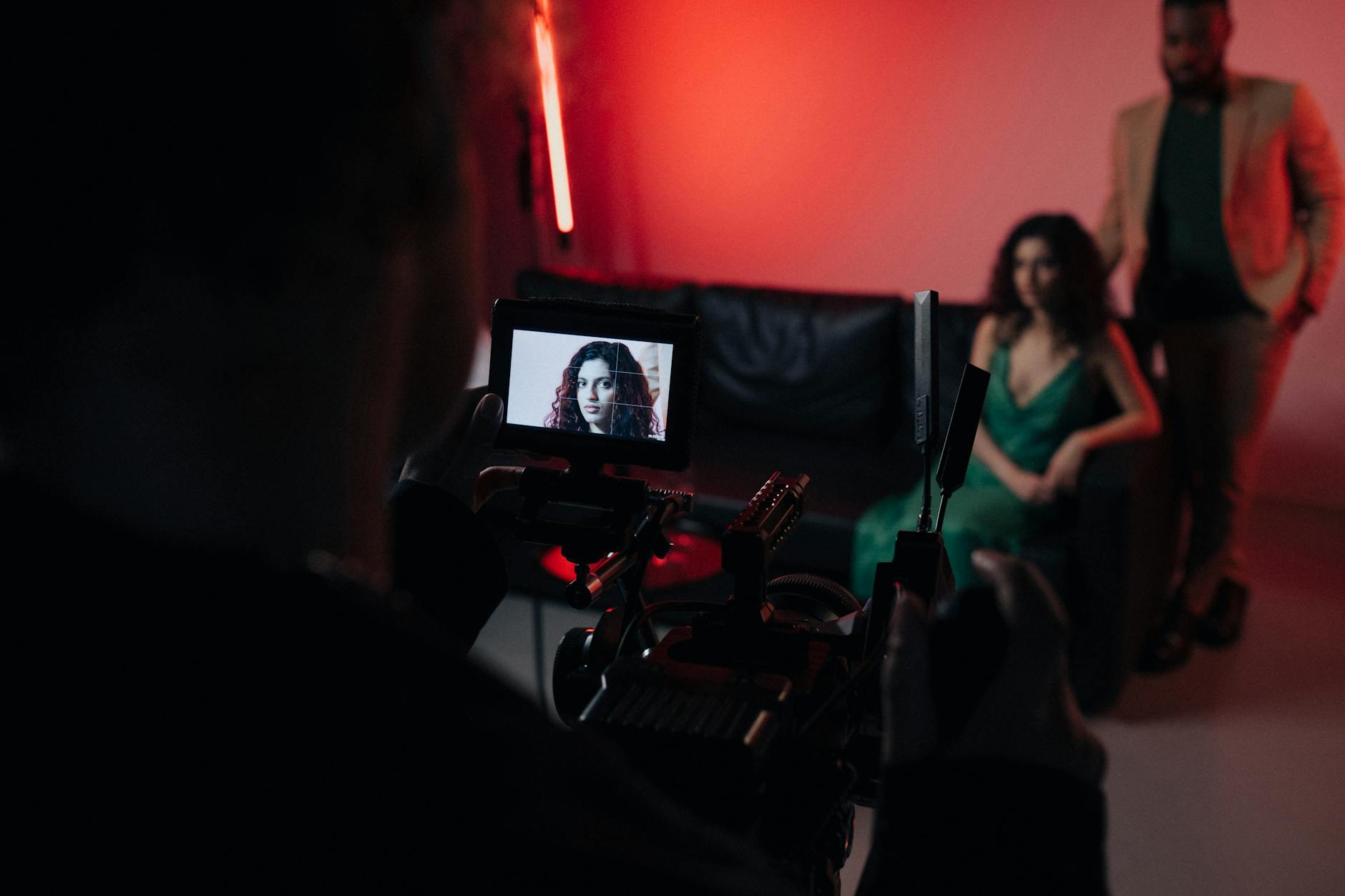
Key Elements of Effective Real Estate Marketing Pictures
Crafting compelling real estate marketing pictures hinges on a combination of technical skill and aesthetic judgment. These images serve as the visual gateway to a property, making their quality and presentation crucial in capturing the attention of potential buyers. To achieve this, several core elements must be meticulously considered and executed.
Lighting
Proper lighting is paramount in highlighting a property's best features. Utilizing natural light during the day can produce bright, inviting images that showcase spaciousness and ambiance. Supplementing with professional lighting equipment ensures even illumination, minimizes shadows, and accentuates architectural details. A well-lit property appears more appealing and helps to convey a realistic view of the space.
Composition
The composition of each shot influences how effectively a property is presented. Employing the rule of thirds allows for balanced and engaging images, drawing viewers’ eyes naturally across the frame. Key features such as fireplaces, large windows, or unique architectural elements should be positioned strategically within the frame. Proper framing also involves removing clutter and distractions, focusing attention on the property's strengths.
Staging
Staging plays a significant role in enhancing visual appeal. Well-arranged furniture, tasteful decor, and subtle accents create a warm, lived-in atmosphere that helps prospective buyers envision themselves in the space. Highlighting functional layouts and key areas through thoughtful staging can make small spaces appear larger and more inviting.
Camera Angles
Selecting the right camera angles is essential for showcasing a property's flow and spatial relationships. Wide-angle lenses are commonly used to capture the full expanse of rooms, emphasizing openness. Low or eye-level shots can help in depicting ceiling heights and dimensions accurately. A combination of high-quality angles will provide a comprehensive visual narrative of each space.
Proper Post-Processing
Post-processing techniques help refine images by adjusting brightness, contrast, and color balance. Professional editing ensures that images closely represent the property’s real appearance without over-enhancement, maintaining authenticity. Correcting lens distortions and removing minor imperfections further enhances overall visual quality.
Consistency Across Images
Maintaining a consistent style throughout a property’s collection of images creates a cohesive online presentation. Uniform color tones, lighting standards, and framing conventions reinforce brand identity and make listings more aesthetically appealing. Such consistency prepares viewers for a more engaging and professional viewing experience.

Legal and Ethical Considerations in Real Estate Photography
Ensuring the integrity and authenticity of real estate images is critical in establishing trust with prospective buyers and maintaining professional standards. When capturing and presenting property images, it is essential to adhere to established practices that respect both the property owner’s rights and the expectations of transparency.
One of the key aspects involves accurately representing the property’s features without deceptive manipulation. This means avoiding overly staged or digitally altered images that could mislead potential buyers about the space’s true appearance or condition. Authenticity in photography fosters buyer confidence and encourages genuine interest.
Additionally, obtaining proper permissions before photographing a property is fundamental. Clear communication with property owners about how the images will be used helps prevent misunderstandings. For properties with shared amenities or private spaces, explicit consent should be secured for capturing and publishing images.
It is also important to respect neighbor privacy and property boundaries. Images should be taken in a manner that avoids capturing private areas or neighboring properties without approval. When using drone photography, operators must adhere to local regulations regarding airspace and privacy rights, ensuring that aerial shots do not infringe upon personal privacy or safety.

Finally, professional photographers should retain detailed records of their work, such as model release forms and permission documentation, to safeguard all parties involved. This documentation can serve as a reference in case of disputes or questions regarding image usage. By following these ethical principles, real estate professionals can uphold a high standard of honesty and professionalism, which ultimately contributes to a more transparent and trustworthy marketing environment.
Best Practices for Capturing Authentic and Persuasive Real Estate Marketing Pictures
When it comes to creating compelling real estate marketing pictures, adherence to established methods ensures accuracy, professionalism, and appeal. The cornerstone lies in employing legitimate, time-tested techniques that spotlight the property's strengths without compromising integrity. Select the appropriate equipment—high-resolution DSLR or mirrorless cameras equipped with wide-angle lenses to capture entire rooms in a single shot. This approach minimizes distortion and offers viewers a realistic perspective of the space.
Lighting plays a pivotal role. Utilize natural light whenever possible, opening blinds and curtains to flood rooms with sunlight. Supplement with professional lighting setups if necessary to eliminate shadows and highlight architectural features. Uniform lighting ensures color consistency and creates a welcoming ambiance that resonates with potential buyers.
Composition and framing are equally critical. Employ the rule of thirds to compose images that draw viewers’ attention to focal points. Keep lines straight and walls parallel to the frame edges to prevent skewed perspectives. Highlight distinctive features—such as a modern kitchen, scenic balcony views, or luxurious bathrooms—to draw interest. Include wide shots to give a sense of space and detail shots to showcase quality craftsmanship.
Post-processing should serve to enhance, not alter, the authentic appearance of the property. Adjust brightness, contrast, and color balance subtly to improve clarity and visual appeal. Avoid over-editing or the use of filters that could mislead viewers about the actual conditions of the property. Consistency across all images fosters credibility and provides a cohesive viewing experience.
In addition to still images, consider the strategic inclusion of other visual elements aligned with ethical guidelines. Floor plans, area measurements, and proximity maps offer potential buyers comprehensive insights without exaggeration. Variation in image types broadens the engagement scope and reinforces the property's appeal across diverse online platforms.
By systematically applying these practices, real estate professionals in Miami can produce high-quality images that effectively communicate the property’s value, foster viewer trust, and boost engagement in a competitive market.
Legal and Ethical Considerations in Real Estate Photography
Maintaining integrity in real estate marketing pictures is fundamental to fostering transparency and trust with prospective buyers. This involves adhering to established standards that ensure images honestly represent the property's condition, features, and spatial dimensions. Photographers should avoid any enhancements or modifications that could mislead viewers about the property's actual appearance or features.
Transparency extends to disclosing modifications made during post-processing. Subtle adjustments like correcting lighting, adjusting colors, or enhancing clarity are acceptable when they serve to reflect the true state of the property. However, embellishments that exaggerate size, conceal flaws, or create illusions should be avoided to uphold honest marketing practices.
Moreover, the use of digital overlays or virtual staging should align with providing a realistic preview for potential buyers. If virtual furniture or decor is added, it must be clearly identifiable as such, ensuring that prospective clients are fully aware of the staged appearance versus the actual space.
When incorporating external elements such as drone footage or aerial shots, care must be taken to comply with local regulations regarding airspace and privacy. Securing appropriate permissions and respecting neighboring properties' privacy rights are essential steps to avoid disputes or misunderstandings.
Ethical photography also involves meticulous attention to lighting and angles. For example, avoiding overly bright or dim images that distort perception helps maintain a truthful portrayal. Similarly, capturing multiple perspectives of a single space provides a comprehensive understanding rather than a manipulated one.
Additionally, maintaining consistency in the portrayal of properties across different marketing channels reinforces credibility. Misrepresentations or inconsistent visuals can harm professional reputation and diminish buyer confidence in the listings.
Ultimately, adhering to these ethical guidelines in real estate photography not only aligns with best practices but also enhances a brand’s reputation within the Miami market. Transparency, honesty, and professionalism create a reliable foundation for successful property transactions.

Using Virtual Tours and 3D Imaging as Part of Marketing Pictures
In the competitive Miami real estate market, virtual tours and 3D imaging have become essential tools for showcasing properties effectively. These advanced visual representations offer prospective buyers an immersive experience, allowing them to explore the property remotely with realistic depth and detail. By integrating virtual tours into marketing strategies, real estate professionals can attract a broader audience, including international buyers or those unable to visit in person.
High-quality virtual tours create a seamless narrative of a property's layout, flow, and spatial relationships, which static images may not fully convey. 3D imaging, in particular, provides a photorealistic experience that can highlight important features such as custom finishes, architectural details, or outdoor spaces with precision. Such visuals enable potential clients to virtually walk through the home at their own pace, fostering a deeper connection and understanding of the property.
Implementing this technology involves capturing multiple 360-degree images from key vantage points within the property. These images are then stitched together to form an interactive environment, accessible across different devices. Proper lighting conditions are vital to ensure clarity and realism, highlighting each feature's true appearance. The resulting virtual tour should be user-friendly, with intuitive navigation controls that direct viewers effortlessly from room to room.
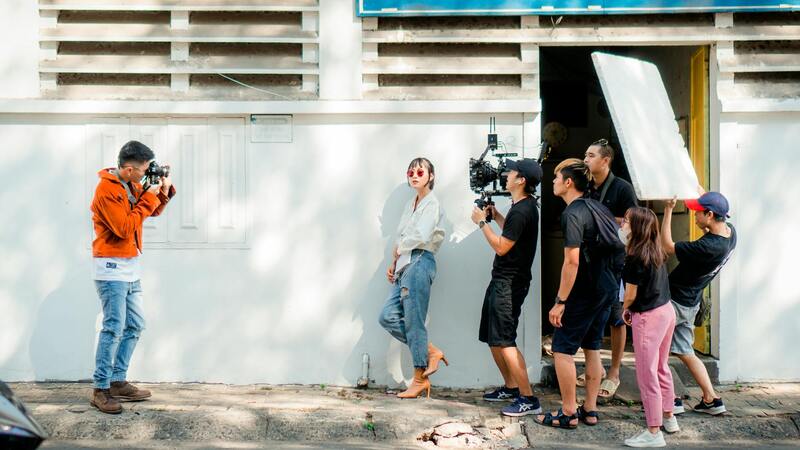
Incorporating virtual tours and 3D imaging into listings aligns with modern marketing expectations, helping agents and property owners stand out in a saturated market. These visual tools serve as a valuable supplement to traditional photography, especially when combined with high-quality images and strategic online placement. When executed correctly, virtual tours not only boost engagement but also reduce the number of unnecessary in-person visits, saving time and resources for all parties involved.
To maximize the effectiveness of virtual tours, consider integrating them into social media campaigns, property websites, and email marketing. Additionally, ensure that the tours are optimized for fast loading and compatibility across devices, including smartphones and tablets. By presenting properties with such innovative visual solutions, real estate professionals can foster trust, facilitate informed decision-making, and ultimately accelerate the sales process.
Legal and Ethical Considerations in Real Estate Photography
Ensuring the integrity of real estate marketing pictures is paramount for building trust with prospective buyers and maintaining professional standards. Utilizing images that accurately depict the property’s true condition prevents misunderstandings and fosters transparency throughout the sales process. It is essential that photography adheres to accuracy in lighting, color representation, and visual perspective, avoiding manipulative techniques that could mislead viewers.
When capturing property images, maintaining consistency across photographs is vital. This includes using uniform lighting setups, appropriate camera angles, and avoiding overly edited photos that can distort the true appearance of the space. Such practices help in providing a clear and honest visual representation, which is crucial for prospective buyers making informed decisions.
Securing permissions and respecting privacy are integral parts of ethical real estate photography. This involves obtaining consent from homeowners before conducting photoshoots, especially when capturing interior images that include personal belongings or private spaces. Additionally, care should be taken to avoid including neighboring properties or private areas that are not part of the listing, to respect the privacy rights of all parties.
Consistent compliance with industry standards can be achieved by collaborating with licensed and accredited photographers who understand the importance of ethical practices. This partnership ensures that the images produced meet the expected criteria and reflect the property accurately. Moreover, following guidelines for image branding and watermarking helps protect intellectual property rights and discourages unauthorized use.

Incorporating thoughtful and genuine images into marketing strategies not only enhances credibility but also aligns with the values of clients seeking honest representations of their investments. Clear, accurate, and respectful imagery ultimately supports a smoother transaction process, fostering positive relationships between agents, sellers, and buyers alike.