
Importance of High-Quality Real Estate Photos
In the competitive landscape of real estate, the presentation of a property can significantly influence buyer interest and engagement. High-quality real estate photos serve as a vital marketing tool that captures the essence and appeal of a property, helping it stand out in listings and advertisements. Professionally captured images not only highlight the property’s best features but also create a sense of trust and credibility with potential buyers. They provide an authentic glimpse into the property, encouraging viewers to explore further and consider making an inquiry.
The visual representation of a property is often the first point of contact for prospective buyers browsing online listings. In an era dominated by digital media, compelling imagery can increase click-through rates, reduce the time a property spends on the market, and ultimately lead to faster sales. High-quality photography ensures that the property is showcased in the most attractive manner, emphasizing space, natural light, and key architectural features. This visual appeal can evoke emotional responses that motivate buyers to envision themselves living in the space, a critical step in closing deals.
For real estate professionals and property owners alike, investing in professional photography is an investment in marketing efficiency. Well-executed photos can serve as a cornerstone of a comprehensive marketing campaign, whether featured on a dedicated website, social media platforms, or online real estate portals. The importance of high-caliber imagery extends to various channels, enhancing brand reputation and positioning the property in the best possible light to attract serious buyers.
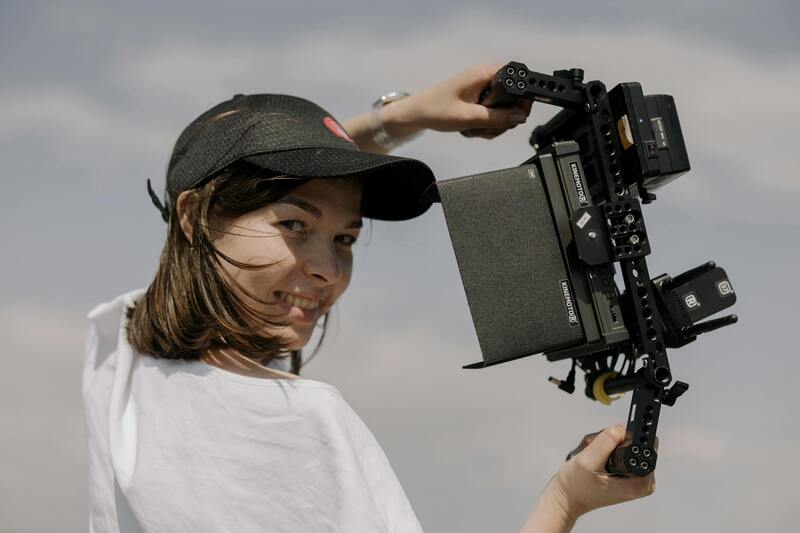
Key Benefits of Professional Real Estate Photography
- Enhanced visual appeal that captures attention immediately
- Improved online engagement and inquiry rates
- True representation of the property's features and layout
- Reduced time on the market and increased sale efficiency
- Strengthening of overall marketing and branding efforts
Ultimately, the quality of real estate photographs can determine the success of a listing. When buyers are presented with clear, bright, and professionally composed images, their interest grows, and their perception of the property's value increases. As the digital real estate environment continues to evolve, professional photography remains a fundamental element in crafting impactful listings that resonate with prospective buyers and elevate a property's market presence.
Lighting Techniques for Property Photography
Achieving optimal lighting is essential to produce captivating real estate images that accurately represent the property’s ambiance and features. Natural light is often the preferred choice, as it enhances the space's warmth and clarity. Photographers should schedule shoots during times of day when sunlight is abundant, typically mid-morning or late afternoon, to avoid harsh shadows and overexposure.
Utilizing diffusers and reflectors can help control light and soften shadows, ensuring even illumination across the interior and exterior scenes. For rooms with limited natural light, supplementary artificial lighting such as softboxes or LED panels should be employed. The goal is to create a bright, inviting atmosphere that highlights the property's virtue without overpowering the shot with overly bright spots or dark corners.
Proper lighting not only accentuates the property’s architectural details but also influences the viewer’s emotional response, making spaces feel more appealing and spacious. Consistency in lighting throughout the images is critical to maintaining a professional appearance and conveying an authentic sense of the property's true character.
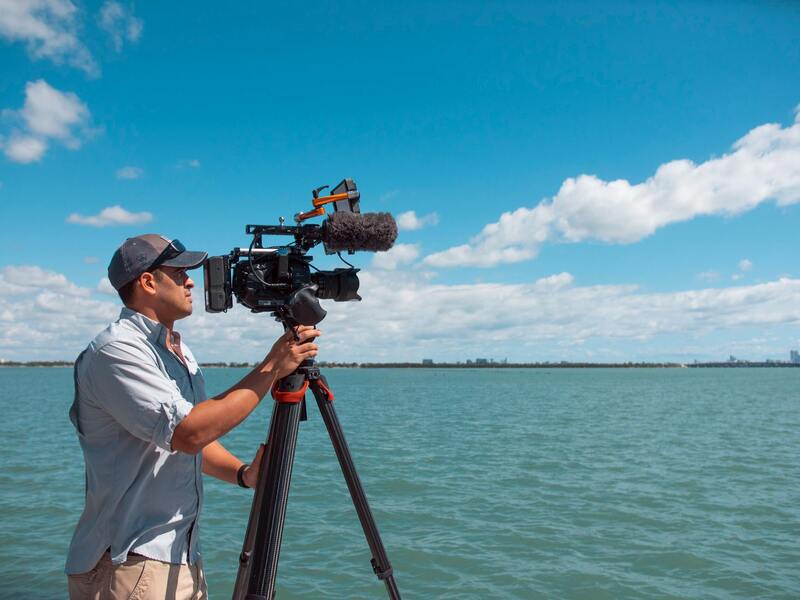
Styling and Staging for Photography
Effective styling and staging are pivotal in presenting a property at its best. Removing clutter and personal items helps potential buyers envision themselves in the space. Instead, attention should be directed toward highlighting the home’s best features with tasteful decor and arrangements.
Strategic placement of furniture can make rooms appear larger and more functional. For instance, positioning a sofa to face a scenic view or emphasizing an attractive fireplace can serve as focal points. Incorporating neutral tones and minimal accessories ensures the spaces do not appear overwhelming and remain appealing to a broad audience.
In addition to decluttering, adding subtle accents such as fresh flowers, well-placed art, and coordinated textiles can elevate the aesthetic appeal. These touches create a warm and inviting mood, making the space irresistible in photos. Proper staging also involves ensuring all elements are clean, well-maintained, and styled consistently to match the property’s market position.

Camera Equipment and Editing Tips
Investing in high-quality camera equipment enhances the resolution and clarity of real estate photographs. A professional-grade DSLR or mirrorless camera paired with wide-angle lenses captures expansive views of rooms while maintaining detail accuracy. Tripods and stabilizers are essential to ensure sharp images devoid of motion blur.
Post-processing plays a significant role in refining the images. Adjustments to brightness, contrast, and color balance help achieve a vibrant yet realistic appearance. Advanced editing techniques can correct lens distortion, straighten images, and enhance specific features without misrepresenting the property. Subtle retouching removes imperfections, ensuring the property looks its best while preserving an authentic presentation.
Consistency across all images in a listing creates a cohesive narrative, strengthening credibility and visual impact. Properly edited photos not only draw more inquiries but also elevate the overall branding of the property and the agency.

Best Practices for Virtual Tours and 3D Imaging
Virtual tours and 3D imaging have become integral to modern real estate marketing, providing an immersive experience for remote buyers. These technologies allow viewers to explore the property at their own pace, gaining a comprehensive understanding of the layout and spatial relationships.
Creating an effective virtual tour starts with capturing high-resolution, smoothly navigable images that cover all rooms and exterior spaces. Employing professional 3D scanners or specialized cameras ensures accurate representations of dimensions and features. The inclusion of interactive floor plans enhances the viewer’s orientation within the property.
These digital tools are complemented by precise staging, strategic lighting, and careful camera work to produce realistic and engaging experiences. High-quality virtual tours not only increase interest but also reduce the need for in-person visits, saving time for both buyers and agents. When combined with sharp real estate photos, virtual tours serve as a powerful component of a comprehensive marketing strategy.

Effective Use of Natural and Artificial Lighting
Lighting plays a pivotal role in capturing stunning real estate images that highlight a property’s best features. Properly managed natural light can infuse photographs with warmth and vibrancy, making spaces appear welcoming and spacious. Scheduling shoots during peak daylight hours, typically mid-morning or late afternoon, allows for optimal natural light penetration. Strategic placement of the camera to avoid harsh shadows and glare ensures uniform illumination across rooms.
Artificial lighting further enhances images, especially in poorly lit areas or interiors with limited natural light. High-quality LED or strobe lights can be repositioned to eliminate unwanted shadows and accentuate architectural details. Using diffusers or softboxes softens harsh light sources, producing more appealing and balanced images. Combining natural and artificial lighting techniques results in well-exposed, clear photographs that true-to-life represent the property.

Styling and Staging for Photographic Success
The visual impact of real estate photos is significantly influenced by effective styling and staging. This process involves arranging furniture, décor, and accessories to showcase the full potential of each space. Minimalist, clean layouts tend to appeal broadly, emphasizing space and natural flow. Carefully selected color palettes, modern furniture, and clutter-free environments help create aspirational visuals that attract prospective buyers.
Neutral tones and personal touches, such as fresh flowers or tasteful artwork, add warmth without overwhelming the space. Proper staging also involves decluttering to ensure each room appears spacious and tidy. Attention to detail—like making beds, arranging cushions, and ensuring all surfaces are spotless—enhances the overall aesthetic.
Utilizing professional stylists or working with experienced property photographers ensures that styling aligns perfectly with marketing goals. The right staging translates to more compelling photos, which can significantly influence buyer interest and engagement levels.
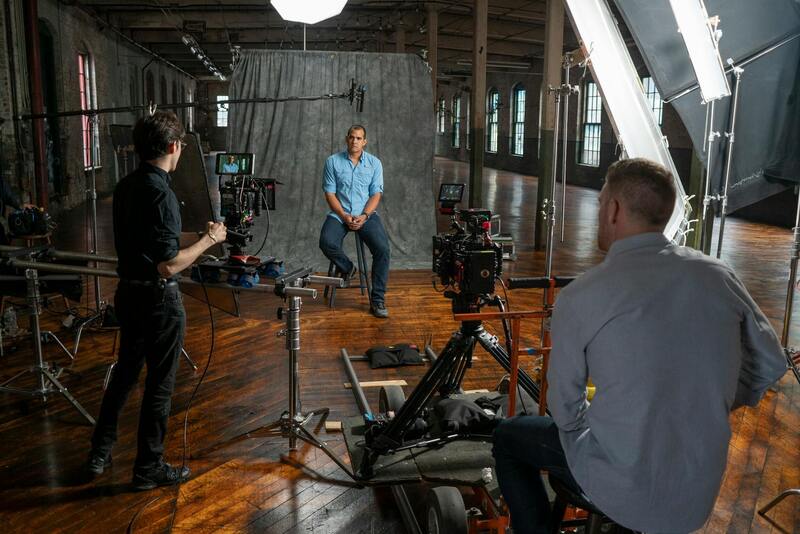
Leveraging Professional Camera Equipment and Post-Processing
High-quality camera equipment and meticulous editing are crucial for producing standout real estate photos. Professional-grade DSLR or mirrorless cameras equipped with wide-angle lenses capture expansive views of interiors and exteriors, emphasizing the sense of space and architectural features. Tripods and stabilizers help prevent motion blur, resulting in sharp images with precise details.
Post-processing involves strategic adjustments to brightness, contrast, color balance, and perspective correction. Advanced editing software allows for seamless corrections that enhance visual appeal without misrepresenting the property. Techniques such as perspective correction ensure vertical and horizontal lines appear straight, avoiding distortions often caused by wide-angle lenses.
Retouching minor imperfections, like smudges or uneven lighting, further refines the images. When executed professionally, editing elevates the overall quality, ensuring each photograph highlights the property’s strengths effectively and creates a consistent visual style across the marketing portfolio.
Lighting Techniques for Property Photography
Effective lighting is fundamental in capturing compelling real estate images that highlight a property's best features. The goal is to create a balanced exposure that accurately reflects the space while emphasizing architectural details and design elements. Natural light remains the preferred choice when available, as it produces vibrant, inviting photos that resonate with viewers. Photographers often schedule shoots during the golden hour, shortly after sunrise or before sunset, to take advantage of softer, warmer light that enhances textures and colors.
When natural light is insufficient or unavailable, professional lighting equipment becomes essential. This includes the use of portable flash units, softboxes, and continuous LED lighting to evenly illuminate interiors. Proper placement of light sources helps minimize shadows and highlights, ensuring that the photos accurately depict the property's ambiance.
Mastering the balance between artificial and natural light involves adjusting settings such as aperture, shutter speed, and ISO. HDR (High Dynamic Range) photography techniques can be employed to blend multiple exposures, capturing details in both bright highlights and shadowed areas—particularly useful in spaces with large windows or high contrast situations.

Post-shoot editing also plays a vital role in refining lighting in real estate photos. Adjustments in brightness, contrast, and color temperature help achieve a natural and appealing look, ensuring images translate well across different marketing platforms. Consistent lighting across all photos establishes a professional tone and maintains brand integrity in the property listing.
By implementing these lighting strategies, real estate professionals can produce images that attract more prospective buyers, evoke emotional responses, and accelerate the selling process. Proper lighting not only enhances the visual quality of photos but also ensures that each property is presented in its best light—literally and figuratively.
Composing Effective Real Estate Marketing Photos
Utilizing Professional Camera Equipment
To capture high-quality real estate photos that effectively showcase a property’s features, investment in professional-grade camera equipment is essential. DSLRs and mirrorless cameras with large sensors provide superior image clarity and depth of field, which are crucial in highlighting interior and exterior details. Using high-resolution lenses ensures crisp, detailed images that can be enlarged without loss of quality, a key factor in online listings where potential buyers view property images on various devices and screen sizes.
Wide-angle lenses are particularly beneficial in real estate photography, allowing photographers to capture more of a room in a single shot. This not only helps in depicting the full layout but also makes spaces appear larger and more inviting. When selecting lenses, it's also important to consider distortion control — opting for lenses with low distortion to maintain proportionality and realism in the images.
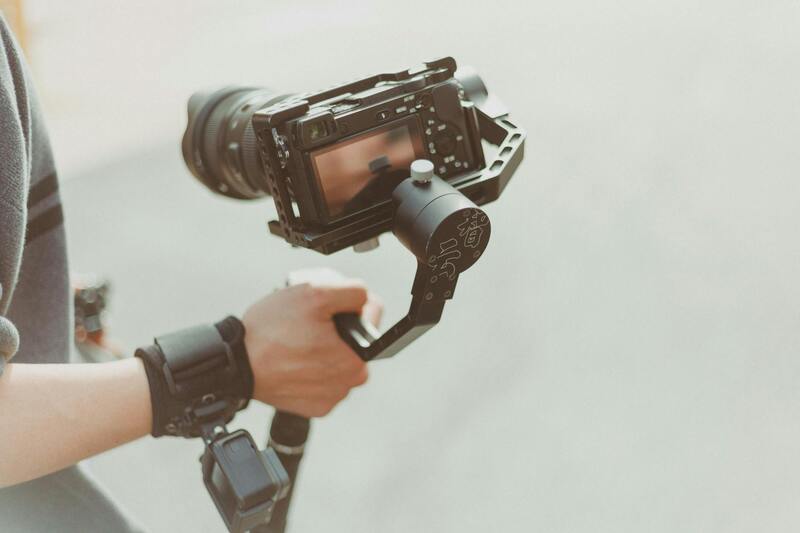
Post-Processing Techniques for Enhanced Visuals
Post-processing plays a pivotal role in refining real estate images. Using professional photo editing software, such as Adobe Photoshop or Lightroom, photographers can adjust brightness, contrast, and color temperature to ensure the images accurately reflect the property's true appearance. Enhancing details in shadows and highlights helps in bringing out texture and depth, offering viewers a more immersive visual experience.
Another crucial aspect is correcting any distortion caused by wide-angle lenses to maintain spatial accuracy. Clarity and sharpness can also be improved through selective sharpening, ensuring essential features stand out clearly. Color correction ensures that the images' hues are vibrant without appearing manipulated, thereby maintaining authenticity and trustworthiness in your listing visuals.
Detailed editing of exterior shots might include removing distracting elements such as power lines or unrelated objects, while interior images benefit from straightening lines and ensuring ceiling, wall, and floor angles are aligned perfectly.
Implementing Consistency Across All Images
Maintaining a consistent aesthetic across all property images is vital in establishing a professional appearance. This involves standardizing the lighting, color scheme, and editing style so that all photos within a listing complement each other. Consistency not only enhances the visual coherence but also helps in portraying the property uniformly, aiding prospective buyers in forming a comprehensive understanding of the space.

Conclusion
Achieving superior real estate marketing photos hinges on a combination of professional equipment and meticulous post-processing. From selecting the right camera and lenses to applying precise editing techniques, each step contributes to creating compelling visuals that attract potential buyers. When executed effectively, these high-quality images serve as an essential tool in enhancing property visibility and accelerating the sales process, ensuring listings stand out in a competitive market.
Enhancing Real Estate Listings Through Official and Effective Photography Methods
Utilizing Professional Photography Services
Engaging the expertise of seasoned real estate photographers is essential for capturing images that truly represent a property's appeal. Professionals bring a comprehensive understanding of composition, lighting, and staging that amateur photography often lacks. Their proficiency ensures consistent quality across all images, instilling confidence in prospective buyers. High-resolution cameras, wide-angle lenses, and precise editing software are tools that professionals leverage to produce sharp, vibrant visuals conducive to high-performing online listings.
Employing Proper Lighting Equipment and Techniques
Lighting plays a critical role in the clarity and appeal of real estate photographs. Natural light should be maximized by scheduling shoots during optimal times, usually mid-morning or late afternoon. Supplementary lighting, such as portable LED panels or diffusers, helps eliminate shadows and highlight the property’s best features. Diffusing harsh sunlight prevents overexposure, while adjustable lighting setups can add warmth or balance to interior and exterior shots. The goal is a well-lit image that accurately depicts space and ambiance, aiding viewers in envisioning themselves within the property.
Implementing Stabilization and Composition Strategies
Ensuring the sharpness and balance of images involves stabilizing the camera, often with tripods, especially in low-light conditions. Composition techniques such as the rule of thirds, leading lines, and framing focus attention on key areas. Vertical lines should be straightened to avoid distortion, particularly in architectural photography. When capturing wide spaces, consider panoramic shots to encompass the entire room or exterior scenery, providing a comprehensive visual experience for viewers.
Refining Post-Processing for Authenticity and Impact
Post-shoot editing significantly contributes to the final quality of real estate photos. Adjustments in exposure, contrast, and color balance ensure accurate representations of the property’s appearance. Removing minor distractions, such as clutter or extraneous objects, enhances visual clarity without altering the true essence of the space. For exterior images, straightening horizons and removing visual obstructions like power lines or unappealing elements improves overall aesthetic. Maintaining authenticity through subtle edits fosters trust and transparency with potential buyers, reducing surprises during in-person viewings.
Establishing Consistency Across All Visual Content
Applying a uniform style and editing process across all property images reinforces a polished and professional listing. Consistent color tones, lighting quality, and composition style create a cohesive visual experience, making the listing more attractive and easier for buyers to interpret. Well-coordinated images resonate more effectively, guiding viewers smoothly through the property’s features and elevating overall listing appeal.

Best Practices for Virtual Tours and 3D Imaging
Integrating virtual tours and 3D imaging into real estate marketing strategies has become indispensable in elevating property visibility and engaging prospective buyers. These advanced visual tools provide an immersive experience that static images alone cannot deliver, allowing viewers to explore every nook and cranny of a property as if they were physically present. To maximize their impact, it’s crucial to adhere to industry-best practices that ensure authenticity, clarity, and user engagement.
High-Quality Virtual Tours
Creating a virtual tour begins with capturing high-resolution, well-lit images of each room, seamlessly stitched to produce a cohesive walkthrough. Utilizing professional-grade cameras and stabilizing equipment ensures sharp, distortion-free visuals that accurately reflect the space. Incorporating smooth, slow camera movements helps maintain viewer comfort and provides a natural flow through the property. It’s essential to script and plan the tour route to highlight key features, unique architectural details, and attractive amenities within the property.

Implementing 3D Imaging
3D imaging complements virtual tours by creating detailed, interactive models of the property. Professionals leverage laser scanning or photogrammetry techniques to generate precise digital replicas that users can interact with on any device. This technology allows potential buyers to examine the property from different angles, zoom into specific areas, and understand spatial relationships more intuitively. High-quality 3D renderings should be color-accurate and include realistic lighting, which enhances trust and encourages deeper exploration.
Optimizing User Experience
Ensuring that virtual tours and 3D models load quickly and function flawlessly across various platforms is critical. They should be embedded seamlessly into listings with intuitive navigation controls and options to view in fullscreen mode. Incorporating hotspots within 3D models can guide viewers to important features, such as upgraded kitchens, outdoor living spaces, or panoramic vistas. Clear instructions and a user-friendly interface encourage prolonged engagement and help turn viewers into interested buyers.
Enhancing Engagement with Interactive Features
- adding clickable information points for detailed descriptions of finishes and features
- integrating multimedia elements, like audio guides or embedded video clips within virtual tours
- providing options for customization, such as furniture placement previews or renovation scenarios
Technical Considerations
Maintaining consistency in lighting and color grading between the virtual tour and the actual property is essential to foster transparency. Ensuring compatibility across all devices enhances user experience, making virtual viewing accessible whether on a desktop, tablet, or smartphone. Regularly updating virtual representations to reflect any changes or upgrades to the property keeps listings current and trustworthy. Additionally, employing analytics tools helps track viewer engagement and optimize marketing strategies accordingly.
By following these proven practices, real estate professionals can provide compelling virtual experiences that not only showcase properties effectively but also build credibility, trust, and strong emotional connections with potential buyers.
Enhancing Real Estate Photos with Strategic Marketing and Distribution
Achieving high-quality real estate marketing photos is only part of the process; effective distribution and strategic promotion are essential to maximize their impact. Distributing professional images across multiple channels ensures that listings reach the widest possible audience, increasing the likelihood of attracting serious buyers and investors. Real estate professionals should leverage a combination of online platforms, social media networks, and targeted advertising campaigns to amplify visibility.
Maintaining consistency in branding and visual style across all marketing channels helps build recognition and trust with potential clients. Utilizing high-resolution photos in digital ads, email marketing, and property websites creates a cohesive and professional presentation that grabs attention quickly. Employing geo-targeted advertising can also enhance exposure within specific Miami neighborhoods, aligning with local market dynamics and preferences.
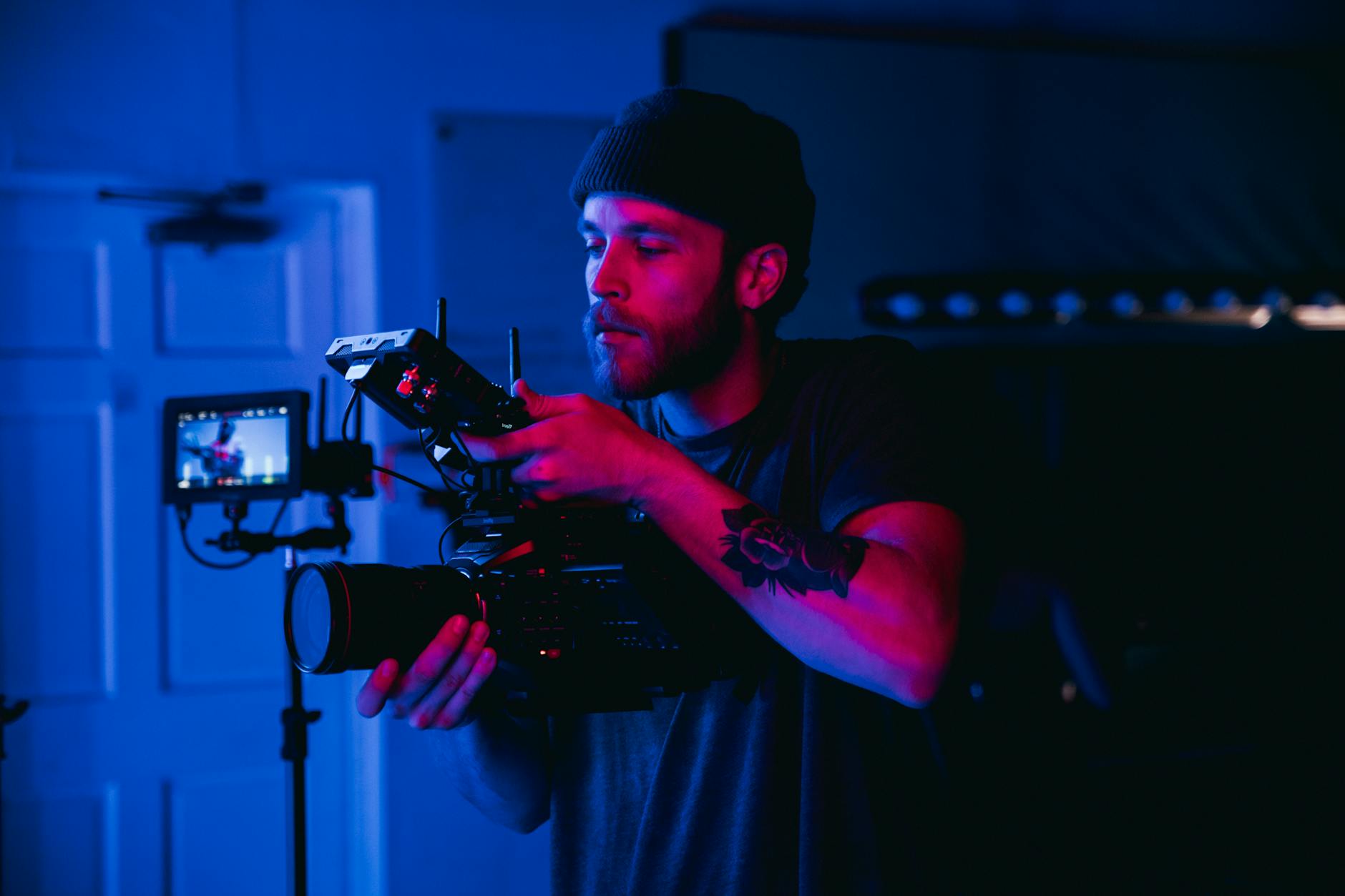
Additionally, these images should be optimized for various devices and formats to ensure quick loading times and impeccable display quality across desktops, tablets, and smartphones. Implementing SEO best practices, such as descriptive alt text and relevant keywords, further enhances the discoverability of listings in search engine results and online property portals.
Integrating virtual tours and 3D imaging into the marketing mix provides an engaging and immersive experience, encouraging viewers to spend more time exploring the property options. Real estate agents should also consider partnering with local Miami-based production agencies—like Miami Production Experts—to ensure high-quality visual content that resonates with the local market audience. These agencies possess a keen understanding of regional preferences and the specific aesthetic values that appeal to Miami buyers.
Building strong relationships with media outlets, real estate listing sites, and local influencers can also expand the reach of your high-quality images. Collaborating with local bloggers, journalists, and community forums helps position properties effectively within Miami’s vibrant market landscape, attracting both domestic and international buyers. By strategically distributing compelling photos and virtual content, agents can significantly enhance listing exposure, generate more leads, and accelerate sales cycles.
Ultimately, comprehensive marketing efforts that pair exceptional visuals with targeted promotion strategies create a compelling visual narrative that elevates the property's perceived value while fostering trust and enthusiasm among prospective buyers. This holistic approach ensures that every high-quality real estate photo contributes meaningfully to the broader marketing ecosystem, setting the stage for successful property transactions in Miami’s competitive market.