
Importance of High-Quality Real Estate Listing Photos
In Miami's dynamic real estate market, visuals play a pivotal role in capturing the attention of prospective buyers. The competition among listings is fierce, and properties that stand out through professionally curated images tend to attract more views, inquiries, and ultimately, faster sales. High-quality real estate listing photos serve as the initial impression for a property, providing potential buyers with an engaging and accurate representation of the space.
Investing in professional photography ensures that every property is showcased in its best light, literally and figuratively. Proper composition, lighting, and clarity help highlight the unique features of a property, from stunning views of Miami's skyline to beautifully designed interiors. Visual appeal not only increases the likelihood of engagement but also conveys a sense of legitimacy and care that resonates with serious buyers.
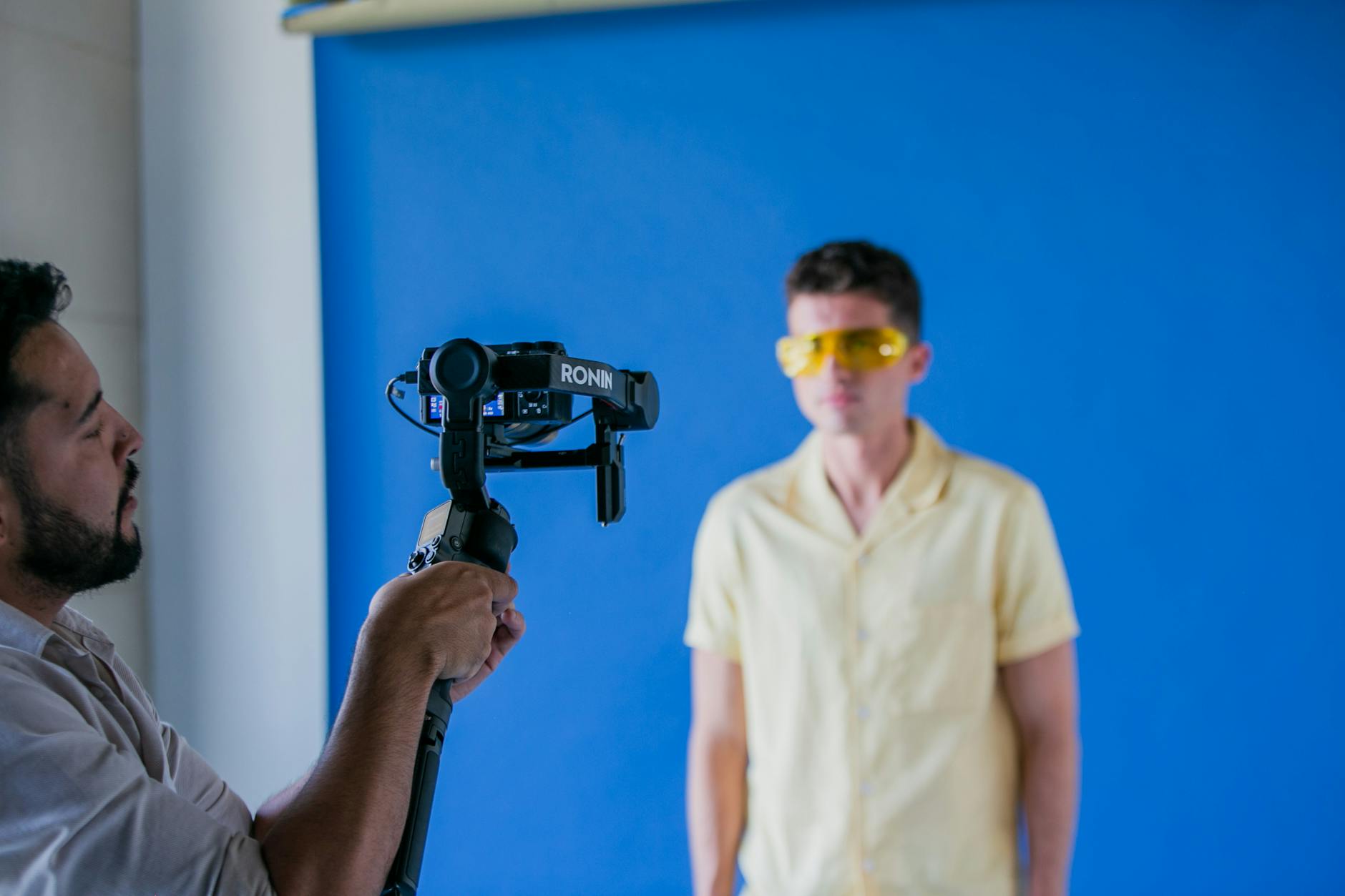
Furthermore, high-quality images reduce the uncertainty that potential buyers may feel when exploring a property remotely. Clear, well-lit photos allow viewers to see the true size, layout, and condition of a home, building trust and encouraging them to schedule viewings. In a city characterized by luxurious condos, waterfront estates, and innovative architectural designs, professional photography is an essential marketing tool that can make all the difference in securing a sale quickly and at a desirable price.
Choosing the Right Photography Equipment
To achieve outstanding real estate listing photos, utilizing the appropriate photography equipment is crucial. High-quality cameras with a full-frame sensor are recommended, as they capture images with greater detail and dynamic range. Lenses should be versatile, with wide-angle options (14mm to 24mm) being popular for interior shots because they can encompass more of a room in a single frame, giving viewers a comprehensive view of the space. Tripods are essential to ensure stability and avoid blur, especially in low-light conditions or when using slower shutter speeds.
Additional accessories, such as remote shutters, can help minimize camera shake during long exposure shots. Proper lighting equipment, including portable flashes or continuous lighting kits, enhances interior shots by reducing shadows and balancing ambient light. For exterior shots, polarizing filters can suppress reflections on glass surfaces or water, presenting the property in a clear and visually appealing manner.
Best Practices for Shooting Real Estate Photos
Effective photography begins with meticulous planning and adherence to best practices. Start by scheduling photos during times of optimal natural light, often early morning or late afternoon, to utilize soft, flattering sunlight. When shooting interiors, open window treatments to maximize natural illumination, and consider measuring the light levels in different parts of the room to ensure even exposure.
- Use a tripod consistently for stability and framing accuracy.
- Compose shots to highlight the property’s best features, emphasizing spaciousness and layout.
- Ensure rooms are tidy and free from clutter to present a clean environment.
- Capture multiple angles of each room, including wide shots and focal points like fireplaces, unique architectural details, or scenic views.
- Avoid distortion by keeping the camera level and using appropriate lenses.
Post-Processing and Editing Techniques
The editing stage offers opportunities to refine images for maximum visual impact without misrepresenting the property. Adjustments to brightness, contrast, and saturation help to enhance colors and details, while perspective correction corrects any distortion caused by wide-angle lenses. It is important to preserve the authenticity of the images to avoid misrepresentation, which can erode buyer trust.
HDR (High Dynamic Range) processing combines multiple images taken at different exposures to reveal both bright and dark areas clearly, making interiors with varied lighting more visually balanced. Additionally, careful retouching can remove minor imperfections or distractions, such as clutter or reflections, while maintaining a natural look that accurately depicts the space.
Leveraging Aerial and 3D Imaging in Listings
Incorporating aerial shots captured via drones provides stunning perspectives of a property’s surroundings, such as outdoor amenities, landscaping, and proximity to Miami’s scenic areas. These images can create a compelling narrative about the property’s location and lifestyle opportunities.
3D imaging and virtual tours further enhance the listing experience by allowing prospective buyers to explore a property remotely with interactive, immersive views. These technologies facilitate better understanding of spatial relationships and flow, enticing more qualified inquiries and viewings.
Legal and Ethical Considerations
When creating real estate listing photos, adherence to legal standards and ethical practices ensures transparency and respect for property owners. This includes obtaining necessary permissions for aerial shots, avoiding misrepresentation through selective editing, and accurately depicting the property's condition. Embedding truthful, high-quality imagery fosters trust and supports a positive reputation in the market.
Collaborating with Miami Production Agencies
Partnering with experienced production companies in Miami guarantees access to advanced equipment, skilled photographers, and tailored strategies for property marketing. These agencies understand local market nuances and can advise on the most impactful visual approaches, including staging, lighting, and technology integration, to elevate your real estate listings.
Choosing the Right Photography Equipment
Investing in professional-grade camera gear is vital for capturing clear, detailed, and appealing real estate photos. A high-resolution DSLR or mirrorless camera with a full-frame sensor is recommended to ensure sharpness and clarity across all images. Modern cameras equipped with expansive ISO ranges allow photographers to handle various lighting conditions effectively, whether indoors or outdoors.
For wide-angle shots, which notably enhance the perception of space in a property, a lens with a focal length between 14mm and 24mm is ideal. Such lenses enable capturing expansive views of rooms and exteriors without distortion, making spaces appear larger and more inviting. Additionally, tilt-shift lenses can be employed to correct perspective distortions often caused by wide-angle photography, contributing to more professional and balanced compositions.
Other essential accessories include sturdy tripods to maintain stability during shooting, remote shutter releases to prevent camera shake, and external flashes or strobe lights for well-lit indoor shots. For exterior photography, polarizing filters can help reduce reflections on windows and enhance sky contrast, adding vibrancy to images.

Best Practices for Shooting Real Estate Photos
To maximize the impact of real estate photographs, adherence to specific shooting techniques is essential. Start by scheduling shoots during daylight hours when natural light is at its peak. Open curtains and blinds to flood interior spaces with sunlight, which creates warmth and a welcoming atmosphere. Consider shooting at a time with optimal exterior lighting, such as early morning or late afternoon, to add depth and dimension to exterior images.
Maintain a level horizon in all shots, and be attentive to straightening vertical lines to prevent a skewed appearance. Use a tripod for consistency across images, and employ bracketing techniques if necessary to blend exposures, ensuring both interior brightness and exterior details are visible. Pay close attention to composition: center focal points, declutter spaces, and incorporate attractive staging elements such as fresh flowers, plush textiles, and well-placed furniture that highlight the property's best features.
Mind the window reflections and avoid clutter or personal items that detract from the property’s appeal. Instead, opt for clean, unobstructed views that showcase potential living spaces in their best light. Additionally, shoot multiple angles of each room to provide comprehensive views, allowing prospective buyers to visualize themselves in the space.
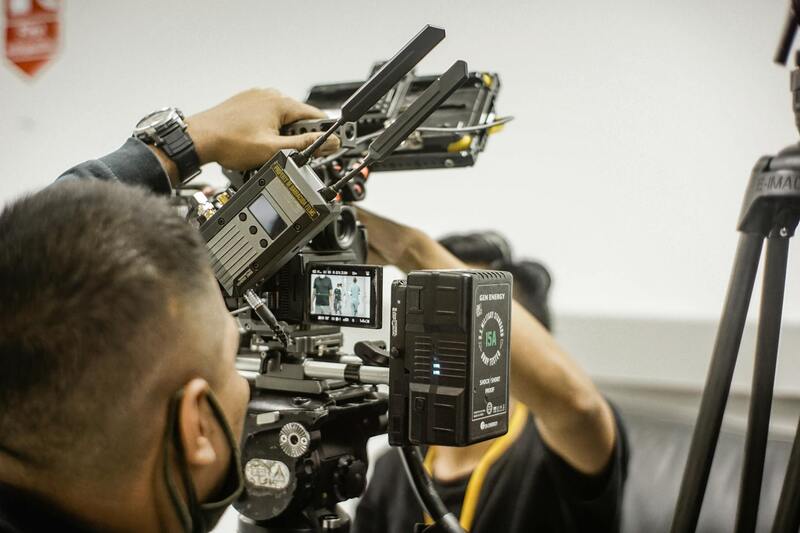
Post-Processing and Editing Techniques
Post-processing plays a crucial role in elevating real estate images to professional standards. Basic editing tasks include correcting color balance, adjusting brightness and contrast, and straightening any crooked lines to ensure architectural accuracy. It is important to maintain authenticity; avoid overly enhancing or manipulating images in ways that could mislead viewers.
Utilize software like Adobe Lightroom or Photoshop for detailed adjustments. Techniques such as exposure blending can help balance indoor and outdoor lighting, revealing all details without washing out highlights or shadowed areas. Correct lens distortions, especially in wide-angle shots, to preserve natural perspective and prevent a fisheye effect.
Furthermore, minor retouching to remove personal clutter, stains, or imperfections can make spaces appear cleaner and more appealing. However, avoid excessive retouching that compromises the true condition of the property. High-quality retouching ensures images remain truthful while showcasing the property's best features.
Leveraging Aerial and 3D Imaging in Listings
Integrating aerial photography into listings offers viewers a comprehensive view of the property’s surroundings, outdoor amenities, and landscaping. Drones equipped with stabilized cameras can capture sweeping views that highlight the property's proximity to Miami's scenic areas, beaches, parks, or urban centers. These images can significantly boost a property's visual narrative, emphasizing privacy, acreage, or unique outdoor features.
3D imaging and virtual tours have transformed property marketing by allowing remote viewers to navigate through a space interactively. These immersive experiences help prospective buyers understand the layout, flow, and spatial relationships within a property without physically visiting. Such technologies attract more qualified inquiries and facilitate quicker decision-making.
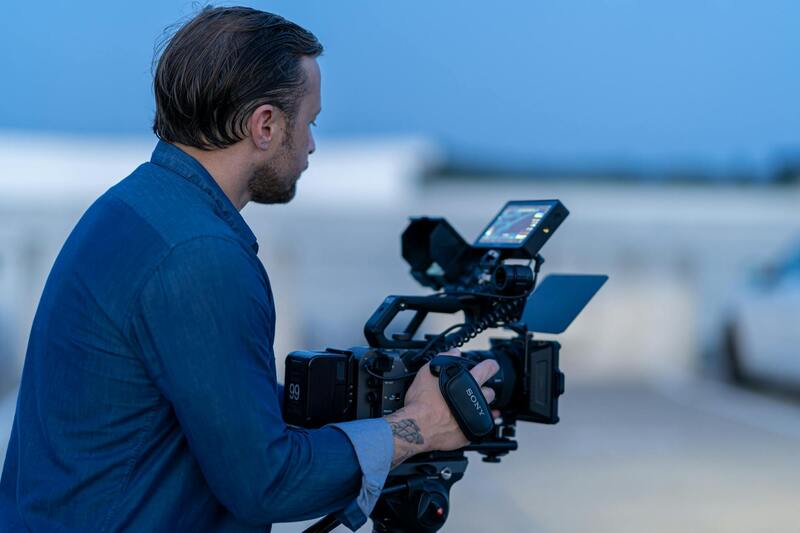
Legal and Ethical Considerations
Adhering to established standards ensures transparent and respectful presentation of properties. Always obtain necessary permissions before capturing aerial images to respect privacy and property boundaries. When editing photos, focus on accurately representing the property without misleading potential buyers. Highlighting the true condition of a space fosters trust and sustains a professional reputation.
Be diligent in avoiding selective editing or staging tactics that could distort or exaggerate features. The goal is to present an honest visual narrative of the property, ensuring prospective buyers receive a clear and authentic understanding of what is being offered. Ensuring these practices align with local regulations and industry standards supports ethical marketing strategies.
Collaborating with Miami Production Agencies
Partnering with experienced production companies in Miami offers access to cutting-edge technology and skilled professionals who understand the nuances of the local market. These agencies can provide tailored solutions, from staging guidance to advanced drone photography and sophisticated editing, customized to highlight each property’s unique characteristics.
Working alongside specialists ensures consistency, professionalism, and creative insight, translating into compelling listings that stand out in competitive markets. Such collaborations lead to higher-quality imagery, increased engagement from potential buyers, and ultimately faster sales cycles.

Post-Processing and Editing Techniques
Post-processing plays a vital role in transforming raw real estate images into compelling visual assets that attract potential buyers. Effective editing should enhance the property's features without compromising authenticity. Attention to detail during editing ensures the images accurately reflect the space, lighting, and overall ambiance of the property, which helps maintain trust and transparency in listings.
Key editing techniques include adjusting brightness and contrast to bring out natural light, correcting color balance to showcase true hues, and fine-tuning sharpness to emphasize textures and architectural details. Removing minor imperfections or distractions—such as clutter, shadows, or reflections—can improve visual clarity, but it is essential to avoid over-editing or creating unrealistic images that could mislead viewers.
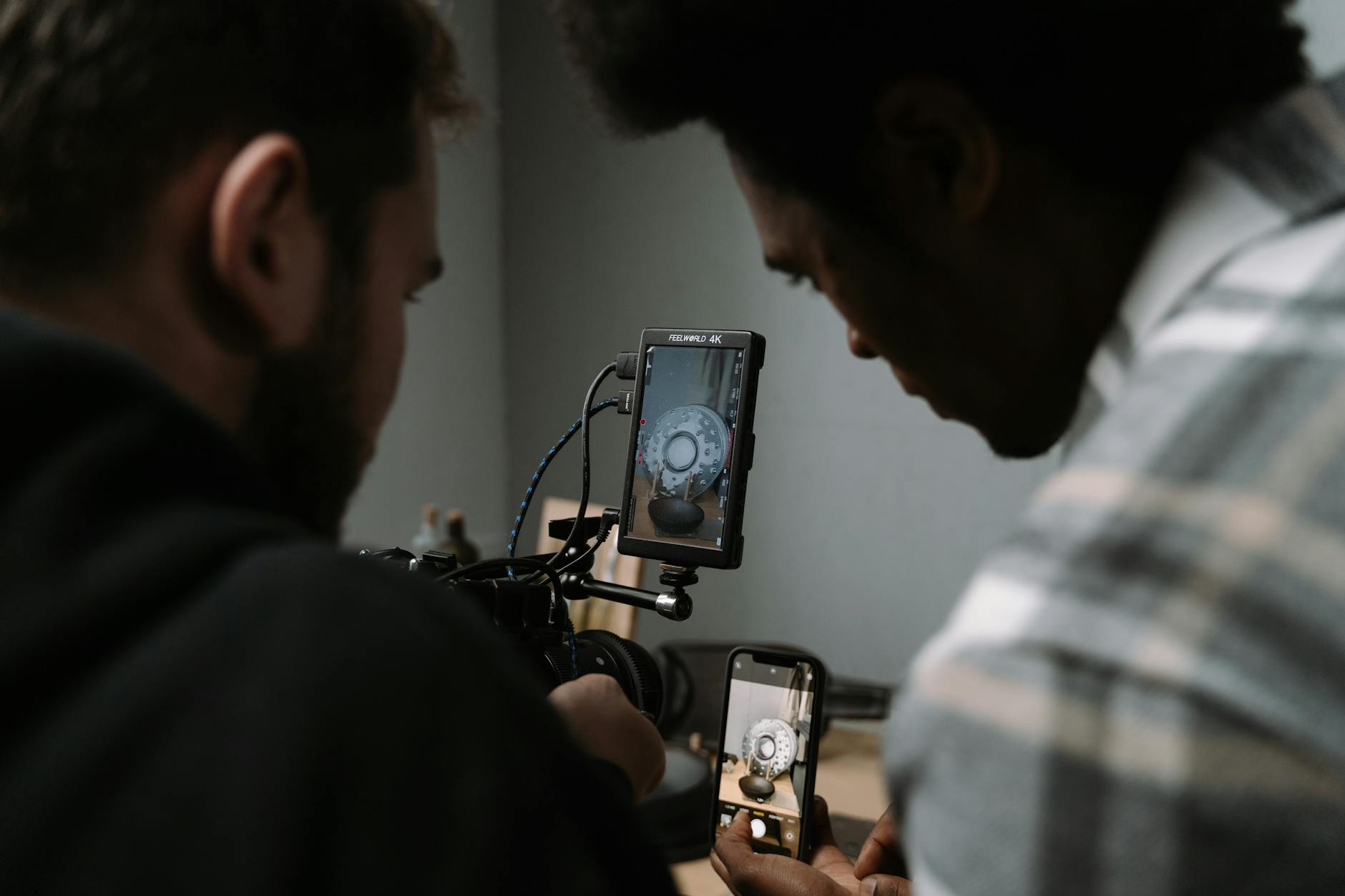
Advanced editing may involve perspective correction to ensure lines of walls and ceilings appear straight, providing a professional and polished appearance. When retouching, avoid exaggerated effects that distort the property’s actual size or features. Instead, focus on enhancing the existing qualities that make the property desirable, such as brightening dark corners or balancing exposure in high-contrast scenes.
It is also beneficial to incorporate techniques like HDR (High Dynamic Range) imaging during post-processing to showcase both interior and exterior elements simultaneously, especially in spaces with significant lighting disparities. Using consistent editing styles across all listing photos fosters a cohesive look, reinforcing brand identity and professionalism in the marketing materials.
Overall, meticulous post-processing enhances the visual impact of real estate images, making listings more engaging for potential buyers while preserving the integrity of the property’s presentation.
Utilizing Advanced Techniques to Showcase Property Space and Features
To maximize the visual appeal and informativeness of real estate listing photos, integrating advanced photographic techniques can significantly enhance how potential buyers perceive a property. Techniques such as HDR imaging, panoramic shots, and precise perspective control provide a comprehensive view of both interior and exterior spaces. These methods ensure that images accurately depict the property’s dimensions and features, offering viewers a realistic and detailed impression.
High Dynamic Range (HDR) imaging, for example, involves capturing several images at different exposures and blending them to produce a photo with balanced lighting, capturing both shadowed and brightly lit areas. This approach is particularly effective in rooms with windows or multiple light sources, allowing viewers to see details without the distraction of overly bright or dark areas.
Panoramic shots create immersive views, giving buyers a sense of spatial layout from a single vantage point. When capturing wide-angle images, it is crucial to avoid distortion, which can misrepresent room sizes or proportions. Proper equipment and technique ensure that the images remain true to the actual space.
Perspective correction is another vital technique, ensuring that vertical and horizontal lines—such as walls, ceilings, and floors—are straight and aligned, which contributes to a professional appearance. These adjustments are often achieved through post-processing software but require meticulous execution to maintain proportion and avoid unnatural distortions.
Legal and Ethical Considerations in Real Estate Photography
Maintaining integrity and transparency in real estate listing photos is crucial for fostering trust between sellers, agents, and prospective buyers. When capturing images of properties, it is essential to adhere to established guidelines that ensure accurate representation of the property’s features and conditions. This includes avoiding the use of misleading perspectives, altering images excessively, or employing techniques that could give a false impression of space or condition.
Ensuring that all images reflect the true state of the property avoids potential misunderstandings or disputes during the transaction process. Additionally, respecting privacy boundaries—such as removing personal items or belongings from view—upholds ethical standards and conforms to best practices. Employing authentic lighting, angles, and staging enhances the property's appeal without exaggeration or distortion.
Regional regulations often specify what can and cannot be included in listing photos, emphasizing the importance of being well-informed about local standards. For instance, certain jurisdictions may require the disclosure of modifications or renovations visible in images or restrictions on advertising features that are not functional or available. Professional photographers and agencies committed to ethical practices thoroughly familiarize themselves with these guidelines to ensure compliance.
Incorporating standardized procedures enhances consistency and prevents misrepresentation. For example, maintaining uniformity in image dimensions, color correction, and perspective when creating a series of listing photos ensures a cohesive and honest portrayal of the property. The goal remains to provide prospective buyers with a visual understanding that accurately reflects what they can expect during a physical visit.
Furthermore, using high-quality images obtained through legitimate methods helps build credibility and a reputation for reliability. This not only facilitates quicker transactions but also improves long-term business relationships within the real estate market. Responsible photographic practices demonstrate professionalism and a commitment to transparency, ultimately serving the best interests of all parties involved.

Harnessing Aerial and 3D Imaging to Elevate Real Estate Listings
Integrating advanced imaging technologies such as aerial photography and 3D virtual tours into real estate listings has revolutionized how properties are showcased to prospective buyers. These methods provide immersive and detailed views that go beyond traditional photography, offering potential buyers a comprehensive understanding of the property's layout, surroundings, and overall appeal.
Aerial Photography for Enhanced Property Visibility
Aerial images captured via drones or fixed-wing aircraft present a unique perspective that highlights the property's exterior, landscape, and neighboring amenities. These shots are especially valuable for large estates, properties with expansive grounds, or homes situated in scenic locations. High-quality aerial imagery can effectively showcase outdoor living spaces, proximity to parks, waterfronts, or urban hubs, providing a spatial context that ground-level photos often cannot convey.
3D Virtual Tours for Immersive Viewing Experiences
3D imaging technology allows for virtual walkthroughs that simulate an in-person visit, enabling potential buyers to explore each room and navigate through the property at their own pace. These interactive digital models not only enhance engagement but also reduce the need for multiple physical visits, saving time and resources for both agents and clients. When executed professionally, 3D tours provide a realistic sense of space, flow, and scale, making listings more accessible and attractive across digital platforms.
Best Practices for Implementing Advanced Imaging
- Partner with certified drone operators and 3D imaging specialists with proven expertise and adherence to industry standards.
- Schedule shoots during optimal lighting conditions, typically during late morning or late afternoon, to maximize natural light and minimize shadows.
- Ensure that aerial images respect regional airspace regulations and privacy considerations, avoiding intrusive or inappropriate viewpoints.
- Use high-resolution equipment to achieve clear, sharp visuals that accurately represent the property’s features without distortion.
- Edit images and renderings to enhance clarity, correct color imbalances, and maintain candid representation of the property’s true appearance.
Enhancing Listings with Combined Imagery
Creating a cohesive visual narrative involves blending ground-level high-quality photos with aerial shots and 3D models. This integrated approach offers potential buyers multiple perspectives, helping them visualize the property comprehensively. Such detailed visual content can significantly influence a buyer’s decision process, making listings stand out in a competitive market.
Legal and Ethical Considerations
Maintaining high standards in real estate listing photos extends beyond technical quality and into adherence to legal and ethical protocols. These principles ensure that images accurately represent the property, fostering transparency and building trust with prospective buyers. Accurate depiction involves capturing the true scale, layout, and features of the property without any misleading enhancements or omissions. This transparency helps buyers make well-informed decisions and reduces the likelihood of disputes or dissatisfaction post-sale.
When utilizing aerial photography or drone footage, it’s essential to respect regional regulations concerning airspace and privacy. Operations should be conducted by qualified professionals familiar with local requirements to prevent infringements and safeguard individual privacy rights. These measures help uphold the integrity of the listing process and affirm a commitment to responsible marketing practices.
Photography that respects privacy involves avoiding intrusive viewpoints or capturing private areas beyond the property boundaries unless expressly permitted. Additionally, all images should be current, free from any digital alterations that could misrepresent the property’s true condition. Consistency and honesty in visual presentation are key to fostering trust with clients and maintaining a professional reputation in the real estate market.
The process also includes ethical considerations in editing practices. Adjustments such as color correction or brightness enhancement should serve to improve clarity without altering the authentic appearance of the property. Over-editing or manipulation that creates an unrealistic portrayal can diminish the credibility of the listing and influence buyer perceptions negatively.
By adhering to these standards, real estate professionals can ensure their visual marketing efforts remain compliant with industry expectations and foster a trustworthy environment for prospective buyers. This approach not only elevates the professionalism of the listing but also encourages a transparent marketplace where buyers feel confident based on truthful representations.