
Importance of High-Quality Real Estate Photos
In the competitive Miami real estate market, the quality of property images plays a pivotal role in attracting prospective buyers and renters. Well-crafted photos serve as a digital first impression, often determining whether a potential client will explore further or move on. Listings with high-quality images tend to generate more online engagement, including increased clicks, inquiries, and scheduled viewings. This heightened interest can significantly accelerate the sales or leasing process.
High-resolution, professionally taken photographs not only highlight the property's best features but also convey a sense of trustworthiness and transparency. Buyers are increasingly relying on online platforms to narrow down their options before visiting in person. Therefore, compelling images that accurately represent the property's space, layout, and condition can make a notable difference in a property's market performance.
Moreover, high-caliber photographs help in establishing credibility for agents and property owners. They demonstrate a commitment to quality and professionalism, fostering confidence in potential clients. In essence, investing in superior real estate photography enhances overall listing visibility, sets properties apart from the competition, and ultimately contributes to quicker sales and higher market value.
Choosing the Right Time and Lighting Conditions
Optimal timing for real estate home photos significantly influences the overall quality and appeal of the images. Typically, scheduling photography during the golden hours—shortly after sunrise or before sunset—can enhance natural lighting, creating warm and inviting atmospheres that resonate with prospective buyers. Leveraging the natural sunlight conditions not only highlights architectural features but also minimizes harsh shadows or overly bright spots that can distort space perception.
In addition to time of day, weather conditions play a pivotal role. Clear, sunny days produce vibrant images that showcase the property in its best light, emphasizing exterior finishes, landscaping, and outdoor amenities. Overcast days, with diffused light, reduce shadow contrast and can provide softer, more uniform lighting ideal for interior shots. Photographers must carefully monitor forecast conditions to select optimal windows for capturing images that accurately portray the property's features.
Post-Processing and Photo Editing Techniques
After capturing high-quality images, post-processing becomes essential to refine visuals and ensure they meet the highest standards. Skilled editing involves adjusting brightness, contrast, and color balance to produce images that accurately reflect the property's true appearance. Proper correction of distortion, especially in wide-angle lens shots frequently used in real estate photography, helps maintain a realistic portrayal of spaces.
Advanced editing techniques can also subtly enhance specific areas of a photograph—such as brightening dark corners, removing minor imperfections, or adjusting the perspective to ensure doorways and walls appear straight. However, these edits should be executed delicately to preserve authenticity and avoid misleading viewers. The goal is to create captivating images that entice potential buyers while providing an honest representation of the property's condition.
Hiring Professional Real Estate Photographers in Miami
Partnering with experienced photographers specializing in real estate in Miami ensures that property images are captured with precision and expertise. Local professionals possess an intimate understanding of the unique characteristics of Miami properties and are adept at utilizing lighting, angles, and composition techniques to highlight the property's best features. They also have access to advanced equipment, including high-end cameras and lenses, which contribute to superior image quality.
Professional photographers offer comprehensive services, often including pre-shoot consultations, on-site staging advice, and post-shoot editing, streamlining the entire process for property owners and agents. Their expertise extends to understanding the nuances of Miami's diverse property types—from upscale waterfront estates to stylish condominium interiors—ensuring images resonate with target audiences.
Best Practices for Real Estate Photography in Miami
To maximize the visual appeal of property images and achieve a compelling online presence, implementing established best practices in real estate photography is essential. This involves a strategic combination of equipment, techniques, and timing to ensure that each photograph accurately captures the home’s unique features, natural ambiance, and layout. Adopting these methods results in images that not only attract prospective buyers but also effectively communicate the value of the property.
Utilizing Professional Equipment and Techniques
High-quality cameras equipped with wide-angle lenses are fundamental in capturing expansive, unobstructed views of interior spaces and exteriors. Such lenses enable the photographer to include more of a room within a single shot, providing viewers with a true sense of space and flow. Tripods are indispensable for maintaining stability and ensuring crisp, well-composed images, especially in low-light conditions. Additionally, professional photographers often employ high Dynamic Range (HDR) imaging techniques to balance light and shadow, preventing overexposed windows or dimly lit interiors from detracting from the overall quality.
Optimal Lighting Conditions
Lighting plays a pivotal role in real estate photography, as it profoundly impacts the mood and clarity of the images. Scheduling shoots during daylight hours when natural light is abundant helps create bright, welcoming visuals. Overcast days often provide soft, even light that minimizes harsh shadows and highlights, making spaces appear more inviting. In cases where natural lighting isn’t sufficient, professional lighting equipment, such as softboxes and reflectors, can be used to illuminate darker areas evenly. Properly lit images portray the home in its best light, emphasizing architectural details and interior finishes.
Choosing the Best Angles and Composition
Effective composition involves selecting angles that showcase a room’s most attractive features while maintaining a sense of scale. Shooting from a corner aligns with the rule of thirds, leading the viewer’s eye through the space naturally. Highlighting focal points, such as a stylish fireplace or scenic window view, guides interest toward distinctive elements. Including exterior shots from eye-level and framing them to capture appealing aspects of the façade or landscape adds depth and context. Moving seamlessly through the property with a mix of wide shots and close-ups offers viewers a comprehensive understanding of the home’s layout and ambiance.
Post-Processing and Photo Editing Techniques
Post-processing is a critical stage where images are refined to enhance visual appeal without misrepresenting the property. Adjustments to brightness, contrast, and saturation help evoke a warm, inviting atmosphere. Correcting distortions or perspective issues ensures that walls and architectural lines appear straight, contributing to a professional look. Subtle retouching can remove minor imperfections, such as shadows or unwanted reflections, but care must be taken to preserve the authenticity of the space. High-quality editing aligns the images closely with what prospective buyers can expect when viewing the property in person, fostering transparency and trust.
Summary of Best Practices
- Invest in professional-grade equipment for clarity and wide coverage.
- Schedule shoots during optimal lighting conditions, leveraging natural light whenever possible.
- Use strategic angles and composition techniques to emphasize the property's best features.
- Apply subtle post-processing enhancements that preserve authenticity.
- Maintain consistency across all images to foster a compelling and cohesive listing presentation.
Optimal Techniques for Capturing Property Details
Achieving striking real estate home photos in Miami begins with mastering the technical aspects of photography. Employing a high-resolution camera ensures image clarity, allowing potential buyers to perceive every detail of the property vividly. Utilizing a wide-angle lens is integral for creating a sense of spaciousness, especially in rooms with limited square footage. Such lenses can encompass more of the interior within a single frame, reducing the need for multiple shots and providing a comprehensive view of each space.
When photographing exteriors, choosing vantage points that showcase the home's architectural style, landscape features, and curb appeal is essential. Shooting from eye level ensures natural perspectives, providing viewers with an intuitive understanding of the property's scale. Incorporating elements like greenery, walkways, and outdoor amenities can add contextual richness to exterior shots, inviting potential buyers to envision living in the space.
In interior photography, focus on compositions that emphasize natural light and spaciousness. Positioning the camera to include windows and light sources maximizes brightness. Carefully arranging furniture and decluttering spaces ensures the environment appears inviting and well-maintained. Moving through rooms with a sequence of shots—from wide-angle views to detailed close-ups of features like kitchens, bathrooms, and unique architectural elements—provides a layered understanding of the property's layout and highlights its distinctive qualities.
Consistent color accuracy is critical; using white balance settings tailored to the lighting conditions guarantees true-to-life hues. Occasional use of a tripod stabilizes the camera, preventing blurriness, especially in low-light scenarios or during indoor shoots with longer exposures. Incorporating multiple exposures and HDR techniques can also capture diverse lighting conditions within the same image, ensuring both bright and shadowed areas are properly visible without sacrificing detail.
Strategic Use of Lighting to Enhance Images
Lighting plays a pivotal role in elevating the quality of real estate home photos. During shooting, aim to capture images during the day when ample natural light flows through windows, illuminating interiors with soft, even brightness. Overcast days are often ideal, as diffuse light minimizes harsh shadows and glare. For exterior shots, consider the golden hours—shortly after sunrise or before sunset—when warm sunlight can add a welcoming glow to the scene.
Artificial lighting can supplement natural light when needed, but it should be used judiciously. Avoid overpowering light sources that create stark contrasts; instead, opt for balanced illumination that retains the natural ambiance of the space. In some cases, using diffusers or reflectors assists in softening shadows and distributing light evenly across surfaces, which helps to accentuate key features without creating unnatural effects.
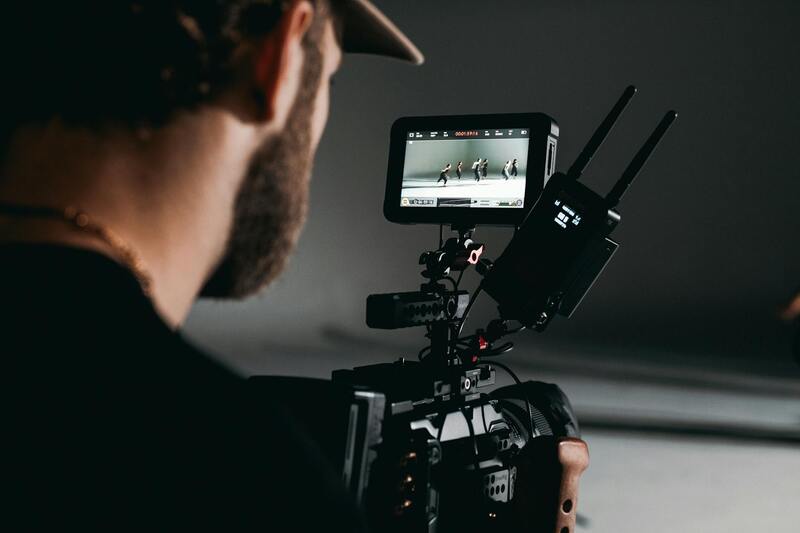
Proper lighting not only improves aesthetic appeal but also influences the perception of space and condition. Well-lit photos make rooms appear larger and more inviting, increasing interest among prospective buyers. Consistently applying these lighting strategies across all images creates a harmonious and professional presentation, reinforcing the property’s desirability.
Choosing the Right Time and Lighting Conditions
Capturing the perfect real estate home photos depends heavily on selecting optimal times and lighting conditions. Natural light is a key component in presenting properties authentically and appealingly. The best time for exterior shots often aligns with the so-called "golden hours"—the periods just after sunrise and before sunset—when sunlight is softer, warmer, and more flattering. During these times, shadows are elongated and the light creates a pleasing glow that can make exterior features stand out.
For interior photography, daylight hours are ideal, especially when windows are unobstructed and the natural light floods the space. Shooting during overcast days can be advantageous as diffuse sky conditions soften shadows and reduce glare, resulting in evenly lit rooms that highlight architectural details and design elements. It’s important to avoid shooting during the harsh midday sun, as direct sunlight can cause overexposed areas and unwanted contrast.
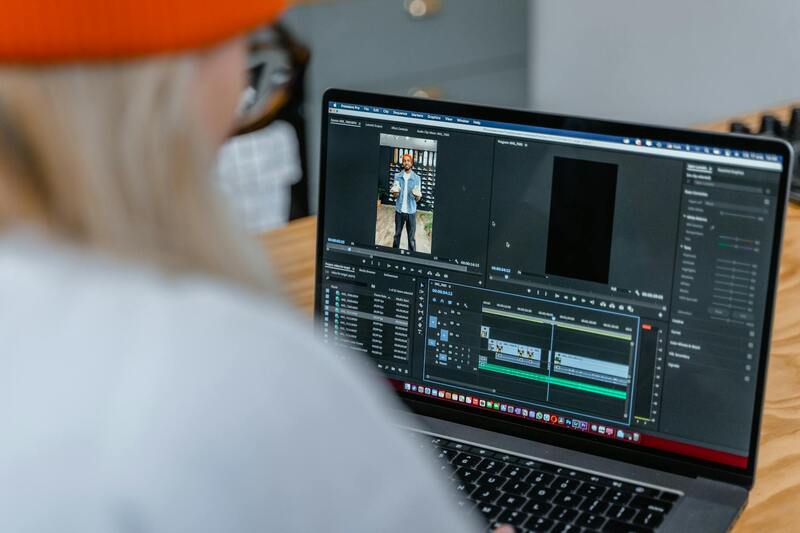
Artificial lighting should complement natural sources without overpowering them. When supplementing natural light, use soft, diffuse lighting to fill in shadows and evenly illuminate all areas of the property. Reflectors and diffusers are practical tools that help soften shadows and distribute light more uniformly, ensuring that no part of the home appears dim or overly bright. Proper lighting conditions not only highlight the property's aesthetic appeal but also impact the perceived condition and spaciousness of a property.
Strategic Light Placement and Equipment
To achieve consistent quality, professional photographers often utilize a combination of natural sources and carefully positioned artificial lights. Using tripod-mounted cameras ensures sharp images and enables longer exposures without camera shake, which is particularly useful in low-light settings. Additionally, wide-angle lenses are preferred to capture more of the scene and maximize space perception.
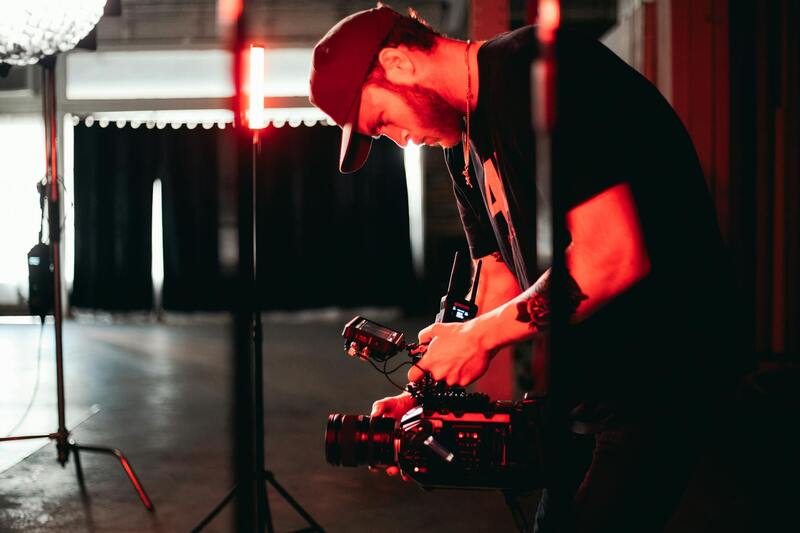
By aligning shooting schedules with optimal lighting opportunities, real estate photographers in Miami can produce images that truly resonate with viewers. Such images convey warmth, clarity, and a genuine representation of the property’s character, making listings stand out in highly competitive markets. Expert timing and lighting strategies are integral to showcasing a home's full potential and creating an inviting visual narrative that appeals to prospective buyers and investors alike.
Legal and Ethical Considerations in Property Photography
In the competitive Miami real estate market, the portrayal of a property through photography must be approached with responsibility and accuracy. High-quality real estate home photos serve as a crucial first impression, making it essential to adhere to legitimate practices that ensure images genuinely reflect the property's condition and features. Misleading images can distort buyer expectations and undermine trust among prospective clients.
To uphold integrity while marketing properties, photographers should avoid the manipulation of images in ways that could misrepresent the space. This includes refraining from overly enhancing rooms, eliminating significant flaws, or showcasing features that are not present. Authentic representations foster transparency, which is vital for establishing credibility and fostering long-term relationships with clients.
Property owners and real estate professionals should also ensure that all photos taken are compliant with local regulations and standards. This involves obtaining necessary permissions for photographing properties, especially if the images include private aspects of the home or neighboring properties. Respect for privacy and property rights is central to maintaining a professional image and ethical reputation in the industry.
Furthermore, it’s important to stay informed about guidelines regarding drone photography, virtual staging, and other innovative techniques that are increasingly incorporated into real estate marketing. Proper licensing and adherence to rules surrounding these methods ensure that images are produced in a respectable and compliant manner.
Photographers should also avoid using outdated or staged images that no longer accurately portray the current condition of the property. Regular updates and realistic depictions not only reflect integrity but also improve the overall effectiveness of marketing efforts. Buyers value transparency, and honest photography helps facilitate smoother transactions and buyer confidence.
In the context of Miami's diverse and vibrant market, understanding local norms and expectations around property presentation is essential. Professional photographers equipped with a thorough knowledge of these nuances can produce images that are both compelling and compliant, ensuring that listings stand out without compromising honesty or professionalism.
Choosing the Right Time and Lighting Conditions
Capturing compelling real estate images hinges significantly on timing and lighting. Recognizing the optimal moments for shooting ensures that the property’s best features are highlighted, making it more attractive to prospective buyers. The golden hours—shortly after sunrise and just before sunset—offer soft, warm light that can enhance the aesthetic appeal of interiors and exteriors alike. During these times, shadows are less harsh, and the natural light creates a welcoming atmosphere that resonates in photographs.
When scheduling a photoshoot, consider the orientation of the property. South and west-facing rooms tend to receive more natural light during the afternoon, which is ideal for creating bright, lively images. Conversely, north-facing rooms may benefit from early morning or late afternoon light, which adds depth and dimension without overexposing certain areas. Being attentive to weather conditions also matters; clear, sunny days typically produce more vibrant photographs, while overcast weather can deliver diffused light that minimizes harsh shadows and reflections.
Inside the home, ensure that the space is well-lit, utilizing natural light where possible. Opening curtains and blinds before the shoot allows sunlight to illuminate the rooms naturally, reducing reliance on artificial lighting. In darker areas or during less ideal weather, supplemental lighting such as softboxes or LED panels can help create balanced, inviting images that showcase each room’s purpose and character.
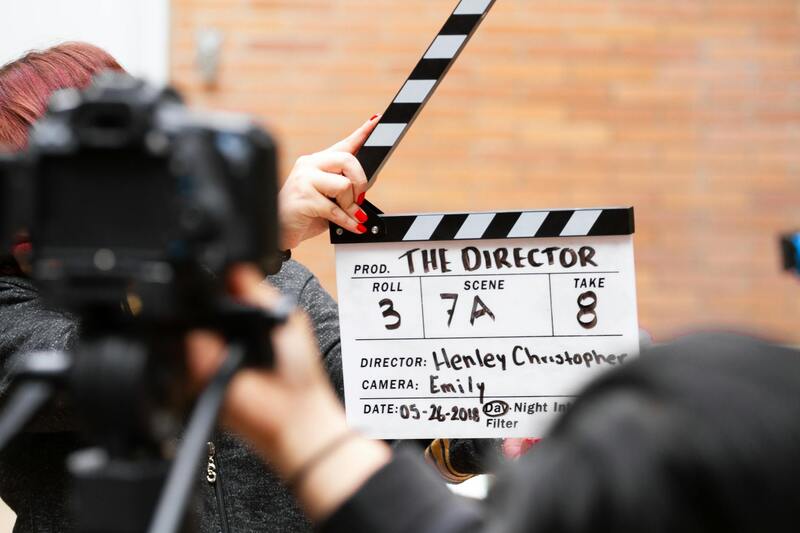
Gaining an understanding of the natural light patterns of each property ensures the images reflect an authentic and appealing portrayal of the space. Skilled photographers leverage these conditions to craft images that evoke warmth, space, and lifestyle, making listings more memorable and enticing to potential buyers.
Legal and Ethical Considerations in Property Photography
Maintaining high standards in real estate home photos involves adhering to established guidelines for honesty and accuracy. Every image should truthfully represent the property's condition, layout, and features without misrepresentation. Photographers and real estate agents must ensure that all visual content aligns with the actual property details, avoiding any enhancements or edits that could deceive viewers. This transparency fosters trust with potential buyers and supports a transparent transaction process.
It is essential to secure proper permissions before photographing private areas or including individuals in images. Respect for privacy and ownership rights should be prioritized, ensuring that photography is conducted with the consent of all necessary parties. Additionally, when staging a home for photos, modifications such as rearranging furniture or adding decorative elements should be consistent with the property's true aesthetic and spatial capabilities.
Use of drone photography introduces specific considerations. Aerial images should accurately depict the overall property boundaries, landscaping, and surrounding neighborhood features, providing a comprehensive view without exaggeration. Operators of drones must operate within authorized airspace and comply with safety standards to prevent any hazards.
In the context of Miami’s vibrant real estate market, where visuals significantly influence buyer perceptions, honest and high-quality imagery affirms the credibility of listings. Following these ethical practices enhances the reputation of agents and photographers alike, helping establish long-term client relationships based on professionalism and reliability.
Ultimately, the goal is to create a compelling visual story that accurately portrays what potential buyers can expect. This approach not only supports fair marketing practices but also contributes to a smoother and more transparent transaction process, fostering confidence and satisfaction for all parties involved.