
Overview of Real Estate Drone Video Pricing
Real estate drone videos have become an essential marketing tool for property owners and real estate professionals seeking to showcase properties with high visual impact. In Miami, a thriving real estate market with diverse properties ranging from luxury condos to sprawling estates, the pricing for these drone videos varies significantly. Typically, clients can expect to pay anywhere from $300 to $1,500 or more per project, depending on numerous factors. This wide range is influenced by the complexity of the project, the experience of the service provider, and the level of detail required for the final footage.
Prices fluctuate across different providers because of differences in equipment quality, production techniques, and the scope of services included. Some providers may include basic aerial shots in a standard package, while others offer comprehensive video packages with multiple angles, professional editing, and special effects. The diversity in pricing models reflects the industry's approach to delivering tailored solutions that meet specific marketing needs without compromising on quality. When evaluating options, clients should consider not only the upfront costs but also what is included in each package to ensure they are receiving value and quality that align with their property's marketing goals.

Factors Influencing Drone Video Costs
- Project complexity and property size
- Experience and reputation of the production team
- Type of drone and camera equipment used
- Additional editing and post-production requirements
- Travel and logistical expenses for location shoots
Understanding these factors can help clients better anticipate costs and make informed decisions. For instance, larger properties or those requiring detailed shots may incur higher fees, reflecting the additional flight time and editing effort required. Similarly, providers with advanced equipment capable of capturing 4K or 8K footage tend to charge premium rates, justified by the superior quality offered. Post-production services like color grading, professional narration, or motion graphics further contribute to the overall cost, often elevating the project’s value.
Factors Influencing Drone Video Costs
Several core elements shape the overall expense of real estate drone videos in Miami. Understanding these factors enables clients to plan budgets more effectively and select services that align with their marketing objectives.
- Video Length and Content Complexity: Longer videos require more flight time, editing, and post-production effort. A simple 60-second aerial shot might be more affordable than a comprehensive 3-5 minute showcase featuring multiple angles, indoor shots, and detailed walkthroughs.
- Property Size and Location: Larger estates or properties in hard-to-access areas necessitate additional flight time or logistical arrangements, which can increase costs. Complex terrains or densely built environments may also require specialized equipment or techniques to capture high-quality footage.
- Experience and Equipment of the Drone Operator: Certified and highly experienced pilots often command higher rates due to their proficiency in capturing stable, cinematic footage. Similarly, the use of advanced drones with 4K or 8K capabilities, including multiple camera setups or gimbal stabilization systems, typically incurs additional charges.
- Post-Production Requirements: Editing, color correction, adding graphics or overlays, and incorporating professional narration or music all contribute to the final price. Tailored video effects or branding elements often elevate the project's cost but can significantly enhance its visual appeal.
- Travel and Logistical Expenses: For properties located in remote or hard-to-reach areas, additional costs may include travel, permits, or specialized equipment transport. These expenses are factored into the total budget, especially for exclusive or high-end listings.
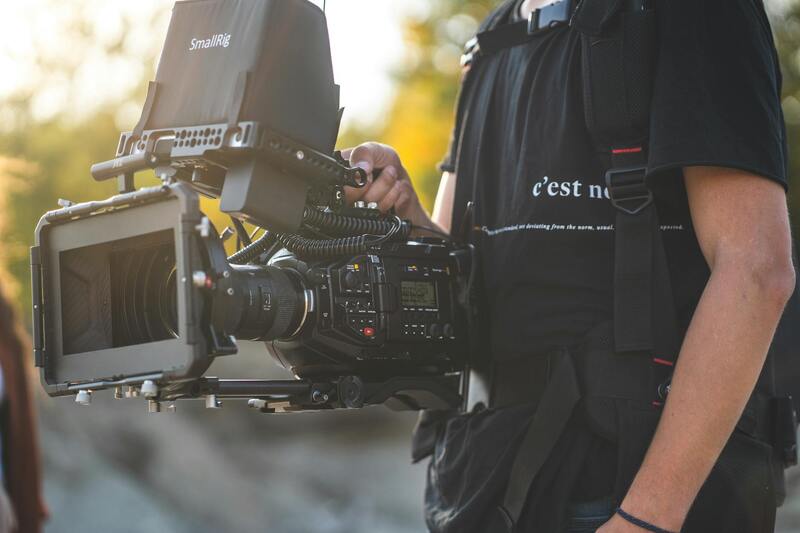
Understanding each of these elements provides a clearer picture of how drone video pricing is determined. It emphasizes the importance of comparing offerings based on the scope of work and included services, rather than just initial price points. Clients should carefully review what is included in each package, such as the total duration of footage, number of locations covered, and post-production enhancements, to ensure they receive comprehensive value for their investment.
Impact of Video Quality and Resolution on Pricing
One of the critical factors affecting real estate drone video pricing is the level of video quality and resolution required for a project. High-resolution footage, such as 4K or 8K, demands more advanced equipment and longer post-production processes, resulting in increased costs. The clarity and detail provided by higher resolutions enhance the property's presentation, making it more appealing to prospective buyers.
Beyond resolution, the quality of stabilization plays a pivotal role. Drones equipped with sophisticated gimbal stabilization systems deliver smooth, cinematic shots that minimize vibrations and jitters, elevating the overall production value. This level of professionalism involves higher equipment costs and skilled pilots capable of maximizing the drone's capabilities. Such enhancements are particularly significant when showcasing expansive properties, waterfront estates, or luxury developments where visual impact is paramount.
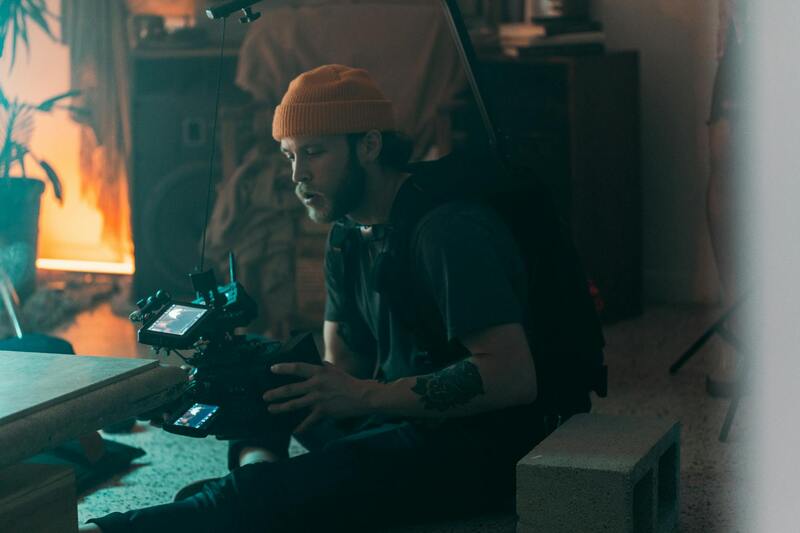
Furthermore, the choice of camera sensors and lenses influences the final price. Cameras with larger sensors and specific lenses designed for high dynamic range (HDR) imaging provide richer colors and better contrast, which are crucial for highlighting property features in various lighting conditions. This investment in top-tier camera technology translates into higher drone rental or service fees, but also results in a standout visual presentation that can significantly impact engagement and inquiries.
How Variations in Resolution and Video Quality Affect Overall Cost
- 4K vs. 8K Resolution: While 4K resolution is now standard for cinematic real estate videos, 8K footage offers superior clarity and future-proofing. The latter involves more data storage, rendering time, and processing power, increasing costs.
- Stabilization Systems: Advanced gimbals and stabilization hardware ensure footage remains steady, which is essential for professional-quality videos, adding to equipment and operational expenses.
- Post-Production Enhancements: Higher quality footage often requires extensive editing, color grading, and visual effects to maximize appeal, contributing additional hours and costs.
Investing in higher video quality and resolution not only enhances visual appeal but also positions the property more favorably in competitive markets. When planning a drone video project, clients should clearly communicate their goals for video clarity and detail, which will directly influence the overall pricing structure.
Impact of Video Quality and Resolution on Pricing
When evaluating the cost of real estate drone videos, video quality and resolution are significant factors that influence pricing structures. High-definition footage enhances the property's visual appeal, but it also entails different costs based on technical specifications and delivery requirements.
Filming in 4K resolution has become the industry standard, offering crisp, detailed images that showcase property features effectively. However, clients seeking the utmost clarity may opt for 6K or 8K footage. These higher resolutions provide greater detail, enabling potential buyers to perceive even fine textures and architectural details, which can be critical for premium listings.
Higher resolutions necessitate more advanced camera equipment and increased data storage capacity, directly impacting rental or service fees. Additionally, shooting at higher resolutions often extends flight times due to increased data processing, affecting operational costs. Post-production demands also escalate; rendering and editing 8K footage require robust hardware and more time, which are reflected in the overall pricing.
Aside from resolution, stabilized footage plays a crucial role. Incorporating advanced stabilization systems such as gimbals ensures smooth, professional-looking videos, but their inclusion adds to equipment rental costs. This stabilization is especially vital for capturing dynamic shots around complex property structures, adding an extra layer of refinement that distinguishes high-value listings.
Influence of Additional Video Enhancements on Costs
- Color Grading and Editing: Post-production enhancements like color correction, exposure adjustment, and visual effects can significantly elevate the final product but involve additional labor charges.
- Specialized Camera Lenses: Wide-angle or macro lenses might be necessary for particular shots, which can impact rental prices.
- Time-lapse and HDR Shots: Unique filming techniques increase the complexity and duration of the shoot, subsequently raising costs.
Understanding the relationship between video quality, resolution, and associated enhancements helps in making informed decisions. This knowledge enables clients to customize their drone video packages based on desired visual impact and budget considerations.
Impact of Video Quality and Resolution on Pricing
When evaluating drone video pricing for real estate, clients must understand the direct relationship between video quality, resolution, and overall costs. Higher resolutions, such as 4K and above, undeniably enhance visual clarity, showcasing property details with remarkable precision. This increased clarity is particularly advantageous for luxury properties or listings where aesthetics and intricate features play a crucial role in attracting prospective buyers.
Professional-grade editing and cinematic effects further elevate the final product, contributing to cost variations in the overall budget. For instance, seamless color grading, exposure correction, and visual effects can significantly enhance the video's appeal but often require skilled post-production work that adds to the expenses. The use of advanced editing software and specialized editors results in increased labor costs, reflecting in the final pricing structure.
Factors Affecting Resolution and Quality
- Camera Equipment: The choice of drone-mounted cameras significantly impacts resolution capabilities. High-end drones equipped with 4K, 6K, or even 8K cameras incur higher rental and operational costs, which are reflected in service quotes.
- Flight Stability and Gimbal Technology: Incorporating state-of-the-art stabilization systems ensures smooth footage, especially at higher resolutions. These systems require additional setup and maintenance, adding to the overall cost.
- Editing and Post-Production: Advanced editing techniques, including stabilization correction for high-resolution footage and color grading, demand additional time and specialized skills, affecting final drone video pricing.
- Equipment Maintenance and Upgrades: High-resolution cameras and stabilizers require regular maintenance and periodic upgrades to maintain quality, which influences service pricing over time.
Balancing Cost and Quality
Clients often face the challenge of balancing visual quality with budget constraints. While 4K videos are within reach for many providers, 8K or cinematic-quality productions involve higher costs attributable to specialized equipment and increased post-production demands. Understanding these dynamics allows clients to select the appropriate resolution according to their marketing goals and financial parameters.
Some providers offer tiered packages tailored to specific needs—standard HD, 4K, or ultra-high-def formats—giving clients flexibility to optimize their investments. Recognizing how each enhancement affects the overall project cost facilitates transparent budgeting and strategic planning for real estate marketing campaigns.
Figure Placeholder
Factors Influencing Drone Video Costs
When evaluating real estate drone video pricing, several key factors significantly impact the overall cost structure. Understanding these elements is essential for property professionals aiming to optimize their marketing investments while ensuring high-quality visual content.
Type of Drone Equipment and Camera Systems
The selection of drone technology directly influences pricing. High-end drones equipped with cinematic cameras capable of capturing 4K or higher resolution footage tend to command higher fees due to their advanced stabilization systems, sensor quality, and flying capabilities. These drones often include features such as obstacle avoidance, GPS positioning, and longer flight times, which enhance safety and operational efficiency but contribute to increased operational costs.
Level of Film Production Complexity
The complexity of video shoots amplifies costs. Simple flyover shots with minimal movement are typically less expensive, whereas elaborate filming involving multiple angles, aerial cinematic movements, or specialty shots like time-lapses or hyperlapse sequences require more planning, equipment setup, and skilled operators. The amount of footage needed and the intricacy of editing also contribute significantly to the final price.
Duration of the Shoot and Post-Production
The length of the filming session naturally impacts costs. Longer shoots mean more flight hours and greater crew involvement, which directly translates to higher fees. Post-production work—such as editing, color grading, motion stabilization, and integration of branding elements—can extend the timeline and cost, especially if high-end visual effects or detailed editing are involved.
Travel and Permitting Expenses
In Miami, depending on the location of the property and local regulations, additional costs may include permit fees, land access permissions, and travel expenses. Properties situated in busy urban environments or protected areas often necessitate special permits, which can add to the overall budget. Planning ahead to account for these factors ensures a more accurate estimate of drone video costs.
Skill Level and Experience of the Drone Operator
Highly experienced drone pilots with a strong portfolio and specialized skills tend to charge higher rates. Their expertise ensures smooth operation, optimal framing, and safety compliance, which are crucial for producing professional-grade real estate videos. While more seasoned operators may have higher hourly or project-based fees, their proficiency often results in superior footage and fewer reshoots, ultimately providing better value.
Measuring the Influence of Production Scale on Pricing
- Basic Packages: typically include short aerial clips or walkthroughs, ideal for budget-conscious listings.
- Standard Packages: encompass multi-angle shots, basic editing, and moderate post-production work, suited for most residential or commercial properties.
- Premium Packages: involve cinematic-style shooting, extensive post-production, drone operator assistance with scripting, and custom animations, often found in high-end real estate marketing.
Summary of Cost-Influencing Factors
Overall, the price of real estate drone videos is shaped by an array of elements—advanced equipment, project complexity, shoot duration, regulatory considerations, and the expertise of the crew. An awareness of these factors facilitates strategic planning and provides clients with realistic budgets aligning with their marketing goals.
Factors Affecting Real Estate Drone Video Pricing in Miami
Understanding the key elements that influence the cost of real estate drone videos helps clients make informed decisions and establish accurate budgets. Several interrelated factors must be considered, including the complexity of the project, the equipment used, the duration of the shoot, the experience level of the drone operator, and additional post-production services. Each of these components impacts the final pricing structure, and their combined effect determines the overall investment required for a high-quality marketing video.
The Complexity of the Property and Shooting Requirements
The size, location, and layout of the property significantly influence drone video costs. Large estates or commercial properties often demand more extensive flight plans, multiple angles, and ground-to-air transitional footage, increasing shooting time and equipment usage. Similarly, properties situated in hard-to-reach areas or with restrictive airspace zones necessitate careful flight planning, which can elevate costs. The intricacy of the visual story desired, including aerial walk-throughs or cinematic shots, also adds to the complexity and associated expenses.
Equipment and Technology Utilized
High-end drone models equipped with 4K or 8K cameras, gimbal stabilization, and advanced flight features tend to command higher service fees. Enhanced camera capabilities ensure crisp visuals, better color accuracy, and smoother footage, which are essential for professional real estate marketing. Additionally, supplementary equipment like multiple drones for simultaneous shots, specialized lenses, or stabilization rigs can influence overall costs. Clients aiming for premium quality should expect a corresponding adjustment in pricing based on the technical sophistication of the equipment employed.
Duration of Shooting and Post-Production
The length of on-site filming directly correlates with costs. A standard property might require one to two hours of flight time, but larger or more complex sites could necessitate multiple sessions or extended flight periods. Post-production editing, including color grading, motion graphics, and scene transitions, also affects pricing. Firms offering thorough editing and custom animations add value but will incorporate these services into their quotes. Clients should clarify these particulars upfront to avoid unexpected expenses and ensure the final video aligns with their branding expectations.
Operator Expertise and Service Level
Experienced drone pilots bring not only technical skill but also artistic vision, which enhances the quality of the final product. Seasoned professionals in Miami command higher rates but often deliver more impactful footage, reducing the need for reshoots and extensive revisions. Besides flying skills, their familiarity with local regulations and airspace restrictions translates into safer, more efficient shoots. For clients seeking a polished, cinematic presentation, investing in highly qualified operators is a prudent choice that reflects in the overall budget.
Additional Costs and Optional Enhancements
Beyond basic filming, several supplementary services can impact the price. These include advanced editing, 3D virtual tours, drone fly-through animations, narration overlays, or integrated branding elements. Some providers also offer expedited delivery or multiple revisions, which typically incur additional fees. While optional, these enhancements can significantly elevate your property presentation and attract more potential buyers or tenants.
Impact of Video Quality and Resolution on Pricing
Higher resolution footage, such as 4K or 8K, requires more sophisticated equipment and greater storage capacity, which translate into increased costs. Additionally, shooting in RAW or uncompressed formats ensures superior post-production flexibility but comes with additional expenses. If the intended platform includes large-format displays or VR experiences, investing in ultra-high-definition video becomes essential. Clients should evaluate the optimal resolution that balances quality with budget constraints.
Budgeting Tips for Miami Real Estate Drone Videos
To budget effectively, clients should begin by defining their marketing goals and desired video outcomes. Request detailed quotes from multiple providers, compare pricing structures, and inquire about what is included in each package. Clarify if there are extra fees for permits, special equipment, or extensive editing, ensuring all potential costs are accounted for upfront. Prioritizing providers with proven experience and positive reviews helps secure a balance of quality and value. Always allow for some flexibility in your budget to accommodate custom requests or unforeseen needs that might arise during the production process.
Considerations for Accurate Budgeting in Miami
When planning for drone footage production, it is essential to consider the comprehensive scope of your project to develop an accurate budget. A detailed briefing with your chosen service provider will help you understand all potential costs involved. This includes clarifying the scope of drone flight time, required equipment, post-production editing, and any specialized filming techniques. Having a clear outline of your objectives ensures that you can assess different service packages effectively and avoid unforeseen costs later.
Furthermore, understanding the regional specifics such as Miami's permit requirements, local airspace regulations, and priority times for drone operations helps prevent delays and additional overhead expenses. Some providers include all permit and compliance costs in their initial quote, while others may charge separately. Thus, requesting itemized estimates allows for precise comparisons and better budget allocation.
Evaluating Provider Portfolios and Past Work
To gauge the cost-to-quality ratio, reviewing a provider’s portfolio can be highly informative. High-quality portfolios showcasing diverse real estate properties emphasize the provider’s experience and technical capability. Providers with extensive experience in Miami’s unique real estate market often have optimized workflows and equipment suited for local conditions, which can influence pricing positively.
Engaging with providers whose work aligns with your property’s marketing style can lead to more effective video campaigns. When reviewing portfolios, consider the variety of shots, the quality of footage, and the creativity displayed. Such insights can help justify higher costs associated with providers offering superior visuals and innovative filming techniques, ultimately delivering greater value for your investment.
Implementation of Technology and Evolving Techniques
As drone technology advances, the costs associated with the latest filming techniques may fluctuate. Higher-end cameras, stabilizers, and autonomous flight capabilities contribute to increased production costs but also enable more dynamic shots, better image quality, and creative flexibility. Providers investing in cutting-edge technology often offer packages with premium pricing, but the return on investment can include immersive virtual tours, stunning aerial panoramas, and enhanced virtual reality integrations.
In addition to hardware, software enhancements like advanced editing, color grading, and post-production stabilization add to overall costs. With Miami’s vibrant real estate scene continually embracing new visual storytelling methods, staying informed about technological upgrades can help clients make budget-conscious choices aligned with their marketing goals.
Strategic Cost Management and Best Practices
Effective budgeting for Miami real estate drone videos also involves strategic planning in project execution. Scheduling shoots during optimal lighting conditions and low-traffic airspace times can reduce logistical costs. Additionally, consolidating multiple property shoots into a single campaign can leverage economies of scale, thereby lowering individual project prices.
It is advisable to establish clear expectations upfront and to be flexible with your timeline when necessary. This approach minimizes rush fees and allows providers to optimize their schedules and resources. Moreover, communicating your priorities can guide providers in customizing their services, whether it be focusing more on cinematic visuals or rapid delivery, which directly influences the overall pricing structure.