
Overview of Real Estate Drone Video
Real estate drone video has revolutionized property marketing by offering a dynamic and immersive way to showcase properties. Utilizing unmanned aerial vehicles (UAVs), companies can capture high-resolution footage that reveals a property’s features from a comprehensive aerial perspective. This technology provides potential buyers with a clearer understanding of the layout, size, and surrounding environment, which static images or ground-level videos may not fully convey.
The significance of drone video in the real estate sector continues to grow, especially in competitive markets like Miami. The ability to highlight scenic views, proximity to amenities, and outdoor spaces helps properties stand out in listings. High-quality drone footage enhances the overall professionalism of marketing materials, increasing engagement and interest from prospective buyers, investors, and agents alike.
Beyond aesthetic appeal, drone videos also serve as a strategic tool in virtual tours, making remote viewing more accessible and compelling. As technology advances, the integration of 3D mapping and virtual reality with drone footage is elevating real estate marketing to new heights, especially in markets with diverse and expansive listings like Miami.
Implementing a professionally shot drone video ensures that real estate listings resonate with high standards of quality and authenticity. This approach not only attracts more listings but also builds trust with potential clients who seek transparent and engaging property presentations. As the industry evolves, the value of real estate drone video in creating impactful marketing campaigns becomes increasingly undeniable, setting a new benchmark for digital property marketing in vibrant markets such as Miami.
Legal Regulations and Permits for Drone Usage in Miami
Executing a successful real estate drone video campaign in Miami requires adherence to specific operational procedures that ensure compliance with regional guidelines. The city of Miami, along with Florida state authorities, enforces clear protocols for drone operations, primarily focusing on safety, privacy, and airspace management. Professionals engaging in drone filming must obtain the appropriate authorizations from the Federal Aviation Administration (FAA). This permits commercial drone use, which includes real estate videography, and requires the drone operator to hold a Remote Pilot Certificate, demonstrating a comprehensive understanding of aeronautical safety and operational standards.
Beyond FAA certification, operators must familiarize themselves with local regulations covering airspace restrictions, no-fly zones, especially near airports, busy urban areas, and other sensitive locations. Miami's infrastructure includes several controlled airspaces where special authorization may be necessary to operate a drone legally. Additionally, drone pilots should respect residents' privacy rights, avoiding overflight of private properties without consent and adhering to guidelines that protect individuals from unwarranted surveillance or disturbance.
Securing permits involves compiling a flight plan that details the scope, location, and purpose of the drone shoot. It may also include coordination with local authorities or property owners, ensuring that all activities are transparent and authorized. For commercial real estate activities, documentation such as proof of liability insurance, a detailed safety plan, and proof of FAA certification must be readily available to demonstrate compliance during any inspection or review process.
The importance of an experienced drone operator cannot be overstated. These professionals are well-versed in the regulatory landscape, capable of navigating the complexities seamlessly while ensuring the safety of crew, property, and the community. Engaging licensed operators familiar with Miami’s specific requirements not only enhances the quality of the footage but also minimizes the risk of regulatory infractions, which could delay or compromise the marketing campaign.
In sum, compliance with these established procedures is essential for smooth operations and maintaining the integrity of the visual content. It guarantees that high-quality, engaging real estate drone videos are produced within the bounds of authorized use, reinforcing professional standards in Miami's competitive real estate environment.
Legal Regulations and Permits for Drone Usage in Miami
Operating a drone for real estate video production in Miami requires comprehensive understanding of the specific regulations that govern aerial operations in the region. While the Florida Department of Transportation (FDOT) oversees certain aspects of drone use, the Federal Aviation Administration (FAA) provides overarching guidelines that must be adhered to for lawful and safe operations. Obtaining the proper permits is essential to ensure compliance and smooth project execution.
To legally conduct drone videography in Miami, operators must register their unmanned aircraft with the FAA if the drone exceeds 0.55 pounds. Certification of the pilot through FAA Part 107 licensing is also a prerequisite for commercial drone activities, including real estate video shoots. This certification verifies that the operator has the knowledge to safely navigate airspace and avoid hazards.
In addition to federal requirements, local regulations within Miami-Dade County may impose specific flight restrictions, particularly around sensitive areas such as airports, government facilities, or densely populated zones. Securing authorization from local authorities often involves submitting detailed flight plans and ensuring that flight paths avoid restricted airspace. These measures help prevent interference with manned aircraft and ensure public safety.
Permitting processes typically demand comprehensive documentation, including proof of drone registration, FAA certification, liability insurance, and detailed safety protocols. Some projects may require submitting an operational waiver if the flight plan includes complex maneuvers, flying above certain altitudes, or operating in congested areas. Clear communication with regulatory bodies and thorough documentation can streamline approval processes.
It is equally important for operators to stay updated on evolving regulations, as drone policies are frequently refined to enhance safety and accommodate technological advances. Regular training sessions and ongoing compliance checks help maintain high operational standards and prevent the risk of infractions that could delay or cancel production schedules.
By focusing on these official channels and procedures, real estate professionals can leverage drone technology to produce captivating property visuals while confidently maintaining compliance with all relevant regulations. This approach not only safeguards the interests of all parties involved but also elevates the credibility and professionalism of Miami's luxury real estate marketing campaigns.
Legal Regulations and Permits for Drone Usage in Miami
Successfully incorporating drone videos into Miami’s real estate marketing strategy requires a comprehensive understanding of the official procedures involved. When planning a real estate drone video shoot, professional operators must adhere to strict operational guidelines established by local and federal authorities. These guidelines ensure safe and effective drone flights over property sites, especially within densely populated areas like Miami. The process begins with registering the drone with relevant authorities, which involves providing accurate details about the aircraft and its intended use. Additionally, obtaining an FAA Remote Pilot Certificate is essential for commercial drone operations, certifying that operators have the necessary training to fly drones responsibly and safely.
Once the drone is registered and the pilot certified, the next critical step involves securing permits for each specific shoot. This typically includes submitting an operational plan that outlines flight paths, altitudes, and safety measures. In Miami, special considerations may include avoiding restricted airspace near airports, hosting venues, or other sensitive zones. Detailed documentation, such as proof of drone registration, certification, and liability insurance, is mandatory to demonstrate that safety protocols are in place. When the planned flight involves complex maneuvers or operations in congested areas, operators might need to request an operational waiver, which entails a thorough review process by regulatory bodies.
Part of the permit application process also involves establishing comprehensive safety measures to avoid interference with manned aircraft and ensure public safety. Conducting thorough pre-flight planning, including risk assessments and emergency procedures, helps minimize hazards. Effective communication with local authorities and air traffic control teams is an integral component of this process, facilitating coordinated efforts to keep airspace secure during shoot activities. It is also advisable for operators to stay informed about any evolving regulations or policy updates, which could impact drone operations in Miami. Ongoing training sessions and compliance checks are essential to maintaining high standards and preventing disruptions that could delay project timelines.
Adherence to these official procedures demonstrates professionalism and ensures that drone activities align with legal standards, thereby safeguarding all involved parties. Properly planning and executing drone shoots enhances the credibility of real estate marketing efforts, providing potential buyers with stunning, legally compliant visuals of properties. This meticulous approach underscores the commitment to safety and quality, reinforcing the reputation of Miami real estate professionals as trustworthy and innovative market leaders.
Optimal Techniques for Filming Real Estate Drone Videos in Miami
Achieving high-quality drone footage requires adherence to best practices that ensure clarity, aesthetic appeal, and accuracy in showcasing properties. Precision in camera settings is fundamental; selecting the appropriate resolution, shutter speed, and aperture helps capture sharp images with vibrant colors. For dynamic properties or areas with challenging lighting conditions, manual adjustments often yield better results than automatic settings, providing greater control over exposure and focus.
Shot framing is equally critical. Utilizing principles such as the rule of thirds, drone operators should compose shots that highlight key architectural features, surrounding landscapes, and proximity to amenities. Proper framing not only emphasizes the property’s best aspects but also creates a more engaging visual narrative for potential buyers. Moreover, maintaining consistent altitude and angle across sweeping shots enhances flow and coherence in the video.
Lighting and Timing Considerations
Lighting profoundly influences the mood and perception of a property. The golden hour—shortly after sunrise or before sunset—provides warm, diffused light that softens shadows and accentuates textures, making properties appear more inviting. Avoid shooting during harsh midday sun, as strong shadows can obscure details and create undesirable glare. Overcast days, with their even lighting, also serve as excellent times for filming.
It is crucial to plan flights around optimal lighting conditions, factoring in weather forecasts and local sunrise and sunset times. Conducting test shots before the main shoot helps to fine-tune camera and flight settings, ensuring the footage meets marketing standards.
Advanced Techniques for Captivating Aerial Footage
To maximize visual impact, integrating various flight patterns and camera angles is recommended. Circular shots, orbiting the property at a consistent height, draw viewers into a comprehensive view. Low-altitude flybys can showcase architectural details, while high-altitude panoramic shots establish context within the Miami skyline or neighborhood environment.
Utilizing smooth, slow camera movements and maintaining stable hover during shots reduces motion jitters and creates cinematic quality footage. Employing gimbals and stabilization technology contributes to professional results, even when executing complex maneuvers.
Post-Production Enhancements
Editing plays a vital role in transforming raw footage into a compelling listing presentation. Color correction adjusts tones to match the property’s aesthetic and the Miami locale’s vibrant ambiance. Adding motion graphics or animated text can highlight specific features or contact information without cluttering the visual flow.
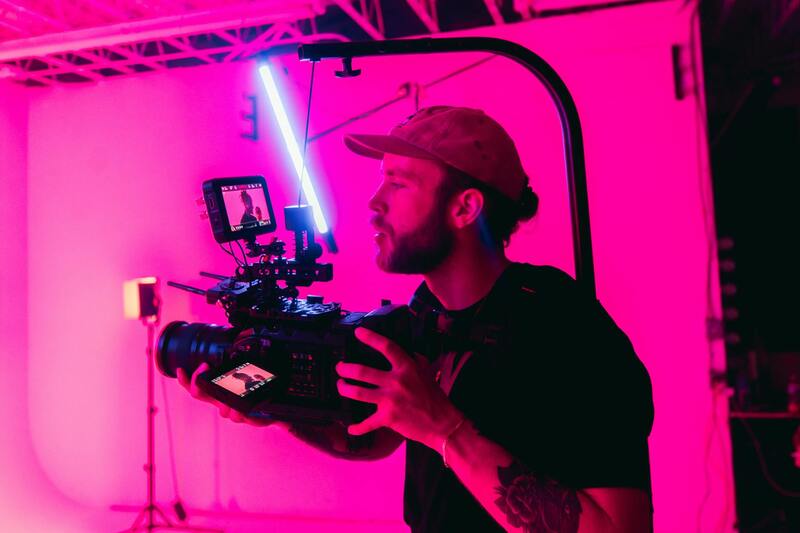
Implementing seamless transitions, adjusting pacing, and integrating background music or voiceovers further enhance viewer engagement. The goal is to produce an immersive experience that draws potential buyers into the property, encouraging them to envision life in the home.
Overview of Real Estate Drone Video
Real estate drone videos have revolutionized property marketing by providing immersive, high-quality aerial perspectives that traditional photography cannot achieve. These videos utilize advanced unmanned aerial vehicles equipped with high-definition cameras to capture expansive views of residential and commercial properties. By showcasing properties from dynamic angles and heights, drone videos help potential buyers understand the full scope of a property, including surrounding features and neighborhood context. The cinematic quality of these videos not only highlights architectural details and landscape features but also elevates the overall presentation, making listings more engaging and memorable.
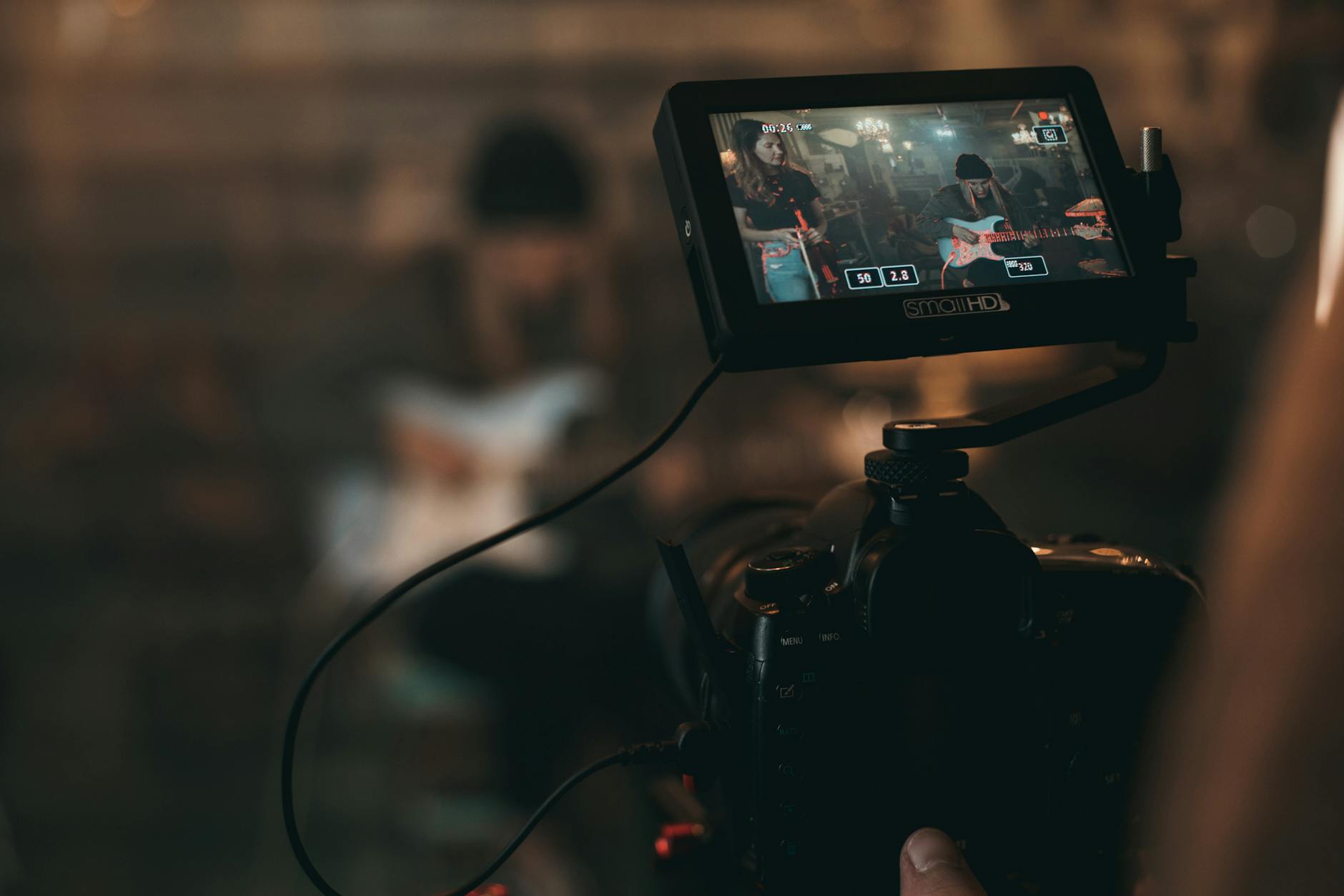
Incorporating real estate drone videos into marketing campaigns improves online visibility, enhances storytelling, and creates a competitive edge in the bustling Miami property market. By delivering visually compelling narratives, agents and sellers can effectively draw attention to their listings, increasing the likelihood of faster sales and better offers. Additionally, these videos serve as versatile marketing tools, easily integrated into websites, social media platforms, and virtual tours, ensuring broad reach and maximum impact.
Benefits of Drone Video for Real Estate in Miami
Miami's vibrant neighborhoods and stunning coastlines are perfectly complemented by aerial footage that captures the city’s unique landscapes. Real estate drone videos allow for a panoramic view of the property’s location, proximity to beaches, parks, and urban amenities. This broad perspective helps potential buyers visualize living in the area, creating an emotional connection and fostering quicker decision-making.
- Enhanced property visibility across digital channels, attracting more prospective buyers.
- Ability to demonstrate the scale of large estates and complex properties efficiently.
- Highlighting neighborhood attractions and local infrastructure, providing context beyond the property itself.
- Creating engaging content that differentiates listings from competitors.
- Facilitating virtual tours and remote viewing experiences, especially vital in busy markets like Miami.
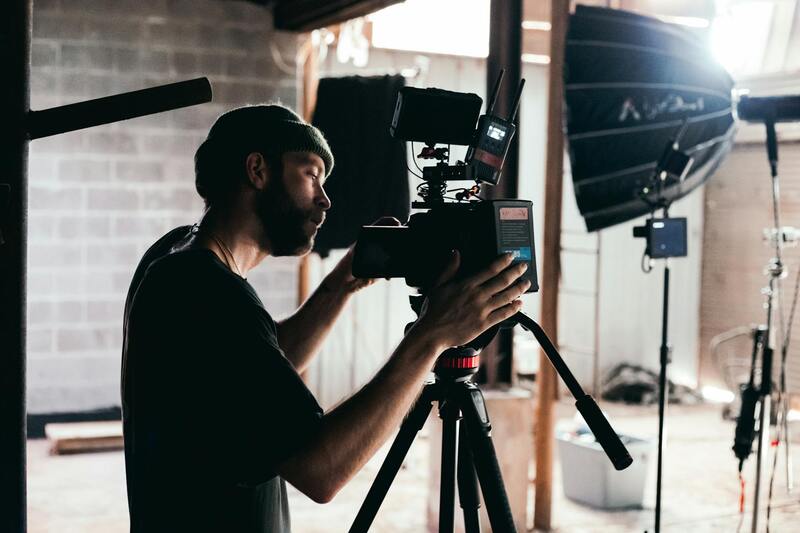
By showcasing properties from soaring heights and smooth flight paths, drone videos communicate the lifestyle and environment that buyers are seeking. As an integral part of a comprehensive marketing strategy, these videos significantly elevate the appeal of Miami listings and influence buyer engagement positively.
Legal Regulations and Permits for Drone Usage in Miami
Using drones for real estate purposes in Miami requires adherence to specific operational standards and authorization protocols. Property marketing professionals must navigate a structured framework that ensures safe and responsible drone operation. The process involves securing necessary permits and certifications from relevant authorities, complying with local airspace guidelines, and respecting privacy considerations.
- Operators should possess current drone pilot certifications evidencing proficiency in safe flying practices and understanding of airspace regulations.
- For commercial drone flights, including real estate marketing, obtaining a specific operating license from the Federal Aviation Administration (FAA) or local authorities may be required.
- Permits for flying in congested or restricted areas must be secured beforehand, with plans for safe flight paths that avoid interference with manned aircraft and sensitive zones.
- Operators are encouraged to stay updated on Miami-specific regulations, including no-fly zones near airports or government facilities.
- Respecting privacy rights by maintaining appropriate distances from private properties and avoiding intrusive filming practices is essential.
Establishing these legal and procedural frameworks ensures drone operations are conducted responsibly, enabling consistent production of high-quality real estate videos without disruptions. Proper planning and compliance facilitate a smooth shooting process and uphold professional standards within the Miami real estate market.
Steps to Planning a Drone Video Shoot
Creating an effective real estate drone video involves meticulous planning, from initial site assessment to post-production strategies. The process begins with a comprehensive evaluation of the property and its surroundings to identify optimal flight areas, camera angles, and lighting conditions. Mapping out the shoot beforehand minimizes unforeseen issues and maximizes footage quality.
- Conduct a preliminary site visit to assess weather conditions, flight space, and potential obstacles, including trees, power lines, and structures.
- Develop a detailed shot list, focusing on key features like exterior architecture, landscaping, aerial panoramas, and surrounding neighborhood assets.
- Secure all necessary permits and coordinate with property owners or local authorities for approval and legal compliance.
- Plan flight routes that provide comprehensive coverage while ensuring safety and smooth camera movement.
- Coordinate with a qualified drone operator or production team experienced in real estate videography.
- Schedule the shoot during optimal lighting hours, typically early morning or late afternoon, to achieve natural, warm tones.
- Prepare backup plans for weather disruptions and technical issues to ensure continuity of the project.
Following a structured planning process results in high-quality footage that captures the essence of Miami properties, effectively showcasing their features and surroundings to attract discerning buyers.
Optimal Techniques for Shooting and Post-Processing Drone Footage
Achieving professional-grade real estate drone videos requires adherence to specific filming methods and meticulous post-production efforts. When capturing aerial footage, selecting the right camera settings is essential. Utilize a high-resolution camera with stabilizing gimbals to ensure crisp, steady shots that highlight the property’s architectural details and surrounding landscape. Maintain consistent exposure levels, adjusting for varying lighting conditions to prevent overexposed or underexposed scenes. Employ slow, deliberate movements with the drone to create smooth, cinematic footage that emphasizes property features without abrupt jerks or shaky transitions.
During flight, prioritize elegant camera angles and transitions. Utilize sweeping panoramic shots to provide viewers with a comprehensive sense of the property's scale and context within the neighborhood. Close-up shots focusing on unique exterior features, such as intricate facades or lush gardens, add detail that appeals to potential buyers. The inclusion of perspective shots from different heights emphasizes property depth and layout, making listings more engaging.
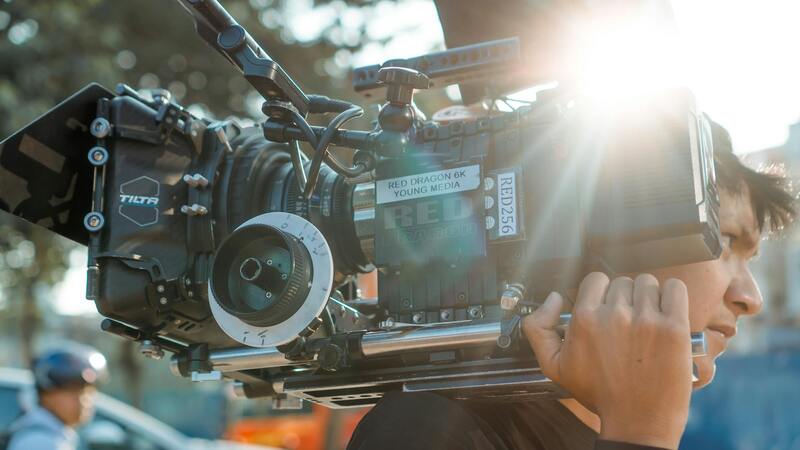
Post-production processing plays an equally vital role. Color correction and grading can enhance visual appeal by balancing natural tones, correcting color shifts, and ensuring consistency across shots. Adding subtle transitions helps create a seamless viewing experience, while overlays such as text or graphic elements can highlight key property features. Incorporating background music with a professional touch can evoke emotional connections, fostering a sense of aspiration and lifestyle associated with the property.
Advanced editing software also allows for the stabilization of shaky footage, sharpening blurry segments, and adjusting contrast and brightness. These enhancements result in a polished, captivating final product that effectively communicates the property’s value and unique selling points. When executed with precision, the combination of expert filming and refined editing significantly enhances the attractiveness of Miami real estate listings.
For optimal results, collaborate with experienced drone videographers who understand the nuances of real estate marketing. They can provide expert guidance on shot composition, lighting considerations, and post-processing techniques, ensuring that the finished video aligns with strategic marketing goals and appeals to discerning audiences.
Maximizing the Impact of Drone Videos in Your Miami Real Estate Marketing Campaign
Effective integration of real estate drone videos into your marketing strategy extends beyond just capturing stunning footage. It involves strategic distribution, targeted outreach, and consistent branding that appeals directly to prospective buyers' preferences. When executed correctly, these videos serve as powerful tools to increase visibility, generate interest, and ultimately drive faster sales.
Distribution Strategies for Drone Videos
- Website Integration: Embedding high-quality drone videos on property listings enhances user engagement. Employing responsive video players ensures compatibility across devices, offering seamless viewing experiences to potential clients browsing on smartphones, tablets, or desktops.
- Social Media Outreach: Platforms like Instagram, Facebook, and LinkedIn are ideal for sharing eye-catching drone footage. Short clips or teasers can ignite curiosity, leading viewers to the full video hosted on your website or listing portal.
- Real Estate Portals and MLS: Incorporate drone videos into your property's profile on multiple listing services and dedicated real estate platforms. These avenues attract a broader audience searching for visually appealing listings.
- Email Campaigns: Including engaging drone video links in targeted email newsletters nurtures existing leads and encourages them to revisit your listings with fresh visual context.
- Virtual Tours and Open Houses: Leveraging drone footage as part of virtual open house experiences provides immersive views that static images cannot match, fostering stronger emotional connections with prospective buyers.
Branding and Consistency in Drone Video Production
Consistent branding across your drone videos helps establish recognition and trust within the Miami real estate market. This can be achieved through:
- Professional Video Styling: Utilizing consistent color grading, logo overlays, and introductory/outro sequences reinforces your brand identity.
- Standardized Shooting Techniques: Adopting specific camera angles, flight paths, and filming styles creates a recognizable visual signature that potential clients associate with your agency.
- Regular Content Updates: Consistently refreshing your video library with new drone footage for current listings keeps your marketing content dynamic and relevant.
Measuring Success and Refining Strategies
Tracking metrics related to drone video engagement allows you to gauge effectiveness and identify areas for improvement. Key performance indicators include:
- Number of views and shares on social media platforms
- Click-through rates from email campaigns and online ads
- Time spent on listing pages featuring drone footage
- Inquiry and conversion rates for properties showcased with drone videos
Leveraging analytics tools enables real estate professionals to refine their content and marketing methods. Continually analyzing viewer feedback and engagement patterns helps develop a more targeted and impactful drone video strategy tailored specifically to the Miami market.
By adopting an integrated approach that combines strategic distribution, consistent branding, and performance tracking, Miami real estate professionals can significantly enhance their listings' visibility and appeal. Professional quality drone videos not only elevate property presentations but also contribute to a compelling, trustworthy brand presence in a competitive market.