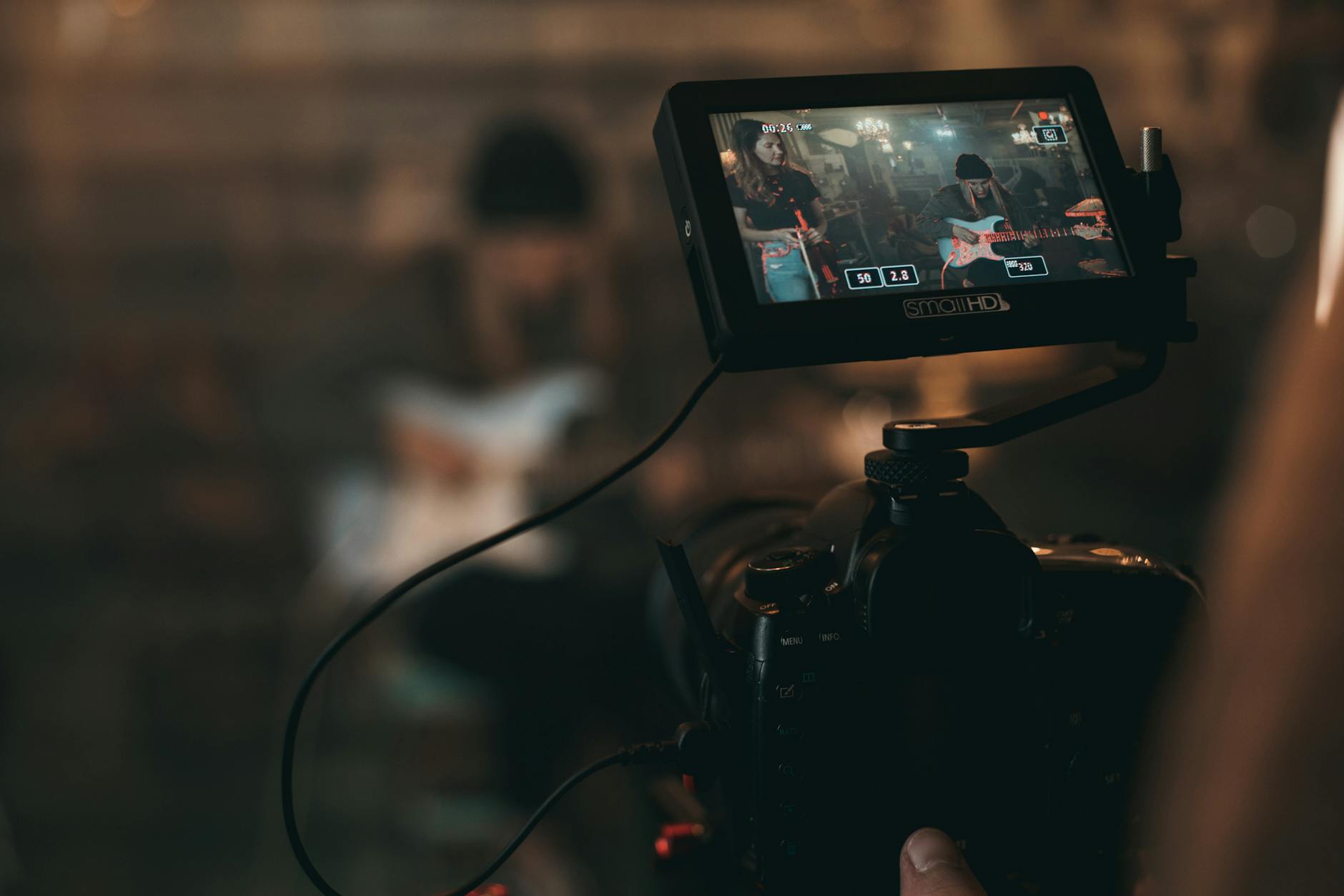
Importance of Professional Real Estate Photography
In the dynamic and highly competitive real estate market of Miami, the visual presentation of property listings plays a pivotal role in attracting potential buyers and investors. High-quality real estate business pictures serve as the initial point of contact between a property and its prospective audience, often determining whether a listing gains the attention it deserves among dozens or hundreds of similar offerings.
When potential buyers browse online listings, they are primarily influenced by the quality and appeal of the images presented. Professionally captured photographs highlight the property’s best features, showcase its unique aspects, and transform ordinary spaces into visually compelling scenes that resonate with viewers. In Miami's vibrant market, where luxury, outdoor living, and distinctive architecture draw significant interest, compelling images can make all the difference in generating inquiries, scheduling viewings, and closing deals.
Furthermore, high-caliber visuals contribute significantly to building credibility and trustworthiness in your brand or agency. They demonstrate a commitment to quality and professionalism, reassuring buyers of the integrity and seriousness of your property offerings. Effective imagery also enhances the overall perception of the property, emphasizing fine details, spaciousness, and potential lifestyle benefits that appeal directly to the target demographic.

In addition to attracting more views and inquiries, professionally taken images are crucial for various marketing channels, including online listings, social media campaigns, and promotional materials. They help property listings look more polished and inviting, which can lead to quicker sales and better value realization. Effective real estate photography not only captures what the property looks like but also tells a story—highlighting lifestyle, ambiance, and the unique atmosphere of Miami living.
Moreover, as many prospective buyers begin their property search online, the first impression made by your images can influence their decision to visit the property physically. Images that are poorly lit, blurry, or improperly composed can deter interest and potentially impede the sales process. Conversely, high-quality images that reflect the true essence and scale of a property can stimulate emotional engagement, prompting buyers to envision themselves living there.
In summary, investing in professional real estate photography is a strategic move for any Miami-based property listing. It enhances the property's visual appeal, builds credibility, increases online engagement, and ultimately contributes to faster, more successful sales outcomes. As the real estate landscape continues to evolve, high standards in visual presentation remain a key differentiator and a reliable asset in your marketing toolkit.
Key Elements of Compelling Real Estate Business Pictures
Creating impactful real estate images requires meticulous attention to the core elements that influence visual appeal and viewer engagement. These elements serve as the foundation for producing photos that not only showcase a property effectively but also resonate emotionally with prospective buyers.
Leading real estate photography emphasizes the importance of proper lighting, which ensures that each room appears bright, welcoming, and true to its actual appearance. Natural light is often preferred for its ability to enhance space perception and highlight architectural features, but supplementary lighting can be used strategically to eliminate shadows and emphasize key areas.
Composition plays a pivotal role in creating balanced and aesthetically pleasing images. This involves careful consideration of angles, focal points, and framing to ensure each shot directs attention to the property's strengths. Techniques such as the rule of thirds can guide the placement of key elements, creating a dynamic flow that guides the viewer’s eye naturally through the space.
Staging is another critical aspect of producing compelling real estate images. Properly arranged furniture, strategic placement of decorative items, and decluttering transform a space into an inviting environment that appeals to buyers' imaginations. Staged images help prospective buyers visualize themselves living in the property, which can significantly influence their interest and decision-making process.
Another key element involves the choice of focal points within each image. Highlighting features such as a stunning view, modern kitchen, or spacious bedrooms can significantly impact the viewer's perception of value. Well-defined focal points ensure that the most attractive aspects of the property are not overlooked.
Color accuracy and consistency are vital for maintaining the credibility of property images. Using professional editing tools ensures that colors are vibrant yet true to life, facilitating better emotional connection and trust in the listing.
In the context of Miami's vibrant real estate market, capturing images that highlight the unique aesthetic, whether through vibrant coastlines or sleek urban architecture, requires an understanding of locale-specific appeal and cultural nuances. Whether showcasing a beachfront condominium or a luxury estate, attention to detail in lighting, composition, staging, and focal points is essential for producing business pictures that truly elevate property listings.
Legal and Ethical Considerations in Real Estate Photography
When creating compelling real estate business pictures, adhering to established standards and guidelines is paramount. Professional photographers must ensure that their images accurately represent the property without misleading potential buyers. This commitment fosters transparency and builds trust with clients and audiences alike. Authentic representation involves avoiding excessive digital enhancements that could distort the property's true appearance, ensuring that lighting, color balance, and proportions reflect reality.
Furthermore, obtaining necessary permissions before photographing private or restricted areas is essential to respect privacy and property rights. Photographers should always secure consent when capturing images that include private outdoor spaces, neighboring properties, or personal belongings. This practice aligns with industry best practices and demonstrates professionalism in the field.
In addition, compliance with local regulations is crucial. This might involve understanding restrictions related to drone usage for aerial shots or specific guidelines about showcasing certain types of properties. Abiding by these rules not only prevents potential legal complications but also maintains the integrity of the marketing campaign.

Another important aspect involves transparency in editing practices. Photographers should clearly distinguish between images that have undergone post-processing and authentic captures. Such honesty reinforces credibility and assures clients that their listings are portrayed truthfully.
Adhering to high standards in real estate photography is a reflection of professionalism and dedication to quality. Establishing clear communication with clients about the purpose of images and the methods used ensures that all parties have aligned expectations. Ultimately, this approach supports ethical marketing practices, enhancing the property's appeal while upholding the integrity of the real estate industry.
Utilizing Business Pictures Effectively in Real Estate Campaigns
In the competitive landscape of Miami’s real estate market, the strategic deployment of professional images plays a pivotal role in attracting discerning clients and closing deals efficiently. Well-curated business pictures function as a visual narrative that communicates the unique selling points of a property, enhances the property’s perceived value, and bolsters the overall marketing campaign. Leveraging these images thoughtfully ensures that listings stand out amidst a sea of visual content.
One of the fundamental aspects of effectively using real estate business pictures is ensuring they are tailored to the target audience. For luxury properties, high-quality images that highlight opulent features—such as expansive outdoor spaces, luxurious interiors, and premium finishes—are essential. Conversely, for more modest or commercial properties, images should focus on practicality, durability, and accessibility to appeal to investors or business tenants. This targeted approach helps align visual messaging with buyer expectations and market demands.
Additionally, consistency in image presentation across online listings and marketing materials is crucial. Maintaining a uniform style, color palette, and framing reinforces brand recognition and signals professionalism. This consistency can be achieved through a dedicated branding strategy, which includes selecting specific perspectives, lighting styles, and editing techniques that reflect the company's identity and the property’s unique features.
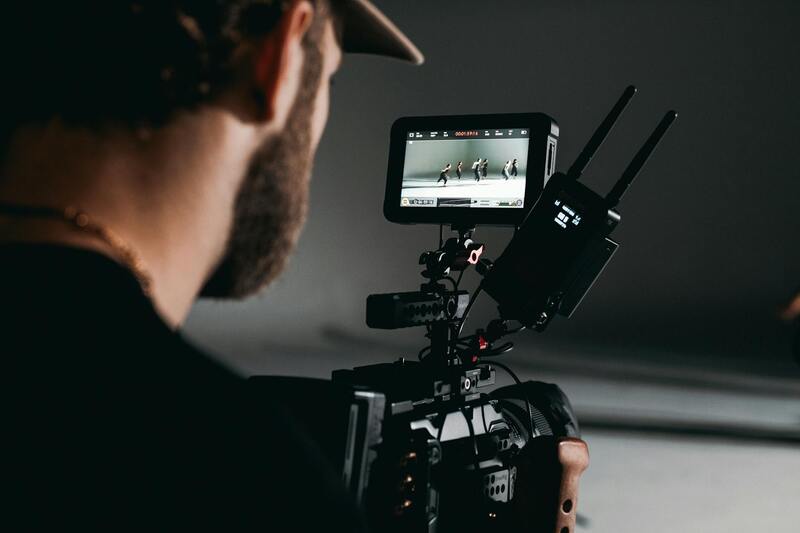
Implementing a variety of image formats and angles in marketing materials broadens the appeal and provides comprehensive visual information. For instance, wide-angle shots capture entire rooms, giving viewers a sense of space, while close-up images can highlight upscale fixtures and details, adding an element of luxury. Aerial shots provide context about the property’s surroundings, which is particularly beneficial for large estates or development projects.
Embarking on a multi-platform distribution strategy enhances visibility. Fully optimized images for digital advertisements, social media, and virtual tours draw more engagement and generate inquiries. Ensuring images are appropriately formatted, compressed, and resized for each platform prevents lagging or distortion, ensuring viewers experience a seamless visual presentation.
In conclusion, executing a cohesive and strategic approach to the use of business pictures significantly elevates the effectiveness of real estate campaigns. Combining high-quality visuals with an understanding of market preferences enables Miami property marketers to create compelling narratives that inspire potential buyers and investors, ultimately accelerating the sale process and boosting market positioning.
Legal and Ethical Considerations in Real Estate Photography
Maintaining transparency and integrity in real estate photography is essential for fostering trust with clients and prospective buyers. When capturing property images, it is crucial to secure the necessary permissions, especially when including identifiable features or individuals in shots. Respecting property rights and privacy boundaries ensures responsible marketing practices and upholds the reputation of the real estate business.
Furthermore, adhering to industry standards and guidelines involves accurately representing the property’s condition and features without deceptive enhancements. This includes honest color reproduction and avoiding manipulative angles that might exaggerate space or amenities. Such honesty not only aligns with professional best practices but also cultivates confidence among clients and potential buyers, setting a foundation for smooth transactions.
In addition, it is vital to stay informed about local regulations concerning drone usage, especially in the vibrant Miami area where aerial shots often enhance property appeal. Using drones responsibly involves following specific flight guidelines, avoiding restricted zones, and obtaining necessary clearances when capturing aerial imagery. This diligence ensures that the promotional content is both captivating and compliant with city ordinances and aviation guidelines.
By integrating these responsible practices into the real estate marketing workflow, companies reinforce their commitment to professional integrity while optimizing visual content. Clear communication about the scope of photography, securing necessary consents, and adhering to safety and privacy standards collectively contribute to ethical and effective real estate marketing campaigns.
Best Practices for Using Business Pictures in Real Estate Campaigns
Effectively leveraging real estate business pictures requires a comprehensive understanding of how these visuals function within broader marketing initiatives. High-quality images serve as a visual bridge between potential clients and properties, making their strategic use essential for maximizing engagement and conversion rates.
Firstly, consistency across all imagery enhances brand recognition. When photos adhere to a uniform style, color palette, and branding elements, viewers develop a cohesive perception of the business’s professionalism and attention to detail. This consistency assures clients they will receive diligent service, reinforcing trust and credibility.
In addition, accurate portrayal of properties is critical to establish transparency. Buyers and investors rely heavily on the visual content to make preliminary assessments before scheduling viewings. Clear, well-lit photographs that highlight key features without over-editing help set appropriate expectations, reducing misunderstandings or dissatisfaction later in the process.
Furthermore, timely updates of images in listings reflect current property conditions and availability. Outdated or poorly taken photos can mislead prospects, diminish interest, or generate negative perceptions of professionalism. Routine updates demonstrate an active, engaged business that values transparency and customer service.
Utilizing a mix of images—such as wide-angle shots, close-ups of features, and contextual shots of neighborhoods—creates a comprehensive visual narrative that appeals to different buyer priorities. Employing aerial shots where appropriate can also illustrate property scale and surrounding amenities more effectively, particularly in vibrant areas like Miami. Such diversity in visual content caters to a broad audience and enhances the overall appeal of marketing campaigns.

To maximize the impact of these visuals, it is vital to use professional editing tools judiciously. Adjustments should enhance clarity and color accuracy without manipulating the image in a way that misrepresents the property. Proper image compression also ensures swift loading speeds across digital platforms, which is critical for capturing online interest.
Incorporating these practices fosters a trustworthy and engaging presence in digital listings, social media campaigns, and promotional materials. When combined with targeted marketing strategies, high-caliber real estate pictures become powerful tools that attract serious prospects, streamline sales processes, and elevate the overall reputation of the business.
Legal and Ethical Considerations in Real Estate Photography
Ensuring that real estate images accurately represent the property is essential for building trust with potential clients and maintaining a professional reputation. Photographers must adhere to established guidelines and industry standards to produce honest visuals that highlight the property's true features without exaggeration or misrepresentation. This includes capturing images that reflect the real condition, space, and characteristics of the property, avoiding any enhancement techniques that could distort these elements.
When capturing real estate images, it is important to obtain proper permissions, especially when photographing interiors that may contain personal belongings or private areas. Respecting the privacy of current occupants and adhering to property access protocols demonstrates ethical professionalism. In addition, ensuring that all images are free of unauthorized branding, signage, or identifiable confidential information upholds ethical standards and fosters buyer confidence.
Respectful and accurate representation in photography also extends to the use of editing and post-production techniques. Adjustments aimed at correcting lighting or improving clarity must be subtle and truthful. Over-editing or manipulative practices that alter the property's appearance can lead to misaligned expectations and potential dissatisfaction upon viewing, which undermines trust and could affect the reputation of your real estate business.

Additionally, compliance with local regulations regarding drone photography, privacy laws, and data security is crucial. For example, drone footage should be captured while respecting airspace regulations, and all images must be stored securely to protect client confidentiality. Establishing standardized procedures for image management ensures consistency across marketing materials and supports ongoing compliance with the highest industry standards.
Ultimately, ethical practices in real estate photography are vital not just for legal reasons but for fostering positive relationships with clients and prospective buyers. Authentic, respectful, and transparent imagery distinguishes a reputable property business and contributes to sustained success in the competitive Miami real estate market.
Legal and Ethical Considerations in Real Estate Photography
Adhering to professional standards in real estate photography ensures that the visual representations of properties are both accurate and respectful of all involved parties. Proper handling of imaging practices includes obtaining necessary permission to photograph private areas, especially when capturing images that may reveal confidential information or personal belongings. These images should reflect the property’s true condition without embellishment that might mislead prospective buyers.
Another crucial aspect involves respecting the privacy of neighbors and surrounding environments. While showcasing the property's surroundings can be advantageous, it is important to avoid capturing private property, meters, or other sensitive information inadvertently. Image management must emphasize discretion, with clear guidelines established for what can be included in marketing visuals.
Additionally, when employing editing software, adjustments should be subtle and aimed solely at enhancing visual clarity, lighting, and color accuracy. Overly manipulated images can distort reality, leading to mismatched expectations and potential disputes. Transparency in post-processing maintains trust among viewers and upholds the integrity of the marketing campaign.

Use of drone technology necessitates adherence to regulatory standards governing airspace and privacy. Capturing aerial shots should be conducted in compliance with local rules, with prior planning to avoid capturing private or restricted areas. From a data security perspective, all images and footage must be securely stored and accessed only by authorized personnel, guarding against unauthorized use or breaches.
Workflow transparency and well-trained staff are essential to maintain high standards. Establishing clear protocols for image acquisition, editing, distribution, and storage creates consistency across marketing efforts while reinforcing the ethical practices of the real estate enterprise.
Best Practices for Using Business Pictures in Real Estate Campaigns
Integrating high-quality images into your marketing strategies demands a systematic approach that enhances visibility and engagement across multiple platforms. Here are key practices to consider:
- Consistent Branding: Ensure that your property images reflect your brand’s style and professionalism. Use cohesive color palettes, logos, and watermarks where appropriate to establish recognition.
- Optimized for Different Platforms: Adjust image dimensions and resolutions to fit the requirements of various channels such as social media, MLS listings, and email campaigns, ensuring quick loading times and crisp visuals.
- High-Quality Visuals: Invest in professional photography to capture properties at their best, highlighting key features and unique selling points. Clear, well-lit images attract more viewers and foster interest.
- Strategic Use in Campaigns: Incorporate a mix of interior, exterior, and aerial shots to provide comprehensive views of the property. Use compelling images in advertisements to hook potential clients and guide them through the property’s best attributes.
- Scheduling and Rotation: Regularly update your image library to keep content fresh, especially for listings that have experienced changes or re-staging.