
Importance of Quality Real Estate Photos
In the highly competitive Miami real estate market, the visual presentation of property listings can significantly influence buying decisions. High-quality real estate photos serve as a digital handshake, offering prospective buyers an irresistible glimpse into the property's unique features and overall ambiance. Well-crafted images create an immediate emotional connection, capturing the essence of a home and translating its appeal through the screen.
Professionally taken photos do more than just showcase a property's aesthetic; they enhance online visibility, draw more traffic to listings, and increase the chances of quicker sales. In Miami's dynamic environment, where buyer expectations are high and competition fierce, images that stand out can make the difference between a listing that languishes and one that sells swiftly.

Property photographs should convey brightness, space, and lifestyle possibilities while remaining true to the property's character. This authenticity builds trust and invites exploration, helping prospective buyers imagine their life within the space. Thus, professional real estate photos are an investment in the property's marketability, ensuring it commands attention in Miami's bustling real estate landscape.
Key Elements of Professional Real Estate Photography
Achieving compelling property images involves mastering several crucial elements. These include optimal lighting, balanced composition, accurate color representation, and strategic framing. Each aspect contributes to creating visually appealing images that resonate with potential buyers.
- Lighting: Proper lighting avoids dull, shadowy images and highlights the property's best features.
- Composition: Framing rooms and exteriors thoughtfully guides the viewer's eye and showcases space effectively.
- Color Accuracy: Accurate color rendering reproduces the property's true appearance, ensuring transparency and trust.
- Perspective: Shooting from strategic angles provides depth and dimension, making spaces appear larger.
Choosing the Right Equipment and Technology
Using advanced photography equipment and technology is essential to capture high-resolution, vibrant images. Appropriately calibrated professional-grade cameras, wide-angle lenses, and stabilizing equipment ensure clarity and precision. The integration of HDR (High Dynamic Range) techniques facilitates balanced exposures, capturing details in both highlights and shadows, especially for interiors with conflicting light levels.
Additionally, drones and 360-degree cameras are becoming increasingly valuable in showcasing exterior views and providing immersive virtual tours, elevating the property's appeal in Miami's vibrant neighborhoods.
Best Practices for Shooting Real Estate in Miami
Capturing exceptional real estate photos in Miami requires adherence to specific techniques tailored to the region's vibrant architecture and diverse properties. Photographers should prioritize shooting during optimal times of the day, such as the golden hour, when natural light enhances property features without harsh shadows or overexposure. Miami’s abundant sunshine can sometimes create challenging lighting conditions, making the use of reflectors, diffusers, and supplemental lighting essential for balancing interior illumination.
Emphasizing exterior shots during clear days enables the capture of vivid landscapes, lush greenery, and architectural details that are characteristic of Miami’s upscale neighborhoods. When photographing interiors, utilizing wide-angle lenses helps convey spaciousness, but it’s important to avoid distortion by maintaining proper camera angles. Vertical lines should remain straight to preserve realistic proportions and avoid distracting effects.
Utilizing drone technology allows for breathtaking aerial views of properties, especially in communities with unique landscaping, waterfront access, or panoramic cityscapes. These images can highlight proximity to key amenities, scenic views, and neighborhood context, enhancing the property's overall presentation.
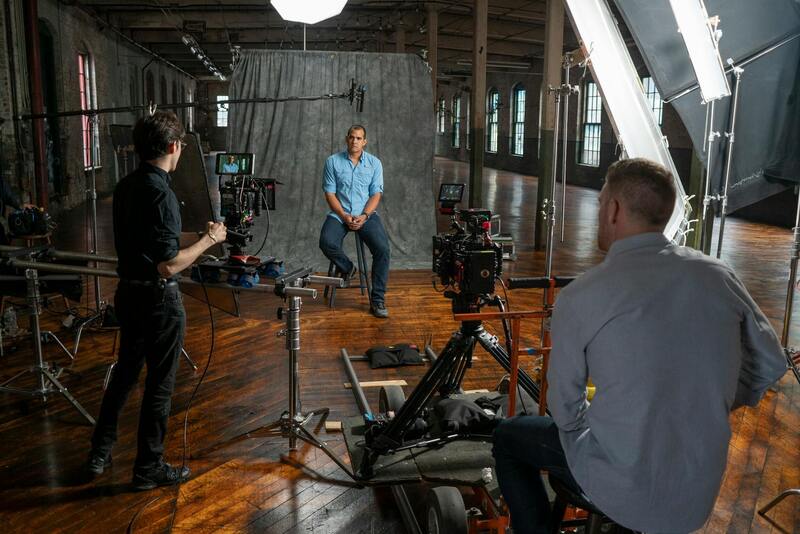
Incorporating strategic staging techniques also plays a vital role in Miami's competitive market. Ensuring spaces are decluttered, well-lit, and furnished to showcase their potential makes photographs more inviting. Focused angles that highlight key features such as waterfront views, modern kitchens, or expansive living areas can significantly influence buyer interest.
Photographers should also pay attention to weather conditions, scheduling shoots on days with clear skies to maximize natural light. Consistent camera settings and shot composition across different properties create a cohesive, professional portfolio that elevates the brand image of real estate listings.
Finally, integrating these best practices with a thorough understanding of Miami's diverse neighborhoods—from luxury waterfront condos to historic districts—ensures that each property’s unique appeal is accentuated, attracting the right target audience even before they visit.
Advanced Techniques for Enhancing Real Estate Photography
To effectively showcase properties and attract serious buyers, real estate professionals must leverage advanced photography techniques that enhance visual appeal and storytelling. High dynamic range (HDR) imaging is a critical tool that captures the full spectrum of light within a scene, resulting in images with balanced exposure—highlighting both bright exterior sunlight and shaded interior details. This technique ensures that all parts of a property are clearly visible, leaving a lasting impression.
Another essential approach involves the use of steady, professional-grade tripods coupled with remote shutter releases or timers. This setup minimizes camera shake and ensures sharp, high-resolution images, even in low-light conditions such as indoor spaces during dusk or night. When combined with meticulous composition—emphasizing symmetry, leading lines, and focal points—these tools produce images that feel inviting and architecturally accurate.
Implementing staged shot sequences can also significantly improve property presentation. Starting with exterior shots during the golden hour provides warm, appealing lighting that enhances curb appeal. Proceeding to interior shots, photographers should prioritize key rooms like the living area, kitchen, and master bedroom, capturing them from multiple angles to demonstrate space and functionality.
Furthermore, utilizing tilt-shift lenses can correct perspective distortions, particularly in tight spaces or when photographing tall buildings, maintaining the structural integrity of lines and proportions. For aerial property shots, drones equipped with high-definition cameras are invaluable for capturing expansive land parcels, waterfront views, and neighborhood context from above. These perspectives not only enhance visual storytelling but also give prospective buyers a sense of scale and environment.
Careful post-processing is equally important to refining these images. Adjustments to brightness, contrast, and color balance should be subtle, ensuring the photographs appear natural and accurate. Removing minor imperfections, such as dust spots or reflections, enhances professionalism without misleading viewers.
Implementing these advanced practices, combined with an understanding of Miami’s unique real estate landscape, allows photographers to produce images that stand out in a competitive market. High-quality visuals that accurately depict a property’s true character can significantly influence buyer decision-making, ultimately accelerating sales and maximizing property value.
Legal and Ethical Considerations
Producing top-tier real estate photography entails adhering to principles that uphold the trust and professionalism within the industry. Clear consent must be obtained before entering private premises, ensuring property owners are fully aware of the photography process and how the images will be used. This transparency fosters respectful collaborations and prevents misunderstandings that could compromise the integrity of the project.
Accurate representation is fundamental in real estate marketing. Photographers should avoid altering images in ways that could mislead potential buyers about a property’s condition or features. Subtle enhancements, such as correcting lighting or removing minor imperfections, are acceptable to present a property in its best light without distorting reality. Overly manipulated images risk setting false expectations and can undermine credibility.
Respecting privacy rights and intellectual property is equally important. When photographing features like artwork, personalized decor, or certain landscape elements, obtaining permission ensures that no proprietary or personal content is unlawfully displayed or distributed. Explicit consent safeguards against potential disputes and demonstrates ethical professionalism.
Furthermore, photographers should stay informed about local regulations pertaining to drone usage if aerial shots are incorporated. Complying with altitude restrictions, no-fly zones, and privacy regulations ensures the images are gathered within legal boundaries and minimizes risk to all parties involved.
By integrating these standards into daily workflow, real estate photographers help uphold the industry’s reputation while delivering high-quality images that meet both market expectations and ethical guidelines. This balanced approach enhances client confidence and ensures that marketing efforts remain honest and impactful, ultimately persuading viewers and accelerating property sales without compromising integrity.
Advanced Techniques for Real Estate Photography in Miami
To achieve the highest quality real estate photos that stand out in Miami’s competitive market, professional photographers employ a variety of advanced techniques. These methods ensure images accurately reflect the property’s features while highlighting its best attributes.
One key approach involves the use of high-dynamic-range (HDR) imaging. HDR combines multiple exposures of the same scene to produce a single image with balanced lighting, capturing both interior brightness and exterior shadows without losing detail. This technique is particularly effective for properties with extensive windows or in settings where lighting contrasts are stark, ensuring each room appears inviting and well-lit.
Similarly, the integration of panoramic shots offers a comprehensive view of large spaces or panoramic landscapes. These wide-angle images give potential buyers an immersive experience, allowing them to visualize the spatial relationships within the property or its surroundings more effectively than standard shots.
To capture the true essence of a property's ambiance, professional photographers often employ strategic lighting techniques. This includes the use of external flashes or continuous lighting to fill shadows and create a warm, welcoming atmosphere. Proper lighting not only enhances the aesthetic appeal but also ensures the photos are clear and detailed, aiding buyers in making informed decisions.
Another advanced method involves the use of drone photography, which is particularly effective for showcasing expansive outdoor spaces, waterfront properties, or aerial views of Miami’s iconic skyline. When used responsibly, drones can provide unique perspectives that traditional ground-level photography cannot achieve, enriching the overall property presentation.
Post-processing is also crucial in refining these images. High-end editing software allows photographers to correct and enhance contrast, color saturation, and sharpness without altering the real look of the property. This ensures the final images are vibrant, appealing, and true to reality, fostering trust with prospective buyers.
Utilizing Natural Light and Timing
Timing the shoot to coincide with optimal natural light conditions significantly impacts the quality of real estate photography. Early mornings or late afternoons, when sunlight is softer, often yield the most attractive results, especially when capturing Miami’s scenic outdoor spaces. Photographers plan their shoots during these windows to maximize natural illumination, reducing the need for excessive artificial lighting and maintaining authenticity.
Incorporating Lifestyle Elements
Another effective technique involves staging photographs to include lifestyle elements that resonate with potential buyers. Showcasing furniture, decor, or outdoor amenities helps viewers imagine themselves living in the space, creating an emotional connection that can influence purchasing decisions.
Legal and Ethical Considerations
When creating and utilizing real estate photos, adherence to certain standards ensures the integrity of your marketing efforts and builds trust with prospective buyers. High-quality imagery must accurately represent the property, avoiding any manipulations that could mislead viewers. This includes truthful lighting, the same or improved conditions at the time of shooting, and ensuring all included spaces are clean and well-staged.
Depending on the location and the nature of the property, certain permissions may be necessary, especially when photographing neighboring structures, private land, or restricted areas. Respect for privacy rights is paramount; photographs should refrain from capturing personal or sensitive information without consent. This ethical approach maintains professionalism and fosters a positive reputation within the Miami real estate market.
Furthermore, consistent branding and presentation standards across all images reinforce credibility. This entails using uniform color grading, angles, and lighting adjustments that align with the property's character and target audience expectations.
Incorporating these practices ensures that your real estate photos not only attract attention but also uphold a standard of honesty and respect. This transparency is crucial for building long-lasting relationships with clients, agents, and potential buyers.
Legal and Ethical Considerations
In the realm of real estate photography, adhering to established guidelines and standards is essential to maintaining integrity and transparency. These practices encompass respecting property rights, ensuring truthful representation, and safeguarding privacy. When capturing images of a property, it is important to secure permissions for areas that are private or restricted, preventing any inadvertent violations of rights or boundaries.
Constructing a trustworthy image involves truthful documentation; the photographs should accurately portray the property's current condition without deceptive enhancements. This approach not only aligns with professional standards but also fosters confidence among prospective buyers who rely on visuals to evaluate potential investments.
Respect for privacy is particularly significant when images include neighboring properties, private land, or personal details visible within the frame. Photographers must exercise diligence to avoid capturing sensitive information or personal spaces without explicit consent. This ethical stance enhances the reputation of your real estate marketing efforts and sustains positive relationships within the Miami real estate community.
Moreover, using consistent branding and visual language across all photos reinforces credibility. This includes maintaining uniform color schemes, lighting balance, and compositional integrity that resonate with the property's style and marketing objectives.
By applying these current best practices, real estate professionals can ensure that their visual marketing materials are both impactful and ethically sound. This commitment to honest portrayal and respectful documentation enhances client trust and supports sustainable success in competitive Miami markets.
Legal and Ethical Considerations in Real Estate Photography
Maintaining integrity and professionalism is crucial when capturing and utilizing real estate photos. Accurate representation of property features ensures that prospective buyers receive a truthful preview, reducing the risk of misunderstandings or misrepresentations that could impact transaction trustworthiness. Photographers must prioritize authenticity by avoiding exaggerated enhancements or alterations that could mislead viewers about the property's true condition.
Respecting privacy and property boundaries is paramount, especially within vibrant neighborhoods like Miami where neighboring properties or personal spaces may be visible in photos. Obtaining clear consent if private areas are included ensures that all parties are comfortable with the visual documentation. Photographers should exercise meticulous attention to framing, avoiding capturing sensitive information, private land, or personal belongings without permission.
Consistency in branding and visual presentation also plays a significant role. Uniform color tones, lighting, and compositional standards across images reinforce reliability and professionalism. Such practices contribute to building trust with potential clients, enabling them to form a clear, honest understanding of the property.
In an industry where reputation is built on credibility, adhering to these visual and ethical standards fosters positive relationships within the Miami real estate market. Transparent and respectful photography practices not only bolster the property's appeal but also demonstrate commitment to ethical marketing standards.