
Importance of Video Content in Real Estate Marketing
In the highly competitive Miami real estate market, brokers must leverage innovative strategies to attract potential clients and showcase properties effectively. Video content has emerged as a pivotal tool in this endeavor, offering a dynamic and immersive method to present properties and convey professionalism. Unlike static images or text descriptions, videos captivate viewers by providing a comprehensive view of a property’s features, layout, and ambiance, enabling prospective buyers to experience a virtual walk-through.
For real estate brokers operating in Miami’s diverse neighborhoods—from vibrant urban districts to serene waterfront communities—video marketing enhances visibility across digital platforms, making listings stand out in a crowded marketplace. It allows brokers to demonstrate their expertise, build trust, and establish credibility by providing transparent, high-quality visuals. This not only attracts more inquiries but also facilitates faster transactions, as buyers can make more informed decisions based on detailed visual information.
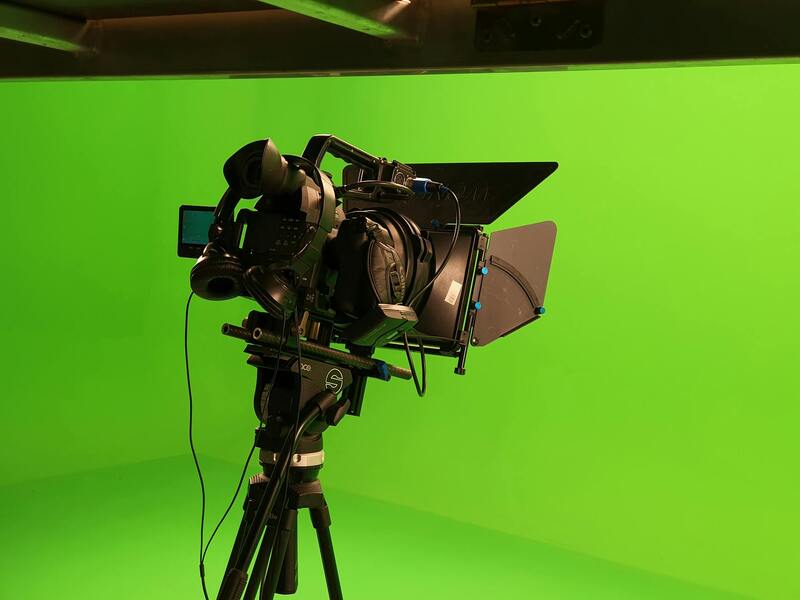
Pursuing effective video marketing strategies requires an understanding of content types, technical quality, and audience engagement metrics. As the digital landscape evolves, professionally produced broker videos serve as a cornerstone of modern real estate marketing, helping Miami brokers to establish a commanding online presence and foster long-term client relationships. By integrating compelling visual storytelling into their branding efforts, brokers can significantly elevate their market impact and achieve sustained success in a dynamic industry environment.
In this context, strategic investment in real estate broker videos is no longer optional—it is essential for those who aim to lead in Miami’s vibrant real estate market. From virtual tours to client testimonials, well-crafted videos offer a compelling narrative that draws clients closer and facilitates trust-based relationships. This aligns with the evolving consumer preference for digital-first engagement and provides a competitive edge that can translate into increased sales and reputation growth across the region.
Key Elements of Effective Property Videos
Creating impactful real estate broker videos requires attention to several critical components that ensure the content resonates with viewers and effectively communicates the property’s value. A well-crafted video not only showcases the property but also reflects the professionalism and credibility of the broker, establishing a lasting impression on potential clients.
Professional Visual Quality
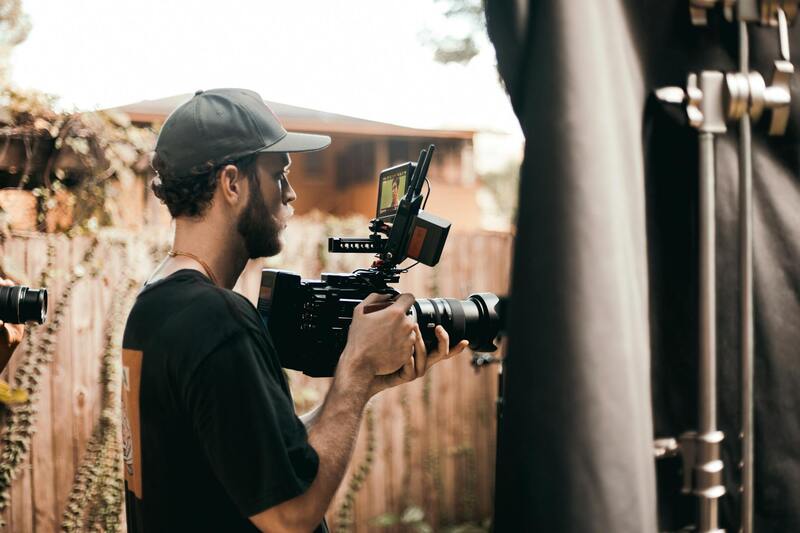
High-resolution footage with balanced lighting and stable camera work are essential to present the property in its best light. Utilizing professional equipment, such as drones for aerial shots and gimbals for smooth walkthroughs, can significantly elevate the visual appeal. Clear, sharp images help highlight features like spacious interiors, modern finishes, and outdoor amenities, making the property more appealing to prospective buyers.
Compelling Storytelling
A captivating narrative guides viewers through the property’s unique features and the lifestyle it offers. Narration or overlay text emphasizes key points such as recent renovations, energy-efficient appliances, or unique architectural elements. Storytelling fosters an emotional connection, encouraging potential buyers to envision themselves living in the space.
Strategic Lighting and Sound
Proper lighting enhances the visual clarity and mood of the video, making spaces appear bright and welcoming. Natural light is preferable, but supplemental lighting can fill shadows and highlight architectural details. Clear, crisp audio, whether through voice-over or background music, should complement visuals without overpowering them, ensuring viewers remain engaged without distraction.
Concise and Engaging Editing
Effective editing involves a thoughtful balance of pacing and information delivery. Lengthy videos can lead to viewer fatigue, so focusing on key areas and maintaining a dynamic flow keeps audiences engaged. Incorporate smooth transitions, highlight significant features, and include call-to-actions that prompt viewers to contact the broker or schedule a viewing.
Customization for Target Audience
Understanding the preferences of potential clients helps tailor the video’s tone and content. For luxury properties, emphasize exclusivity and premium features; for family homes, focus on community amenities and safety. Customization enhances relevance, increasing the likelihood of attracting serious inquiries.
Optimization for Different Platforms
Videos should be adaptable for various online channels, including social media, websites, and email campaigns. Formatting, length, and aspect ratio might vary depending on the platform, but maintaining consistent branding and messaging across all touchpoints ensures a cohesive marketing strategy. Incorporating relevant keywords and metadata further boosts visibility in search results.
Key Elements of Effective Property Videos
Creating impactful real estate broker videos requires a focus on several core components that elevate the viewer experience and effectively showcase properties. High-quality visuals serve as the foundation, capturing every detail from spacious interiors to exterior features in crisp resolution. These visuals should be well-lit, capturing natural light and highlighting architectural nuances that make each property unique.
Engaging narration or voice-over adds context, guiding potential buyers through the property’s features while maintaining a professional tone. The narration must be clear, articulate, and informative, emphasizing the property's key selling points without overwhelming the viewer with excessive detail.
Accurate and detailed property descriptions are essential, providing an informative overview that complements the visual content. Highlight aspects such as recent renovations, unique design elements, or community amenities to deepen the viewer's understanding and interest.
Best Practices for Producing Broker Videos in Miami
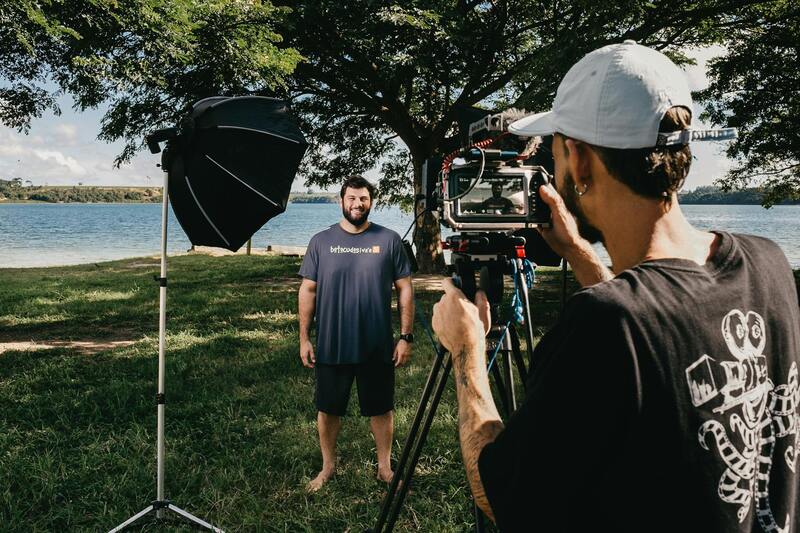
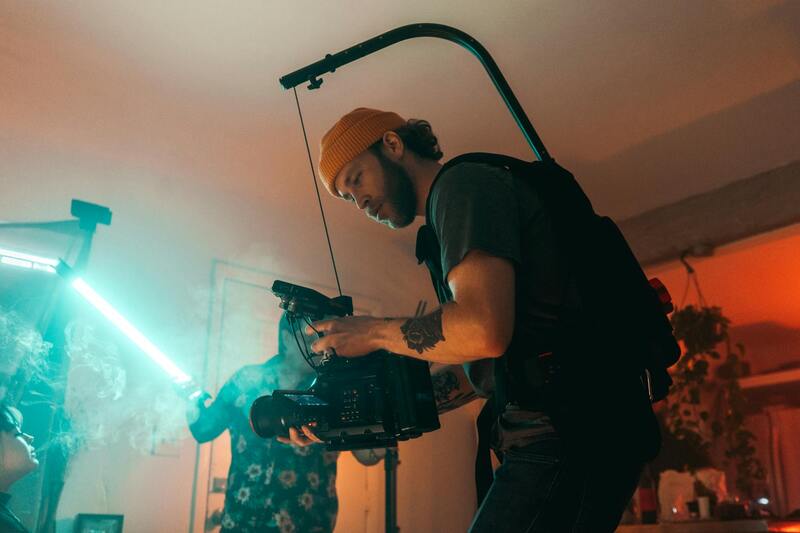
Producing high-caliber real estate videos in Miami involves meticulous planning and execution. Start with a clear storyboard to determine which features to emphasize and how to best showcase each property’s assets. Employ professional equipment, including drones or stabilization tools, to achieve smooth, dynamic shots that convey a sense of space and grandeur.
Lighting plays a crucial role; shooting during optimal times of day ensures natural illumination that makes spaces appear more inviting. Complement this with strategic indoor lighting to eliminate shadows and highlight interior details. Equally, crisp, clear audio quality is vital—use professional microphones and minimize background noise to maintain a polished presentation.
Effective editing should create a seamless flow, balancing pacing with informational content. Use transitions to guide viewers smoothly from room to room, highlighting significant features like custom finishes, panoramic views, or outdoor living spaces. Including a call-to-action at the end encourages viewers to contact the broker or schedule a viewing, turning passive viewers into potential clients.
Visual branding elements such as logos, contact information, or signature color schemes should be subtly integrated within the video to enhance brand recognition without distracting from the property showcase.
Integrating Video Content into Real Estate Marketing Strategies
To maximize the impact, videos should be woven into a comprehensive marketing campaign. Embedding videos on property listings, social media pages, and email newsletters ensures consistent and strategic brand messaging. When integrated correctly, videos increase engagement and dwell time, elevating a listing’s visibility among prospective buyers.
Optimizing videos for search engines involves using relevant keywords in titles and descriptions, along with proper metadata. This not only improves search engine rankings but also enhances discoverability across multiple platforms, including local Miami real estate searches.
Embedding virtual tours or 3D walkthroughs within a website enhances user experience, providing potential clients with an immersive preview that can influence their decision-making. Additionally, sharing short teaser clips on social media platforms can increase reach and encourage viewers to explore the full property video.
Legal and Ethical Considerations in Real Estate Videos
Adherence to legal and ethical standards in real estate video production is indispensable. Ensure all property footage accurately represents the space without exaggeration or misrepresentation, resulting in honest, transparent content. Securing necessary permissions for filming in private areas and obtaining consent from individuals appearing in videos are critical steps that uphold professional integrity.
Respect for privacy and intellectual property rights must be maintained, including appropriate credit for third-party visuals or music. Disclosures about property condition, pending offers, or other relevant information should be clearly included to provide full transparency.
Measuring the Effectiveness of Broker Videos
Evaluating the success of real estate videos involves analyzing various metrics, such as view counts, engagement rates, and lead conversions. Tracking viewer behavior—such as time spent watching, click-throughs to contact forms, or inquiries generated—helps determine how well the content resonates with the target audience.
Feedback from clients and prospective buyers can also provide valuable insights, guiding future video production strategies. Regular performance assessments enable brokers to refine content, enhance visual storytelling, and better align with market expectations, ultimately increasing the return on investment in video marketing efforts.
Best Practices for Producing Broker Videos in Miami
Creating compelling real estate broker videos requires meticulous attention to detail during production. To ensure your videos stand out, it’s essential to utilize professional filming techniques that highlight the property’s unique features while maintaining visual clarity and aesthetic appeal. High-quality equipment, such as DSLR or mirrorless cameras, can capture sharp images and vibrant colors that accurately represent the property's ambiance.
Proper lighting plays a vital role in enhancing the visual quality of the video. For indoor shots, utilize natural light whenever possible, supplemented by professional lighting kits to eliminate shadows and evenly illuminate the space. During exterior shoots, consider the time of day; golden hours—shortly after sunrise or before sunset—provide warm, inviting light that flatters architectural details.

Maintaining a consistent pacing in video editing ensures the viewer remains engaged without feeling overwhelmed. Use smooth transitions, such as cross-fades and gentle zooms, to create a cohesive flow throughout the tour. Incorporate steady camera movements, including pans and tilts, to showcase the layout naturally while avoiding shaky footage that can be distracting.
Editing is a critical phase where color correction, audio balancing, and scene sequencing are refined to produce a polished final product. Adding background music that complements the property's style can evoke the desired emotional response, but it should not overwhelm narration or natural sounds. Use voiceovers judiciously to highlight key features or provide context, ensuring clarity and a professional tone.
When filming exteriors, utilize drone footage responsibly to capture panoramic views and the surrounding neighborhood, offering prospective buyers a broader perspective of the property's locale. These shots can provide a competitive edge by portraying the property's setting in relation to local amenities, parks, and transportation options.
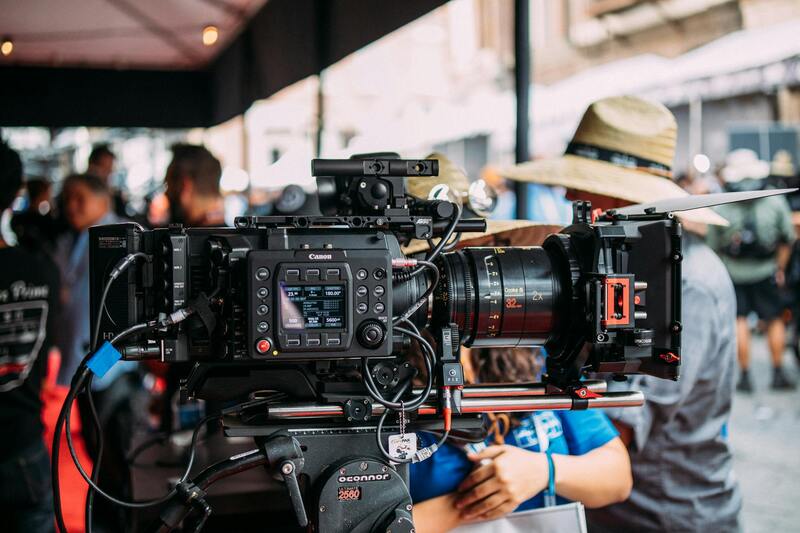
In addition to technical considerations, attention must be paid to scripting and storyboarding. Planning the sequence of shots to highlight the most attractive features ensures that the narrative flows logically and persuasively. A well-designed storyboard helps coordinate camera angles, transitions, and narration, ultimately resulting in a cohesive presentation that resonates with viewers.
Sound quality is equally important. Use professional microphones to capture clear audio, especially when including interviews or voiceovers. Removing background noise during editing enhances the overall viewing experience, making the content sound both polished and trustworthy.
Finally, local culture and architectural styles specific to Miami should be reflected through thoughtful shot selection and editing choices. Incorporating elements that emphasize Miami's vibrant lifestyle and scenic beauty can create an emotional connection with viewers, motivating them to take the next step in their property journey.
Legal and Ethical Considerations in Real Estate Videos
When creating and distributing real estate broker videos, adhering to established guidelines and standards is paramount to maintain professionalism and foster trust with prospective clients. Ensuring accuracy in property representation safeguards against miscommunication or perceptions of misleading content, which can adversely impact reputation and client relationships.
Authenticity in showcasing property features involves providing honest visual and verbal descriptions, avoiding exaggerated claims that could distort viewer expectations. Videos should accurately depict the property's condition, dimensions, and amenities, aligning with the details listed in the property description. This transparency promotes transparency and enhances the credibility of the brokerage service.
Respecting privacy and obtaining necessary permissions is essential, especially when including footage that involves neighbors, shared spaces, or private areas. Consent from relevant parties should be documented to prevent disputes and ensure all content complies with privacy standards.
Employing licensed and authorized equipment, such as drone footage, adds an extra layer of credibility and legal compliance. Drone operators must follow specific regulations governing aerial photography, including adherence to altitude restrictions and no-fly zones, to avoid violations that could lead to penalties or project delays.
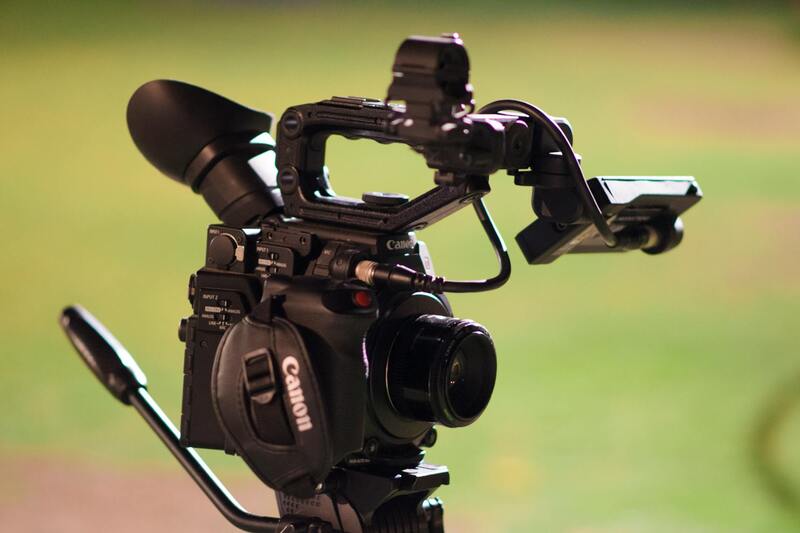
Implementing consistent branding with accurate contact information reinforces professionalism and helps potential clients reach out confidently. Avoiding misleading visuals or emotional manipulation ensures that the content remains a truthful representation of the property, fostering long-term trust and client satisfaction.
In summary, ethical video production in real estate requires meticulous attention to factual accuracy, respectful content creation, and compliance with standard practice guidelines. These elements collectively contribute to a reliable marketing approach that elevates a broker’s reputation and supports sustainable business growth in Miami’s dynamic property market.
Legal and Ethical Considerations in Real Estate Videos
When developing videos for real estate brokerage purposes, adherence to essential standards of transparency and integrity is paramount. Ensuring that all visual content accurately reflects the property's condition, features, and location helps in building trust among prospective clients. It is crucial to clearly disclose any modifications or enhancements made to the footage, such as digital staging or post-production edits, to prevent misleading representations that could diminish credibility.
Copyright considerations play a pivotal role in video production. Only use images, music, and footage that you own or have obtained proper rights to utilize. This mitigates potential legal conflicts and safeguards the reputation of the brokerage. Credit must be given appropriately when showcasing third-party content, and licenses should be reviewed to confirm compliant usage.
Privacy remains a key aspect covering the creation and sharing of real estate videos. Obtain explicit permissions from property owners, tenants, or other stakeholders before filming. This includes being diligent about revealing neighboring properties or private spaces that may appear in the footage. Maintaining a comprehensive record of consents helps prevent disputes and demonstrates professionalism.

Further, responsible usage of drone footage involves strict adherence to locality-specific regulations governing airspace. Drone operators should be certified and trained to ensure compliance with altitude and flight zone restrictions. All aerial recordings must be conducted with necessary permissions from relevant authorities, and footage should be used ethically to enhance property presentation without infringing on privacy rights.
Best Practices for Ethical Real Estate Video Production
- Accurate Representation: Maintain factual integrity by capturing true views of the property. Avoid staging or manipulating footage to create an overly favorable image that may mislead buyers.
- Transparent Disclosure: Clearly specify if any post-production edits or digital enhancements are applied to the videos.
- Proper Licensing: Use licensed music, images, and footage. Verify rights before incorporating third-party content to avoid copyright infringements.
- Consent Management: Secure written permissions from all parties involved, including tenants, neighbors, and property owners. Respect privacy boundaries and document all agreements.
- Compliance with Regulations: Follow all relevant aerial and filming regulations, especially when using drones or other specialized equipment.
Maintaining Professional Standards in Video Marketing
The integrity of a broker’s video content directly impacts its effectiveness and reputation. By adhering to these guidelines, real estate professionals can foster trust and confidence in their brand. Transparent and ethically produced videos not only attract qualified buyers but also contribute to a sustainable marketing strategy that aligns with industry best practices.
Legal and Ethical Considerations in Real Estate Videos
When creating videos for real estate purposes, especially in a vibrant and dynamic market like Miami, ensuring adherence to established standards and guidelines is crucial. This involves employing methods that uphold transparency, respect privacy, and accurately represent the property to prospective buyers. By focusing on legitimate practices, real estate brokers can enhance their credibility while providing potential clients with trustworthy and compelling visual content.
Maintaining Accurate Property Representation
One of the fundamental principles in producing real estate videos is to depict the property truthfully. This means capturing images that genuinely reflect the current state of the home, its features, and surroundings. Avoiding exaggeration or digital manipulation ensures that viewers receive an authentic view, fostering trust and setting realistic expectations. Accurate videos serve as a reliable source for prospective buyers to assess properties remotely, reducing misunderstandings and ensuring informed decision-making.
Transparency in Editing and Post-Production
When editing videos, it’s vital to disclose any enhancements or alterations made after the initial filming. Clearly indicating if certain visuals have been adjusted can help maintain transparency with viewers. This includes highlighting digital enhancements such as color correction, virtual staging, or any other modifications intended to improve visual appeal. Transparency builds confidence that the content they are viewing is a genuine portrayal of the property, aligning with professional standards and ethical marketing practices.
Proper Licensing and Usage Rights
Use of third-party content in real estate videos, like music, images, and footage, must be properly licensed. Securing rights and permissions before incorporating such elements ensures compliance with copyright laws. This practice not only prevents potential legal complications but also reflects a commitment to professional integrity. Licensed content enhances the quality of the presentation without risking infringement claims or damage to the broker’s reputation.
Consent Management and Privacy Respect
Obtaining clear, written consent from all individuals who might be visible or involved in the footage is essential. This includes tenants, neighbors, or property owners. Respecting privacy boundaries by informing involved parties about the purpose of filming and how the content will be used is a critical step. Keeping documentation of permissions not only protects against misunderstandings but also demonstrates a responsible approach to content creation.
Compliance with Regulatory Frameworks
Adherence to aerial filming regulations is particularly relevant when using drones or other specialized equipment. Securing necessary permissions and following prescribed guidelines ensures that footage collection complies with local laws and industry standards. Such diligence prevents legal issues, preserves the professionalism of the marketing material, and demonstrates a commitment to ethical operations.
Upholding Industry Standards for Video Marketing
By consistently applying these practices, real estate brokers reinforce their reputation for honesty and professionalism. Ethical video production not only attracts more qualified clients but also sustains a positive image in the Miami real estate community. These standards foster a trustworthy environment where consumers can confidently rely on visual content to inform their property decisions.
Legal and Ethical Considerations in Real Estate Videos
Creating professional real estate broker videos in Miami necessitates strict adherence to established standards that protect the interests of all parties involved. Respecting privacy rights and obtaining appropriate permissions are fundamental steps before filming. This involves securing written consent from property owners, tenants, or any individuals who may appear in the footage. Clear communication about the purpose of the video, how it will be used, and the distribution channels strengthens trust and fosters transparency.
Moreover, it's crucial to handle sensitive content responsibly. For instance, any personal or confidential information should be omitted from public videos, and footage should be curated to focus solely on the property's features. Maintaining a respectful approach minimizes the risk of misunderstandings or disputes and preserves the broker's professional reputation.
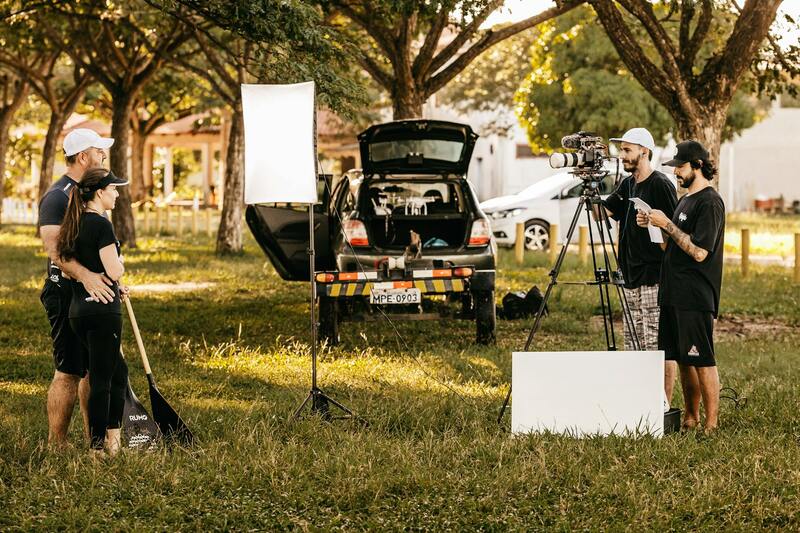
When employing advanced filming techniques such as aerial shots using drones, compliance with local regulations becomes essential. This includes securing necessary permits and following prescribed operational guidelines. Such diligence ensures that the content collection process aligns with regulatory expectations, preventing potential disruptions or legal complications.
In addition to technical compliance, industry standards should guide content quality and ethical considerations. High-quality visuals, truthful representations, and honest narratives are cornerstones of reputable property marketing. Ethical practices in video production serve to reinforce the trustworthiness of the broker within the Miami real estate community and attract discerning clients who value professionalism.
Maintaining Industry Standards for Video Content
- Adhere to all privacy and consent protocols for filming.
- Use aerial footage responsibly, securing all necessary permissions.
- Present accurate and honest property depictions.
- Respect the privacy of neighbors and unrelated third parties.
- Ensure all promotional claims are substantiated and truthful.
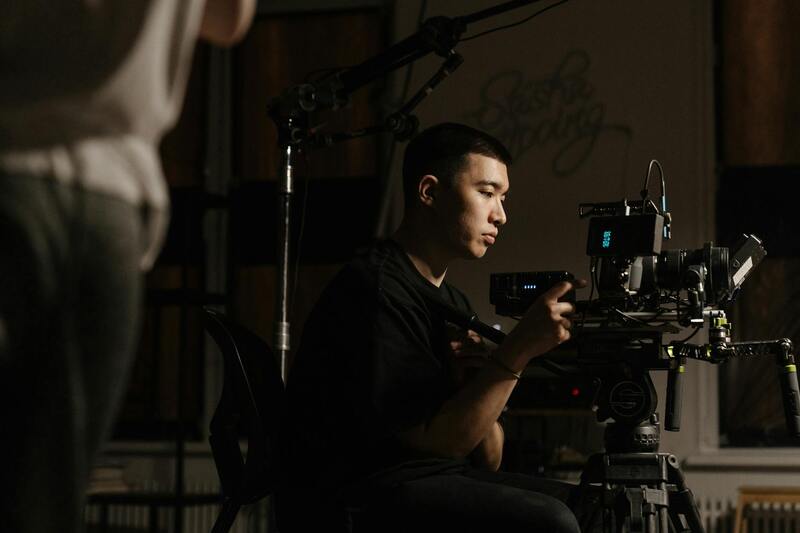
By diligently following these ethical and legal standards, Miami-based real estate brokers not only safeguard their operations but also foster a positive reputation that attracts high-quality clients. Trust and transparency are vital components of successful property marketing, especially in a competitive market environment where consumers rely heavily on visual content to inform their decisions.