
Importance of Video Marketing for Real Estate Agents
In the rapidly evolving landscape of real estate marketing, visual content has become a cornerstone for engaging potential buyers and sellers. Video marketing stands out as one of the most effective tools for showcasing properties efficiently and compellingly. With the proliferation of digital platforms and mobile devices, prospective clients increasingly prefer to consume video content for a comprehensive view of listings before scheduling in-person visits. This shift underscores the importance of integrating full property videos into your marketing strategy to differentiate your services and enhance client engagement.
High-quality videos provide a virtual walkthrough that captures every detail of a property, allowing viewers to experience the space as if they were physically present. This immersive approach not only generates heightened interest but also builds trust in your professionalism and attention to detail. By offering full-length videos, real estate agents can convey transparency and honesty, fostering a stronger connection with their audience. Consequently, professionally produced full videos contribute to faster sales cycles, higher visibility in digital marketplaces, and a competitive edge in a crowded industry.
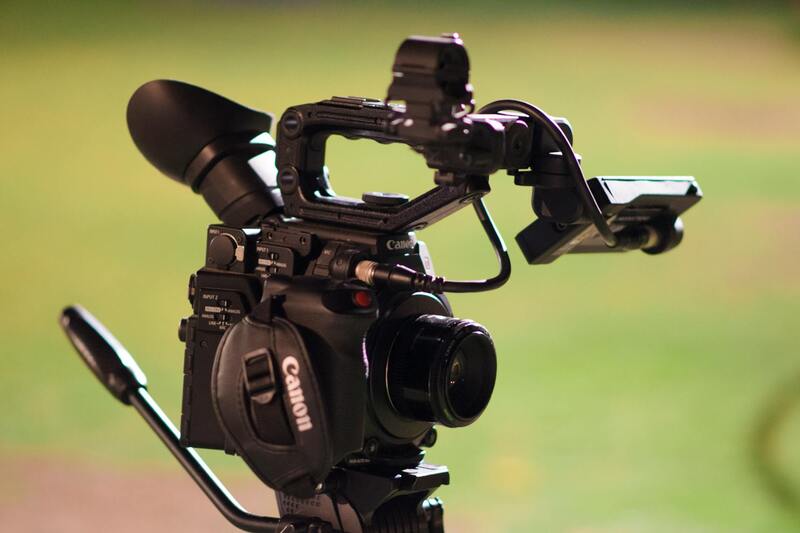
Implementing comprehensive video marketing strategies demonstrates an agent’s commitment to providing an in-depth view of listings, which is invaluable in today’s digital-first environment. The strategic use of well-crafted full videos not only attracts serious prospects but also enhances the overall reputation and credibility of real estate professionals. As the demand for visual content continues to rise, mastering the creation and promotion of full real estate videos becomes essential for success in the modern market.
Essential Elements of a Full Real Estate Video
Creating an impactful full property video involves several core components that showcase a property’s unique features while engaging viewers effectively. First and foremost, a well-structured narrative flow ensures viewers remain interested from start to finish. This typically involves a logical sequence that guides the audience through the property's exterior, interior, key rooms, and notable details, emphasizing flow and coherence.
Great visuals are complemented by high-quality audio, such as clear narration or ambient sound, which adds depth and professionalism to the presentation. Incorporating descriptive voiceovers helps highlight important aspects of the property that might otherwise be overlooked, while background music can enhance the viewing experience without overpowering the narration.
Another vital element is branding and contact information seamlessly integrated into the video. Including your agency logo and contact details ensures viewers know who to reach for inquiries, reinforcing brand recognition and credibility.
Additionally, incorporating call-to-action prompts encourages viewers to take the next step—whether viewing the property in person, contacting the agent, or visiting the listing on a website. This strategic call-to-action should be subtle yet compelling, seamlessly blended into the content.
Finally, ensuring the video aligns with the property's best features—such as a stunning backyard, modern kitchen, or spacious living areas—is crucial. Highlighting these areas with close-up shots or aerial footage can captivate audiences and provide a comprehensive understanding of the property’s appeal.

Video Shooting Techniques and Equipment
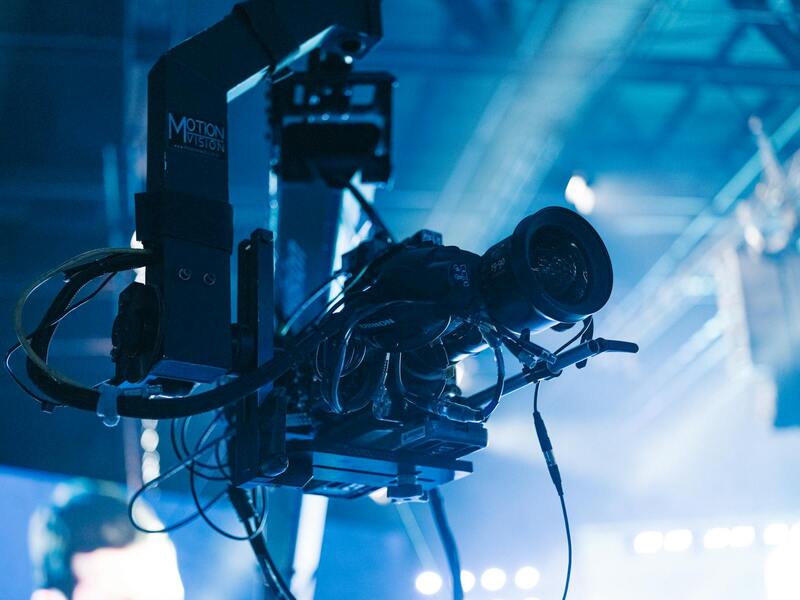
Effective shooting techniques are fundamental to capturing a property in its best light. Utilizing steady camera movements through tripods and gimbals reduces shakiness, ensuring smooth footage that exudes professionalism. Wide-angle lenses are essential for showcasing expansive spaces, giving viewers a sense of openness and scale.
Natural lighting plays a critical role; filming during the day when sunlight fills the rooms can vastly improve the aesthetic and appeal of the property. Supplementing natural light with professional lighting equipment ensures well-lit interiors, removing harsh shadows and highlighting architectural features.
Employing drone footage offers a compelling aerial perspective, providing a panoramic view of the property and its surroundings. Drones help convey the property’s size, landscape, and neighborhood context effectively, making your listing more attractive.
High-definition cameras are a must for crisp, clear images that reflect the property accurately. Pairing these with high-quality microphones ensures that narration and ambient sounds are captured clearly, adding depth to the final product.

Crafting a Comprehensive Storyline to Engage Viewers
Developing a compelling narrative is fundamental to creating an effective real estate video that captures attention and communicates the unique selling points of a property. Start with a detailed script that highlights key features, neighborhood advantages, and lifestyle benefits, ensuring the content resonates with target buyers. A well-structured storyline guides the viewer seamlessly through the property, from the welcoming entrance to the spacious living areas and outdoor amenities.
Incorporate storytelling elements that evoke emotion and imagination, allowing viewers to envision themselves living in the space. For example, illustrate the flow of daily life within the home, or emphasize the serenity of the surrounding environment. This approach not only informs but also inspires potential buyers, establishing an emotional connection that can lead to a quicker decision-making process.

Thorough planning also involves selecting the appropriate sequence of shots to ensure a logical progression. Include establishing shots to set context, detailed interior views to highlight design and features, and exterior panoramas to emphasize curb appeal. This sequencing enhances viewer engagement and ensures a comprehensive understanding of the property without overwhelming the audience.
Incorporating Attention-Grabbing Intros and Calls to Action
An impactful introduction captures viewer interest immediately. Use a combination of compelling visuals and succinct narration to set the tone, introduce property highlights, and invite viewers to explore further. Effective call-to-action prompts, such as encouraging viewers to contact for a private tour or visit the website for more information, are seamlessly integrated within the video to motivate engagement.
Utilizing branded elements, such as consistent logo placement and color schemes, reinforces your identity and fosters brand recognition. This consistency reinforces professionalism and trustworthiness, which are crucial for establishing authority and credibility in the real estate market.
Ensuring Authenticity Through Proper Video Techniques
To produce a compelling and trustworthy real estate video, employing accurate shooting techniques is essential. Utilizing high-quality cameras capable of capturing crisp, clear visuals ensures that property details are faithfully represented. Incorporate various shot angles, including wide-angle lenses, to showcase the full scope of rooms, highlighting spaciousness and flow. Proper stabilization equipment, such as gimbals or steadicams, prevents shaky footage that can detract from perceived professionalism and authenticity.
Lighting plays a pivotal role in visual clarity. Use natural light where possible or supplement with professional lighting setups to avoid dark or unevenly lit areas. This consideration makes spaces look more inviting and true to life. When capturing outdoor scenes, shoot in optimal weather conditions to emphasize property curb appeal and surrounding landscape features.
Audio quality also matters, especially when incorporating voiceovers or narration. Use high-quality microphones to achieve clear, crisp sound that complements the visuals without distraction. Authentic audio ensures that potential clients receive informative, engaging messages that reinforce the professionalism of your presentation.
In addition to technical equipment, skilled editing enhances footage authenticity. Color correction techniques verify that interiors and exteriors are accurately represented, preserving the true ambiance of the property. Consistent framing and pacing keep viewers engaged, guiding them seamlessly through the property’s features.
Legal and Ethical Considerations in Producing Full Real Estate Videos
Creating comprehensive real estate videos involves attention to safeguards that ensure all content is accurate, respectful, and transparent. While discussing content, it's essential to maintain a commitment to honesty in showcasing property features, community aspects, and neighborhood highlights. Misrepresenting any part of a property, whether through exaggerated visuals, misleading captions, or omission of critical details, can compromise trust and reputation.
Respecting the privacy rights of current residents and neighbors is paramount. This means obtaining explicit permission before including footage of private spaces, such as interior images of occupied homes or private outdoor areas. It’s as important to be sensitive when capturing neighboring properties or community amenities to avoid infringing on individuals' privacy.
When integrating testimonials or client reviews into the full video, accuracy is critical. Statements should reflect genuine experiences, and any endorsers should have provided clear consent to be featured. Ensuring that all endorsements are truthful helps maintain credibility and aligns with standards for honest business practices.
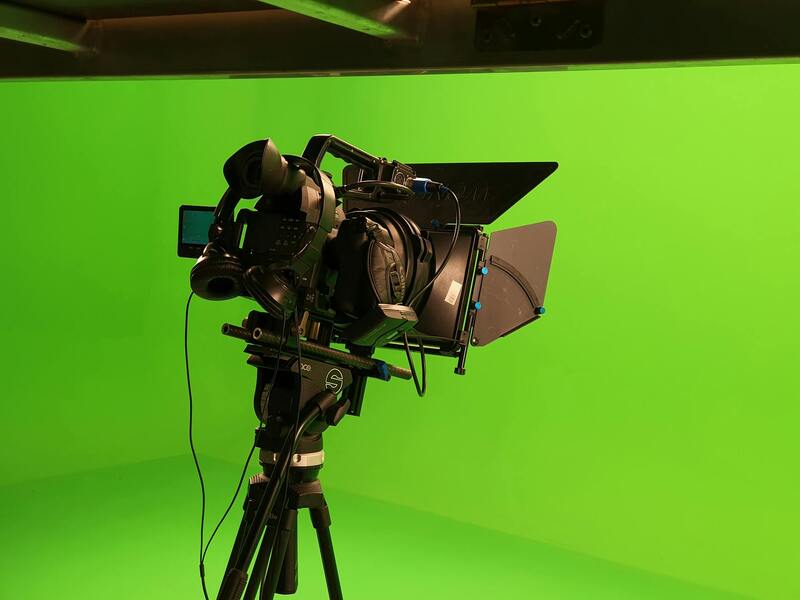
Visual consistency and factual accuracy are fundamental. For example, highlighting renovations, upgrades, or features should be supported by documentation or factual confirmation. If a property claims to have a newly renovated kitchen, it should genuinely reflect that upgrade, red flags included clearly, rather than obscuring shortcomings.
Additionally, adhering to local advertising standards and respectful marketing practices enhances the overall integrity of your videos. All claims should be factually substantiated, avoiding exaggerated statements or unverified promises that could mislead potential buyers.
Professionals producing full real estate videos must also consider copyright regulations for music, images, and other creative content included in the production. Using licensed resources or original content helps prevent potential disputes or claims of infringement.
By integrating these methods into the video creation process, real estate professionals reinforce their reputation for transparency and integrity, fostering stronger trust with prospective clients and establishing a solid foundation for lasting business relationships.
Legal and Ethical Considerations
Maintaining Transparency and Fair Representation
Creating a comprehensive real estate video involves adhering to honest depiction and accurate portrayal of properties. It is essential to provide genuine information about the home's features, layout, and condition to foster trust with prospective buyers. When showcasing property details, avoid embellishments that may lead to misinterpretation. For example, if a renovation was partial or still in progress, this should be clearly communicated to prevent misunderstandings.
Disclosing pertinent information, such as previous damages, repairs, or ongoing renovations, contributes to an open dialogue with viewers. Full disclosure ensures potential clients receive an authentic representation, aligning with expectations set during interactions and maintaining the professional standards of the industry.
Respecting Privacy and Confidentiality
Respect for client privacy is a fundamental consideration when producing real estate videos. It is vital to obtain explicit permission to feature individuals, especially during shots that may include personal belongings or private spaces. This includes ensuring consent from homeowners or tenants before filming. Moreover, sensitive information concerning property transactions or personal details should be omitted from video content, focusing solely on property highlights.
Adhering to Platform and Content Regulations
Each online platform—such as social media or video hosting sites—has specific guidelines regarding advertising content. Ensuring compliance with these standards helps maintain your videos' visibility and professionalism. This includes avoiding misleading claims and ensuring that all claims made within the video are substantiated with factual data.
Copyright and Intellectual Property Rights
Using copyrighted music, images, or footage without proper authorization poses risks to your credibility and can lead to legal complications. It is crucial to use licensed or original content for your videos. Employing royalty-free music, creating original visuals, and crediting sources when necessary safeguard your content against potential disputes.
Consistency in Branding and Messaging
All videos should reflect your professional brand identity, using consistent logos, colors, and messaging. This not only enhances visual recognition but also demonstrates professionalism and dedication to quality. Consistent branding across your full video series helps establish a coherent reputation that clients can trust.

Legal and Ethical Considerations
Producing a comprehensive real estate video demands meticulous attention to permissions, privacy, and adherence to established standards governing real estate advertising. Securing explicit authorization from property owners or tenants before filming is essential to ensure that all stakeholders are aware of and consent to the content being created. This process not only fosters trust but also reduces the risk of misunderstandings or disputes that could arise during or after production.
Respecting personal privacy is paramount. Videos should focus exclusively on showcasing the property’s features without revealing sensitive or personal information of individuals involved. For instance, interior shots should be devoid of personal belongings or private spaces that might inadvertently disclose confidential details. Proper framing and editing techniques are crucial to maintain a professional and respectful portrayal of the property.
Compliance extends beyond permissions and privacy. It is important to conform to local advertising regulations related to real estate promotions. This includes avoiding false or exaggerated claims about property features, pricing, or potential investment returns. Such practices ensure transparency and uphold the integrity of the marketing effort, enhancing the agent’s reputation and credibility within the community.

Additionally, agents must familiarize themselves with regulations specific to advertising standards in their jurisdiction. This might involve disclaimers about price fluctuations, conditions of sale, or other pertinent information. Incorporating clear, factual data contributes to a trustworthy presentation and aligns with best practices for honest marketing.
Ethically produced videos reinforce your commitment to transparency and professionalism. They serve as a testament to your dedication to representing properties and clients responsibly, thereby fostering long-term trust and satisfaction. By diligently managing permissions, respecting privacy, and adhering to advertising codes, real estate professionals reinforce their integrity and uphold the reputation of their services.
Legal and Ethical Considerations in Full Real Estate Videos
Creating comprehensive real estate videos entails a commitment to transparency, fairness, and respect for all parties involved. Ensuring that content adheres to established guidelines not only protects the interests of clients and viewers but also enhances the credibility of the agent. Transparency involves accurately representing the property’s features and conditions without misleading viewers through exaggerated claims or omissions. This requires carefully describing the property’s size, condition, and unique qualities in a manner that reflects reality.
Respecting privacy and permissions is foundational. Agents must secure explicit consent from property owners or relevant parties before filming, especially when capturing interior spaces or sensitive areas. It’s critical to avoid showcasing personal belongings or private spaces without clearance. Additionally, when filming in shared buildings or complexes, individuals’ privacy rights should be considered, and any footage that could identify residents must be handled with care.
Advertising standards specific to real estate should guide the content creation process. This includes ensuring that any claims about property features, potential ROI, or pricing are backed by factual data and clearly presented with appropriate disclosures. For instance, if a property is listed at a certain price point, it should be accurately stated, and any conditions or fluctuations should be noted to maintain transparency.
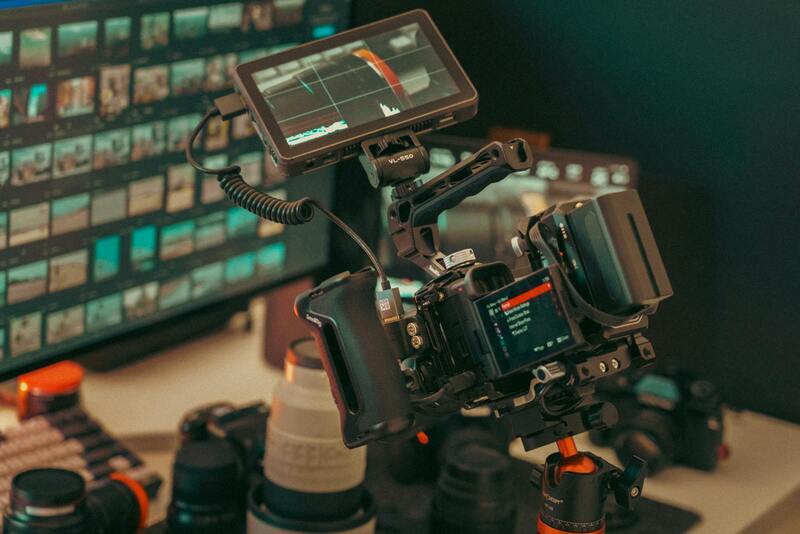
Additionally, ethical content creation should avoid any false endorsements or manipulative techniques such as deceptive editing that could mislead potential buyers or investors. Careful adherence to these practices underpins the reputation of the agent and the broader industry, fostering trust within the community.
Incorporating proper disclaimers where necessary, such as noting that all information is deemed reliable but not guaranteed, bolsters viewers' confidence. Clear communications about property conditions, legal stipulations, and market variables demonstrate a commitment to honesty and integrity.