
Importance of High-Quality Property Photography
In the vibrant and competitive real estate market of Miami, the significance of high-quality property photography cannot be overstated. Engaging visual content serves as the first point of contact between a property and potential buyers. In such a bustling environment, where numerous listings vie for attention, professional photography helps a property stand out by highlighting its best features with clarity and appeal. Effective property images drive more online engagement, increasing the likelihood of inquiries and physical visits. High-resolution photos that emphasize natural light, spaciousness, and attractive architectural elements create an emotional connection with viewers. For real estate agents and property owners, investing in professional photography translates into faster sales and often higher property prices due to the enhanced perceived value. Moreover, in Miami’s diverse market, where luxury condos, waterfront estates, and historic homes coexist, expert photography ensures that each property’s unique selling points are accurately depicted. The visibility generated through compelling images plays a critical role in marketing strategies, drawing in a broader audience and maximizing exposure across online platforms. The role of quality photography extends beyond mere aesthetics; it influences buyer perception and trust. Listings with inferior images risk being overlooked or dismissed, regardless of the property's actual value. Conversely, well-crafted photographs set the tone for a professional and trustworthy transaction process. To achieve this level of effectiveness, many property owners and real estate professionals turn to specialists in property photography within Miami. These experts possess a nuanced understanding of how to present each property optimally, harnessing their skills and equipment to produce images that attract attention and foster interest. Ultimately, investing in high-caliber property photography remains a cornerstone of successful real estate marketing. It offers a strategic advantage by showcasing properties in the best light possible, making the visual presentation a powerful tool for attracting serious buyers and generating sales momentum in Miami’s highly competitive market environment.
Choosing the Right Equipment and Techniques
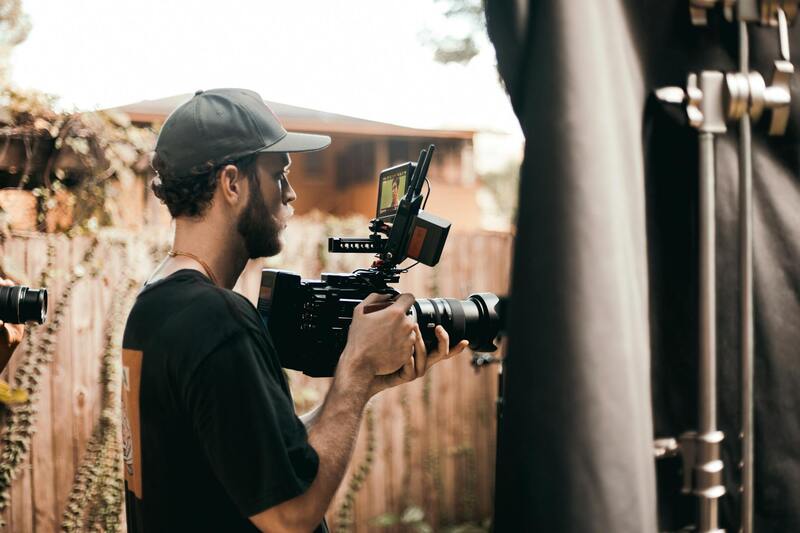
Employing specialized equipment and refined techniques is crucial for capturing compelling property images that resonate with prospective buyers. High-quality cameras with high-resolution capabilities allow for crisp, detailed shots that highlight the property's unique attributes. Wide-angle lenses are particularly effective in creating a sense of space, bringing rooms to life and allowing viewers to appreciate the layout and flow of the property. Tripods, for stability, ensure sharp images, especially in low-light conditions, while drone cameras can provide breathtaking aerial perspectives of larger estates or waterfront properties, adding an extra dimension to the listing.
In addition to equipment, mastering specific techniques enhances the quality of property photos. Proper use of natural light, typically during the golden hour—shortly after sunrise or before sunset—can create warm, inviting images. Diffusing harsh sunlight with reflectors or light modifiers softens shadows and maintains a balanced exposure throughout the photograph. Techniques such as HDR imaging help in capturing details in both bright and shadowed areas of a room, resulting in well-balanced images that accurately portray the space.
Understanding the importance of perspective is fundamental. Shooting from eye level or slightly above eye level helps avoid distortion and delivers a realistic view of the space. Carefully framing each shot to focus on the most appealing aspects of a property, such as architectural features or scenic views, directs viewers’ attention precisely where intended. When executed correctly, these technical considerations can dramatically elevate the visual presentation of a property to appeal more effectively to potential buyers.

Choosing the Right Equipment and Techniques
To produce captivating property images that accurately represent a space, investing in appropriate equipment and employing advanced techniques are essential. High-resolution DSLR or mirrorless cameras are preferred for their superior image quality, enabling clarity and fine detail capture. Wide-angle lenses, typically ranging from 14mm to 24mm, are valuable tools for architectural photography as they allow for expansive shots that reveal the full scope of interiors and exteriors without distortion. Proper tripod use provides stability during lengthy exposures, particularly useful in low-light scenarios or HDR workflows, ensuring crisp, sharp images. Drone photography has become increasingly vital for showcasing Miami properties with striking aerial views. Drones equipped with high-definition cameras can capture expansive landscapes, showing property boundaries, surrounding amenities, and neighborhood layouts that static photos cannot convey. When employing drone shots, understanding altitude control, framing, and angles ensures the images complement ground-level photography and present the property in the best possible light. Shooting techniques tailored for Miami properties include capturing during the optimal lighting window — often during golden hour to enhance warm tones and avoid harsh shadows. Bracketing exposures and combining them via HDR techniques help balance bright exterior conditions with shaded interior spaces or interior windows, resulting in images with detailed highlights and shadows. Utilizing proper framing and compositional rules, such as the rule of thirds, leads viewers’ eyes naturally across the scene, emphasizing your property's most attractive features. With proper equipment and technique, property photography transcends simple documentation. It transforms into a powerful visual storytelling tool capable of drawing in prospective buyers and generating increased interest.
Impact of Staging and Property Preparation
Meticulous staging and thorough property preparation significantly influence the effectiveness of property photography. A well-prepared home creates an inviting atmosphere that appeals to potential buyers. This process involves decluttering spaces, depersonalizing interiors, and ensuring that every room appears clean, bright, and welcoming. Freshly painted walls, neutral color palettes, and well-arranged furniture highlight the flow and functional use of each space. Staging should accentuate a property's best features while minimizing imperfections. For instance, arranging furniture to enhance spaciousness or highlighting architectural details like crown moldings or unique fixtures draws attention to the property's value. Proper lighting is integral; opening curtains and turning on all usable lights ensures rooms appear bright and lively in photos. Natural light, complemented by strategic artificial lighting, brings out the depth and color of interiors. Outdoor areas, including landscaping and driveways, should be meticulously maintained. Talented photographers can leverage well-staged exteriors by timing shoots during the golden hour, capturing warm tones that make outdoor spaces more appealing. In Miami, with its vibrant outdoor lifestyle, showcasing inviting patios, pools, or water views can be a decisive factor for buyers. Effective staging and preparation make the difference between ordinary images and compelling visuals that evoke emotion and desire, ultimately accelerating the sales process.
Legal and Ethical Considerations in Property Photography
When engaging in property photography, adhering to established standards ensures that visuals accurately represent the property without misleading potential buyers. Photographers should always operate with legitimate permission from property owners or authorized representatives prior to conducting photoshoots. This authorization not only respects property rights but also fosters trust between clients and service providers. In addition to permissions, photographers must avoid manipulations that could distort the property's true appearance. While enhancing images through skilled lighting adjustments and color correction is standard practice, altering structural features or adding elements not present during the shoot can mislead viewers. Maintaining transparency with clients about editing practices preserves integrity and aligns with professional standards. Photographers should also be vigilant when capturing images that include neighboring properties, public spaces, or other identifiable elements. Proper consent is necessary if these images are to be used in marketing, ensuring respect for privacy and property boundaries. Ethical practices extend to accurately portraying the property's condition, including its size, layout, and features, so that all promotional materials reflect an honest depiction. By respecting these parameters, property photography service providers maintain a reputable standing within the industry, fostering long-term relationships with real estate professionals and clients alike. Upholding high ethical standards not only benefits individual businesses but also amplifies trust within the real estate community, ultimately helping clients realize successful transactions.
Legal and Ethical Considerations in Property Photography
Adhering to established practices in property photography is essential for maintaining transparency and credibility in real estate marketing. It is crucial to accurately represent the property’s condition, layout, and features without resorting to manipulative techniques that could mislead viewers. Every image should reflect the true appearance of the property, capturing its true size, spatial relationships, and distinctive qualities, ensuring prospective buyers or renters receive a clear understanding of what is available.
Respecting privacy rights of neighbors and surrounding areas is another fundamental aspect. Photographers should obtain necessary permissions when capturing images that include neighboring properties, public spaces, or other identifiable elements. This approach not only respects privacy concerns but also prevents potential misunderstandings or disputes related to image usage.
Transparency in editing practices is equally important. While some enhancement techniques, such as adjusting brightness, contrast, or color balance, are standard and accepted, altering structural features or adding elements not present during the original shoot can compromise trust. Clearly communicating what post-production adjustments have been made fosters integrity and aligns with professional standards.
Moreover, photographers should meticulously review all visuals to confirm they are free from any distortions or inaccuracies. This diligence helps uphold the reputation of the service provider and ensures that clients are equipped with truthful images, facilitating well-informed decision-making.
Complying with industry-recognized guidelines and standards not only safeguards the interests of clients and viewers but also promotes a culture of professionalism within the property marketing sector. Ultimately, ethical property photography serves as a foundation for successful transactions, fostering long-term relationships based on trust and honesty.
Impact of Staging and Property Preparation
Effective property photography hinges significantly on the state of the property at the time of the shoot. Proper staging and meticulous preparation can elevate the visual appeal, making each photo more compelling and attractive to potential buyers or tenants. Staging involves arranging furniture, decor, and accessories in a way that highlights the property’s best features and helps viewers envision themselves living there. It creates a welcoming atmosphere that enhances the property's narrative and emotional appeal.
Preparation extends beyond staging to include cleaning, decluttering, and minor repairs. A spotless, well-maintained environment communicates care and attention to detail. Addressing issues such as stained carpets, broken fixtures, or peeling paint ensures that the images present an accurate and positive representation of the property. These efforts prevent viewers from forming a negative impression or misjudging the property's true condition upon inspection.
Exterior shots should emphasize curb appeal by tidying up landscaping, trimming bushes, and ensuring the driveway and sidewalks are clean. Strategic timing of the shoot, ideally during optimal lighting conditions such as golden hours, can further enhance visuals. Additionally, removing personal items from view preserves the neutral aesthetic, allowing prospective clients to focus solely on the property itself.
Proper property preparation is not just about aesthetics; it also involves ensuring safety and accessibility. Moving or securing fragile items and removing obstacles can facilitate smooth photography sessions and prevent damages. Keeping pathways clear and ensuring all rooms are well-lit help in capturing comprehensive and enticing images.
- Deep cleaning carpets, windows, and surfaces
- Rearranging furniture to maximize space
- Adding tasteful decor to highlight functionality
- Ensuring exterior angles showcase the property's best features
- Scheduling shoots at times with favorable natural lighting
Ultimately, meticulous staging and preparation create an environment where high-quality property photography can truly shine. When the property looks its best visually, it attracts more interest, facilitates faster sales, and supports a more dynamic marketing process.
Legal and Ethical Considerations
In the realm of property photography, adhering to established standards ensures that visuals are both accurate and respectful of all parties involved. Authenticity in images fortifies trust between agents, sellers, and prospective buyers, fostering transparent communication during the marketing process. When capturing property images, it is essential to obtain proper authorization for recording and sharing images of private spaces, especially in occupied residences. This process often involves clear communication with property owners or tenants, ensuring their privacy and consent are respected throughout the photography session.
Respecting privacy also entails avoiding the inclusion of sensitive or personal items in photographs. Clutter, confidential documents, or personal belongings should be stored away or removed beforehand. Such practices prevent inadvertent disclosure of private information and maintain a professional image. Additionally, authenticity must be preserved during post-production editing; filters, digital enhancements, or alterations should not distort the property’s true features, as misleading representations can undermine credibility and lead to mismatched expectations upon viewing.
When working with professionals, transparency about the editing process and a commitment to truthful representation underscore ethical responsibility. This approach not only safeguards the quality and reliability of property listings but also enhances the reputation of both the photographer and real estate agents involved.

Legal and Ethical Considerations in Property Photography
When conducting property photography, adhering to established protocols for respecting privacy and authenticity is crucial. It is imperative to obtain explicit permission from property owners or tenants before photographing their spaces, particularly if the residence is occupied. This ensures that all parties are aware of and comfortable with the images being captured and used in marketing efforts.
Maintaining transparency regarding the use of the images is vital. Clearly communicating which areas will be photographed and how the images will be utilized helps foster trust and prevents misunderstandings. Protecting personal information and sensitive items is also essential; clutter such as personal documents, financial statements, or personal belongings should be removed or obscured to uphold privacy standards.

Furthermore, preserving the authenticity of photographs during post-processing is a significant aspect of ethical property marketing. While enhancing images through editing is common, modifications should never alter the appearance of the property in a way that misleads viewers. Digital adjustments should aim to accurately represent the space, avoiding exaggerated features or false impressions that could lead to mismatched expectations upon viewing.
Transparency about any enhancements made during editing reinforces credibility, both for photographers and real estate professionals. Maintaining integrity in visual representations contributes to a trustworthy reputation, encouraging genuine interest from prospective buyers.
Integrating Property Photography into Marketing Strategies
High-quality property images play a central role in a comprehensive marketing approach. They serve as the visual foundation for online listings, social media campaigns, and printed promotional materials. Including a diverse range of well-composed photographs—covering key areas such as exteriors, interiors, unique features, and views—can significantly boost engagement and attract qualified buyers.
To maximize impact, property photography should be strategically aligned with broader marketing efforts:
- Online Listings: Use captivating images to draw attention and encourage clicks. Incorporate multiple angles and highlight standout features.
- Social Media Campaigns: Share visually appealing photos to generate buzz and reach targeted audiences. Visual storytelling through professional images enhances brand presence.
- Virtual Tours and 3D Renderings: Combine high-quality imagery with immersive technologies to offer virtual walkthroughs, expanding reach beyond physical viewings.
- Print Advertising: Utilize high-resolution images in brochures, flyers, and signage to leave a lasting impression.
Consistent use of high-caliber property photography not only elevates listings but also strengthens the overall marketing strategy, fostering trust and engagement among potential buyers.
Selecting a Miami-Based Property Photography Service
Choosing a local expert with specialized knowledge of the Miami real estate market can profoundly impact the effectiveness of property marketing efforts. Local photographers understand regional architectural styles, natural lighting conditions, and area-specific preferences, ensuring that images resonate with target audiences.
When evaluating potential service providers, consider their portfolio, experience, and reputation for professionalism. An established Miami-based firm will have the equipment, techniques, and understanding necessary to capture properties at their best, regardless of unique local challenges such as floodlights, ocean views, or urban environments.
Effective collaboration with a professional team can streamline the process, from scheduling to editing, ensuring timely delivery of compelling images that align with your marketing goals. Investing in quality property photography tailored to Miami’s vibrant real estate scene can significantly accelerate property sales and elevate your brand in a competitive market.