
Importance of High-Quality Realtor Photos
In the competitive Miami real estate market, the presentation of a property significantly influences buyer engagement and sales outcomes. High-quality realtor photos serve as a vital tool to showcase a property's best features, create a compelling first impression, and stimulate emotional connection with potential buyers. Professionally captured images help highlight the property’s unique architectural details, interior design, and outdoor spaces, making listings more attractive and memorable.
Research consistently demonstrates that listings with superior visual content garner increased online interest, resulting in higher click-through rates and more scheduled viewings. When prospective buyers browse listings, their decision to visit a property often hinges on the quality of photographs. Professional photos help convey a sense of space, light, and lifestyle, which are crucial factors in attracting motivated buyers.
Moreover, aesthetically pleasing images foster trustworthiness and professionalism, reinforcing the credibility of the listing agent and the property itself. This is especially vital in the Miami market, where diverse architectural styles and luxurious properties demand a refined visual presentation. Employing professional photography enhances the perceived value of a property, often leading to faster sales at favorable prices.
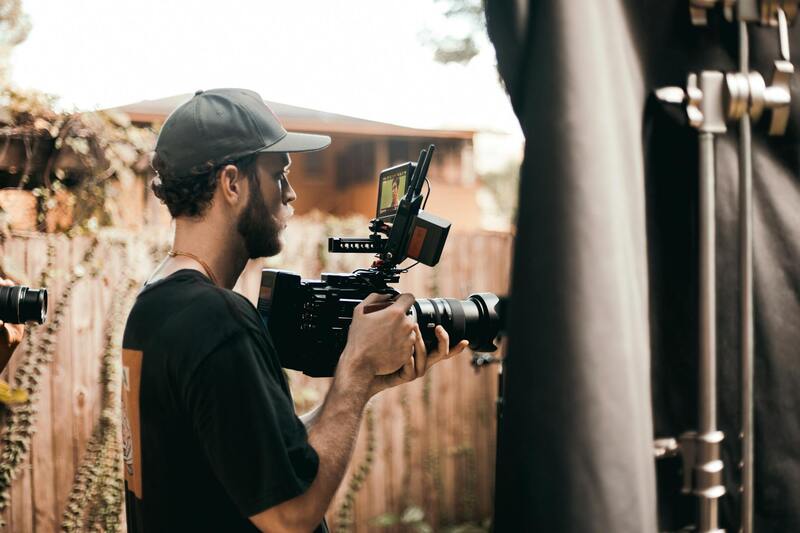
Investing in professional realtor photos is an essential strategy for real estate agents and property owners aiming to maximize their property's marketability. Well-executed images not only serve digital marketing campaigns but also bolster print advertisements, virtual tours, and other promotional efforts. As the Miami market continues to grow and evolve, the value of compelling visual content remains a cornerstone of successful property sales, ensuring listings stand out amidst fierce competition.
Key Elements of Effective Realtor Photography
Achieving compelling real estate images requires attention to several fundamental elements that collectively enhance the visual appeal of a property. These elements include strategic lighting, thoughtful composition, accurate staging, and appropriate camera techniques, all tailored to highlight the property's best features and create an inviting atmosphere.
Optimal Lighting
Lighting plays a pivotal role in real estate photography. Natural light is preferred as it illuminates spaces evenly and highlights architectural details, creating a warm and welcoming ambiance. Photos taken during the daytime, preferably with overcast conditions or during golden hour, reduce harsh shadows and enhance color accuracy. When natural light is insufficient, professional photographers use high-quality lighting equipment to maintain consistency across images, ensuring each room appears bright and inviting without looking artificially illuminated.
Thoughtful Composition
Composition involves framing and perspective choices that emphasize the property's most attractive features. Photographers often employ techniques such as the rule of thirds, leading lines, and strategic angles to draw attention to key areas like spacious living rooms, scenic views, or luxurious amenities. Wide-angle lenses are commonly used to capture the full scope of a space, creating a sense of openness that appeals to potential buyers. Ensuring a clutter-free environment and removing personal items during the shoot further enhances the visual clarity and focus on the property.
Staging and Decor
Proper staging prepares a home for photography by arranging furniture and decor to showcase space functionality and style. Neutral tones, minimalist arrangements, and cohesive design elements help create a versatile and appealing look. It's ideal to highlight unique architectural features or luxurious details that convey the lifestyle offered by the property. Well-staged spaces enable viewers to imagine themselves living in the home, making the listing more compelling.
Advanced Camera Techniques
Utilizing professional-grade equipment and post-processing techniques ensures the highest quality results. High-resolution cameras with wide-angle capabilities capture detailed images with minimal distortion. Skilled editors adjust brightness, contrast, and color saturation to produce crisp, vibrant photographs that stay true to the property's real appearance. Properly processed images avoid over-editing while enhancing the property's best qualities, ultimately making listings more attractive and trustworthy.
In summary, effective realtor photography hinges on a combination of lighting mastery, composition techniques, thoughtful staging, and advanced photographic methods. Each element contributes to creating images that not only attract attention but also foster trust and interest among prospective buyers. When these principles are executed by a skilled professional, they significantly elevate the marketing potential of real estate listings, particularly in a competitive market such as Miami."}
Preparing Properties for Professional Photos
Effective real estate marketing begins long before the camera clicks. Proper preparation of the property ensures that each photograph highlights the home’s full potential, creating an inviting and aspirational image that appeals to prospective buyers. This process involves meticulous staging, cleaning, and arranging spaces so that they appear both welcoming and visually compelling.
Staging plays a critical role in presenting a property's best features. Neutral color palettes, decluttered surfaces, and well-placed furniture help create a cohesive look that emphasizes spaciousness and functionality. It’s important to clear personal items and excess decorations that may distract viewers; instead, focus on strategically placed accent pieces that enhance the property's architectural features and interior design.
Lighting is another key aspect of preparing a home for photography. Natural light should be maximized by opening curtains and blinds, while any artificial lighting should be evenly distributed to eliminate shadows. In some cases, professional photographers use supplementary lighting equipment to ensure that interiors are illuminated in a way that reflects how the space appears during daylight hours.

Achieving optimal results also involves addressing minor repairs and cosmetic touch-ups—fixing leaky faucets, repainting chipped walls, or replacing outdated fixtures—so that the property looks well-maintained. These small details can significantly influence a photoshoot’s outcome, helping to underscore the property’s best qualities without unnecessary distractions.
In addition to interior preparations, exterior presentation should not be overlooked. Landscaping should be tidy, pathways clear, and outdoor spaces well-maintained to convey curb appeal. Professional photographers often capture exterior shots during optimal lighting conditions—typically early mornings or late afternoons—to enhance the home’s visual impact.
By thoroughly preparing a property, real estate professionals can ensure that the resulting photographs accurately depict the home’s appeal, attract engaged viewers, and ultimately facilitate quicker sales. These preparations set the stage for professional photographers to do their best work, translating the property’s tangible qualities into compelling visuals that resonate in the Miami real estate market.
Key Elements of Effective Realtor Photography
Capturing a property through professional photography hinges on several critical components that elevate its market appeal. First and foremost, lighting plays a pivotal role; natural light is preferred whenever possible because it renders spaces more inviting and true to their actual appearance. Photographers often schedule shoots during the golden hours—early morning or late afternoon—to leverage soft sunlight that enhances textures and colors without harsh shadows.
Properly composed shots are equally essential. This encompasses selecting angles that showcase a room’s best features while maintaining a balanced perspective. Wide-angle lenses are common in realtor photography as they create a sense of space, but they must be used judiciously to avoid distortion. Ensuring that lines are straight and that vertical and horizontal elements align properly helps maintain realism and professionalism in each image.
Consistent color balance and post-processing adjustments further refine images, ensuring they appear vibrant yet natural. Over-editing or overly saturated photos can mislead viewers and diminish trust. Subtle enhancements—such as brightness, contrast, and sharpening—bring out details comfortably seen to the eye, making each shot more compelling.
Additionally, the focus should be on highlighting the property's unique attributes. Features like a modern kitchen, spacious living areas, or scenic outdoor views should be intentionally framed to maximize visual impact. Careful arrangement of furniture, removal of clutter, and use of staging elements can help create an environment that looks both warm and spacious.
Choosing the Right Photography Style
Selecting an appropriate style is vital for aligning the images with the property type and target audience. Conventional real estate photography emphasizes clarity, true-to-life colors, and a clean aesthetic, ensuring prospective buyers can accurately assess the home’s condition. On the other hand, lifestyle or staging-focused photography incorporates human elements or staged scenes that evoke emotional resonance, encouraging viewers to envision themselves living in the space.
While different styles serve distinct marketing strategies, the goal remains consistent: to produce images that are authentic, attractive, and capable of compelling viewers to engage further with the property listing.
Best Practices for Realtor Photos in Miami Market
Capturing the vibrant and diverse Miami real estate market requires more than just good lighting and equipment; it demands adherence to best practices that enhance the visual appeal and effectiveness of property images. Implementing consistent techniques ensures that each listing stands out and attracts the right audience.
Optimal Timing and Natural Light Use
Timing is pivotal when scheduling professional photography sessions. Generally, early morning or late afternoon offers gentler sunlight that produces warm, inviting images without harsh shadows. Utilizing natural light minimizes the need for extensive editing and produces more authentic visuals that resonate with viewers.
Strategic Framing and Composition
The composition of each shot plays a crucial role in emphasizing the property’s best features. Techniques such as the rule of thirds, leading lines, and proper horizon placement guide viewers' eyes through the space naturally. Wide-angle lenses are commonly used to capture expansive rooms, making spaces appear larger and more welcoming, but must be used judiciously to prevent distortion.
Consistency Across Listings
Maintaining a uniform style and quality across all property images reinforces brand professionalism and helps prospective buyers develop familiarity with your listings. This includes standardized angles, color tones, and post-processing workflows, ensuring each property is presented cohesively within your portfolio.
Post-Processing with Precision
While editing should enhance the natural beauty of the space, excessive manipulation can distort perceptions. Adjustments should focus on correcting exposure, color balance, and sharpness to accurately depict the property. Subtle retouching removes distracting elements like smudges or minor imperfections, presenting the home in its best light without compromising authenticity.
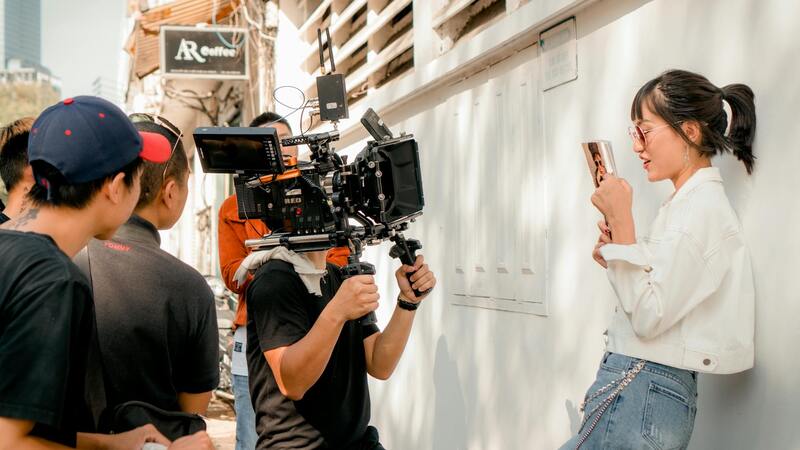
Highlighting Property Features Effectively
Identifying and emphasizing key features such as unique architectural elements, scenic views, or custom upgrades can dramatically influence viewer interest. Using angles that accentuate these attributes turns ordinary images into compelling visual stories, inspiring potential buyers to envision their future living space.
Optimizing for Different Platforms
Realtor photos should be tailored to suit various marketing channels, including online listings, social media, and print advertisements. High-resolution images are essential for listings on real estate portals, while smaller, optimized versions work better for social media posts without compromising quality. Consistently formatted images that load quickly improve user experience and engagement.
Best Practices for Realtor Photos in Miami Market
Effective realtor photography in Miami hinges on understanding the unique characteristics and preferences of this vibrant real estate market. When capturing properties, attention to lighting is essential, especially considering Miami’s abundant sunlight and bright outdoor environments. Photographers should aim to shoot during the golden hour—shortly after sunrise or before sunset—to harness soft, warm light that enhances architectural features and natural surroundings. This approach also minimizes harsh shadows and overexposed areas, resulting in balanced, inviting images.
Local aesthetic preferences play a significant role in how properties are marketed visually. Miami homes often boast modern designs, luxurious finishes, and scenic waterfront views. Such features should be highlighted through strategic angles and composition. To capture waterfront or skyline views effectively, wide-angle lenses are indispensable, allowing images to convey the grandeur of the property while maintaining clarity and proportion. Additionally, showcasing outdoor living spaces—rooftop terraces, lush gardens, pools—is crucial, as they appeal to the lifestyle aspirations of buyers in the area.
Incorporating Local Elements in Visual Content
- Architectural Details: Emphasize Miami’s distinctive architectural styles such as Art Deco, Mediterranean, or contemporary designs to attract niche audiences.
- Natural Landscapes: Include scenic backgrounds like beaches, water views, or lush landscaping to showcase the property's surroundings.
- Interior Design: Highlight modern interiors, open-concept layouts, and high-end finishes that resonate with Miami's upscale market.
Ensuring Consistency and Quality
Consistency in style and quality across all property images reinforces professionalism and brand reputation. Standardizing shooting techniques—such as maintaining uniform angles, color tones, and post-processing workflows—creates a cohesive visual narrative for your listings. This consistency reassures prospective buyers and facilitates smoother marketing efforts across various platforms.
Best Practices for Realtor Photos in Miami Market
In the competitive Miami real estate environment, leveraging high-quality realtor photos is essential for attracting serious buyers and standing out among numerous listings. To maximize the impact of professional photographs, realtors need to adhere to tailored best practices that resonate with the Miami market's unique characteristics and buyer preferences. These practices not only enhance visual appeal but also build a trustworthy and professional brand presence.
Optimizing Lighting and Timing
Proper lighting is fundamental to creating compelling realtor images. Shooting during the golden hour—shortly after sunrise or before sunset—bestows warm, inviting tones that highlight the property's features and create an emotional connection. Natural light accentuates interior finishes and enhances outdoor views, making spaces appear more spacious and welcoming. Supplementing ambient light with professional lighting equipment ensures details are sharp and shadows are minimized, especially in interior shots with limited natural light.
Consistent Image Style and Brand Identity
Maintaining consistency in image style—such as color palette, angles, and composition—reinforces a realtor's brand identity. Establishing standard guidelines for post-processing, including saturation, contrast, and sharpness, ensures uniformity across all listing photos. The Miami market’s diverse architectural styles benefit from a flexible approach, but consistency helps clients recognize and trust your professional touch. A cohesive visual presentation across listings builds credibility and nurtures leads.
Highlighting Unique Selling Points
Miami's properties often feature distinctive elements like ocean views, luxury pools, or iconic architectural styles. Effective realtor photos focus on these features by using strategic angles and framing to emphasize their appeal. Macro shots of intricate architectural details, capturing the play of natural light on modern finishes, and showcasing stunning outdoor spaces during the right time of day all contribute to an immersive viewing experience. Properly capturing these specifics can make listings more memorable and enticing to potential buyers.
Incorporating Lifestyle and Contextual Shots
Beyond the physical attributes of a property, representing the Miami lifestyle through contextual photos helps buyers envision living in the space. Shots of outdoor patios with skyline views, beach proximities, or vibrant neighborhood scenes add depth to listings. Including images that depict local elements—such as vibrant cityscapes, lush greenery, or the nearby waterfront—connect potential clients emotionally to the property and the vibrant Miami lifestyle.
Technical Precision and Equipment
Employing the right equipment and techniques is critical for achieving professional results. Wide-angle lenses are crucial for capturing spacious interiors and expansive outdoor areas accurately without distortion. Tripods ensure stability and precise framing, while high dynamic range (HDR) techniques help balance bright exterior scenes with interior lighting. Post-processing should enhance clarity and color fidelity without oversaturation, preserving the authenticity of the property’s appearance.
Investing in these best practices ensures that each listing not only attracts attention but also communicates professionalism and trustworthiness to prospective buyers. Miami’s dynamic market rewards photography that is meticulously executed, visually striking, and true to the property’s best features, ultimately facilitating faster sales and higher engagement.
Enhancing Your Listing's Visibility Through Strategic Photo Integration
In the competitive Miami real estate market, the presentation of property images extends beyond individual photographs to encompass a comprehensive marketing strategy. High-quality realtor photos are a cornerstone of attracting serious buyers, yet their true potential is unlocked when seamlessly integrated into various marketing channels. This strategic integration ensures consistent branding, maximizes exposure, and enhances engagement across multiple platforms.
Leveraging Digital Platforms for Maximum Reach
Property images should be optimized for various digital channels to reach a broader audience. High-resolution images facilitate clarity and detail when displayed on websites, social media, and online listing portals. Implementing a uniform style across platforms helps cultivate a recognizable brand identity, emphasizing professionalism and trustworthiness. Consistency in photo presentation fosters buyer confidence and creates memorable impressions that differentiate your listings in Miami's bustling market.
Website Optimization
Your real estate website is the digital storefront that showcases your property portfolio. Incorporate professionally shot realtor photos prominently on property pages, ensuring images load quickly without sacrificing quality. Use compelling images as the focal point of listings, accompanied by detailed descriptions and virtual tours to engage prospective buyers effectively. Properly formatted images enhance site navigation, making it easier for visitors to explore properties and encouraging longer visits.
Social Media Campaigns
Social media platforms like Instagram, Facebook, and LinkedIn are vital for real estate marketing. Curate collections of high-quality images that highlight the most appealing aspects of each property. Dynamic content such as carousel posts, stories, and reels leverage visuals to generate interest and shares. Consistent branding, including watermarks or logos integrated into images, builds brand recognition while protecting your visual assets.
Online Listings and Marketplaces
Listings on popular real estate portals should feature professional realtor photos as the initial point of engagement. Ensure images are properly sized, correctly formatted, and reflect the property’s best features to attract clicks and inquiries. Consider adding virtual staging images where appropriate, as they can help buyers visualize living in the space without physical alterations. Quality imagery coupled with descriptive, keyword-rich content enhances search visibility and drives traffic to your listings.

Utilizing Offline Marketing for Comprehensive Branding
While digital strategies dominate, traditional marketing methods remain effective when combined with high-quality images. Printed brochures, flyers, and direct mail campaigns should feature professionally captured images to create tangible representations of your listings. These materials serve as physical touchpoints that reinforce brand consistency and professionalism, particularly in high-net-worth communities and luxury neighborhoods throughout Miami.
High-Impact Print Materials
- Brochures with glossy, high-resolution images that showcase the property’s best angles and features.
- Magnetic listings for targeted neighborhood distribution.
- Postcards with captivating images designed to generate leads for open houses.
Event and Open House Promotions
Using captivating photographer images in event marketing materials attracts visitors and creates buzz. Enhanced visuals can be featured on signage, banners, and presentation boards, emphasizing the elegance and unique attributes of each property. During open houses, high-quality photographs displayed on screens or printed materials help convey the property’s story and ambiance effectively, encouraging potential buyers to envision themselves living in the space.
Conclusion
Maximizing the impact of realtor photos requires a strategic approach that seamlessly blends visual assets across digital and offline marketing channels. Professional realtor photography tailored to Miami’s diverse neighborhoods ensures captivating, authentic images that resonate with prospective buyers. This integrated approach not only boosts listing visibility but also fosters a perception of quality and reliability, ultimately accelerating sales and establishing a strong market presence.