
Importance of Professional Real Estate Photos
In the highly competitive real estate market, the quality of property images can significantly influence the speed and success of a sale. Professional real estate photos serve as a powerful marketing tool, capturing the true essence and appeal of a property. When potential buyers browse online listings, the first impression often depends on the visual content presented. High-resolution, well-composed images not only attract more clicks but also encourage viewers to spend more time exploring the property details. This increased engagement can lead to higher inquiries, more showings, and ultimately, faster transactions.
Enhanced visual representation helps highlight a property’s best features, such as spacious interiors, modern upgrades, and desirable layouts. Clear, bright images convey a sense of cleanliness, warmth, and livability, making the property more enticing. Conversely, poor-quality photos can diminish perceived value, deter interest, and result in fewer viewings. As the digital marketplace continues to dominate real estate marketing, investing in professional photography becomes increasingly crucial for agents and sellers aiming to maximize their listing’s potential.

Impact on Listing Visibility and Buyer Perception
Listings with professional images tend to rank higher on popular real estate platforms, gaining greater visibility. Search algorithms prioritize visually appealing photos, which stand out amid a competitive field. Additionally, consumers perceive high-quality images as a sign of professionalism and trustworthiness, boosting their confidence in the listing. This perception can influence their decision to visit the property or contact the listing agent directly.
Beyond attracting interest, professional photos help set realistic expectations for buyers. Accurate, well-lit images reduce the risk of misunderstandings and increase the likelihood of serious inquiries. Property visuals that truly reflect the space promote transparency and facilitate smooth negotiations. For sellers and real estate professionals alike, the strategic use of compelling imagery plays a vital role in achieving successful sales outcomes in today’s digital age.
Driving Engagement and Reducing Time on Market
Effective real estate photography accelerates the sales process by engaging potential buyers from their initial online search. Listings with captivating imagery tend to generate more inquiries and scheduled viewings, leading to quicker offers and fewer days on the market. High-quality visuals also enhance the overall perception of the property’s value, encouraging competitive offers. For real estate agents in Miami, leveraging professional photography can be the key to standing out in a crowded marketplace, ensuring they meet clients’ needs efficiently and with greater satisfaction.
Choosing the Right Equipment and Techniques
To capture high-caliber real estate images, selecting appropriate equipment is fundamental. Professional photographers invest in high-resolution digital cameras equipped with wide-angle lenses. These lenses are essential because they allow for expansive shots of rooms, providing viewers with a comprehensive perspective that makes spaces appear larger and more inviting.
Beyond camera selection, lighting equipment plays a pivotal role. Natural light is ideal, but when conditions are insufficient, photographers utilize supplemental lighting such as softboxes and reflectors. Proper lighting ensures that interiors are evenly illuminated, eliminating shadows and highlighting the property’s best features.
Implementing advanced techniques such as HDR (High Dynamic Range) imaging can dramatically enhance the quality of photographs. HDR involves capturing multiple exposures of the same scene and blending them to preserve detail in both shadowed and brightly lit areas. This process results in images that accurately reflect the true ambiance of the property.
The Role of Post-Processing and Editing
Post-processing is an integral phase in creating visually appealing real estate images. Skilled editing can correct color imbalances, enhance brightness and contrast, and remove minor imperfections that might distract viewers. This meticulous editing helps in presenting a polished, professional look that can captivate prospective buyers.
It is crucial to strike a balance during editing to maintain authenticity. Over-enhancement can create misleading representations of the property, negatively impacting viewer trust. Professional real estate photographers emphasize subtle enhancements that remain true to the space, emphasizing the property’s strengths without exaggeration.
Advanced editing tools allow for the correction of lens distortion and perspective adjustments, ensuring rooms appear proportionate and flat surfaces are straight. These refinements contribute to a cohesive visual narrative, persuading viewers of the property’s desirability.
Benefits of Hiring Local Miami Photography Agencies
Partnering with a local Miami-based real estate photography agency offers several strategic advantages. Local professionals possess a nuanced understanding of Miami’s diverse neighborhoods, architectural styles, and lighting conditions. This familiarity enables them to tailor their approach to highlight each property's unique attributes effectively.
Moreover, local agencies often have established relationships with real estate agents, enabling seamless coordination for scheduling shoots. They are also more responsive and offer quicker turnaround times, ensuring listings are promptly published with high-quality images. Additionally, they are well-versed in Miami’s market trends, allowing for the creation of imagery that aligns with buyer preferences in the region.
Utilizing local expertise ensures photographs aren’t just technically excellent but also contextually engaging, helping listings stand out in the competitive Miami real estate environment.
Tips for Preparing a Property for Photography
- Thoroughly clean and declutter all spaces to present a tidy and inviting environment.
- Ensure all lights are functioning and turn on all available lighting to brighten the space.
- Stage key areas, emphasizing decorating elements that enhance the property’s appeal, such as fresh flowers, neutral textiles, or minimal artwork.
- Open curtains and blinds to maximize natural light entry.
- Remove personal items and excessive décor to create a neutral, universally appealing backdrop.
Preparation significantly impacts the final imagery, ensuring that each shot captures the full potential of the property and that nothing distracts or detracts from the overall presentation.
Optimizing Images for Online Listings
Once photography is complete, images must be optimized for digital platforms. This involves resizing images to small file sizes without sacrificing quality, ensuring fast loading times on listing websites. Proper compression techniques maintain visual clarity, which is essential for attracting viewers who scroll quickly through online listings.
Including correctly formatted metadata, such as descriptive alt text, enhances SEO performance by associating images with relevant search queries. Consistent branding across all images and a cohesive visual style reinforce your marketing message and make listings more memorable to potential buyers.
Fast, high-quality images help improve engagement metrics, including click-through rates and inquiry volumes, ultimately increasing the likelihood of a successful sale.
Legal and Ethical Considerations
It's imperative to use only images that accurately depict the property and adhere to ethical standards. Property owners and agents should ensure that images are not misleading by digitally altering elements in a way that misrepresents the space. When conducting shoots, obtaining necessary permissions for private areas and ensuring compliance with regional advertising guidelines are also essential steps in the process.
Maintaining transparency and managing expectations through authentic photography foster trust with potential buyers, leading to more serious inquiries and streamlined negotiations.
Technical Aspects of Professional Real Estate Photography
Achieving stunning and impactful images requires a strategic combination of the right equipment, shooting techniques, and post-processing skills. High-quality camera gear forms the foundation of professional real estate photography, with a preference for full-frame DSLR or mirrorless cameras that can capture maximum detail. These cameras are often paired with wide-angle lenses, typically between 14mm and 24mm, to encompass more of a room within a single shot, conveying spaciousness to viewers.
Lighting plays a vital role in capturing vibrant and authentic property images. Professionals often utilize a combination of natural light and supplemented artificial lighting, including softboxes and flash units, to eliminate shadows and highlight key features. During shoots, careful control of light ensures color accuracy and enhances the property's best attributes while preventing overexposure or underexposure in various areas of the scene.
To further elevate image quality, shooting techniques such as HDR (High Dynamic Range) photography are employed. This combines multiple exposures to balance bright and dark areas, ensuring a true-to-life representation of both interior and exterior spaces. Proper composition, including strategic framing and vertical alignment, guides the viewer’s eye through the property and accentuates its unique characteristics.
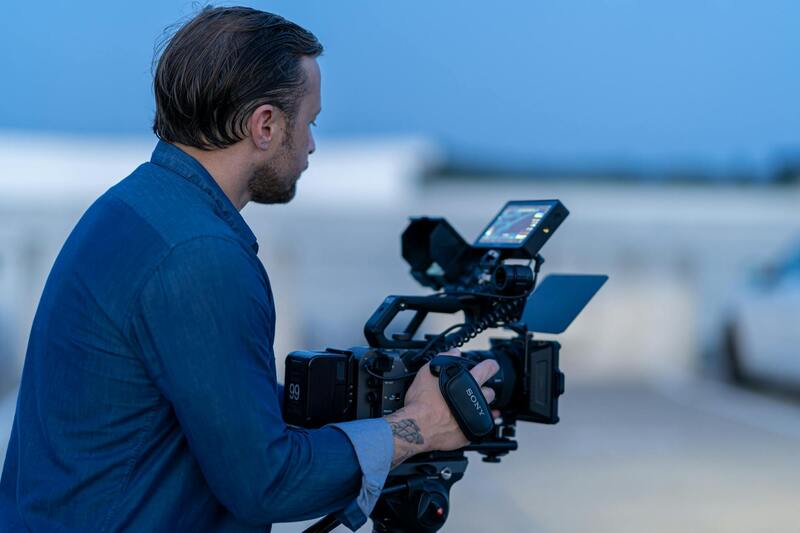
Another essential consideration is camera stability. Tripods and remote shutters minimize motion blur, resulting in sharper images. Employing these tools ensures consistent framing across multiple shots, which is critical for creating a cohesive visual story of the property. Post-shoot, images are carefully reviewed, selecting the best shots for editing and display.
Post-Processing and Editing for Maximized Impact
Professional editing complements the initial photography, refining images to meet market standards while maintaining authenticity. Adjustments typically include brightness, contrast, and color correction to ensure visual consistency across all images. Advanced editing may involve straightening lines and removing minor imperfections or distractions, such as clutter or unwanted reflections, to present a polished view of the property.
While editing enhances the visual appeal, it is crucial to stay within ethical boundaries by accurately representing the space. This means avoiding manipulations that could mislead prospective buyers or distort the property's true appearance. Properly edited images create a compelling, inviting portrayal of the home, increasing engagement and interest from potential buyers.
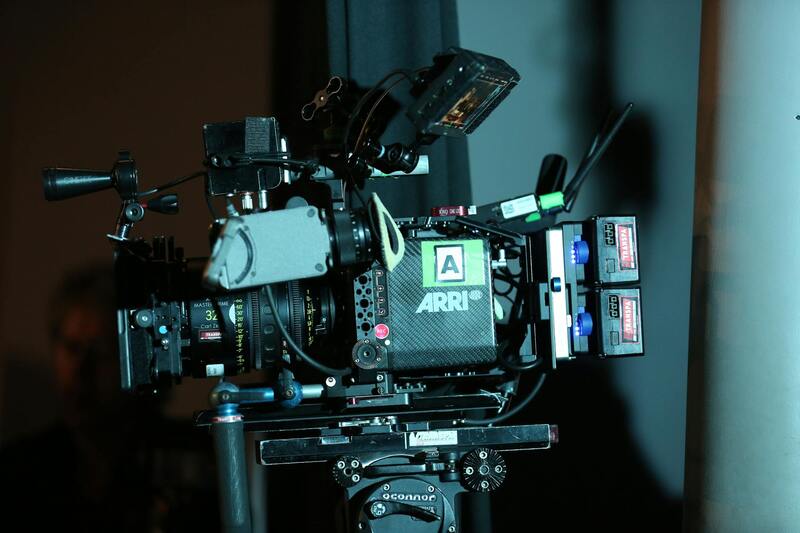
In summary, mastering the technical aspects of photography and subsequent refinement of images through expert editing is integral to producing professional real estate pictures. These images significantly impact online marketing, helping attract qualified buyers by showcasing each property in its best light with clarity, accuracy, and visual appeal.
Legal and Ethical Considerations
When capturing and publishing professional real estate images, adhering to established standards and practices ensures the integrity of the marketing process. Proper protocol involves obtaining permissions to photograph private spaces, particularly in cases where sensitive areas or unique designs are involved. Such practices not only respect property rights but also foster trust with clients and potential buyers.
It is essential to present the property accurately without embellishments that could mislead viewers. This includes avoiding deliberate alterations that significantly change the appearance of a space or omit imperfections that might influence a buyer's decision. Transparency in showcasing the property's real condition supports ethical marketing and enhances credibility.
Respecting privacy is another crucial aspect. This involves securing consent from residents or occupants before photographing, especially in occupied homes, ensuring their comfort and legal rights are maintained throughout the process.
In terms of image usage, it is advisable to understand and follow guidelines related to photo rights, usage rights, and licensing. Proper documentation and contracts can clarify the scope of image use, preventing misunderstandings and safeguarding the interests of both parties involved.
Best Practices for Ethical Real Estate Photography
- Gaining explicit permission from property owners or tenants before conducting a shoot.
- Maintaining honesty in the portrayal by highlighting the property's genuine features.
- Avoiding manipulations that could alter the true appearance of the property, such as excessive post-editing or digital enhancements.
- Respecting privacy rights and confidential spaces within the property.
- Using images solely for the purpose agreed upon in contractual arrangements.
Impact of Ethical Practices on Market Success
Consistently demonstrating professionalism and honesty in real estate imagery builds reputation and trust. It attracts serious buyers who value transparency and reliability. Furthermore, adhering to ethical standards reduces the risk of disputes and fosters long-term relationships within the real estate community. High-quality, ethically produced images stand out in competitive markets and can significantly influence decision-making processes, leading to quicker sales and satisfied clients.
Effective Strategies for Maximizing the Impact of Professional Real Estate Pictures
To harness the full potential of professional real estate photos, agents and property owners must leverage proven methods that enhance visual appeal and ensure the images resonate with prospective buyers. Fundamental tactics include staging the property to highlight its best features, which involves decluttering, rearranging furniture for optimal flow, and adding tasteful decor to create inviting atmospheres. Proper lighting is crucial; natural light should be maximized by opening curtains and scheduling shoots during daylight hours, while supplementary lighting can eliminate shadows and highlight architectural details.
Another vital component is choosing the right angles. Photographers often utilize a combination of wide-angle shots to capture entire rooms and close-ups of unique features such as custom cabinetry, luxury countertops, or artistic design elements. This approach provides a comprehensive visual narrative of each space, making listings more compelling. Ensuring consistency in framing and perspective across all images can create a cohesive viewing experience, leading potential buyers through the property seamlessly.
Moreover, incorporating aerial images taken via drone technology adds a valuable perspective of the property's exterior and surrounding area. Aerial shots are especially impactful for luxury estates, large plots, or properties located in scenic neighborhoods. They provide context, showcase landscape features, and emphasize the property's size and setting, all of which are crucial selling points.
To ensure images truly stand out, consistency in color correction and brightness adjustments is essential. This step, performed during post-processing, enhances visual clarity without distorting reality. Toning the images to maintain accurate color representation helps avoid misleading impressions and builds buyer trust. High-resolution images should be optimized for web use, balancing visual quality with fast loading times to improve user experience and search engine rankings.
Leveraging Professional Photography for Effective Marketing
Strategic distribution of high-quality images across multiple channels amplifies their impact. Listings should feature the primary images prominently, utilizing carousels or gallery views that allow viewers to explore the property comprehensively. Virtual tours and 3D walkthroughs, integrated with professional photographs, can further immerse potential buyers, providing an interactive experience that helps in decision-making.
Social media platforms and email campaigns also benefit from professionally curated visuals. Platforms like Instagram and Facebook prioritize visually engaging content, so posting captivating images can widen reach and generate more inquiries. Additionally, ensuring images are mobile-friendly guarantees they render well on various devices, reaching a broader audience effectively.
Maintaining Ethical Standards in Property Photography
All efforts should be grounded in transparency and accuracy to preserve professionalism and client confidence. Honest portrayal entails accurately representing the property's condition, size, and features. Do not manipulate images in ways that could mislead viewers or exaggerate qualities. If enhancements are applied, they should be subtle and aimed solely at correcting lighting or color balance rather than altering the property's natural appearance.
Securing explicit permissions from owners and tenants before photograph sessions is essential, respecting privacy and confidentiality. Additionally, images should be used solely for their intended purpose, with proper documentation to delineate usage rights. Adhering to these standards fosters a reputation for reliability, encouraging long-term relationships within the real estate community.
Ensuring Accuracy and Consistency in Visuals
One of the foundational aspects of professional real estate photography is maintaining accuracy and consistency across all images. This means ensuring that every shot faithfully represents the property's current condition without exaggeration or omission. Consistency in lighting, angles, and staging helps create a cohesive visual narrative that guides potential buyers through the property seamlessly. An accurately portrayed space fosters trust and reduces the likelihood of surprises during viewings, which can lead to more serious inquiries and faster transactions.
Visual consistency also enhances the overall professionalism of the listing, making it more appealing to prospective clients. When images adhere to a uniform style — whether through similar angles, lighting techniques, or color grading — they collectively portray the property in a cohesive manner, reinforcing key features and maximizing visual impact. This approach helps in establishing a recognizable brand for the property, which can be particularly advantageous for agencies aiming to build a solid reputation in Miami's competitive market.
Adhering to Ethical Photography Practices
Professional photography should always align with ethical standards that emphasize honesty and transparency. It is essential to portray the property in its true form, avoiding any manipulations or alterations that could mislead viewers. While minor adjustments such as brightness and color correction are acceptable to improve visual clarity, these should not distort the property's actual appearance or hide flaws. Accurate representation builds credibility with potential buyers and upholds the integrity of the listing.
Securing explicit permission from property owners or tenants before conducting a shoot is another critical step. Respect for privacy and confidentiality ensures a positive working relationship and reinforces trust. Clear communication regarding the scope and purpose of the photos taken helps prevent misunderstandings and guarantees that all parties are aligned on expectations and outputs.
Utilizing Advanced Technologies for Precision
In addition to standard photography equipment, some professionals incorporate advanced technologies like HDR (High Dynamic Range) imaging or drone photography to capture different aspects of the property. HDR helps balance exposures, highlighting details in both bright and shadowed areas, resulting in more vibrant and true-to-life images. Drone footage provides unique aerial views of larger estates or properties with notable outdoor features, increasing appeal and providing a comprehensive visual overview.
These tools should be employed responsibly, with an emphasis on depicting the property accurately while enhancing its best features. Proper use of technology ensures detailed, professional-grade images that stand out in the Miami real estate landscape.
Final Thoughts on Maintaining Image Integrity
Ultimately, the goal of professional real estate photos is to attract genuine interest and facilitate informed decisions. Upholding standards of clarity, accuracy, and respect for privacy are crucial elements in creating compelling marketing materials. By integrating ethical practices with advanced photography techniques, professionals can produce images that not only showcase properties at their best but also preserve the trust essential to successful real estate transactions.
Legal and Ethical Considerations
Producing professional real estate images involves adhering to a set of responsible practices that ensure transparency and respect for all parties involved. When capturing images of a property, it is essential to obtain proper consent from property owners or representatives to portray their space accurately and ethically. This not only guarantees that the photographs reflect the true condition of the property but also fosters trust among potential buyers and clients.
In addition to permissions, photographers should focus on representing the property without manipulation that could mislead viewers. While post-processing is a vital part of professional photography, alterations should enhance the image’s clarity and appeal without creating false expectations. For instance, adjusting lighting levels or correcting minor imperfections is acceptable, whereas fabricating features or altering the real appearance crosses ethical boundaries.
Respecting privacy is another critical aspect. Photographers must be cautious when capturing outdoor images, ensuring that neighboring properties, private spaces, or personal items are not inadvertently included in the frame. When drone photography or aerial shots are used, it’s important to follow regulations that govern airspace use and privacy rights, ensuring the images respect the community’s boundaries.
Adopting these ethical standards in real estate photography not only enhances the professional reputation of the photographer and agency but also maintains the integrity of the real estate market. Authentic images build credibility with clients and prospective buyers, encouraging meaningful engagement and fostering successful transactions.
Harnessing the Power of Authentic Visuals in Real Estate Marketing
In the competitive landscape of Miami real estate, the deployment of high-quality, authentic images plays a pivotal role in attracting discerning buyers and investors. These images serve as the first impression of a property, establishing credibility and setting expectations accurately. When prospective clients browse online listings, the visual presentation often dictates whether they will take further interest or move on to another opportunity. Therefore, utilizing authentic, professionally captured images ensures the property is showcased at its best while maintaining transparency and fostering trust.
Elevating Your Property’s Appeal through Quality Imagery
Quality real estate images do more than just present the property visually—they evoke emotion and inspire confidence. Professionally taken photos reveal the needs of the property, emphasizing its unique features and potential. This authenticity minimizes misunderstandings and encourages solid buyer engagement, ultimately leading to quicker sales cycles and better price negotiations. Moreover, high-caliber photos signal to potential buyers that the seller values quality and professionalism, reinforcing positive perceptions of the listing.
Implementing Best Practices for Authentic Photography
- Use natural lighting whenever possible: Leveraging daylight enhances clarity, reveals true colors, and creates inviting spaces without the need for artificial enhancements.
- Ensure accurate framing and angles: Proper composition captures the essence and spatial dynamics of a property, showing it in its best light without exaggeration.
- Avoid over-editing: Post-processing should refine images, enhancing brightness or correcting minor flaws, but must not alter the property’s true appearance.
- Maintain privacy and respect boundaries: Capture images that focus on the property, avoiding intrusive shots of neighboring areas or private spaces.
- Utilize appropriate equipment: Employing high-resolution cameras, wide-angle lenses, and drone technology where applicable, ensures comprehensive and vivid representations of the property.
Conclusion
The foundation of effective real estate marketing is built on authentic visual content that accurately represents a property’s true state. When these images are captured with professionalism, they become powerful tools for increasing engagement, fostering trust, and facilitating successful transactions. Miami-based real estate professionals who prioritize authentic, high-quality images are better positioned to attract serious prospects and transform listings into compelling visual narratives that resonate with buyers’ expectations and aspirations.