
Importance of Professional Real Estate Photography in Miami
In the dynamic Miami real estate market, high-quality images are a critical element for attracting potential buyers. First impressions are increasingly formed online, and visually appealing, professional photographs can significantly enhance a property's visibility. Well-executed images showcase the property's best features, generate interest, and encourage viewers to take the next step toward a purchase.
Investing in professional real estate photography ensures that properties stand out amidst a competitive landscape. Exceptional images capture the unique charm of Miami properties—whether it's luxury waterfront condos or vibrant urban residences—highlighting their appeal in a compelling, authentic manner. This visual excellence not only elevates individual listings but also builds credibility for real estate agents and agencies aiming to establish authority in the marketplace.
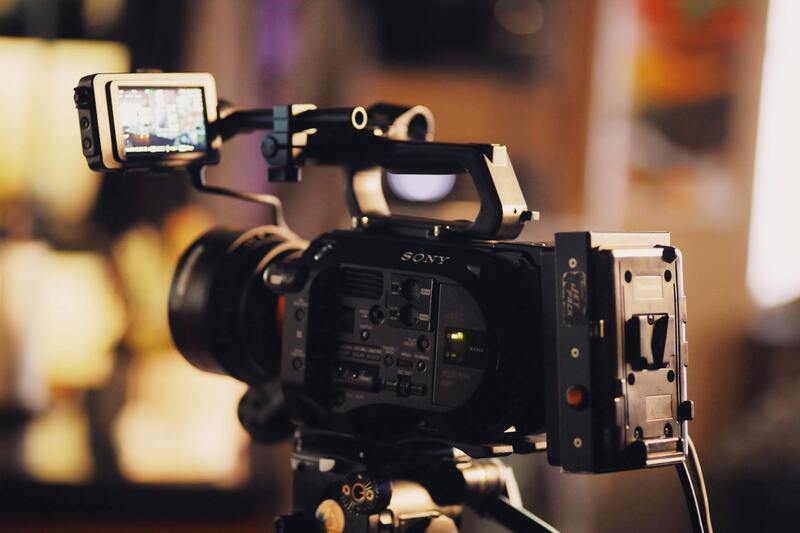
Furthermore, professional photography improves the efficiency of the selling process. Listings featuring superior images tend to attract more inquiries, reduce the time a property spends on the market, and often lead to better sale prices. With the growing influence of digital platforms, the relevance of visually engaging content is undeniable, positioning professional real estate photography as an essential component of an effective marketing strategy in Miami.
Beyond the immediate marketing benefits, professionally captured images contribute to a consistent brand image for real estate professionals. They demonstrate a commitment to quality and attention to detail, which can foster greater trust among clients and prospects alike. As the Miami real estate landscape continues to evolve, the importance of compelling visual content remains at the forefront of successful property promotion.
Choosing the Right Equipment and Techniques
Securing high-quality images requires an investment in the proper equipment and mastery of advanced techniques. Professional real estate photographers utilize high-resolution digital cameras equipped with wide-angle lenses to capture expansive views of interior spaces and exterior landscapes. These lenses enable the photographer to include more of the room in a single shot, emphasizing spaciousness and flow, which are attractive features for potential buyers.
Beyond camera gear, the use of tripod stabilizers ensures sharpness and consistency across images, especially in conditions with low light or complex lighting scenarios. Drones have become increasingly vital tools, providing breathtaking aerial perspectives that showcase property size, landscaping, and surrounding amenities—an especially valuable feature for waterfront or sprawling estates in Miami.
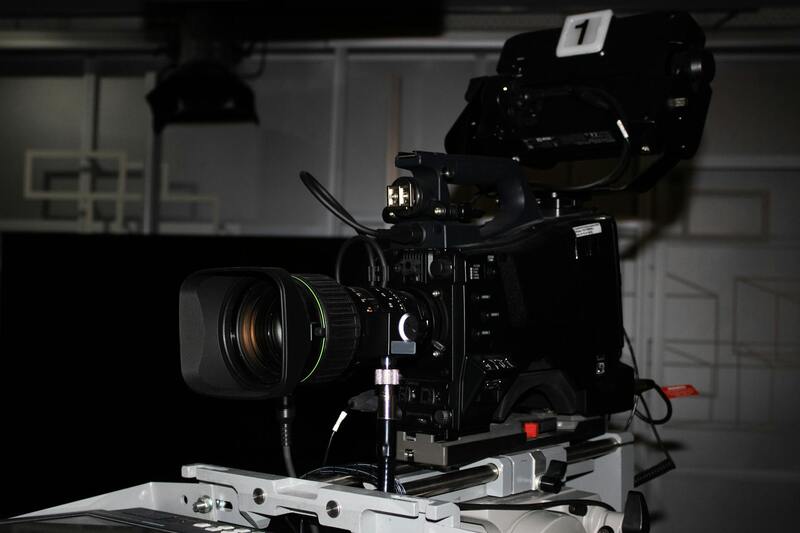
Techniques such as HDR (High Dynamic Range) photography allow photographers to blend multiple exposures, balancing interior shadows and exterior highlights to produce images that accurately reflect real-world conditions. Proper use of lighting—whether natural or supplemented with professional lighting kits—eliminates harsh shadows and highlights, creating a balanced and inviting atmosphere. Strategic use of these methods ensures images are captivating, clear, and true to how prospective buyers will experience the property.
- Utilize wide-angle lenses to capture more of the space in single shots.
- Incorporate drone photography for comprehensive property overviews.
- Apply HDR techniques to manage complex lighting conditions.
- Use professional lighting setups to enhance interiors without overpowering natural light sources.
Mastering these equipment choices and techniques is essential for creating compelling visuals that can stand out in Miami’s competitive real estate market. They form the foundation upon which the subsequent post-processing work builds, ultimately delivering images that elevate property listings and bolster the reputation of the real estate professionals involved.
Choosing the Right Equipment and Techniques
To successfully showcase Miami real estate, selecting appropriate camera gear and employing effective shooting techniques are paramount. High-resolution digital cameras with full-frame sensors are preferred, as they deliver superior image quality and better control over depth of field. Investing in high-quality lenses, such as wide-angle lenses with a focal length between 14mm and 24mm, enables capturing expansive interior and exterior spaces in a single shot, providing viewers with an immersive perspective of the property.
When it comes to shooting methods, establishing the right approach can make a significant difference in visual outcomes. Utilizing a tripod ensures stability and consistency, especially during long-exposure shots necessary in low-light settings. Shooting during optimal natural lighting conditions—preferably during the golden hour—maximizes light quality and warmth, enhancing the property's appeal. For interiors, professional photographers often use additional lighting equipment such as portable softboxes or reflectors to fill shadows and highlight architectural features accurately.
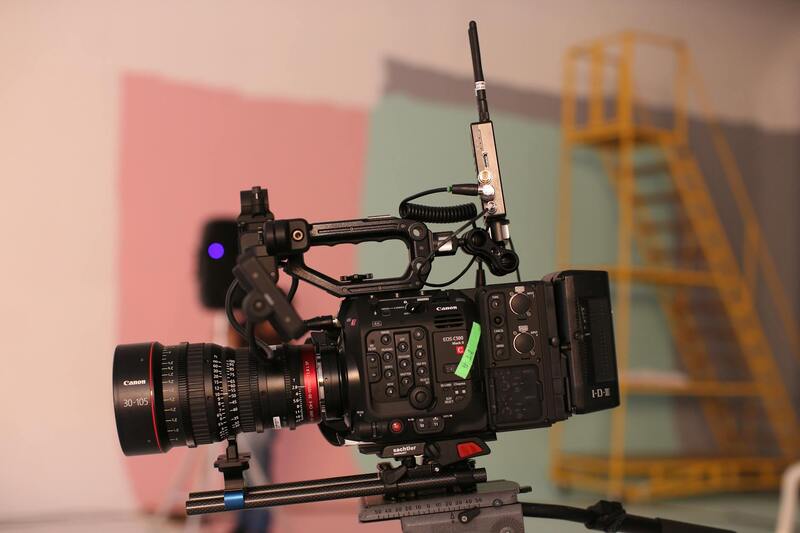
Incorporating advanced techniques like panoramic shots or multiple exposures further enriches the visual narrative. Panoramic photography offers comprehensive views of large spaces or outdoor environments, while bracketed exposures combined through HDR processing balance the extensive range of light in challenging scenes, ensuring interiors are neither underexposed nor washed out. These methods collectively contribute to producing compelling, true-to-life photographs that resonate with prospective buyers and facilitate faster property sales.
Mastering Lighting and Composition
Proper lighting, whether natural or supplemented, is crucial in creating inviting and professional-looking images. Natural light—especially on sunny Miami days—brings warmth and vibrancy, highlighting the property's best features. However, in cases where natural light is insufficient or uneven, off-camera flashes, continuous lighting, or reflectors can help illuminate spaces evenly. Ensuring even lighting eliminates harsh shadows and highlights, resulting in balanced photographs that accurately portray the property’s ambiance.
Composition is equally vital. Techniques such as the rule of thirds, leading lines, and framing guide viewers’ eyes toward key features or focal points within the property. By carefully framing images and controlling perspectives, professional photographers craft a visual story that emphasizes a property’s unique attributes, large living areas, scenic views, or luxurious finishes. Attention to detail in composition not only enhances aesthetic appeal but also supports the marketing narrative, compelling potential buyers to explore the property further.
Choosing the Right Equipment and Techniques
Employing the appropriate tools and skills is crucial for capturing high-quality real estate images that highlight the property's best features. Professional real estate photographers often rely on high-resolution DSLR or mirrorless cameras equipped with wide-angle lenses. These lenses allow for expansive views within small or cluttered spaces, making rooms appear more spacious and inviting. Furthermore, tripods are essential for stabilizing the camera during long exposures, especially in low-light conditions or indoor settings, ensuring sharp, distortion-free images.
Beyond the primary camera gear, advanced photography techniques significantly impact the final output. Bracketing, where multiple images are taken at different exposure levels, allows for HDR (High Dynamic Range) processing to create well-balanced photographs with detail in both shadows and highlights. This technique is particularly effective in outdoor shots with contrasting light levels, such as bright Miami exteriors against shaded interiors.
Over and above photographic equipment, mastering specific techniques enhances image quality and visual storytelling:
- Vertical and Horizontal Composition: Keeping lines straight and horizons level prevents distortion and maintains realism, especially in architectural shots.
- Proper Use of Perspective: Shooting at appropriate angles emphasizes room dimensions without skewing proportions. Using a wide-angle lens at correct focal lengths (usually between 14mm and 24mm) prevents exaggerated perspectives that can distort the property’s appearance.
- Controlled Lighting: In scenarios where natural light is insufficient or uneven, supplementary lighting such as portable flashes or LED panels can help illuminate spaces evenly, reducing shadows and enhancing color accuracy.
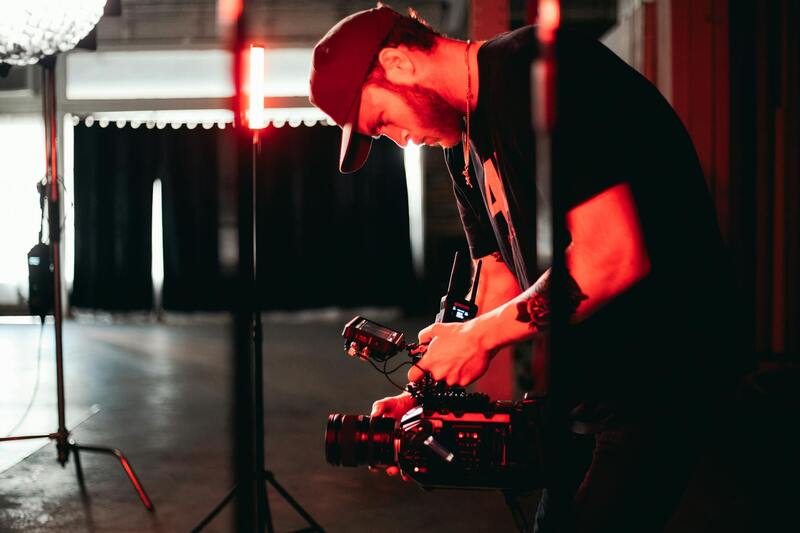
Utilizing these tools and methods, professional photographers can produce images that showcase properties in their best light, accurately representing their size, layout, and aesthetic appeal. When executed with precision, these techniques effectively appeal to prospective buyers and support robust marketing efforts, presenting properties as desirable and move-in ready.
Importance of Professional Real Estate Photography in Miami
In Miami’s competitive property market, compelling visual presentation is pivotal. Professional real estate photography elevates property listings by capturing the essence and unique features of each home, making them stand out amidst numerous options. High-quality images not only attract more potential buyers but also build trust and credibility with clients. Given Miami’s vibrant lifestyle and diverse architecture, capturing the right angles, lighting, and ambiance requires an expert's eye and specialized skills.
Investing in professional photos means showcasing properties at their best — highlighting spacious interiors, appealing exterior features, and special amenities that resonate with prospective buyers. These images serve as a critical touchpoint, often forming the first impression that ultimately influences purchasing decisions. As such, professional photography acts as a strategic tool that significantly enhances online visibility and accelerates the sales process.
Key Elements of Effective Real Estate Photography
- Lighting: Proper lighting is fundamental to creating inviting images. This includes utilizing natural light and supplementary lighting techniques to minimize shadows and highlight details.
- Composition: Listing images should be composed with a focus on balance, symmetry, and clarity. Including the entire room or exterior view without distortion helps prospective buyers grasp the space accurately.
- Angles and Perspective: Strategic angles emphasize the property’s best features and create a sense of depth. Wide-angle lenses are frequently employed, but with careful control to avoid distortion.
- Details and Decor: Focus on capturing appealing interior decor, fixtures, and stylistic elements that add value to the property.
- Consistency: Uniform style across all images enhances the listing's professional appearance, helping to establish a cohesive visual narrative.
Choosing the Right Equipment and Techniques
Proficient real estate photographers invest in high-grade cameras, wide-angle lenses, and lighting tools tailored for interior and exterior shots. Employing tripod stabilization ensures sharp images, while advanced techniques such as HDR imaging, camera tilt adjustments, and perspective correction enhance clarity and realism. Proper use of these tools allows for balanced exposure and vibrant colors, accurately reflecting the property’s true appearance. A thorough understanding of architectural features and spatial dynamics further guides the photographer in choosing optimal vantage points and compositions.
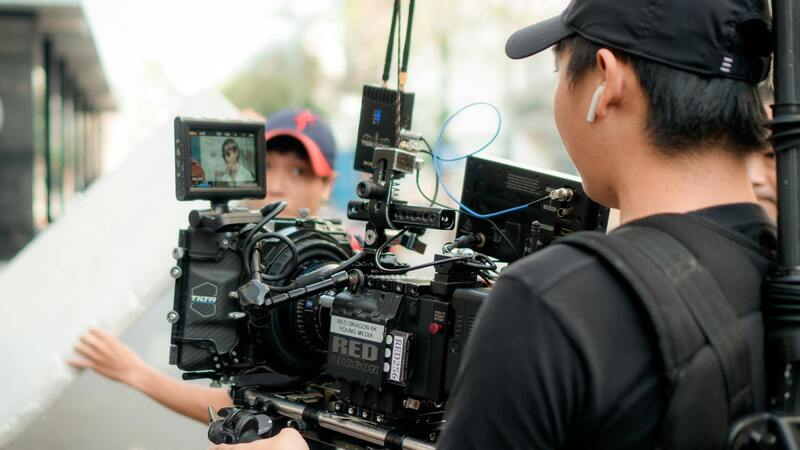
Integrating a variety of techniques ensures the photographs communicate the property's full potential effectively. For example, HDR imaging combines bracketed exposures to reveal details in bright and dark areas simultaneously, vital for outdoor shots with high contrast. Wide-angle lenses safely extend the perceived space without exaggerating proportions. Adjusting shooting angles and perspectives emphasizes important features and maintains the integrity of the property’s architecture. These precise methods are vital for producing images that are both attractive and true to the property's actual size and layout.
Leveraging Photos for Maximum Marketing Impact
Once high-quality images are captured, the strategic integration of these photographs becomes crucial in enhancing the property's marketing potential. Incorporating professional real estate photography into various marketing channels amplifies the visibility and appeal of the listing. For online property portals and listing websites, images serve as the primary visual engagement point, often determining whether potential buyers or renters will proceed to inquire further. Ensuring that images are optimized for different platforms—such as resizing for faster load times or adding virtual tours—can significantly increase engagement rates.
Social media platforms offer dynamic opportunities to showcase the property's best features through image carousels, stories, and targeted advertisements. Consistent, high-resolution photos help create a cohesive visual brand, encouraging shares and comments that extend the property’s reach organically. Including images that highlight unique interior details or desirable outdoor amenities heightens interest and emotional connection.
Print marketing, such as brochures, postcards, and magazine advertisements, also benefits from professionally shot images. High-caliber photographs convey a sense of quality and trustworthiness, persuading prospective buyers to schedule viewings. Incorporating images that accurately represent the space fosters transparency and sets realistic expectations, reducing potential dissatisfaction during viewings.

In each case, the goal is to maintain visual consistency and quality, ensuring that every image communicates the property’s full potential. Pairing these visuals with compelling descriptions and accurate details creates a cohesive narrative that resonates with prospective clients, ultimately accelerating the sale or lease process.
- Optimize images for different digital platforms for faster loading and high quality.
- Use consistent branding and style in all visual content to reinforce recognition.
- Combine quality images with descriptive, engaging copy to highlight property features.
- Leverage social media features such as stories and reels to showcase different aspects of the property dynamically.
- Incorporate images into printed materials for high-impact marketing campaigns.
Tips for Preparing Properties for Photography
Preparing a property meticulously before a professional photoshoot significantly enhances visual appeal and showcases its true potential. Proper preparation ensures that each shot captures the space in its best light, creating an inviting and accurate representation for prospective buyers or tenants.
Declutter and Clean Thoroughly
An immaculate space draws focus to the property's features rather than distractions. Clear countertops, organize closets, and remove personal items to present a clean, spacious environment. Deep cleaning carpets, windows, and surfaces ensures that the property looks well-maintained and fresh, which can positively influence perceptions.
Optimize Lighting Conditions
Natural light highlights interior details and boosts the overall vibrancy of photographs. Open curtains and blinds prior to the shoot to maximize daylight. Additionally, consider turning on all interior lights to eliminate shadows and create a warm atmosphere, especially in rooms with limited natural light.
Arrange Furniture and Decor Strategically
Strategic furniture placement accentuates the function and flow of each room. Remove excess furniture that makes spaces appear cramped, and add minimal, tasteful decor to create visual interest without overwhelming the space. Focus on accentuating architectural features, such as fireplaces or high ceilings, that can serve as focal points in the photos.
Exterior and Landscaping Preparation
First impressions matter greatly. Mow lawns, trim hedges, and ensure walkways are clear of debris. Adding seasonal plants or flowers can enhance curb appeal. Clean outdoor furniture and arrange it neatly to suggest inviting outdoor living spaces.
Staging Interior Spaces
Staging involves arranging furniture and accessories to highlight a property's best attributes. Use neutral tones and contemporary decor to appeal to a wide range of tastes. The goal is to create a welcoming environment that helps viewers envision themselves residing there.
Final Checklist Before the Shoot
- Ensure all lights are functioning and all bulbs are replaced.
- Remove pets and their belongings from the shooting areas.
- Set thermostats to comfortable temperatures.
- Ensure the property is tidy and ventilated.
- Identify key spaces that require special attention, such as panoramic views or unique architectural details, and prepare accordingly.
High-quality images depend heavily on the environment being at its best. Investing time in property staging and preparation leads to compelling visuals that attract serious buyers and facilitate quicker sales.
Ensuring Authenticity and Proper Attribution in Property Listings
Maintaining accuracy and transparency in real estate photography is paramount for building trust with potential buyers. Clear and truthful representations of a property's features help establish credibility and facilitate informed decision-making. To achieve this, it is essential to use images that accurately depict the current state of the property without embellishment or distortion.
One effective method involves comprehensive documentation of the property through multiple shots taken at different times of the day to showcase natural lighting conditions and real ambiance. This approach helps prospective buyers visualize the space authentically, aligning expectations with reality.
Content description accompanying the images should be precise and detailed, providing insights into room dimensions, layout nuances, and unique features. Such detailed descriptions enhance the overall quality of the listing and cater to the informational needs of serious buyers.

Furthermore, consistent branding and attribution are vital when using professional photography. Always include clear credits and proper licensing information, especially if images are showcased on third-party platforms. This practice not only respects intellectual property rights but also reinforces the authenticity of your listings.
Props and staging elements used in photos should reflect the actual furnishings and decor present within the property to avoid misleading viewers. If alterations or enhancements are applied during post-processing, disclosing these modifications ensures transparency and upholds ethical standards.
In the digital age, verifying the origin of images and maintaining documentation of professional shoots can also serve as reference points for future listings. Such practices make the process more trustworthy and professional, fostering confidence among prospective buyers and real estate agents alike.
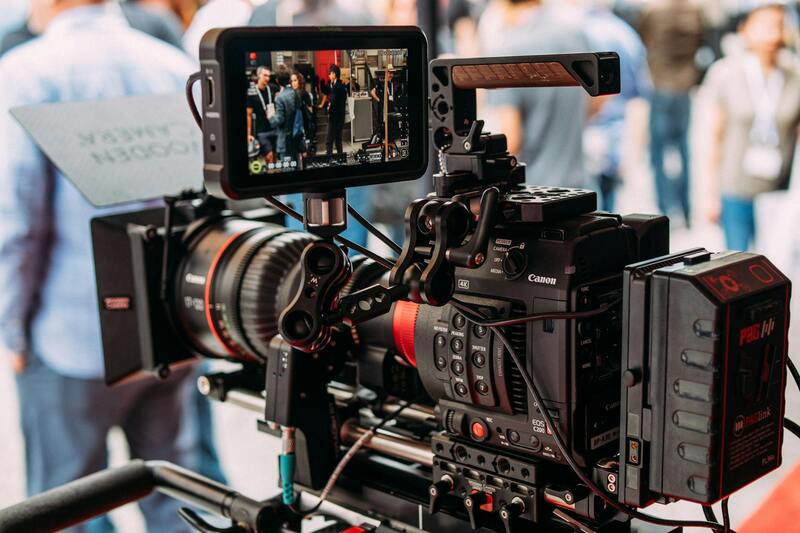
To maximize the impact of listings, it’s advisable to keep updated galleries that reflect the current condition and appearance of the property. Regularly reviewing and refreshing images to depict any changes or upgrades ensures ongoing accuracy. Overall, adherence to precise representation standards enhances your reputation and helps establish a transparent, professional marketplace that benefits all stakeholders involved.