
Role and Importance of a Professional Real Estate Photographer
In the competitive Miami real estate market, visual presentation significantly influences property sales and rentals. A professional real estate photographer plays a critical role in shaping the way properties are perceived by potential buyers and tenants. Their primary function is to capture high-quality, compelling images that showcase a property's features, layout, and unique selling points accurately and attractively.
The impact of professional real estate photography extends beyond simple aesthetics. Well-executed imagery can increase listing engagement, reduce time on the market, and often lead to higher sale prices. In Miami’s vibrant market, where luxury properties, waterfront homes, and high-rise apartments command premium prices, captivating visuals are essential to stand out from the competition.
Real estate photographers in Miami often work closely with real estate agents, property developers, and homeowners to understand the unique aspects of each property. They utilize their expertise to highlight architectural details, interior design, and the property's best features. This tailored approach helps attract qualified buyers and creates a compelling narrative around the property.
Moreover, professional photographers are adept at capturing properties in the best possible light, both literally and figuratively. They incorporate knowledge of optimal times of day for natural lighting and employ techniques to enhance the visual appeal of both interior and exterior shots. Their work establishes a level of trust and credibility, assuring clients that their property will be presented professionally across digital platforms.
Impact on Property Marketing and Sales
- Increased visibility on online listings and social media channels
- Enhanced brand reputation for real estate agents and agencies
- Greater engagement and inquiry rates from prospective buyers
- Quicker closing times and higher sale prices for listed properties
- Consistency in visual presentation across multiple listings and platforms
In essence, the role of a professional real estate photographer is indispensable in today's Miami property landscape. Their work not only elevates individual listings but also supports the overall marketing strategy, making them an essential partner in successful property transactions.
Skills and Equipment Required for Real Estate Photography
Achieving high-quality real estate images demands a combination of advanced technical skills and professional-grade equipment. Photographers must possess a deep understanding of camera settings, composition, and lighting to capture properties accurately and attractively. Mastery over exposure, aperture, and shutter speed ensures images are sharp, well-lit, and detailed, regardless of challenging lighting conditions commonly found in interior or exterior shots.
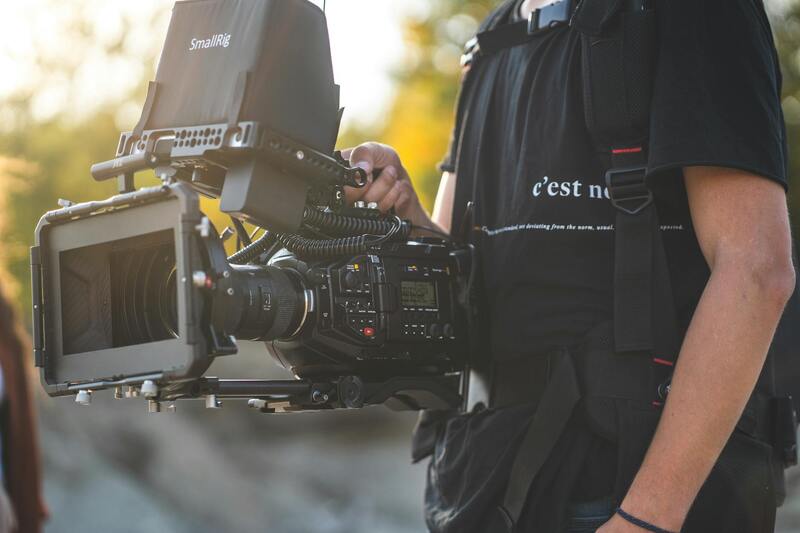
Equipment also plays a pivotal role in producing consistent, high-caliber results. A professional real estate photographer invests in a full-frame digital camera capable of capturing high-resolution images with excellent dynamic range. Wide-angle lenses are essential for showcasing spacious rooms and expansive exteriors, allowing photographers to include more of the scene in a single frame without distortion.
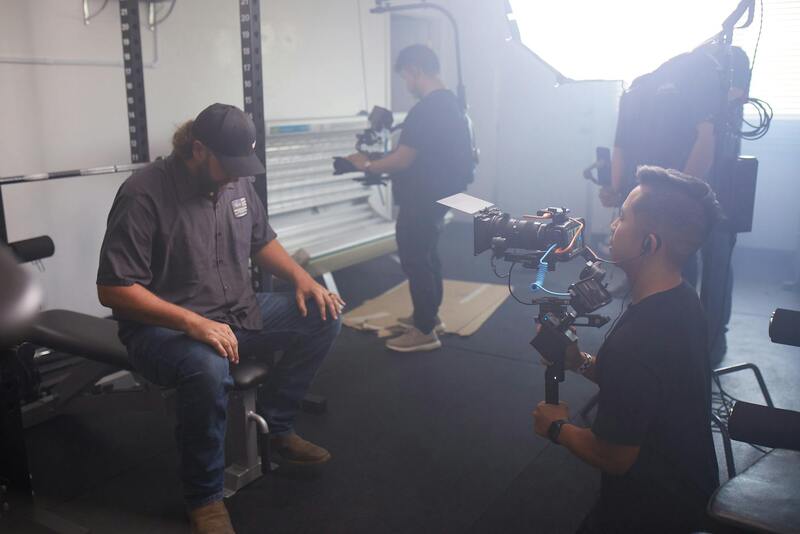
Lighting techniques are equally critical. Natural light is often sought after, which necessitates scheduling shoots at optimal times of the day to maximize sunlight. When natural light is insufficient or inconsistent, photographers utilize professional lighting equipment such as strobe lights and softboxes. These tools help eliminate harsh shadows and highlight the property's best features during daytime or low-light conditions.
Post-processing skills are also indispensable. Professional real estate photographers are proficient in editing software like Adobe Lightroom and Photoshop. They enhance images by adjusting brightness, contrast, and color balance, and may correct distortion and straighten lines to ensure a polished, appealing appearance. Consistent color grading across multiple images maintains uniformity, reinforcing a cohesive visual narrative of the property.
Additionally, drone photography has become a popular tool to capture expansive outdoor views and give potential buyers a comprehensive understanding of the property's surroundings. Drones equipped with high-definition cameras require skilled operation and adherence to safety guidelines to produce impactful aerial perspectives that complement ground-level shots.
Finally, photographers must maintain their equipment meticulously and stay updated on technological advancements. Regular calibration of camera gear, upgrading to latest models, and mastering new techniques ensure they provide clients with images that stand out in competitive Miami real estate markets. Combining the right skills with top-tier equipment results in striking visuals that elevate property listings and foster successful sales.
Legal Aspects and Best Practices for Real Estate Photographers
Operating as a professional real estate photographer entails adhering to established guidelines and recognized standards to ensure the integrity and quality of your work. Proper licensing and the appropriate use of property images are fundamental aspects that uphold transparency and professionalism in the industry. Photographers must obtain necessary permissions from property owners or authorized representatives before capturing and publishing images, especially when showcasing interior spaces or unique features that require consent.
Respecting privacy and maintaining confidentiality are essential components. Avoid capturing or sharing images that could infringe on individuals' privacy rights, such as private areas not meant for public viewing or sensitive personal spaces.
It is also important to familiarize oneself with local regulations and guidelines pertaining to drone usage, aerial shots, and commercial photography. Proper adherence to safety protocols during drone operation not only safeguards individuals and property but also maintains the professional standards expected in the Miami real estate market.
For consistency and quality assurance, utilizing professional editing and post-processing practices aligns with industry best practices. This includes proper color grading, distortion correction, and maintaining the natural appearance of the property to present authentic visuals that accurately represent the space.
Building a reliable reputation involves transparent communication with clients regarding the scope of services, image rights, and delivery timelines. Clear contracts and written agreements prevent misunderstandings and foster trust.
Best Practices for Shooting Residential and Commercial Properties
Executing high-quality real estate photography requires adherence to specific best practices that ensure images are compelling, accurate, and compliant with industry standards. For residential properties, capturing the property during optimal lighting conditions is essential. Shooting during the late morning or early afternoon when natural light is abundant helps in showcasing spaciousness and highlights architectural details. Additionally, using wide-angle lenses can effectively portray room dimensions, but it is crucial to avoid distortion by maintaining proper camera angles.
When photographing interior spaces, it's important to declutter and stage the property to create an inviting atmosphere that appeals to prospective buyers. Proper lighting, including supplementary fixtures if necessary, can eliminate shadows and dark corners. Ensuring images are well-composed with a focus on key selling points—such as a modern kitchen, spacious living room, or luxurious bathroom—enhances the property's desirability.
For commercial properties, the approach shifts slightly to emphasize the property's utility and appeal to business clients. Exterior shots should capture landscaping, signage, and accessibility features, often from multiple angles to convey scale and location benefits. Interior images should reflect the property’s functionality, highlighting features like open floor plans, lighting setups, or safety features. Employing drone photography can add a unique perspective, especially for large or complex sites, but it must be done with attention to safety protocols and appropriate permissions.
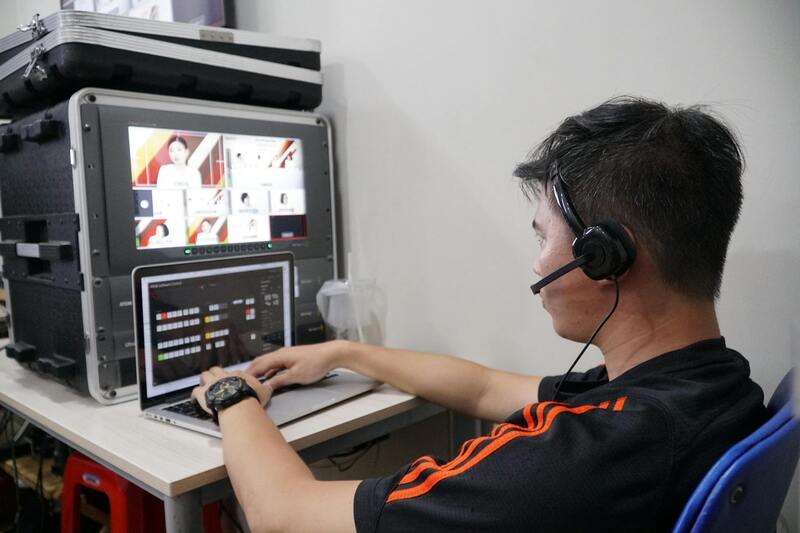
In both residential and commercial photography, attention to detail in framing, exposure, and color accuracy plays a vital role. Ensuring that images are sharp, well-lit, and true to the property's appearance helps buyers and tenants visualize the space effectively. It’s also beneficial to capture multiple perspectives, including wide shots, close-ups of distinctive features, and contextual views that illustrate how the property fits into its surroundings.
Utilizing specialized equipment such as tripod stabilizers, HDR (high dynamic range) imaging, and tilt-shift lenses can significantly improve image quality. HDR allows for balanced exposure in scenes with contrasting light levels, such as interiors with large windows. Proper post-shoot editing further refines the photos, enhancing colors and correcting any distortions to produce professional-grade visuals that stand out in listings.
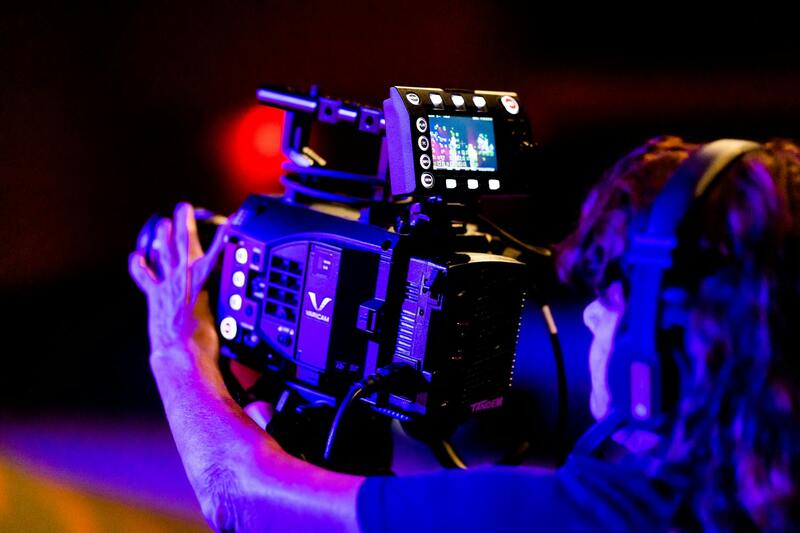
To ensure consistency across listings, it’s instrumental to establish a thorough workflow—from pre-shoot planning and staging to post-processing. Maintaining a portfolio of diverse properties facilitates demonstrating versatility and expertise to prospective clients. Ultimately, following industry best practices guarantees that each shot contributes to an engaging, trustworthy presentation of the property, helping clients attract potential buyers or tenants more efficiently.
Post-Processing Techniques to Elevate Real Estate Images
Accurate and eye-catching real estate images go beyond just capturing scenes with a camera; they require meticulous post-processing to ensure each photograph showcases the property at its best. Post-processing serves as the final step in creating compelling visuals that resonate with prospective buyers and tenants, thereby increasing engagement and interest.
Color Correction and Exposure Adjustment
One of the initial steps in post-processing involves optimizing colors and exposure levels. Adjusting brightness, contrast, and saturation ensures that the images reflect the property's true appearance under optimal lighting conditions. Proper color correction prevents images from looking over-processed or unnatural, maintaining trustworthiness and realism in listings.
Perspective and Distortion Correction

Wide-angle shots often introduce distortion, especially at the edges of images. Utilizing software tools to correct converging lines and straighten verticals preserves the architectural integrity of the property. Accurate perspective correction renders images more realistic and appealing, giving potential clients an accurate sense of space without visual deception.
HDR Imaging and Blending
High Dynamic Range (HDR) imaging techniques involve blending multiple exposures to capture details in both shadows and highlights. This approach is particularly advantageous for interior shots where windows bring in a high contrast between bright outdoors and dimmer interior spaces. HDR processing results in balanced, detailed images that make interiors appear brighter, more welcoming, and true to life.
Retouching and Defect Removal
Minor retouching removes visual imperfections such as dust spots, light reflections, or blemishes. It is essential to enhance the overall aesthetic without altering the property’s authentic appearance. This process adds professionalism to the images and ensures that the listing looks polished and inviting.
Enhancement of Key Features
Highlighting architectural details, unique design elements, or outdoor landscaping can draw focus to the property’s selling points. Subtle adjustments, such as sharpening or selectively brightening features, help create a focal point that captures viewer attention and encourages further exploration of the listing.
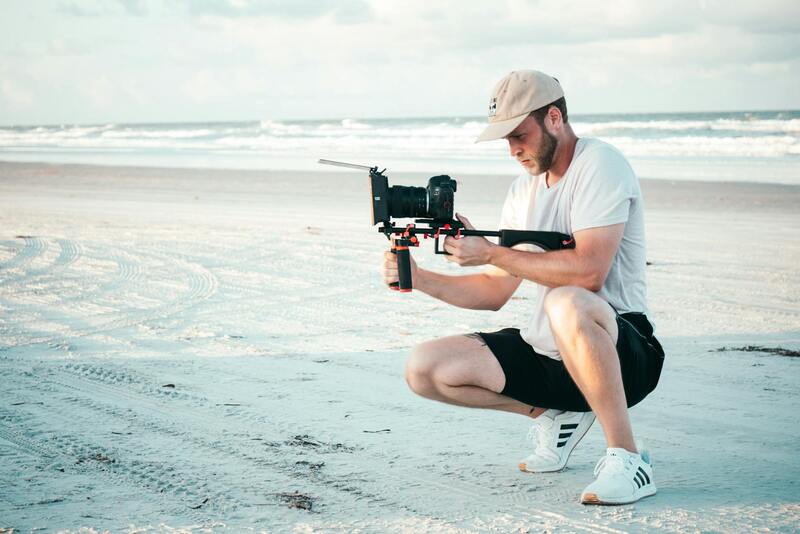
Workflow Automation and File Management
Establishing a structured workflow for post-processing promotes efficiency and consistency across all projects. Using batch processing for common adjustments, maintaining organized project files, and developing preset adjustments streamline the editing process. Well-managed files facilitate easy updates or revisions and support a professional presentation for clients.
Delivering Final Images
Optimized images should be delivered in formats suitable for various platforms, including high-resolution files for print and compressed versions for web use. Proper formatting ensures quick loading times without compromising quality, which is critical for online listings and marketing materials.
Legal Aspects and Best Practices for Real Estate Photographers
Operating as a professional real estate photographer requires adherence to established industry standards and best practices to ensure ethical conduct, protect client interests, and maintain a reputable service. One fundamental aspect involves securing proper permissions before photographing any property. This includes obtaining explicit consent from property owners or authorized representatives to avoid any misunderstandings or disputes. Clear agreements should outline the scope of work, usage rights, and deliverables, ensuring all parties are aligned on expectations.
In addition, understanding intellectual property rights is essential. Photographers should retain their rights to their images but also clarify licensing terms with clients for specific uses such as online listings, print marketing, or promotional materials. This prevents unauthorized reproduction or sharing of images beyond agreed-upon parameters. Keeping documentation of agreements and releases is vital for legal protection and smooth workflow.
Another best practice involves maintaining professional conduct during shoots. This encompasses punctuality, respectful interaction with clients and property staff, and minimizing disruption. Photographers should also be aware of privacy considerations, ensuring that individual privacy rights are respected, especially when capturing images of private residences.
Furthermore, the adoption of eco-friendly practices can promote a sustainable approach to real estate photography. This includes responsible use of lighting equipment, disposables, and minimizing waste. Ethical photographers also stay informed about regional laws and industry guidelines, such as drone regulations if aerial photography is involved, ensuring compliance and safety.
To foster ongoing professional development, many photographers participate in industry associations or certification programs. These platforms facilitate networking, sharing of best practices, and staying updated on technological advances. Regular training and skill enhancement contribute to delivering high-quality images that meet evolving market demands.
By integrating these legal and ethical practices, a real estate photographer not only safeguards their business but also builds trust with clients and property owners. This commitment to professionalism enhances reputation, encourages repeat business, and ensures a strong presence in the competitive Miami real estate market.
Legal Aspects and Best Practices for Real Estate Photographers
Operating as a professional real estate photographer in Miami requires a thorough understanding of specific legal considerations and adherence to industry best practices that uphold the integrity of your services. Ensuring compliance with property rights and contractual obligations not only protects your business but also enhances your reputation as a trustworthy expert in the field.
One of the primary legal aspects involves obtaining proper permissions prior to photographing private properties. This includes securing written consent from property owners or authorized representatives, especially when capturing images that might reveal sensitive or private areas of a residence or commercial space. Clear agreements should detail the scope of the shoot, usage rights for the images, and compensation terms to prevent misunderstandings.
In addition, photographers should be well-versed in regional and local laws regarding the use of photography equipment, especially drones for aerial shots. Miami's airspace regulations dictate specific requirements for drone operation, including licensing, flight restrictions, and privacy considerations. Adhering to these rules ensures safety and avoids potential legal complications.
It is also essential to develop and utilize comprehensive contracts that cover all aspects of the service. These agreements should specify deliverables, deadlines, payment terms, and usage rights. Clear contractual language reduces the potential for disputes and provides legal protection for both parties involved.
When working with real estate agents or property managers, establishing standardized service agreements fosters professionalism and consistency. Such contracts outline expectations, scope, and liability clauses, ensuring all parties are aligned from the outset.
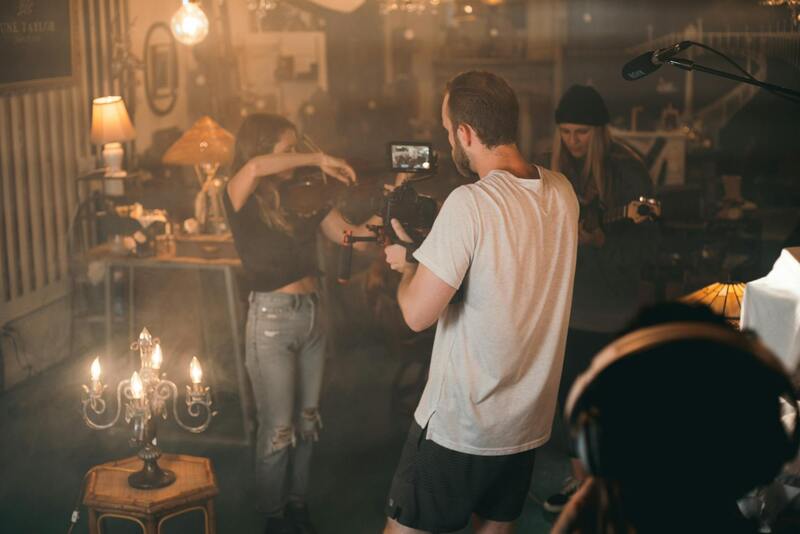
Beyond contractual and permission considerations, ethical standards in photography practice play a crucial role. This includes accurately representing the property without deceptive alterations or exaggerations, which maintains industry trust and adheres to truthful marketing principles.
To stay compliant and align with industry standards, many Miami-based real estate photographers seek certifications or participate in professional associations. These resources offer updated information on legal requirements, technological advancements, and ethical best practices, contributing to consistent, high-quality service delivery.
By integrating these legal protocols and ethical standards into daily operations, a professional real estate photographer can build a reputable, sustainable business. This approach fosters client confidence and ensures that all aspects of the photography process are handled responsibly, respecting both legal mandates and client privacy rights in Miami’s dynamic real estate market.
Final Considerations for a Professional Real Estate Photographer in Miami
Successfully establishing oneself as a reputable real estate photographer in Miami involves more than just technical skills and quality equipment. It requires a comprehensive understanding of the industry's operational standards, client expectations, and innovative marketing strategies. Building strong relationships with local real estate professionals is essential, as their referrals can significantly expand your client base.
Maintaining a consistent portfolio that highlights diverse property types, from luxury condominiums to commercial spaces, demonstrates versatility and attracts a broader audience. Engaging with property staging consultants can also enhance the visual appeal of your images, ensuring properties are presented in the best light for potential buyers and investors.
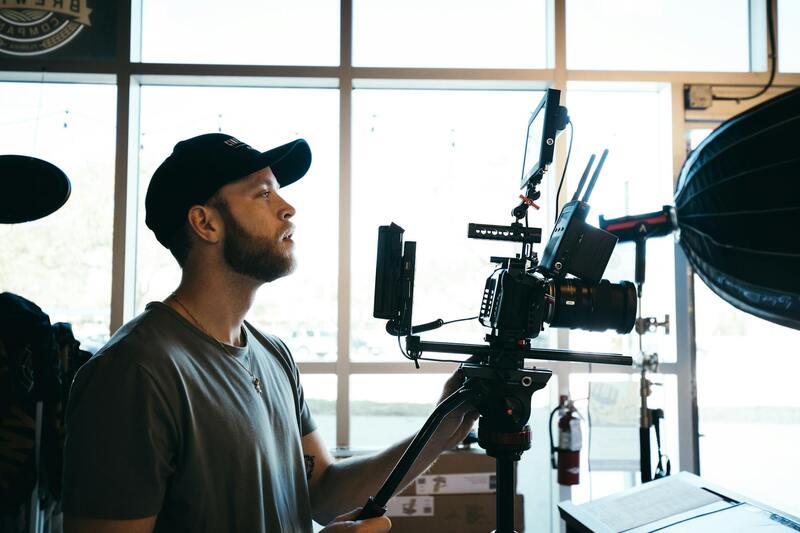
Investing in ongoing education and industry certifications keeps photographers abreast of the latest trends, technological advancements, and ethical standards. Participating in local real estate events and networking with agents and developers can yield new opportunities and collaborations, further securing your position in the market.
Marketing your services effectively involves creating an engaging online presence. Utilizing social media platforms, an optimized website, and targeted advertising campaigns improves visibility and attracts high-value listings. Testimonials and case studies of successful projects add credibility and demonstrate your expertise to prospective clients.
- Prioritize consistency and quality in all delivered images to build trust and loyalty among clients.
- Offer comprehensive packages that include both interior and exterior photography, virtual tours, and drone imagery.
- Ensure quick turnaround times to meet the fast-paced nature of the real estate market.
- Implement feedback systems to continually improve service quality based on client input.
Understanding the nuances of Miami's real estate landscape enables photographers to tailor their services more effectively. This includes knowing peak seasons for different property types, local zoning regulations, and the unique architectural styles that define Miami real estate. Adapting your approach accordingly will enhance your reputation as a dedicated and knowledgeable professional.
By cultivating a strong professional network, consistently refining your skills, and delivering outstanding visual content, a real estate photographer in Miami can distinguish themselves in a competitive market. Strategic investment in marketing, ongoing education, and client relationship management ensures a sustainable and rewarding career.