
Importance of Professional Photos for Real Estate Agents
In the competitive landscape of real estate, visual presentation plays a critical role in attracting potential buyers and establishing a trustworthy reputation. High-quality, professionally captured images are more than just a digital embellishment; they are pivotal in showcasing a property's true potential and appeal. When prospective clients browse listings, the quality of photos can significantly influence their decision to engage further or move on. Clear, well-composed images evoke a sense of professionalism, instill confidence in the listing, and can dramatically increase the property's visibility across online platforms. Professional images serve to highlight a property's best features, enabling viewers to visualize themselves inhabiting the space. They help to present the property in the most favorable light, emphasizing aspects like spaciousness, natural lighting, and unique architectural details. Listings with high-quality photos tend to attract more clicks, generate higher engagement, and receive faster responses from interested buyers. Moreover, the use of professional photography can transform a standard listing into a compelling marketing tool. It sets an agent apart within the crowded digital marketplace, showcasing dedication to quality and attention to detail. Professional photos often result in enhanced credibility, making the listing more trustworthy and appealing. This ultimately shortens the sales cycle, enabling real estate agents to close deals more efficiently. Effective property visuals not only boost online visibility but also extend their influence into offline marketing efforts. From print brochures and signage to open house displays, consistent, high-caliber imagery creates a cohesive and persuasive brand image. In essence, investing in professional real estate agent photos is a strategic move that elevates the overall marketing approach, builds client confidence, and accelerates property sales. The impact of expert photography extends beyond aesthetics; it fundamentally enhances the perception of value and professionalism across every stage of the transaction process.
Elements of Effective Real Estate Agent Photos
Creating impactful real estate agent photos requires careful attention to several core elements that influence how prospective clients perceive professionalism and trustworthiness. Every aspect from visual presentation to technical execution contributes to showcasing an agent’s credibility and approachability.
In terms of lighting, natural light is preferred whenever possible, as it enhances clarity and makes images feel warm and welcoming. Proper lighting ensures that facial features are clearly visible, and it highlights the professionalism projected through attire and grooming. To avoid shadows and uneven exposure, photographers often use diffusers and reflectors, particularly in indoor settings.
Background choices are equally pivotal. A clutter-free, neutral backdrop directs attention toward the agent without distractions. Consistent use of clean, uncluttered backgrounds across different images helps in creating a cohesive brand identity. This consistency elevates the perceived quality and increases recognition among potential clients.
Attire should reflect the professionalism of the real estate industry—typically, business casual or formal wear, depending on the market segment. Clothing should be well-fitted, pressed, and free of distracting patterns. Proper grooming and a genuine, approachable expression convey confidence and openness, which are critical in establishing trust at first glance.
Posture plays a subtle yet vital role; an upright stance with relaxed shoulders signals confidence, while a genuine smile fosters a sense of warmth. The composition of the shot should frame the agent’s face clearly, ensuring that their eyes engage viewers directly, establishing personal connection even through a photograph.
Incorporating these elements consistently across promotional materials ensures that the visual messaging aligns with the professional standards expected in the competitive real estate market. The goal is to portray the agent not just as knowledgeable but as relatable and dependable, reinforcing client confidence from the first visual impression.
Optimal Lighting Techniques and Composition for Real Estate Photos
Achieving striking and professional real estate agent photos hinges on meticulous lighting and composition. Proper lighting ensures the agent’s features are clearly visible, highlights their welcoming demeanor, and avoids undesirable shadows or glare that can distract viewers. Utilizing natural light during the day can create warm, inviting images, especially when shooting in well-lit indoor environments near windows. When natural light is insufficient or inconsistent, professional lighting equipment — such as softboxes, reflectors, and diffusers — helps produce evenly lit images that maintain a polished appearance. In terms of composition, the rule of thirds is an effective guideline to frame the agent’s face and upper body, adding visual interest and balance to the shot. Centering the agent directly within the frame can communicate confidence, but a slight offset can create a dynamic feel. Eye contact is crucial; images where the agent looks directly at the camera foster a sense of trust and engagement with prospective clients. Additionally, maintaining a shallow depth of field can blur the background, keeping the focus squarely on the agent while subtly reducing background distractions. Angles and posture are also vital considerations. Shooting from a slightly elevated angle can, in some cases, produce a more flattering perspective, while eye-level shots tend to feel more approachable. The agent should adopt an open, relaxed posture with shoulders back and head held high. A genuine, warm smile enhances approachability, encouraging potential clients to feel comfortable and confident in the agent’s professionalism. Proper framing of the photograph, ensuring the entire face and torso are captured without cropping important features, reinforces an image of attentiveness and competence. The background, whether an office setting or neutral backdrop, should complement the subject without overpowering the visual focus. Consistent lighting and framing techniques across all images help in establishing a cohesive visual identity that aligns with the agent’s brand and market positioning.

Legal and Ethical Considerations
When utilizing professional real estate agent photos, it is essential to adhere to accepted standards that maintain transparency and uphold the integrity of marketing efforts. Ensuring that photographs are an accurate representation of the agent's appearance and professional demeanor is crucial; this precludes the use of overly edited images that may distort reality or create false expectations. Authenticity in imagery fosters trust with prospective clients, helping to establish a truthful connection from the outset.
Consent is another vital element in the process. Agents should secure explicit permission from photographers, models, and any individuals appearing in images, confirming the right to use these photographs across various marketing channels. Proper consent helps mitigate misunderstandings related to image rights and usage, ensuring that all parties agree on the scope of image deployment.
Additionally, compliance with branding guidelines and industry standards should be maintained. This involves using consistent colors, styles, and visual elements that reflect the agent’s professional identity, promoting a cohesive and recognizable brand image. When incorporating images into multiple marketing platforms—including websites, social media, print brochures, and listings—the consistency of professional photos plays a key role in reinforcing brand authority and market presence.
In the digital age, protecting image rights and ensuring lawful usage are fundamental to maintaining a reputable image. Proper licensing agreements and clear documentation of image rights safeguard the agent and their marketing team, providing clarity over how and where these photos can be employed. Respecting these legal and ethical standards builds a foundation of integrity that resonates with prospective clients, reinforcing confidence in the agent’s professionalism.
Choosing the Right Photographer and Equipment
Securing the expertise of a qualified photographer is a fundamental step in creating high-quality real estate images that stand out in competitive markets. When selecting a photographer, it is important to evaluate their portfolio, ensuring they have a proven track record specializing in real estate photography. Experienced professionals are adept at capturing the nuances of space, lighting, and perspective, transforming properties into compelling visual stories. Their familiarity with the unique demands of real estate imagery guarantees images that highlight a property's best features and appeal to potential clients.
Beyond skill, attention should be paid to the equipment used during the shoot. Professional-grade cameras that offer high resolution are essential for producing crisp, detailed images. Camera lenses with wide angles help in capturing entire rooms and emphasizing spatial dimensions, making spaces appear larger and more inviting. Additionally, the use of professional lighting equipment can compensate for challenging lighting conditions within properties, ensuring balanced illumination that accurately depicts rooms without unwanted shadows or overly bright spots.
Advanced tools such as drone cameras are increasingly popular for capturing aerial views of larger properties, providing unique perspectives that enhance the overall appeal. Tripods and stabilizers contribute to steady, blur-free images, particularly in low-light environments or when shooting at slow shutter speeds. Post-processing software also plays a pivotal role in fine-tuning images—adjusting brightness, contrast, color balance, and removing minor imperfections—while maintaining a natural and authentic look that consumers trust.
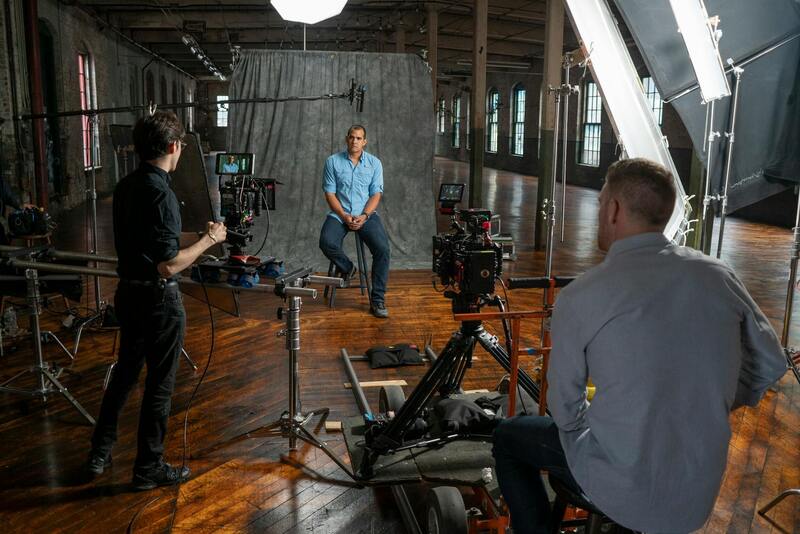
The choice of photographer and equipment directly impacts the visual impression a listing leaves on prospective buyers. High-quality visuals foster greater engagement, establish credibility, and reinforce an agent’s reputation for professionalism. Consequently, investing in reputable photographers equipped with the latest tools is a strategic move that complements other marketing efforts and elevates the overall presentation of real estate listings.
Legal and Ethical Considerations
When utilizing professional real estate agent photos, it is essential to adhere to established standards that govern image use and representation. Ensuring explicit consent from all individuals featured in photos—such as clients, staff, or any other persons—is fundamental. This not only respects personal privacy but also aligns with professional ethics.
Additionally, accuracy in visual representation plays a vital role. Photos should truthfully depict properties without embellishment or alterations that could mislead potential clients. Employing precise lighting, angle choices, and post-processing adjustments helps maintain this integrity, fostering trust and transparency.
Maintaining a professional image extends to consistent branding and presentation. Consistent color schemes, logo placement, and style in photographs reinforce brand recognition and establish a strong visual identity.
Reputable practices also involve securing permissions for surrounding properties or landmarks if they are prominent in the background, avoiding potential disputes or misinformation. Regularly reviewing image content for adherence to ethical guidelines ensures that marketing efforts remain reputable and effective.
Ensuring Proper Image Use and Representation
Implementing high-quality images in marketing hinges not only on the technical aspects but also on the responsible use of those images. It is crucial to obtain explicit permission before utilizing photographs that include identifiable individuals, such as clients, staff members, or colleagues, to respect their privacy and personal rights. This process involves clear consent, ideally documented, to prevent misunderstandings and to uphold ethical standards.
Furthermore, transparency in visual representations helps foster trust with prospective clients. Photographs should accurately reflect the property’s features, size, and condition without manipulation that could mislead viewers. For example, using true-to-life lighting conditions, accurate color rendering, and honest angles ensures that photographs depict the property faithfully.
Post-processing should enhance image quality without altering essential aspects of the property. Minimal retouching to improve clarity, correct lighting, or remove temporary imperfections is acceptable, provided it does not distort the true appearance of the property.
Another important aspect involves respecting intellectual property rights. When incorporating images of surrounding landmarks, scenery, or proprietary branding elements, permission should be secured to avoid potential disputes. This practice helps maintain a reputable marketing strategy grounded in respect for others’ rights.
Maintaining Consistency in Branding and Presentation
To reinforce brand identity, professional real estate photography should follow consistent stylistic guidelines. This includes using uniform color schemes, logo placements, and compositional styles across all images. Consistency not only enhances brand recognition but also demonstrates a commitment to professionalism.
Regular reviews of visual content help ensure adherence to these standards. Having a defined process for reviewing images before publishing guarantees that all photos meet established guidelines, thus safeguarding the integrity of the brand and the accuracy of property representations.
Legal and Ethical Considerations in Professional Real Estate Photography
When incorporating professional photographs into your real estate marketing, adherence to established standards helps uphold the integrity of your listings and enhances your reputation as an agent. Ensuring that images accurately represent the property is critical to building trust with potential buyers. This involves meticulous attention to detail during the shooting process and post-production phases to prevent misrepresentation.
One of the key practices is obtaining necessary permissions for any additional elements included within the photographs. If images feature private properties, proprietary branding, or recognizable landmarks, securing appropriate rights or permissions is important. This not only respects the intellectual property of others but also avoids potential disputes that could impact your professional standing.
Furthermore, transparent disclosure about the extent of image editing fosters honesty with clients and prospects alike. Minimal enhancement to correct lighting or minor imperfections is generally acceptable, provided it does not alter the original features of the property. Disproportionate alterations that significantly change colors, structures, or spatial representations should be avoided, as they could lead to mismatched expectations upon viewing the property physically.
Another essential aspect involves respecting privacy. When photographing properties, ensure that personal belongings or sensitive areas are either excluded or properly blurred if necessary. This practice safeguards the privacy of current residents and maintains a professional approach to property marketing.
In addition, compliance with local regulations concerning drone photography, if used, requires understanding specific rules, restricted airspace, and requisite permits. Proper authorization demonstrates adherence to municipal guidelines and further supports a transparent marketing process.
Protecting Your Brand and Building Client Trust
- Consistently verify that all images reflect the property's true condition and features.
- M maintain transparency about any post-processing adjustments.
- Secure appropriate permissions, especially for proprietary or protected imagery.
- Respect privacy rights and avoid exposure of sensitive information or areas.
- Obtain necessary permits when using aerial or drone photography.
This disciplined approach to ethical photography affirms your professionalism, contributes to positive client experiences, and solidifies your reputation as a trustworthy real estate agent.