
Importance of High-Quality Property Photos
In the competitive Miami real estate market, the visual presentation of a property can significantly influence its appeal to prospective buyers. High-quality professional property photos serve as the initial point of contact for many potential clients, often forming their first impression. Well-executed images not only showcase a property's best features but also evoke an emotional connection, prompting viewers to schedule viewings or make offers more swiftly.
In markets like Miami, where luxury properties, waterfront homes, and modern condos dominate the landscape, the quality of photographs can be the decisive factor in attracting attention from an international audience. Listings equipped with crisp, clear images demonstrate professionalism and dedication, thereby instilling confidence in buyers. Furthermore, compelling visuals can elevate a property's perceived value, encouraging higher offers and facilitating quicker sales.
Research indicates that listings with professional images tend to receive more online views, increased engagement, and a higher probability of selling at favorable prices. For real estate agents and property owners aiming to maximize their investment, prioritizing professional property photography translates into amplified visibility and competitive advantage within Miami's vibrant and diverse marketplace.
Choosing a Professional Property Photographer
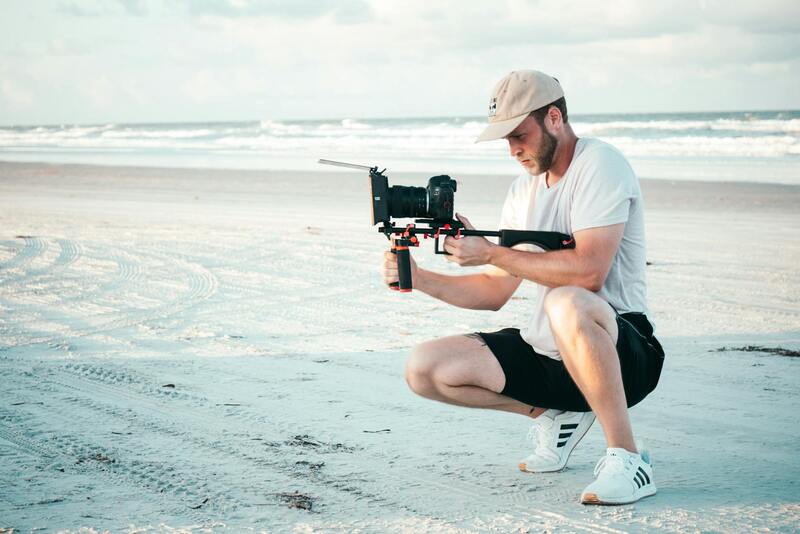
Selecting the right photographer for property photography is crucial to ensure that images capture the property's true essence and appeal to prospective buyers. When evaluating potential professionals, focus on their portfolio, experience in real estate photography, and familiarity with the Miami market. A seasoned photographer understands how to leverage natural light and select angles that maximize a property's strengths. They are adept at creating a visual narrative that guides viewers through the space, emphasizing flow, space, and unique features. Furthermore, the best real estate photographers employ post-processing techniques to enhance image quality without misrepresenting the property's condition. Consistency across your listing images fosters trust and presents a cohesive visual story that appeals to potential buyers. Clients should also inquire about references and reviews from previous clients to assess reliability and professionalism. An insightful photographer should demonstrate knowledge of current real estate marketing trends and be able to advise on staging and lighting setups that will elevate the property’s presentation.

Equipment and Techniques for Professional Photos
Quality real estate images require specialized equipment and techniques. Wide-angle lenses are essential, allowing the photographer to capture more of each room and showcase spaciousness, especially important in Miami's luxury properties. High dynamic range (HDR) imaging techniques enable capturing details in both bright and shadowed areas, ensuring well-lit and balanced photos. Tripods are used to stabilize shots, minimizing distortion and blurriness, while professional lighting setups can be employed to enhance interior spaces, particularly in areas with limited natural light. Drone photography is also a popular tool for capturing expansive exterior views, waterfront scenes, or unique architectural angles. Post-processing is equally vital, with adjustments made to brightness, contrast, color balance, and perspective correction. Such enhancements ensure images appear vibrant and true to life, providing potential buyers with a reliable visual experience that encourages engagement and inquiry.

Optimizing Property Photos for Online Listings
Once high-resolution images are captured, optimization becomes essential to maximize their impact in online listings. Proper formatting, sizing, and compression ensure fast loading times without sacrificing quality, providing a seamless viewing experience across devices. Clear, well-structured galleries and strategically ordered images help guide potential buyers through the property, emphasizing key features first. Captions and descriptions should complement each photo, highlighting unique aspects and updates that add value. Incorporating lifestyle imagery showing the property's potential uses and neighborhood insights can foster emotional connections, increasing interest. Furthermore, utilizing image SEO best practices — like descriptive alt tags and relevant file names — improves search engine visibility, bringing more traffic to listings. This multi-faceted approach ensures the visual content effectively captures attention, prolongs engagement, and drives inquiries, ultimately helping properties stand out in Miami's competitive real estate market.
Legal and Ethical Considerations in Property Photography
Maintaining integrity in property photography is vital for establishing trust with prospective buyers and ensuring a transparent viewing experience. Using images that accurately represent the property’s condition, dimensions, and features supports honest marketing practices and fosters buyer confidence. Photographers should avoid manipulations that could mislead viewers, such as excessive photo editing or strategic distortion of space and amenities.
Respecting privacy and security is paramount. This involves obtaining permissions before photographing private areas or residents and being mindful of personal belongings that may inadvertently appear in shots. Protecting the privacy of current occupants aligns with ethical standards and demonstrates professionalism.
It is also essential to adhere to local regulations and guidelines related to property advertising. This can include restrictions on drone photography or specific disclosures necessary when capturing certain types of properties. Ensuring compliance with these standards demonstrates integrity and enhances a agency’s reputation.
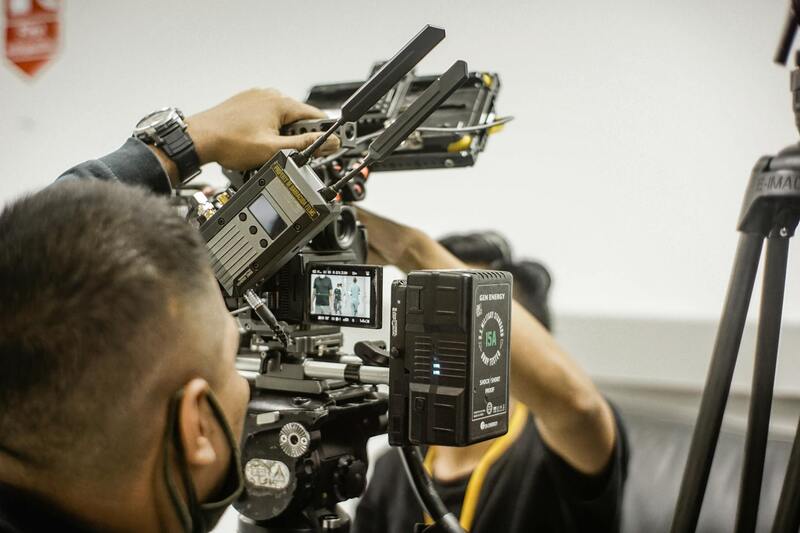
Using legitimate equipment and techniques also plays a critical role. Employing professional-grade cameras, tripods, and lighting tools ensures clarity and accuracy in images, while avoiding the temptation to rely on low-quality or overly optimized photos that could distort the viewer's perception.
Furthermore, clear labeling and proper attribution of images reflect a commitment to transparency. If third-party services or stock photos are used, appropriately acknowledging the source prevents misunderstandings regarding the property's actual features.
Overall, adhering to ethical standards not only complies with industry norms but also positively influences the reputation of real estate professionals and agencies, reinforcing their credibility in a competitive Miami market.
Equipment and Techniques for Professional Photos
Securing striking property images requires the use of advanced equipment paired with refined techniques. High-quality cameras equipped with full-frame sensors are favored for their superior image clarity, color accuracy, and resolution, which are essential for capturing the fine details of any property. Wide-angle lenses, typically ranging between 14mm and 24mm, allow photographers to encompass entire rooms within a single shot, creating a sense of spaciousness that appeals to potential buyers or renters.
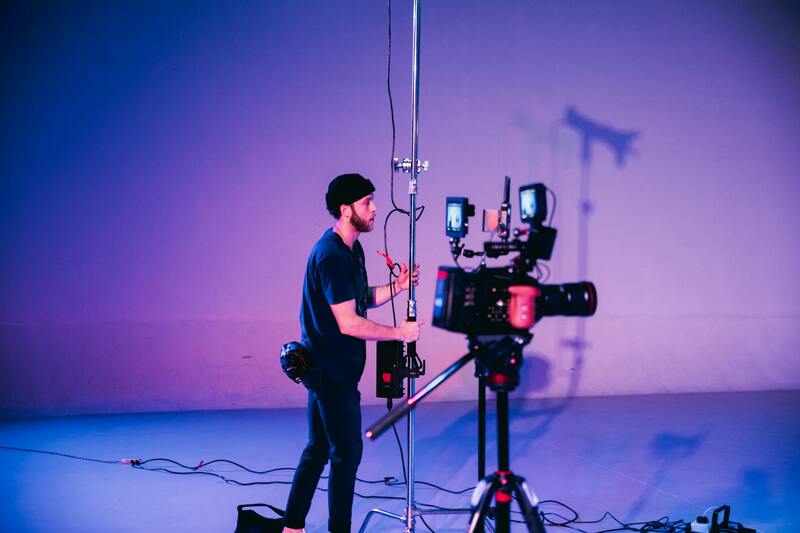
Utilizing tripod stabilizers ensures crisp, blur-free images, especially in interiors where lighting may be limited. Proper tripod use guarantees consistent framing and perspective, producing a cohesive visual narrative of the property. Additionally, professional lighting tools—such as diffused strobes, softboxes, and reflectors—help balance natural light and fill shadows, resulting in well-lit, inviting images that accurately depict the property's ambiance.
Drone photography has become an indispensable element in modern property imaging. Aerial shots provide prospective buyers with a comprehensive view of the property's exterior, surrounding amenities, and the neighborhood layout. Drones equipped with high-resolution cameras, operated by trained professionals, can capture dynamic perspectives that traditional ground-level photos cannot match. When executed properly, drone shots add a significant competitive edge by showcasing the property's scale and environment context.
Process-wise, meticulous planning of shots—such as identifying the best angles, times of day for optimal natural lighting, and ensuring the property is tidy—enhances visual appeal. Skilled photographers often employ high-dynamic-range (HDR) imaging to combine multiple exposures, ensuring details are visible in both bright and shadowed areas. This technique helps create bright, crisp images that stand out on online listings and marketing materials.
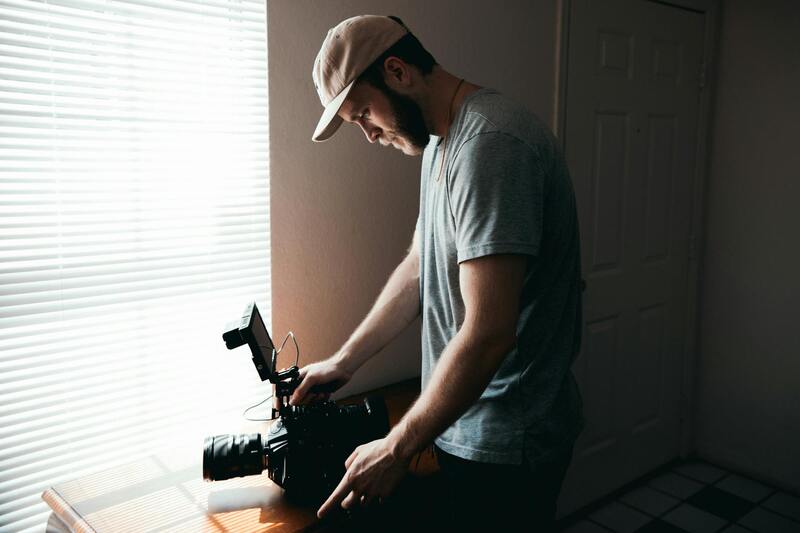
Beyond equipment, mastery lies in applying effective techniques that resonate with viewers. Proper composition follows the rule of thirds, drawing focus to key features such as a spectacular kitchen island or a scenic backyard. A well-executed shoot considers the flow of the space, leading viewers' eyes naturally through the rooms, evoking emotion and interest. Photographers also pay attention to image processing, using professional editing software to enhance colors, straighten lines, and correct minor distortions—without compromising the authenticity of the property’s features.
Legal and Ethical Considerations in Property Photography
Ensuring that property photos adhere to established standards not only enhances the visual appeal but also maintains trustworthiness and integrity in marketing efforts. The use of proprietary property images must respect copyright laws, meaning that obtaining proper permissions before publishing or sharing photos is essential. This is particularly relevant when photographers incorporate elements like artwork, branded signage, or private interiors that require consent for commercial use. Furthermore, accuracy in showcasing the property’s features is of utmost importance. Photographers should avoid deceptive practices such as overly extensive editing or stereotyping to make spaces appear larger, brighter, or more appealing than they genuinely are. Transparency about the condition of the property fosters credibility and builds rapport with prospective buyers or tenants. In terms of privacy, respecting the neighbors' right to privacy in aerial shots or exterior images is vital. Proper planning of shot angles and timings helps prevent unwanted inclusion of neighboring properties or personal areas. When selecting photographs for listings, prioritize honesty and clarity, offering potential clients an authentic representation that aligns with the actual space. This honesty not only fosters positive relationships but also minimizes potential disputes or misunderstandings. Finally, professional photographers adhere to ethical standards by maintaining accountability for their work. This includes providing consistent quality, clear communication throughout the process, and safeguarding the images against unauthorized use or dissemination. Such practices reinforce a reputation for reliability and meticulousness, which ultimately supports ethical marketing and helps uphold the industry’s standards.
Legal and Ethical Considerations in Property Photography
When engaging in property photography for listings, adherence to established guidelines ensures a professional and respectful presentation that benefits all parties involved. Securing explicit permissions before capturing images of private interiors or identifiable features respects the rights of homeowners and tenants, fostering trust and demonstrating integrity in marketing efforts. This step is especially critical when displaying artwork, branded signage, or private spaces that require consent for commercial use, ensuring that the portrayal aligns with legal and ethical standards. Transparency remains a cornerstone of effective property marketing. Photographers and real estate professionals must avoid deceptive editing practices that could distort the true appearance of a property. Overly enhanced images that exaggerate size, brightness, or appeal can inadvertently mislead prospective buyers or tenants, leading to dissatisfaction and potential disputes. Honest representation through accurate photos builds credibility, encouraging trust and long-term relationships. Respecting neighbors' privacy is equally essential, especially with exterior or aerial images. Proper planning of shot angles, times of day, and choosing appropriate viewpoints can prevent the inadvertent inclusion of private areas or neighboring properties. Such considerations not only uphold ethical standards but also demonstrate professionalism and respect for the community. Maintaining accountability for photographic work extends to the safeguarding of images. Proper storage, controlled distribution, and measures against unauthorized use protect the interests of homeowners and agencies, reinforcing a reputation for reliability. Ethical practices such as consistent quality, transparent communication, and clear attribution underpin the credibility of professional property photography and contribute to a reputable marketing environment.

Legal and Ethical Considerations in Property Photography
In the realm of professional property photography, adhering to established standards of integrity and respect is essential to fostering trust with clients and prospective buyers. Ethical photography practices ensure that images accurately and truthfully represent the property, avoiding deceptive enhancements or alterations that could mislead viewers. For instance, photographers should steer clear of overuse of HDR effects or excessive retouching that significantly change the property's appearance without disclosure. Transparent shooting and editing practices reinforce the authenticity of listings, building confidence with potential buyers and preventing misunderstandings. Respect for privacy extends beyond accurate portrayals. Photographers must thoughtfully plan shot angles, times of day, and vantage points to avoid unintentionally capturing private spaces or neighboring properties. This careful approach not only demonstrates professionalism but also respects the community’s boundaries, which is crucial in maintaining rapport with clients and adhering to ethical guidelines. Ensuring proper permissions is a fundamental aspect of ethical photography. Obtaining consent from property owners, tenants, or other relevant parties before photographing or publishing images protects all involved and maintains the integrity of the listing. Likewise, respecting intellectual property rights involves appropriately attributing images and safeguarding digital assets against unauthorized use. Another significant consideration involves managing digital assets responsibly. Secure storage and controlled distribution of property images prevent unauthorized copying and misuse, safeguarding client interests and preserving the photographer’s reputation for reliability. Such practices highlight a commitment to professionalism and ethical responsibility. In addition, clear communication regarding what the images depict, including any limitations or scope of the photographic work, helps set accurate expectations. Transparency about the editing process, the scope of the shoot, and image rights fosters trust and complies with industry standards. Overall, ethical property photography is rooted in honesty, respect, and accountability, ensuring that promotional efforts serve both clients’ interests and the needs of prospective buyers in an industry that values credibility and professionalism.
Legal and Ethical Considerations in Property Photography
Conducting property photography involves adhering to a set of established standards that prioritize transparency, respect, and integrity. A crucial aspect of this responsibility is obtaining clear permissions from relevant parties before capturing images of a property. This ensures that all stakeholders, whether property owners or tenants, are aware of and consent to the use of photographs for marketing purposes. Respecting privacy rights and the expectations of those involved helps cultivate trust and maintains positive relationships within the real estate community.
Safeguarding intellectual property rights is equally essential. Proper attribution of images and ensuring digital assets are protected against unauthorized use are practices that uphold the rights of photographers and clients alike. When property photos are shared or published, there should be clarity about ownership and permissible uses to prevent misunderstandings or potential disputes. This respect for intellectual property underscores the professionalism of photographers and the integrity of the marketing process.
Handling digital assets responsibly is a fundamental element of ethical practice. Secure storage solutions and restricted access reduce the risk of unauthorized copying or distribution, protecting client investments and the photographer’s reputation. Clear protocols for sharing images—such as watermarks or licensing agreements—help maintain control over where and how the images are utilized, further demonstrating a commitment to ethical standards.
Effective communication about the scope and nature of photographic services fosters transparency. Clear explanations of the editing process, the extent of coverage, or any limitations ensure that clients and stakeholders have realistic expectations. Additionally, informing clients about image rights and the proper use of photographs builds trust and aligns with industry best practices. This level of openness not only enhances credibility but also solidifies the reputation of the professional photographer.
By consistently adhering to these guidelines, photographers promote a transparent, respectful, and professional environment that benefits all parties involved. The result is a portfolio of images that accurately and ethically represents the property, supporting ethical marketing efforts and upholding the standards of the real estate industry.