
Importance of Professional Real Estate Photography
In today’s competitive housing market, the quality of property images plays a pivotal role in attracting potential buyers and ensuring a swift sale. Professional real estate photography elevates the visual appeal of a property, creating a lasting impression that can significantly influence buying decisions. When prospective buyers browse online listings, the initial visual impression often determines whether they will take the next step to schedule a viewing or move on to other options.
High-resolution, well-composed photographs provide a comprehensive view of the property, highlighting its best features and making spaces appear more inviting and spacious. This increased visual clarity and professionalism can lead to higher engagement rates on listing platforms, with potential buyers spending more time viewing the images and forming a positive perception of the home.
Effective real estate photography also contributes to faster sales by reducing the number of days a property stays on the market. Listings with compelling imagery tend to generate more inquiries and showings, which accelerates the overall selling process. Moreover, professional photos can set a property apart from competing listings, giving sellers an edge in the bustling Miami real estate market.
Impact on Buyer Perception
- Creates a positive initial impression
- Highlights key features and strengths of the property
- Conveys a sense of professionalism and trustworthiness
Online Engagement and Listing Visibility
- Increases click-through rates on real estate platforms
- Encourages more inquiries and viewing appointments
- Boosts overall listing exposure through improved presentation
Speeding Up the Sale Process
- Reduces time on the market
- Attracts serious buyers quickly
- Facilitates competitive offers and negotiations
Summary
Overall, investing in professional real estate photography is a strategic move that can enhance online visibility, appeal to more buyers, and lead to faster, more successful sales, particularly in a vibrant market like Miami.
Choosing the Right Equipment and Techniques
To produce compelling real estate photographs that resonate with potential buyers, selecting the appropriate equipment and mastering proven techniques are essential. High-resolution digital cameras with wide-angle lenses are fundamental, as they capture expansive views of each room, making spaces appear larger and more inviting. These lenses help minimize distortion, ensuring that room proportions remain accurate, which is critical in portraying the true essence of a property.
In addition to camera choice, utilizing tripod stabilizers ensures sharp, clear images free of blurriness caused by hand movement. A stable shot provides a professional look that enhances the property’s appeal. For interior shots, supplemental lighting, such as portable LED panels or reflectors, can dramatically improve brightness and color accuracy, eliminating shadows that obscure features. Proper lighting setups highlight a room’s best attributes, creating a warm and welcoming atmosphere online.
Techniques such as HDR (High Dynamic Range) imaging are valuable for capturing scenes with complex lighting conditions, balancing shadows and highlights to produce evenly exposed images. Post-stitching of multiple exposures ensures that interior and exterior shots showcase clear details both in bright and dark areas. Moreover, perspective control methods, including careful camera positioning and level adjustments, help maintain straight lines and eliminate skewed appearances, resulting in images that are true to life.
Preparing the Property for Photography
Effective property preparation sets the stage for stunning imagery. Cluttered spaces or personal items can divert attention from a home’s features; therefore, decluttering and depersonalizing are necessary steps. Ensuring that each room is tidy, well-organized, and free of distractions helps viewers focus on the property itself.
Lighting plays a vital role in photography, so natural light should be maximized whenever possible. Opening curtains and blinds allows sunlight to flood into rooms, creating an airy and lively ambiance. For darker interiors or overcast days, supplementary lighting should be strategically placed to ensure consistent brightness. Additionally, staging furniture and decor to accentuate space flow and usability can significantly enhance visual attractiveness.
Editing and Post-Processing for Real Estate Photos
Post-processing is an integral component of professional real estate photography. Editing software allows for precise adjustments to enhance image quality, including color correction, straightening horizons, and improving overall brightness and contrast. Subtle retouching can remove minor imperfections, ensuring the property appears pristine and attractive.
However, it is crucial that edits remain true to the actual appearance of the property. Overly manipulated images can mislead potential buyers and reduce trust. Consistency in editing style across all photos maintains a coherent and professional listing presentation, fostering confidence in prospective buyers.
Delivering and Utilizing Property Photos in Marketing
Once finalized, high-quality images should be optimized for various online platforms. Properly sized and formatted photos load quickly, ensuring a smooth user experience on listing sites, social media, and email campaigns. Incorporating the best images into virtual tours, slide shows, and 3D walkthroughs further enhances the exposure of the property, attracting a broader audience.
Strategic image placement and presentation can significantly influence a buyer’s decision-making process. Highlighting the home’s key amenities through focal shots or staging images can make listings more engaging and persuasive.
Choosing the Right Equipment and Techniques
To achieve outstanding real estate images, selecting the appropriate equipment and employing professional techniques are critical. High-quality digital cameras with large sensors are favored for their ability to capture detailed, high-resolution images under various lighting conditions. Investing in a camera capable of shooting in RAW format ensures maximum flexibility during post-processing, preserving image detail and color accuracy.
Lens selection also plays a vital role in producing compelling visuals. Wide-angle lenses, typically in the 14-24mm range for full-frame cameras, enable photographers to capture more of a room in a single shot, making spaces appear larger and more inviting. These lenses are particularly effective in cramped or narrow rooms, where perspective can distort, but proper correction during editing maintains natural proportions.
Employing specific shooting techniques enhances the overall quality and appeal of property photos. Dynamic shooting angles, such as shooting from a corner to showcase space, help create a sense of depth and dimensionality. Proper framing emphasizes key features, like fireplaces, stunning views, or modern kitchens, guiding viewers’ attention to the home’s selling points.

High Dynamic Range (HDR) imaging is another vital technique. HDR involves capturing multiple exposures and blending them to create images that accurately depict both the bright and dark areas within a room. This technique ensures balanced exposure, preventing windows from appearing washed out while maintaining interior details, offering a true representation of the property’s ambiance.
Proper lighting is indispensable. Utilizing natural light during peak hours when sunlight floods the interior minimizes shadows and highlights the home’s best features. Supplementing with professional lighting equipment, such as softboxes or diffused flash, ensures consistent lighting across different areas, especially in spaces lacking ample daylight.
Careful consideration of composition, including the Rule of Thirds and leading lines, guides the viewer’s gaze through the image. This strategic approach enhances visual interest and directs attention towards the home’s most attractive aspects, boosting overall appeal.
Effective Use of Lighting and Composition in Property Photography
Optimizing lighting and composition plays a crucial role in capturing compelling real estate images that appeal to prospective buyers. Employing natural light during peak daylight hours highlights the home’s best features while reducing the need for extensive artificial lighting setups. When shooting interiors, opening blinds and curtains allows sunlight to fill rooms, creating a warm and welcoming atmosphere. If natural light is limited, professional lighting fixtures, such as softboxes or diffused flashes, are essential to ensure even illumination without harsh shadows or overexposure.
In terms of composition, understanding and applying established principles significantly enhances photo quality. The Rule of Thirds involves mentally dividing the image into thirds both horizontally and vertically, then placing key features along these lines or intersections to produce balanced and engaging photos. Leading lines, such as hallways, staircases, or architectural details, naturally draw the viewer’s eye through the image, leading them deeper into the property’s story. Proper framing focuses attention on standout features like a modern kitchen island, a stunning fireplace, or scenic views from large windows. These techniques serve to guide potential buyers’ attention toward the home’s most attractive aspects, increasing the likelihood of an inquiry.
Color Correction and Image Enhancement
Post-processing of real estate images is a vital step to ensure that photographs accurately reflect the property’s true appearance while enhancing their visual appeal. Color correction involves adjusting white balance, saturation, and contrast to produce vibrant but natural-looking images. This process eliminates any unwanted color tints caused by indoor lighting or camera settings, ensuring the property appears as it does in reality.
Image enhancement extends beyond basic adjustments. Techniques like perspective correction straighten distorted lines created by wide-angle lenses, ensuring walls and floors appear true-to-life. Additionally, minor retouching can address imperfections such as smudges, reflections, or distracting elements cluttering the scene. Skilled editing ensures the final images are sharp, balanced, and inviting, ultimately attracting more potential buyers.
Consistency and Style in Photo Series
Maintaining a consistent style across all property photos creates a professional and cohesive presentation that reinforces the property's branding. Consistent lighting, color tones, framing, and perspective in each shot communicate a sense of quality and attention to detail. This uniformity not only improves the overall aesthetic but also helps potential buyers form a clear mental image of the property.
Employing a specific editing style—such as bright and airy or warm and cozy—depending on the property's character and target market, further enhances appeal. These stylistic choices should be reflected throughout the entire series of images, including exterior views, main rooms, bedrooms, bathrooms, and special features. A well-curated, stylistically consistent gallery can significantly influence buyer perception and engagement.
Effective Techniques for Composition and Lighting
Creating compelling real estate images hinges on mastering composition and lighting techniques that highlight a property's strengths. Proper framing directs the viewer’s eye to key features, ensuring each shot showcases the space's best attributes. For interior shots, employing the rule of thirds positions focal points strategically, drawing attention to architectural details, natural light sources, and design elements. Exterior photographs benefit from elevated angles to provide a comprehensive view of the property and its surroundings, positioning the home as an inviting focal point in the neighborhood.
Lighting plays a critical role in visual appeal and perceived quality. Utilizing natural light during optimal times of day—such as early morning or late afternoon—adds warmth and depth to images. For interiors, supplementary lighting like diffused flashes or LED panels can balance shadows, negate glare, and emphasize textures. Consistent lighting ensures the home appears vibrant and inviting, avoiding underexposed or overexposed areas that diminish visual impact.
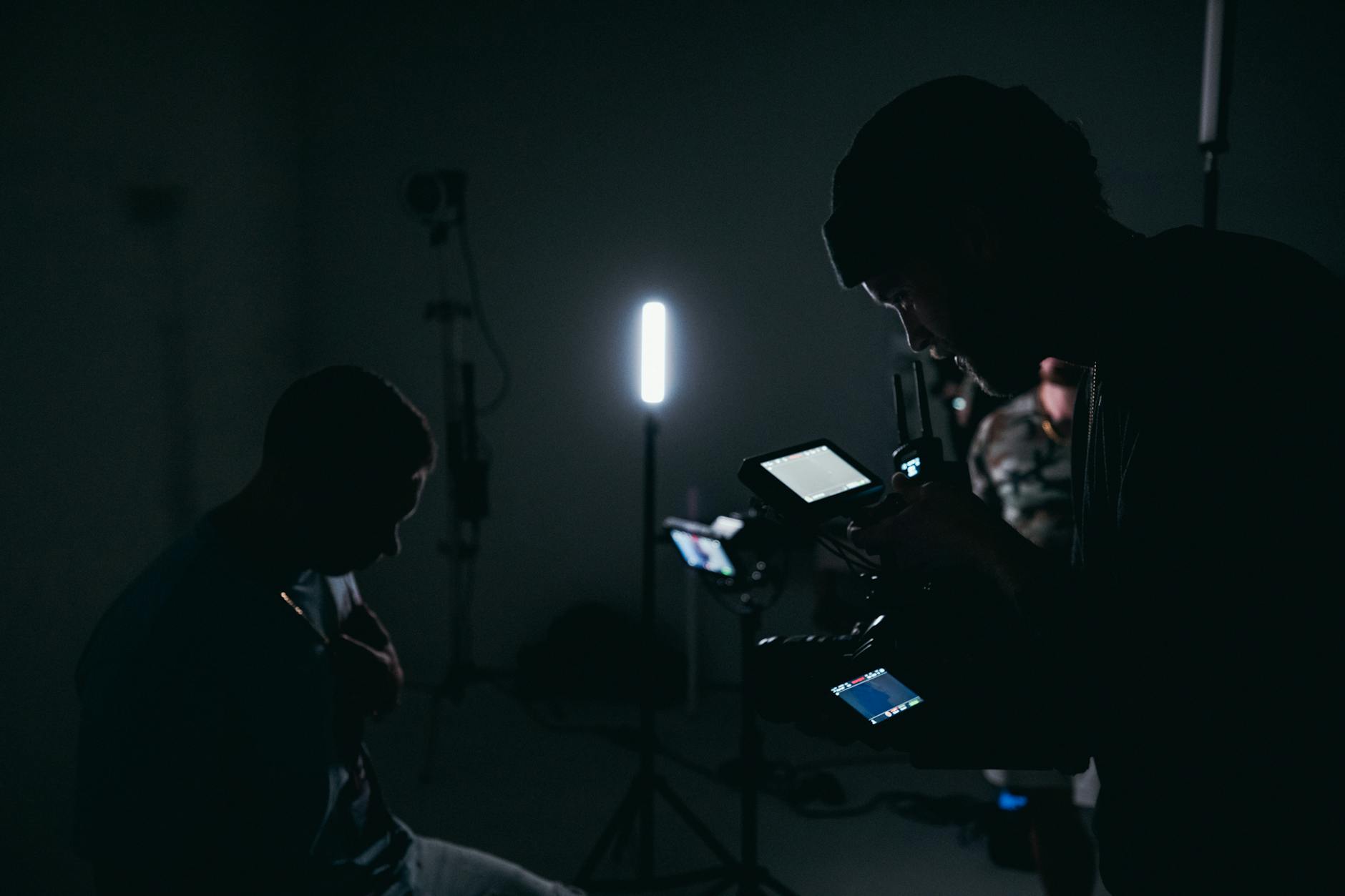
Utilizing Advanced Techniques for a Competitive Edge
To distinguish property listings, advanced techniques such as high dynamic range (HDR) imaging combine multiple exposures to capture details in both bright and shadowed areas, producing balanced images that accurately represent the space. Similarly, panoramic shots can convey the scale and flow of larger properties or open-plan layouts, giving potential buyers a more immersive experience.
Vertical and horizontal alignment are crucial for producing structurally accurate images. Employing tripod mounts ensures stability and consistency across shots, especially in low-light conditions or when capturing interior spaces with wide-angle lenses. Diligence in capturing multiple perspectives from various angles allows for a comprehensive gallery that appeals to diverse buyer preferences.
Post-processing then enhances these images further by correcting distortions caused by wide-angle lenses, straightening lines to maintain architectural integrity, and emphasizing key features through subtle enhancements. Consistency in editing style across the entire set of property photos reinforces professionalism and helps the listing stand out in a competitive market.
Strategies for Effective Photo Delivery and Marketing Integration
Once high-quality images are captured and meticulously edited, the next stage involves their strategic deployment across various marketing channels. Proper delivery not only ensures that potential buyers access crisp, vibrant visuals but also maximizes the property’s visibility in competitive online markets. Compatibility with multiple platforms—such as real estate listing websites, virtual tours, social media, and email campaigns—requires attention to technical specifications, including optimal resolution, file format, and aspect ratios.
To enhance user experience and engagement, digital assets should be optimized for quick loading times without sacrificing quality. This often involves compressing images using advanced algorithms that retain clarity and detail, especially important for mobile device viewers. Additionally, implementing geo-tagging and metadata within image files improves searchability, ensuring property photos appear prominently in geographically targeted searches.
Integrating visuals into virtual tours and 3D walkthroughs affords potential buyers an immersive experience, allowing them to explore the property remotely with realistic perspective and depth. This digital synergy can significantly influence buyer interest and decision-making processes.

Social media platforms provide a powerful avenue for real estate marketing, where engaging visuals can generate shares, inquiries, and foot traffic. Creating tailored posts with multiple images, video snippets, and virtual tours increases engagement metrics and broadens the reach, especially when combined with targeted advertising campaigns.
In print advertisements, high-resolution images serve to create compelling brochures, flyers, and signage that draw prospective buyers' attention during open house events or neighborhood displays. Consistent and professional visual branding across all marketing collateral builds trust and recognition.
The ultimate goal in utilizing property photos effectively is to transform visual storytelling into tangible results—more viewings, faster sales, and higher offers. This process hinges on strategic placement, technical optimization, and maintaining a cohesive visual narrative that accentuates the property’s best features while aligning with the target market’s preferences and behaviors.
Cost Considerations and Investment in Quality Photography
Investing in professional real estate photography for selling a house involves weighing the financial benefits against the associated costs. Typically, high-quality images can significantly influence a property's marketability, leading to quicker sales and potentially higher offers, justifying the expenditure. In the Miami real estate market, where competition is fierce and buyer preferences are highly visual, professional photography has become an essential aspect of the sales strategy.
Costs vary depending on the scope of work, the experience of the photographer, and additional services such as drone footage or twilight photos. While some homeowners or agents may opt for budget-friendly options, opting for experienced professionals ensures the delivery of consistently superior images that accurately represent the property’s best features. This investment often pays off by attracting more prospective buyers and reducing the property’s time on the market.
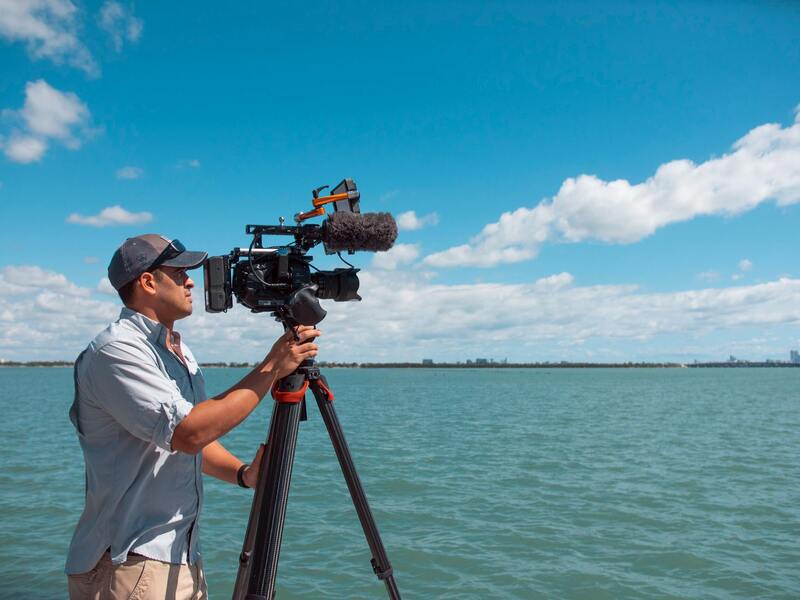
When considering the expense, it is crucial to take into account the value of the images in the broader marketing strategy. Professional photos create a compelling visual narrative, helping the property stand out amidst nearby listings and attracting discerning buyers who expect clarity, brightness, and an authentic sense of space. Additionally, professional photography often includes multiple formats, such as HDR images, virtual tours, and aerial shots, which can diversify marketing channels and appeal to different buyer preferences.
Budgeting appropriately for professional photography is an investment that aligns with the goal of maximizing property exposure and achieving optimal sale outcomes. Real estate professionals in Miami frequently find that the incremental costs associated with high-quality images are offset by the rapid interest and competitive offers they generate.
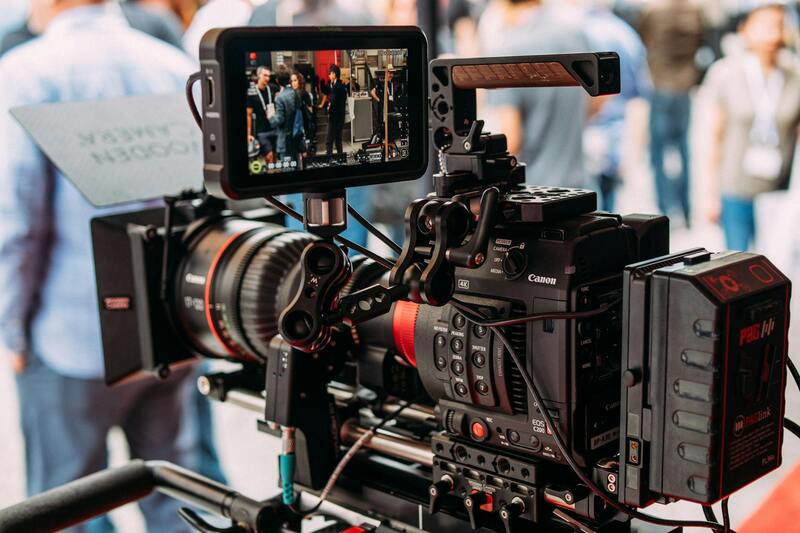
Maximizing the Impact of Professional Photography on Sale Outcomes
Once the high-caliber images are captured and refined through expert editing, the next crucial phase involves their strategic deployment across various marketing channels. Effectively leveraging these images is key to attracting serious buyers and facilitating a smooth sale process.
Optimized Online Listings
In today's digital-driven real estate market, online platforms remain the primary touchpoint for prospective homebuyers. Professional photographs serve as the initial visual hook that draws viewers to click on a listing. High-resolution images, properly sized and formatted, ensure maximum clarity and impact. Employing a compelling cover photo that highlights the property's best feature enhances click-through rates. Incorporating a balanced mix of interior, exterior, and aerial shots creates a comprehensive visual narrative, offering buyers an immersive experience that encourages further inquiry.
Utilization in Brochures and Print Materials
Traditional marketing materials such as brochures, flyers, and postcards remain effective tools in targeted campaigns. Professionally captured images lend a polished and credible appearance to printed advertisements. High-quality photos can elevate the perceived value of the property, making it stand out during open houses or broker previews. Ensuring consistency in style and branding across all printed and digital collateral enhances the property's presentation and leaves a lasting impression on potential buyers and agents alike.
Virtual Tours and Video Content
Building on static images, many successful marketing strategies integrate virtual tours and video walkthroughs. These dynamic presentations enable remote buyers to experience the property's layout and ambiance from anywhere. Professional photography facilitates smooth, high-quality virtual tours, emphasizing each room's spatial qualities and natural lighting. When combined with engaging narration or background music, such multimedia content significantly increases engagement and time spent viewing the listing.
Social Media and Advertising Campaigns
Social media platforms provide a powerful avenue for showcasing professional property images to targeted audiences. Dynamic image carousels, reels, and stories can maximize exposure, generate buzz, and reach potential buyers more effectively. Properly optimized photos—aligned with platform specifications and best practices—enhance visibility and sharing potential. Paid advertising campaigns that feature striking visuals can amplify reach, bringing in qualified leads and accelerating interest in the property.
Specialized Marketing Tools
Advanced marketing tools incorporate high-quality images into virtual reality (VR) tours, 3D walkthroughs, and interactive floor plans. These immersive experiences often require precise and compelling photography as the foundation. Such tools provide a modern, innovative edge that appeals to tech-savvy buyers, particularly in vibrant markets like Miami. Investing in professional images ensures that these digital experiences are crisp, inviting, and true to reality, instilling confidence and interest among prospective buyers.

The manner in which property images are integrated into marketing efforts significantly influences the speed and price of sale. When images are thoughtfully used to create a compelling visual story, they not only attract more inquiries but also set the stage for successful negotiation and closing. Given the competitive Miami real estate environment, professional photography acts as a cornerstone in crafting an attractive, trustworthy, and memorable listing that resonates with discerning buyers.