Understanding the Importance of Professional House Photography
In the competitive real estate market of Miami, the visual presentation of a property can significantly influence buyer or renter interest. High-quality house photography acts as a pivotal marketing tool, showcasing the property's best features with clarity, precision, and aesthetic appeal. When prospective clients browse listings online, their first impression often hinges on the quality of the images presented. Images that are professionally captured not only draw attention but also convey a sense of trust and credibility. They help potential buyers visualize living in the space, highlighting architectural details, interior design elements, and exterior landscapes effectively.
In areas like Miami, where real estate prices are substantial and market competition fierce, the impact of professional house photography becomes even more pronounced. Buyers are inundated with numerous options, and compelling imagery can tip the scales in favor of one property over another. Well-executed photographs can also reduce the time a property spends on the market, ensuring that listings attract serious inquiries more quickly. This visual strategy extends beyond print and online listings, enhancing marketing campaigns, social media content, and virtual walkthroughs that are increasingly popular in today’s digital-first approach.
Employing professional photography services ensures that every aspect of a property is depicted with accuracy and brilliance. Skilled photographers understand how to manipulate camera settings, angles, and lighting to create an inviting and enticing visual story. They are adept at capturing both the minute details and sweeping panoramas, which collectively serve to elevate the perceived value of the property. This meticulous attention to detail often results in higher engagement, increased inquiries, and ultimately, a faster sale or rental process.
In Miami’s dynamic real estate environment, where properties range from luxury waterfront estates to modern condos, the need for expert photography is paramount. It is a strategic investment that can markedly improve a listing’s visibility and attractiveness. As digital platforms continue to dominate property marketing, the importance of high-caliber imagery remains irrefutable—serving as the cornerstone for successful property sales and rentals.
Understanding the Importance of Professional House Photography
In the competitive Miami real estate landscape, the visual presentation of a property is often the key to capturing prospective buyers’ or renters’ interest. High-quality, professionally executed house photography ensures that the unique features, space, and ambiance of a property are showcased in the best possible light. Such images not only highlight the property’s strengths but also create an emotional connection with viewers, prompting them to envision themselves living there. This emotional engagement is crucial in differentiating listings amidst numerous similar offerings, especially in a city as vibrant and diverse as Miami.
Using professional house photography as a marketing tool significantly enhances online listings, social media campaigns, and virtual tours—these digital formats have become central to real estate strategies. Well-captured images reduce the need for multiple viewings and inquiries, streamlining the sales process by attracting genuinely interested parties. The impact of expert imagery extends beyond initial views; it influences the perceived value of the property, fostering greater interest, faster decisions, and potentially higher offers.
Understanding What Sets Professional House Photography Apart
Professional house photography isn't simply about pointing a camera and clicking a button. It involves a strategic approach that focuses on various key elements to create compelling visuals. The ultimate goal is to produce images that accurately portray the property’s interior and exterior while emphasizing its best features. This requires a nuanced understanding of lighting, composition, staging, and post-processing techniques to craft images that are both appealing and true to life.
Emotional Impact and First Impressions
First impressions are critical in real estate marketing, and professionally taken photographs are instrumental in making a powerful initial impact. High-resolution images with excellent clarity, balanced lighting, and precise framing evoke a sense of quality and trustworthiness. When potential buyers or renters see such images, they immediately recognize the value of the property and are more inclined to schedule viewings or make inquiries.
Consistency Across Listings
Maintaining a consistent visual style across all listings enhances brand recognition for real estate agents and companies. Consistent quality and style reinforce professionalism and reliability, making properties more memorable and appealing to target audiences. It also helps create a cohesive portfolio that reflects the agency's expertise in presenting properties effectively.
Enhancing Listing Appeal with Expert Photography
Superior visual representation directly correlates with higher engagement rates. Eye-catching images can significantly increase the number of clicks, shares, and inquiries about a property. This heightened engagement often translates into faster sales or rentals and can even lead to higher offers, as high-quality visuals convey a sense of care, quality, and investment. Moreover, images captured through professional techniques tend to perform better across various marketing platforms, including property portals, social media, and email campaigns.
Measuring the Impact
Statistics consistently show that listings accompanied by professional photography outperform those with amateur shots. Properties attract more views, receive more inquiries, and tend to spend less time on the market. The investment in professional photography pays dividends by boosting the property's perceived value and competitiveness in Miami’s dynamic real estate market.
Understanding the Importance of Professional House Photography
In today’s competitive real estate market, the impact of high-quality imagery cannot be overstated. Professional house photography serves as a pivotal tool to elevate property listings, capturing the essence and unique features of each home with clarity and appeal. By leveraging advanced techniques and equipment, skilled photographers can highlight a property’s best attributes—be it spacious interiors, beautiful architectural details, or outdoor landscapes—creating a compelling visual narrative that resonates with prospective buyers.
A well-crafted photo set not only draws more attention but also fosters an emotional connection with viewers. When potential buyers can imagine themselves living in the space, they’re more likely to schedule viewings and make inquiries. High-resolution images with excellent clarity and composition also enhance the perceived value of a property, setting it apart from competing listings. In essence, professional photography acts as an essential investment in marketing that ultimately accelerates the sales process and maximizes return on investment.
Key Elements of Effective House Photography
Achieving outstanding results in house photography depends on multiple critical elements that work in harmony to produce captivating images. These include lighting, composition, timing, and the choice of equipment. Proper lighting ensures every room appears bright and inviting, avoiding shadows and dull spots that could detract from the space. Composition involves framing shots to emphasize the property’s best features, such as wide angles that showcase room dimensions or focal points that highlight craftsmanship details.
Timing is also crucial—capturing properties during optimal natural lighting conditions or using supplementary lighting solutions can dramatically improve the final images. The use of wide-angle lenses allows photographers to maximize space within a frame, providing a comprehensive view of rooms and outdoor areas without distortion. When combined, these elements facilitate a visual experience that is both realistic and enticing, prompting viewers to take the next step in the buying or renting process.
Choosing the Right Equipment for House Photography
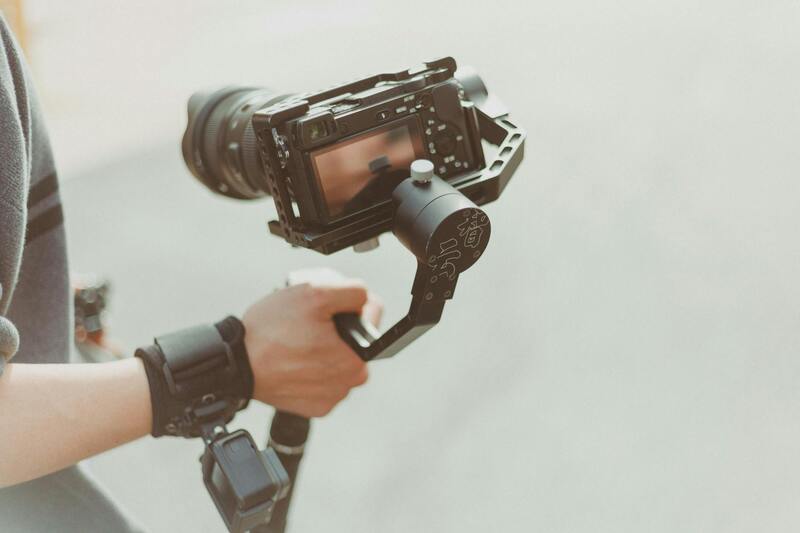
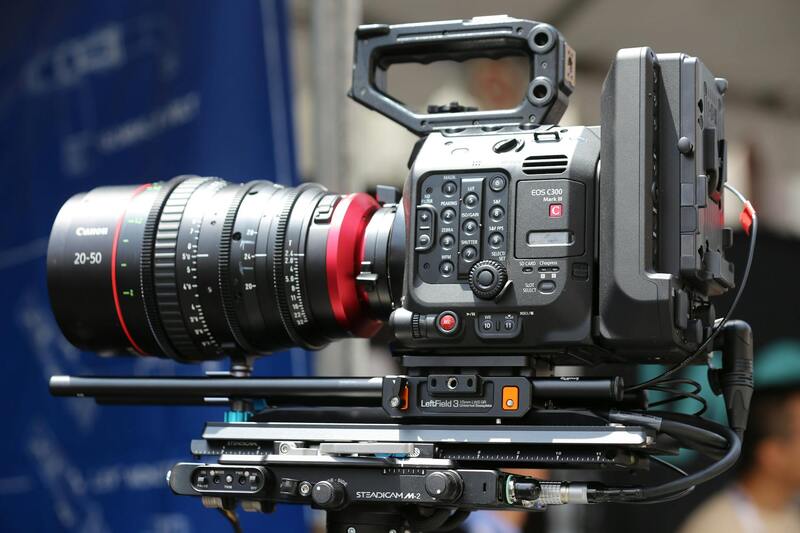
The foundation of professional house photography lies in the selection of optimal equipment. High-quality cameras capable of capturing detailed, high-resolution images serve as the cornerstone, allowing for clear, vibrant photos that accurately depict property features. Wide-angle lenses are indispensable for interior shots, enabling photographers to showcase entire rooms in a single frame while maintaining proportion and perspective. Tripods and stabilization gear are also vital, ensuring steady shots that prevent blur and maintain sharpness, especially in low-light conditions.
Additionally, versatile lighting tools, such as flash units or portable LED panels, facilitate balanced illumination that enhances visual appeal regardless of natural lighting conditions. Drones may also be employed for exterior shots and aerial views, providing a unique perspective of the property’s layout and surrounding environment. Together, these tools empower photographers to deliver images that are both technically superior and engaging for potential clients.
Technological Advancements Supporting House Photography
Recent innovations in camera technology and imaging software have revolutionized professional house photography, allowing for greater creativity, efficiency, and consistency. Sensors with higher megapixel counts produce detailed images suitable for large-format prints or high-definition marketing materials. HDR (High Dynamic Range) imaging combines multiple exposures to capture both shadowed and brightly lit areas, resulting in well-balanced photos even under challenging lighting conditions.
Post-processing software further refines images, correcting minor imperfections, adjusting brightness and contrast, and enhancing color vibrancy without oversaturating. These enhancements ensure each photo accurately represents the property while making it more attractive to viewers. Staying current with technological developments enables professional photographers to consistently deliver exceptional results that meet the high standards of the Miami real estate market.
Maximizing Natural Light and Strategic Light Placement
Effective lighting is the cornerstone of stunning house photography. For interior shots, leveraging natural light is essential. Photographers typically schedule shoots during times when sunlight streams through windows, such as late morning or early afternoon, to maximize brightness and warmth. Open curtains and blinds beforehand to allow light to fill the space, reducing the need for excessive post-processing adjustments.
While natural light is preferred, supplemental lighting plays a critical role in ensuring consistent quality and highlighting property features. Portable LED panels or softboxes help fill shadows and balance light in rooms with limited natural illumination. Using diffusers prevents harsh lighting effects, maintaining a soft, inviting ambiance that appeals to prospective buyers.
For exterior shots, timing is equally important. Shooting during the golden hour—shortly after sunrise or before sunset—creates warm, aesthetically pleasing images with long shadows and vibrant colors. During overcast days, diffused natural light reduces glare and shadow contrasts, providing even illumination across outdoor spaces.
Incorporating Artificial Lighting for Consistency and Depth
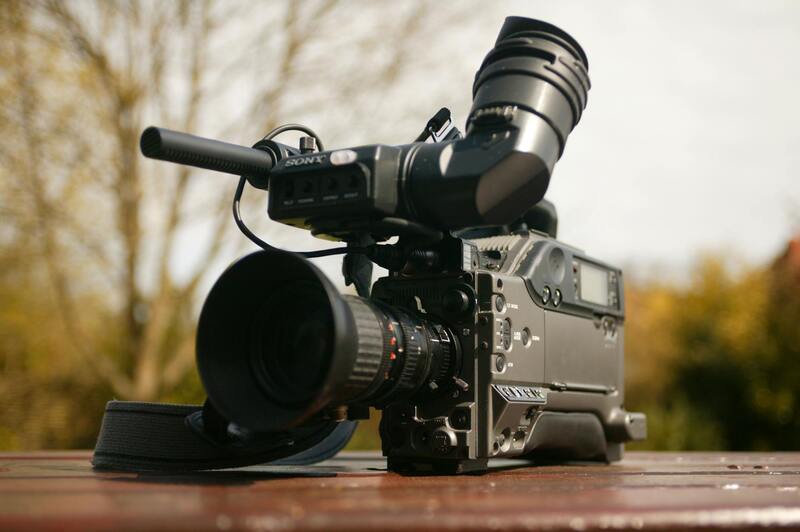
Artificial lighting techniques are vital for achieving uniform exposure, especially in spaces with uneven lighting or complex layouts. Using multiple light sources allows photographers to highlight specific features, such as architectural details, fireplace mantels, or high ceilings, without creating overexposed areas.
Scene-specific lighting combinations, such as recessed fixtures, table lamps, or wall sconces, can be balanced with portable lights to eliminate shadows and emphasize the property's best attributes. In some cases, color temperature adjustments on lights ensure harmony across all images, preventing unnatural color casts that can detract from the property's appearance.
For outdoor spaces, harnessing the ambient sunlight and augmenting it with diffused lighting can enhance landscape features, gardens, and patios. Proper lighting strategies make the property look warm, inviting, and professionally curated—traits that attract serious buyers and investors alike.
Implementing Lighting Techniques for Different Room Types
- Living Rooms: Balance natural daylight and artificial lighting to highlight spaciousness and cozy atmospheres.
- Bedrooms: Use soft, diffuse light sources to create a calming environment, emphasizing bed placements and storage areas.
- Kitchens: Incorporate bright, even lighting to showcase countertops, cabinetry, and appliances, making the space appear functional and modern.
- Bathrooms: Employ well-placed lights to minimize shadows around mirrors and fixtures, ensuring clarity and cleanliness in images.
- Exteriors: Time shots during optimal lighting conditions or supplement with additional lighting to accentuate landscaping and façade details.
Lighting Techniques for Exterior and Interior Photos
Effective lighting is essential to showcase a property’s full potential, emphasizing architectural features and creating inviting atmospheres both inside and out. Mastering the use of light involves a strategic combination of natural sunlight and artificial sources, tailored to the specific environment and time of day.
For interior photography, leveraging available daylight while supplementing with controlled artificial lighting helps achieve balanced, vibrant images. During daylight hours, opening curtains and blinds can flood rooms with natural light, enhancing spatial clarity and color accuracy. When daylight is limited or inconsistent, portable flash units or continuous lights set to appropriate color temperatures can fill shadows and bring out details without overpowering the scene.
In outdoor settings, timing the shoot during the golden hour—shortly after sunrise or before sunset—captures warm, soft light that enhances both the landscape and the home’s façade. Utilizing diffusers and reflectors can further control light, softening harsh shadows and reducing glare on windows or shiny surfaces. For shaded areas, additional lighting setups can add depth and dimension, highlighting landscaping features or decorative exterior elements.
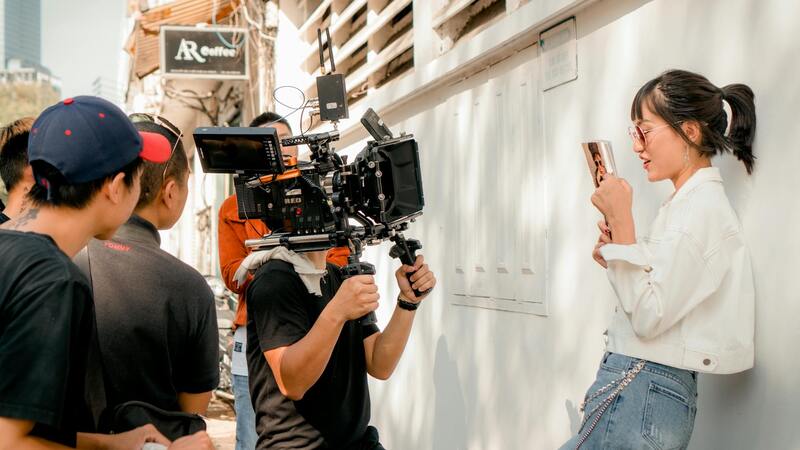
Implementing these lighting strategies requires not only understanding the conditions but also selecting the right equipment and accessories, such as light meters, diffusers, and reflectors. This ensures that each shot accurately reflects the property’s beauty and architectural integrity, drawing the viewer into a space that feels warm and inviting, whether viewed online or in print.
Mixing subtle artificial lighting with natural sources can help eliminate shadows, enhance textures, and highlight key features, creating a polished and professional look across all property images. Thoughtful lighting enhances visual storytelling, allowing potential buyers to imagine themselves living in the space while emphasizing the property’s most attractive points.
Understanding the Importance of Professional House Photography
In the competitive real estate market of Miami, the quality of property images can significantly influence buyer interest and engagement. Professional house photography serves as a powerful tool to showcase a home’s best features, emphasize architectural details, and create compelling visual narratives that resonate emotionally with prospective buyers. High-caliber images not only attract more online views but also establish a sense of trust and credibility in the listing, positioning the property as a desirable and well-maintained home.
Expertly captured photos elevate the perceived value of a house, making it stand out amidst a sea of listings. They facilitate a virtual walkthrough, allowing potential buyers to explore the space from afar with clarity and confidence. Well-composed images help convey the sense of scale, layout, and ambiance, which can sometimes be lost in amateur photography. This visual precision encourages quicker decision-making and can ultimately lead to faster sales at optimal prices.
Key Elements of Effective House Photography
- Composition: Proper framing and balanced perspectives create visual harmony, guiding viewers’ eyes to the property’s key features.
- Lighting: Natural light enhances color accuracy and highlights textures, while artificial lighting can accentuate architectural elements and fill shadowed areas.
- Image Clarity: High-resolution images with minimal distortion or noise ensure that every detail is sharp and clear.
- Focus on Highlights: Emphasizing unique selling points such as spacious interiors, modern kitchens, scenic outdoor views, or architectural accents increases appeal.
- Consistent Style: Maintaining a uniform aesthetic across images creates a cohesive visual story that strengthens branding and marketing efforts.
Choosing the Right Equipment for House Photography
Utilizing the appropriate gear is fundamental to achieving professional results. High-quality cameras with full-frame sensors and wide-angle lenses enable capturing expansive interiors and external scenes with minimal distortion. Tripods are essential for steady shots, especially in low-light conditions or when longer exposures are necessary. Advanced drones can provide striking aerial views, offering a comprehensive perspective of the property and its surroundings.
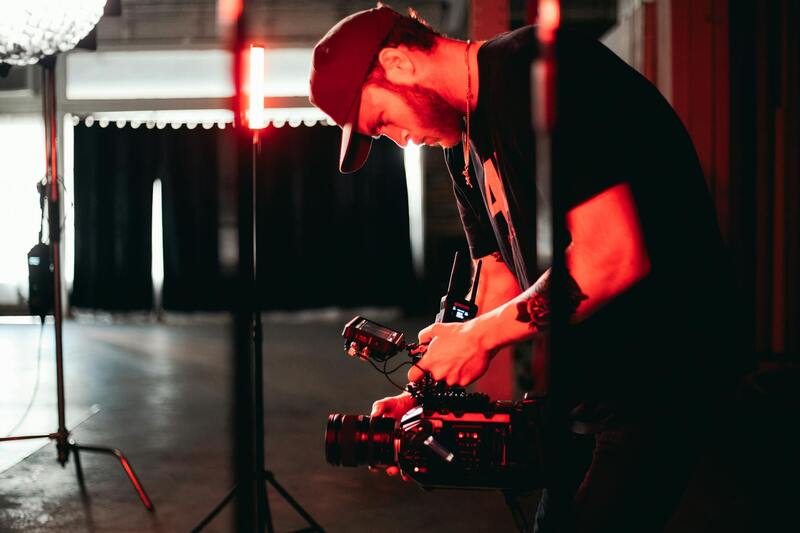
Proper lighting equipment, such as portable flashes, diffusers, and reflectors, helps manage different lighting scenarios. Post-processing software is also a vital tool, allowing for adjustments that enhance the image’s brightness, color balance, and sharpness—without compromising authenticity.
Techniques for Capturing Stunning Interior Shots
- Declutter and Stage: Before shooting, ensure that spaces are tidy, well-staged, and free of personal clutter to evoke a welcoming atmosphere.
- Use Wide-Angle Lenses: These lenses maximize space perception and capture more of each room, creating inviting and expansive views.
- Optimize Composition: Incorporate leading lines, symmetry, and focal points to guide viewers’ attention and highlight key features.
- Harness Natural Light: Open blinds and curtains to allow sunlight to fill the room, creating a warm and inviting glow.
- Control Artificial Lighting: Supplement ambient light with flashes or portable lights to eliminate dark shadows, especially in areas with limited window access.
- Experiment with Angles: Capture rooms from multiple perspectives to showcase layout and design details, providing a comprehensive visual experience.
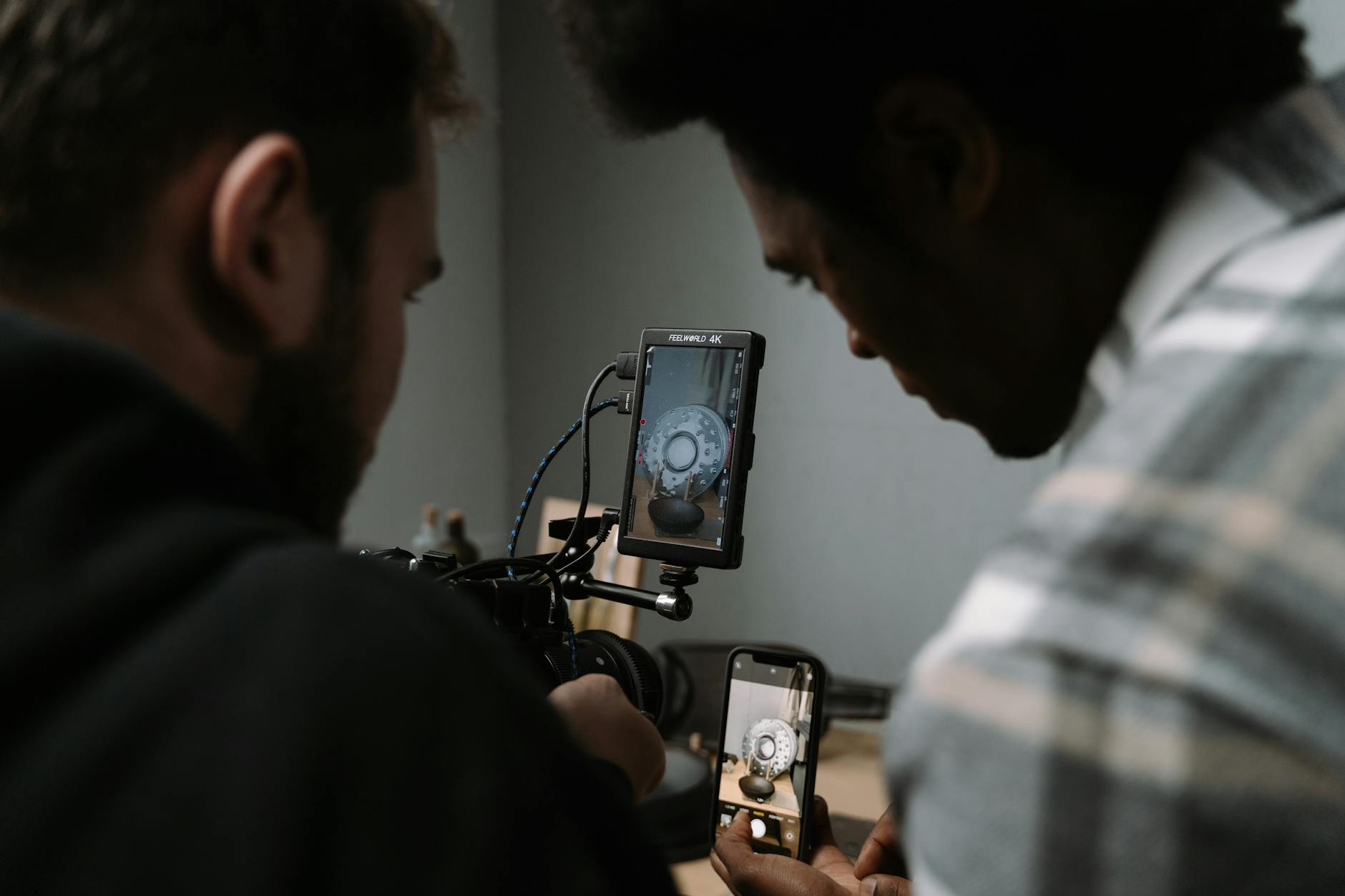
Ensuring Authentic and Credible Visual Content
When it comes to marketing a property effectively, the authenticity of the photographs plays a pivotal role. Professional house photography relies on legitimate methods such as the use of high-quality equipment, advanced editing techniques, and proper staging to produce images that genuinely represent the property's features. These images serve as honest visual narratives that build trust with prospective buyers or renters, ensuring that their expectations align with reality.
Utilizing licensed camera gear, such as full-frame digital sensors and professional lenses, guarantees high-resolution images with excellent detail retention. These tools allow photographers to accurately capture the nuances of interior and exterior spaces, from intricate architectural details to expansive outdoor views. Moreover, adherence to standardized shooting protocols ensures consistency across listings, further reinforcing the property's credibility.
Post-processing plays a crucial part in maintaining image authenticity while enhancing visual appeal. Skilled editing involves adjusting brightness, contrast, and color balance to reflect the true ambiance of the space without overdoing filters or deceptive enhancements. This approach not only highlights the property's best features but also sustains ethical standards in real estate marketing.
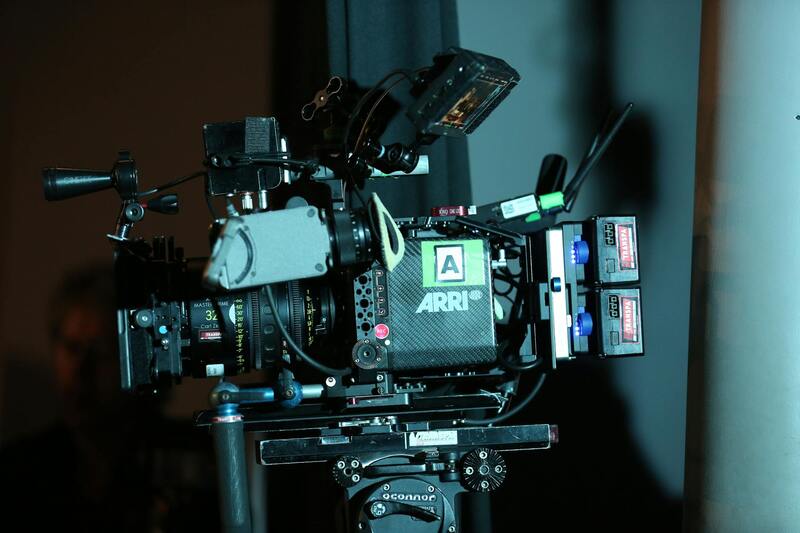
Additional techniques include consistent color grading and attention to detail in editing, which preserve the true appearance of materials, finishes, and furnishings. When combined with strategic staging and proper lighting, these legitimate methods culminate in compelling visuals that resonate with potential buyers, fostering informed decision-making based on accurate representations.
By prioritizing real and verifiable imagery, real estate professionals can uphold a trustworthy brand image, facilitate faster sales, and improve overall client satisfaction. This commitment to authenticity is vital for establishing a reputable online presence where property listings stand out for their reliability and visual clarity.
Authenticating Your Property Photos for Better Market Impact
Implementing Secure and Verified Image Practices
To enhance the credibility of property images, real estate professionals can adopt a range of verified methods that showcase transparency and authenticity. One effective approach involves utilizing trusted platforms that offer verified listing services, ensuring that the images associated with a property are officially uploaded and linked to the listing. These platforms often provide a certification process or digital watermarking that affirms the legitimacy of the photographs, safeguarding against unauthorized edits or alterations.
Moreover, maintaining a detailed photo documentation process during the shoot can further verify the authenticity of images. This includes timestamping photographs, documenting the shooting conditions, and retaining original raw files with metadata intact. Such practices not only document the genuine state of the property at a specific time but also serve as useful references during post-processing and verification processes.
Leveraging Digital Verification and Authentication Tools
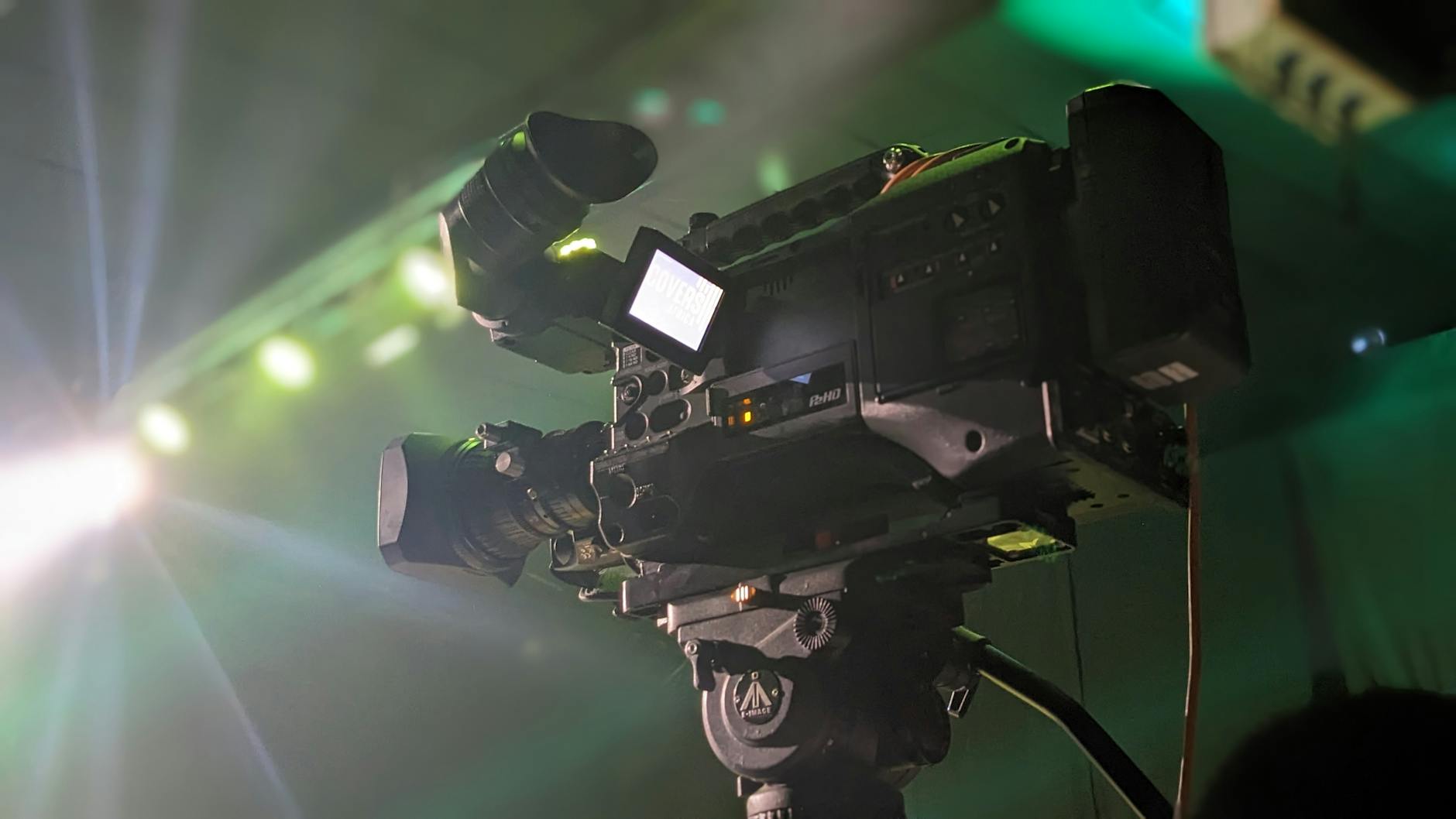
Advanced digital tools have become increasingly accessible for real estate marketing, allowing professionals to authenticate images through blockchain verification or digital signatures. Blockchain-based solutions securely record image creation and modifications, creating an immutable record that can be independently verified by clients or regulatory bodies. Similarly, digital signatures embedded in images can confirm that the photos have not been tampered with since their original capture.
These technologies promote transparency, demonstrating that images are truthful representations of the property. They also assist in building a trustworthy reputation among clients who value integrity and high standards in visual presentation.
Maintaining Ethical Imaging Standards
Adhering to clear ethical standards when capturing and publishing real estate images is fundamental. This involves avoiding deceptive practices such as excessive filtering, digital enhancements that alter the true appearance, or omitting flaws and defects. Authenticity ensures that prospective buyers receive an accurate portrayal of the property's condition, fostering confidence and reducing the chances of misunderstandings or future disputes.
Consistent use of high-quality, verified photographs in marketing materials ultimately enhances the property's perceived value while maintaining professionalism. When potential buyers perceive honesty through transparent imagery, they are more likely to engage positively with the listing, facilitating smoother transactions and elevating a real estate agent's reputation.