Importance of Professional Real Estate Photography
In the competitive realm of real estate, the visual presentation of a property plays a pivotal role in attracting potential buyers and closing deals efficiently. High-quality real estate photography serves as the cornerstone of effective marketing strategies, ensuring that each listing captures the true essence and unique features of a property. For real estate agents, investing in professional photography translates into increased online engagement, higher inquiry rates, and faster sales cycles.
When potential buyers browse through property listings, the quality of images can significantly influence their decision-making process. Crisp, well-lit photographs that highlight the spaciousness, natural lighting, and distinctive architectural details create a compelling narrative around the property. This not only sparks interest but also encourages viewers to schedule viewings and inquire further. As such, real estate agents who prioritize professional photography often experience a higher conversion rate from online views to physical visits.
Moreover, professional imagery enhances the perceived value of a property. It demonstrates a meticulous approach to marketing and instills confidence in prospective buyers. In a digital age where first impressions are predominantly formed online, investing in quality photography can differentiate an agent's listings from the competition. Properties showcased with professional images are more likely to generate social media shares, garner positive reviews, and attract a broader audience.
Enhanced Customer Engagement and Faster Sales
Statistics reveal a direct correlation between high-quality real estate images and quicker sales timelines. Listings with professional photography tend to have higher click-through rates on property portals, translating into more inquiries and scheduled showings. This immediacy benefits not only the seller but also the agent, who benefits from a streamlined transaction process. Additionally, compelling images facilitate better storytelling, allowing agents to showcase a property's best features and evoke emotional responses from potential buyers.
In Miami's vibrant and diverse real estate market, where properties range from luxury condos to sprawling waterfront estates, high-quality visuals are particularly crucial. They help capture the unique charm of each property against the backdrop of Miami's lively urban setting and scenic landscapes. Ultimately, professional real estate photography is an indispensable tool for agents seeking to maximize their marketing impact and close deals more effectively.
Visual Content as a Digital Asset
Today, countless potential buyers begin their property search online. Engaging visuals serve as digital assets that build trust and credibility. Accurate, well-composed images assure buyers that the property is well-maintained and thoughtfully presented. This level of transparency encourages inquiries and fosters a positive perception of the listing. Moreover, polished imagery enhances the agent's brand reputation and positions them as a professional, detail-oriented expert in the Miami real estate scene.
Choosing the Right Equipment and Techniques
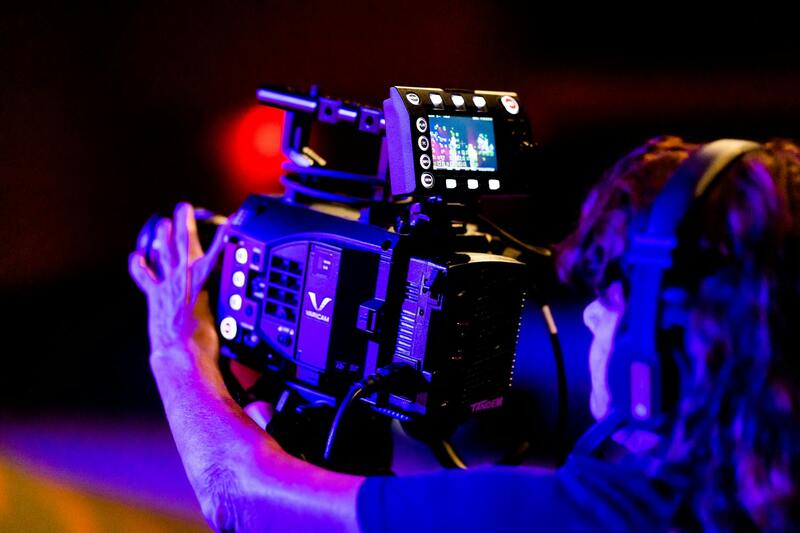
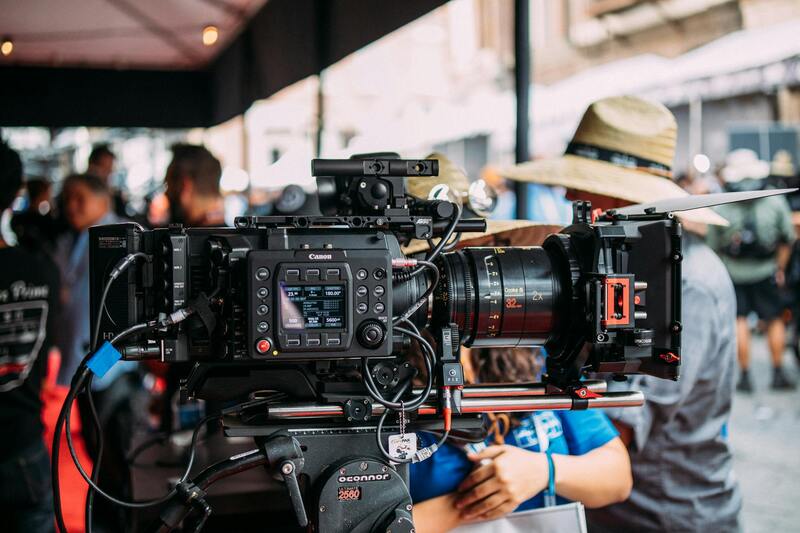
To ensure stunning and impactful images, selecting the appropriate photography equipment and practicing refined techniques are essential steps for real estate professionals. High-resolution DSLR or mirrorless cameras with full-frame sensors are standard choices that deliver sharp detail and accurate color reproduction. Equipped with wide-angle lenses—typically between 14mm to 24mm—photographers can effectively capture expansive interior spaces, rendering rooms more inviting and spacious in appearance.
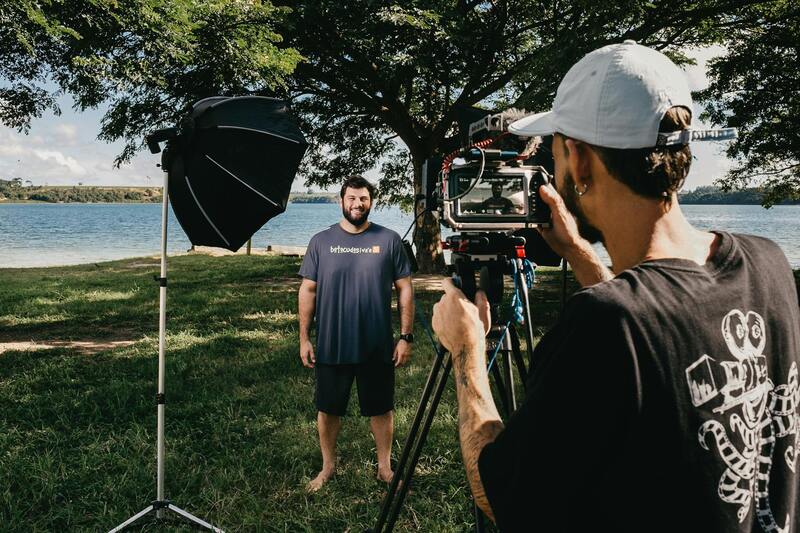
Tripods are indispensable for maintaining stability and achieving precise framing, especially in interior photography where lighting conditions can vary. The use of tripod-mounted shots minimizes motion blur and allows for consistent framing across multiple images, which is vital during editing and stitching into virtual tours.
Lighting plays a pivotal role; natural light should be maximized by shooting during optimal times of the day when sunlight floods the interiors. Supplementing natural light with professional lighting equipment—such as portable strobes or softboxes—ensures even illumination, reduces shadows, and highlights the property's best features. Techniques like HDR (High Dynamic Range) imaging, which combines multiple exposures, help balance bright windows and shadowed corners, creating a more realistic and appealing visual presentation.
Using Advanced Techniques for Better Results
- Vertical and Horizontal Lines: Employ techniques to keep lines straight and geometrically accurate, avoiding distortion that can diminish a property's visual appeal.
- Strategic Composition: Highlight focal points within each room—such as a fireplace, view, or unique architectural detail—using leading lines and framing methods.
- Depth and Perspective: Incorporate foreground elements or multiple angles to add depth, guiding viewers through the space naturally.
- Color Balance: Ensure accurate color rendering by adjusting white balance, producing images that reflect the property's true appearance.
Maintaining Consistency Across Visual Content
Consistency is fundamental for building a professional portfolio. By standardizing camera settings, angles, and editing styles, agents and photographers can establish a recognizable brand aesthetic. This consistency enhances credibility, making properties appear as part of a cohesive portfolio that reflects quality and attention to detail. Further, a consistent approach simplifies workflows, speeds up the editing process, and ensures high-quality outputs across multiple listings.
Choosing the right equipment and mastering advanced techniques lay the foundation for compelling real estate imagery. When precision, clarity, and visual harmony are prioritized, the result is a captivating showcase that resonates with prospective buyers, fostering faster sales and stronger market presence.
Choosing the Right Equipment and Techniques
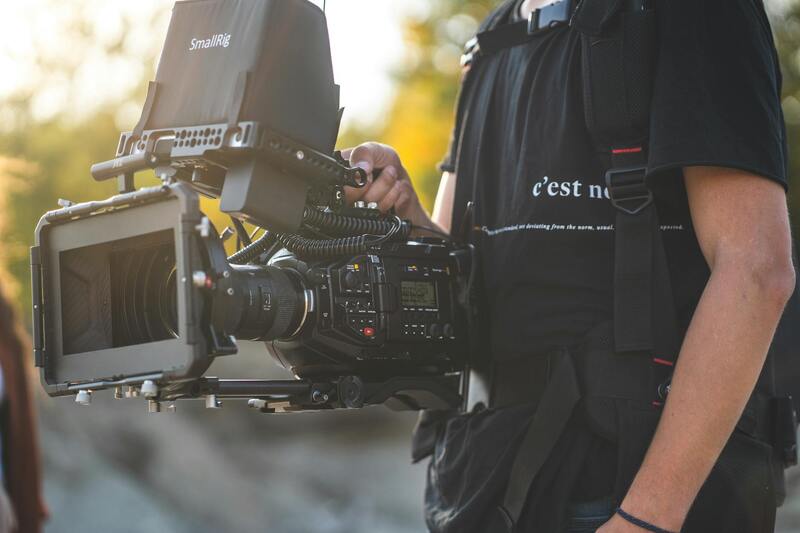
Successful real estate photography relies heavily on the selection and mastery of appropriate equipment and shooting techniques. High-quality camera gear forms the backbone of compelling images, ensuring clarity, detail, and accurate color rendition. Professional digital single-lens reflex (DSLR) or mirrorless cameras with full-frame sensors are preferred for their superior image quality and low-light performance, which are essential when capturing properties with varied lighting conditions. Wide-angle lenses, typically ranging from 14mm to 24mm, enable photographers to encompass more of a room within a single shot, creating a sense of spaciousness that appeals to prospective buyers.
In addition to camera equipment, the use of drone technology has become increasingly valuable in real estate photography. Aerial shots provide a comprehensive view of the property’s exterior and its surroundings, highlighting features like landscaping, nearby amenities, and the scale of the estate. Drones equipped with high-resolution cameras allow for dynamic, high-quality imagery that complements ground-level photos and adds a modern touch to property listings.
Techniques such as HDR (High Dynamic Range) imaging are vital for showcasing properties with contrasting lighting conditions, balancing exposure between sunlight and shadowed areas. Bracketing multiple exposures and merging them during post-processing ensures details are preserved across highlights and shadows, resulting in well-lit, vibrant images. Additionally, employing proper tripod stabilization reduces camera shake, enabling sharper images and consistent framing across multiple shots.
Navigating tight spaces or capturing exterior shots under varying weather conditions require strategic planning and equipment adaptability. Using panoramic stitching techniques or multiple exposures can produce wide vistas or detailed interior shots that capture the full essence of a property. Mastery of these tools and techniques ensures each image accurately portrays the property, enticing potential buyers with engaging visual narratives.
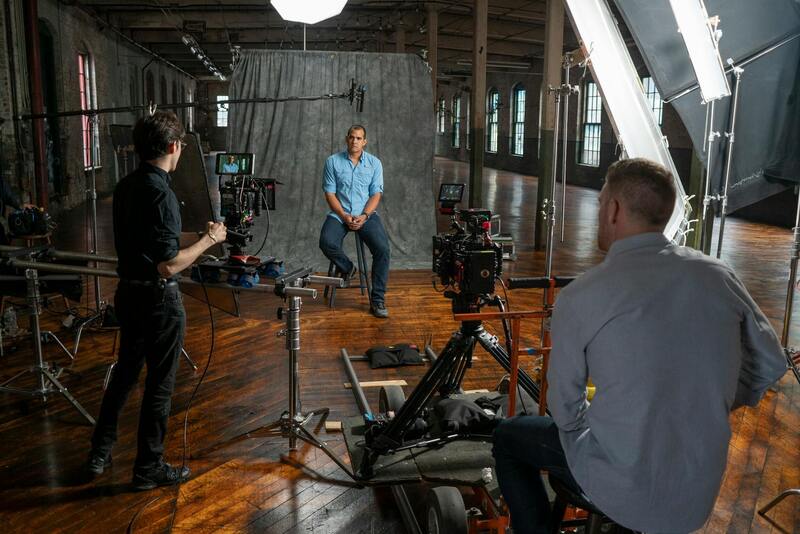
Furthermore, consistent camera settings—such as aperture, ISO, and shutter speed—across shoots help maintain a uniform aesthetic, making it easier to produce a cohesive portfolio. This consistency not only enhances brand recognition but also reinforces the quality and professionalism of the listing presentation. Incorporating advanced techniques like focus stacking, where multiple images with different focus points are combined, can also result in enhanced depth of field, giving viewers a clearer understanding of interior spaces.
Ultimately, the right combination of equipment, techniques, and careful execution leads to images that are not only visually appealing but also accurate and trustworthy. Such images serve as powerful tools to attract interest, generate leads, and accelerate the sales process. Investing in high-quality gear and honing shooting skills are fundamental steps for real estate professionals aiming to elevate their visual marketing strategy and stand out in competitive markets like Miami.
Employing Proven Composition Techniques and Lighting Strategies
Optimizing composition and lighting plays a crucial role in showcasing a property’s best features through professional photography. Effective composition involves strategic framing that highlights the property’s spatial flow, accentuates focal points, and creates a sense of depth. Utilizing the rule of thirds guides the photographer in placing key elements within the frame, making images more engaging and balanced.
Lighting remains one of the most influential factors in real estate photography. Natural light should be maximized by shooting during daylight hours, often referred to as the golden hour, when sunlight adds warmth and reduces harsh shadows. In interior shots, supplementary lighting such as strobes or LED panels can help eliminate shadows, balance color temperatures, and ensure every room appears inviting and well-maintained.
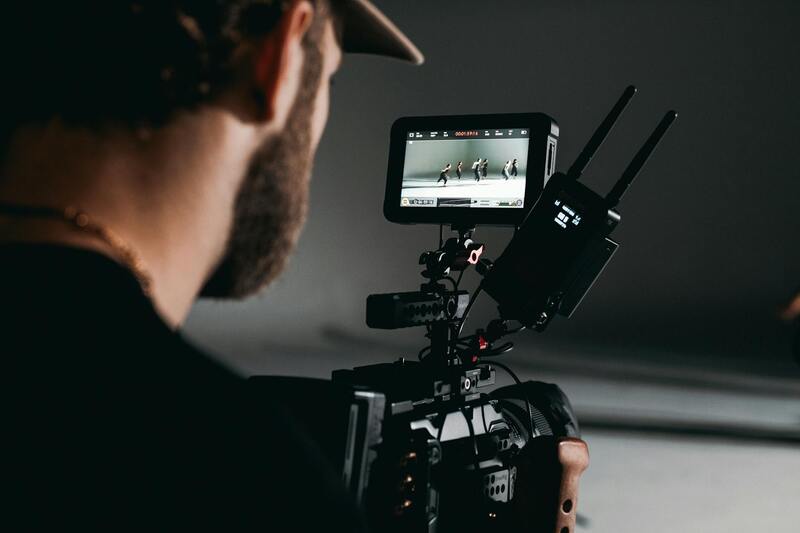
Additionally, attention to detail during staging and cleaning ensures that each shot captures a property in its best light. Clear windows, uncluttered spaces, and well-placed furniture arrangements contribute to a polished visual presentation. Employing wide-angle lenses can magnify interior space, but it requires careful use to avoid distortions that may misrepresent room dimensions, thus maintaining credibility and trustworthiness in listings.
Utilizing Advanced Shooting Techniques
Applying advanced techniques such as HDR (High Dynamic Range) imaging involves capturing multiple exposures to accurately render both bright and shadowed areas, resulting in balanced images that depict the true ambiance of a space. Focus stacking, where images with different focus points are combined, can also improve depth of field, especially in intricate interior shots or detailed architectural features.
Angular shots from various perspectives offer viewers multiple viewpoints, simulating a walk-through experience. Vertical perspective shots of multi-story properties, or roofline captures, articulate the scale and structure effectively. Consistency in camera settings throughout the shoot ensures a uniform aesthetic, reinforcing a professional brand image and making the property stand out in competitive listings.
Incorporating Specialized Equipment and Techniques
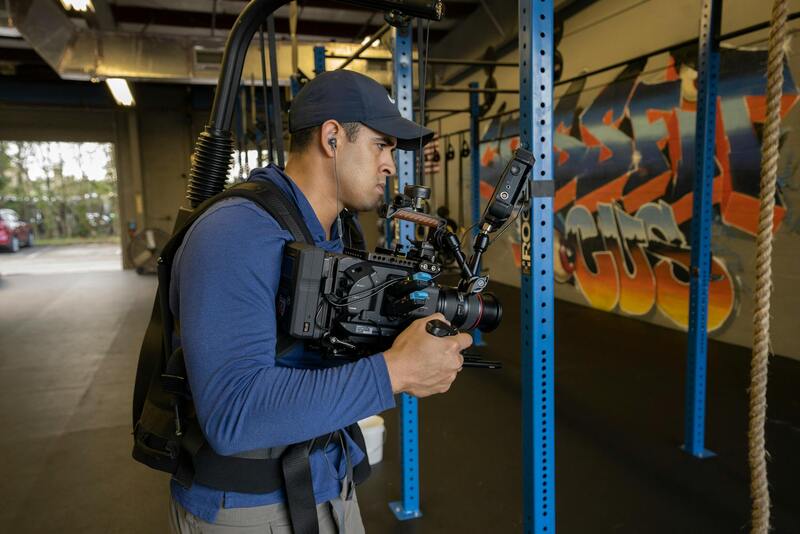
Deploying specialized equipment such as drone cameras can provide breathtaking aerial views that showcase land boundaries, neighborhood amenities, and the property's surroundings from a unique vantage point. Similarly, using panoramic stitching techniques creates expansive, detailed wide-angle shots that convey the grandeur of larger properties or open spaces. These advanced methodologies require precise planning and technical skill but significantly enhance the visual storytelling aspect of property marketing.
Mastery of these official and legitimate methods ensures a portfolio of consistent, high-quality images that not only appeal aesthetically but also accurately represent the property’s true characteristics. Such images can help reduce discrepancies between expectations and reality, instilling confidence in buyers and increasing engagement. The integration of these techniques into a cohesive workflow elevates the overall professionalism of real estate marketing, making properties more compelling and easier to sell in dynamic markets like Miami.
Utilizing Authentic and Effective Photographic Techniques
Achieving high-quality real estate images hinges on the use of authentic and well-established techniques that adhere strictly to industry standards. Employing legitimate methods ensures that photographs accurately reflect the property's true characteristics, which is essential for building trust with potential clients. Techniques such as HDR (High Dynamic Range) photography allow for capturing balanced exposures in challenging lighting conditions, such as interiors with large windows or exterior shots in bright sunlight. Consistent use of proper aperture settings, focal lengths, and shutter speeds helps in maintaining image sharpness and depth, providing a realistic sense of space.
Proper composition principles, including the use of leading lines, symmetry, and framing, enhance visual appeal while ensuring the viewer’s attention is directed toward key features of the property. Incorporating legitimate methods extends to the use of natural light during shoots, avoiding over-editing or digital manipulations that could misrepresent the property’s appearance. This honesty in presentation fosters confidence among prospective buyers, reducing the gap between expectations and reality.
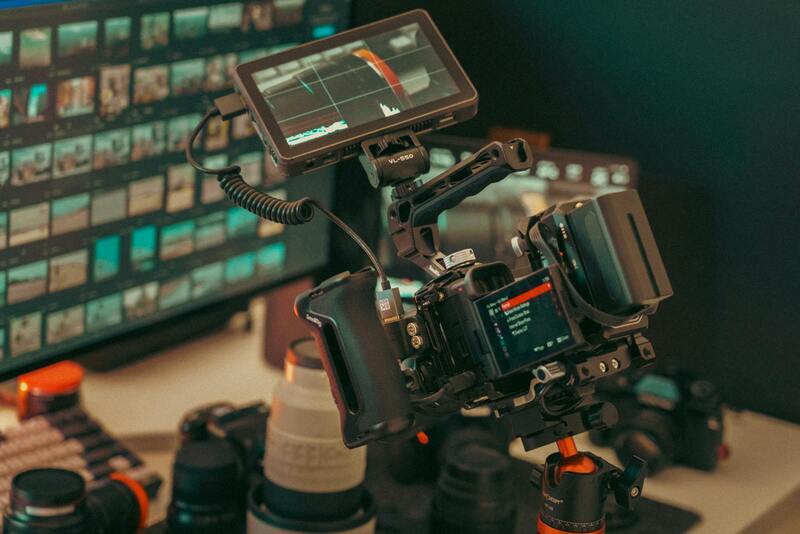
Advanced techniques involve leveraging calibrated color profiles and professional-grade lenses to capture images that exhibit true-to-life hues and high detail. Utilizing legitimate post-processing workflows, such as neutral color correction and minimal retouching, enhances the visual quality without compromising authenticity. This disciplined approach preserves market integrity and supports professional branding efforts.
Ensuring Consistency and Quality Across Property Listings
Consistency in imagery across multiple listings strengthens brand recognition and assures clients of professionalism. Standardized methods, including predetermined camera settings, shoot protocols, and editing workflows, create a uniform aesthetic that reflects the quality of the services provided. High-quality, authentic images also serve to attract a more engaged audience, as they effectively portray the property’s attributes in a compelling yet truthful manner.
Documenting and adhering to these legitimate methods guarantees that each property is showcased effectively, with images that are reliable representations of the actual space. Such practices not only enhance marketing outcomes but also uphold the integrity of the real estate agency’s reputation in a competitive marketplace like Miami.
Integrating Virtual Tours and 3D Visuals
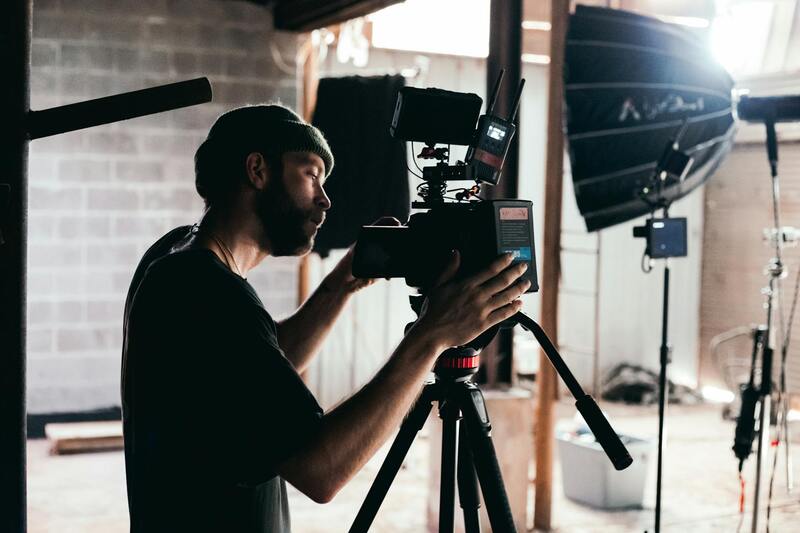
As digital engagement becomes increasingly vital in real estate marketing, integrating virtual tours and three-dimensional (3D) visualizations with professional photography significantly amplifies a property’s appeal. High-quality virtual walkthroughs allow potential buyers to experience the spatial dynamics and flow of a property remotely, providing a comprehensive understanding that static images alone may not fully convey. 3D visuals deliver an immersive experience, enabling viewers to examine each room from multiple angles, offering a sense of depth and scale that closely mimics an in-person visit.
Reputable real estate websites and marketing strategies incorporate these immersive tools to bridge the gap between online listings and physical viewings. They serve to attract a broader audience, including international buyers or clients unable to visit in person, by presenting a realistic and detailed portrayal of properties. The production of virtual tours and 3D visuals adheres to strict technical standards, utilizing legitimate software and hardware to ensure clarity, accuracy, and consistency with the actual layout and features of the property. Proper lighting, precise stitching, and accurate spatial measurements are fundamental to producing trustworthy virtual representations that reinforce the property's true appeal.
For real estate agents, embedding these elements within listings enhances the overall marketing package, making properties stand out in a competitive market. Moreover, the integration of virtual tools should follow authentic practices, ensuring that the generated visuals accurately reflect the real estate asset without exaggeration or unnecessary enhancement that could mislead buyers. This transparent approach builds trust with prospective clients and supports informed decision-making, fostering long-term relationships based on credibility and professionalism.
Implementing high-quality virtual tours and 3D visualizations requires cooperation with skilled production agencies that adhere to legitimate production techniques. These agencies employ robust equipment, including high-resolution cameras, laser scanners, and professional editing software, to produce reliable and captivating media assets. When properly integrated into a comprehensive real estate marketing strategy, these tools significantly increase engagement, shorten sale cycles, and improve the overall perception of the property’s value.
Legal and Ethical Standards in Real Estate Photography
Ensuring the integrity of real estate images is critical for maintaining transparency and fostering trust with clients. Professionals engaged in photography for real estate agents must adhere to established guidelines that emphasize authenticity and accuracy. This includes capturing every aspect of a property in a manner that reflects its true condition, avoiding any form of image manipulation that could misrepresent the property’s features or layout. Authenticity in imagery safeguards the interests of both buyers and sellers, creating a reliable basis for decision-making.
By following industry-best practices, photographers minimize the risk of presenting misleading visuals. This involves using lighting techniques that depict natural colors, angles that showcase the property’s spatial dimensions without distortion, and high standards of image quality. Consistency across multiple listings helps reinforce a professional image for real estate agents and enhances the overall reputation of their marketing efforts.
Authentic Representation Through Visual Editing
Post-processing is an integral component of real estate photography, but it must be performed within an ethical framework. Adjustments should be restricted to enhancements that serve to more accurately depict the property — such as correcting lighting conditions or color balance — without altering the intrinsic features. Techniques like perspective correction, lens distortion removal, and color grading should aim to produce images that represent the property as it exists.
Professional editing software enables photographers to refine images while maintaining their fidelity. For example, using layered adjustments allows subtle improvements without over-enhancement. The goal is to provide prospective buyers with content that reflects reality, reducing the likelihood of disappointment or disputes arising from misperceptions.
Ensuring Image Consistency and Accuracy
Consistency across a property’s visual portfolio reassures viewers and reinforces credibility. This is achieved by standardizing camera settings, choosing appropriate shooting times (preferably when natural light is optimal), and creating comprehensive shot lists that cover all essential areas. Clear, well-lit photographs help buyers visualize space accurately and make informed decisions.
In addition to technical considerations, transparency in the depiction process extends to honest marketing practices. Properly labeled images, accurate descriptions, and realistic virtual representations contribute to a trustworthy listing. By committing to these standards, real estate professionals demonstrate their dedication to ethical practices, ultimately supporting a positive reputation in the competitive property market.
Partnering with Production Agencies and Photographers
For real estate agents aiming to optimize their property listings, collaborating with experienced production agencies and professional photographers in Miami presents a compelling approach. These specialists bring a wealth of knowledge in capturing the unique aesthetic qualities of Miami properties, ensuring that each listing stands out in a competitive market. Working with reputable providers guarantees that photographs adhere to industry standards, accurately depict property features, and align with current marketing trends.
When selecting a photography service, consider the agency’s portfolio and expertise in real estate imagery. Look for professionals who use state-of-the-art equipment and demonstrate a thorough understanding of lighting, composition, and post-production editing. An agency familiar with Miami’s diverse property styles—ranging from luxury waterfront homes to modern urban condos—can tailor their approach to showcase each property’s best attributes effectively.
Establishing clear communication with your chosen team is vital. Providing detailed briefings about the property’s unique selling points, the target audience, and the desired style helps align the visual output with your marketing objectives. Additionally, discussing logistics such as scheduling, access, and preferred shot angles reduces potential disruptions and enhances the efficiency of the project.
Collaborations with professional photographers are also essential for ensuring consistency across multiple listings or a property portfolio. Photographers who understand the nuance of real estate imagery can suggest optimal times of day for shooting, recommend specific lenses for different space types, and employ techniques that maximize the visual appeal of each scene.
- Brand Representation: Consistent photographic style reinforces your brand identity and builds trust with prospective clients.
- Market Differentiation: High-quality images enhance the perceived value of properties, attracting serious buyers and encouraging quicker sales.
- Compliance with Standards: Professional agencies understand industry guidelines for virtual tours, virtual staging, and 3D integrations, ensuring your listings meet modern consumer expectations.
- Technical Proficiency: Leading Miami agencies utilize advanced equipment such as high-dynamic-range (HDR) imaging, drone technology, and professional lighting setups.
Investing in professional partnerships not only elevates individual listings but also contributes to a more credible reputation over time. It demonstrates a commitment to quality and transparency, traits highly valued by discerning property buyers today.