
Understanding the Importance of Interior Photography
Capturing the essence of a property’s interior through high-quality photography plays a pivotal role in attracting potential buyers and tenants. When prospective clients browse online listings, the visual appeal of interior images often determines whether they decide to explore a property further or move on to the next opportunity. Dynamic, crisp, and well-composed images highlight a home’s unique features, spatial layout, and natural light, creating an emotional connection that motivates action.
Effective interior photography helps establish a property’s credibility and attract serious inquiries, especially in competitive markets like Miami. Professional images serve as a reflection of the property’s value and quality, reducing the time a listing remains active and increasing the likelihood of securing a favorable sale or lease agreement. The immersive quality of well-shot interiors can showcase renovation efforts, premium finishes, and functional layouts, making the property stand out in a crowded marketplace.
In addition to drawing attention, quality interior photos facilitate a straightforward decision-making process for buyers, helping them visualize living spaces and assessing whether their needs are met. This clarity reduces unnecessary visits and fosters a smoother transaction process. Recognizing the significance of these visuals underscores the importance of engaging experienced professionals in the field of real estate interior photography, ensuring that each image aligns with marketing goals and accurately represents the property.
Moreover, as digital platforms become the primary venue for property searches, the importance of optimized imagery cannot be overstated. High-resolution, expertly lit, and skillfully composed photos improve search engine visibility and enhance the overall aesthetic of property listings. When executed correctly, interior photography becomes a critical tool that elevates the property's perceived value and enhances the overall marketing strategy.
Ultimately, well-crafted interior imagery is not merely an aesthetic choice but a strategic investment in the property's marketing plan. It bridges the gap between the physical space and the viewer’s perception, forging an irresistible appeal that can turn a casual browser into a committed buyer or tenant. The role of professional interior photography in real estate marketing is undeniable, making it an essential component for achieving successful sales and leasing outcomes in Miami’s dynamic real estate landscape.
Equipment and Settings for Interior Photography
Achieving high-quality images of real estate interiors hinges on selecting the right equipment and fine-tuning camera settings to maximize image clarity, detail, and visual appeal. Professional photographers typically utilize full-frame digital single-lens reflex (DSLR) cameras or mirrorless models that offer superior image quality and versatility in various lighting conditions. A wide-angle lens, generally ranging from 14mm to 24mm, becomes indispensable for capturing the expansive feel of rooms and emphasizing spatial dimensions without distortion.
Using a tripod is critical to maintaining stability, minimizing camera shake, and enabling longer exposures that result in well-lit interior images. The tripod also facilitates consistent framing for a series of shots, crucial for creating cohesive listings. To enhance sharpness and reduce noise, photographers often employ cameras with high ISO capabilities, although careful adjustments are essential to prevent graininess in images.
In terms of settings, photographers typically operate in manual mode to control exposure precisely. Aperture selections are usually set between f/8 and f/11 to achieve a deep depth of field, ensuring entire rooms are in sharp focus. Shutter speeds are adjusted based on lighting conditions; in brighter environments, faster shutter speeds prevent overexposure, while in dimmer rooms, slower speeds—coupled with tripod stabilization—are used to gather enough light.
White balance adjustment is also vital for accurate color reproduction, especially in spaces with mixed lighting sources such as natural sunlight and artificial lights. Many professionals prefer setting a custom white balance based on the lighting conditions of the property to ensure the colors in photos appear natural and appealing. Additionally, employing HDR (High Dynamic Range) techniques helps capture a balanced exposure throughout the interior, revealing details in both shadows and highlights.
Furthermore, leveraging focus stacking and ensuring that interior fixtures are sharply focused can markedly elevate the quality of images. Properly calibrated equipment and attentive settings work synergistically with advanced techniques to produce interior photos that are vibrant, detailed, and true to life, thereby enhancing the property's visual storytelling.
To maximize efficiency and quality, many photographers also use remote shutter releases or camera tethering, which allows them to review images instantly on a larger screen and make immediate adjustments. This rigor in technical preparation ensures that every shot contributes to a compelling visual narrative that attracts potential buyers and renters alike.
Techniques for Capturing Spacious and Bright Interiors
Achieving the perception of space and brightness in real estate interior photography involves meticulous technique and an understanding of how to manipulate camera settings and composition. One effective approach is using wide-angle lenses, typically between 14mm to 24mm, which allow photographers to capture more of the room in a single shot, thus enhancing the sense of openness. These lenses should be used carefully to avoid distortion, ensuring straight lines and proportions remain natural to preserve the property's true layout. Additionally, utilizing a tripod stabilizes the camera and enables the use of slower shutter speeds, vital for capturing enough light in darker areas without compromising image sharpness.
Proper composition also plays a critical role. Shooting from a corner or at strategic angles maximizes the viewable space, creating an inviting feel that draws viewers into the room. Positioning the camera at chest or waist level provides a natural perspective that mimics the human eye, making the space feel more relatable and accessible. When working with natural light, photographers often shoot during the daytime, utilizing the most daylight hours to leverage sunlight as a natural light source, which enhances brightness and color authenticity.
In scenarios where lighting is limited or inconsistent, supplementing with high-quality artificial lighting ensures balanced illumination. Portable flash units or continuous LED lights can fill shadows and highlight architectural features. Alternatively, employing reflectors directs available light into shadowed areas, enhancing overall room brightness without introducing harsh shadows.
Another technique involves HDR photography, which combines multiple bracketed exposures to produce a single image with balanced exposure levels. This method is particularly advantageous for interiors with windows or mixed lighting conditions, as it preserves details in both shadows and highlights, maintaining a vivid, bright appearance across the entire room. Focus stacking is also useful for ensuring all elements—from foreground furnishings to background architectural features—are tack-sharp, especially when using smaller apertures to maximize depth of field.
Attention to detail extends to the timing of shots; avoiding busy scenes or cluttered areas minimizes distraction and allows prospective clients to focus on the space itself. Carefully decluttering and arranging furniture or accessories before shooting further enhances the perception of spaciousness and cleanliness. Additionally, choosing optimal camera settings—such as a low ISO to minimize noise, a narrow aperture (f/8 to f/11) for sharpness across the scene, and a balanced white balance—contributes to the clarity and vibrancy of the final images.
Exploring recent advancements, camera tethering systems enable real-time review of shots on a larger screen, facilitating immediate adjustments in composition or settings. Digital post-processing can then refine these images—adjusting brightness, contrast, white balance, and removing minor imperfections—culminating in visually compelling interior photos that effectively showcase the property’s spacious and luminous qualities.
Advanced Techniques for Showcasing Interior Spatial Dynamics
To effectively illustrate the spatial attributes and ambiance of real estate interiors, employing advanced photographic techniques is essential. These techniques focus on emphasizing the room’s proportions, natural light, and architectural features, thereby creating compelling visuals that appeal to prospective buyers and tenants.
Utilization of Tilt-Shift Lenses
One of the most effective tools for accurate depiction of interior spaces is the tilt-shift lens. This specialized lens allows photographers to correct perspective distortions caused by tilting the camera upwards or downwards. When photographing tall rooms or walls with large windows, tilt-shift lenses prevent vertical lines from converging, maintaining true to life proportions and providing a professional, polished appearance to the images.
Optimal Composition Techniques
- Leading Lines: Leveraging architectural details such as hallways, staircases, or window frames to guide the viewer’s eye throughout the image.
- Vertical and Horizontal Balance: Ensuring the composition remains proportionate, avoiding exaggerated fish-eye distortions, and maintaining realistic perspectives that reflect the actual space.
- Minimal Clutter and Symmetry: Arranging furniture and accessories to enhance symmetry or focal points, which can make spaces appear more organized and inviting.
Incorporation of Multiple Exposure Techniques
Combining multiple bracketed exposures in post-processing extends the dynamic range captured, highlighting details in both shadows and highlights. This approach is particularly advantageous in interiors with large windows or mixed lighting scenarios, rendering a balanced, vibrant image that accurately represents the environment’s appearance in real life.
Incorporating Natural and Artificial Light Harmoniously
While natural light creates a soft, inviting glow, strategic use of artificial lighting can complement and enhance this effect. Diffused LED panels, softboxes, or ceiling-mounted lights can be used to fill shadows, highlight architectural features, and ensure a consistent, well-lit scene. The goal is to balance the ambient daylight with supplemental light sources to avoid overexposure or unnatural color casts.
Implementing Virtual Staging and 3D Tours
While static images are foundational, incorporating virtual staging or 3D walkthroughs can further illustrate an interior’s potential. These digital tools allow viewers to envision space configurations and design possibilities without the actual furniture or decor, providing a comprehensive understanding of the interior layout and flow.
Employing Drone and Aerial Photography in Conjunction with Interior Shots
Supplementing interior images with drone photography offers a broader perspective of the property's placement and surrounding environment. This aerial context enhances the narrative of space and lifestyle, drawing a complete picture for prospective buyers or tenants.
Detailed Approaches to Capturing Authentic Interior Images
Achieving high-quality photographs of real estate interiors requires adherence to official photographic practices that emphasize accuracy and professionalism. One fundamental method involves meticulous control of lighting conditions. Natural light plays a crucial role in highlighting the space authentically; therefore, scheduling shoots during times when windows provide ample, diffuse daylight ensures the scene feels inviting and true to life. Typically, late morning or early afternoon can yield the most natural results, provided weather conditions are stable and consistent across sessions.
In addition to capturing natural light, employing high-quality artificial lighting can significantly improve the clarity and depth of interior photos. The use of continuous LED lights, softboxes, and diffusers allows photographers to eliminate harsh shadows and evenly illuminate spaces. These tools help to showcase the architectural details without oversaturating the scene or introducing unnatural color temperatures. A strategic combination of ambient daylight and supplemental lighting produces images that are both vibrant and authentic, reflecting the true ambiance of the property.
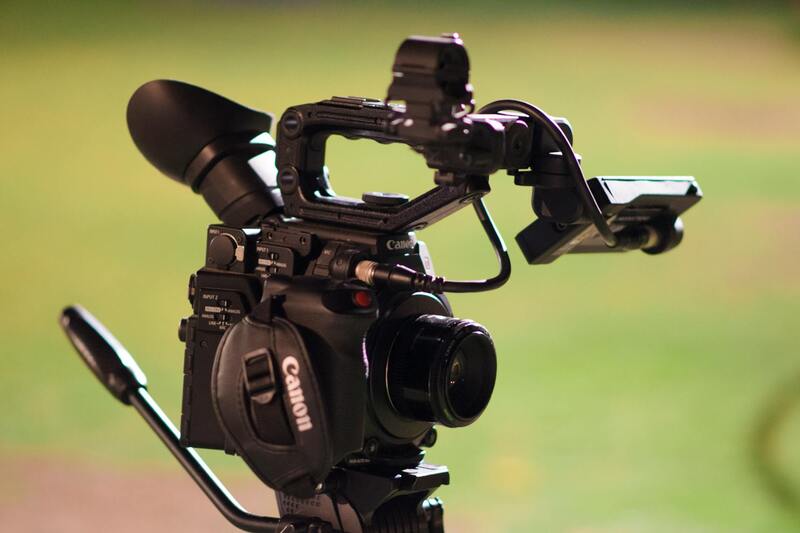
For maximum authenticity, precise camera settings should be employed. Using a low ISO minimizes noise, while a narrow aperture (such as f/8 to f/11) provides a deeper depth of field to keep both foreground and background in focus. A tripod stabilizes the camera, resulting in sharp images with minimal distortion. Adjustments to white balance are critical; setting it to match the lighting conditions—whether daylight, tungsten, or a combination—ensures color accuracy across all images.
Beyond technical aspects, positioning is essential. Arranging camera angles to capture the room’s full dimensions while avoiding obstructions helps convey the true scale and layout. Typically, photographing from a corner or an angle that includes multiple architectural features allows potential buyers or tenants to visualize the space effectively. Ensuring the camera is level prevents perspective distortions, which can mislead viewers about room proportions and overall spatial relationships.
When post-processing images, adherence to a strict editing protocol that corrects exposure, contrasts, and colors without over-enhancement maintains the integrity of the space. Minor adjustments to straighten images and crop out distractions should be based solely on enhancing clarity rather than altering the scene's authenticity. This approach guarantees that the images adhere to ethical standards and provide a trustworthy portrayal of the property.
In sum, capturing legitimate real estate interior images involves a systematic approach: optimizing lighting, employing appropriate camera settings, mindful composition, and responsible editing practices. These methods ensure that potential clients receive a precise visual impression, facilitating informed decision-making based on pictures that faithfully depict the actual interior environment.
Legal and Ethical Considerations
When engaging in photographing real estate interiors, adherence to established standards of accuracy and honesty is paramount. Ensuring that images genuinely reflect the property's condition and features builds trust with clients and prospective buyers. Accurate representation involves avoiding deceptive practices such as manipulating images beyond the scope of basic corrections, which can mislead viewers about the actual state of the property. It is essential to have explicit permission from property owners before capturing interior images to respect privacy and confidential information. Clear communication about the purpose of the photographs and their intended use should be established to prevent misunderstandings. Maintaining consistency in camera settings and editing practices ensures that photographs are reliable indicators of the property's interior, supporting transparent marketing strategies. These practices uphold the integrity of the real estate photography process and foster ethical relationships between photographers, clients, and potential buyers. Furthermore, documentation of the shooting process, including camera settings and the scope of editing, can serve as a reference that all images are produced within agreed-upon parameters. This diligence enhances credibility and aligns with professional standards in the industry. By following these ethical guidelines, photographers contribute to a trustworthy property marketing environment, ensuring that all visual representations are both professional and truthful.
Proper Documentation and Consistent Practices in Interior Photography
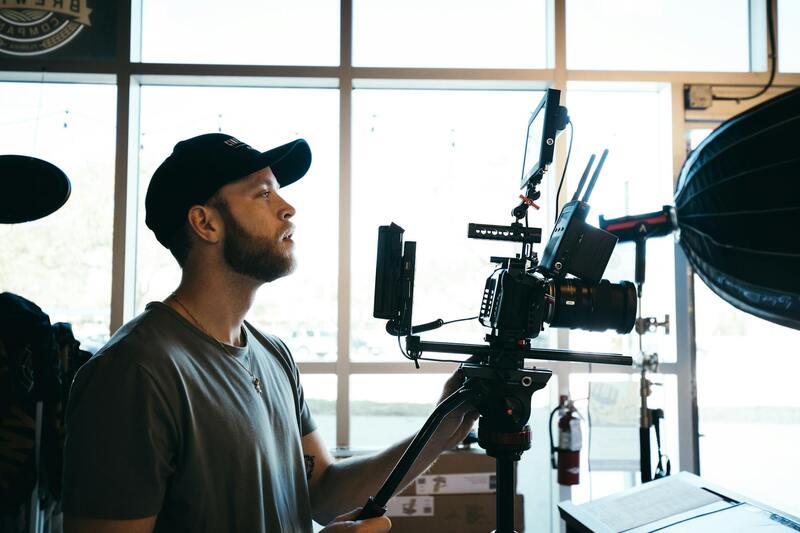
Maintaining a comprehensive record of each shoot is fundamental in upholding high standards of quality and transparency within real estate interior photography. Photographers should meticulously document camera settings, lighting configurations, shooting angles, and editing parameters used for each property. Such documentation not only facilitates consistency across a property’s visual portfolio but also provides a clear reference for any future revisions or reviews.
Adopting standardized workflows and checklists can significantly enhance efficiency and reliability. For example, establishing preset camera settings optimized for various lighting conditions ensures uniformity in images, which is essential when multiple properties are photographed over time or by different team members. This consistency becomes especially valuable when showcasing properties in online listings, where a coherent visual style reinforces professionalism and trustworthiness.
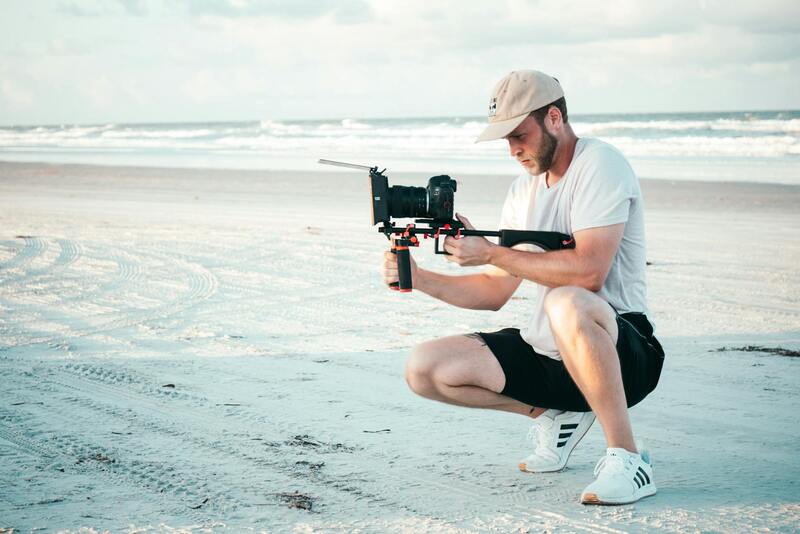
Another critical aspect is rigorous quality control during post-processing. Implementing a standard editing protocol helps maintain the integrity of images and prevents deviations that might distort viewers’ perception of the property. Photographers should avoid excessive enhancements or manipulations that could mislead potential buyers, instead focusing on adjustments that improve clarity, color balance, and overall visual appeal while preserving authenticity.
Additionally, comprehensive client communication regarding the scope of editing and photographic techniques used can cultivate transparency. Providing clients with a detailed report or visual sample of the editing process fosters confidence in the final product and aligns expectations. This practice embodies a professional approach, ensuring clients recognize the effort invested in creating truthful and compelling property visuals.
Finally, storing raw images and edited files securely with clear labeling and version control systems not only preserves the integrity of the work but also enables seamless reference for future use or renovations. Keeping a well-organized digital archive is a best practice that benefits both the photographer and the client, ensuring that the visual content remains an accurate, dependable resource for listing and marketing purposes.
Legal and Ethical Considerations in Real Estate Interior Photography
Maintaining ethical standards in photographing real estate interiors is essential for establishing trust and credibility with clients and prospective buyers. While showcasing a property’s best features is important, it’s equally crucial to adhere to practices that ensure visual representations are truthful and accurate. Photographers should avoid any form of image manipulation that could distort the true condition or appearance of the interior, such as exaggerated perspective adjustments or overly enhanced colors that mislead viewers.
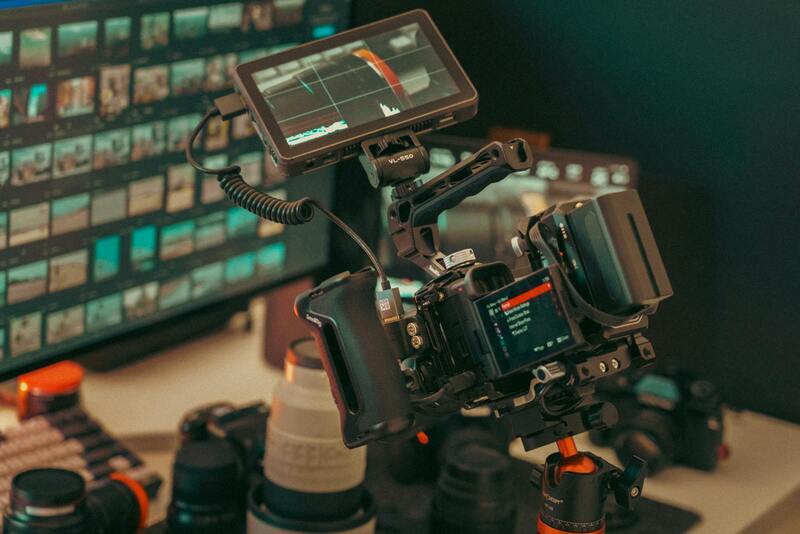
Transparency about the photographic process enhances client confidence and sets clear expectations. Clear communication regarding the scope of edits and the technological methods used to capture and enhance images fosters professionalism and trust. Providing detailed descriptions of equipment, settings, and post-processing techniques used can help clients understand the authenticity of their property images, thereby reducing misunderstandings or misrepresentations.
Another aspect involves respecting the privacy and security of occupancy and personal belongings within the property. Ensuring that no confidential or sensitive areas are unintentionally exposed in the photographs upholds ethical standards. This includes coordinating with property owners to schedule shoots during appropriate times and ensuring that all featured spaces portray the property in its best light without infringing on privacy.
For real estate professionals, it is important to emphasize authenticity when presenting interiors. This means avoiding staged or artificially altered images that could mislead potential buyers. Instead, focus on capturing images that accurately reflect the space and condition of the property, complemented by honest descriptions and disclosures. This approach not only fosters genuine interest but also builds a reputation for integrity within the real estate community.
Adherence to these standards creates a mutually respectful environment among photographers, agents, and clients, ultimately leading to more effective marketing and successful property transactions. Consciousness of ethical boundaries ensures the visual content faithfully supports the real estate listing, making it a reliable resource for buyers and investors alike.