
Understanding the Importance of Professional Real Estate Photography
High-quality real estate photography plays a crucial role in the successful marketing of residential properties. In an increasingly digital marketplace, prospective buyers start their house hunt online, making compelling visuals fundamental to capturing attention and generating interest. Well-executed images not only showcase a home's unique features but also set the first impression of the property’s value and appeal. When buyers browse listings, photos serve as the initial point of engagement, influencing their decision to visit in person or move on to other options. Bright, clear, and professionally produced images can significantly increase the number of inquiries and viewings, translating to quicker sales and often higher offers. Furthermore, high-quality photography reflects a property's overall care and professionalism, reinforcing trust between sellers and potential buyers. As competition intensifies in the real estate market, especially in vibrant areas like Miami, employing skilled photographers to capture properties effectively has become an essential component of smart marketing strategies. Leveraging professional images can distinguish a listing in a crowded market, emphasizing the home's best features and fostering emotional connections with potential buyers. This strategic investment, rooted in understanding the importance of high-caliber visuals, ensures properties stand out and leave a lasting impact that can accelerate the sales process.
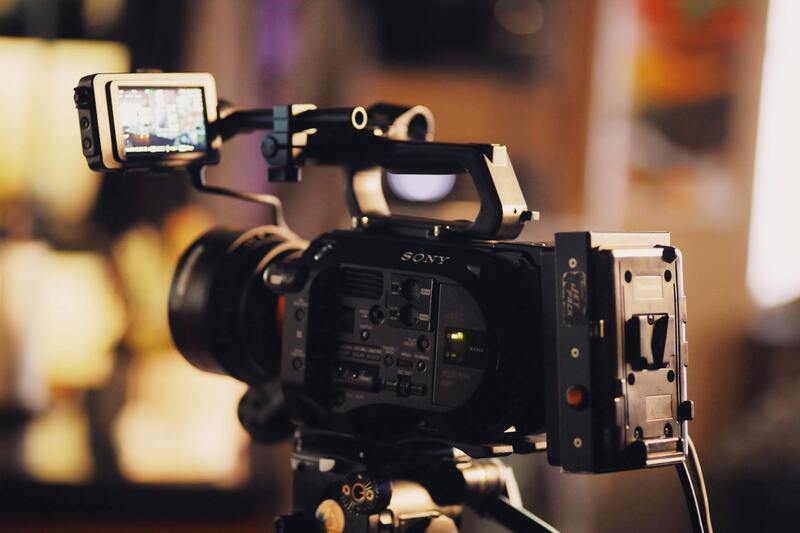
In today’s real estate landscape, where digital first impressions dictate the flow of interest and inquiries, investing in professional photography is no longer an option but a necessity. Consequently, real estate agents, property owners, and developers recognize the value of meticulously crafted visuals that authentically showcase the property’s potential. As such, mastering the art of photographing houses is integral to successful property marketing, with potential buyers more likely to engage, inquire, and ultimately, make an offer when presented with captivating, professionally taken images.
Preparation Before Shooting a House
Effective house photography begins long before the camera is even in hand. A comprehensive preparatory process ensures that each feature of the property is showcased in the best possible light, both literally and figuratively. First and foremost, a thorough cleaning of the entire home is essential. Dust, dirt, and clutter can drastically reduce the visual appeal of a space, making it look less inviting and less spacious. Deep cleaning of carpets, windows, and surfaces creates a pristine environment that enhances natural light reflection and overall brightness in photographs.
Staging plays a crucial role in presenting a house attractively. This involves arranging furniture to emphasize space and flow, adding tasteful decor to create warm, welcoming atmospheres, and removing personal items that might distract potential buyers. Proper staging not only highlights the property's strengths but also helps buyers visualize living there, fostering emotional engagement.
Lighting is another critical element to optimize before shooting. Natural light enhances photo quality significantly, so scheduling shoots during the day when sunlight is abundant is ideal. Opening curtains, blinds, and ensuring windows are spotless can make a substantial difference. If natural light is insufficient, supplemental lighting — such as softboxes or LED panels — should be used to fill shadows and create an even, flattering illumination.
Property owners and agents should also conduct a walk-through to identify any minor repairs or imperfections that might detract from the images. Fixing small issues, such as leaky faucets, chipped paint, or loose fixtures, contributes to a polished final presentation. Lastly, scouting the area to identify the best times for shooting and noting any unwanted elements in the background helps streamline the process.
Equipment and Settings for House Photography
Using the right gear and settings is vital for capturing high-quality images that do justice to the property. A professional-grade DSLR or mirrorless camera with a wide-angle lens (typically 10-24mm) is favored for interior photography, as it can encompass more of a room in a single shot, making spaces appear larger and more inviting.
- Tripod: Ensures stability for sharp images, particularly in lower light conditions or when using longer exposures.
- Wide-angle lens: Captures expansive views of interiors and exteriors, emphasizing space and layout.
- Proper camera settings: Use a low ISO (100-200) to maintain image clarity, a small aperture (f/8-f/16) for depth of field, and appropriate shutter speeds to balance exposure without introducing blur.
HDR (High Dynamic Range) photography is also beneficial in situations where there are significant contrast differences between light and dark areas, such as interior spaces with large windows. Bracketing multiple exposures and merging them in post-processing can produce balanced, vibrant images that accurately portray the scene.
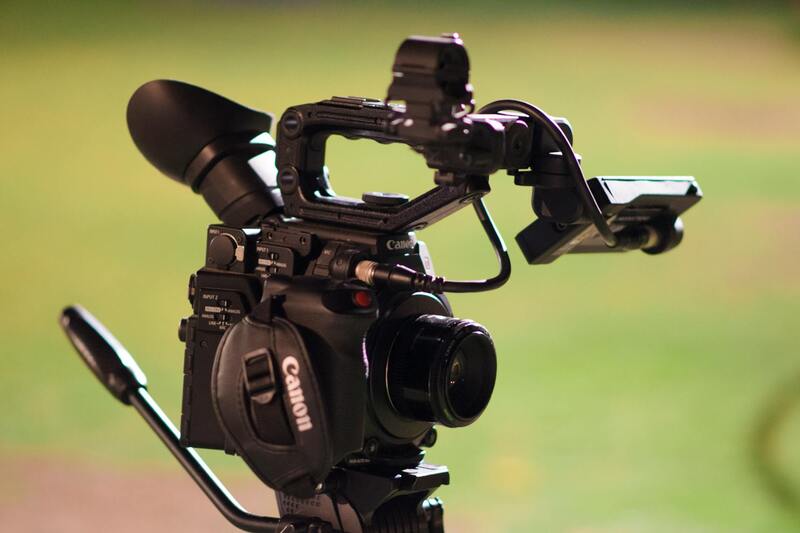
Further, using remote triggers or cable releases minimizes camera shake, particularly during long exposures. The key is to experiment with settings to adapt to different lighting conditions and room sizes, always prioritizing sharpness, color accuracy, and depth to create compelling visuals.
Techniques for Capturing Attractive Interior Shots
Achieving captivating interior photographs hinges on mastering specific techniques that enhance the visual appeal of each space. One fundamental approach involves controlling natural light to illuminate rooms evenly, minimizing harsh shadows and dark corners. This can be done by shooting during times when sunlight is soft, such as early morning or late afternoon, and utilizing diffusers or reflectors to bounce light into shadowed areas.
Using a tripod is essential for maintaining stability during longer exposures, particularly in low-light indoor environments. This allows for sharper images and enables the use of smaller apertures, which increase depth of field, ensuring that both foreground and background elements are in crisp focus.
Composition plays a pivotal role in interior photography. Applying the rule of thirds helps balance key elements within the frame, while leading lines draw the viewer's eye through a space, creating a sense of depth. Properly staging and decluttering rooms before shooting ensures the focus remains on the home's architectural features without distractions.
Incorporating multiple exposures through HDR techniques can significantly enhance interior shots with varied lighting conditions. By capturing several images at different exposure levels and merging them, you can achieve a balanced representation that captures both the bright highlights and shadow details—crucial for spaces with large windows or contrasting light sources.
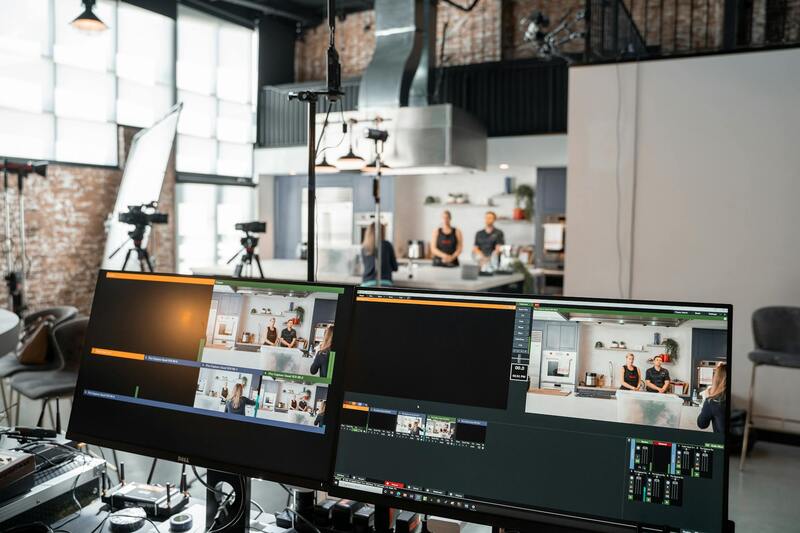
Experimentation with camera angles also contributes to compelling interiors. Shooting from a corner perspective often provides a comprehensive view of the room, emphasizing spatial dimensions and layout. Wide-angle lenses are invaluable here, but care must be taken to avoid distortion that can misrepresent the home's proportions. Straightening vertical lines and correcting perspective distortions in post-production can help maintain true-to-life visual accuracy.
Another valuable technique involves incorporating stylistic elements, such as showing furniture arrangements, decorative accents, and art, to evoke a warm and inviting atmosphere. The use of color balance and saturation adjustments can further enhance the ambiance, making spaces look more appealing without overdoing the filter effects.
Mastering these techniques demands a thorough understanding of lighting, composition, and camera controls. The aim is to produce images that not only accurately represent the property but also evoke an emotional response, encouraging potential buyers or tenants to envision themselves within the home.
Effective Techniques for Capturing Interior Details and Enhancing Visual Appeal
Attaining captivating interior shots involves a meticulous approach to framing, composition, and lighting. The ultimate goal is to craft images that highlight the unique features of each room while maintaining an inviting atmosphere that appeals to prospective clients. The camera angle plays a crucial role; shooting from a corner perspective often yields a more comprehensive view, emphasizing spatial depth and architectural nuances.
Utilization of wide-angle lenses is highly beneficial in interior photography, allowing for a broader field of view that can encompass an entire room within a single shot. However, it is essential to remain cautious of potential distortion, which can skew proportions and misrepresent the space. Employing software tools for perspective correction and straightening vertical lines ensures that images accurately reflect the actual dimensions of the residence.
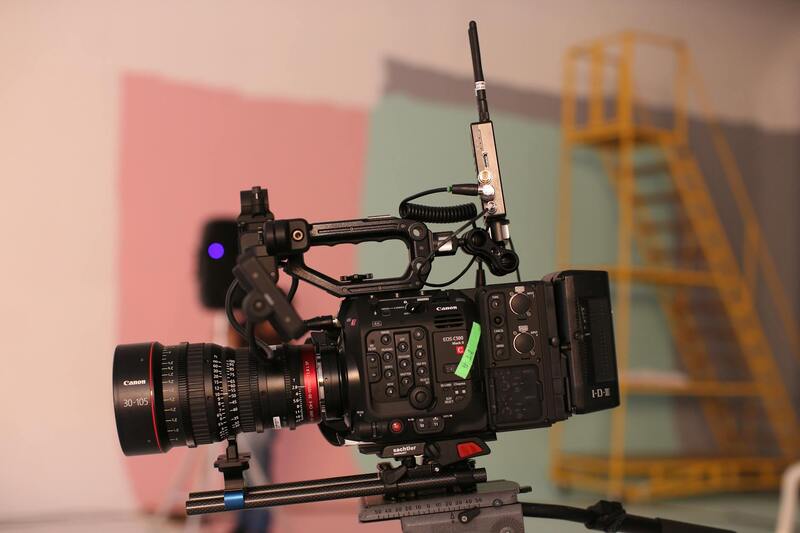
Natural light, supplemented by well-planned artificial lighting, enhances the vibrancy and ambiance of interior images. Utilizing techniques such as diffusing light sources or reflecting light to fill shadows helps create a soft, evenly lit environment that emphasizes the property's best features without harsh contrasts.
Staging is another vital component; arranging furniture and decor to showcase the home's potential evokes warmth and livability. Including stylistic elements like decorative accents, plants, and art adds layers of visual interest that resonate with viewers.
Careful consideration of composition—such as leading lines, balanced framing, and focal points—guides the viewer’s eye through the space and draws attention to key aspects. Playing with symmetry and asymmetry can produce dynamic and appealing images that stand out in listings and marketing materials. Color balance and saturation adjustments during post-processing can further enhance the mood, making spaces appear more inviting and aligned with their real-life ambiance.
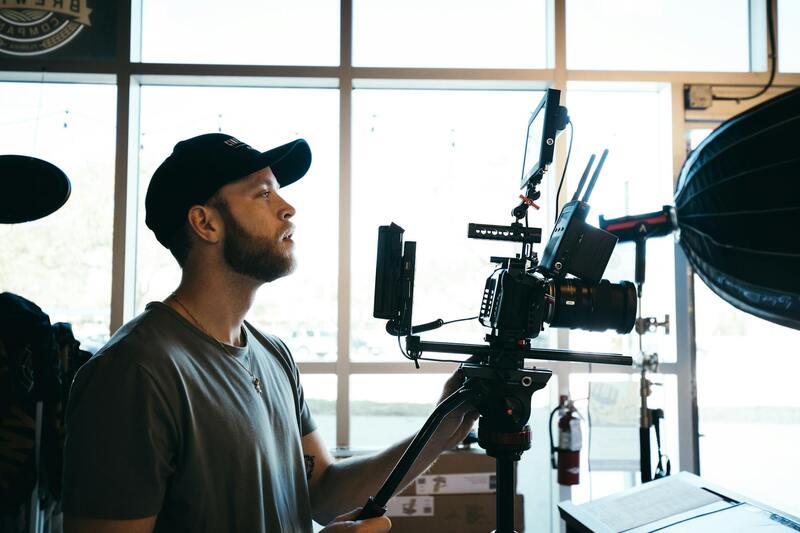
Mastering these techniques requires an understanding of both technical and artistic principles, aiming to produce images that are not only accurate representations but also emotionally engaging. High-quality interior photography creates a sense of familiarity and comfort, encouraging potential buyers or renters to envision themselves living within the space.
Securing Proper Permissions and Respecting Property Privacy
When engaging in house photography, obtaining explicit permission from the property owner or authorized representatives is essential. This process involves clear communication about the purpose of the shoot, the intended use of images, and the scope of the photography session. Such consent ensures that all parties are aligned on the project parameters, fostering a professional relationship based on transparency and trust.
It is equally important to respect the privacy of the residents and the confidentiality of any sensitive areas within the property. Avoid photographing private or restricted spaces unless specifically authorized, and always adhere to any guidelines provided by the owners. Respecting privacy extends to not sharing images that reveal personal belongings or other private details without consent, especially when disseminating photographs across public platforms or marketing channels.
Additionally, it is advisable to familiarize oneself with local regulations or guidelines related to aerial photography if drone usage is involved. This includes obtaining necessary permits or adhering to altitude restrictions in order to avoid violations that could complicate the project or result in legal issues.
Respecting Intellectual Property and Image Rights
House photographers must also be aware of intellectual property rights, which pertain to the images captured. This involves ensuring that any included branding, artwork, or unique features are either owned by the homeowner, legally permitted for use, or appropriately licensed. Clear contracts outlining image rights and usage terms safeguard both the photographer and the client, preventing misunderstandings and unauthorized exploitation of the photographs.
Implementing strict protocols for image handling—such as watermarking images before initial sharing, or stipulating license terms—helps maintain control over the photographs. This practice not only protects the photographer’s work but also reassures clients that their property and privacy are being managed responsibly.
Incorporating these formalities and ethical practices into the house photography process underscores a commitment to professionalism and respect for all involved. Such diligence not only aligns with best practices but also enhances reputation and trustworthiness within the real estate marketing landscape.
Official Methods for House Photography
Capturing high-quality images of houses for real estate purposes requires adherence to established, official methods that prioritize safety, legality, and professionalism. These practices ensure that the imagery serves its marketing function while respecting the rights of all parties involved. A primary step involves securing proper permissions when using airborne photography, especially with drones. This includes obtaining necessary authorizations from local authorities and verifying compliance with airspace regulations. Such permissions often involve submitting flight plans and adhering to specific altitude limits to minimize risk and disturbance.
When photographing private property, gaining explicit consent from homeowners is essential. This involves signing contractual agreements that outline rights related to the images, usage limitations, and privacy considerations. Establishing clear understandings beforehand helps avoid misunderstandings and protects both the photographer's interests and the client's privacy. It is also critical to use legally obtained equipment, including drones or other specialized gear, which meets certification standards issued by relevant regulatory bodies.
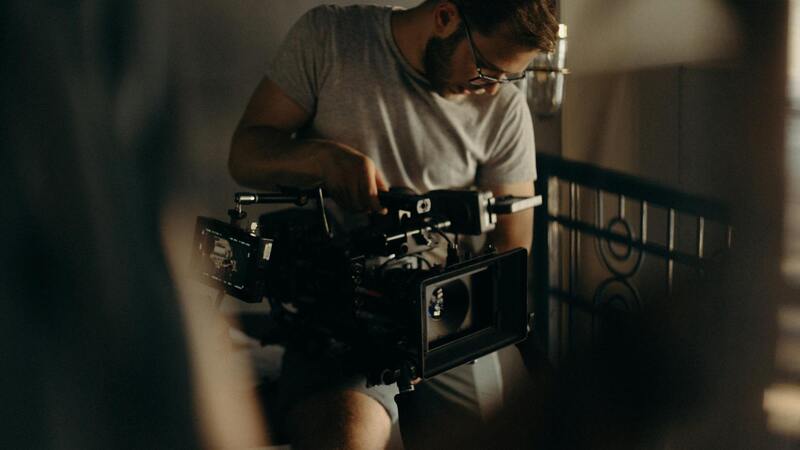
Effective use of professional tools encompasses high-resolution cameras, calibrated lenses, and lighting accessories that meet industry standards. Correctly setting these devices—and understanding their functionalities—is vital in capturing images that accurately reflect the property. Proper camera settings involve selecting appropriate apertures, ISO levels, and shutter speeds to produce sharp, well-lit photos suitable for various lighting conditions.
Systematic Approach to House Photography
- Pre-shoot Planning: Conduct a site survey, establish shot lists, and decide on the best times of day for optimal lighting. Collaborate with the homeowner to identify key features or areas of interest.
- Equipment Inspection: Check all gear beforehand to prevent technical issues during the shoot. Ensure batteries, memory cards, and lenses are ready for extended use.
- Documentation and Consent: Secure written permissions for drone use or intrusive shots, and clarify image rights with the client. Keep records of these agreements for accountability.
Following Regulatory Protocols
Adherence to local regulations is a critical aspect of legitimate house photography. This includes respecting no-fly zones, maintaining flight altitude restrictions when using drones, and avoiding interference with other aerial operations or private properties without authorization. Complying with these procedures not only ensures a smooth workflow but also demonstrates professionalism and responsibility.
Furthermore, photographers should stay informed about evolving policies concerning privacy and airspace usage. Maintaining transparency with clients regarding these legal frameworks fosters trust and supports successful property marketing campaigns.
Official Methods for Capturing House Images
Engaging in photography of private residences necessitates adherence to structured, well-established practices that ensure the integrity of the process and protection of all parties involved. Official methods involve a combination of proper planning, authorized equipment use, and respectful interaction with property owners. A systematic approach guarantees not only high-quality visuals but also maintains a professional standard that aligns with industry regulations.
The initial step involves obtaining written consent from homeowners or property managers before any photographic activity commences. This documentation should clearly specify the scope of the shoot, the areas to be photographed, and the intended use of images. Securing these permissions mitigates misunderstandings and fosters a trustworthy relationship.
Pre-shoot site inspection is an essential component. Photographers should evaluate the property thoroughly, noting lighting conditions, room layouts, and exterior features that highlight the home's best attributes. This preparation informs equipment choices and shot strategies, ensuring efficiency on the day of the shoot. Marking key vantage points and potential obstacles prevents delays and helps in structuring a comprehensive shot list.
Regarding equipment, professionals typically utilize high-resolution DSLR or mirrorless cameras equipped with wide-angle lenses to capture the full scope of interior spaces. Tripods and stabilizers are employed to achieve sharp images, especially in low-light settings. Drones are used judiciously, with adherence to local airspace regulations, to document exteriors or aerial views of the property.
During the shoot, controlled lighting—either natural or supplemented with professional lighting gear—is essential for consistent, appealing images. Photographers aim to shoot during times of optimal natural light, like early mornings or late afternoons, when shadows are soft, and the home appears inviting.
Utilizing Official Channels for House Photography Documentation
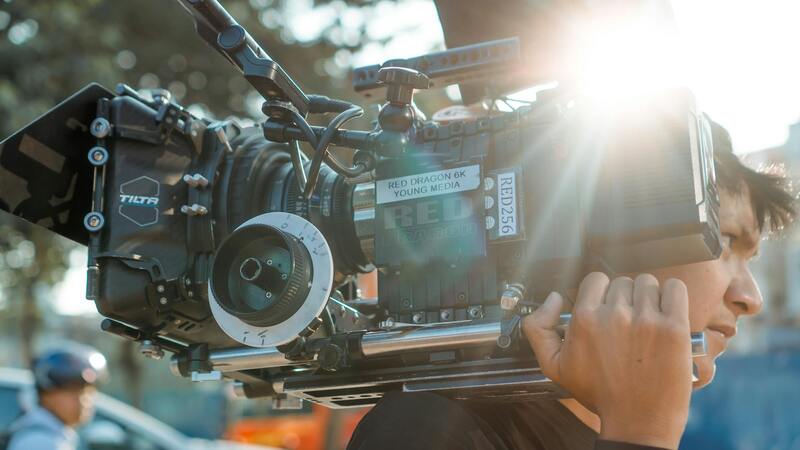
When it comes to showcasing a property, leveraging official channels to document and present house images is paramount. This ensures that every visual element is captured through legitimate means, adhering to established standards that reinforce credibility and trustworthiness. Certified real estate photography platforms, authorized digital submission portals, and recognized listing services serve as reliable venues for sharing high-quality images. These channels often require adherence to specific submission guidelines, which include proper image resolution, metadata accuracy, and consistent formatting. Utilizing these official platforms not only guarantees the images are properly archived but also optimizes their visibility to prospective buyers and real estate professionals.
Documenting Compliance and Property Conditions
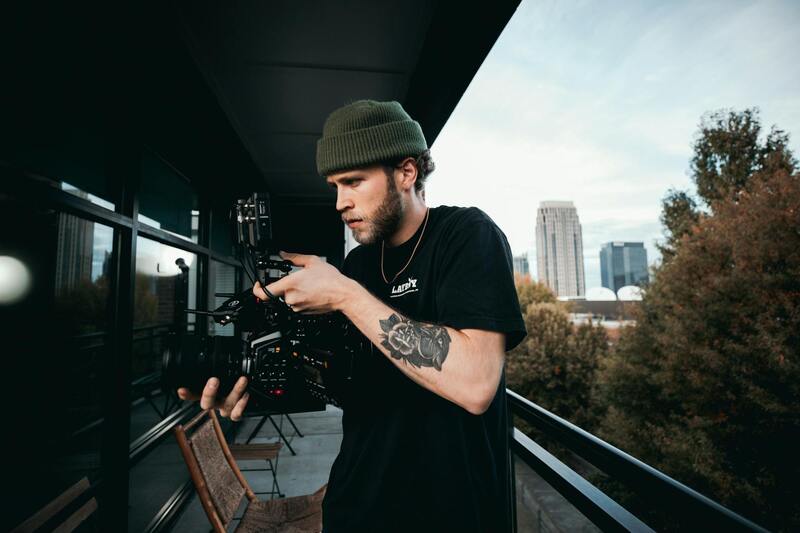
Accurate and truthful visual documentation plays a crucial role in showcasing a property’s condition and features without misrepresentation. Photographers often employ systematic procedures, including comprehensive image tagging, detailed descriptive metadata, and synchronized photo logs, to verify each image’s authenticity and context. This documentation supports transparent communication with clients, regulatory bodies, and listing platforms, reinforcing a professional image. Such meticulous record-keeping also facilitates effective property comparisons, negotiations, and future reference, underpinning a trustworthy real estate transaction process.
Following Regulatory Guidelines for Aerial and Exterior Shots
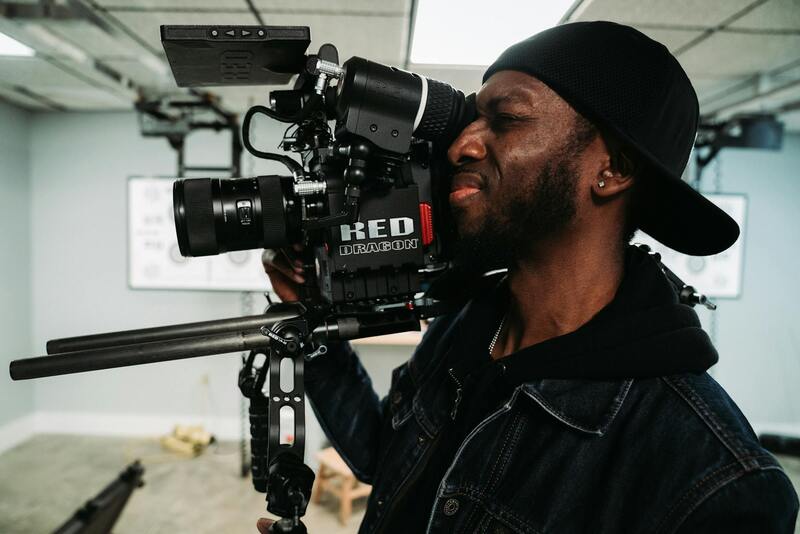
Achieving comprehensive exterior and aerial imagery requires strict adherence to established procedures. When capturing drone footage or high-altitude views, operators follow official flight plans approved by relevant authorities or governing agencies. Documentation of flight permissions, airspace clearances, and adherence to altitude restrictions are integral parts of this process. This disciplined approach guarantees that the imagery complies with operational standards, avoiding potential conflicts and ensuring that all visual content is produced within accepted boundaries. Use of authorized drones and adherence to scheduled flight times not only guarantee quality but also support regulatory compliance.
Securing Images for Use on Official Marketing Materials
Finalized house images intended for marketing, whether for online listings, print advertising, or promotional brochures, are generated through a formalized processing pipeline. This includes the use of certified editing software and validated workflows that preserve the integrity and authenticity of the original captures. Metadata generated during the shooting process, such as geolocation, timestamps, and camera details, are preserved and integrated into official listings. Properly archived and managed images ensure consistency across different platforms and reinforce a professional facade, aiding prospective buyers in making informed decisions based on reliable visual information.
Maintaining Ethical Standards in Image Usage and Presentation
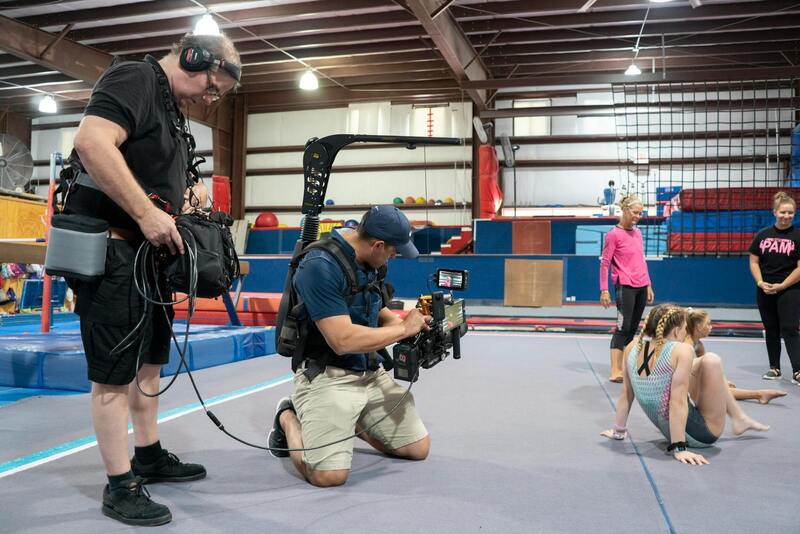
Adherence to a strict code of conduct mandates that all house images are sourced, processed, and presented ethically. This includes verifying the ownership of original photographs, obtaining necessary permissions for any modifications, and accurately representing the property without embellishment or omission that could mislead viewers. Respect for privacy, especially when featuring personal or identifiable elements, is fundamental. These practices foster transparent and respectful communication, strengthen client relationships, and uphold a professional reputation throughout the real estate industry.