
Understanding the Importance of High-Quality Home Photography
In the competitive Miami real estate market, the quality of photographs used to showcase a property can significantly influence potential buyers' perceptions and decisions. Professionally executed home photography captures the property's best features, creating an inviting visual narrative that draws viewers in. High-caliber images not only increase the attractiveness of listings but also enhance their visibility across major online platforms, ultimately accelerating the sales process.
Effective home photography serves as a critical marketing tool, providing a compelling first impression that can differentiate a property from numerous others on the market. Buyers tend to spend more time viewing listings with clear, vibrant images, which leads to higher engagement rates. Additionally, striking visuals can generate more inquiries and showings, making the process of selling more efficient. In Miami’s dynamic real estate environment, where properties often compete intensely for attention, having high-quality photographs can be the decisive factor that influences a buyer’s choice.
This visual approach extends beyond mere aesthetics; it reflects a property’s appeal in terms of space, light, and ambiance. Well-crafted images can highlight intricate interior details, showcase spacious layouts, and emphasize the property’s unique selling points. This comprehensive presentation helps align buyer expectations with reality, fostering trust and facilitating faster decision-making. Ultimately, investing in professional home photography elevates a property’s online appeal, making it a vital component of an effective marketing strategy that capitalizes on market trends and buyer behaviors unique to Miami.
Choosing the Right Equipment and Techniques
Achieving professional-quality photographs of homes requires more than just a good camera; it involves meticulous selection of equipment and application of proven techniques. High-resolution digital cameras with extensive sensor sizes are preferred for their ability to capture detailed images with rich color and clarity. Wide-angle lenses are essential in home photography as they provide expansive views, making spaces appear larger and more inviting without distortion. Tripods are also crucial, ensuring stability for sharp, blur-free images, especially in low-light conditions.
Utilizing advanced camera settings can significantly influence the final outcome. Aperture control helps in managing depth of field, ensuring both foreground and background elements are in focus, which is critical when showcasing interiors. Proper ISO settings prevent graininess, preserving image quality. Additionally, utilizing manual focus allows for precise control, especially in challenging lighting situations.
Lighting Strategies for Effective Home Photography
Lighting plays a fundamental role in conveying the true essence of a home. Natural light tends to produce the most appealing and authentic images, emphasizing the vibrant ambiance of each space. Photographers often schedule shoots during daylight hours when sunlight fills rooms, using windows and open curtains as natural light sources. To maximize this effect, images should be taken when outdoor lighting conditions are optimal, avoiding harsh shadows or overexposed highlights.
Supplemental lighting, such as softboxes or portable LED panels, can fill in shadows and create balanced illumination, especially in poorly lit areas or during overcast days. Light temperature should be consistent; using bulbs with the same color temperature as daylight, typically around 5500K, ensures uniformity and avoids distracting color casts.
Composition and Framing Tips
Thoughtful composition can make a substantial difference in how a property is perceived. The rule of thirds is a fundamental principle where key elements are positioned along intersecting lines, guiding the viewer’s eye naturally through the image. When framing shots, ensure lines are straight and walls are perpendicular to the camera’s lens to prevent distortion.
Highlight the property’s best features by carefully selecting angles that accentuate natural symmetry, spaciousness, and appealing architectural details. Avoid cluttered backgrounds or distracting objects; instead, frame windows, doorways, or architectural elements to draw attention to focal points. Including elements like a glimpse of an outdoor garden or distinctive interior details can add context and make the images more engaging.
Post-Processing and Image Enhancement
Post-processing is a crucial step in refining home photographs. Professional editing involves adjusting brightness, contrast, and color balance to produce images that accurately reflect the property’s appearance. Techniques such as straightening lines, removing minor imperfections, and enhancing lighting can bring out the best in each shot.
It's important to maintain authenticity; over-editing can mislead viewers and may backfire in terms of buyer trust. Effects should support the natural aesthetic of the space without altering factual representations. High-resolution images should also be optimized for different digital platforms, ensuring fast loading without compromising quality.
Optimizing Photos for Online Listings
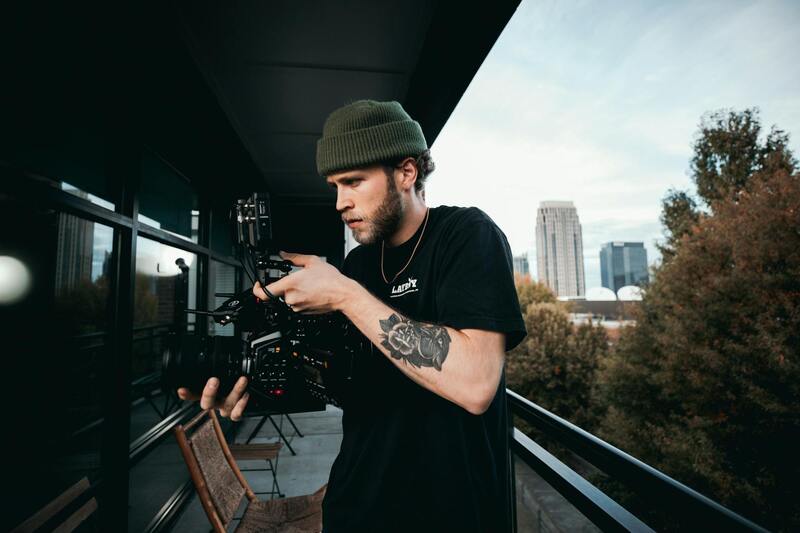
Once images have been captured and edited, optimizing them for online listings is essential to maximize engagement. This process involves selecting the best shots that showcase the property’s unique features, then compressing high-resolution images without losing clarity. Proper file naming and metadata tagging can improve search engine visibility, making the property easier to find for prospective buyers.
Additionally, images should be formatted to suit various platforms—square images for social media, wide shots for website galleries, and thumbnail-sized images for mobile views. An organized image layout supports quick visual navigation, encouraging potential buyers to explore further. Ensuring consistency in style and quality across all photographic assets cements a professional brand presence that attracts serious inquiries.
Choosing the Right Equipment and Techniques
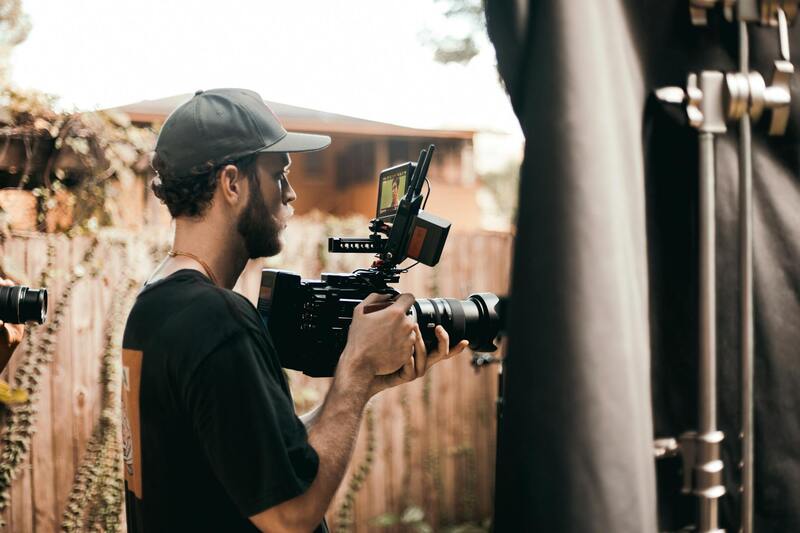
Achieving professional-quality photographs of homes begins with selecting appropriate equipment and applying effective shooting techniques. The quality of the camera gear significantly influences the clarity, detail, and overall aesthetic of the images, making it essential to utilize high-resolution cameras capable of capturing fine details. Full-frame DSLR or mirrorless cameras are popular choices for real estate photography due to their superior image quality and adaptability to varying lighting conditions.
Lens selection plays a pivotal role in accurately depicting interior spaces. Wide-angle lenses, typically ranging between 14mm and 24mm, are preferred for interior shots because they allow photographers to capture more of a room in a single frame, giving viewers a sense of space without distortion. Tilt-shift lenses can be also employed to correct perspective distortions, ensuring vertical lines remain straight, which is particularly beneficial for showcasing architectural features.
In addition to cameras and lenses, drones have become increasingly valuable tools for capturing expansive outdoor properties or providing aerial views that highlight the property's landscape and surrounding environment. Aerial shots add depth and context to listings, offering potential buyers a comprehensive understanding of the property's scale and location.
Shooting techniques should focus on maximizing natural light. Photographers often employ HDR (High Dynamic Range) imaging, capturing multiple exposures to balance shadows and highlights, resulting in well-lit bedroom and living spaces. Bracketing exposures ensures that details are preserved across varied lighting conditions, from bright windows to darker interior corners.
Proper camera settings, including using a small aperture to maintain depth of field and a tripod to stabilize shots, help achieve sharp, clear images. Posture and vantage point are also crucial; shooting from eye level or slightly elevated angles captures the space accurately and minimizes distortion. Consistency in shooting height and angle across all images ensures a cohesive visual narrative of the property.
Mastering these equipment choices and techniques ensures each photograph accurately portrays the home's features, strengths, and ambiance, ultimately attracting serious buyers and elevating the property’s online presence.
Utilizing Proper Lighting and Techniques to Elevate Home Photography
Achieving captivating images of residential properties hinges significantly on effective lighting strategies and precise shooting techniques. Proper lighting not only illuminates the home's details but also embodies its ambiance, making spaces appear warm, inviting, and spacious. When planning a photoshoot, it is essential to consider both natural and supplemental lighting methods to create a balanced and attractive presentation.
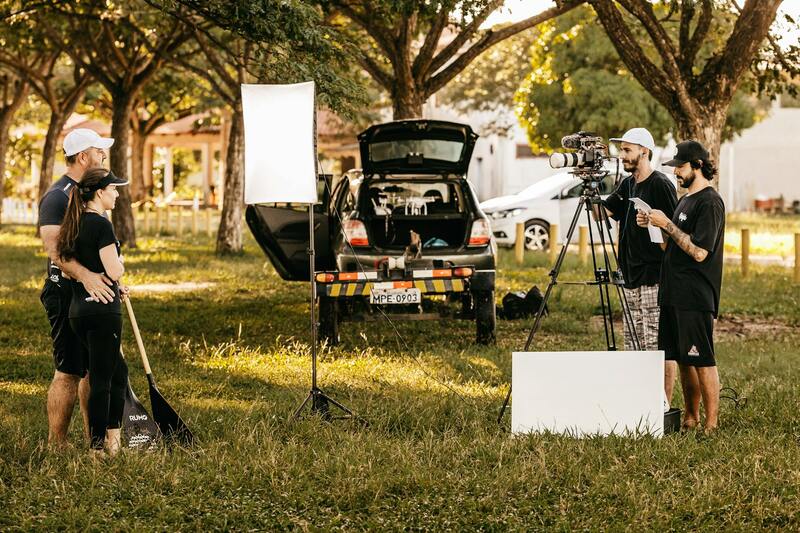
Optimally, shooting during times of abundant natural light — such as early mornings or late afternoons — accentuates a property's best features without harsh shadows. Utilizing window light can provide a soft, diffuse glow that enhances interior appeal. However, in interiors where natural light alone can't suffice, supplemental lighting becomes invaluable. Portable LED panels or softboxes can fill shadows, especially in dimly lit rooms or during overcast days, ensuring even exposure and vibrant colors.
For exterior shots, cloudy days or dawn and dusk times often produce even lighting and reduce unwanted glare, which contributes to a balanced overall aesthetic. Photographers should avoid shooting at midday when the sun is directly overhead, as this creates harsh shadows and high contrast areas that are difficult to balance in post-processing.
Shooting at the right moments involves watching the sun’s position and understanding how its angle impacts shadows and highlights inside the home. Using a tripod for stability enables longer exposures and HDR techniques, capturing details in both shadows and highlights without sacrificing quality. Additionally, employing light modifiers, like reflectors, can bounce sunlight into darker areas, adding depth and dimension to the images.
Effective use of lighting is complemented by camera settings optimized for each scenario. A wide aperture can produce a smooth background, while adjusting ISO and shutter speed helps fine-tune brightness. Shooting from multiple angles and heights ensures comprehensive coverage, capturing various perspectives that highlight design elements and spatial arrangements.
Incorporating these lighting tactics and precise techniques results in imagery that truly represents a home's allure, attracting serious buyers and strengthening the property's online visibility.
Understanding the Importance of High-Quality Home Photography
In the competitive real estate market, the visual presentation of a property can significantly influence potential buyers' perceptions and decisions. High-quality home photography not only captures the physical attributes of a space but also conveys its ambiance, flow, and unique character. This visual storytelling is crucial in establishing an emotional connection and inspiring interest even before prospective buyers schedule a viewing. Clear, vibrant, and professionally captured images serve as a powerful marketing tool, enhancing online listings and making a property stand out among countless others.
Furthermore, high-resolution images enable viewers to scrutinize details, from architectural details to interior finishes, which can influence purchasing decisions. They foster transparency and provide a true representation of the property, reducing the likelihood of misunderstandings or mismatched expectations. In an era where digital impressions often precede physical visits, investing in professional photography directly impacts the property's online visibility and attractiveness. This approach aligns with best practices for real estate marketing, ensuring that listings are both appealing and accurate.
Preparing a Home for Photoshoot
Preparation plays a vital role in achieving stunning images. This process involves decluttering spaces to reduce visual noise, thereby accentuating key features and creating a clean, organized appearance. Small repairs, such as fixing squeaky hinges, replacing burned-out bulbs, or straightening furniture, enhance the home's overall presentation. Additionally, staging furniture strategically can highlight the space's potential while maintaining a neutral ambiance that appeals to a broad range of buyers.
Ensuring the home is well-lit and maintained during the shoot day is also critical. Open curtains to allow natural light penetration, and consider options for controlling ambient light to avoid glare or overly dark areas. Removing personal items helps create a universal appeal, making it easier for prospective buyers to envision themselves living in the space. Effective preparation enhances the overall quality of the photographs, conveying a well-cared-for, inviting home that resonates with buyers’ aspirations.
Choosing the Right Equipment and Techniques
The foundation of compelling home photography lies in selecting appropriate equipment and employing proven techniques. Professional-grade DSLR or mirrorless cameras equipped with wide-angle lenses are essential; they allow capturing expansive interior shots while avoiding distortion. Tripods stabilize the camera, ensuring sharp images, especially in lower-light scenarios or when using HDR (High Dynamic Range) methods.
Additional gear, such as remote triggers and light modifiers (reflectors, diffusers), helps manage lighting conditions effectively. Techniques like shooting at multiple exposures enable blending details from shadows and highlights, resulting in well-balanced images that accurately showcase the home's features. Employing proper shooting angles and heights maximizes spatial perception, highlighting room dimensions and architectural details.
Mastery of these tools and methods elevates the quality of photographs, providing viewers with a comprehensive understanding of the property's layout, style, and ambiance. This professional approach not only makes listings more attractive but also fosters trust with prospective buyers, who appreciate transparency and attention to detail in the images they view online.
Understanding the Importance of High-Quality Home Photography
In an increasingly competitive real estate market, high-quality home photography serves as a powerful tool to attract prospective buyers and create a memorable impression. Excellent images showcase a home's unique features, architectural details, and overall ambiance, helping buyers visualize living in the space. The visual appeal of photographs can significantly influence a potential buyer’s interest, prompting them to schedule viewings and engage more deeply with the property listing. Furthermore, professionally captured images convey a sense of care and attention to detail, reinforcing the home's value proposition and encouraging a quicker sale process.
The Power of Visual Storytelling
Effective home photography is about more than just capturing rooms; it’s about telling a story that resonates with viewers. Well-composed images highlight a home’s best attributes, such as spaciousness, natural light, and stylish design elements. They evoke emotions, inspiring buyers to imagine themselves living there. When photos accurately reflect the property’s real appearance, they establish transparency and foster trust, reducing the risk of mismatched expectations that could derail a sale later in the process.
Impact on Listing Engagement
- Higher click-through rates on online listings
- Increased user engagement and time spent viewing the property
- Faster response times and more scheduled showings
Creating a Lasting First Impression
First impressions are crucial in real estate. High-quality images ensure that the property stands out in crowded online marketplaces, drawing attention and encouraging further exploration. Clean, crisp, and inviting photos give potential buyers confidence in the property’s condition and appeal, making them more likely to arrange a visit. The importance of capturing images that reflect the true aesthetic and spatial qualities of a home cannot be overstated, as these visuals are often the first interaction a buyer has with the property.
Building Trust Through Transparency
Authentic, high-resolution photographs set realistic expectations, reducing surprises during viewings and fostering trust between sellers and buyers. Accurate images that highlight a home’s best features and honest condition demonstrate professionalism and integrity, critical components in establishing credibility in real estate transactions.
Enhancing Online Marketing Strategies
High-quality photography elevates the overall digital presentation of a property. When combined with compelling descriptions and strategic placement, these images create a cohesive narrative that appeals to targeted audiences. Optimized images that load quickly and display correctly on various devices improve user experience and contribute to higher engagement metrics, ultimately leading to increased inquiries and faster sales.

Legal and Ethical Considerations in Home Photography
Conducting professional home photography involves adherence to certain standards that promote transparency and respectful representation of the property. It is essential to capture images that truly reflect the property's features without exaggeration or misrepresentation. Photographers should obtain explicit permission from property owners before photographing, ensuring consent for both the shoot and the dissemination of images in marketing materials.
Respect for privacy is paramount. Photographers must avoid capturing images of neighboring properties, private spaces, or personal belongings that are not relevant to the listing. Utilizing angles and framing techniques that focus solely on the property being sold helps maintain the homeowner’s privacy and adhere to ethical standards.
In addition, compliance with local regulations concerning drone photography and aerial shots is critical. Some areas require specific permits or licenses for the use of drones, especially when capturing images from higher altitudes or over private land. Ensuring proper authorization prevents legal complications and upholds professional reputation.
Authentic representation also involves editing images judiciously. Enhancements should serve to accurately illustrate the property's appearance without misleading viewers about its condition or features. Over-aggressive editing or filters that distort reality can compromise credibility and should be avoided.

Legal and Ethical Considerations in Home Photography
In the realm of professional home photography, adhering to stringent ethical practices is fundamental to maintaining trust and credibility within the industry. Respect for private property, obtaining proper authorizations, and safeguarding the rights of homeowners are essential components that underpin responsible image capture. Ensuring a positive relationship between photographers and property owners not only fosters professionalism but also enhances the overall reputation of the service provider.
One of the primary steps in ethical home photography involves securing explicit permission from property owners prior to the shoot. This proactive approach clarifies the scope of the photography, the intended use of images, and any specific restrictions or considerations. Written consent records help prevent misunderstandings and serve as a basis for transparent communication, especially when images are to be used across multiple marketing channels.
Respecting privacy extends beyond obtaining permissions; it also entails mindful image framing to exclude private or personal elements that are unrelated to the property’s appeal. Photographers must be vigilant in avoiding shots that inadvertently reveal neighboring properties, confidential personal belongings, or private outdoor spaces that should not be publicly showcased. This practice preserves the homeowners’ privacy rights and fosters ethical integrity in real estate advertising.
Additionally, understanding and complying with local regulations regarding drone or aerial photography is critical. Certain jurisdictions require specific permits or licenses for high-altitude shots, especially if they encompass private land or neighboring properties. Previewing local statutes and securing the necessary approvals safeguards the photographer and avoiding disruptions or legal issues during the shoot.
In the editing phase, ethical standards advocate for fidelity and authenticity. Enhancements should serve to accurately reflect the property's condition and appearance, avoiding exaggerated corrections or misleading filters. When editing images, it is essential to maintain the genuine features of a home without creating illusions that could misinform potential buyers or tenants. This honesty reinforces credibility and aligns with best practices for responsible visual marketing.
To uphold these standards, professional photographers should maintain detailed documentation of permissions, adhere to consistent ethical protocols, and stay informed about local legal requirements. Such practices not only prevent potential conflicts but also solidify a reputation for integrity and reliable service within the real estate industry.