
Importance of Professional Real Estate Photography
In the highly competitive housing market, the visual presentation of a property can significantly influence a potential buyer’s interest and decision-making process. High-quality, professionally captured images serve as the first impression that can make or break a listing. When prospective buyers browse online listings, they are quickly drawn to listings with clear, vibrant, and well-composed photographs. Such images not only showcase the property’s best features but also create an emotional connection, encouraging viewers to envision themselves living there.
Professional real estate photography emphasizes the property's space, light, and unique attributes through expert techniques that raw photos often cannot replicate. Bright, well-balanced images highlight the spaciousness of rooms, the quality of finishes, and the overall atmosphere, making listings more engaging and compelling. Research indicates that listings with professional photos tend to receive more views, higher engagement, and faster sales compared to those with amateur or poorly shot photographs.
Moreover, a well-presented visual profile enhances credibility and trustworthiness, demonstrating that a seller is serious about their property and values quality. This perception can lead to increased inquiries and open house attendance, ultimately driving the sale process forward. Real estate photography also supports consistent branding across multiple listings, which can be especially beneficial for agents managing several properties.
Effective imagery extends beyond aesthetics; it strategically emphasizes features most appealing or unique to potential buyers while minimizing any less attractive elements. Furthermore, the rise of mobile browsing and social media sharing heightens the importance of striking visuals that stand out amid countless online options. Incorporating professional photography into your marketing arsenal is an investment that yields higher visibility, faster sales, and often, a better return on your property investment.
Choosing the Right Photographer for Your House Sale
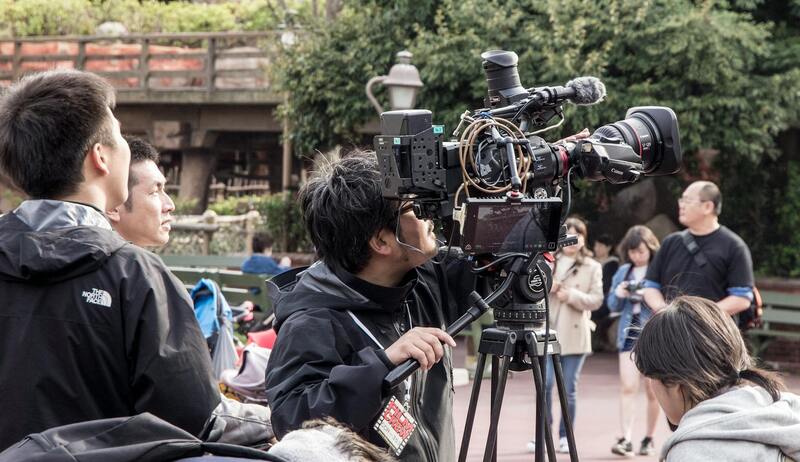
Selecting an experienced real estate photographer is crucial to ensure your property is showcased in the best possible light. A photographer's portfolio offers a clear insight into their style, skill level, and the quality of images they produce. When evaluating portfolios, look for consistency in lighting, composition, and the ability to highlight a property's unique features. It’s advisable to choose a photographer with a proven track record in real estate, particularly within your local market. Local expertise ensures familiarity with the architectural styles, common property features, and the most appealing angles that attract nearby buyers.
Furthermore, their equipment matters significantly. State-of-the-art cameras with high dynamic range (HDR) capabilities, wide-angle lenses, and professional lighting setups contribute to sharper, more vibrant images that capture the property's true essence. Experience in post-processing techniques is also essential; skilled editing can enhance images without misrepresenting the property's actual appearance. To verify the credibility of potential photographers, ask for references or testimonials from previous clients that highlight their professionalism, timeliness, and ability to deliver on expectations.
Ultimately, finding a professional with the right mix of technical skill, local market knowledge, and a portfolio that aligns with your property’s style will maximize your listing’s impact. Clear communication regarding your goals and expectations from the beginning can foster a collaborative relationship, making the photography process smoother and more aligned with your selling strategy.
Key Elements of Effective Property Photography
Achieving compelling real estate images requires a strategic approach to capturing the property’s best features. High-quality photography relies on several core elements that collectively create an appealing visual presentation. These include optimal lighting, strategic staging, well-chosen angles, and professional image editing techniques. Each element plays a vital role in highlighting the property's strengths and making it stand out in a competitive market.
Lighting
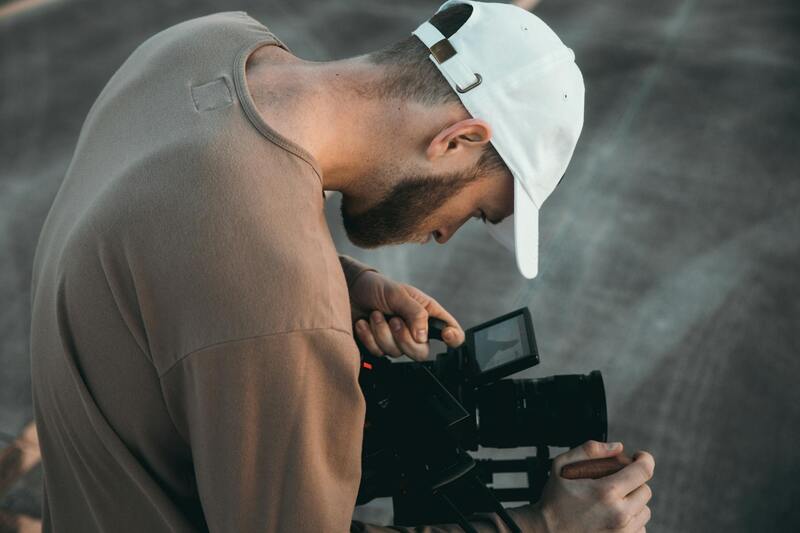
Effective lighting is fundamental in real estate photography. Natural light is preferred; shooting during the day when sunlight can fill the rooms creates vibrant, inviting images. Photographers often schedule sessions during the 'golden hours'—shortly after sunrise or before sunset—to maximize natural illumination. When artificial lighting is necessary, professional photographers utilize high-quality light sources and diffusers to eliminate harsh shadows and evenly illuminate interior spaces. Proper lighting ensures that colors are true to life, details are clear, and the atmosphere of the space is accurately conveyed.
Staging
Staging enhances the visual narrative of a property, helping potential buyers envision living in the space. It involves arranging furniture, decor, and accessories to accentuate the property's strengths while creating a welcoming environment. Minimal clutter, neutral colors, and well-placed accent pieces can make rooms appear more spacious and harmonious. Professional photographers often work with staged interiors to maximize space perception and highlight architectural features.
Angles and Composition
Selecting the right angles is critical to showcasing a property's flow and spatial relationships. Wide-angle lenses are commonly used to capture entire rooms, making spaces appear larger and more open. Photographers focus on angles that reveal the most appealing attributes—such as a beautiful fireplace, scenic views from windows, or high ceilings. Proper framing and perspective ensure that each image communicates the property's full potential without distortion or misrepresentation.
Post-Processing and Editing
Image editing refines raw photographs to enhance clarity, color balance, and overall quality. Skilled editing can correct color shifts, adjust brightness and contrast, and remove minor imperfections. However, it is essential that editing remains true to the property's actual appearance to maintain integrity. Overly manipulated images can set unrealistic expectations, which may lead to dissatisfaction during viewings. Professional photographers use advanced editing software to produce clean, vibrant images that accurately reflect the property’s true condition.

Understanding the Photography Process: What to Expect When Hiring a Professional for Your House Sale
Engaging a professional photographer for your house sale involves a streamlined process designed to maximize the property's visual appeal and marketability. Typically, the workflow begins with a pre-shoot consultation, where the photographer assesses the property and discusses your specific goals and expectations. This step ensures that the shooting plan aligns with the property's strengths and highlights its unique features.
Next, appointment scheduling coordinates a convenient time for the shoot, often during daylight hours to utilize natural lighting, which enhances the property's ambiance. On the day of the session, the photographer uses specialized equipment, including high-resolution cameras, wide-angle lenses, and sometimes drone technology for aerial shots of larger properties or attractive surroundings.
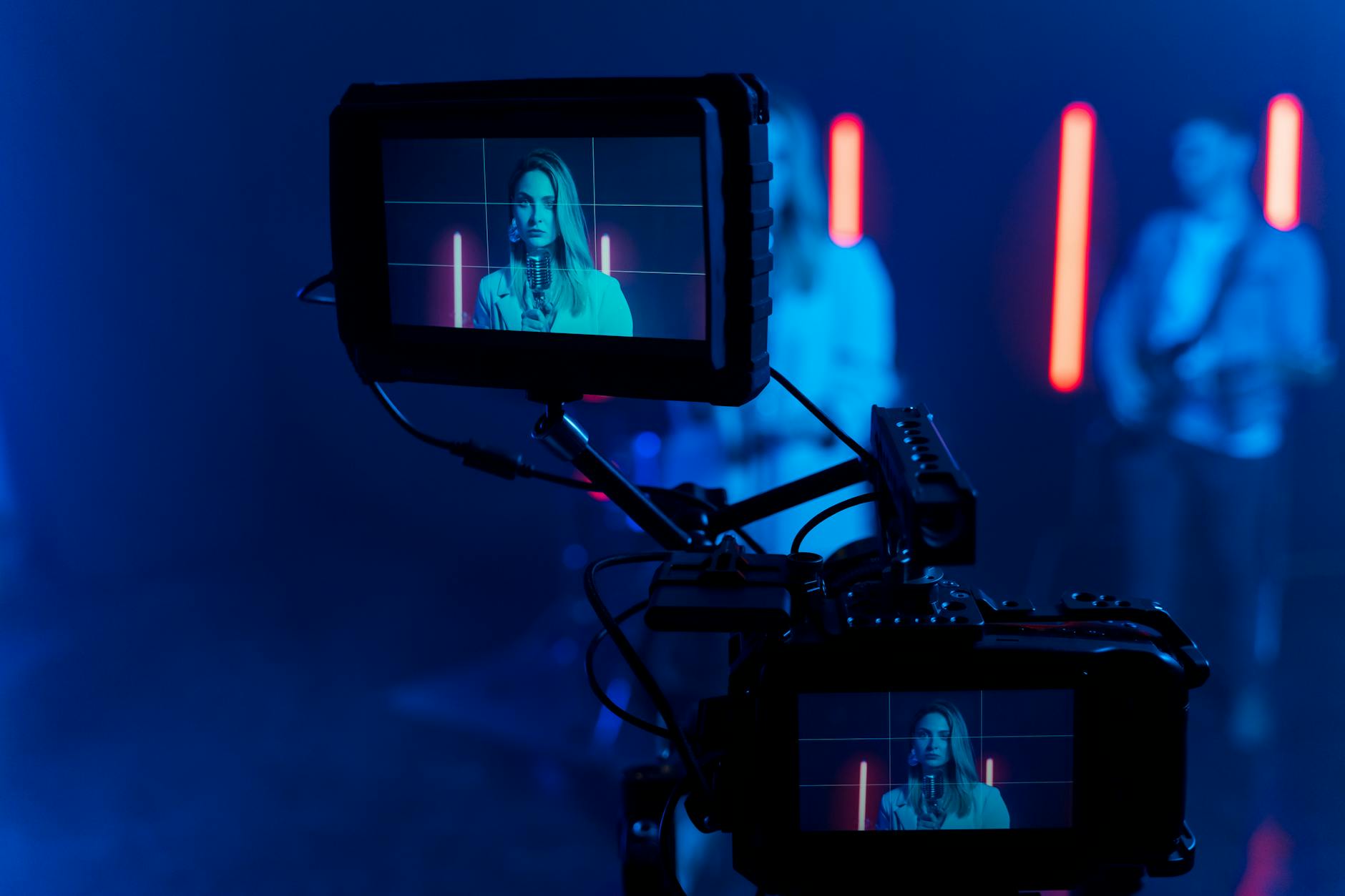
During the shoot, the photographer systematically captures each space, focusing on angles that reveal the room's size, natural light, and architectural details. They may also take detailed shots of exterior features, landscapes, and amenities. The concept is to produce a comprehensive visual narrative of the property that resonates with potential buyers.
Immediately following the photo session, skilled editors refine the images through post-processing. This stage enhances clarity, corrects color inconsistencies, and ensures each photograph accurately represents the property's appearance. High-quality images are then delivered in various formats suitable for online listings, print marketing materials, and virtual tours.
Understanding this process helps sellers appreciate the effort and expertise involved in creating compelling imagery that attracts attention. A professional photography session typically takes a few hours, but the results significantly boost your property's visibility, engaging buyers from the first glance.
Efficient Communication and Detailed Planning
Establishing clear communication channels with your chosen photographer is essential for a seamless photo session. Prior to the shoot, discuss your expectations, highlight specific features of your property you'd like to emphasize, and share any unique architectural details or upgrades. Providing a list of preferred shots and angles helps the photographer plan the session meticulously, ensuring all critical aspects are captured efficiently.
Scheduling the photography session during optimal lighting conditions is crucial. Typically, early morning or late afternoon offers softer natural light that can enhance the aesthetic appeal of your property. Inform your photographer of any specific timing needs, and coordinate access to the property for the shoot. It’s also advisable to prepare a checklist of areas to be photographed, including interior rooms, exterior facades, landscaping, and notable amenities.
Leveraging Advanced Equipment and Techniques
Professional photographers utilize high-end equipment to ensure the highest quality images. High-resolution digital cameras capture fine details, while wide-angle lenses help portray larger spaces more accurately, giving potential buyers a true sense of room proportions. For properties with expansive outdoor areas or scenic surroundings, drone photography offers captivating aerial perspectives, setting your listing apart from competitors.
Additionally, photographers may employ techniques such as HDR (High Dynamic Range) imaging to balance exposure across different lighting conditions within a single shot. Proper staging and lighting are also incorporated, often involving minimal adjustments to natural light sources, to create vibrant and inviting images that appeal to online viewers.
Post-Processing and Image Optimization
Once the shoot is complete, the photographer's editing team meticulously refines each image to optimize visual impact. This includes adjusting brightness, contrast, and color balance to accurately reflect the property's appearance. The process also involves retouching minor imperfections, decluttering backgrounds, and enhancing architectural details to maximize curb appeal.
In addition to the aesthetic edits, images are formatted and resized to suit different platforms, such as online listing portals, virtual tour interfaces, and printed brochures. High-resolution files ensure quality remains consistent across all marketing channels, providing a cohesive and professional presentation that draws in potential buyers.
Evaluating the Photographer’s Portfolio and Experience
When selecting a photographer for your house sale, review their portfolio thoroughly to assess their style and versatility. Look for consistency in image quality, composition, and clarity. An experienced photographer will demonstrate proficiency in capturing both interior and exterior shots, showcasing your property’s unique features convincingly.
Inquire about their familiarity with real estate marketing standards and their ability to adapt to different property types, from compact apartments to sprawling estates. Their knowledge of current design trends and their capacity to highlight architectural strengths can significantly influence the effectiveness of your listing.
Furthermore, consider their reputation for professionalism, punctuality, and responsiveness. A reliable photographer will coordinate seamlessly with your schedule, ensure timely delivery of images, and be receptive to your feedback, all contributing to a successful marketing campaign.
Advanced Techniques and Equipment for High-Quality Real Estate Photos
To ensure your property stands out in a competitive market, professional photographers utilize advanced techniques and cutting-edge equipment. These tools and methods allow for capturing images with exceptional clarity, accurate color rendering, and creative compositions that highlight your property’s best features.
Wide-angle lenses are a staple in real estate photography, as they encompass more of the room within a single shot, giving potential buyers a comprehensive view of interior spaces. This technique enhances the perception of spaciousness and allows viewers to appreciate the layout and flow of your home effectively.
Additionally, aerial photography using drones has become increasingly popular. Drone shots provide stunning perspectives of your property’s exterior, showcasing extensive grounds, surrounding landscapes, and proximity to local amenities. These images can significantly augment traditional photos, offering a comprehensive visual story that appeals to buyers’ desire for both aesthetics and context.
To optimize lighting conditions, professional photographers often use specialized lighting equipment, such as diffusers, flashes, and reflectors. Proper lighting eliminates shadows and evenly illuminates interior spaces, revealing their true condition and appeal. Combining artificial lighting with natural light enhances the ambiance and mood, making rooms appear warm and inviting.
State-of-the-art post-processing software also plays a vital role in refining images. Skilled editing includes adjustments to brightness, contrast, and color balance to ensure every photo accurately represents the property while maintaining a natural look. Retouching minor imperfections, such as distracting background elements or minor blemishes, further elevates the overall quality.
Innovative techniques such as HDR (High Dynamic Range) imaging combine multiple exposures to achieve balanced lighting across bright and shadowed areas. This results in images that reveal interior details often lost due to strong backlighting or uneven lighting conditions. HDR photography is particularly effective for capturing exterior shots during varied lighting or in challenging weather conditions.
Employing these advanced methods and tools ensures that your property’s photographs are not only visually appealing but also maximize their marketing potential. Well-executed images create a compelling virtual experience for potential buyers, significantly increasing the chances of a swift sale at a desirable price.
Enhancing Your Listing with High-Quality Visuals
Professional photography plays a critical role in showcasing your property’s best features and attracting serious buyers. By collaborating with experienced photographers, you ensure that each shot highlights the unique selling points of your house—spacious living areas, modern kitchens, lush outdoor spaces, and architectural details. High-resolution images with precise composition create a compelling visual narrative that resonates across various platforms, including MLS listings, social media, and property websites.
Investing in top-tier real estate photography can significantly elevate your property's market visibility. Skilled photographers utilize advanced equipment, including wide-angle lenses, drones for aerial shots, and stabilizers for clarity and sharpness. Their expertise also encompasses optimal lighting techniques that brighten interior spaces and emphasize structural elements without distortions. These efforts make your house stand out in a crowded market, encouraging more viewings and inquiries from prospective buyers.
A diverse set of images, capturing both the broad layout and intricate details, provides potential buyers with comprehensive insights into the property's condition and appeal. Virtual tours and 3D walkthroughs, often integrated into professional photography packages, further enhance the viewing experience, allowing buyers to explore the space remotely with a realistic sense of scale and flow.
Moreover, professionally captured images tend to be more shareable, increasing your property’s reach through online platforms. This expanded visibility directly correlates with faster sales and potentially higher offers, as buyers are more likely to develop an emotional connection with a well-presented home.
Effective Use of Photography in Marketing Strategies
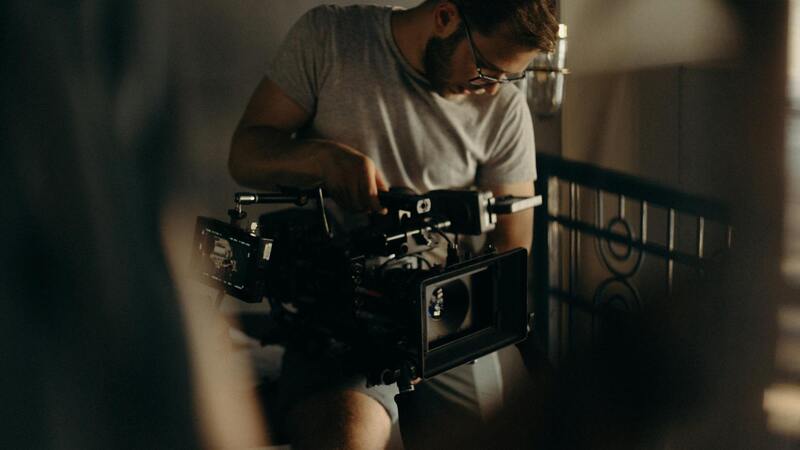
In today’s competitive real estate market, leveraging professionally captured images extends beyond traditional listing sites. It involves strategic integration across multiple marketing channels to maximize the property's visibility and appeal. By harnessing high-quality imagery, sellers can attract a broader audience of prospective buyers and generate greater engagement.
Online Listings and Real Estate Portals
The foundation of an impactful marketing campaign begins with online listing platforms. Professionally taken photographs should serve as the cornerstone, featured prominently in property descriptions to capture initial interest. Well-lit images that highlight the property's unique features and spatial flow enhance the visual storytelling, prompting viewers to explore further.
Social Media Campaigns
Social media platforms offer an expansive reach for property advertisements. Sharing high-resolution images across channels such as Instagram, Facebook, and Pinterest helps boost exposure among diverse demographics. Consistent visual branding, including drone shots and virtual staging, can create a compelling narrative that encourages sharing and interaction. Regularly updating content with fresh imagery maintains audience interest and keeps the property top-of-mind.
Virtual Tours and 3D Imaging
Integrating high-quality photographs into virtual tours and 3D walkthroughs provides potential buyers with an immersive experience. These tools enable viewers to explore the property remotely, gaining a realistic sense of space and layout. Clear, detailed images support this experience by adding depth and clarity, thus fostering confidence in the property's appeal.
Email Marketing and Digital Advertisements
Utilizing professional images in email campaigns tailored to targeted buyer segments amplifies marketing effectiveness. Highlighting visual features through banners and digital ads directs viewers to the full listing, increasing inquiries. Professionally optimized images ensure quick loading times and compatibility across devices, ensuring a seamless user experience.
Printed Marketing Materials
Although digital marketing dominates, printed brochures, flyers, and postcards still hold value, particularly in open houses or community events. High-quality photographs lend sophistication and credibility to print materials, making a memorable impression on potential buyers and agents alike.

Effectively using professional photography in these diverse marketing formats ensures consistency, professionalism, and maximum reach. It transforms static images into powerful tools that evoke emotional responses, helping buyers visualize life in the property and accelerating the decision-making process.