
Importance of High-Quality House Sale Photography
In the highly competitive real estate market, the visual presentation of a property plays a pivotal role in attracting potential buyers. High-quality house sale photography serves as a critical tool that can elevate a property's market appeal, providing an impactful first impression that influences the decision-making process of prospective purchasers. Properly captured images showcase a home’s best features, highlight its layout, and create an inviting atmosphere that encourages viewers to envision themselves living in the space.
Professional photography can significantly reduce the amount of time a property spends on the market by increasing visibility across digital platforms. Listings accompanied by clear, well-lit, and professionally composed images tend to garner more clicks, inquiries, and showings. This visual enhancement not only draws more attention but also fosters a sense of trust and credibility, positioning the property as worth considering carefully.
Furthermore, high-quality photographs can differentiate a property from similar listings, especially in saturated markets. High-resolution images that communicate the nuances of interior finishes, natural light, and spatial dimensions allow potential buyers to appreciate a home's true potential from the comfort of their devices. This convenience contributes to generating serious interest, often leading to faster sales and potentially higher offers.
In the digital age, where nearly all property searches begin online, the importance of professional house sale photography cannot be overstated. It acts as a visual gateway that compels viewers to engage further with the listing, whether through virtual tours or scheduled visits. With quality imagery, sellers and agents enhance their credibility, making the property more memorable and enticing amidst countless alternatives.
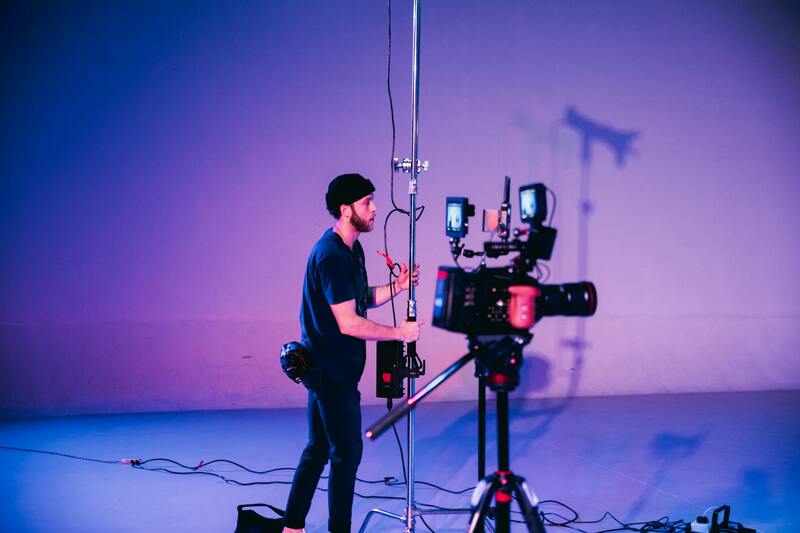
Investing in professional photography is a strategic decision that directly influences the marketing success of a property. It ensures that every detail is highlighted in the best light, fostering emotional connections and motivating buyers to take the next step. As the real estate landscape continues to evolve, the value of compelling and authentic visual storytelling remains ever more relevant in closing deals efficiently and successfully.
Choosing the Right Equipment and Techniques
Selecting appropriate equipment and applying effective techniques are fundamental to producing compelling house sale photographs that attract and engage potential buyers. High-quality images depend significantly on the use of professional-grade cameras capable of capturing sharp details, vibrant colors, and accurate color tones. Full-frame DSLR or mirrorless cameras with wide-angle lenses (typically between 14mm and 24mm) are preferred to maximize the spatial coverage and preserve perspective accuracy, making rooms appear larger and more inviting.
In addition to the camera, the use of sturdy tripods ensures stability during shoots, preventing blurry images caused by hand movement. Employing various lens techniques, such as vertical shots to emphasize room height or panoramic compositions for expansive views, can further elevate the visual presentation.
Techniques like high dynamic range (HDR) imaging can blend multiple exposures to accurately depict scenes with significant contrast, capturing both interior details and exterior views without losing detail in shadows or highlights. Bracketing exposures and merging them into a single balanced image allows viewers to perceive the property's true ambiance with realistic lighting levels.
Furthermore, the timing of photographs plays a critical role. Shooting during daylight when natural light floods the interior provides a bright, airy atmosphere. Supplementing available light with professional lighting equipment, such as softboxes or portable flashes, ensures even illumination and minimizes shadows, particularly in dimly lit spaces.
Employing consistent shooting angles and strategic framing guides the viewer’s eye smoothly through each room. Proper composition includes the rule of thirds, leading lines, and attention to clutter, stripping away any distractions and focusing on the property's best features. This careful approach fosters an emotional connection with viewers, helping them visualize themselves within the space.
Optimizing Photos for Online Listings
Once captured, images should be optimized for online platforms to ensure they load quickly without sacrificing quality. High-resolution files are essential for detail clarity, but resizing and compressing images while maintaining visual fidelity is necessary to enhance user experience on various devices. Using image editing software to correct color balances, straighten skewed lines, and remove minor imperfections adds polish and professionalism to the final output.
Employing consistent editing styles across all images helps establish a cohesive visual narrative, reinforcing the property's appeal. Incorporating subtle enhancements like increased brightness, contrast, and sharpness emphasizes the property's best features without misleading potential buyers. This balance between accurate representation and aesthetic appeal contributes to building trust and credibility in listing marketing.
The Role of Staging and Property Preparation
Effective house sale photography is complemented by proper staging and property preparation. Decluttering spaces, arranging furniture to accentuate flow and functionality, and adding tasteful decor can transform rooms into visually appealing environments. Well-maintained landscaping and attention to cleanliness also play a vital role in making the entire property look welcoming and move-in ready.
Careful placement of lighting fixtures, ensuring windows are unobstructed, and removing personal items create a neutral canvas that appeals to a broad audience. These preparatory steps significantly enhance the impact of professional images by showcasing the home's full potential in the photographic presentation.
Choosing the Right Equipment and Techniques
Professional house sale photography hinges on selecting the appropriate tools and employing proven techniques to capture compelling, high-quality images. The backbone of successful property imaging involves using high-resolution DSLR or mirrorless cameras equipped with wide-angle lenses. These lenses, typically ranging from 14mm to 24mm, enable photographers to capture expansive interior spaces accurately, making rooms appear larger and more inviting while maintaining realistic proportions.
In addition to the camera equipment, utilizing sturdy tripods ensures stability during shooting, especially in low-light conditions or when employing long exposure techniques. This stability prevents blurriness and results in sharp, clear images that convey a sense of professionalism and attention to detail. Adjustable tripod heads facilitate precise framing and allow photographers to make seamless adjustments while maintaining consistent composition.
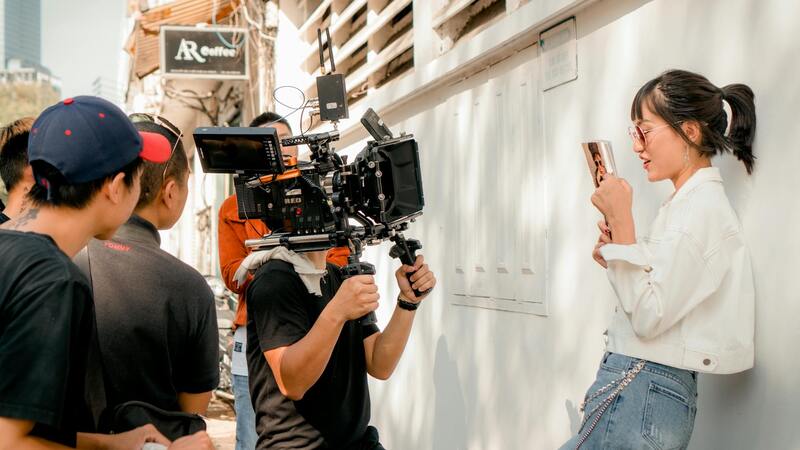
Beyond traditional photography, innovative methods such as aerial drone shots add a unique perspective, showcasing the property's exterior, landscaping, and surrounding neighborhood from above. Drones equipped with 4K cameras deliver breathtaking images and videos that can highlight features inaccessible from ground level.
Lighting is another critical aspect. Photographers often use external flash units, reflectors, and diffusers to optimize indoor illumination and minimize shadows. Proper lighting ensures that images accurately represent the property's colors and textures, reinforcing an authentic appeal.
Mastering camera settings—such as aperture, ISO, and shutter speed—is vital. A small aperture (high f-number) increases depth of field, keeping more of the scene in focus. A low ISO setting reduces graininess, ensuring crisp images, while carefully adjusted shutter speeds facilitate correct exposure, especially in challenging lighting conditions.
Techniques like HDR (High Dynamic Range) imaging compile multiple bracketed shots to produce balanced images in scenes with high contrast, such as bright windows and shaded interiors. Panorama stitching can also be used to create wide, immersive views of large living spaces or exterior environments.

Incorporating these tools and methods ensures each photograph captures the property's full potential with vivid clarity and professional polish. The goal is to produce images that are not only visually appealing but also serve as accurate representations, fostering trust with prospective buyers and enhancing the property's marketability.
Legal and Ethical Considerations
Ensuring compliance with established standards and regulations in house sale photography is essential for maintaining trust and integrity throughout the marketing process. Professional photographers must adhere to best practices that preserve the property's authentic appearance while presenting it in the most appealing manner. This involves honest depiction of the space, avoiding any manipulations that could mislead potential buyers about the actual attributes of the property.
It is important to obtain proper permissions before photographing private or restricted areas to respect the privacy of current occupants and property owners. Clear communication about the scope of photography activities ensures that all involved parties are aligned on expectations and boundaries. Photographers should also document consent where necessary, especially when capturing images that include identifiable individuals or personal belongings.
When editing images, maintaining transparency is crucial. Adjustments such as color correction, brightness, and contrast should enhance visual appeal without distorting the true features of the property. Excessive editing that can misrepresent the property risks damaging credibility and could lead to potential disputes if buyers feel misled. Ethical photography involves presenting the property as accurately and attractively as possible, striking a balance between visual attractiveness and factual representation.
Additionally, photographers should remain aware of local regulations regarding drone photography, privacy rights, and commercial use. Staying informed about industry standards and best practices helps ensure that marketing efforts comply with legal frameworks and uphold the highest ethical standards. This professionalism not only protects all parties involved but also enhances the credibility of the real estate listing.
Incorporating ethical considerations into house sale photography ultimately supports successful transactions, as authentic and well-presented images foster transparency and credibility. When prospective buyers trust that their expectations are realistic, they are more likely to engage seriously with the property and proceed confidently through the purchase process.
Choosing the Right Equipment and Techniques
Securing the appropriate gear and applying effective photographic methods are fundamental to capturing compelling house sale images. The quality of the equipment directly influences the clarity, color accuracy, and overall visual impact of the photos. Professional-grade DSLR or mirrorless cameras equipped with wide-angle lenses are typically preferred because they allow for expansive, distortion-free shots that showcase entire rooms or exterior features in a single frame. Tripods are essential to ensure stability, especially in low-light settings, minimizing blurriness and maintaining sharpness across the image.
Beyond hardware, mastering core techniques elevates the quality of house sale photography. Proper composition involves strategic framing to highlight a property's most attractive features. Utilization of natural light is crucial; shooting during peak daylight hours ensures spaces are well-lit, reducing the need for extensive post-processing. When natural light is insufficient, professional lighting tools such as external flashes or LED panels can be used to evenly illuminate interiors without creating harsh shadows.
Techniques for Effective Photography
- HDR Imaging: Combining multiple exposures captures both interior and exterior details in high contrast scenes, preventing overexposure or underexposure.
- Vertical and Horizontal Framing: Maintaining consistent horizon levels and avoiding tilted lines preserves realism and professionalism in images.
- Interior Lighting: Balancing ambient and supplemental lighting enhances room features while avoiding washed-out or overly dark areas.
- Exterior Shots: Shooting from optimal angles and heights provides best perspectives of the property’s curb appeal. Including landscaping and driveway views can add context.
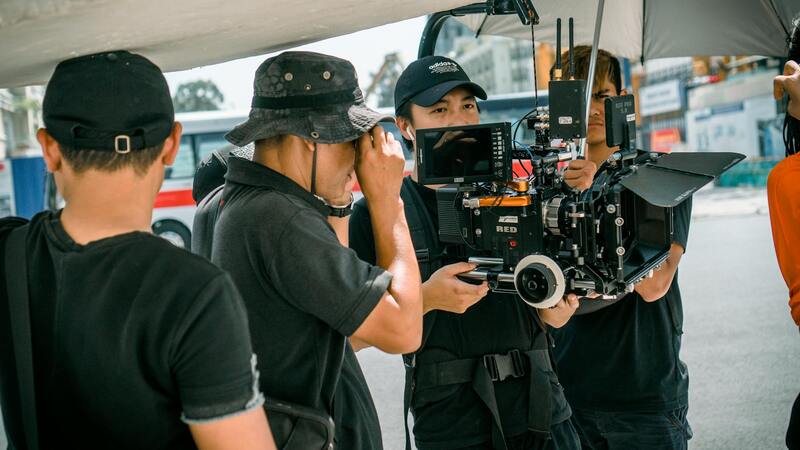
Post-Processing Methods
While the focus should be on capturing authentic images, light editing can enhance visual appeal and correct minor imperfections. Adjustments in color temperature, contrast, and sharpness can help in showcasing the property as it appears in real life. It’s essential to avoid over-editing, which may mislead viewers and complicate the buyer's decision-making process. Proper post-processing ensures images are vibrant, clear, and true to the property's actual features, fostering trust and clarity in the listing.
Legal and Ethical Considerations in House Sale Photography
Ensuring that house sale photography aligns with established standards requires adherence to specific protocols regarding property rights and consent. Before capturing images of a property, it is customary to secure permission from the property owner or authorized representatives. This practice not only respects the ownership rights but also maintains transparency throughout the listing process.
In densely populated areas like Miami, photographs may inadvertently include neighboring properties or private spaces. It is prudent to evaluate the visibility of adjacent areas and avoid unintentional disclosures of private property, which may compromise privacy expectations.
Property signage, personal belongings, or confidential areas should be either removed or carefully managed to prevent unintended exposure. Professional photographers often conduct thorough walk-throughs beforehand to identify any elements that may detract from the property's presentation or raise concerns.
Ethical standards also dictate that images must accurately represent the current state of the property, avoiding manipulations or enhancements that could mislead prospective buyers. While light editing to enhance clarity or color balance is acceptable, excessive retouching that alters the real appearance of spaces should be avoided.
In addition to respecting property owner rights, photographers should be aware of and compliant with local regulations governing the use of drones or aerial photography. Proper permits and authorizations are often required when capturing images from above or in restricted zones.
Respect for the privacy of residents and neighbors involves avoiding intrusive angles or capturing images that focus on private outdoor areas without consent. This cautious approach fosters trust and demonstrates integrity in the marketing process.
Professional house sale photography should adhere to clear ethical guidelines, emphasizing transparency, accuracy, and respect for all parties involved. Upholding these standards ensures a reputable reputation and successful listing outcomes in Miami’s competitive real estate market.
Legal and Ethical Considerations
In the realm of house sale photography, adherence to established guidelines ensures that the marketing process remains transparent, respectful, and trustworthy. Professional photographers must prioritize honesty when capturing images, guaranteeing that potential buyers view accurate representations of the property. This foundational commitment safeguards the integrity of the listing and maintains the reputation of all parties involved.
It is vital to avoid manipulations that could distort the true appearance of the property. While adjustments to lighting, contrast, and color balance are acceptable for enhancing visual clarity, any extensive editing that significantly alters the depiction of the space should be refrained from. Such practices can mislead buyers, undermining their trust in the listing and leading to potential conflicts down the line. Ensuring that images reflect the actual condition and features of the home is a core tenet of professional real estate photography.
Respecting privacy rights and property boundaries is equally important. Photographers should avoid intrusive angles or restricted areas that may infringe upon residents' or neighbors' privacy. For instance, capturing images from above should only be done with proper permissions and in compliance with local regulations. This conscientious approach fosters trust and demonstrates professionalism in the marketing process.
Furthermore, when utilizing drone footage or aerial shots, obtaining necessary permits and adhering to restricted zone policies is essential. Ignoring these legal requisites can lead to complications, delays, or reputational damage. As part of ethical standards, photographers must also be mindful of internal and outdoor spaces that contain personal belongings or sensitive areas, ensuring these are excluded or appropriately managed in promotional images.
Documenting the property accurately and respecting all applicable guidelines highlight a photographer’s commitment to integrity. These ethical considerations underpin the credibility of the listing and support a smooth transaction process from initial viewing to closure.
Legal and Ethical Considerations in House Sale Photography
Maintaining high ethical standards and adhering to established practices are fundamental components of professional house sale photography. Photographers must navigate a range of considerations that protect both the integrity of the listing and the interests of all parties involved.
Respecting Privacy and Property Boundaries
Respect for occupant privacy and property rights is paramount. Photographers should obtain explicit consent before photographing interior spaces, especially in homes that are still occupied. Careful attention should be paid to avoid capturing personal belongings or sensitive areas that could compromise privacy or security. Shooting from angles that showcase the home's best features without invasive intrusions demonstrates professionalism and respect for residents.
When capturing outdoor shots, it's important to avoid including neighboring properties or private spaces of others that might be visible from the property. This often involves careful positioning and sometimes the use of editing tools to ensure that visual focus remains on the property being sold without encroaching on others' privacy.
Compliance with Regulations and Permits
Using technology such as drones to capture aerial imagery can significantly enhance property marketing. However, it is essential to obtain the necessary permits and permissions for aerial photography, adhering to local airspace regulations and restrictions. Engaging with authorities and understanding all applicable guidelines ensures that the use of drones complements the overall marketing strategy without legal complications.
Additionally, photographers should be aware of restrictions related to photographing certain properties or areas, such as government buildings, military zones, or privately secured estate entrances. Following these rules demonstrates a commitment to responsible practice and supports a seamless sales process.
Authenticity and Fair Representation
Photographs should accurately portray the property’s condition and features without exaggeration or misleading enhancements. Over-editing or staging photos with unrealistic enhancements can misrepresent the property, leading to dissatisfaction and potential disputes after the sale. The goal is to provide a true reflection that aligns with the viewer’s expectations, fostering transparency and trust.
Disclosure of any alterations or photo enhancements is also advisable, especially when these modifications significantly impact the depiction of the property. This transparency adds to the photographer’s credibility and maintains ethical standards in real estate marketing.
Build Trust Through Consistency and Integrity
Consistently applying ethical practices enhances the reputation of the photographer and reinforces confidence among real estate agents, clients, and prospective buyers. Staying committed to honest representation, respecting privacy, and complying with all relevant regulations creates a reputable foundation for successful house sale photography.
Emerging Trends and Ethical Considerations
As technology advances, practitioners in house sale photography are increasingly adopting virtual tours, 3D walkthroughs, and high dynamic range (HDR) imaging to showcase properties effectively. While these tools enhance visual appeal, they should always be used responsibly, ensuring that digital modifications do not distort the true character of the home.
The emphasis on sustainability and environmental consciousness is also influencing practices. Photographers are encouraged to highlight eco-friendly features and energy-efficient upgrades ethically, providing an honest narrative that resonates with environmentally conscious buyers.