Understanding the Role of a House for Sale Photographer
In the competitive Miami real estate market, captivating property images serve as a crucial factor in attracting potential buyers. A house for sale photographer specializes in creating visually compelling photographs that highlight a property's best features, ensuring it stands out online and in marketing materials. These professionals are adept at transforming everyday spaces into inviting environments that evoke emotional responses from prospective buyers, ultimately speeding up the sale process and often securing higher offers.
Professional real estate photography requires a blend of technical skill, artistic vision, and a deep understanding of real estate marketing strategies. The primary goal is to produce images that accurately reflect the property's layout, space, and ambiance. Skilled photographers are familiar with the nuances of lighting, angles, and composition to present each room in its best light, while also managing exterior shots to showcase curb appeal and neighborhood context.
Beyond mere image capture, a professional house for sale photographer provides valuable insight into staging and property presentation. They often collaborate with real estate agents, homeowners, and staging professionals to ensure each shot highlights key features, such as spacious living areas, well-designed kitchens, and attractive outdoor spaces. The resulting images not only facilitate online viewings but also create a lasting impression that can elevate marketing campaigns across various channels.
To excel in this field, a house for sale photographer must possess advanced knowledge of camera equipment, lighting techniques, and post-production editing. Attention to detail is essential to balance natural and artificial lighting, avoid distortions, and produce sharp, vibrant images that attract attention. They also understand the importance of consistency in style and branding, ensuring the property’s visual presentation aligns seamlessly with overall marketing strategies.
In Miami’s diverse and fast-paced real estate environment, professional property photography also requires adaptability. Photographers may encounter a range of property types, from luxury oceanfront condos to charming suburban homes. Each setting demands a tailored approach, blending technical expertise with an artistic eye to deliver images that resonate with the target audience.
Investing in professional photography is a strategic move for sellers and agents aiming to maximize a property’s market potential. The power of captivating visuals in creating intrigue and building buyer confidence cannot be overstated. As a result, choosing an experienced, reputable house for sale photographer ensures that properties are consistently presented at their best, making them more competitive in Miami’s dynamic real estate landscape.
Key Equipment and Camera Setup for Property Photography
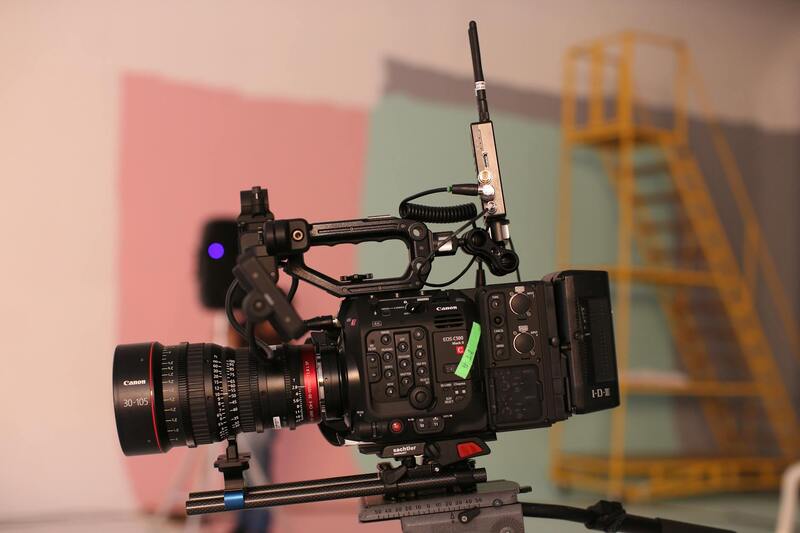
Achieving professional-quality images of a house requires a combination of the right equipment and a solid understanding of camera settings. Top-tier property photographers prioritize equipment that ensures clarity, accurate color reproduction, and the ability to handle various lighting conditions prevalent in different parts of a home. This setup enables capturing detailed, vibrant images that appeal to potential buyers and showcase the property's best features.
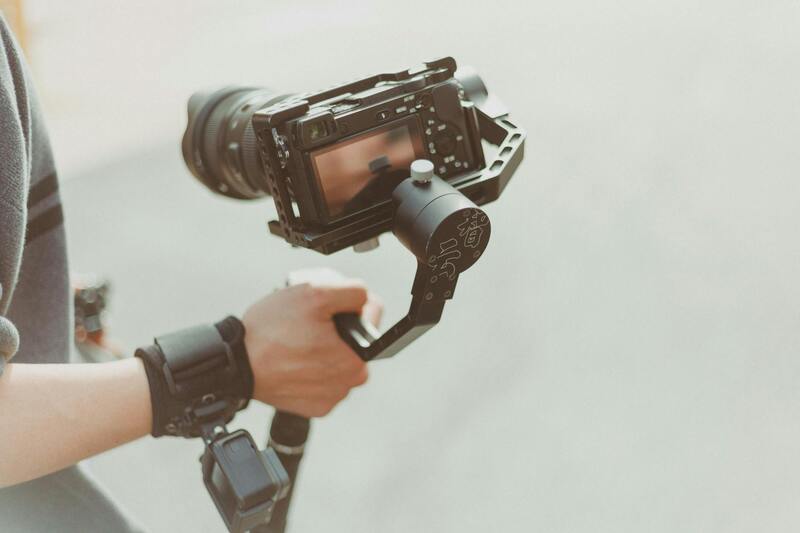
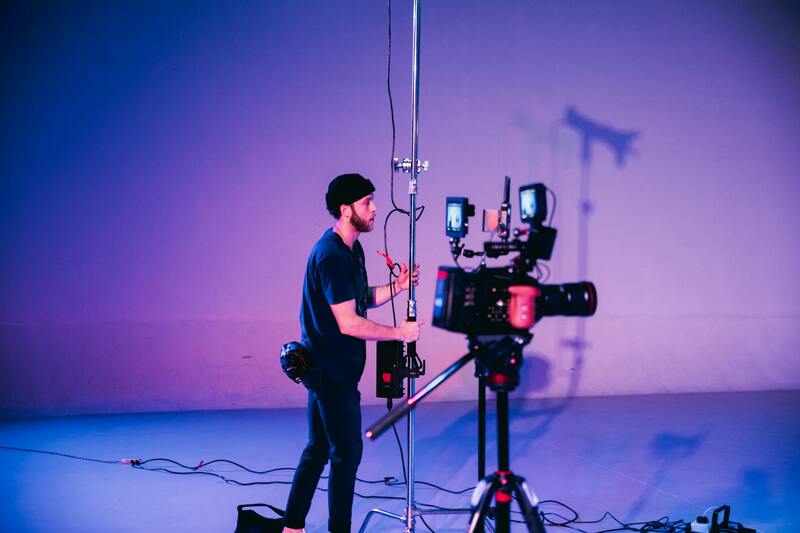
Among the critical gear, full-frame digital single-lens reflex (DSLR) or mirrorless cameras are common choices due to their superior image quality and performance in low-light settings. These cameras offer higher resolution sensors suitable for large prints and detailed online listings. Fast, wide-angle lenses—typically between 14mm and 24mm—are vital for capturing expansive room views without distortion, providing a comprehensive perspective of each space.
Additional accessories include tripod stabilizers to ensure sharp images in long exposure shots, especially in low-light areas, and remote shutter releases to minimize vibrations during the shoot. Reflectors and external flash units or continuous lighting systems help manage natural light and eliminate shadows, producing well-balanced visuals. Proper lighting equipment is especially beneficial in spaces with uneven or insufficient natural light, such as basements or interior rooms.
Camera Settings and Techniques
- Aperture: A narrower aperture (f/8 to f/11) offers a greater depth of field, keeping both foreground and background details in focus.
- ISO: Maintaining a low ISO (100-200) reduces noise, ensuring sharp, clear images.
- Shutter Speed: Longer exposures compensate for darker settings but require a tripod to prevent blur.
- White Balance: Adjust for consistent color tones, especially when combining natural and artificial light sources.
Mastering these technical settings allows the photographer to deliver images that accurately represent the property's true appearance, inspiring confidence and interest from prospective buyers. The choice of equipment and settings directly influences the quality and impact of the final photographs, making it a crucial aspect of professional property marketing.
Optimizing Visual Output Through Proper Camera Setup
Proper camera setup goes beyond selecting equipment; it involves configuring each piece correctly for the environment and desired results. Ensuring level horizons, avoiding tilting or skewed perspectives, and maintaining consistent exposure across images contribute to cohesive, compelling property portfolios. These adjustments distinctly portray properties as polished and inviting, capturing attention and encouraging viewings.
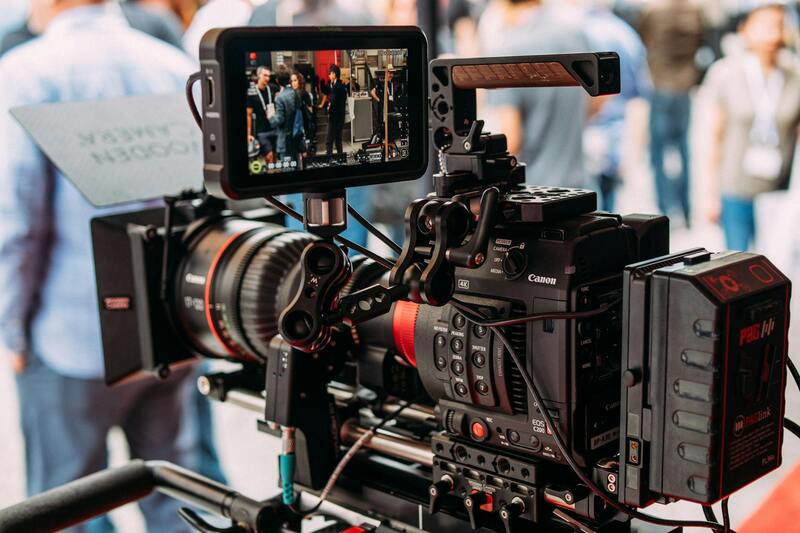
In sum, the combination of suitable camera gear, thoughtful settings, and meticulous preparation forms the foundation of high-quality house for sale photography. This approach guarantees that each property is represented at its best, facilitating memorable impressions and supporting effective real estate marketing efforts in competitive markets.
Photographic Techniques for Attractive Property Shots
To capture compelling images that highlight a property’s best features, real estate photographers employ a range of specialized techniques. These methods are vital for creating visually appealing visuals that resonate with prospective buyers and accurately represent the property's atmosphere.
One fundamental technique involves managing lighting effectively. Using natural light to illuminate interior spaces tends to produce warm, inviting images. Photographers often schedule shoots during the daytime, leveraging sunlight coming through windows, and may supplement with professional lighting equipment when necessary. Reflectors and diffusers help soften shadows and distribute light evenly across the scene, ensuring that every corner of the room appears bright and welcoming.
Another key aspect is capturing the space with optimal composition. Utilizing wide-angle lenses allows for a broader view, making rooms appear more spacious and open. Proper framing ensures that important features—such as a well-designed kitchen, stylish living areas, or scenic views—are prominently displayed. Photographers often shoot from eye level or slightly elevated positions to provide a natural perspective that draws viewers into the space.
Mastering camera angles and perspectives plays a significant role in enhancing visual appeal. Vertical lines should remain straight to avoid a distorted effect, which can be achieved through camera leveling techniques. Using tripod systems not only aids in maintaining stability but also helps keep the horizon level, especially during longer exposures. Shooting multiple images from different angles allows the photographer to select the most flattering shots that highlight the property's unique features.
Applying creative techniques such as vertical stitching or HDR (High Dynamic Range) imaging can be advantageous in complex lighting conditions. HDR involves capturing multiple exposures and blending them to produce images that retain detail in both shadows and highlights. Additionally, staged scenes with thoughtfully arranged furniture and decorative elements help create inviting environments that appeal emotionally to buyers.
Attention to detail extends to post-shoot considerations like straightening lines, adjusting color balance, and enhancing clarity without over-editing. Subtle enhancements can make a significant difference, providing crisp, vibrant images that stand out in online listings. These techniques collectively improve the property's visual narrative, ensuring that each photo communicates the best version of the space while maintaining authenticity.
Ultimately, integrating these photographic techniques with the right equipment and meticulous planning results in striking images. Such visuals not only attract more interest but also convey the property's true potential, supporting a successful marketing strategy within competitive markets.
Photographic Techniques for Attractive Property Shots
Achieving compelling images of a house for sale requires mastery of various photographic techniques that emphasize the property's strengths. Composition plays a crucial role in guiding viewers' attention to the most inviting features, whether it's a spacious living room, a stunning kitchen, or a landscaped backyard. Proper framing ensures that key elements are emphasized, avoiding distractions and creating a balanced visual flow. Utilizing symmetry, leading lines, and strategic placement of furniture and architectural details can enhance the overall appeal of each shot.
Exposure settings are pivotal in managing lighting conditions and achieving vibrant, well-lit images. Adjusting aperture, shutter speed, and ISO allows photographers to capture scenes with optimal brightness and clarity, avoiding underexposure or overexposure. For interiors with varying light levels, controlled exposure—often achieved through bracketing—ensures details are retained in shadows and highlights, producing balanced images that accurately reflect the space.
The use of wide-angle lenses is a standard practice in real estate photography, enabling the capture of expansive interiors and exteriors within a single frame. These lenses help convey the sense of space and scale, making rooms appear larger and more inviting. However, maintaining proper distortion correction is essential to prevent skewed lines and unrealistic perspectives, preserving an authentic representation of the property.
Effective property photography also involves thoughtful consideration of lighting. Natural light, when available, should be maximized by scheduling shoots during optimal times of the day. Supplemented with artificial lighting—such as softboxes or reflectors—images can be evenly lit, showcasing the property's features without harsh shadows or glare. Proper lighting not only enhances visual clarity but also contributes to the warm, inviting atmosphere that appeals to prospective buyers.
Ultimately, the combination of composition, framing, exposure control, and lens choice — along with strategic lighting — culminates in images that are both captivating and authentic. Skilled photographers incorporate these techniques seamlessly, producing visuals that highlight the property's true potential while appealing to the aesthetic sensibilities of online audiences.
In the competitive Miami real estate market, the quality of property images can significantly influence a buyer's first impression. Professional photographers utilize these proven techniques to craft images that stand out online, effectively communicating the property's unique features and lifestyle appeal. Incorporating this technical expertise ensures that each property’s presentation is both visually stunning and an accurate reflection of its real-world appearance, ultimately helping sellers attract more interest and achieve quicker sales.
Choosing a House for Sale Photographer in Miami
Selecting the right photographer for a property listing in Miami involves careful evaluation of their experience, portfolio, and understanding of local real estate dynamics. A proficient house for sale photographer should demonstrate familiarity with the nuances of Miami’s diverse neighborhoods and property styles, capturing images that truly reflect the unique character of each home. Their portfolio should showcase a consistent style of high-quality images, emphasizing clarity, composition, and lighting that highlight a property's best features.
It is essential to verify the photographer’s attention to detail and technical skills, particularly in handling challenges such as complex lighting conditions or tight interior spaces. Equally important is the photographer’s adaptability to different property types, whether luxury condos, sprawling estates, or charming single-family homes. Their ability to produce images that resonate with prospective buyers can significantly influence a property's market appeal and sale speed.
Factors to Consider When Hiring a House for Sale Photographer
- Experience and Specialization: Proven track record in real estate photography, preferably with experience in Miami’s real estate market.
- Quality of Work: Consistent, sharp, and well-composed images that demonstrate technical proficiency and artistic sensibility.
- Equipment and Technology: Use of professional-grade cameras and lenses, as well as advanced post-processing capabilities.
- Customer Testimonials: Positive feedback from previous clients, indicating reliability and satisfaction.
- Pricing and Turnaround Time: Transparent pricing structures and quick delivery to meet market deadlines.
Evaluating a Photographer’s Portfolio
Request a curated selection of their recent projects, ensuring these images reflect a variety of property types and sizes. Pay attention to how well the photographer captures natural light, manages perspective distortion, and showcases spatial relationships. Portfolio review provides insights into their technical skills and aesthetic sensibilities, essential for producing compelling property imagery.
When reviewing portfolios, consider whether the images effectively highlight the property's key features, such as architectural details, outdoor amenities, or unique design elements. Consistent use of angles, lighting, and composition indicates a professional approach that aligns with market standards. Ultimately, the chosen photographer should be able to translate the essence of each property into captivating visuals that attract the right prospective buyers.
Legal and Ethical Considerations in Real Estate Photography
When engaging a house for sale photographer, it is essential to prioritize transparency and integrity throughout the photographic process. This includes obtaining clear permission from property owners or authorized representatives before capturing images. Respect for privacy is paramount; photographs should not disclose any confidential or sensitive information that could compromise the property's stakeholders or violate privacy standards.
Ensuring accuracy in property portrayal is another fundamental aspect. Photographers should avoid the manipulation or enhancement of images in a way that could mislead potential buyers about the property's actual features or condition. This adheres to honest marketing practices that foster trust and set correct expectations, thereby reducing the likelihood of disputes or misunderstandings.
It is also advisable for photographers to document the process through contracts that specify the scope of work, usage rights, and deliverables. These agreements help maintain clear boundaries and expectations, ensuring that all parties are aligned regarding the purpose and use of the photographs. Proper documentation safeguards both the photographer and the client, ensuring that the images are used ethically and in accordance with agreed terms.
In addition, photographers must stay updated with regional regulations and industry standards related to real estate imagery. This includes understanding any restrictions on drone usage if aerial shots are incorporated, as well as complying with local signage and property access rules. Adhering to these guidelines ensures respectful, responsible, and compliant visual marketing of properties.
Finally, fostering good communication with clients throughout the photography process is vital. This includes discussing expectations beforehand, sharing progress, and seeking approval before final delivery. Such transparency not only streamlines the workflow but also reinforces the ethical commitment to providing honest, high-quality imagery that accurately represents the property, ultimately supporting trustworthy real estate transactions.
Choosing a House for Sale Photographer in Miami
Selecting the right professional to capture a property’s best features requires a strategic approach focused on skill, experience, and understanding of the local Miami real estate market. Prospective clients should prioritize photographers who have demonstrated expertise in real estate imagery, particularly those familiar with the unique architectural styles, lighting conditions, and neighborhood characteristics prevalent in Miami.
Transparency about the photographer’s portfolio and previous project successes is essential. Viewing sample images related to Miami properties provides insight into their style, attention to detail, and ability to showcase various property types— from luxury condos to suburban homes. A seasoned house for sale photographer in Miami will possess a keen eye for composition, lighting, and spatial awareness, ensuring each photograph highlights a property’s strengths effectively.
It is also valuable to consider a photographer’s familiarity with the latest industry tools and techniques, including high dynamic range (HDR) photography, drone aerial shots, and twilight imagery. Such skills are instrumental in creating compelling visuals that stand out on listings and marketing platforms. Understanding the specifics of Miami’s real estate landscape enables photographers to tailor their approach, whether emphasizing ocean views, modern design, or lush outdoor spaces.

Clients should also pay attention to the approach a photographer takes toward scheduling and accessibility. Properties often require quick turnarounds to meet marketing timelines, and a reliable professional will coordinate seamlessly with homeowners, agents, and property managers. Clear communication about expectations, deliverables, and possible limitations ensures a smooth collaboration, avoiding delays or misunderstandings.
Furthermore, a reputable house for sale photographer in Miami will offer comprehensive service packages that include pre-shoot consultations, property staging advice, and post-shoot editing. These elements contribute to a polished, professional appearance for all marketing materials. They should also be attentive to regional sensitivities, such as respecting privacy and adhering to local guidelines for drone photography or outdoor shots.
In addition to considering technical skill, it is advisable to review client testimonials and references. Feedback from real estate agents and property owners who have previously worked with a photographer provides practical insights into professionalism, timeliness, and the overall quality of work. Building a rapport with a photographer experienced in Miami’s housing market ensures continuous support for future listings, fostering a long-term professional relationship that enhances ongoing marketing efforts.
Finally, the decision should factor in the photographer’s ability to adapt to different property styles and marketing objectives. Whether a seller’s goal is to emphasize proximity to the beach, luxury interiors, or neighborhood amenities, a skilled photographer will craft images that align with the strategic messaging of the listing. This tailored approach enhances the property’s appeal and increases the likelihood of attracting qualified buyers in Miami’s competitive market.
Legal and Ethical Considerations in Real Estate Photography
Adherence to proper permissions and respect for privacy are fundamental aspects of professional house for sale photography. Photographers must obtain explicit consent from property owners or authorized agents before capturing images, particularly when photographing interiors, private outdoor spaces, or any identifiable personal features. This process ensures that all activities are transparent, fostering trust and professionalism in every project.
When planning exterior shots, especially in residential neighborhoods, photographers need to be aware of local regulations regarding drone usage and aerial photography. Securing appropriate authorizations and adhering to specific guidelines help avoid disruptions and maintain respect for the community’s privacy. Additionally, photographers should be attentive to any restrictions related to photographing neighboring properties or private areas adjacent to the property being sold.
Ethical considerations also extend to the accuracy and honesty of the photographs. It is vital to represent the property truthfully without digital manipulation that could mislead potential buyers. This includes maintaining the integrity of images by avoiding excessive enhancements or alterations that distort real features or sizes of rooms and outdoor spaces. Presenting an honest portrayal builds credibility, encourages trust, and supports a smoother transaction process.
Respecting cultural sensitivities and local customs is equally important, especially in diverse areas like Miami, where understanding regional nuances can enhance the photographer’s rapport with clients and the community. This sensitivity contributes to a positive experience for all parties involved and ensures that marketing efforts align with broader regional standards.