Understanding HD Real Estate Photography
HD real estate photography refers to the use of high-definition imaging technology to capture detailed, vivid, and appealing visuals of properties. This profession leverages advanced camera systems, precise lighting, and expert composition techniques to produce images that accurately represent a property's features and ambiance. In the competitive Miami real estate market, high-quality imagery has become essential for attracting potential buyers and securing faster sales.
The significance of HD real estate photography extends beyond mere aesthetic appeal. It plays a crucial role in creating a compelling virtual impression, which influences prospective clients’ decisions long before they set foot inside a property. High-resolution images highlight essential features such as spacious layouts, luxurious finishes, and unique architectural details. These visuals are also indispensable for online listings, social media campaigns, and virtual tours, ensuring properties stand out amidst countless competitors.
Moreover, HD real estate photography fosters trust and professionalism in real estate marketing. Well-crafted images demonstrate a property's value and the agent’s dedication to quality, which encourages engagement and inquiries. As Miami’s market continues to evolve with digital innovation, employing top-tier visual representations is nothing short of essential for real estate professionals seeking to maximize their outreach and success.
Investing in high-definition visuals aligns with modern consumer behavior, where online browsing and visual influence heavily dictate purchasing decisions. For Miami properties, renowned for their distinct luxury and vibrant environments, capturing images in crisp detail helps convey the lifestyle, comfort, and exclusivity prospective buyers desire.
In summary, HD real estate photography is a vital tool that transforms property listings into captivating visual stories. Its role in showcasing Miami's distinctive offerings ensures that every property garners the attention it deserves, accelerating sales cycles and reinforcing the professionalism of the real estate practices involved.
Equipment and Settings for High-Quality Shots
To achieve the sharpness, clarity, and rich detail characteristic of exceptional HD real estate photography, professionals rely on a combination of advanced equipment and precise camera settings. High-end digital single-lens reflex (DSLR) or mirrorless cameras are the tools of choice, offering the versatility and image quality necessary to capture the nuances of each property. These cameras support high-resolution imaging, enabling the creation of detailed visuals that stand out in online listings.
Opting for wide-angle lenses—typically in the 14-24mm or 16-35mm range—allows photographers to encompass expansive spaces within a single frame. This technique enhances the perception of room size and flow, which is vital for real estate marketing. Ensuring the lens has minimal distortion further preserves the accuracy and professionalism of the images.
Lighting plays a pivotal role in HD real estate photography. Photographers often employ external flash units or continuous lighting setups to eliminate shadows and highlight key features of each scene. Additionally, utilizing diffusers and reflectors softens the light, producing even illumination without harsh glare. For interior shots, natural light is harnessed judiciously, often supplemented with artificial lighting to prevent underexposure or overexposure in different areas of a room.
Camera settings are meticulously adjusted to optimize image quality. These include a low ISO setting—typically between 100 and 400—to minimize noise; a small aperture (f/8 to f/11) to increase depth of field, ensuring all elements from foreground to background are in sharp focus; and a balanced shutter speed aligned with the available light. Bracketing exposures and employing HDR (High Dynamic Range) techniques enable the blending of multiple images to enhance details in shadows and highlights, resulting in a balanced and vivid final image.
Tripods are essential for maintaining stability during long exposures, especially in interior shots where lighting conditions may vary. Using remote shutters or camera timers helps avoid vibrations that can compromise image clarity. This careful combination of equipment and settings ensures each photograph captures the property’s true potential and visual appeal.
Technical Aspects of Shooting HD Real Estate Photography
Achieving stunning high-definition images requires a mastery of camera techniques and precise equipment setup. Professionals employ advanced gear such as full-frame DSLR or mirrorless cameras equipped with wide-angle lenses—typically ranging from 14mm to 24mm—to capture expansive space without distortion. These lenses enable the inclusion of more of a room or exterior scene within a single frame, providing viewers with a comprehensive perspective.
Settings are carefully calibrated to optimize image clarity and detail. A low ISO setting, commonly between 100 and 400, is essential to reduce noise and ensure crispness. Aperture choices, usually between f/8 and f/11, maximize depth of field, ensuring both foreground and background elements remain sharply in focus. Shutter speed is adjusted according to lighting conditions, balancing exposure to prevent underexposed or overexposed areas.
Stability tools such as tripods are critical, especially for interior shoots with varied lighting conditions. Tripods prevent camera shake during long exposures, maintaining sharpness across the entire frame. When capturing exterior scenes in varying light, remote shutters or timers help avoid vibrations caused by pressing the shutter button, further ensuring image clarity.
To handle a wide range of lighting conditions within a single shot, professionals often utilize High Dynamic Range (HDR) photography. By bracketing multiple exposures and blending them through post-processing, HDR techniques reveal rich details in shadows and highlights, creating well-balanced images that convey the true visual quality of the property.
Implementing Effective Shooting Techniques
Beyond equipment, the art of compelling real estate photography hinges on techniques that emphasize a property’s best features. Framing is paramount; interior shots should highlight spaciousness by capturing multiple angles and ensuring lines are straight through proper leveling. Exterior shots benefit from capturing the property during the golden hour, when natural light enhances colors and textures.
Staging spaces effectively transforms rooms into welcoming and appealing environments. Decluttering, adding tasteful decor, and choosing appropriate angles help to create attractive compositions. When shooting interiors, wide-angle lenses should be used judiciously to avoid distortion while maximizing the perception of space.
- Lighting: For interiors, maximize natural light and supplement with artificial sources if needed to create a bright, inviting atmosphere.
- Composition: Use leading lines, symmetry, and framing to draw attention to focal points such as views or architectural details.
- Exterior captures: Shoot at different times of the day to find optimal lighting conditions, emphasizing landscape features and architectural elements.
Consistent use of these techniques results in images that not only showcase a property’s details but also evoke an emotional response, making listings stand out in a competitive Miami market.
Understanding HD Real Estate Photography
High-definition real estate photography has become an essential component of modern property marketing, especially within vibrant markets such as Miami. Leveraging advanced camera technology and refined shooting techniques allows real estate professionals to produce images that vividly showcase a property's best features. The goal is not merely to present a space but to evoke an emotional connection, encouraging potential buyers to envision themselves living in the environment.
Equipment and Settings for High-Quality Shots
Achieving outstanding HD real estate images begins with top-tier equipment paired with precise camera settings. Professional-grade DSLR or mirrorless cameras with full-frame sensors deliver the sharpness and color depth necessary for impactful property photos. Wide-angle lenses, typically in the range of 14-24mm, are instrumental in capturing expansive interiors and architectural details, but should be used carefully to avoid distortion.
Tripods are indispensable for maintaining stability and ensuring crisp, well-aligned shots, especially in lower-light conditions or when employing longer exposures. Remote shutter releases or camera timers further reduce motion blur. For optimal results, camera settings should include a small aperture (high f-stop number like f/8 or f/11) to maximize depth of field, along with appropriate ISO levels to prevent noise without sacrificing brightness.
Techniques for Shooting Compelling Property Photos
Shooting high-quality real estate images requires a combination of technique and understanding of natural and artificial lighting. When capturing interiors, maximizing natural light is crucial. Shooting during the daytime when windows are well-lit enhances the ambiance and minimizes the need for harsh artificial lighting. However, supplementary artificial lighting, such as diffused flash or portable LED panels, can brighten shadowed areas without creating hotspots.
Composition techniques, including the use of leading lines and symmetry, help direct viewers' attention toward focal points like architectural features or scenic views. Properly leveling the camera ensures straight lines and proportional spaces, reducing the chance of skewed images. Wide-angle lenses are useful but should be used with caution to avoid exaggerated perspectives that could mislead viewers.
Exterior shots are best taken during the golden hour—shortly after sunrise or before sunset—when natural light casts warm, appealing tones over the property and landscape. Multiple shots at different times of day can also highlight unique aspects of the property's surroundings, such as lush landscaping or waterfront views.
Staging spaces with minimal clutter, tasteful decor, and optimal furniture arrangement significantly elevates the visual appeal. Clean, well-organized environments make properties appear more inviting and spacious, which is vital in competitive markets like Miami.

Advanced Techniques for Enhancing Property Images
To truly elevate the quality of real estate photos, deploying advanced shooting techniques and meticulous attention to detail are essential. Employing HDR (High Dynamic Range) imaging allows photographers to capture a broader spectrum of light, balancing shadowed and brightly lit areas in a single shot. This results in images with richer contrast and more accurate color representation, which significantly appeals to prospective buyers. When combining multiple exposures during post-processing, ensure proper alignment to avoid ghosting artifacts, thereby maintaining the crispness of architectural details.
Another critical aspect involves the use of camera stabilization tools. Using tripods, gimbals, or stabilized lenses minimizes camera shake, especially in low-light conditions or when shooting at slower shutter speeds. This leads to sharper images with fine details preserved, which is vital for showcasing high-end Miami properties.
Controlling depth of field through aperture settings can emphasize specific architectural features or create a sense of depth within interior spaces. For instance, a narrower aperture (higher f-stop) maintains focus throughout expansive rooms, ensuring all elements appear sharp and inviting. Conversely, a slightly blurred background can draw attention to focal points within the property, such as a statement fireplace or custom cabinetry.
Optimizing Lighting Conditions for Superior Results
Lighting remains a cornerstone of compelling real estate imagery. During the shoot, consider the natural light cycle; shooting during daylight hours maximizes ambient illumination. For interiors, open curtains and blinds to let in as much daylight as possible, and supplement natural light with diffused artificial sources to avoid harsh shadows. Artificial lighting, especially when diffused, can help illuminate darker corners or highlight details without overexposing brighter areas.
In exterior photography, the golden hour—shortly after sunrise and before sunset—offers warm, soft lighting that enhances architectural and landscape features. Overcast days also provide consistent, diffused light that reduces shadows and glare, making for well-balanced images. Using reflectors and diffusers can further control light, bouncing it into shadowed areas or softening harsh sunlight.
Implementing the Right Composition Strategies
Composition plays a vital role in the impact of real estate photography. Utilizing leading lines naturally guides the viewer’s eye toward key features, while symmetry can create a pleasing, balanced aesthetic. The strategic placement of furniture and decor, along with minimal clutter, makes spaces look spacious and inviting.
Consider vantage points that showcase the full potential of a room or exterior. Shooting from a corner angle often provides depth and perspective, making spaces appear larger. Ensuring the camera is level is also crucial—use a bubble level or digital leveling tools to prevent distorted lines that could misrepresent the property.
Post-Processing for Professional Results
Post-processing is where high-resolution images truly shine. Adjustments in brightness, contrast, and color saturation should be subtle yet impactful, enhancing the natural beauty of the property without misrepresentation. Correcting lens distortion—common with wide-angle lenses—allows images to accurately represent architectural proportions and spatial relationships.
Advanced editing techniques include removing minor distractions, straightening architectural lines, and emphasizing specific areas through vignetting or selective sharpening. Consistency in color grading across images creates a cohesive visual narrative, which is essential for comprehensive marketing materials.
Incorporating virtual staging and 3D walkthroughs can also complement high-quality photos, providing potential buyers with a clearer understanding of space utilization and flow. When combined with professional editing, these tools significantly increase engagement and interest.
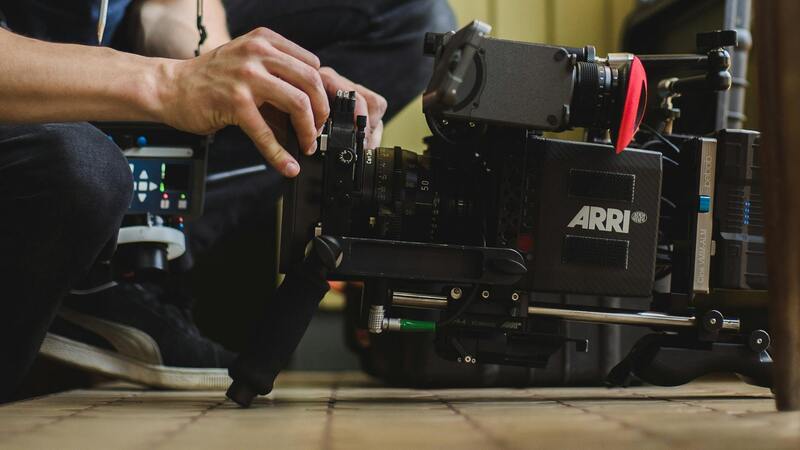
Choosing a Miami Production Agency for HD Real Estate Photography
Partnering with a reputable Miami-based production agency specializing in HD real estate photography ensures that your property listings are elevated with the highest visual standards. When selecting an agency, focus on their portfolio, client testimonials, and experience in the local market. A seasoned team understands the nuances of Miami’s unique architecture, lighting conditions, and market preferences, translating into images that resonate with prospective buyers.
Beyond technical skill, effective communication and project management are vital. The agency should be capable of understanding your marketing goals and customizing their approach accordingly. This includes scheduling shoots at optimal times to harness natural light, coordinating with property owners and agents, and delivering images promptly to meet marketing deadlines.
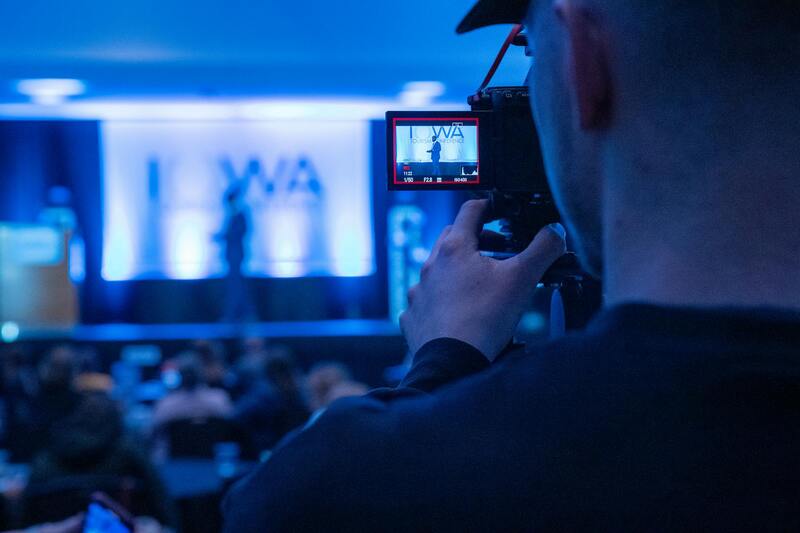
It is also essential to evaluate the equipment and technology used by the agency. State-of-the-art cameras, wide-angle lenses, aerial drones, and advanced lighting setups contribute significantly to producing stunning visual content. High Dynamic Range (HDR) techniques, in particular, are a standard for capturing both interior details and exterior views with balanced exposure, ensuring the images are both detailed and visually appealing.
Furthermore, a reliable agency should offer comprehensive post-production services—retouching, color correction, distortion correction, and virtual staging—tailored to enhance the natural beauty of each property without exaggeration. The consistency across all images displayed in your marketing materials can reinforce brand professionalism and create a cohesive visual story that appeals to discerning buyers in Miami’s competitive real estate landscape.
Investing in a Miami-based HD real estate photography partner translates into an immediate impact: increased engagement, higher property visibility, and ultimately faster sales. Professional imagery becomes a key differentiator, capturing potential buyers’ attention in a crowded marketplace and encouraging them to explore properties further.
Enhancing Property Listings with Precision and Clarity
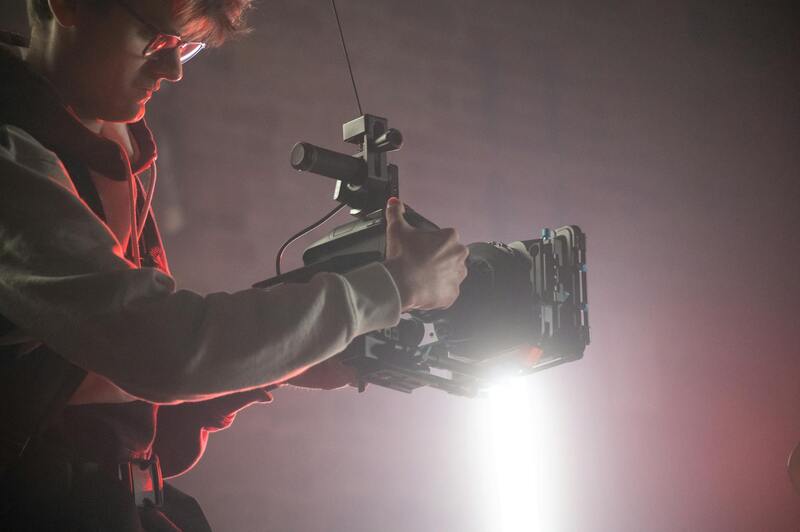
Implementing top-tier HD real estate photography within your marketing strategy involves meticulous attention to detail at every stage. Leveraging advanced capturing techniques, such as utilizing high-resolution cameras and wide-angle lenses, allows for a comprehensive portrayal of each property, highlighting both interior and exterior features with exceptional clarity. Incorporating aerial drone footage can add a unique perspective, showcasing expansive landscapes, surrounding amenities, and property layouts from above, thereby providing potential buyers with a more immersive viewing experience.
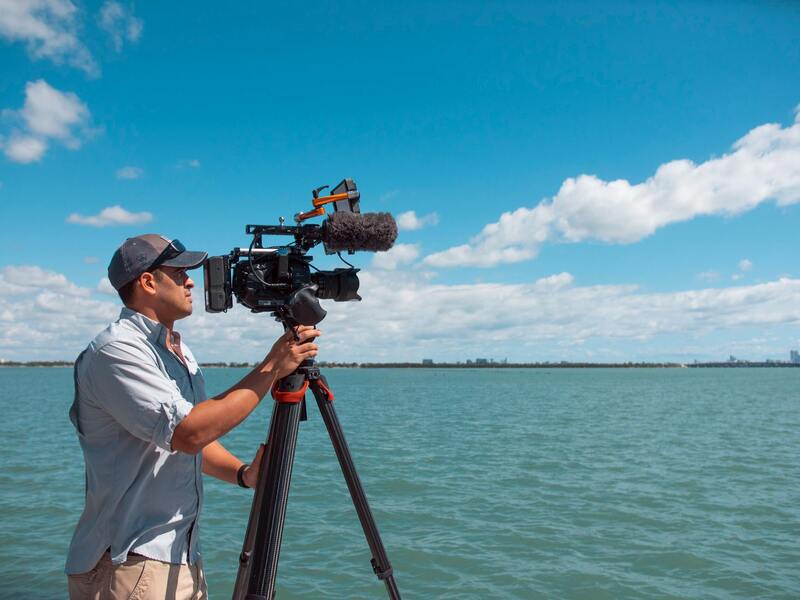
A critical aspect of a professional approach is the calibration of camera settings. Using appropriate ISO levels, aperture sizes, and shutter speeds ensures sharpness, correct exposure, and minimal noise in images. For instance, shooting during optimal lighting conditions—either during the golden hour or with supplemental lighting—can dramatically enhance the atmosphere and visual appeal of photographs. Post-capture, techniques such as high dynamic range (HDR) imaging blend multiple exposures to balance interior shadows and exterior brightness, producing images that are both vivid and well-detailed.
Implementing Consistent Shooting Protocols
Standardizing the shooting process is essential for creating a cohesive visual narrative across all property visuals. This includes arranging the property prior to photography—decluttering spaces, optimizing furniture placements, and ensuring windows and fixtures are spotless. Establishing a shot list that emphasizes key features, architectural details, and environmentally appealing angles helps in capturing all critical aspects of a property systematically.
Advanced Editing Techniques for a Polished Finish
Post-processing plays a pivotal role in elevating real estate imagery. Employing professional editing software allows for precise color correction, contrast enhancement, and distortion correction—especially when wide-angle lenses create perspective shifts. Retouching should be done judiciously, ensuring the images reflect the property's true condition without exaggeration. Virtual staging can also be incorporated to present potential living spaces in an aspirational yet realistic manner, aiding buyers in envisioning their future home.
Consistency across all visuals not only imparts professionalism but also builds trust with prospective clients. When property listings in Miami employ uniform editing standards and high-quality captures, they stand out amid local competition, capturing audience attention more effectively and encouraging engagement.
Strategic Integration into Broader Marketing Campaigns
High-definition property photos should seamlessly align with broader marketing endeavors—website listings, social media campaigns, virtual tours, and print materials. Employing a cohesive visual approach ensures brand recognition and enhances overall market positioning. Additionally, optimizing images for various platforms by adhering to specifications for resolution, aspect ratio, and loading speed guarantees that visuals look their best regardless of where they are displayed.
Maximizing the Impact of HD Real Estate Photography
Implementing high-definition real estate photography transcends basic visual presentation by harnessing advanced techniques and equipment that significantly enhance property appeal. Precision in image capture, combined with meticulous editing, ensures each shot accurately conveys the property's inviting ambiance and unique features. This approach involves selecting the right cameras, lenses, and lighting setups, alongside mastering various shooting techniques that bring out the best aspects of a home or commercial space.
Operational Methods for Exceptional Property Imaging
Achieving superior results in HD real estate photography demands a combination of equipment, strategic technical settings, and artistic control. Essential tools include high-resolution cameras capable of capturing intricate details and wide-angle lenses that encompass entire rooms while maintaining perspective accuracy. Proper aperture settings, typically between f/8 and f/11, ensure sharpness throughout the image, while balanced ISO settings prevent graininess without sacrificing exposure quality. Adequate lighting—whether natural or synthetic—eliminates shadows and highlights the property's features effectively.
Utilizing HDR (High Dynamic Range) techniques allows photographers to manage contrasting light levels within scenes, producing balanced images that reveal both interior details and exterior views. Shooting during optimal times of the day, such as during the golden hour or in well-lit conditions, maximizes natural light, creating warm and inviting visuals. Employing tripod stabilization prevents camera shake, ensuring crisp images that require minimal post-shoot corrections.
Technical Settings and Equipment for Miami’s Unique Market
- Professional-grade DSLR or mirrorless cameras with high pixel density
- Wide-angle lenses (14mm to 24mm) for expansive shots
- Robust lighting setups, including softboxes and reflectors
- Tripods and stabilization equipment for precision
- Remote shutter release systems to minimize vibrations
- Post-capture color calibration tools to ensure consistency
Equipment selection is crucial, particularly in a dynamic market like Miami, where properties often feature diverse architectural styles and vibrant outdoor environments. Properly calibrated settings ensure images stand out on digital platforms, encouraging viewer engagement and leading to faster sales cycles.
Refining Images Through Post-Processing Techniques
Retouching and editing are vital for transforming raw captures into compelling visual narratives. Skilled use of professional editing software allows for adjustments in brightness, contrast, and color temperature, ensuring images accurately represent the property's true appeal. Techniques such as perspective correction rectify distortion caused by wide-angle lenses, maintaining proportional accuracy. Additionally, removing distracting elements like minor blemishes or clutter helps focus attention on the property's appealing features.
An effective strategy involves calibrating screens and tools to produce consistent results across all visuals. For Miami real estate listings, where vibrant outdoor scenes and lush landscaping are common, enhancing sky colors and greenery can boost attractiveness while avoiding oversaturation. Virtual staging can also be integrated, providing buyers with a clear vision of potential space utilization, without misrepresenting the property's genuine characteristics.
Ensuring Realistic and Engaging Visuals
- Color correction for true-to-life hues
- Contrast enhancement for depth and clarity
- Distortion correction, especially for wide-angle images
- Removal of distractions or imperfections
- Virtual staging to visualize potential interiors
Consistent, professional editing elevates a property's visual identity, making listings more appealing and credible among Miami’s competitive market.
Staying Ahead Through Emerging Trends
The future of HD real estate photography is set to be transformed by innovative technologies such as 3D imaging, virtual reality tours, and drone photography. These advancements provide immersive experiences that allow prospective buyers to explore properties remotely, gaining a comprehensive understanding of spatial relationships and exterior surroundings. In Miami, where waterfront and aerial views are highly sought-after, drone footage enhances listings by capturing sweeping vistas and architecture from unique vantage points.