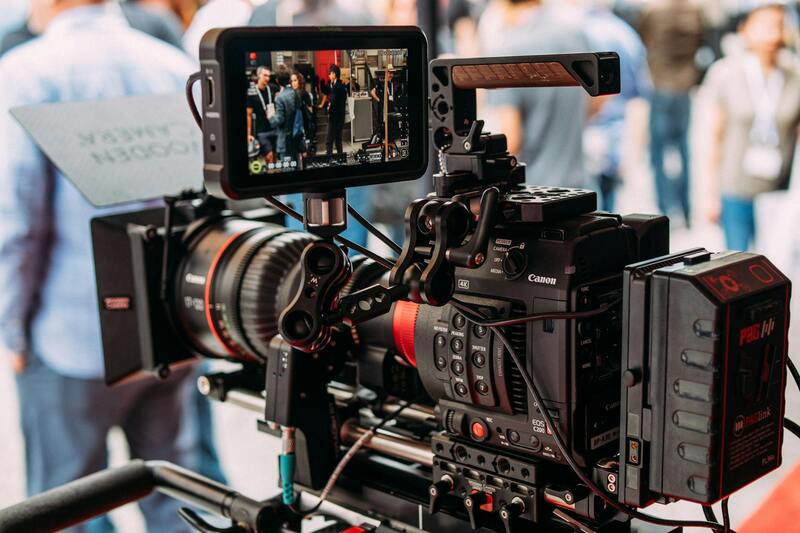
Importance of High-Quality Real Estate Photos
In the bustling Miami real estate market, where properties compete fiercely for attention, high-quality photographs serve as a critical component of effective marketing strategies. Visual presentation often forms the first impression potential buyers or renters experience online, making it vital that these images accurately showcase the property's best features. Attractive, professional-quality photos can significantly increase listing visibility, generate higher engagement, and ultimately shorten the time on the market.
Investing in superior photography not only enhances the perceived value of the property but also demonstrates professionalism and dedication to quality. As buyers increasingly rely on online platforms to browse property options, the importance of compelling visuals becomes even more pronounced. Well-executed images help potential clients envision living or working in the space, fostering emotional connection and driving inquiries.

In Miami’s highly competitive environment, properties with subpar images risk being overlooked or dismissed early in the viewing process. Conversely, professionally captured photos facilitate a more rapid and confident decision-making process for potential clients, creating a competitive edge for agents and property owners alike.
Beyond initial marketing efforts, high-quality real estate photography enhances the credibility and reputation of listing agents and agencies. It reflects a commitment to quality service and attention to detail, which can lead to increased trust from clients. Moreover, refined visual content harmonizes with other marketing channels—social media, email campaigns, and print materials—creating a cohesive, persuasive presentation.
Enhanced Market Presence and Buyer Engagement
Effective real estate imagery not only attracts more viewers but also encourages higher engagement levels. Properties that feature appealing photos are more likely to receive inquiries, scheduled viewings, and ultimately, offers. The visual storytelling facilitated by excellent photos plays a pivotal role in making properties memorable and desirable among competing listings.
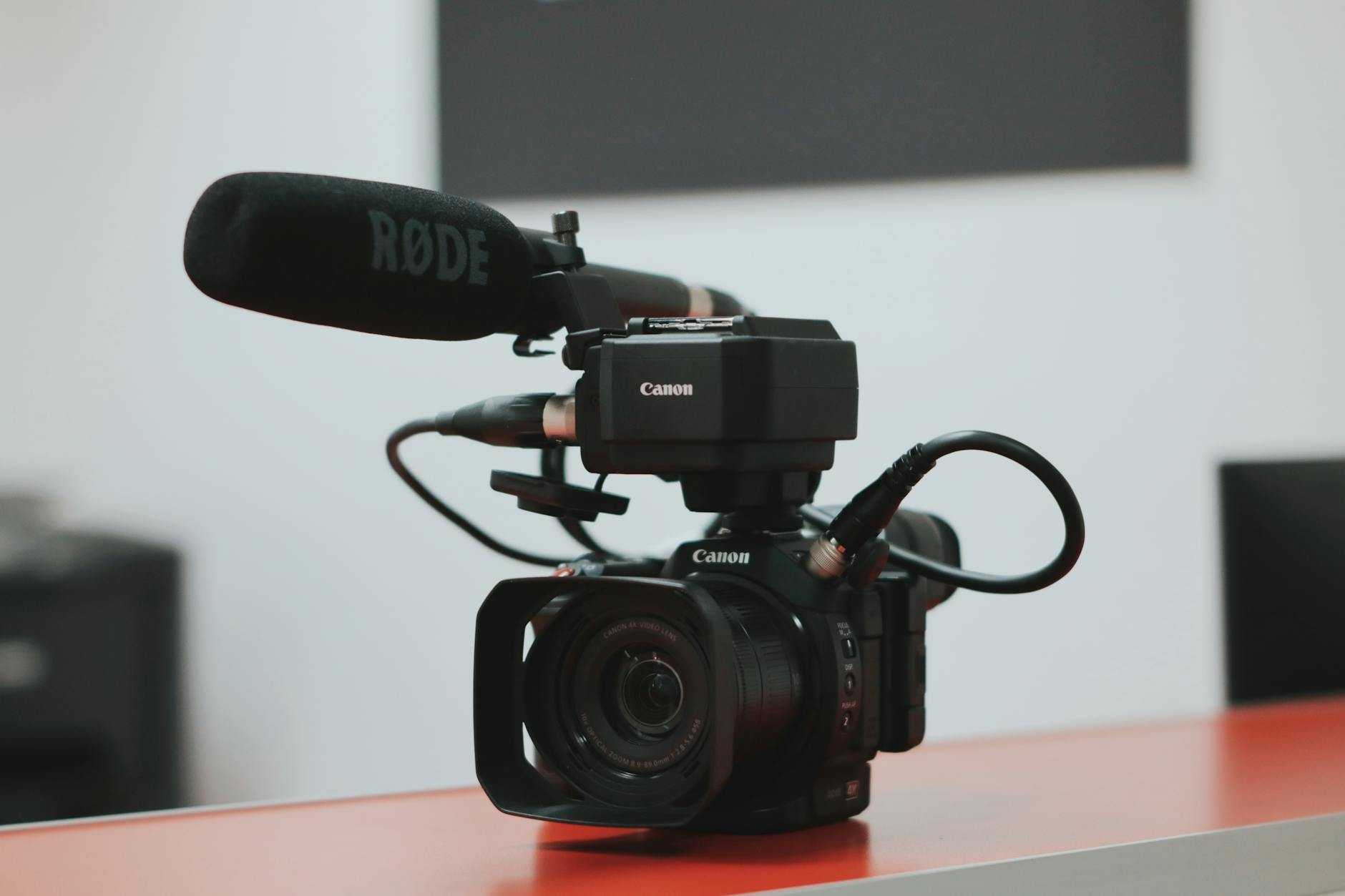
In an era where digital first impressions dominate, the value of investing in top-tier real estate photography cannot be overstated. It ensures properties are showcased at their highest potential and appeals directly to the aesthetic preferences of modern buyers. For agents and property owners aiming to succeed in Miami’s vibrant real estate scene, leveraging excellent photographic content is essential for maximizing visibility, attracting qualified inquiries, and closing deals efficiently.
Choosing the Right Photography Equipment
To consistently produce outstanding real estate images, selecting the appropriate photography equipment is paramount. High-quality cameras with full-frame sensors are preferred, as they capture superior details, accurate colors, and optimal depth of field. A versatile wide-angle lens—typically ranging from 14mm to 24mm—is essential for showcasing interior spaces effectively, making rooms appear more spacious and inviting. Additionally, a sturdy tripod helps maintain stability during shoots, especially in low-light conditions, ensuring sharp images with minimal motion blur.
Lighting gear also plays a critical role. External flashes, strobe lights, or portable lighting kits can be used to supplement natural light, reducing shadows and evening out illumination across various spaces. For exterior shots, drone cameras equipped with high-resolution sensors are increasingly utilized to capture expansive aerial perspectives, giving potential buyers a comprehensive view of the property and its surroundings.
Beyond camera selection, accessories such as wide-angle lens attachments, remote shutters, and color calibration tools enhance image quality and facilitate efficient shooting sessions. Investing in these tools ensures consistent output, aligning with industry standards for high-quality real estate presentation.
Best Practices in Photography Techniques
Adopting effective techniques when photographing real estate is vital to maximize the impact of each shot. Proper composition involves framing the main features to create balanced, eye-catching images. Horizontal lines should be straight, and verticals should not appear skewed, avoiding distortion that can detract from the property’s appeal.
Utilizing natural lighting during daytime hours typically results in brighter, more inviting images. When natural light is insufficient, artificial lighting should be introduced strategically to avoid overexposure or harsh shadows. Bracketing multiple exposures and blending them through high dynamic range (HDR) processing can balance the details in both bright and dark areas of a scene.
The choice of angles influences the perceived space and flow of each room. Shooting from a corner to include multiple walls can give viewers a sense of room dimensions. Elevating camera height to eye level replicates what a potential viewer would see, fostering a relatable perspective that highlights the room’s proportions.
Post-Processing and Editing Tips
Post-processing is an integral step to refine images and ensure they accurately represent the property’s potential. Adjustments to brightness, contrast, and color balance help achieve natural-looking results, preserving the true essence of the space. Employing subtle editing techniques, such as straightening lines and removing minor imperfections, can elevate images without sacrificing authenticity.
In some cases, perspective correction may be necessary to address lens distortion, especially with wide-angle lenses. When done judiciously, these edits enhance compositional clarity and highlight key features without misleading viewers.
Advantages of Hiring Professional Photographers in Miami
Engaging experienced real estate photographers brings a wealth of expertise, equipment, and artistic insight that significantly elevates listing visuals. Professionals understand how to leverage lighting, angles, and staging to craft images that captivate audiences instantly. Their familiarity with current market trends ensures that photos align with what modern buyers expect, increasing engagement levels and the likelihood of inquiries.
Furthermore, professional photographers can streamline the shooting process, saving time and reducing the need for multiple reshoots. Their post-processing skills ensure consistency across all images, creating a cohesive visual narrative that reinforces the property’s strengths. For Miami’s competitive real estate landscape, investing in professional photography can be the difference-maker in attracting motivated buyers and closing deals efficiently.
Essential Equipment for Capturing Great Real Estate Photos
To produce compelling real estate images, selecting the right equipment is fundamental. High-resolution digital cameras equipped with full-frame sensors are preferred for their ability to capture intricate details and produce sharp images with accurate color reproduction. Mirrorless cameras, due to their compact size and advanced features, are increasingly popular among real estate photographers in Miami, enabling flexibility without compromising image quality.
In addition to the camera body, the choice of lenses plays a pivotal role. Wide-angle lenses, typically ranging from 14mm to 24mm, are essential for showcasing interior spaces, allowing viewers to perceive room dimensions accurately and creating a sense of spaciousness. Prime lenses with wide apertures, such as f/1.8 or f/2.8, can be advantageous for shooting in low-light conditions or highlighting specific features through selective focus.
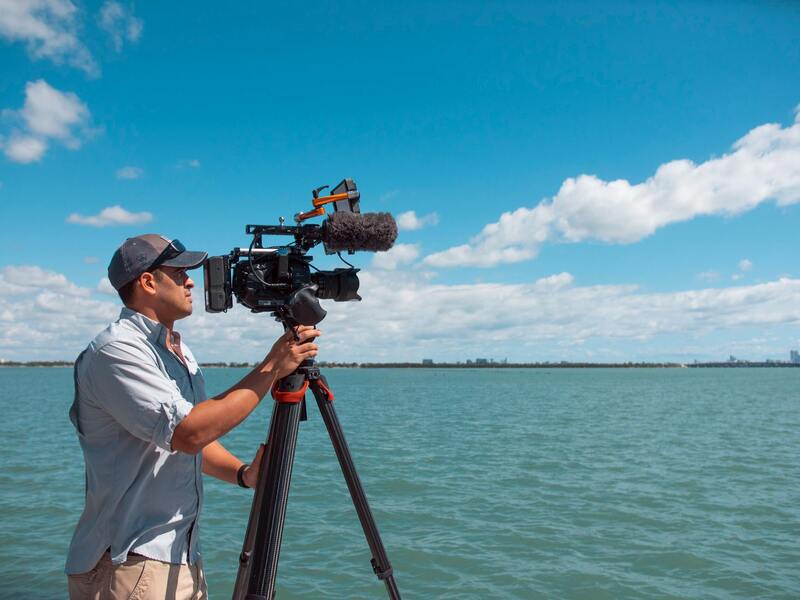
Accessories and supporting equipment further enhance image quality. A sturdy tripod ensures stability during longer exposures, especially in darker settings, preventing motion blur. Remote shutter releases or camera timers eliminate shake when pressing the shutter button, maintaining sharpness. Additionally, external flash units or continuous lighting support proper illumination, ensuring rooms are well-lit without harsh shadows or uneven lighting.
For editing precision, photographers often rely on calibrated monitors and color management tools to ensure that the captured images translate accurately online. Proper equipment not only facilitates the shooting process but also provides the flexibility to adapt to various lighting conditions and space layouts encountered in Miami's diverse real estate market.
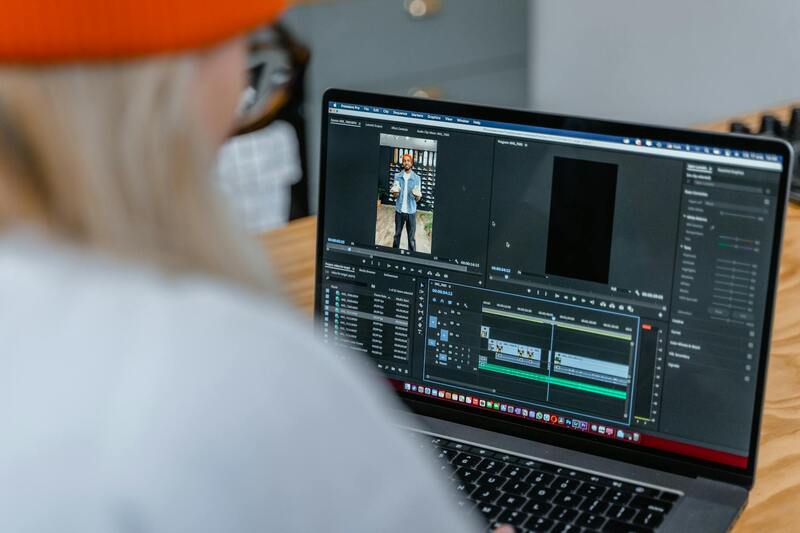
Overall, investing in the right photography tools is a crucial step towards capturing high-quality real estate photos that can greatly influence a property's online presentation and marketability. Skilled use of this equipment, combined with a thorough understanding of lighting and composition, results in images that resonate with prospective buyers and stand out in competitive listings.
Choosing the Right Photography Equipment
Utilizing the appropriate photography equipment is fundamental in producing high-quality real estate images that capture the essence of a property. For interior shots, a wide-angle lens—commonly between 14mm and 24mm—allows photographers to encompass more of the space within a single frame, making rooms appear more spacious and inviting. Additionally, fast lenses with wide apertures such as f/1.8 or f/2.8 enable better performance in lower light conditions, which is often encountered in interior photography. Beyond the primary camera and lens setup, investing in supporting accessories can significantly improve image quality and consistency.
Sturdy tripods are essential to maintain stability during longer exposures, preventing motion blur that can detract from the sharpness of interior details. Remote shutter releases or camera timers further eliminate the vibrations caused by pressing the shutter button manually, preserving clarity in every shot. Lighting equipment also plays a crucial role; external flash units or continuous lighting sources help create evenly lit environments, reducing shadows and highlighting key features. This is particularly important in Miami's diverse real estate market, where properties range from modern condos with large windows to traditional family homes with unique lighting challenges.
For digital editing and color correction, calibrated monitors and color management tools ensure that the final images match real-world appearance as closely as possible. Accurate colors and balanced exposure are vital for attracting prospective buyers and building trust. Well-equipped photographers can adapt more readily to different property environments, from sunlit beachside residences to dark, cozy neighborhoods. Equipment versatility allows for capturing the aesthetic appeal of Miami properties in the best light, literally and metaphorically, enhancing their visual impact online.

Advanced Camera Gear Enhances Property Imagery
Investing in professional-grade camera gear elevates the standard of real estate photography. Features such as high-resolution sensors, wide dynamic range, and superior autofocus capabilities contribute to crisp, vibrant images that make listings stand out. Pairing such equipment with skilled technique yields visuals that accurately depict a property’s scale, aesthetics, and unique features. When professionals utilize this gear effectively, they can produce striking images that resonate with potential buyers, generating more interest and faster sales.
Moreover, specialized equipment like drone cameras offers aerial views that showcase property surroundings and landscape features, providing a comprehensive visual narrative. Guided by experienced photographers familiar with Miami's unique architecture and geography, these tools help translate a property’s most attractive aspects into compelling images. Overall, the right combination of equipment and expertise results in photographs that truly reflect the property's appeal, making it more compelling in the crowded online marketplace.
Post-Processing and Editing Tips
Once high-quality shots are captured, the next step to creating compelling real estate imagery involves meticulous post-processing. This stage is crucial in enhancing visual appeal while retaining the authenticity of the property. Skilled editing can dramatically improve brightness, contrast, and color balance, ensuring that each photograph accurately conveys the property's true ambiance and features.
Photo editing software offers a range of tools to refine images with precision. Adjustments to exposure and white balance correct lighting inconsistencies, highlighting the property's best features without misrepresentation. Clarity and sharpness enhancements help define intricate architectural details and textures, making the images more engaging.
It's essential to maintain a realistic portrayal of the property during editing. Overly saturated colors or exaggerated contrasts can lead to misaligned expectations for potential buyers, which may harm trust and credibility. Striking a careful balance ensures the images remain attractive yet truthful, reflecting the property's actual condition and aesthetic.
Consider also cropping and straightening images to emphasize focal points and maintain a professional, uniform appearance across all photos. Properly aligned horizons and optimized framing contribute to a cohesive visual narrative that guides prospective clients smoothly through the property’s visual story.
Another advanced technique involves the subtle use of HDR (High Dynamic Range) adjustments. Applying HDR allows photographers to balance lighting in scenes with high contrast, such as interiors with large windows overlooking bright outdoor landscapes. When done correctly, HDR can add depth and vibrancy without making images look unnatural.
Finally, consistency across a property’s gallery is vital. A coherent editing style ensures that all photos, from exterior shots to interior details, complement one another and reinforce the property’s visual narrative. Consistent color grading and tone help create a polished, professional look that appeals to online viewers, increasing the likelihood of engagement and inquiries.
Post-Processing and Editing Tips
Once high-quality images have been captured, the editing stage is crucial for enhancing their visual appeal while maintaining authenticity. The primary goal during editing is to highlight the property's best features without creating an unrealistic portrayal that could mislead potential buyers. This involves a careful approach to color correction, brightness, contrast, and sharpness adjustments to present spaces in their best light.
Color correction is essential to ensure that hues appear natural and inviting. Overly saturated colors can give a false impression of vibrancy but may ultimately lead to disappointment if the property doesn't match the photos' tones. Striking the right balance involves subtle enhancements that deepen the visual impact without altering the true appearance of walls, furniture, or outdoor landscapes.
Adjusting brightness and contrast can help define spatial boundaries and emphasize key architectural details. Brightening interior images can make rooms feel more spacious and welcoming, while contrast adjustments can bring out textures and materials, adding depth to the visuals.
Sharpness and clarity are critical for highlighting intricate details such as unique moldings, fixtures, and finishes. Proper sharpening ensures that images are crisp without introducing noise or artifacts that could detract from the professional quality.
Crop and straighten images to ensure focal points are central and horizons are level. Correct framing directs viewers' attention to the most appealing aspects of each shot, creating a cohesive visual narrative that guides prospective buyers through the property.

In addition to these basic adjustments, advanced techniques such as High Dynamic Range (HDR) processing can be employed. HDR combines multiple exposures to balance lighting disparities, particularly useful in scenes with intense contrasts, like interior spaces with large windows overlooking bright outdoor scenes. When executed subtly, HDR adds depth and vibrancy without sacrificing realism.
Maintaining consistency in editing style across all property images reinforces a professional and polished appearance. Uniform color grading and tonal correction help create a seamless visual experience, making the property more appealing and easier for viewers to navigate. This consistency also contributes to building trust with potential clients, as it reflects attention to detail and a commitment to quality.
Enhancing Visual Appeal with Proper Composition and Lighting
One of the foundational elements of great real estate photos is impeccable composition, which directs the viewer’s eye and highlights the property’s best features. Proper framing involves strategic placement of key elements within the shot to create a balanced, inviting image. Symmetry, leading lines, and the rule of thirds can be utilized to draw attention to focal points such as a fireplace, a scenic view, or spacious rooms.
Lighting plays a pivotal role in capturing high-quality images. Natural light is often preferred for its ability to produce warm, authentic tones that demonstrate the property in its best light. Photographers should aim to shoot during times of the day when sunlight is soft and even, such as early morning or late afternoon. Overcast days can also provide diffused lighting that minimizes harsh shadows and glare.
In interior photography, balancing light within the space is crucial. Techniques such as using wide-angle lenses can help encompass more of the room, but they must be used judiciously to avoid distortion. Supplementing natural light with professional lighting fixtures can fill in shadows, accentuate textures, and create a welcoming atmosphere.
Utilizing Perspective and Depth to Showcase Space
Effective perspective is essential to accurately communicate the size and layout of a property. Wide-angle lenses are a common tool for capturing interior spaces, enabling wider views that convey spaciousness. However, it’s important to avoid excessive distortion, which can create misleading impressions of room dimensions.
Creating a sense of depth can significantly enhance the visual storytelling of a listing. This can be achieved through techniques such as foreground interest, where objects or features in the front add layers to the image, guiding the viewer’s eye through the space. Incorporating architectural elements like doorways or hallways further emphasizes flow and connectivity between rooms.
Showcasing Unique Property Features
Great real estate photos go beyond simply depicting the space; they highlight unique features that distinguish a property from others on the market. Details such as custom moldings, elegant fixtures, scenic views, or outdoor amenities should be captured in a way that emphasizes their appeal.
Using specific angles, close-ups, and thoughtful staging can accentuate these attributes, making the property more memorable and desirable. It’s also beneficial to plan the shoot around the property’s most attractive features, ensuring they are always featured prominently in the images.
Enhancing Digital Visibility Through Optimized Real Estate Photos
Maximizing the online appeal of real estate listings requires more than just capturing stunning images; it involves strategic optimization to ensure maximum visibility across digital platforms. High-quality photos that adhere to best practices in image sizing, metadata, and branding significantly improve a property's online presence.
Proper Image Sizing and Resolution
The first step in photo optimization is ensuring images are appropriately sized for various listing platforms. Images should be large enough to display clear details without slow loading times. Typically, a resolution of 1200-2000 pixels on the longer side balances visual clarity with performance. Compressing images without losing quality helps in reducing load times, which is crucial for user experience and SEO rankings.
Search Engine Optimization (SEO) for Real Estate Photos
- Descriptive Filenames: Including relevant keywords such as "Miami luxury home living room" or "oceanview Miami condo exterior" makes images more discoverable in search results.
- Alt Text: Using descriptive alt text helps search engines understand the content of the images, further enhancing their visibility.
- Image Sitemaps: Incorporating images into sitemaps ensures that search engines index all property visuals, improving overall site SEO.
Branding and Consistency
Maintaining a consistent visual style across all property images reinforces brand recognition and professionalism. Incorporate subtle watermarks or branding overlays where appropriate, ensuring they do not distract from the property's features. Consistent editing styles, such as color correction and exposure adjustments, also create a cohesive visual narrative for potential buyers.
Strategic Placement on Websites and Social Media
High-quality images should be prominently featured on property pages, with galleries optimized for smooth navigation. Sharing these photos across social media channels, accompanied by targeted hashtags and geotags, further increases exposure. Tailoring the presentation to each platform's best practices maximizes engagement and outreach.