Understanding the Importance of Good Real Estate Photography
In the competitive Miami real estate market, the visual representation of a property plays a pivotal role in attracting potential buyers and closing sales efficiently. High-quality real estate photography serves as the frontline marketing tool, providing a compelling first impression that can distinguish listings amidst numerous options available online. As Miami continues to thrive as a vibrant hub for luxury residences, coastal estates, and urban apartments, the significance of professionally captured images becomes even more pronounced.
Effective real estate photography enhances listing visibility across all digital platforms, ensuring that properties stand out in search results and social media feeds. This increased exposure leads to higher engagement, more inquiries, and ultimately, faster sales. Moreover, visually appealing images help buyers form an emotional connection with the property, influencing their purchasing decisions and fostering trust in the listing’s authenticity.
In a market like Miami, where aesthetics often align with lifestyle aspirations, capturing the property’s unique features, ambiance, and local charm is essential. Well-executed images not only showcase the spatial layout and design but also emphasize the property's connection to Miami’s vibrant culture, sunlit coastlines, and sophisticated urban environment. This visual storytelling is invaluable in inspiring prospective buyers to take the next step toward making a purchase.

Leveraging quality imagery can significantly impact a property’s market performance, promoting quicker sales at competitive prices. As the demand for premium Miami real estate continues to grow, investing in high-caliber photography remains a crucial element for sellers and real estate professionals alike to maximize exposure and facilitate successful transactions.
The strategic use of professional photography is not merely an aesthetic choice but a necessary aspect of contemporary real estate marketing practices. It reflects a commitment to quality and professionalism, establishing trust with prospective clients and reinforcing one’s reputation within the Miami real estate landscape.
Preparing Properties for Photography
Achieving compelling real estate images begins well before the camera clicks. Proper preparation of the property ensures that each shot highlights the property's best features and presents a clean, welcoming environment. This process involves strategic decluttering, meticulous cleaning, and professional staging to create a visually appealing scene that resonates with prospective buyers. Decluttering not only removes personal items and excess furniture but also makes spaces appear larger and more inviting. Deep cleaning every surface, including windows, floors, and walls, enhances the property's shine and emphasizes its maintained condition.
Staging is particularly crucial in Miami, where the vibrant lifestyle and luxurious appeal heavily influence buying decisions. Properly staged interiors, with tasteful decor and strategic furniture placement, help potential buyers envision living in the space. Creating an ambiance that reflects Miami’s lively, modern vibe can involve adding decorative elements like colorful art, trendy accessories, or tropical touches that evoke local culture. The goal is to make the space feel fresh, airy, and desirable, encouraging viewers to imagine themselves within the environment.
Technical Aspects and Equipment
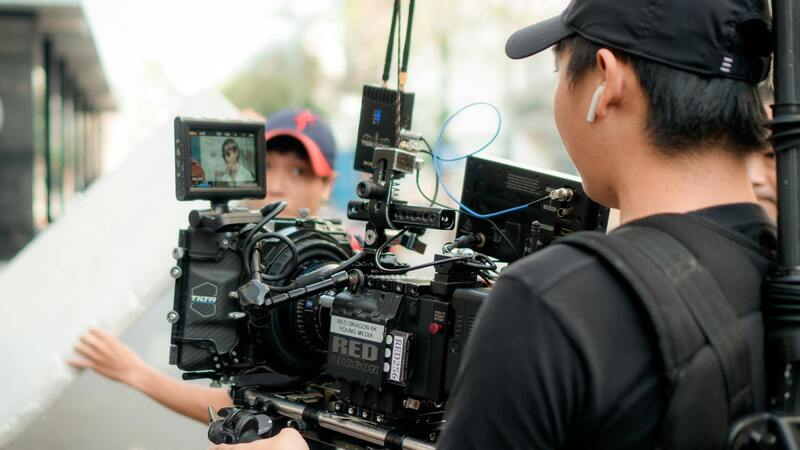
Capturing high-quality real estate images requires the right technical setup. Professional-grade cameras with high-resolution sensors are essential for detailed, sharp images. Lenses play a critical role; wide-angle lenses are commonly used to capture more of a room in a single shot, making spaces feel more expansive and engaging. Proper lighting is equally important; natural light should be maximized to highlight the property's features, but supplementary lighting equipment such as softboxes and reflectors can fill shadows and ensure balanced illumination.
Tripods are necessary to maintain stability and achieve clear, blur-free images, especially in low-light conditions. Additionally, a tripod allows for precise composition and consistent framing across multiple shots. In some cases, HDR (High Dynamic Range) photography is employed to effectively manage scenes with contrasting light levels—bright windows and dark corners—resulting in balanced exposure that showcases the property's true ambiance.
Editing and Post-Processing Techniques
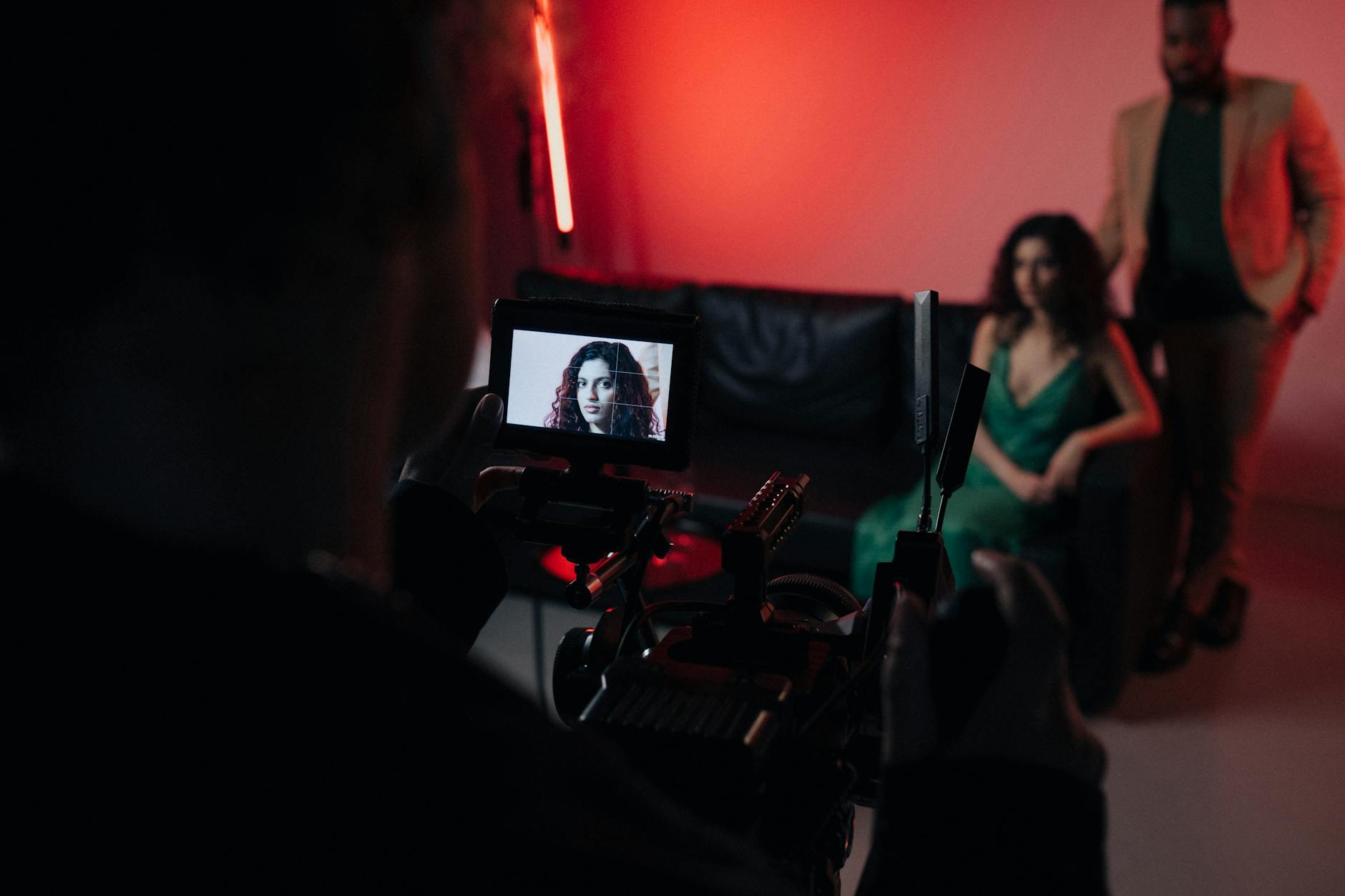
Post-processing is a vital step in creating visually compelling real estate images. High-quality editing enhances the natural beauty of the property while maintaining authenticity. Adjustments typically include brightness, contrast, and color correction to ensure the images accurately reflect the property's appearance and mood. Slightly refining details such as removing minor imperfections, adjusting perspective lines, and enhancing the clarity of textures can significantly elevate the image quality.
Advanced editing software allows for seamless editing workflows, enabling photographers to produce consistent, professional results across all listing images. The goal is to enhance the property's best features without over-editing or creating false expectations. Consistency in editing style also helps build a recognizable visual brand for Miami real estate marketing efforts, reinforcing professionalism and attracting discerning buyers.

Legal and Ethical Considerations
When producing real estate photography, adhering to ethical standards is essential. This includes accurately representing the property without digital manipulation that could mislead viewers. Photographers should obtain necessary permissions from property owners or managers before photographing the space, especially in shared or restricted areas. Disclosing any modifications or enhancements made during post-processing also maintains transparency and fosters trust with clients.
Respect for privacy and property rights is paramount. Photographers should avoid capturing private areas or personal belongings that are not meant to be displayed publicly. Ensuring the property’s safety and respecting privacy rights not only sustains professionalism but also aligns with established standards that support the integrity of real estate marketing.
Understanding the Importance of Good Real Estate Photography
Good real estate photography serves as a vital tool in creating compelling visual narratives that capture the essence of a property. When executed effectively, high-quality images not only attract potential buyers but also significantly reduce the time a property spends on the market. Superior imagery provides a truthful and engaging representation of the property, allowing viewers to assess its features from afar while inspiring them to visit in person. The impact of well-executed real estate photos extends beyond mere aesthetics; they foster trust, demonstrate professionalism, and set the tone for overall marketing efforts. An essential aspect often overlooked is that excellent photography emphasizes the property's most attractive angles, utilizes lighting to highlight features, and synthesizes framing that guides the viewer's eye. Such attention to detail ensures listing photos stand out amidst a competitive Miami real estate market, giving sellers an edge and creating a memorable impression that can influence ongoing marketing success.
Key Elements of Effective Real Estate Photography
- Optimal Lighting: Utilizing natural light during daytime shoots or supplementary lighting equipment ensures spaces appear bright and inviting. Proper lighting reduces shadows and highlights the property's details.
- Wide-Angle Lenses: These lenses allow photographers to capture more of a room in a single shot, providing viewers with a comprehensive perspective of the space. This technique is especially useful in smaller rooms where space might be limited.
- Accurate Framing and Composition: Applying the rule of thirds and careful positioning helps create visually balanced images. Framing should include key features while avoiding clutter or distracting elements that can detract from the focal points.
- Decluttering and Staging: Ensuring the property is tidy and well-staged enhances visual appeal and helps viewers to imagine living in the space. Minor adjustments, like opening curtains or arranging furniture, can make a significant difference.
- Post-Processing: Adjustments to brightness, contrast, and color balance should be made to produce appealing images that accurately reflect the property. Over-editing should be avoided to maintain authenticity and trust.
Employing Ethical Photography Practices
Ensuring authenticity is fundamental in good real estate photography. Photographers should take strides to portray properties truthfully, avoiding misleading enhancement or digital alterations that could give false expectations. Prior to shooting, securing permissions from property owners guarantees that all photographs are taken with consent, respecting rights and confidentiality. Transparency about any elements altered during post-processing fosters trust among clients and viewers. It is also crucial to limit captures to public or designated areas, thereby respecting the privacy of residents and safeguarding personal belongings. Ethical practices not only uphold professional standards but also enhance the credibility of the marketing efforts, ultimately fostering a trustworthy relationship with clients and prospective buyers in Miami's dynamic market.
Utilizing Authentic and Respectful Photography Methods
To truly capture the essence and appeal of a property, photographers must commit to using legitimate methods that respect the integrity of the space. This involves balancing the need for visual appeal with honest representation, which is vital for maintaining trust with clients and potential buyers. Accurate lighting, perspective, and framing are tools that should be used ethically to highlight the property's best features without overexaggerating or manipulating the images beyond what is visible to the human eye.
One of the core principles is obtaining explicit permission from property owners before the shoot begins. This ensures that all aspects of the photography are conducted with consent, respecting confidentiality and personal rights. Photographers should also be transparent about post-processing activities, clarifying what adjustments—such as brightness or color correction—were made to enhance image quality without altering the factual appearance of the property.
Limiting the capture of private or restricted areas prevents invasion of privacy and upholds professional integrity. In technical terms, deploying equipment like high-quality wide-angle lenses allows for more comprehensive and clear portrayals while avoiding distortions that could mislead viewers. When used correctly, drone photography can provide valuable aerial views that showcase property layouts and surroundings ethically and effectively.
Maintaining a respectful approach also involves working collaboratively with homeowners and real estate professionals to ensure that the images reflect the property's authentic state. This means avoiding excessive digital enhancements, such as removing structural imperfections or adding virtual furnishings, which could create false expectations. Instead, photographers should aim for images that accurately represent the property's condition, layout, and ambiance, fostering confidence among prospective buyers and clients.
Ensuring Ethical Standards in Practice
Applying rigorous standards when conducting real estate photography conveys professionalism and reliability. For instance, photographers should only shoot during appropriate times when natural lighting complements the property’s good features, avoiding misleading appearances that could arise from artificial lighting or shadows. Moreover, captions and descriptions accompanying the photos should be honest, aligning with the images provided to keep the marketing transparent and factual.
Through adherence to these fundamental practices, real estate photographers contribute to a trustworthy real estate market. By focusing on accuracy and respect during every phase—from permission, shooting, to post-processing—photographers build a reputation for integrity that benefits their careers and the clients they serve in Miami's competitive property landscape.
Ensuring Accuracy in Color Representation and Image Fidelity
One of the fundamental principles of good real estate photography lies in the precise portrayal of the property's colors and features. Photographers must aim to capture the true hues of walls, floors, and furnishings, avoiding over-saturation or color enhancement that can mislead viewers. This requires setting the camera correctly, including accurate white balance adjustment, to produce images that reflect real-world conditions. High-fidelity color representation fosters trust with prospective buyers, as they form expectations based on authentic visuals.
Furthermore, maintaining sharpness, proper focus, and clarity across images ensures viewers see the property in its best light without distortion or pixelation. Employing high-resolution cameras enables detailed captures that highlight the property’s architectural features, textures, and design elements, providing potential buyers with a reliable visual understanding of the space.
Utilizing Proper Lighting Techniques
Lighting plays a crucial role in real estate photography, significantly influencing the ambiance and perceived quality of a property. Natural light, when available, should be harnessed optimally to illuminate the interiors evenly. Photographers should schedule shoots during times of day when sunlight enhances room features without creating harsh shadows or overexposure.
If natural lighting is insufficient, professional studio lighting and diffusors are employed to achieve a balanced, inviting look. The goal is to create images that accurately reflect the property’s lighting conditions, thereby providing an honest and appealing representation. Proper lighting not only emphasizes the space's size and layout but also accentuates key elements like architectural details and interior decor.
Strategic Composition and Perspective
Effective composition directs the viewer’s eye, highlights the property’s best features, and provides a clear understanding of space. Photographers should employ techniques such as the rule of thirds, leading lines, and proper framing to create balanced and engaging images.
Multiple angles and perspectives help potential buyers visualize the property’s flow and functionality. Wide-angle lenses are commonly used to capture more of a room in a single shot, making spaces appear larger and more inviting. However, it’s vital to use these tools responsibly to avoid distortion that could misrepresent the true size or layout of the property.
Maintaining Consistency Throughout the Photo Series
Uniformity in style and tone across all property images enhances the professionalism of real estate listings. Consistent exposure levels, color balance, and perspective create a cohesive visual narrative that aligns with the property's branding and marketing strategy.
This consistency not only increases the aesthetic appeal but also reinforces trustworthiness. When prospective buyers see a uniform set of images, they perceive the listing as polished and reliable, encouraging further interest and engagement.
Understanding the Importance of Good Real Estate Photography
High-quality real estate photography plays a crucial role in capturing the true essence of a property, making it stand out in a competitive market like Miami. It not only draws potential buyers' attention but also creates an emotional connection, encouraging them to envision themselves living in the space. Exceptional images can highlight a property's best features, from spacious interiors to captivating architectural details, ultimately influencing the decision-making process. In fast-paced markets, the first impression often comes through online listings, where compelling visuals can significantly increase listing views, inquiries, and ultimately, sales.
Key Elements of Effective Real Estate Photography
To produce impactful real estate images, several core elements must be considered. Proper lighting is vital; it ensures the property looks inviting and authentic. Natural light is preferred, but supplemental lighting can help eliminate shadows and highlight features during indoor shoots. Composition techniques such as the rule of thirds, leading lines, and strategic framing guide the viewer’s eye and emphasize the property’s most appealing attributes.
Wide-angle lenses are commonly employed to capture more of a room in a single shot, creating an expansive feel that appeals to buyers. These should be used carefully to avoid distortion, which could misrepresent the size or layout. Multiple angles and perspectives help illustrate the flow and spatial relationships within the property, giving buyers a comprehensive understanding of the layout.
Maintaining Consistency for a Professional Look
Consistency across all images in a listing boosts credibility and visual coherence. Keeping exposure, color balance, and perspective uniform ensures a seamless viewing experience. This uniformity conveys professionalism and fosters trust, making the property more attractive to serious buyers who value attention to detail. It signals that the listing is well-managed and that the property has been presented with integrity.
Preparing Properties for Photography
Preparation is key to achieving high-quality images. Decluttering spaces, organizing furniture, and ensuring all areas are clean and well-maintained help showcase the property's best features. Attention to detail, such as removing personal items or excessive decorations, creates a neutral environment where potential buyers can envision their own lives. Additionally, opening curtains to maximize natural light and turning on all relevant lights can brighten interior shots, making spaces appear more welcoming.
Exterior preparation, including trimming landscaping, cleaning windows, and tidying outdoor areas, enhances curb appeal. Proper staging helps emphasize architectural strengths and fosters an overall impression of a well-cared-for property. These efforts collectively contribute to a set of images that accurately and attractively represent the property to prospective buyers.
Image Placeholder
Technical Aspects and Equipment
Professional-quality images rely on the right technical approach. Digital cameras with high-resolution sensors are preferred for capturing detailed, sharp images that maintain clarity across various viewing platforms. A tripod helps stabilize the camera, ensuring consistent framing and exposure, especially in low-light conditions.
Lens choice is critical; wide-angle lenses (typically between 14mm and 24mm for full-frame cameras) enable the photographer to capture entire rooms in a single shot, fostering a sense of space. Drones or pole-mounted cameras can be employed for exterior shots or difficult-to-reach vantage points, adding a dynamic element to the listing.
Employing proper camera settings—such as a small aperture for depth of field and a balanced ISO—ensures images are crisp and color-accurate. HDR (High Dynamic Range) photography is especially useful for balancing interior and exterior lighting, preventing blown-out windows or overly dark shadows. These technical considerations are foundational to producing high-quality visuals that accurately convey the property’s character.
Editing and Post-Processing Techniques
Post-processing is an essential step in producing compelling real estate images. Basic edits include adjusting brightness, contrast, and color balance to match the actual appearance of the property. Correcting straight lines and perspective distortions ensures that rooms and features appear proportionate and true to form.
Advanced techniques involve blending multiple exposures to enhance details in both shadows and highlights, providing a balanced and vibrant image. Removing minor distractions, such as clutter or imperfections, improves the overall presentation without misrepresenting the property. Maintaining a natural look is fundamental—over-editing can distort reality and potentially mislead buyers.
Consistency in editing style across the entire property series not only provides a cohesive visual experience but also strengthens the listing's overall professionalism. Incorporating subtle enhancements can increase visual appeal, stimulate emotional responses, and generate greater interest among prospective buyers.
Legal and Ethical Considerations in Real Estate Photography
When engaging in professional real estate photography, adherence to established guidelines and standards is essential to maintain integrity, uphold client trust, and ensure a seamless sales process. This includes obtaining proper permissions for all property features, especially when photographing private areas or sensitive structures, to respect privacy rights and property boundaries. Additionally, photographers should accurately represent the property without altering images in a way that could mislead prospective buyers. This honesty builds credibility and supports a transparent transaction process.
Moreover, when editing images, it is crucial to preserve the true appearance of the property. Enhancements should enhance, not distort, the actual features and conditions of the property. This involves removing temporary distractions such as visible clutter or minor imperfections while avoiding the addition or removal of structural elements that could alter the depiction of space and layout.
Respecting intellectual property rights is also an important aspect of ethical practice. Photographers should ensure ownership of the images they produce and not use copyrighted content without permission. Properly crediting external sources or stock images, if used, maintains professionalism and prevents legal complications. Transparency about editing techniques and the use of professional equipment further assures clients of the quality and trustworthiness of the promotional materials.
Building positive relationships with real estate agents, property owners, and prospective buyers hinges on the consistent delivery of honest, high-quality visuals. Avoiding manipulative practices in photography and editing sustains the credibility of your services and contributes to long-term success in the competitive Miami real estate market.
Staying informed about evolving standards and best practices in real estate marketing and photography allows professionals to uphold industry integrity. Regular training on ethical guidelines and technological advancements helps maintain high standards, ensuring that images accurately reflect the property's true condition while avoiding any deceptive representations. This responsible approach not only aligns with professional codes but also enhances the reputation of the photographer and their agency.
Legal and Ethical Considerations in Real Estate Photography
Maintaining integrity in real estate photography involves adherence to strict ethical standards and responsible practices. Photographers must ensure their work accurately represents the property’s condition, avoiding any manipulation that could mislead prospective buyers. This includes refraining from altering key features or manipulating images to exaggerate space, views, or lighting. Transparency about the editing process and techniques used fosters trust with clients and supports long-term professional relationships.
Respect for intellectual property rights is critical when producing real estate visuals. Photographers should confirm ownership of all images and avoid unauthorized use of copyrighted materials. If external content such as artwork, branding, or stock images are incorporated, proper credit must be given, and permissions obtained. This diligence safeguards against potential legal complications and enhances credibility.
It’s also important to ensure all images are current and reflective of the property’s real state. Misrepresenting a property’s condition through outdated or deceptive images could adversely affect reputation and client trust. Photographers should communicate clearly with real estate professionals about the scope and limitations of the images and ensure they realize the importance of truthful representation.
Building a reputation grounded in trust and professionalism involves continuous education on evolving standards and best practices within the industry. Regular training on new technologies, ethical guidelines, and marketing trends enables photographers to uphold high standards and deliver authentic, compelling visuals. This ongoing commitment to excellence reinforces a photographer’s standing in the competitive Miami real estate market.