Introduction to Drone Footage in Real Estate
In the competitive landscape of the Miami real estate market, showcasing properties with high-quality visuals has become essential. Drone footage offers a unique perspective, capturing expansive views of entire properties, surrounding neighborhoods, and notable geographic features that traditional photography often cannot achieve. This technology provides real estate professionals with a powerful tool to differentiate their listings, attract more potential buyers, and facilitate faster sales.
The use of drone photography has evolved into a standard practice for premium property marketing strategies. It allows for dynamic, cinematic visuals that effectively highlight a property’s key outdoor features, such as lush landscapes, water access, or impressive architectural elements, giving prospective buyers an immersive experience before they even visit in person.
By integrating aerial footage into marketing campaigns, real estate agents can showcase the full scope of a property’s size, layout, and environment, creating a compelling narrative that resonates with clients seeking a vivid sense of place. Moreover, drone footage enhances virtual tours and online listing presentations, making property listings more engaging and accessible to a broader audience.
The strategic use of elevated videos and panoramic shots not only increases engagement rates but also aids in building trust and credibility for real estate professionals. As Miami continues to grow as a vibrant hub for luxury and waterfront homes, drone technology elevates the standard for property marketing, aligning with the expectations of modern homebuyers who seek comprehensive and visually striking property representations.
Regulations and Legal Considerations in Miami
Implementing drone footage in real estate marketing within Miami requires adherence to specific operational standards designed to ensure safety, privacy, and responsible usage. Professional drone operators must be familiar with local guidelines to conduct shoots effectively and ethically, maintaining the highest standards of quality and compliance.
In Miami, drone pilots are typically required to obtain certifications that verify their proficiency and understanding of operational procedures. These certifications confirm that pilots are trained to operate drones safely in urban and residential environments, which often feature complex airspaces and populated areas.
Operational Denver involve adhering to designated altitude limits and avoiding restricted zones, such as near airports, government facilities, and densely populated neighborhoods. Maintaining a safe distance from individuals and private property is crucial to prevent privacy concerns or disturbances.
Many professional drone operators also employ flight planning tools to map out optimal routes, avoid no-fly zones, and ensure smooth, accident-free shoots. These tools are essential in high-stakes environments like Miami, where crowded urban landscapes demand precise planning.
It's important to reserve time for obtaining any necessary permits or approvals beforehand. This proactive approach ensures that drone activities are conducted legally, minimizing risks of disruptions or penalties. Working with experienced providers like Miami Production Experts guarantees that every aspect of drone operation from planning to execution aligns with local standards.
Additionally, respecting individuals' privacy rights is fundamental. During filming, operators are expected to avoid intrusive or sensitive areas, securing explicit permissions when necessary. By balancing innovative marketing strategies with responsible practices, real estate professionals can leverage drone footage to enhance property presentations without overstepping boundaries.
Understanding these official frameworks allows real estate marketers to utilize drone technology effectively and sustainably, contributing to a positive perception of their brand while showcasing Miami's stunning properties through captivating aerial visuals.
Types of Drone Shots for Real Estate Listings
Utilizing a variety of drone shots can significantly enhance the visual appeal of real estate listings, providing prospective buyers with comprehensive perspectives of a property and its surroundings. The selection of shot types should align with the property’s unique features and the marketing goals. Here are some essential drone shot categories employed in real estate showcases:
- Exterior Wide Shots: These shots capture the entire property, emphasizing its size, layout, and curb appeal from an aerial perspective. They serve as an engaging opening to attract viewers and set the scene for the property’s location.
- Property Surroundings: Showcasing the neighborhood and nearby amenities helps buyers understand the community vibe and lifestyle opportunities, such as parks, schools, or commercial hubs.
- Driving or Walking Tours: By simulating a fly-through along driveways or pathways, real estate professionals can guide viewers through the property’s exterior, highlighting key features like gardens, patios, or pools.
- Interior Views (via Open Windows or Doorways): While primarily exterior, drone shots can incorporate transitions to feature interior spaces or open-access points for a seamless visual narrative.
- Highlighting Unique Features: Specific shots focusing on architectural details, outdoor living spaces, or landscaping help emphasize what makes the property distinctive and desirable.
- Aerial Overviews of Land: For properties with substantial acreage or scenic landscapes, aerial shots illustrating land contours, viewpoints, and natural features enhance the property's market appeal.
Choosing the appropriate combination of these shot types depends on the property's attributes and the marketing message. A well-curated drone video sequence can tell a compelling story, engaging potential buyers and increasing listing visibility.
Each shot requires careful planning and precise execution. Ensuring high-quality footage with stable camera movements, optimal angles, and appropriate lighting conditions can make a significant difference in the overall presentation. Employing professional drone operators with experience in real estate ensures that each shot aligns with best practices, maximizing visual impact while adhering to safety and operational standards.
Regulations and Legal Considerations in Miami
When incorporating drone footage into real estate marketing strategies within Miami, property professionals must adhere to specific operational standards that ensure safe and responsible drone use. The city’s regulations emphasize the importance of obtaining the necessary permits and conducting operations within defined boundaries to respect privacy and coexist harmoniously with other airspace users.
Operators are encouraged to familiarize themselves with the FAA’s guidelines, which outline requirements for drone registration, pilot certification, and operational restrictions. These include maintaining line-of-sight during flight, avoiding congested areas, and respecting designated no-fly zones such as airports, heliports, and certain public spaces.
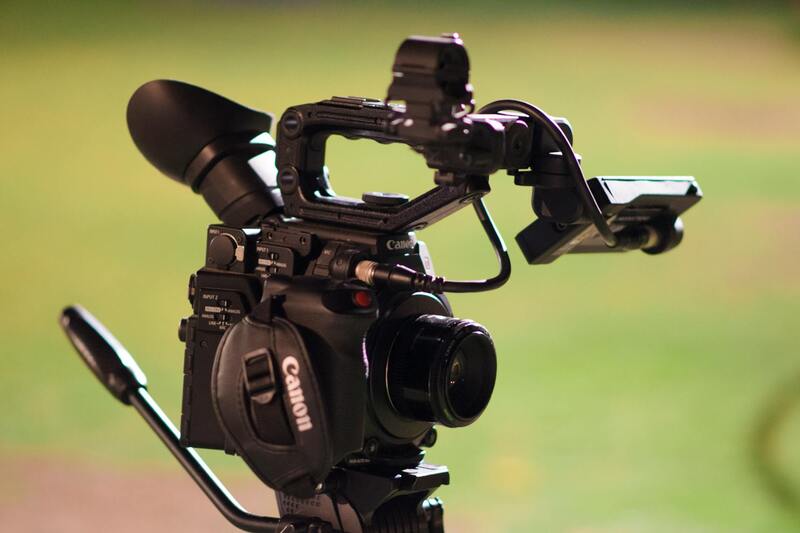
In Miami, additional local ordinances may influence drone activities. These can include restrictions on flying over private properties without consent, limitations on altitude, or specific timeframes when commercial drone flights are permissible. It is crucial for real estate professionals and drone operators to work with licensed pilots who are well-versed in both federal and local regulations, enabling compliant and effective video productions.
Beyond legal compliance, prioritizing safety and privacy enhances the reputation of real estate firms leveraging drone technology. Transparent communication with property owners about the scope of drone footage and ensuring consent is fundamental to fostering trust and maintaining professional integrity.
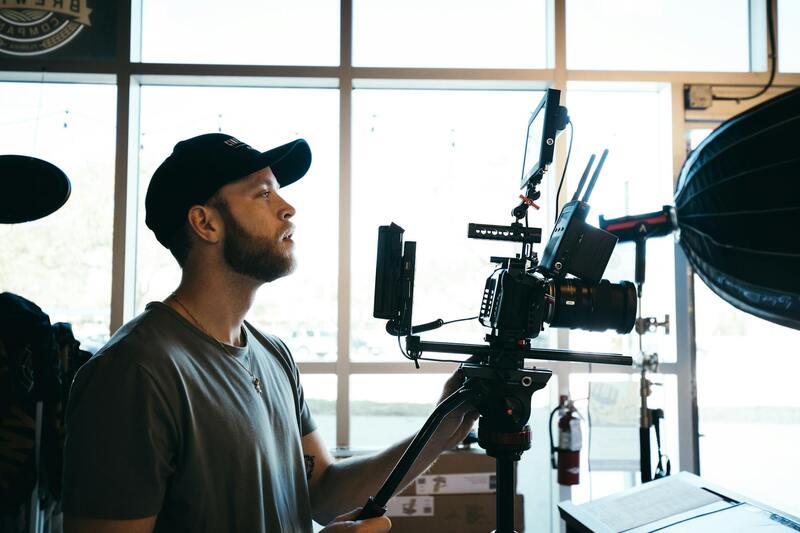
Legal considerations also extend to the handling of aerial footage, especially regarding data storage and distribution. Ensuring that video files are securely stored and shared only with authorized parties helps mitigate risks associated with privacy concerns. Employing insured and experienced drone service providers minimizes the chances of violations, safeguarding both the marketing campaign and the reputation of the real estate entity.
Ultimately, comprehensive knowledge of operational protocols combined with professional execution guarantees that drone footage projects not only enhance property visibility but also align with legal standards, delivering a seamless and compliant visual experience that appeals to discerning buyers in Miami’s competitive market.
Official Methods for Capturing Drone Footage in Real Estate
Employing drone footage for real estate requires adherence to established procedures that emphasize safety, quality, and professionalism. To ensure maximum effectiveness and compliance, real estate professionals should collaborate exclusively with licensed drone operators who possess official certifications issued by reputable authorities. These licensed pilots are trained to operate advanced drone equipment within set parameters, ensuring the collection of high-quality footage without infringing on private property or public airspace.
A crucial aspect of official drone footage collection involves securing proper authorization before flying. This process typically includes submitting flight plans to relevant authorities, especially in densely populated or restricted areas, such as near airports or government buildings. Proper planning minimizes disruptions and guarantees that flights are conducted within designated operational zones.
In addition, utilizing certified equipment ensures that videos are captured at the highest resolution and stability, providing detailed visuals that can significantly enhance property presentations. Professional-grade drones equipped with high-resolution cameras, gimbals for stabilization, and advanced imaging capabilities are essential tools for producing compelling content.
Furthermore, certified drone operators maintain rigorous safety protocols, such as pre-flight checks, weather considerations, and clear communication with all stakeholders involved in the property transaction. These practices safeguard both personnel and the integrity of the footage, reducing instances of accidents or data compromise.
For real estate listings, integrating footage captured through official channels also involves meticulous editing and post-production work. Using industry-standard software ensures that the final videos are optimized for online platforms, highlighting key property features while maintaining a seamless visual flow.
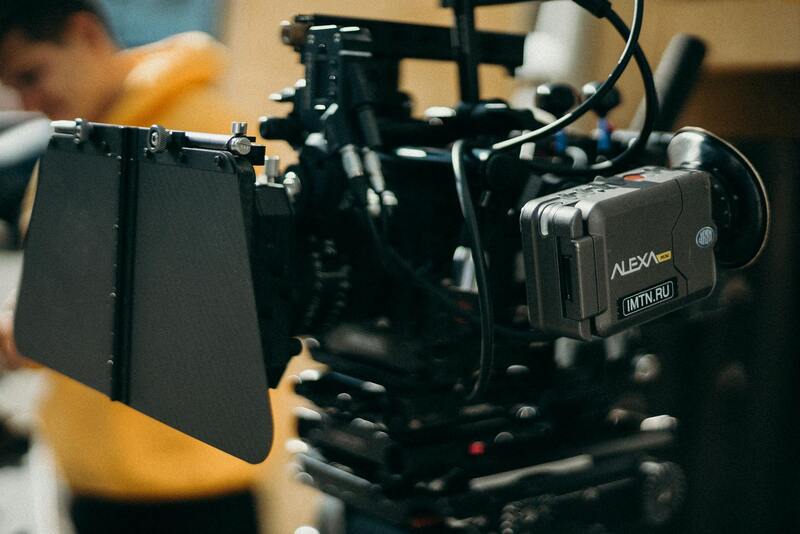
Types of Drone Shots for Real Estate Listings
Incorporating a variety of shot types can significantly enhance a property’s online presentation, offering prospective buyers a comprehensive view of the estate. Each shot type serves a specific purpose in highlighting the property's features and the surrounding environment, creating an immersive experience that static images alone cannot provide.
Vertical and Overhead Shots
Vertical shots captured directly above the property provide a clear perspective on the property’s size, layout, and relationship with neighboring structures. These overhead views help emphasize lot dimensions, landscaping, and outdoor amenities, giving viewers an immediate understanding of the property's spatial context. From a technical standpoint, maintaining stable hover capabilities is essential for crisp, distortion-free images.
Panoramic and 360-Degree Views
Panoramic shots encompass a sweeping view of the property’s exterior and its immediate surroundings. When integrated into virtual tours or online listings, these wide-angle images can communicate the property's ambiance and environment effectively. Combining multiple shots into 360-degree views allows potential buyers to explore the property from various angles, fostering an interactive experience that mirrors physically walking through the estate.
Aerial Walkthroughs and Fly-Through Videos
Creating dynamic fly-through videos that move from the street to the backyard offers an engaging narrative of the property’s layout. These videos can showcase driveway access, garden spaces, pool areas, and landscape features, providing a comprehensive tour without physical visitation. Skilled drone operators utilize smooth camera movements and precise planning to craft seamless, professional footage.
Close-Up and Detail Shots
Integrating close-up shots of architectural details, unique exterior finishes, or outdoor fixtures adds depth to marketing efforts. These shots can highlight craftsmanship and premium features that set the property apart. When taken from a drone, these detailed visuals require careful flight planning to maintain appropriate altitude and focus for clarity and aesthetic appeal.
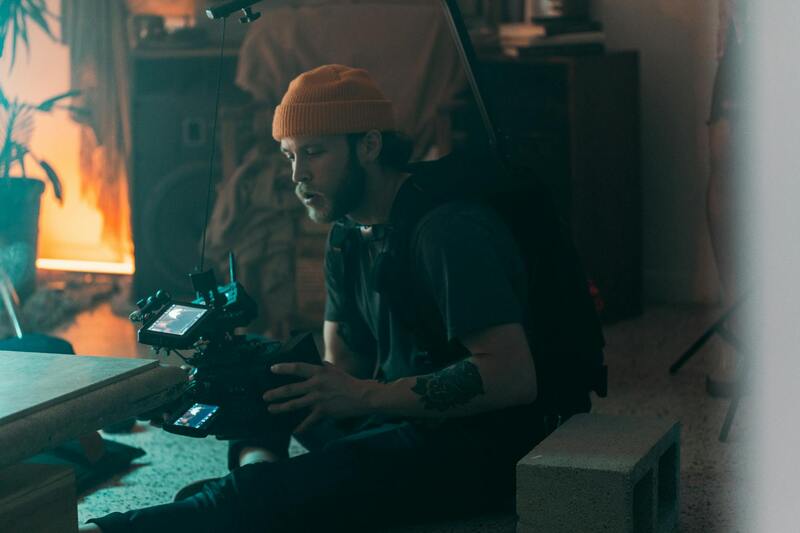
Selecting the Right Drone Equipment and Techniques
Achieving professional-grade footage begins with choosing appropriate drone technology. High-resolution cameras equipped with stabilized gimbals ensure smooth, sharp visuals, even in challenging conditions. Features such as obstacle avoidance, GPS stabilization, and automated flight paths contribute to the precision and safety of the shoot.
Operators also employ advanced capturing techniques like slow tilt or panning movements to add cinematic quality to footage. Pre-flight planning, including route mapping and weather assessment, guarantees optimal filming conditions and minimizes disruptions. Proper editing and color grading further enhance the final presentation, emphasizing key features and maintaining visual consistency across all marketing materials.
Ensuring Optimal and Safe Drone Operations for Real Estate
Maintaining high standards of operational safety and quality is crucial for effective drone footage for real estate. Professionals utilize established procedures to ensure that each flight is executed efficiently, minimizing risks and maximizing footage quality. This includes pre-flight planning where detailed flight paths are mapped and risk assessments are conducted to identify potential obstacles and hazards.
Regular equipment maintenance plays a vital role in guaranteeing reliable performance. Operators perform routine checks on drone batteries, motors, and sensors to prevent technical issues mid-flight. Additionally, they select optimal weather conditions to avoid factors like strong winds, rain, or low visibility that can compromise drone stability and image clarity.
Advanced flight planning tools, including GPS-based autopilot systems and pre-programmed routes, enhance precision during shooting sequences. These tools help avoid unintended obstacles such as power lines or trees, ensuring comprehensive property coverage and smooth camera movements. For footage to meet professional standards, post-flight procedures such as meticulous data management, error correction, and footage review are indispensable.
Engaging certified drone operators who specialize in real estate ensures that every aspect of flight operation adheres to the highest standards. Their expertise in maneuvering equipment and capturing imagery guarantees that property visuals are compelling, clear, and legally compliant, ultimately boosting marketing effectiveness and client confidence.
Ensuring Quality and Consistency in Drone Footage for Real Estate
Implementing official methods to acquire drone footage for real estate demands a structured approach that guarantees the highest standards of quality, safety, and compliance. This begins with selecting certified drone operators who possess extensive experience in real estate marketing and understand the specific visual requirements of property listings. Skilled pilots utilize advanced equipment and follow refined flight plans to ensure each shot aligns with the desired marketing objectives.
Pre-flight planning is critical, involving meticulous site assessments to identify potential obstacles, optimal flight angles, and lighting conditions. This process includes detailed risk assessments, often with the use of high-precision GPS tools and obstacle avoidance systems, to create reliable flight paths that minimize risk while maximizing coverage and image quality. These preemptive measures help capture comprehensive views of the property, from panoramic exterior shots to detailed close-ups of key features.
Expert post-flight procedures are equally important, involving thorough review and editing of footage to ensure clarity, color accuracy, and seamless transitions. Maintaining detailed logs of each flight operation facilitates consistency across different listings and enables the quick retrieval of footage when needed. Proper data management, including secure storage of raw and edited footage, supports ongoing marketing campaigns and property presentations.
Implementing Standardized Protocols for Drone Operations
- Adhering to manufacturer guidelines to operate drones within specified parameters.
- Utilizing certified hardware with integrated safety features such as obstacle detection and geo-fencing.
- Following established flight altitude and distance limits to capture optimal visuals without intruding on privacy or property boundaries.
- Scheduling flights during favorable weather conditions to enhance image clarity and drone stability.
- Conducting regular maintenance and calibration of equipment to prevent technical malfunctions during critical shots.
Ensuring Professionalism and Reliability in Submitting Drone Content
Quality assurance processes involve independent review of footage to verify that it meets industry standards and fulfills client expectations. This includes checking for sharpness, exposure, and effective storytelling through visuals. Additionally, using standardized editing templates ensures uniformity across property listings, which contributes to a cohesive brand image.
Legal Compliance and Ethical Use of Drone Data
Beyond technical procedures, responsible operators strictly follow guidelines related to privacy boundaries and property rights. Capturing drone footage in public or accessible areas minimizes risks of infringement. Operators also respect local property lines and avoid filming in sensitive environments, ensuring that all activities align with best practices for professional conduct.