
Understanding the Importance of Creative Real Estate Photography
In the highly competitive Miami real estate market, the visual presentation of a property can significantly influence buyer interest and sale outcomes. Creative real estate photography goes beyond standard images, emphasizing artistic composition, lighting, and unique perspectives to highlight a property's best features. Such photography not only captures attention but also builds an emotional connection between potential buyers and the property, making it stand out among numerous listings. Miami's vibrant lifestyle and diverse architecture demand images that resonate with the city's dynamic character. High-quality, imaginative photos can showcase the property's ambiance, natural light, and spatial flow, offering potential buyers an immersive experience. Ultimately, compelling visual content enhances online listings, drives more showings, and accelerates the sales process. Smart property presentation through creative photography aids in establishing trust and credibility, reinforcing the professionalism of the listing agent or agency. With expertly crafted images, properties are more likely to be viewed as valuable investments, increasing buyer confidence. Visual storytelling through innovative angles, lighting techniques, and staging can highlight a property's unique selling points—from breathtaking views in waterfront condos to spacious open-plan living areas in luxury homes. This strategic approach in property presentation aligns with the aspirations of Miami’s diverse buyer demographics, helping sellers achieve optimal results. By investing in creative real estate photography, sellers and agents can maximize property appeal, generate more interest, and ultimately, close deals more efficiently. In Miami's fast-paced market, standing out visually is not just advantageous—it's essential for success.
Techniques for Capturing Unique Perspectives
In the pursuit of visually engaging real estate images, employing innovative techniques to capture distinctive perspectives is essential. This involves leveraging various camera angles, heights, and focal points to highlight a property's best features and create a compelling narrative.
One effective method is the use of elevated shots taken from higher vantage points, which can showcase the entire layout of spacious interiors or sprawling outdoor spaces. Similarly, ground-level or low-angle shots emphasize the grandeur of architectural elements or landscape features, offering viewers a fresh outlook that sets listings apart.
Utilizing wide-angle lenses helps to create a sense of openness, making rooms appear more expansive, which is particularly advantageous in showcasing compact urban properties or cozy homes. Incorporating drone photography extends this perspective further by capturing dramatic aerial views of waterfront properties, sprawling estates, or Miami's iconic skyline. These shots provide context and scale, offering potential buyers a comprehensive understanding of the property's surroundings.
Moreover, experimenting with time-of-day photography, such as capturing moments during golden hour or sunset, can add warmth, depth, and an inviting glow to the images. Night photography, with well-placed lighting, can emphasize outdoor amenities like pools, gardens, and exterior facades, creating a captivating atmosphere that resonates with prospective buyers.
Using Professional Equipment and Editing Tools
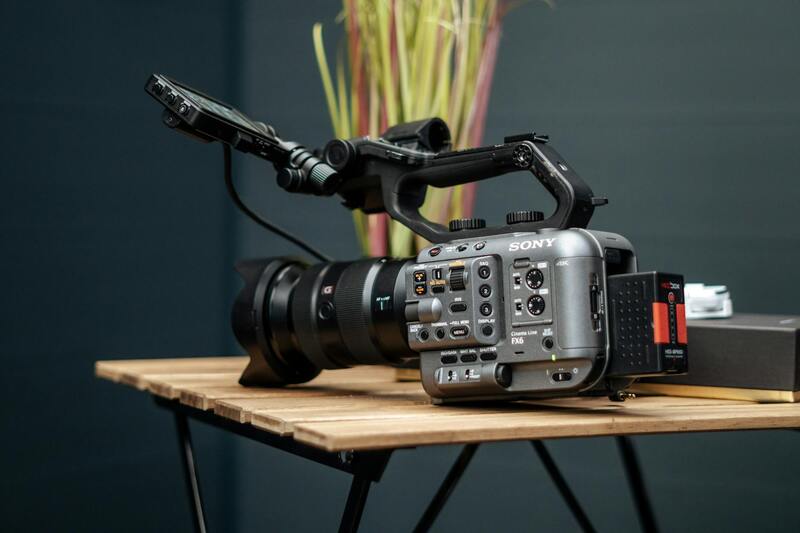
Achieving high-caliber creative real estate photography necessitates the use of advanced equipment and editing software. Professional-grade cameras with high-resolution sensors ensure crisp, detailed images that accurately reflect a property’s details and ambiance.
Wide-angle lenses are pivotal in capturing larger scenes efficiently, minimizing distortion while emphasizing spatial relationships. Tripods are indispensable to maintain stability and achieve sharp images, especially during low-light conditions or long exposures required for night shots or interior lighting.
Post-processing plays a crucial role in refining images. Skilled editing involves adjusting brightness, contrast, and color balance to produce vivid, true-to-life pictures. Techniques such as HDR (High Dynamic Range) imaging enable the balancing of lighting in scenes with mixed brightness levels, ensuring details are visible in both shadows and highlights.
Advanced editing software, like Adobe Photoshop or Lightroom, allows for seamless enhancements without misleading viewers. Virtual staging can also be integrated into the editing process, helping potential buyers visualize living spaces with different furniture arrangements and decor styles.
Styling and Staging for Creative Photos
Effective styling and staging are foundational to creating eye-catching real estate photos. Properly arranged furniture, decor, and accessories accentuate a property’s best features and help viewers imagine themselves inhabiting the space.
For creative shoots, staging should complement the property’s architectural style and the target demographic. For example, sleek modern furnishings highlight contemporary Miami lofts, while classic or coastal decor suits waterfront estates. Thoughtful accessorizing, such as fresh flowers, ambient lighting, and tasteful art pieces, elevates the visual appeal.
Lighting plays a critical role in staging—utilizing natural light alongside well-placed lamps and fixtures creates inviting atmospheres. Decluttering spaces ensures that the focus remains on the architecture and design elements, while strategic placement of furniture maximizes perceived space and flow.
Staged properties with consistent styling across images foster a cohesive story that captures the property's personality and appeal. When combined with creative angles and thoughtful composition, professionally styled homes can drastically improve engagement and interest.
Techniques for Capturing Unique Perspectives
To truly differentiate real estate listings and captivate potential buyers, employing innovative photographic techniques is essential. Wide-angle lenses are fundamental tools that allow photographers to encompass more of a room within a single shot, emphasizing space and openness—particularly beneficial for small or narrow rooms. Strategic use of wide-angle shots can make interiors appear larger and more inviting, giving viewers a strong sense of spatial layout.
Drone photography adds a compelling dimension by providing aerial views of the property and its surroundings. This approach not only highlights expansive outdoor areas like gardens, pools, and recreational spaces but also captures the property's relationship to nearby landmarks, water features, or scenic views.
Creative angles and unusual perspectives can add visual interest and tell a story about the property. Shooting from a low angle can accentuate ceiling height or architectural details, while overhead shots can demonstrate the property's integration with outdoor amenities. Tilt-shift lenses or panoramic compositions may also be employed to craft images that highlight specific features or environments.
Lighting is equally important when exploring these techniques. Utilizing natural light during optimal times enhances the vibrancy and depth of images. Supplementary lighting setups—such as portable softboxes or reflectors—can eliminate harsh shadows and illuminate key features, making the property appear warm and welcoming.
Legal and Ethical Considerations in Creative Real Estate Photography
When engaging in creative real estate photography, adherence to established industry standards and practices ensures the integrity and professionalism of the visual representations. It is essential for photographers and agents to operate within frameworks that respect the rights and privacy of property owners and residents, maintaining transparency throughout the process. This includes obtaining necessary permissions before capturing images, especially when using drones or wide-angle equipment that may inadvertently showcase private areas or neighboring properties.
Honest depiction of the property’s features is vital to foster trust with potential buyers. Creative techniques must enhance the property’s appeal without misrepresenting its condition or scale. Overly exaggerated angles or overly edited images can lead to unrealistic expectations, which might result in dissatisfaction or legal complications. Accurate lighting, honest color rendition, and truthful portrayal of space dimensions uphold credibility in marketing efforts.
Furthermore, compliance with local regulations regarding drone flights and aerial photography is crucial. Many jurisdictions specify altitude restrictions, no-fly zones, and privacy guidelines which must be strictly followed to avoid legal repercussions. Skilled photographers familiarize themselves with these regulations and incorporate them seamlessly into their workflows, ensuring that creative vision aligns with legal responsibilities.

Respect for the property’s confidentiality and the client’s privacy is fundamental. Creatively styled images should never compromise sensitive information or reveal private areas that may not be meant for public viewing. Clear communication with property owners about the scope and style of photography, along with obtaining formal consent, helps maintain professional standards and uphold good relationships.
It is also crucial to avoid manipulative editing techniques that could distort the property’s appearance or mislead buyers. While enhancing images with professional editing tools is permissible to correct lighting or remove distractions, maintaining the authenticity of each space ensures that marketing materials remain trustworthy and compliant with ethical practices.

Overall, balancing creativity with ethical considerations not only enhances the property’s appeal but also sustains the reputation of all parties involved in real estate marketing. Professionalism, transparency, and respect are key pillars that support successful and responsible creative real estate photography.
Legal and Ethical Considerations in Creative Real Estate Photography
Maintaining integrity within creative real estate photography involves a comprehensive understanding of the boundaries that define ethical practices. It is essential for photographers to be transparent with clients about the scope of their work, ensuring that all images accurately represent the property without exaggeration or misrepresentation. This transparency fosters trust and upholds the reputation of the photographer and the real estate agency. Clear communication regarding the editing process, including any enhancements made to the images, empowers clients to make informed decisions about the marketing materials shared with prospective buyers.
Respect for the privacy of property owners and tenants is paramount when capturing creative images. Photographers should obtain formal permission before accessing private areas or showcasing spaces that could reveal sensitive information. Additionally, careful consideration should be given to the inclusion of identifiable personal items within compositions, avoiding any unintended exposure of privacy. This adherence to respectful practices not only aligns with professional standards but also cultivates long-term relationships based on mutual trust.
While editing software offers powerful tools to enhance visual appeal, it is vital during the creative process to strike a balance that preserves the property's authenticity. Techniques such as adjusting lighting, color correction, and removing distractions are acceptable when used judiciously, provided they do not distort the true appearance of the space. Overly manipulated images can mislead potential buyers, leading to disappointment and diminishing credibility. Striving for authenticity ensures that the final images serve as reliable representations, facilitating a transparent transaction process.
Furthermore, compliance with local regulations governing the use of drones and aerial photography must be maintained. This may involve obtaining necessary permits, respecting no-fly zones, and adhering to safety protocols. Avoiding intrusive or disruptive shooting techniques preserves the integrity of the property environment and maintains positive relationships with the community.
Incorporating these ethical practices into creative real estate photography enhances credibility and solidifies a photographer's reputation as a professional. It assures clients and buyers that the visual marketing materials are created with integrity and respect for all parties involved. By adhering to these principles, photographers can produce captivating images that resonate with viewers while maintaining the highest standards of honesty and professionalism.
Enhancing Visual Appeal Through Styling and Staging
Effective styling and staging are foundational elements in creating compelling real estate imagery. When executed thoughtfully, these strategies transform a property's appearance, highlighting its strengths and creating an inviting atmosphere that resonates with viewers. The goal is to evoke an emotional response, encouraging potential buyers to envision themselves living in the space. This process involves selecting appropriate furniture, decor, and color schemes that complement the property's architecture and style, ultimately elevating its perceived value.
Professional stagers often collaborate with real estate agents to meticulously arrange spaces, ensuring each room presents its best features. This includes decluttering, brightening interiors with optimal lighting, and emphasizing architectural details through strategic placement of furniture and accessories. The use of textures, contrasts, and focal points draws the eye to key areas within a space, making photographs more dynamic and engaging.
Furthermore, incorporating seasonal elements or trendy decor styles can make images more relatable and timely, appealing to a broader audience. The careful integration of these details ensures images do not just showcase the property's features but also establish an aspirational lifestyle. High-quality styling and staging, paired with creative photography, unlocks the full potential of a property’s visual presentation.
Investing in professional styling and staging services not only elevates the quality of real estate photos but also accelerates the sales process by making listings more attractive and memorable. When combined with expert photography, these elements form a cohesive visual narrative that stands out in a competitive market.
Understanding the Importance of Creative Real Estate Photography
Creative real estate photography has become an essential strategy in today’s competitive property market. The visual presentation of a listing can significantly influence potential buyers' first impressions, impacting their emotional response and, ultimately, their decision to explore further or make an offer. High-quality, creatively captured images highlight a property's best features and create an inviting atmosphere that resonates across digital platforms. In a landscape saturated with numerous listings, distinctive visuals serve as a critical differentiator, making properties memorable and encouraging viewers to engage with the listing longer. The impact of compelling imagery extends beyond just initial attraction; it can also enhance online listing visibility, attract more views, and generate higher-quality leads. When executed effectively, creative real estate photos can tell a compelling story about the property’s lifestyle potential, aesthetic appeal, and unique characteristics, making it a persuasive tool for real estate marketing professionals.
In addition to attracting interest, creative visual strategies help convey the property's spatial dynamics, architectural details, and ambiance in ways static images often cannot. By thoughtfully capturing the essence of a space, agents and photographers can evoke an emotional connection, inspiring prospective buyers to envision themselves living there. This emotional resonance, fostered through well-crafted imagery, drives faster sales cycles and can improve the overall market value of listings. Moreover, innovative photography can serve as a platform to showcase the property's potential for customization, renovation, or outdoor living spaces, expanding its appeal to a broader demographic. The investment in creative visual content ultimately maximizes a property's exposure and reinforces the seller’s brand in a crowded marketplace.
Key Elements of Creative Real Estate Photos
- Lighting: Proper lighting showcases space accurately and highlights architectural details, creating a welcoming, vibrant atmosphere.
- Composition: Strategic framing and balanced layouts guide the viewer’s eye and emphasize the property’s best features.
- Color Accuracy: Consistent, true-to-life colors appear inviting and authentic, increasing buyer trust and interest.
- Details and Focus: Emphasizing distinctive features, textures, and finishes enhances visual storytelling and increases perceived value.
- Context and Lifestyle Elements: Incorporating lifestyle elements, such as outdoor entertainment areas or cozy interiors, helps buyers imagine living in the space.
Techniques for Capturing Unique Perspectives
Employing different angles and viewpoints can dramatically alter the perception of a space, making it seem larger, more dynamic, or more inviting. Using wide-angle lenses allows for capturing expansive room views, while elevated shots from drone cameras provide impressive aerial perspectives, showcasing outdoor amenities and property layout. Creative compositions that focus on architectural lines, natural light flow, and key focal points draw attention to specific features or areas that might otherwise go unnoticed. The strategic use of reflections, shadow play, and framing elements—such as doorways or windows—adds depth and visual interest. These techniques encourage viewers to explore the space visually, fostering a stronger emotional connection and enhancing the overall impact of the listing.
Using Professional Equipment and Editing Tools
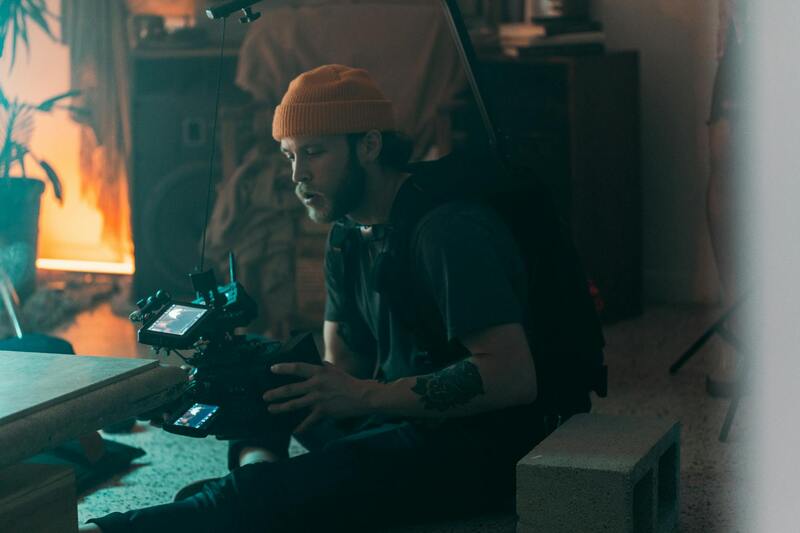
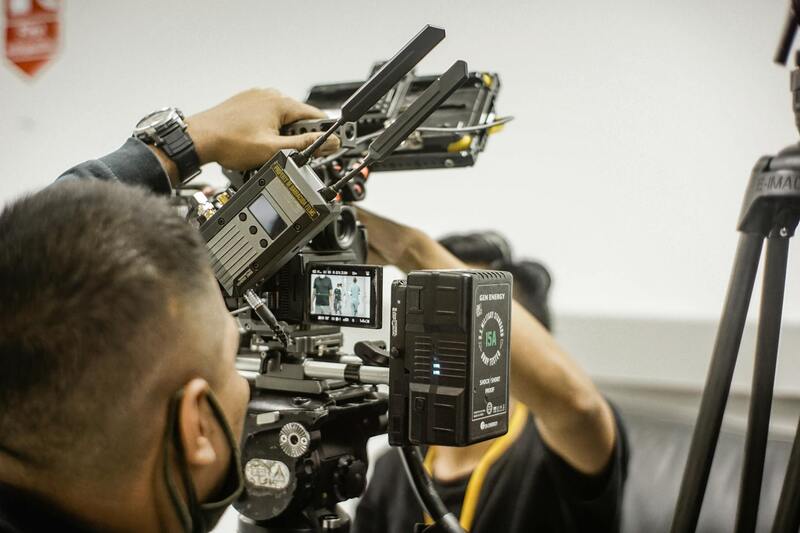
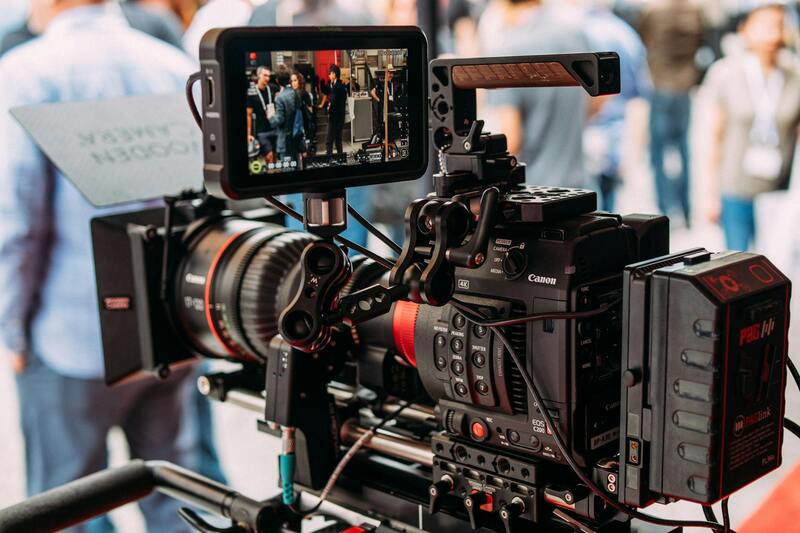
Utilizing high-end cameras, wide-angle lenses, and professional-grade lighting ensures the highest quality images that accurately represent a property’s features. Advanced equipment captures sharper details, better color fidelity, and a broader dynamic range, producing images that stand out online. Post-production editing further enhances these visuals by correcting exposure, balancing colors, and retouching minor imperfections. Techniques such as HDR (High Dynamic Range) imaging blend multiple exposures to produce images with balanced lighting and detail in shadows and highlights. Additionally, virtual staging software allows for the digital placement of furniture and decor, offering viewers a glimpse into potential living spaces without physical staging costs. Proper editing maintains integrity while elevating aesthetic appeal, ensuring the images are both authentic and engaging. Employing these tools and techniques enables real estate professionals to produce visually impactful content that captures attention and accelerates sales processes.
Styling and Staging for Creative Photos
Effective styling and staging are vital in transforming a property into an inviting and aspirational space. Professional stagers work closely with agents to select furniture, accessories, and decorative elements that highlight the property's strengths and align with target demographics. The goal is to create a lifestyle narrative through carefully arranged interiors that appeal to prospective buyers' desires. This process involves decluttering, brightening spaces with strategic lighting, and accentuating architectural features through thoughtful furniture positioning. Incorporating trendy decor or seasonal accents can make images more relatable and timely. Texture plays a significant role, with a mix of materials and contrasts adding depth and visual interest. The ultimate aim is to craft a scene that not only showcases the property's physical attributes but also evokes an emotional response that compels viewers to envision themselves living there. When combined with creative photography, staging elevates the entire visual presentation, making listings more memorable and attractive.
Implementing Virtual Tours and 3D Imaging
Virtual tours and 3D imaging have revolutionized how real estate is marketed, offering immersive experiences that go beyond traditional photographs. High-quality 3D models allow potential buyers to explore every corner of a property from the comfort of their own home, providing a comprehensive understanding of space, layout, and flow. These technologies help bridge geographical gaps, attracting a broader audience and increasing engagement rates. Interactive virtual tours enable viewers to navigate within the property, examining details from multiple perspectives, which fosters a sense of familiarity and confidence prior to in-person visits. Integration of these tools with creative photography enhances their effectiveness, as the visuals serve as base content for virtual experiences, ensuring consistency and quality. When executed professionally, virtual tours and 3D imaging function as powerful marketing assets that elevate a listing’s profile, streamline the sales process, and provide an accurate depiction of the property’s potential to prospective buyers across diverse markets.
Legal and Ethical Considerations in Creative Real Estate Photography
Engaging in creative real estate photography demands adherence to established standards and practices that ensure transparency, respect for property owners, and integrity of the marketing process. Professionals in this field prioritize obtaining proper permissions before capturing images, especially when shooting inside private residences or sensitive areas. Securing these permissions guarantees that all individuals involved are comfortable and aware of how the photographs will be used, fostering trust and safeguarding reputation.
Respecting property rights extends beyond mere permissions. Photographers are responsible for accurately representing the space without exaggeration or misrepresentation that could mislead prospective buyers. This involves honest depiction of a property's features, avoiding deceptive angles, enhancements, or digital alterations that distort reality. Such practices uphold the authenticity of the visual content, facilitating informed decision-making by buyers and maintaining ethical standards in the market.
Another key aspect involves compliance with applicable advertising guidelines and industry best practices. This includes accurately describing the property, not omitting critical details, and ensuring that the visual presentation aligns with the written information. Misleading visuals or omissions can lead to misunderstandings, potential disputes, or reputational damage. Professional photographers strictly adhere to these principles, ensuring their work enhances listing appeal while maintaining integrity.
Furthermore, the integration of advanced imaging techniques like drone photography or 3D virtual tours must be executed responsibly. These technologies should be used to supplement, not replace, standard images, providing a comprehensive yet truthful portrayal of the property. When properly managed, such methods amplify the visual narrative without crossing ethical boundaries or creating unrealistic expectations.
Adherence to legal standards also involves respecting copyright laws related to the images produced. Photographers retain ownership rights unless otherwise specified, and use of images must honor intellectual property rights. Clear agreements and licensing arrangements protect both the creators and the clients, ensuring that images are used properly within the scope of the project.
By integrating these ethical and legal practices, real estate professionals and photographers elevate the quality of their marketing efforts, foster trust with clients, and contribute to a transparent, efficient property marketplace. This responsible approach not only promotes professionalism but also supports sustainable growth in the competitive Miami real estate landscape.