
Importance of High-Quality Commercial Real Estate Images
In Miami's fiercely competitive commercial real estate market, the impact of professionally captured images cannot be overstated. High-quality photographs serve as a critical foundation for marketing strategies, as they directly influence potential tenants and buyers' first impressions. Well-crafted images showcase a property's best features, highlight unique architectural details, and present spaces in their most attractive light. This visual presentation can significantly increase inquiries and facilitate faster negotiations.
Effective commercial real estate imagery enhances the perceived value of a property, making it stand out in listings, brochures, and digital campaigns. In a city like Miami, where aesthetics and presentation often intertwine with the commercial appeal, these images help establish credibility and professionalism. They act as virtual walkthroughs, allowing prospective clients to imagine themselves within those spaces, which can lead to stronger emotional connections and an increased likelihood of engagement.
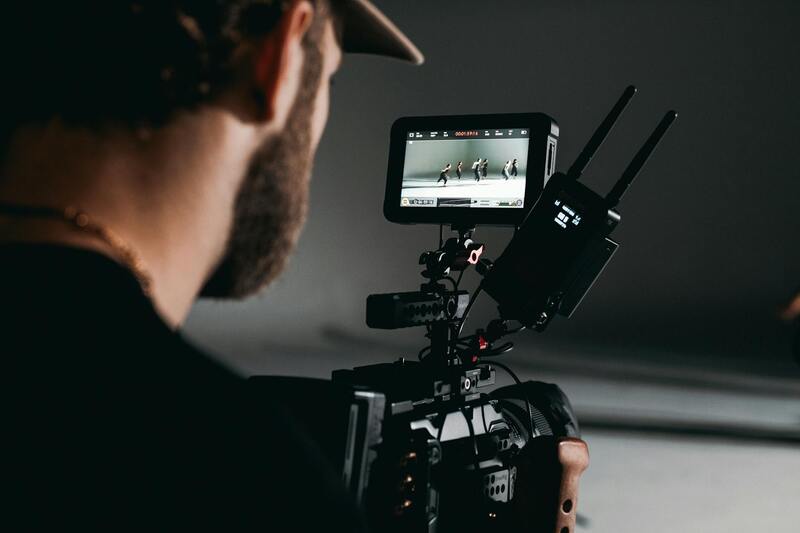
Moreover, professional imagery supports a consistent brand image across various marketing channels, from online listings to printed materials. In a competitive market like Miami, where clients have access to multiple options, the importance of standing out visually becomes even more crucial. Utilizing stunning, accurate, and engaging photographs ensures that properties are presented in the best possible manner, paving the way for successful leasing, sales, and investment opportunities.
Attention to detail in commercial real estate photography not only attracts prospective clients but also reassures them of the property's quality and potential. When optimized for online exploration, these images expedite decision-making and often lead to higher transaction values. Thus, investing in high-caliber photography is a strategic move that aligns with the broader goals of effective property marketing and portfolio management within Miami's vibrant real estate ecosystem.
Choosing the Right Equipment and Techniques
To capture high-quality commercial real estate images, selecting appropriate equipment and employing proven techniques are fundamental. The right camera setup, lens choices, and lighting equipment can dramatically enhance the clarity and appeal of photographs. Full-frame DSLR or mirrorless cameras are typically preferred for their superior resolution and dynamic range, allowing for crisp images that reveal intricate details of the property. Wide-angle lenses are essential to showcase large interior spaces and expansive exteriors without distortion, providing viewers with a comprehensive perspective of the property layout.
In addition to camera gear, utilizing professional lighting techniques is critical. Natural light should be maximized to create vibrant and inviting images, but supplemental lighting is often necessary to eliminate shadows and highlight key features. Techniques such as high dynamic range (HDR) imaging enable photographers to balance the exposure across bright and dark areas, resulting in well-lit and balanced visuals. Utilizing tripod stabilizers helps in maintaining sharpness, particularly in low-light conditions or when capturing interior shots where longer exposures are required. Advanced drone photography can also be leveraged to showcase large commercial sites from aerial perspectives, providing a comprehensive view that ground-level images cannot deliver. This perspective is especially valuable for properties with expansive parking lots, landscaping, or surrounding amenities. Incorporating these equipment choices and techniques ensures that each shot accurately reflects the property's true condition and potential, setting the foundation for compelling visual storytelling that appeals to tenants, investors, and clients alike.
Staging and Preparing Commercial Properties for Photoshoots
Preparing a commercial property before a photoshoot is vital to ensure the images convey professionalism, cleanliness, and appeal. Staging involves arranging furnishings, fixtures, and décor to highlight the space’s functionality and aesthetic qualities. For office spaces, this might include setting up workstations, seating areas, and reception zones to demonstrate potential use cases. Cleaning and decluttering are essential, as clutter can distract viewers and diminish the perceived value of the property. Attention to detail such as replacing worn-out fixtures, arranging plants, and organizing storage areas gives the space a polished appearance. Properly working lighting fixtures and window treatments should also be checked, ensuring they complement natural light and are free of obstructions. For exterior shots, landscaping should be maintained, with lawns mowed and pathways clear. Seasonal considerations, such as removing snow or colorful foliage, can also influence the visual impact. Adequate signage and unobstructed views of entrances or prominent features can help accentuate key selling points. By investing time in staging and property prep, real estate professionals can produce images that accurately reflect the property's potential while appealing to a professional audience seeking spaces that are ready for immediate occupancy or investment.
Editing and Post-Processing for Optimal Results
Post-processing is a crucial step in delivering polished commercial real estate images. Advanced editing software allows photographers to adjust brightness, contrast, and color balance, ensuring that the images accurately reflect the true appearance of the property. Techniques such as perspective correction correct any distortions caused by wide-angle lenses, presenting spaces in a more natural and visually appealing manner. Retouching can also remove minor imperfections such as blemishes, reflections, or distracting elements within the frame. Enhancing architectural lines and emphasizing key features through subtle sharpening can improve the visual impact. Additionally, overlays such as text or branding graphics should be applied judiciously to maintain a professional, clean look. For properties intended primarily for online marketing, image optimization for web use is essential. This involves resizing images for faster load times without sacrificing quality, and applying watermarks or branding elements if necessary. Consistency in editing style across all images reinforces brand integrity and creates a seamless viewing experience for prospective clients. Effective post-processing elevates the overall quality of commercial real estate images, helping properties stand out visually and communicate their best features convincingly to viewers.
Key Elements of Effective Commercial Property Photography
Capturing compelling images of commercial properties requires a deliberate focus on several core aspects that collectively create visually impactful and accurate representations. Each photograph should highlight the property's best features while conveying a clear sense of space, scale, and functionality. The following elements are critical in producing high-quality commercial real estate images:
- Lighting conditions: Proper lighting is fundamental for showcasing interior and exterior spaces. Utilizing natural daylight during the optimal hours ensures true color rendition and reduces unwanted shadows. Supplementing with professional lighting setups can accentuate architectural details and create a welcoming atmosphere within interior shots.
- Composition and framing: Thoughtful composition directs viewers' attention to key features. Using techniques such as the rule of thirds, leading lines, and balanced framing enhances visual interest. For exterior shots, framing includes capturing the building in harmony with its surroundings, emphasizing its scale and design.
- Perspective and angles: Shooting from strategic vantage points offers a comprehensive view of the property. High or low angles, drone perspectives, and wide-angle lenses can reveal the property's spatial dynamics, making small spaces appear more spacious and architectural details more pronounced.
- Clarity and resolution: High-resolution images are essential for detailed inspection and professional presentation. They ensure that marketing materials—whether online listings, brochures, or presentations—maintain crispness and clarity across various platforms.
- Focus on branding and key features: Highlight distinctive elements such as modern facades, spacious interiors, or unique architectural details. Clear, sharp focus on these areas helps communicate the property's value proposition effectively to prospective clients.

Each element works in tandem to produce images that are not only aesthetically pleasing but also serve strategic marketing purposes. When these aspects are executed with precision, they contribute significantly to attracting interest, facilitating leasing or sales, and establishing a strong visual identity for commercial real estate assets.
Choosing the Right Equipment and Techniques
Investing in the appropriate photographic equipment and employing effective techniques are critical elements in capturing compelling commercial real estate images. The right gear ensures that every detail, from expansive exterior shots to intricate interior features, is rendered with clarity, precision, and visual impact.
High-quality cameras with full-frame sensors are essential for capturing high-resolution images that maintain their quality across diverse marketing channels. A wide-angle lens is the preferred choice for interior photography because it allows for capturing more of a space in a single shot, making rooms appear more spacious. When photographing exteriors, telephoto lenses can be used to emphasize architectural details or to capture a property in context with its surroundings, such as urban landscapes or natural features.
Drone technology has revolutionized commercial real estate photography by providing aerial perspectives that showcase the property's scale, layout, and external features. Drone shots are especially valuable for large properties, industrial sites, or developments where a comprehensive view can make a significant difference in marketing materials.

Techniques such as proper lighting and timing are equally important. Shooting during daylight hours, particularly when the light is soft—early morning or late afternoon—reduces harsh shadows and highlights the property's features attractively. Bracketing exposures and HDR (High Dynamic Range) techniques can further enhance images by balancing bright and dark areas, especially in interiors with window light.
Post-processing also plays a pivotal role in ensuring images are visually appealing. Adjustments in brightness, contrast, and color balance should be made subtly to enhance natural features without misrepresenting the property. Correcting lens distortions and retouching minor imperfections can produce a polished final image that exudes professionalism and authenticity.
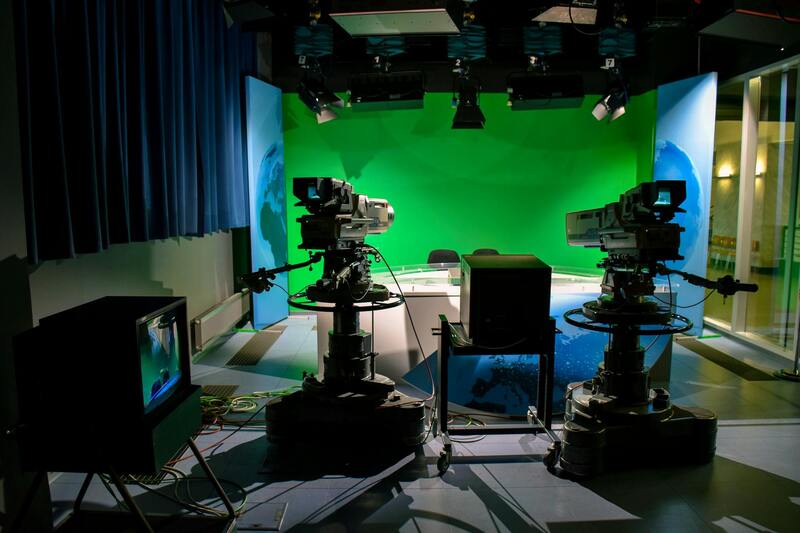
Deep knowledge of photographic composition principles, such as leading lines, rule of thirds, and balanced framing, guides the photographer in creating images that draw viewers' attention naturally to key property features. Incorporating multiple perspectives and viewpoints also allows for a comprehensive visual story, giving potential tenants or buyers a clear understanding of space and scale.
Furthermore, employing consistent style and branding across all images contributes to a cohesive visual narrative, reinforcing the property’s identity and appeal in various marketing contexts. High-quality commercial real estate pictures, captured with precision and artistic insight, significantly elevate the property's visibility and desirability in a competitive market.
Choosing the Right Equipment and Techniques
To produce compelling commercial real estate photographs, selecting appropriate equipment and applying effective photographic techniques are essential. High-resolution digital cameras with full-frame sensors are preferred as they capture detailed images with excellent dynamic range, ensuring the final photos accurately represent the property’s features. Wide-angle lenses, typically ranging from 14mm to 24mm, help to encompass more space within a single shot, making interiors appear larger and more inviting. Using tilt-shift lenses can also correct perspective distortions often seen in architectural photography, resulting in images with straight vertical lines and minimal keystone effects.
Tripods are indispensable for maintaining stability during shoots, especially in low-light conditions or when using HDR techniques that require multiple exposures. Remote shutter releases or camera timers help prevent camera shake, ensuring sharpness across all images. To capture the ambiance of commercial spaces, natural lighting should be maximized whenever possible, supplemented with professional lighting equipment such as softboxes, strobes, or LED panels to enhance interior illumination without creating harsh shadows.
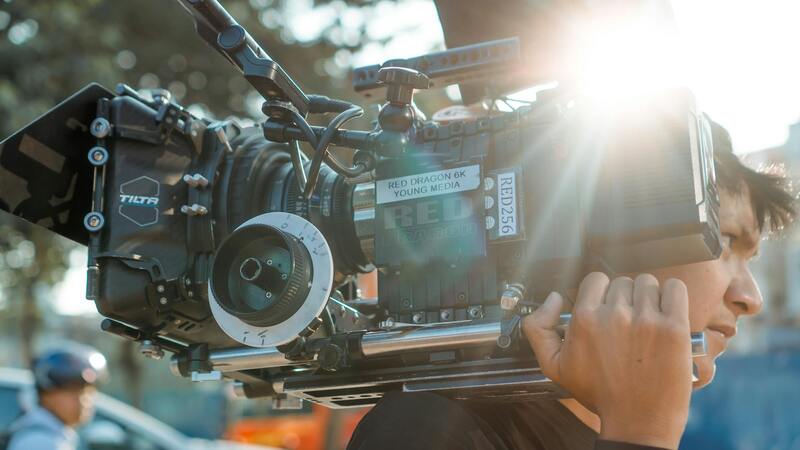
Technique-wise, understanding the importance of composition and scene arrangement can dramatically impact image quality. The rule of thirds, leading lines, and balanced framing guide the viewer’s eye to focal points within the property. Shooting from multiple perspectives, including wide shots and detail-oriented images, creates a comprehensive visual narrative that appeals to potential clients. Employing bracketing exposures and HDR techniques further enhances image quality by beautifully balancing the light interior with bright windows or exterior views, delivering a well-rounded visual experience.
Mastering post-shoot workflow — including proper image file management, color calibration, and using editing software with precise control over adjustments — ensures consistency and professionalism. Retouching to correct minor imperfections without altering the true appearance of the property preserves authenticity while presenting the space in the best light. Overall, a combination of quality equipment and refined techniques enables the creation of commercial real estate images that effectively showcase property potential and attract serious interest.
Legal and Ethical Considerations in Real Estate Photography
When capturing commercial real estate images, it is paramount to adhere to established standards that respect property rights and truthful representation. Securing appropriate permissions from property owners or tenants before conducting a shoot ensures smooth coordination and prevents potential misunderstandings. This proactive approach fosters trust and demonstrates professionalism, which is essential in the competitive realm of commercial real estate marketing.
Additionally, photographers must be mindful of intellectual property rights. Utilizing proprietary elements, branded signage, or artwork within the property requires proper authorization to avoid infringing on copyrights or trademarks. When editing images, maintaining accuracy is crucial; representations should reflect the property's true appearance without misleading embellishments. Overly staged or manipulated visuals can undermine credibility and impact the integrity of the marketing efforts.
Photographers are also tasked with ensuring that images do not omit significant features or distort spatial relationships in a manner that could mislead clients and viewers. Accurate depiction of the property's size, layout, and condition provides a reliable basis for investors and tenants to make informed decisions. This conscientious approach aligns with the professional standards expected in the industry and enhances reputation among clients and prospective buyers.
Another key aspect involves respecting privacy rights. Careful consideration should be given to private areas, and any identifiable individuals depicted in the images should have consented to their inclusion. When working with commercial spaces, especially in mixed-use developments or buildings with active tenants, it is essential to navigate privacy considerations diligently to maintain goodwill and professional integrity.
Legal and Ethical Considerations in Real Estate Photography
In the realm of commercial real estate photography, adhering to established standards of professionalism and respect for rights is fundamental. Professionals must ensure that all imagery is captured and used in a manner that aligns with accepted industry practices. This involves obtaining necessary permissions when photographing private or restricted areas, and respecting the boundaries set by property owners and tenants.
Securing consent from individuals appearing in images is crucial to maintain trust and uphold ethical standards. This applies particularly in spaces where staff or clients might be present, and their identities or activities could be inadvertently revealed. Clear communication beforehand helps prevent misunderstandings and ensures compliance with privacy considerations.
Moreover, documents such as property access agreements and photo release forms typically serve as formalities to clarify the intended use of images. These agreements bolster transparency between photographers, property stakeholders, and agencies, establishing a shared understanding and safeguarding all parties involved.
Photographers should also be meticulous in avoiding the depiction of proprietary or confidential features that could compromise sensitive information. For example, images showcasing secure areas, restricted zones, or proprietary infrastructure must be handled with caution, ensuring that such details are either omitted or appropriately anonymized.
Accuracy in presentation is another cornerstone of ethical practice. Photographers have the responsibility to accurately represent a property’s condition, layout, and features. Alterations that significantly change the appearance or mislead viewers can distort perceptions and result in mismatched expectations.
From a moral standpoint, avoiding deceptive practices preserves the reputation of both the photographer and the real estate professionals they collaborate with. This commitment to integrity enhances credibility with clients and prospective investors, ultimately supporting sustainable business relationships.
Considering the tangible and intangible elements involved in commercial property marketing—including branding, privacy, and safety—professional photographers must approach their craft with a conscientious mindset. Each image should serve as a factual, respectful, and fair representation of the property, aligning with industry standards and fostering trust among all stakeholders.
Legal and Ethical Considerations in Real Estate Photography
When capturing commercial real estate images, adherence to established standards and practices is essential to ensure ethical integrity and professional responsibility. Photographers must be diligent in respecting privacy boundaries and securing necessary permissions for shooting on-site, especially when images involve sensitive or proprietary areas within a property. Clearly communicating with property owners and clients about what will be photographed, how the images will be used, and obtaining formal consent helps in maintaining transparency and trust.
Furthermore, accurate depiction of the property plays a vital role in fostering trust and credibility. Any post-processing or editing should aim to enhance visual clarity without misleading potential clients or investors. For example, removing temporary clutter or adjusting lighting for clarity is acceptable, but altering structural features or fabricating details is unethical. This integrity in representation preserves the reputation of the photographer and aligns with industry standards.
Respecting intellectual property rights is also paramount. Photographers should ensure they hold the necessary rights or permissions for any equipment, props, or brand elements included in commercial property images. Proper attribution and licensing agreements, where applicable, support lawful and fair use of visual content.
In addition, photographers should avoid practices that could potentially mislead viewers. This includes not manipulating images in ways that dramatically alter the appearance of the property or its features—such as exaggerating space, hiding flaws, or misrepresenting amenities. Honesty in visual representation fosters a positive reputation and helps clients make informed decisions based on realistic expectations.
Proper documentation of the images’ creation process, including shot lists, location permissions, and editing logs, can further support ethical standards and offer transparency if questions arise. Maintaining a professional code of conduct and staying informed about industry best practices ensure that commercial real estate photographers uphold the highest standards in their work, contributing to more trustworthy and effective property marketing efforts.