Importance of High-Quality Commercial Real Estate Photos
In the dynamic and highly competitive market of Miami, securing optimal visibility for commercial properties is essential for attracting tenants and buyers. High-quality commercial real estate photos serve as a critical component of this process, offering a visual narrative that highlights the property's strengths and unique features. When professionally captured, these images can make a substantial difference in how a property stands out amidst numerous listings, drawing more attention from potential clients and investors.
Effective photography enhances marketing efforts by providing a clear, compelling representation of the space, facilitating faster decision-making. Well-crafted visuals reduce misunderstandings and set accurate expectations, thereby streamlining the leasing or sales process. For property owners and brokers in Miami, leveraging high-caliber imagery means increased online engagement, higher inquiry rates, and ultimately, improved occupancy or sale outcomes.
Moreover, in a city where modern architecture and diverse commercial spaces define the skyline, professional photos can truly accentuate the aesthetic appeal and technical details of each property. These images are not merely aesthetic; they are strategic tools that serve as a testament to the property's value and appeal, reinforcing credibility and professionalism in the eyes of prospective clients.
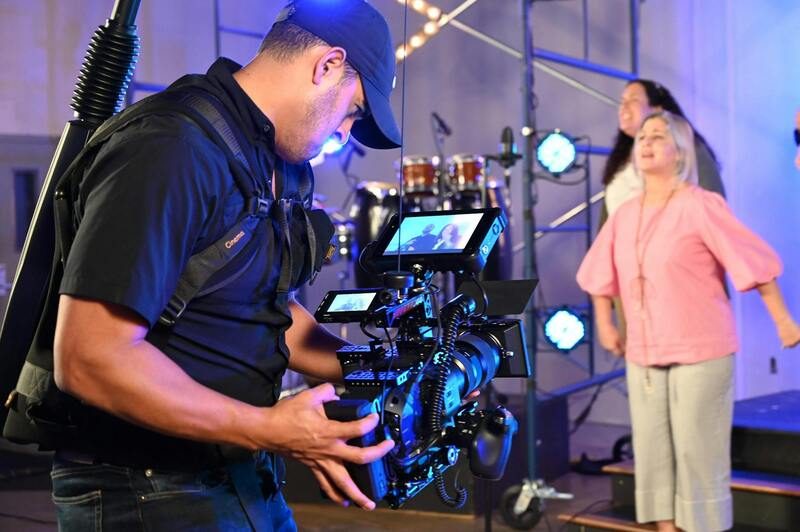
In addition to attracting immediate interest, high-quality photographs facilitate broader visibility across various digital platforms. Listings paired with professional images tend to generate higher engagement rates, such as clicks, inquiries, and scheduled visits. Given the competitive nature of Miami’s commercial real estate sector, investing in superior photography can be a decisive factor in outperforming competitors and securing lucrative deals swiftly.
Furthermore, these visuals play a pivotal role in branding, helping to establish a professional reputation for property managers, developers, and brokers. Overall, professional commercial real estate photos are an indispensable element of a comprehensive marketing strategy that drives results and maximizes the property's market potential.
Best Practices for Capturing Commercial Property Photos
Ensuring that commercial real estate images effectively showcase the property requires adherence to specific best practices. Start by thoroughly planning the shoot, including selecting optimal times of day when natural light can enhance the space's features. It’s essential to stage the property to highlight its best aspects—this might involve decluttering, arranging furniture to accentuate flow, or highlighting key architectural elements. Utilize a systematic approach: photograph each space from multiple angles, ensuring comprehensive coverage of interiors and exteriors. Use wide-angle lenses to capture expansive areas, but avoid distortion that may mislead viewers about the actual size or layout. Proper framing and perspective are critical to creating images that are both compelling and truthful. Equally important is maintaining consistent lighting throughout the shoot. When natural light is insufficient, supplementary lighting can be employed to brighten dark corners, eliminate shadows, and achieve a balanced, professional appearance. Accurate color rendition is vital so that the photographs represent the property’s true condition. Post-processing plays a crucial role in refining images. Adjustments to brightness, contrast, and sharpness can enhance visual appeal without altering the true look of the property. Removing distracting elements or imperfections ensures the images focus solely on the property’s strengths. Finally, reviewing the photos before publishing is essential. Cross-check each image for clarity, proper exposure, and composition. Well-curated, high-quality images will significantly improve online engagement and attract qualified inquiries, making adherence to these best practices indispensable for effective real estate marketing.
Choosing the Right Equipment and Technology
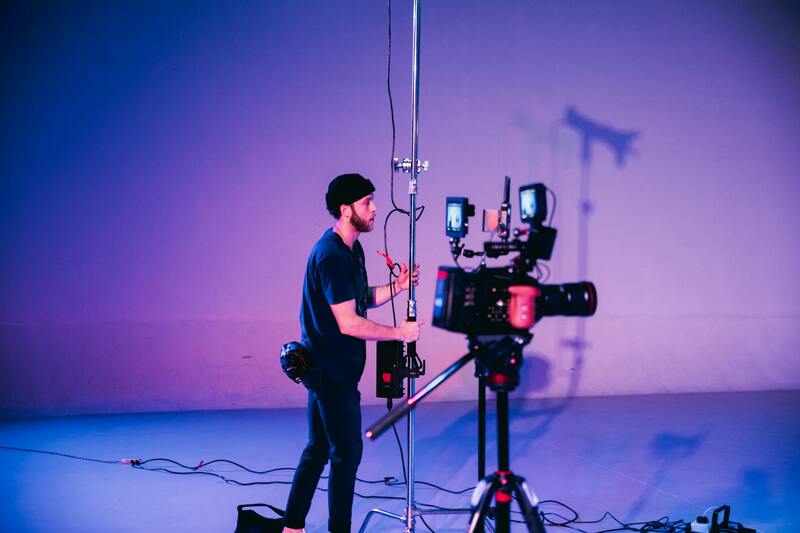
The foundation of high-caliber commercial real estate photography lies in selecting appropriate tools. Professionals typically rely on high-resolution DSLR or mirrorless cameras capable of capturing detailed images in various lighting conditions. These cameras often utilize full-frame sensors that boast superior dynamic range and low-light performance, ensuring crisp visuals even in challenging environments. Lenses are equally vital; wide-angle lenses—commonly between 14mm to 24mm—are standard for interiors and exteriors, capturing expansive views without distortion. For exterior shots, telephoto lenses can be used to isolate specific architectural elements or eliminate distracting background elements. Tripods are indispensable for maintaining stability and achieving sharpness, especially in indoor settings with lower light levels. Drones equipped with high-resolution cameras offer unique aerial perspectives, showcasing the overall context of larger commercial campuses or properties surrounded by landscaping. Emerging technologies like HDR (High Dynamic Range) imaging combine multiple exposures to produce well-balanced photos that faithfully represent both shadowed and brightly lit areas. 360-degree cameras enable virtual tours, offering immersive experiences crucial for remote clients. Investing in the latest equipment not only elevates the quality of images but also streamlines workflows, reduces post-processing time, and ensures consistency across marketing materials. The choice of advanced technology underpins the ability to produce captivating visuals that resonate with today’s digital-savvy audiences.
Importance of Professional Photography Services in Miami
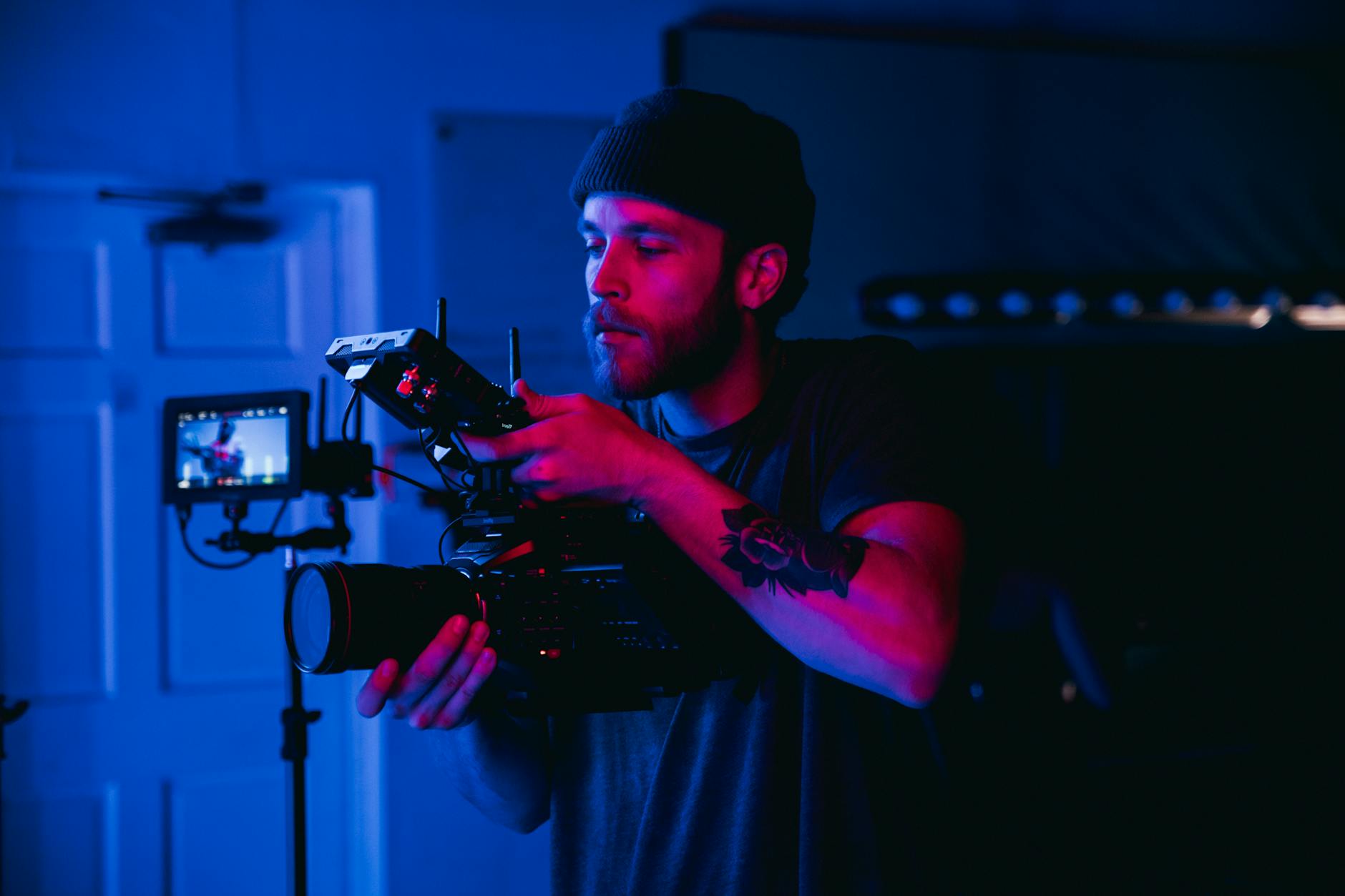
Given Miami’s diverse and dynamic commercial real estate landscape, partnering with experienced professional photographers offers tangible advantages. Local experts possess an in-depth understanding of the city’s architectural styles, lighting conditions, and the competitive market environment. This intimate knowledge allows them to tailor techniques that best showcase each property’s unique qualities. Professional photographers bring specialized skills and equipment that surpass the capabilities of typical amateur setups. Their expertise in composition, lighting, and post-processing ensures each image communicates the property's value precisely and attractively. Furthermore, seasoned professionals are adept at managing logistical aspects such as scheduling during optimal lighting hours, navigating complex properties, and capturing high-impact shots that align with current market preferences. Their ability to deliver consistent quality across a portfolio of properties provides a cohesive and polished visual identity. Investing in local experts also facilitates faster turnaround times, allowing listings to go live promptly and capture timely market interest. For property owners and brokers aiming to stand out in Miami’s highly competitive environment, professional photographic services are an essential component of a comprehensive marketing strategy, driving engagement and increasing the likelihood of successful transactions.
Choosing the Right Equipment and Technology
Selecting the appropriate tools is fundamental for capturing compelling commercial real estate photos that effectively showcase property features and attract potential tenants or buyers. Advanced camera systems, such as full-frame DSLR or mirrorless cameras, provide superior image quality, dynamic range, and flexibility in various lighting conditions. High-resolution sensors ensure that images remain sharp and detailed even when zoomed in or printed at large formats.
Lenses are equally significant, with wide-angle lenses preferred for interior shots to encompass more space within a single frame. Tilt-shift lenses can help correct perspective distortions common in architectural photography, ensuring vertical lines remain straight and aligned. Additionally, drone technology has become a valuable asset for capturing expansive property exteriors, aerial views, and hard-to-reach vantage points, providing a comprehensive visual perspective that static images may not deliver.
Lighting equipment such as portable flashes, softboxes, and reflectors allows photographers to control natural light and eliminate shadows that could obscure property details. For properties with variable lighting conditions, implementing high-dynamic-range (HDR) imaging techniques involves capturing multiple exposures to produce well-balanced images with preserved detail in both shadows and highlights.
Emerging technologies like 360-degree cameras and virtual tour platforms are also gaining traction in commercial real estate marketing. They enable immersive experiences for potential clients and facilitate remote viewing, which has become especially valuable in today’s fast-paced real estate environment.
Investing in cutting-edge equipment not only enhances image quality but also demonstrates professionalism and commitment to quality standards. The best results often stem from a combination of the latest technology and the skills of experienced photographers who understand how to utilize these tools to their full potential.

Legal and Ethical Considerations
Ensuring the authenticity and integrity of commercial real estate images is fundamental to building trust with prospective clients and partners. Accurate representation involves capturing the property without misrepresentation or misleading enhancements that could deceive viewers. Professional photographers adhere to strict standards to maintain photo authenticity, avoiding techniques that distort the true appearance of the space.
Proper consent and permission are crucial when photographing private or restricted areas of commercial properties. This includes securing approval from property owners or managers to avoid any misunderstandings or disputes. Respecting privacy concerns and property restrictions not only upholds professional standards but also safeguards your reputation within the industry.
Post-processing should enhance the quality of images, but overdoing edits that significantly alter the property's appearance can lead to misrepresentation. Techniques like color correction, exposure balancing, and perspective correction should be used judiciously to present a truthful yet attractive view of the property. Using consistent editing standards across a portfolio of commercial listings ensures a professional and trustworthy presentation.
Adhering to established guidelines for commercial real estate photography demonstrates a commitment to transparency and quality. This ethical approach enhances credibility among stakeholders and reflects positively on your branding as a dependable service provider. Ultimately, high-quality commercial real estate visuals, created with integrity, serve as a powerful tool in attracting serious investors, tenants, and partners.
Legal and Ethical Considerations
When capturing commercial real estate images, adherence to established standards is essential for maintaining transparency and trustworthiness. It is vital to obtain explicit permission from property owners or authorized representatives before photographing any commercial spaces, especially in restricted or private areas. Securing documented consent ensures that the rights of stakeholders are respected and helps prevent potential conflicts that could arise from unauthorized photo sessions. Employing clear communication about the scope and purpose of the photography encourages cooperation and demonstrates professionalism. Respect for privacy is a cornerstone of responsible commercial real estate photography. This includes avoiding intrusive shots of sensitive areas or features that could reveal confidential business operations. When photographing interiors, be mindful of any signage, proprietary information, or confidential setups that should not be publicly displayed. Ensuring that all visuals accurately reflect the property without exaggerated or misleading enhancements preserves the integrity of the marketing process. Ethical editing practices are equally important. While post-processing can enhance image clarity and appeal, it should not alter the core features of the property. Adjustments like color correction, exposure balancing, and perspective corrections serve to present the space accurately and professionally. Over-editing or manipulating images to create a false representation can confuse viewers and undermine trust. Additionally, professionals must stay updated on policies and regulations related to commercial photography in specific locations. Some areas may have restrictions for drone usage or guidelines for photographing certain types of properties. Compliance with these requirements ensures that the photographic process remains aligned with regional standards and prevents potential disruptions. Adopting these ethical practices not only bolsters your reputation but also supports the broader industry by fostering a climate of honesty and respect. When clients, investors, and tenants see that your visuals are produced responsibly, their confidence in your services grows, leading to stronger relationships and more successful transactions.
Legal and Ethical Considerations
When engaging in commercial real estate photography, it is essential to adhere to codes of conduct that uphold transparency, honesty, and respect for all parties involved. Properly obtaining permissions before photographing private or restricted areas ensures that images are taken within appropriate boundaries. This includes securing consent from property owners or managers and understanding any contractual limitations regarding the use of images.
Respecting privacy and proprietary information is critical. Photographers should be cautious not to unintentionally include sensitive details or confidential setups in their shots. For example, capturing areas with proprietary signage, confidential documents, or restricted access points can inadvertently compromise client interests. Careful planning of shot angles and selecting appropriate times for photography can mitigate such risks.
Accurate representation of the property through photography is also a cornerstone of professional integrity. This involves capturing images that faithfully depict the space’s dimensions, layout, and features without misleading viewers through excessive editing or staging. Clear communication with clients about the scope and intent of the photos enhances mutual understanding and sets realistic expectations.
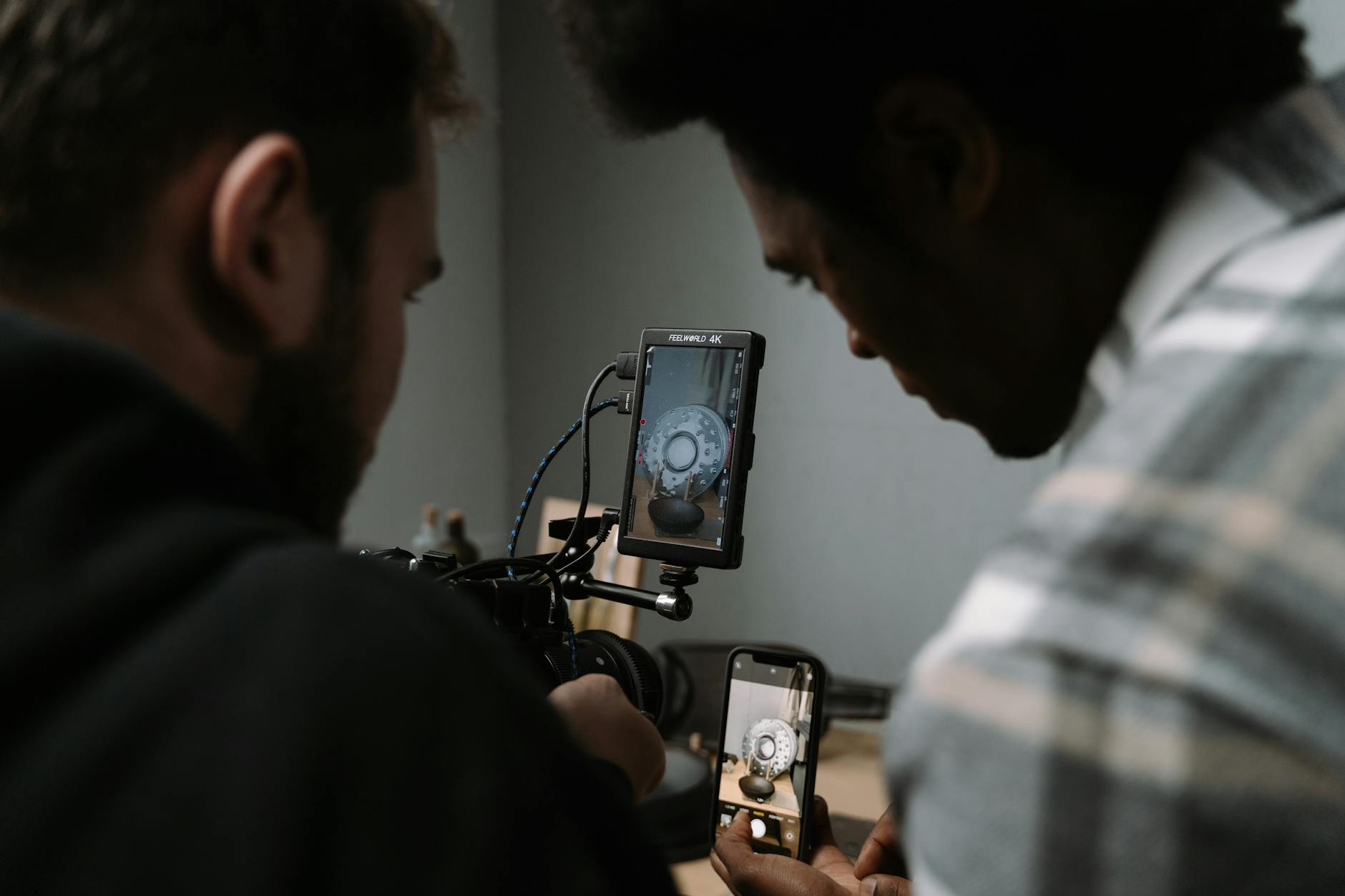
Moreover, understanding regional regulations concerning drone photography, use of surveillance equipment, or shooting in sensitive locations can prevent inadvertent violations. Professionals should stay informed about the specific standards governing commercial photography in Miami and other relevant jurisdictions, which may dictate operation times, altitude restrictions, and privacy boundaries.
Adopting a transparent and compliant approach to commercial real estate photography not only safeguards all parties but also reinforces trustworthiness. Clients and investors are more likely to engage with professionals who demonstrate a commitment to ethical standards and legal adherence. This approach fosters long-term relationships and enhances the reputation of the photography provider within the industry.
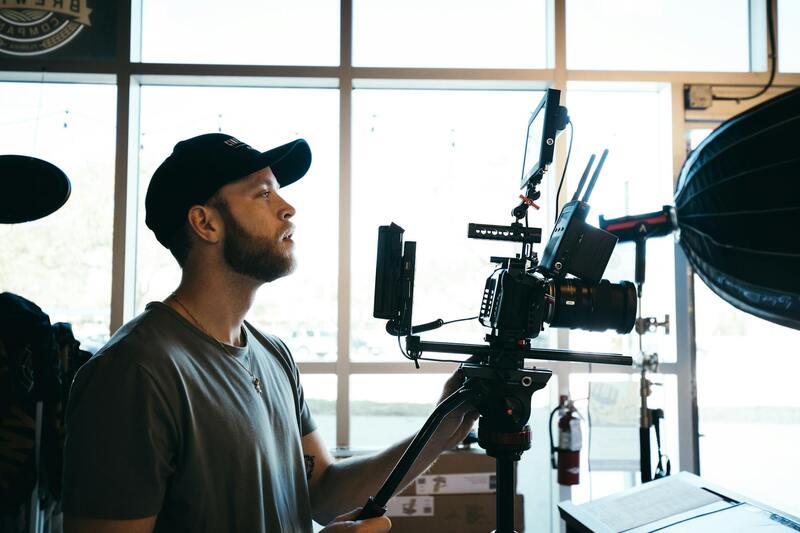
Importance of High-Quality Commercial Real Estate Photos
In the highly competitive commercial property market, visually appealing and accurate photographs serve as a vital tool to attract potential tenants, buyers, and investors. High-quality images enhance the property's perceived value, showcase its unique features, and provide a clear understanding of space utilization. Precision in lighting, color accuracy, and composition ensures that prospects receive a true representation of the property, avoiding misunderstandings and fostering trust. Given the digital nature of modern real estate marketing, exceptional photos are often the first interaction a prospective client has with a property, making them a critical component of effective sales strategies.
Properly crafted images not only attract immediate attention but also increase listing engagement, reduce marketing time, and facilitate quicker transactions. For commercial spaces, where the floor plan and spatial dynamics are crucial, detailed photography helps clients visualize the property's full potential without the need for multiple site visits. This initial visual impression significantly influences decision-making, underscoring the necessity of investing in professional photography services that understand the nuances of commercial real estate marketing.
Key Features to Highlight in Commercial Real Estate Photos
- Architectural Details: Showcasing unique structural elements, facade design, and key architectural features to make the property stand out.
- Interior Space and Layout: Clear images of office layouts, open spaces, conference rooms, and amenities to help buyers understand flow and capacity.
- Lighting and Atmosphere: Natural light, lighting fixtures, and ambiance that demonstrate the usability and comfort of the space.
- Exterior and Surroundings: Visuals of landscaping, entry points, parking, and nearby infrastructure to give context and enhance curb appeal.
- Neighborhood and Accessibility: Highlighting proximity to major roads, transit options, and neighborhood features that can influence property value.
Best Practices for Capturing Commercial Property Photos
- Plan the Shoot: Visit the property beforehand to identify the best angles and prepare equipment setup, ensuring all areas of interest are covered.
- Optimize Lighting: Use a combination of natural and artificial lighting to eliminate shadows and highlight key features, avoiding overexposure or underexposure.
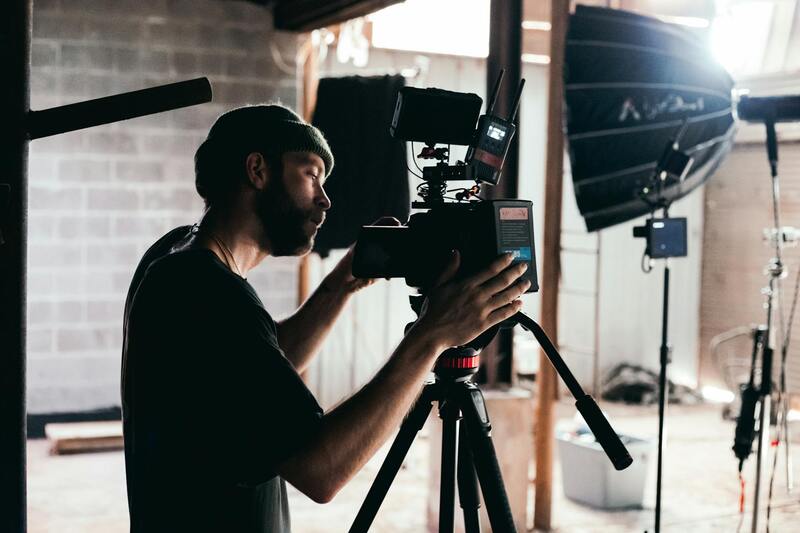
- Use a Tripod: Stabilize your camera to achieve sharp images and maintain consistency across multiple shots.
- Capture Multiple Perspectives: Take wide-angle shots for overall space, as well as close-ups on details to provide comprehensive views of the property.
- Maintain Accuracy: Avoid excessive editing that could distort true visuals. Emphasize authenticity in every photograph.
- Stage the Space: Arrange furniture and decor to showcase the property's potential without overly transforming the space, ensuring a balance between appeal and realism.
- Focus on Composition: Utilize the rule of thirds, leading lines, and framing techniques to create visually engaging images.
Choosing the Right Equipment and Technology
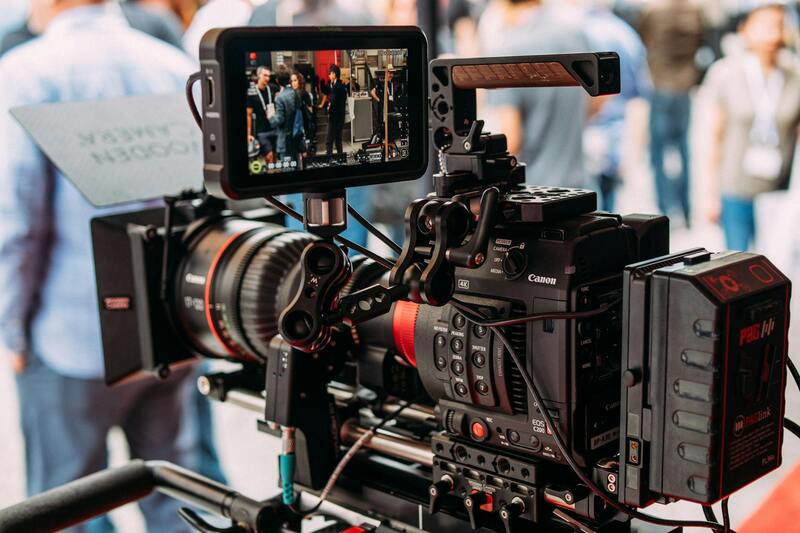
Utilizing advanced camera systems, drones, and 3D imaging technology can significantly elevate commercial real estate photography. High-resolution DSLR or mirrorless cameras equipped with wide-angle lenses help capture detailed and expansive views of interiors and exteriors. Drone photography offers unique vantage points especially for large properties or those with striking external features, providing aerial perspectives that ground-based images cannot achieve. Moreover, 3D virtual tours and panoramic images add an interactive dimension, allowing viewers to explore the property remotely and gain a more immersive understanding of the space.
Importance of Professional Photography Services in Miami
Miami’s dynamic real estate market demands top-tier visual content that distinguishes listings in a crowded marketplace. Professional commercial photography services bring expertise in capturing the vibrant and diverse architectural styles prevalent across Miami’s neighborhoods. Local photographers understand regional lighting conditions, city regulations, and cultural preferences, enabling them to produce images that resonate with target audiences. They also provide clients with tailored solutions, from aerial shots and twilight images to detailed interior captures, all designed to appeal specifically to commercial clients.
Optimizing Photos for Online Listings and Marketing
Once captured, commercial real estate photos must be strategically optimized to amplify their impact across digital platforms. High-resolution images should be compressed appropriately to ensure fast loading times without sacrificing quality. Metadata, including accurate descriptions and keywords, enhances searchability on listing platforms. Utilizing consistent color grading and editing standards helps maintain brand coherence across all marketing materials. Additionally, creating various formats—such as thumbnails, banner images, and social media-sized visuals—ensures maximum adaptability for different channels. Engaging visuals combined with compelling captions can significantly boost viewer engagement, drive inquiries, and ultimately facilitate property transactions faster.
Legal and Ethical Considerations in Commercial Real Estate Photography
Achieving outstanding commercial real estate photographs involves adhering to established standards that respect privacy, property rights, and safety regulations. Photographers must obtain the necessary permissions before capturing images of private properties, especially when including sensitive areas or confidential details. When shooting in commercial environments, it’s vital to confirm access rights and secure prior consent from property owners or authorized representatives to avoid potential disputes or misunderstandings.
Respecting the integrity of the property is paramount. This includes avoiding intrusive techniques that could damage the space or disrupt ongoing operations within commercial facilities. Photographers should employ non-intrusive methods such as natural lighting and static camera setups, ensuring that sessions do not interfere with the property's daily functions.
Another key aspect involves accurately representing the property. This means refraining from editing images in a way that could mislead viewers about the space’s actual condition or characteristics. Transparency in presenting the property helps maintain trust with potential clients and aligns with industry best practices.