Importance of High-Quality Commercial Property Photos
In the competitive Miami real estate market, the significance of high-quality commercial property pictures cannot be overstated. These images serve as the first impression for prospective tenants and buyers, influencing their decision to explore further or move on to another listing. Professionally captured photographs can dramatically enhance a property's visibility across various marketing channels, including websites, social media listings, and printed brochures.
High-caliber images convey professionalism and attention to detail, fostering confidence among potential clients. When prospective clients view clear, vibrant, and well-composed photographs, they are more likely to perceive the property as valuable and worth their investment. Conversely, poorly lit or generic images can diminish a property's appeal, making it less likely to attract serious inquiries.
In Miami's bustling commercial real estate scene, properties with compelling visuals tend to garner more interest, leading to quicker leasing agreements and sales. This visual appeal plays a pivotal role in creating an emotional connection with viewers, helping them envision the potential of the space. Effective photography also helps highlight the unique features and advantages of the property, such as modern interior designs, prime locations, and quality finishes, setting it apart from the competition.
In essence, high-quality commercial property pictures serve as an essential marketing tool, impacting leasing success and sale prices. They are a critical component in the overall strategy to position a property favorably within Miami's dynamic real estate landscape. A strategic investment in professional photography not only elevates the property's perceived value but also accelerates the transaction process by drawing motivated and qualified prospects.
Best Practices for Capturing Commercial Property Images
To ensure that commercial property pictures convey the true essence and appeal of the space, adherence to best practices in photography is essential. Proper planning, execution, and post-shoot procedures contribute significantly to producing images that attract interest and demonstrate professionalism.
First, comprehensive pre-shoot preparation involves a detailed walkthrough of the property to identify key features, optimal angles, and lighting conditions. Scheduling the shoot during times of natural light enhances the image quality, highlighting the property's most appealing aspects. Cleaning and staging the space beforehand ensure that it appears tidy and inviting, avoiding distractions that could detract from the overall presentation.
Next, selecting the appropriate camera equipment is critical. High-resolution DSLRs or mirrorless cameras paired with wide-angle lenses allow for capturing expansive interiors without distortion. Proper camera settings, such as a small aperture for greater depth of field and correct exposure adjustments, help produce sharp, vibrant images with rich detail.

During the shoot, employing techniques like HDR (High Dynamic Range) imaging can manage challenging lighting contrasts between bright windows and darker interior areas. Tripods stabilize the camera for consistent framing and sharpness, especially in low-light settings. Additionally, capturing images from multiple angles provides a comprehensive view of the space, allowing potential clients to explore the property virtually.
Post-shoot, meticulous attention to image processing ensures consistency and visual appeal. Adjustments to brightness, contrast, color balance, and perspective corrections help refine the photos without over-editing or misrepresenting the property. Maintaining a natural, true-to-life appearance is fundamental in building trust and accurately showcasing the property's features.
Including Aerial and Drone Shots in Commercial Photography
Complementing traditional ground-level images with aerial photography provides an expansive perspective of the property and its surroundings. Drone shots are particularly effective in illustrating the property's size, layout, and proximity to key amenities or transportation links. These images elevate the visual storytelling aspect, emphasizing the property's strategic location and accessibility.

Capturing these aerial shots requires careful planning of flight paths, ensuring clear weather conditions, and choosing optimal times of day for lighting. Properly executed drone photography can significantly differentiate a listing in a competitive market, appealing especially to investors and developers seeking impactful visual evidence of the property's potential.
Post-Processing and Image Optimization
After capturing high-quality images, the process of post-processing ensures they meet the desired standards for marketing. This includes cropping to improve composition, straightening images for proper alignment, and color correction to maintain consistency across the portfolio. When optimized appropriately, images load faster on websites and listings, which improves user experience and search engine rankings.
Consistency in tone, color palette, and style across all photographs reinforces brand identity and reinforces professionalism. An investment in skilled editing also minimizes visual distractions, such as lens glare or minor imperfections, further presenting the property at its best. These refined images become powerful assets for online listings, brochures, and social media campaigns.
Using Commercial Property Pictures for Marketing and Listings
High-quality images are integral to effective digital marketing strategies. Well-crafted visuals attract prospective tenants, buyers, and investors by creating compelling online listings across real estate portals, agency websites, and social platforms. Clear, vibrant photographs help potential clients form an immediate impression, encouraging them to schedule viewings or contact agents directly.
In addition to online use, professionally captured images enhance print materials, signage, and promotional brochures, ensuring consistent branding across all channels. Integrating a mix of interior, exterior, and aerial shots maximizes the property's visual story, highlighting its best features and unique selling points. This multi-faceted approach can significantly impact the speed and success of transactions.
Legal and Ethical Considerations in Commercial Photography
Ensuring compliance with legal and ethical standards is fundamental when creating commercial property images. This involves obtaining necessary permissions for filming or drone use, respecting adjacent properties' privacy, and adhering to local regulations regarding aerial photography. Clear documentation of permissions and adherence to guidelines safeguards the integrity of the marketing process and prevents potential disputes.
Furthermore, accurate representation of the property’s features is paramount. Photographers should avoid excessive editing or misrepresentation that could mislead viewers about the space’s condition or capabilities. Transparent and truthful presentation fosters trust with clients and potential buyers, reinforcing a professional reputation.
Best Practices for Capturing Commercial Property Images
Achieving exceptional commercial property pictures involves meticulous attention to several core photography principles. Proper lighting is essential, as it illuminates the space evenly and highlights key architectural features without creating harsh shadows or overexposure. Natural light is preferable during daylight hours, but supplemental lighting or professional flash equipment may be necessary to maintain consistency, especially in interior shots.
Angles and composition significantly impact the viewer’s perception of space. Wide-angle lenses are typically employed to capture more expansive areas, making rooms appear larger and more inviting. It is important to maintain a balanced perspective, avoiding distortions that could misrepresent the property's true dimensions. Strategic positioning of the camera can accentuate desirable features like high ceilings, spacious layouts, or prominent architectural details.
Staging involves arranging furniture and decorative elements to showcase the potential of each space. Even in commercial settings, a clean, uncluttered environment presents a professional image. Additionally, attention to detail in tidying up the area ensures that the photographs reflect the property’s best possible condition. Properly staged images help potential tenants or buyers envision how they might utilize the space, increasing engagement and interest.
The Role of Professional Photographers and Equipment
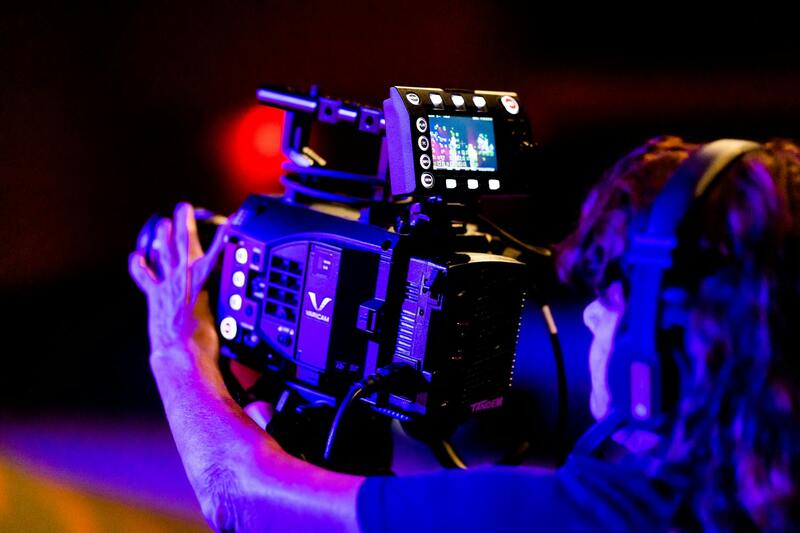
Employing skilled photographers equipped with high-end cameras and accessories guarantees high-quality results. Professional photographers understand the nuances of commercial property lighting, angles, and composition, ensuring each shot accurately represents the space's scale and ambiance. Their expertise extends to selecting optimal lenses, such as wide-angle models, and adjusting settings for crisp, clear images.
Advanced equipment like tripod stabilizers, external flashes, and flash diffusers provides consistent lighting and sharpness, even in challenging environments. Drones and aerial cameras are also invaluable tools for capturing expansive exterior views or hard-to-reach angles. An experienced professional also understands best practices for coordinating on-site shoots, including access arrangements and scheduling to minimize disruptions.
Furthermore, professionals are well-versed in adhering to regulations surrounding the use of specialized equipment, such as drones, ensuring that all images are taken lawfully and ethically. Their technical skill and attention to detail translate into a polished, credible visual presentation that underscores the property's value.
Including Aerial and Drone Shots in Commercial Photography
Aerial and drone photography expand the visual scope of commercial property listings, offering panoramic views and highlighting surroundings that ground-level photos may not capture effectively. These perspectives can showcase the property's proximity to major roads, amenities, or natural features, adding context that appeals to prospective clients.
Optimal drone operation involves planning flight paths to cover key areas from various angles, ensuring comprehensive coverage of the property. Using high-resolution drones with stabilized gimbals results in smooth, clear images suitable for marketing materials.
It is essential to coordinate drone flights with local regulations and obtain necessary permissions beforehand, demonstrating professionalism and respect for private property. Skilled drone operators also understand optimal lighting conditions to avoid issues like glare or shadows, maximizing image quality.
Post-Processing and Image Optimization
Post-processing involves refining images to ensure they accurately reflect the property's features while enhancing visual appeal. This includes adjusting brightness, contrast, and color balance to achieve a natural yet vibrant look. Cropping or straightening images ensures proper framing and composition.
Digitally removing minor imperfections or distractions, such as wires or clutter, creates a cleaner presentation. However, it is vital to maintain transparency; excessive editing that alters the true appearance of the property should be avoided to preserve credibility.
Optimizing images for online use involves resizing and compressing files to facilitate quick loading times without sacrificing quality. Additionally, using appropriate file formats and resolution settings ensures images look sharp across various devices and platforms.
Incorporating Exceptional Commercial Property Images into Marketing Strategies
Once high-quality images have been captured, the next pivotal step involves leveraging these visuals across various marketing channels to maximize reach and engagement. Professionally taken commercial property pictures serve as a compelling visual narrative that can significantly influence prospective tenants, buyers, and investors. Proper deployment of these images across platforms like property listing websites, social media, email campaigns, and print advertising ensures the property gains maximum exposure.
Optimized Presentation in Online Listings
In digital property listings, images are often the first touchpoint for potential clients. Ensuring that each photo is optimized for platform specifications is critical. This includes resizing images to appropriate dimensions, compressing files for quick loading times, and selecting suitable file formats to maintain clarity. High-resolution images that load swiftly help reduce bounce rates and increase user engagement.
Enhancing Visual Appeal in Brochures and Promotional Materials
Printed brochures and electronic catalogs benefit greatly from professionally prepared commercial property pictures. High-quality images with balanced lighting, precise angles, and a clean presentation create a polished look that reinforces the property's value proposition. Incorporating a variety of shots — interior, exterior, aerial, and detailed views — provides a comprehensive perspective, making the property more attractive to potential clients.
Utilizing Commercial Property Photography in Digital Advertising
Digital advertising campaigns, such as targeted social media ads and pay-per-click campaigns, rely heavily on striking visuals. Properly optimized high-resolution images should be used to craft visually compelling ads that capture attention instantly. Dynamic image carousels, interactive virtual tours, and high-definition videos can further augment the impact of marketing efforts.
Implementing an Integrated Marketing Approach
The strategic integration of commercial property pictures across multiple channels amplifies their effectiveness. Cohesive visuals that follow consistent branding guidelines strengthen recognition and trust. Detailed analytics can track engagement metrics, helping to refine visual content strategies based on viewer interactions.
Measuring Impact and Continual Improvement
Monitoring how images perform in different contexts allows for iterative improvement. Metrics such as click-through rates, time spent viewing images, and inquiries generated provide insights into what resonates most with audiences. Regular updates and refreshes of visual content keep marketing campaigns vibrant and competitive.
Post-Processing and Image Optimization
Post-processing is a critical step in delivering visually compelling commercial property images that meet high standards of quality and appeal. After capturing the photographs, professional editing techniques are employed to enhance lighting, correct color balance, and remove any distractions or imperfections. This process ensures images reflect the property’s true potential, making it more enticing to prospective tenants or buyers. Attention to detail in editing can also highlight architectural features and spatial arrangements, creating a more immersive visualization.
Beyond basic editing, image optimization plays a vital role in digital marketing strategies. Optimized images load quickly without sacrificing quality, which is essential for maintaining user engagement and reducing bounce rates on websites and listings. Compression techniques ensure file sizes are manageable, facilitating faster website performance and seamless integration into various platforms. Additionally, creating multiple versions of images—such as different aspect ratios or resolutions—optimizes their display across desktops, tablets, and smartphones.
Using Commercial Property Pictures for Marketing and Listings
Effective utilization of commercial property photography significantly enhances marketing campaigns and online listings. High-resolution images serve as the visual foundation of digital property listings, brochure materials, and social media content. When potential clients browse listings, quality images provide immediate visual evidence of the property's value, attracting more inquiries and visits.
Property managers and brokers should strategically arrange images to tell a compelling story about the space. Starting with striking exterior shots, followed by well-lit interior photos showcasing key areas such as conference rooms, reception areas, and amenities, creates a comprehensive narrative. Incorporating varied angles, close-ups of unique features, and contextual shots of surrounding areas provides a holistic view that appeals to diverse interests.
Consistent branding elements, such as logos or color schemes, integrated into the images, reinforce brand recognition and trustworthiness. Furthermore, utilizing digital platforms that support interactive features, like 360-degree views or virtual tours, enhances user engagement and provides a more immersive experience, ultimately increasing the likelihood of securing tenants or investors.
Legal and Ethical Considerations in Commercial Photography
In the realm of commercial property photography, adherence to established protocols ensures the integrity and professionalism of the visuals presented. Precise licensing agreements and permissions for capturing images of private or restricted areas are fundamental. This involves obtaining explicit consent from property owners or authorized representatives prior to conducting on-site shoots, especially when photographing interiors or branded spaces. Respecting privacy boundaries and sensitive features safeguards the trust between photographers and clients, fostering long-term professional relationships.
When incorporating images of individuals within commercial property photos, it is crucial to have their approval, particularly if they are identifiable and in exclusive areas. This can be achieved through signed releases that permit the use of their likenesses in marketing materials and listings, thus preventing potential misunderstandings or disputes. Ensuring that photographs accurately depict the property’s features without misrepresentation further enhances credibility and confidence among prospective clients and tenants.
Additionally, photographers should be aware of specific industry standards and guidelines that regulate commercial imagery. For instance, avoiding alterations that could distort the property's true appearance upholds transparency and respect for the audience’s trust. Incorporating images that reflect the property's authentic features—such as genuine lighting conditions, structural elements, and layout—supports honest marketing practices.

Ethical considerations also extend to the editing process. Post-production should enhance the visual appeal without exaggerating or concealing critical aspects of the property. Transparency about image alterations, when applicable, maintains integrity and aligns with industry expectations. These practices not only uphold the reputation of the photographer but also reinforce the trustworthiness of the property listing itself.
Incorporating Aerial and Drone Shots in Commercial Photography
Capitalizing on aerial and drone photography has become an essential strategy for presenting commercial properties in a dynamic and comprehensive manner. These images provide an unparalleled perspective, capturing the full scope of the property’s footprint, surrounding infrastructure, and nearby amenities. Such vantage points are particularly effective in showcasing large-scale developments, complex layouts, or properties situated in expansive environments, where ground-level images might not fully convey the scale or context.
Utilizing drones equipped with high-resolution cameras allows for detailed, wide-angle shots that can highlight key attributes such as building proximity to transportation hubs, site accessibility, and landscape features. This perspective assists prospective tenants or investors in assessing the property’s strategic location and overall appeal.
Furthermore, aerial imagery enhances marketing content by creating visually engaging materials that stand out across various platforms. These shots can be incorporated into virtual tours, online listings, and promotional videos, providing an immersive experience that encourages interest and engagement.
It is essential to plan drone flights carefully, considering optimal lighting conditions and timing to maximize image quality. Synchronizing aerial shots with ground-level photos ensures a cohesive visual narrative. Moreover, adhering to safety protocols and obtaining necessary permissions prior to drone operation guarantees a smooth process, emphasizing a commitment to professionalism and responsible practices.
Integrating aerial photography into a comprehensive marketing strategy effectively elevates a commercial property’s presentation, helping it reach a broader audience with compelling visuals that highlight its key features and advantageous positioning.
Securing proper permissions before capturing images of commercial properties is fundamental to maintaining transparency and fostering trust with clients and property owners. It involves obtaining explicit consent for photographing private or restricted areas and clarifying the intended use of the imagery in marketing materials, listings, or digital platforms. Respecting property rights ensures that all images are produced within agreed-upon boundaries, reducing the risk of misunderstandings or conflicts.
Photographers must also be vigilant about privacy laws, especially when capturing images that might inadvertently include individuals or sensitive areas. Establishing clear protocols for image capture helps safeguard the rights of all parties involved and reinforces a professional approach.
Moreover, following established industry standards for image quality, representation, and honesty is vital. This includes accurately portraying the property’s condition and features without misrepresentation or alterations that could mislead viewers. Such practices uphold the integrity of marketing efforts and support informed decision-making among prospective tenants, investors, and partners.
It is equally important to be aware of the property’s designation, such as historic or protected sites, where certain regulations or restrictions surround the ways images can be captured and shared. Adhering to these guidelines demonstrates respect for cultural, environmental, and community considerations.
Maintaining meticulous documentation of permissions, consent forms, and correspondence related to the photo shoot can prove invaluable in resolving potential disputes or misunderstandings. This transparency not only protects all involved parties but also enhances the credibility of the photography service.
Legal and Ethical Considerations in Commercial Photography