
Understanding Commercial Property Photography
Commercial property photography is a specialized branch of real estate photography focused on capturing high-quality images of commercial spaces such as office buildings, retail centers, industrial warehouses, and other business venues. In Miami’s dynamic market, compelling visual representations of commercial properties are essential for attracting tenants, investors, and buyers. These images serve as vital marketing tools, providing prospective clients with an accurate and engaging view of the property's value and potential.
Effective commercial property photography highlights the unique architectural features, space layouts, and overall ambiance of a property. It enables businesses and property managers to showcase their spaces in the best possible light, emphasizing qualities that appeal to target audiences. Well-executed photos can elevate a property's market presence, shorten the sales cycle, and maximize lease or sale negotiations. In today’s digital-driven environment, where online listings are primary discovery channels, professional imagery directly influences decision-making processes.
In Miami, a city renowned for its vibrant business community and diverse commercial real estate market, high-caliber visual content is especially impactful. It helps properties stand out amidst fierce competition and caters to an international audience eager to invest in or lease prime Miami locations. As the market continues to evolve, investing in professional commercial property photography becomes an indispensable element of strategic marketing and tenancy success.
Key Elements of Commercial Property Photography
Successful commercial property photography hinges on several critical visual components that work together to produce compelling images. These elements include meticulous attention to both interior and exterior shots, effective lighting, strategic angles, and thoughtful staging. Each aspect plays a vital role in conveying the space’s functionality, aesthetic appeal, and overall ambiance.
Exterior Photography
Capturing the exterior of a commercial property involves highlighting its architectural design, curb appeal, and surrounding environment. It’s essential to photograph from perspectives that showcase the building’s size, unique features, and access points. Time of day can also significantly influence exterior shots, with early morning or late afternoon light adding warmth and depth. Proper framing ensures that key features, such as signage, landscaping, and entryways, are portrayed effectively to make a strong visual first impression.
Interior Photography
The interior images should emphasize spaciousness, layout flow, and design details. Proper lighting, whether natural or supplemental, enhances the clarity and appeal of interior shots. Using wide-angle lenses helps viewers grasp the scale and spatial relationships within the property, which is especially important for large open-plan offices or retail spaces. Strategic staging—arranging furniture and decor to highlight that space's full potential—can also create an inviting and professional atmosphere.
Lighting Techniques
Lighting is a fundamental component of high-quality commercial photography. Natural light should be maximized when possible, often achieved by shooting during optimal times of day or using diffusers to soften harsh sunlight. When natural light is insufficient, professional lighting equipment such as softboxes or strobes can be employed to ensure evenly lit, shadow-free images. Proper exposure settings are vital to balance brightness and detail, preventing images from appearing overexposed or underexposed.
Angles and Composition
Choosing the right angles can dramatically influence how a space is perceived. Low or eye-level shots, combined with vertical and horizontal lines, can accentuate the property’s features and create a sense of depth. Symmetrical compositions convey stability and professionalism, while angled shots can add dynamism and interest. Each image should be composed with purpose, guiding the viewer’s eye through the space and highlighting its most attractive qualities.
Staging and Depersonalization
Staging involves arranging furniture, decor, and accessories to showcase the space’s potential uses. Clean, clutter-free environments with neutral decor enable prospects to envision their own operations within the space. The goal is to present the property as ready for immediate occupation, highlighting functionality and aesthetic appeal without personal or distracting elements. This preparation can significantly influence the perception of space value and suitability for various business activities.
Techniques for Capturing Appealing Commercial Shots
Achieving compelling images in commercial property photography requires an understanding of specific techniques that enhance the visual appeal and accurately represent the space. One essential practice involves utilizing multiple perspectives and shot types to highlight various aspects of the property. Wide-angle lenses are particularly effective in capturing expansive interior views, emphasizing the room’s size and layout, while telephoto lenses can isolate architectural details or patterns that add depth to the visual narrative.
Optimal lighting remains fundamental. While natural light provides a welcoming ambiance, professional photographers often supplement it with auxiliary lighting to fill shadows and highlight key features. Techniques such as high dynamic range (HDR) photography merge multiple exposures to produce balanced images with detailed shadows and highlights, ensuring clarity across all areas of the shot.
Proper horizon alignment and minimizing distortion are vital for professional results. Using a sturdy tripod ensures stability during longer exposures and allows precise framing. Applying gridlines on the camera viewfinder helps maintain straight lines, which is critical when showcasing architectural elements. When framing shots, leading lines and symmetry can guide viewers' attention directly toward the focal points, making spaces appear more orderly and inviting.
In addition to static images, incorporating dynamic shots, such as 360-degree views or simulated walk-throughs, can significantly enhance the listing’s attractiveness. These methods enable viewers to experience the space virtually, fostering a deeper understanding of the layout and ambiance. When capturing such visuals, maintaining consistent exposure and perspective is crucial for a seamless presentation.
Another effective approach involves attention to detail—ensuring all surfaces are clean, windows are streak-free, and decor is arranged neatly. Small adjustments in camera angle and height can drastically alter the perception of a space; experimenting with these variables helps identify the most flattering viewpoints. The goal is to craft a visual narrative that highlights the property’s strengths, whether it’s spaciousness, modern finishes, or unique architectural features.
By combining technical skill with artistic insight, professional commercial property photography can create compelling imagery that appeals to prospective tenants, buyers, or investors. Mastery of these techniques ensures that each shot not only captures the space but also communicates its potential effectively, making it a powerful marketing tool.
Techniques for Capturing Appealing Commercial Shots
Achieving compelling imagery in commercial property photography requires a combination of technical proficiency and creative vision. The proper utilization of camera settings such as aperture, shutter speed, and ISO is fundamental to capturing sharp, well-exposed images across various lighting conditions. For interior shots, a narrow aperture (high f-number) ensures a greater depth of field, keeping both foreground and background elements crisp. Conversely, wider apertures can be used for artistic focus on specific architectural details, creating a sense of intimacy or emphasis.
Lighting plays a critical role in bombproofing the visual appeal of commercial properties. Natural light should be maximized by scheduling shoots during daylight hours when sunlight can illuminate key areas without causing harsh shadows or overexposure. Supplementary artificial lighting, including softboxes or LED panels, can enhance interiors, eliminate dark corners, and highlight distinctive features without casting unflattering shadows. Professional techniques such as light painting or reflectors are also employed to balance illumination and produce a polished finish.
Beyond static images, dynamic shot techniques can elevate property presentations. Wide-angle lenses serve to capture expansive interior spaces, but must be used carefully to avoid distortion that can misrepresent the actual size or proportions. Drone photography introduces aerial perspectives, offering a panoramic view of commercial sites from above, which is especially valuable for properties with extensive grounds or strategic locations. For added depth, techniques like bracketing and HDR (High Dynamic Range) photography combine multiple exposures to ensure details are preserved in both highlight and shadow regions.
Careful attention to composition enhances visual storytelling. Employing the rule of thirds, leading lines, and symmetry directs viewers' attention toward the property’s most attractive features. Experimentation with angles—such as shooting from lower or higher vantage points—can reveal perspectives that make spaces appear more inviting or impressive. Including human elements, such as furniture arrangements or lifestyle accessories, subtly suggests scale and demonstrates potential uses, helping clients visualize opportunities within the space.
Furthermore, strategic use of post-production editing ensures images meet high standards of clarity, color accuracy, and visual coherence. Adjustments such as correcting distortion, enhancing brightness, and sharpening details contribute to a professional finish that captures the character of the property while adhering to its real-world appearance. When executed correctly, these techniques produce compelling visuals that increase engagement and generate leads for prospective tenants, buyers, or investors.
Techniques for Capturing Appealing Commercial Shots
Achieving striking images of commercial properties necessitates a strategic approach that highlights the property's strengths while presenting it in the most appealing manner. Utilizing specialized techniques, such as wide-angle lenses, plays a critical role in capturing expansive interior and exterior spaces. These lenses allow photographers to encompass more of the scene in a single frame, creating a perception of openness and grandeur that appeals to potential clients and investors.
High Dynamic Range (HDR) imaging is another essential technique used to produce well-balanced images. By capturing multiple exposures at different stops, HDR helps to preserve detail in both shadowed areas and bright highlights, resulting in images that accurately reflect the property's visual complexity. This is particularly useful in scenes with challenging lighting conditions, such as large windows or contrasting interior and exterior lighting.
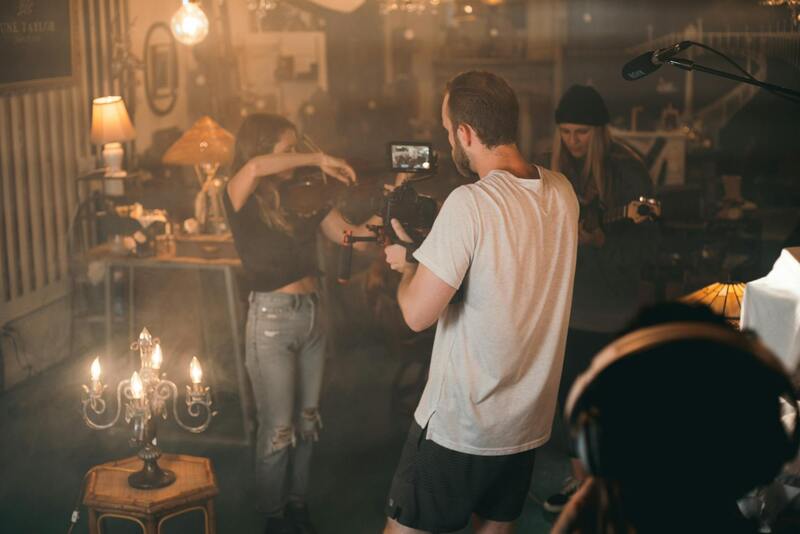
Perspective adjustments further enhance the impact of commercial photographs. Shooting from varying angles, such as from ground level or elevated positions, introduces dynamic viewpoints that emphasize the architectural features and spatial layout. Low-angle shots can make structures appear more imposing, while high-angle vantage points provide comprehensive overviews of expansive sites or complex layouts. These deliberate choices in perspective assist in storytelling by guiding viewers’ focus toward key aspects of the property.
In addition, incorporating human elements, such as furniture arrangements or lifestyle accessories, can subtly demonstrate scale and potential functionality of the space. Such contextual cues foster a connection with viewers, enabling them to envisage the property as a future business location or investment opportunity. Overall, a combination of technical precision, creative perspective, and contextual storytelling results in compelling images that elevate the property's appeal across marketing platforms.
Strategic lighting is also paramount. Using natural light during optimal times of the day can enhance the ambiance, while supplementary artificial lighting helps to fill shadows and highlight specific architectural features. The skillful orchestration of these lighting elements produces vibrant, balanced images that draw attention to the property's best features and create a lasting visual impression.
Techniques for Capturing Appealing Commercial Shots
Achieving compelling images in commercial property photography requires a combination of technical proficiency and creative vision. Photographers must master various techniques to highlight the property’s best features and create visuals that resonate with prospective buyers, tenants, or investors.
One foundational technique is the optimal use of lighting. Natural light, when available during the golden hours—early morning or late afternoon—can imbue images with warmth and depth. It accentuates textures and architectural details, making spaces appear inviting and vibrant. Artificial lighting, including strobe lights or LED panels, complements natural illumination, especially indoors or under less favorable weather conditions. Proper lighting placement can eliminate shadows that obscure important details and ensure the property is showcased in the best possible light.
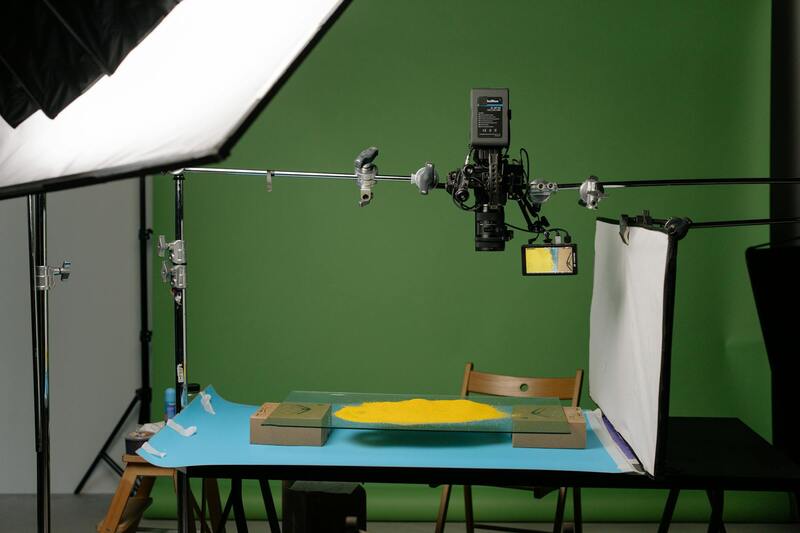
Perspective control is equally vital. Shooting from multiple angles, including eye-level, low-angle, and high-angle views, provides a comprehensive visual narrative. Low-angle shots can enhance the stature of a building, making it appear more dominant and impressive. Conversely, high-angle photographs offer an overall perspective, revealing the spatial relationship between different areas and giving viewers a sense of scale.
Utilizing wide-angle lenses is common in commercial property photography, as they encompass more of the space in a single frame, creating a sense of openness. However, it's essential to avoid distortion, which can be achieved through careful lens choice and image correction during post-production. Additionally, employing tilt-shift lenses helps in controlling perspective distortion, especially in shots that focus on architectural lines and structural elements.
Incorporating human elements, lifestyle accessories, or furnishings can aid in contextual storytelling. These details help viewers visualize how the space functions and scale within real-world settings. For example, staged scenes with furniture or equipment demonstrate potential use cases, making the property more relatable and appealing.
Post-processing also plays a critical role in refining commercial property images. Adjustments in exposure, contrast, and color balance ensure that the images accurately reflect the space’s true appearance. Strategic editing can eliminate minor blemishes or distractions, sharpening the details to attract attention. Advanced techniques like HDR (High Dynamic Range) imaging combine multiple exposures to produce well-balanced photos in challenging lighting conditions, ensuring that both shadows and highlights are properly rendered.
Ultimately, employing these techniques consistently yields high-quality, professional images that elevate the property’s marketability. Skilled photographers synthesize technical mastery with artistic sensibility, producing visuals that communicate the unique selling points of each commercial property and appeal to discerning audiences.
Understanding Commercial Property Photography
Commercial property photography is a specialized branch of real estate imaging focused on capturing the essence and appeal of commercial spaces. Unlike residential photography, it demands an understanding of architectural features, interior layout, lighting conditions, and the strategic presentation of space. The aim is to produce images that highlight the property's strengths, evoke professional confidence, and attract potential tenants or buyers. Mastering this craft involves not only technical skills but also an artistic eye for composition, lighting, and storytelling. It’s essential for commercial property owners, brokers, and property managers to invest in high-quality visuals that effectively communicate the value proposition of each space.

Key Elements of Commercial Property Photography
Effective commercial property photography focuses on several critical elements that together create compelling visual narratives:
- Lighting: Natural and artificial lighting must be balanced to enhance the space without creating unwanted shadows or glare. Proper lighting accentuates textures, colors, and architectural details.
- Angles and Composition: Smartly chosen angles can make spaces appear larger and more inviting. Wide-angle lenses are typically used to capture entire rooms, but careful attention is needed to avoid distortion.
- Perspective and Depth: Employing techniques such as leading lines and foreground interest guides the viewer’s eye through the image, creating a sense of depth and spatial awareness.
- Clarity and Sharpness: High-resolution images with impeccable focus emphasize details, aiding in the visual storytelling of the property’s features.
- Context and Lifestyle Elements: Incorporating elements like furniture, signage, or human activity can help viewers imagine themselves within the space, adding an aspirational layer to the photography.
Equipment and Technology Used
The technical foundation of commercial property photography rests on the right set of equipment and technology:
- Digital Cameras: High-resolution DSLR or mirrorless cameras with full-frame sensors ensure crisp detail capture and flexibility in various lighting conditions.
- Lenses: Wide-angle lenses, typically in the 14-24mm range, are preferred for interior shots, while tilt-shift lenses help correct perspective distortions.
- Tripods: Stabilization tools are essential for sharp images, especially in low-light environments or HDR photography.
- Lighting Equipment: Portable flashes, LED panels, and reflectors enhance lighting control both indoors and outdoors.
- Post-Processing Software: Applications like Adobe Photoshop and Lightroom are used for fine-tuning images, correcting distortions, and enhancing visual appeal.
Preparation and Planning for a Photo Shoot
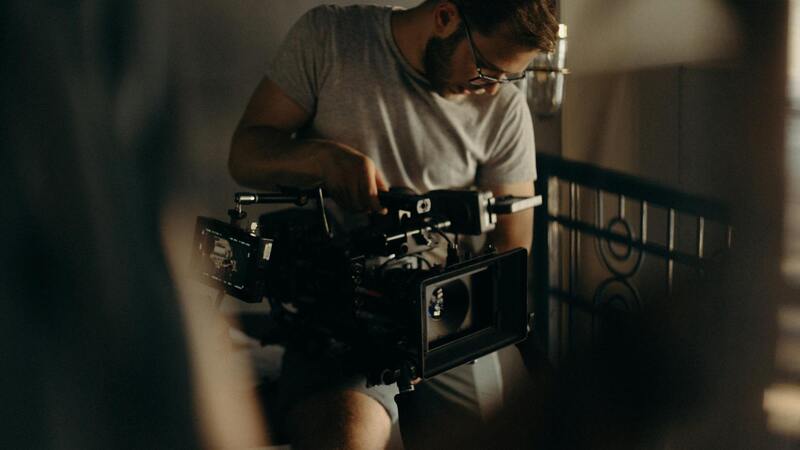
Pre-shoot preparation is critical to producing professional results. It involves meticulous planning to ensure every aspect of the shoot aligns with the property's marketing goals. This includes scheduling at optimal times for lighting conditions, clearing or staging spaces to remove clutter, and coordinating with property owners or managers for access. Conducting a walkthrough before the shoot allows the photographer to identify the best angles, lighting challenges, and areas that require special attention. Creating an shot list or storyboard helps in keeping the shoot organized, ensuring all key spaces are captured effectively. Additionally, verifying equipment functionality and preparing backup solutions mitigate potential disruptions during the session.
Techniques for Capturing Appealing Commercial Shots
In commercial property photography, employing specific techniques can significantly elevate the quality and impact of images:
- HDR Imaging: Combining multiple exposures to manage challenging lighting, especially in spaces with high contrast between light and shadows.
- Vertical and Horizontal Composition: Ensuring shots are well-aligned and free of horizon or architectural distortions creates a professional appearance.
- Use of Leading Lines: Guides the viewer's eye toward focal points, emphasizing the space’s spaciousness and functionality.
- Staging and Feng Shui: Strategic placement of furniture or decorative elements can demonstrate the intended use and enhance aesthetic appeal.
- Perspective Control: Tilt-shift lenses are invaluable tools to maintain straight lines, especially in high-rise or exterior shots.
Post-Production and Image Optimization
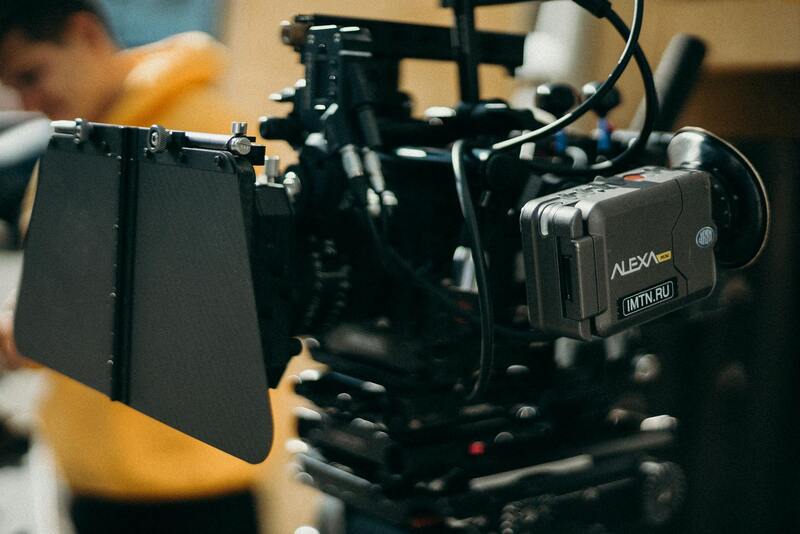
Post-processing is an integral phase, transforming raw captures into polished visuals that effectively market the property. Adjustments in exposure, contrast, and color balance ensure fidelity to the actual space, helping maintain trust and transparency. Minor retouching can remove distractions such as dust spots or temporary clutter without altering the genuine appearance of the space. High Dynamic Range (HDR) processing balances exposures, producing evenly lit images in scenes with complex lighting. Sharpness and clarity are enhanced through detailed editing, which ensures architectural features stand out crisply. Consistent formatting and resolution optimization also ensure the images display well across various online platforms and print materials, reinforcing a professional and cohesive visual presentation. These refined images become powerful tools to attract interest, foster trust, and ultimately drive engagement in the commercial real estate market.
Advanced Strategies for Commercial Property Photography
Maximizing the visual impact of commercial property images involves a careful approach to both capturing and presenting the space. One effective method is utilizing advanced lighting techniques, such as HDR imaging, to seamlessly blend multiple exposures and highlight both shadowed and illuminated areas. This technique ensures a balanced representation of the property, capturing its true ambiance and architectural features under varying lighting conditions. Additionally, employing professional-grade lenses and stabilizers minimizes distortion and ensures sharp, distortion-free images, especially when shooting wide angles that encompass expansive interiors or exteriors.
Understanding the importance of strategic composition is vital for creating compelling imagery. Techniques such as framing, leading lines, and symmetry draw viewers' eyes toward focal points, emphasizing the property’s most attractive features. For exterior shots, time-of-day considerations play a crucial role; capturing images during the golden hour provides warm, inviting light that enhances curb appeal. Interior photos benefit from natural light, supplemented with diffused artificial lighting to eliminate harsh shadows and create a welcoming atmosphere.
Focus on Authenticity and Detail
Detailed views of signature architectural elements, finishes, and unique features help potential clients envision their use of the space. Clear, well-lit images of entryways, open-floor plans, and specialized areas such as conference rooms or retail displays foster a connection with viewers. Incorporating comprehensive shots from multiple angles ensures that no critical aspects are missed, providing a complete visual representation of the property.
Optimizing Images for Digital and Print Media
Post-production editing should enhance, not alter, the property’s reality. Corrections include ensuring straight lines in orthogonal surfaces through perspective adjustments, enhancing color accuracy, and removing minor distractions. High-resolution images are essential for print, while optimized web versions ensure quick loading times without compromising quality. Consistent style and branding across images reinforce the professional presentation of the property, making it more appealing across multiple marketing channels.
Employing these advanced methods not only elevates visual storytelling but also solidifies the property’s market position by presenting an authentic and attractive view of its potential. Skilled commercial photography in Miami ensures properties stand out in competitive listings, attracting targeted interest and accelerating occupancy or sale processes.