
Understanding the Role of a Commercial Property Photographer
A commercial property photographer specializes in capturing high-quality images that showcase commercial spaces such as office buildings, retail outlets, industrial facilities, and hospitality venues. Their primary goal is to highlight the unique aspects and architectural features of these properties, making them attractive to potential tenants, buyers, or investors. Unlike standard real estate photography, which may focus mainly on residential homes, commercial property photography demands a more strategic approach that emphasizes branding, space utilization, and the visual appeal that can influence decision-making processes.
Commercial property photographers possess a keen eye for detail and a comprehensive understanding of lighting, angles, and composition. They often work closely with property managers, real estate agents, and developers to ensure their images convey the intended message and appeal. These professionals utilize advanced equipment, including wide-angle lenses and high dynamic range (HDR) imaging techniques, to capture the full scope and scale of large spaces. The images they produce are typically used in marketing materials, online listings, and print advertisements aimed at attracting the right audience effectively.
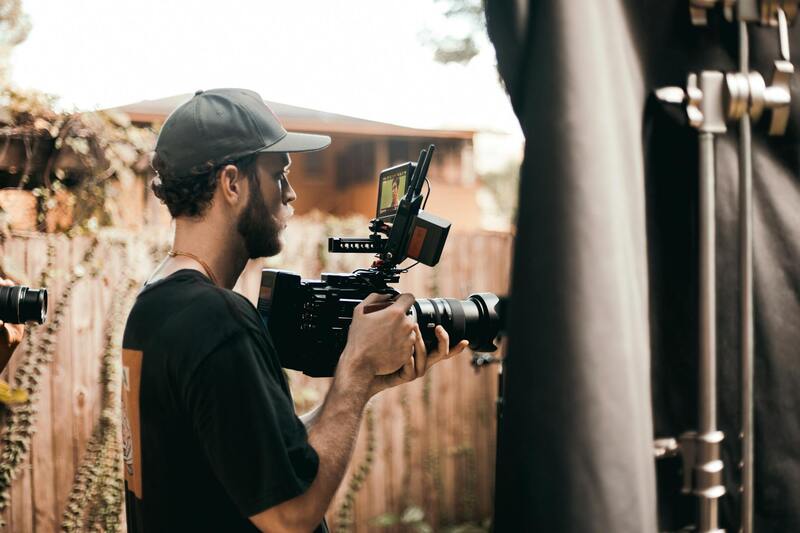
In today's competitive real estate market, the quality of imagery can significantly influence the success of property sales or leasing endeavors. High-quality visuals created by experienced commercial property photographers not only present the property in its best light but also help establish trust and credibility among prospective clients. These images serve as a vital component of a comprehensive marketing strategy, ensuring that each property is showcased with professionalism and attention to detail. As the importance of visual content continues to grow, the role of a commercial property photographer has become indispensable for real estate stakeholders aiming to maximize their property's market potential.
Understanding the Role of a Commercial Property Photographer
A commercial property photographer plays a crucial role in the marketing and presentation of commercial real estate assets. These professionals specialize in capturing high-quality images that highlight the unique features and attributes of a property, whether it's an office building, retail space, industrial facility, or multifamily complex. Their expertise extends beyond basic photography; they employ advanced techniques to ensure that each shot accurately represents the property's scale, layout, and ambiance.
The process begins with a comprehensive assessment of the property to determine the best angles and lighting conditions. Commercial property photographers often collaborate with clients to understand the key selling points of the space, aiming to produce visuals that resonate with prospective tenants or buyers. By utilizing specialized equipment such as wide-angle lenses, drone photography, and HDR imaging, they can capture expansive interiors and exteriors with exceptional clarity and depth. This attention to detail is vital for creating compelling visuals that can stand out in online listings, brochures, and digital marketing campaigns.
In addition to technical proficiency, a skilled commercial property photographer possesses a sharp eye for composition. They understand how to manipulate light, shadows, and perspective to emphasize the property’s best features. They also pay close attention to the environment—ensuring spaces are tidy, well-lit, and free of distractions—so that the images reflect the property’s full potential. Through these efforts, high-quality visuals serve not only to showcase a property's physical aspects but also to evoke a sense of professionalism and trustworthiness among prospective clients.

Given the competitive nature of Miami’s real estate market, the importance of professionally taken images cannot be overstated. They are often the first impression a potential investor or tenant receives, making their quality essential to generating interest. Effective commercial photography can influence decision-making by providing accurate and appealing representations of the property, ultimately accelerating the leasing or sales process.
Furthermore, these images are instrumental in establishing credibility. Well-executed photos signal to clients that the property owner or manager is committed to quality and professionalism. This creates a sense of trust and increases the likelihood of engagement. As digital platforms continue to evolve, the significance of high-caliber visual content only grows, reinforcing the position of commercial property photographers as vital contributors to real estate marketing success.
Key Types of Commercial Property Photography Services
To meet the diverse needs of clients within the commercial real estate sector, professional photographers offer a wide range of specialized services. Each type of photography aims to highlight specific aspects of a property, ensuring prospective tenants, investors, or buyers receive a comprehensive visual understanding. Among the most common services are exterior photography, which captures the building's façade, landscaping, and overall curb appeal. This form is vital for establishing a strong first impression and showcasing the property's accessibility and surrounding environment.
Interior photography focuses on the detailed aspects within the property, emphasizing spaciousness, lighting, and the condition of critical areas such as lobbies, conference rooms, or retail spaces. High-quality interior images help convey the ambiance and functionality of the space, which is crucial for tenants or buyers assessing how well a property fits their needs.
Aerial photography, often utilizing drone technology, provides a bird’s-eye view of large commercial sites, industrial complexes, or shopping centers. This perspective is instrumental in revealing the property's scope, layout, and relation to surrounding infrastructure, offering a strategic advantage for marketing large-scale developments or properties with expansive land holdings.
3D virtual tours and immersive walkthroughs have gained popularity as they allow clients to explore properties remotely. These services facilitate a more interactive experience, enabling viewers to navigate through spaces at their own pace, closely examine specific features, and get a realistic sense of spatial relationships.

Each service requires a tailored approach, combining technical expertise with aesthetic sensibility. Ensuring that images are captured under optimal lighting conditions, with attention to detail and proper staging, plays a crucial role in elevating the property's appeal. A seasoned commercial property photographer in Miami will possess the technical skills to deploy equipment effectively, adapt to different environments, and deliver visual content that aligns with the marketing objectives of property owners and managers.
When selecting a provider, clients should consider the depth and variety of services offered, the level of experience, and the ability to produce high-resolution images compatible with digital and print media. This comprehensive approach ensures that each property—whether an office tower, industrial warehouse, or retail plaza—receives a tailored visual presentation capable of attracting targeted audiences and facilitating quicker transactions.
Understanding the Role of a Commercial Property Photographer
A commercial property photographer specializes in capturing images that highlight the unique attributes and strategic advantages of commercial real estate. Their expertise goes beyond basic photography, requiring a nuanced understanding of architectural design, lighting conditions, and the specific needs of marketing campaigns. These professionals are tasked with creating visuals that not only showcase a property's physical features but also evoke the desired emotional response from potential tenants, investors, or buyers.
Effective commercial photography involves employing advanced techniques such as wide-angle shots, HDR imaging, and precise post-processing to achieve images that are sharp, well-lit, and true to life. They must also adapt their methods to different property types—including office buildings, industrial facilities, retail centers, and vacant land—each requiring tailored approaches to best display their features. A proficient commercial property photographer understands the importance of conveying a property's sense of scale, functionality, and ambiance, all essential elements in influencing decision-making.

Key Skills and Qualifications to Look for
Finding a qualified commercial property photographer involves evaluating a mix of technical skills and industry experience. A foundational requirement is a robust portfolio demonstrating diverse projects, emphasizing attention to detail and consistency in quality. Experience with various camera systems and post-editing software ensures the photographer can produce high-resolution images suitable for both digital marketing and print media.
Beyond technical skills, the ideal photographer should possess strong knowledge of real estate marketing strategies, enabling them to understand and accentuate the most appealing features of each property. Familiarity with architectural styles, interior layouts, and lighting conditions prevalent in Miami's diverse commercial landscape enhances their ability to deliver compelling visuals.
- Exceptional composition skills to frame buildings and interior spaces effectively
- Proficiency in using professional-grade equipment, including drones for aerial shots
- Ability to work efficiently under varied environmental conditions
- Attention to current industry trends and technological advancements in imaging
- Understanding of property staging and its impact on visual presentation
Importance of High-Quality Photos in Commercial Real Estate
High-caliber images play a crucial role in the prominence and perceived value of commercial listings. Clear, vibrant photographs can significantly increase online engagement, drawing more prospective clients to a property. They enable viewers to visualize space utilization and architectural details more accurately, fostering a stronger connection with the property even before a physical visit occurs.
Moreover, professionally captured photos ensure consistency across marketing platforms, from websites and social media to printed brochures. High-resolution images also provide flexibility for various promotional formats without loss of quality. They serve as essential assets in creating compelling virtual tours and multimedia presentations, which are increasingly favored in remote property exploration.

Investing in top-tier photography can reduce marketing cycles, result in quicker leasing or sales, and lead to better financial outcomes. For property owners and managers, this underscores the importance of selecting a photographer who can deliver not just technically superb images, but visuals that align precisely with the strategic marketing goals of their developments.
Maximizing the Impact of Commercial Property Photos
Effective utilization of commercial property images extends beyond their mere capture. Strategic presentation and dissemination of high-quality photos are essential to maximize their impact on potential tenants, buyers, and investors. A comprehensive approach involves not only selecting the best images but also optimizing them for various marketing channels to ensure a consistent and compelling visual narrative.
One critical aspect is image editing and post-processing. Professional enhancement techniques include adjusting lighting levels, correcting color balance, and retouching minor imperfections to ensure each photograph accurately reflects the property's true condition while highlighting its best features. Advanced techniques like HDR imaging can also be employed to balance bright and dark areas, providing a more realistic and eye-catching presentation.
Another facet involves strategically curating a visual sequence that guides viewers through the property’s most appealing aspects. A well-thought-out gallery or virtual tour should showcase key features such as expansive interiors, architectural details, and outdoor amenities. Incorporating diverse shot types—wide-angle for space perception, close-ups for detail emphasis, and aerial views—provides a comprehensive overview tailored to diverse audience preferences.

Leveraging the right presentation strategies also involves optimizing images for digital platforms. This includes ensuring fast loading times by compressing files without sacrificing quality, using high-resolution images for impactful displays, and integrating visual content seamlessly into website layouts. Additionally, consistent branding elements such as logos and color schemes within images reinforce recognition and professionalism.
Social media platforms demand tailored image sizes and formats to ensure visual fidelity across devices. Consistently updated image galleries demonstrate ongoing facility management and property improvements, which can boost engagement over time. Furthermore, integrating images into email marketing campaigns, online advertisements, and property listing portals enhances visibility and attracts targeted audiences.
By harnessing both technical expertise and marketing acumen, a commercial property photographer can significantly influence how properties are perceived. The ultimate goal is to craft a compelling visual story that not only attracts interest but also drives tangible leads and accelerates the leasing or sale process.
Essential Methods for Legally Securing Commercial Property Photography
When engaging in commercial property photography, it is crucial to follow established procedures that uphold copyrights and intellectual property rights. Professionals in this field must obtain appropriate permissions or licenses prior to photographing a property. This involves formal agreements with property owners or managers that specify usage rights, duration, and scope of the images' application. Such documents ensure clarity on how the photographs can be utilized, whether for marketing, online listings, or printed materials.
In addition to securing permissions, photographers should consider registering their work through official copyright channels. While copyright protection is automatic upon the creation of original works, formal registration can strengthen legal standing and provide robust evidence in case of disputes. Registering images with relevant agencies or intellectual property offices enhances the ability to enforce rights and pursue remedies when necessary.
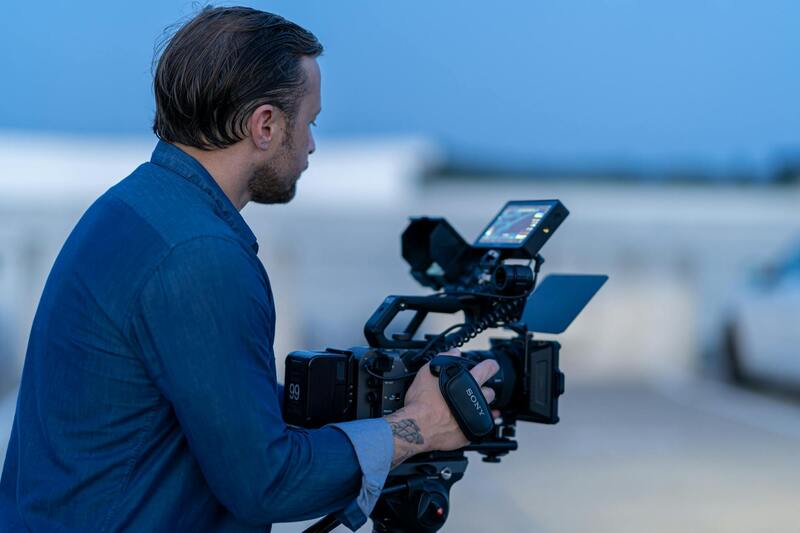
Maintaining meticulous records of all transactions, permissions, and licenses is essential. This includes retaining signed contracts, email correspondence, and licenses issued by property owners or licensing authorities. Such documentation not only streamlines compliance but also provides clear evidence of authorized use, reducing potential conflicts or misunderstandings later on.
For commercial property photographers operating within Miami or nationally, understanding local and federal regulations related to property rights and imagery usage is equally important. This knowledge helps prevent inadvertent violations that could compromise a project or lead to legal complications.
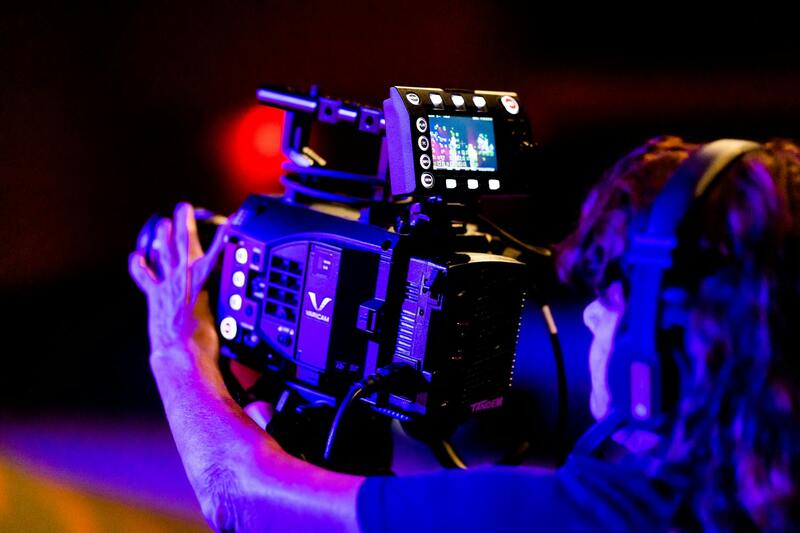
Collaborating with clients through formal agreements also involves outlining the scope of work, usage rights, and any restrictions. This transparency helps prevent future disputes and secures trust between photographers and property stakeholders. Clear billing practices and detailed invoices describing the services and rights conveyed further reinforce professional standards.
Ultimately, adhering to official methods for acquiring permissions, licensing rights, and documenting agreements forms the backbone of legitimate commercial property photography. These practices ensure that all visual content created for real estate marketing complies with regulatory standards and respect for ownership rights, fostering a trustworthy and sustainable industry environment.
Understanding the Role of a Commercial Property Photographer
A commercial property photographer specializes in capturing high-quality images that showcase the unique features and appeal of commercial real estate. Their expertise goes beyond basic photography, incorporating an understanding of architectural design, lighting techniques, and the specific needs of marketing professionals. These photographers focus on producing images that not only highlight the physical attributes of the property but also evoke a sense of professionalism and desirability.
By employing advanced equipment such as wide-angle lenses, drone camera systems, and professional lighting setups, commercial property photographers ensure every shot maximizes the property's visual impact. This role is essential in creating a compelling visual narrative that attracts potential tenants, investors, or buyers.
A proficient commercial property photographer also understands the importance of image consistency across various marketing materials. They coordinate with marketing teams to produce a cohesive visual style that reinforces brand identity and property positioning. Furthermore, their knowledge of real estate trends and target demographics helps tailor photography approaches that resonate with intended audiences.
The images generated by these professionals serve as critical assets in property listings, brochures, websites, and social media campaigns. Their work helps establish credibility and trust, making properties more appealing in a competitive market. Additionally, they often assist in staging and preparing spaces for photography, ensuring each image portrays the property in its best light.
Ensuring photos meet compliance standards related to property rights and permissions is another crucial aspect of a commercial property photographer's responsibilities. They work closely with property owners and leasing agents to secure necessary permissions, documenting usage rights meticulously to avoid potential conflicts.

Maximizing the Impact of Commercial Property Photos
Effective utilization of commercial property images extends beyond high-quality photography. Once professional images are captured, strategic application in various marketing channels significantly enhances property visibility and appeal. High-resolution photos serve as cornerstone assets in listings, brochures, online platforms, and social media, each playing a vital role in attracting targeted audiences.
Developing a visual narrative through a series of well-curated images helps potential tenants or investors to visualize the space's potential. Incorporating different angles and emphasizing unique architectural features demonstrates the property's value proposition clearly. This approach not only generates interest but also encourages engagement and inquiries.
To optimize the impact, consider the following methods:
- Consistent Branding: Ensure that the photographic style aligns with your brand identity. Use consistent color grading, lighting, and composition to create a cohesive look across all marketing materials.
- Emphasize Key Features: Highlight the property's standout elements—such as spacious interiors, modern amenities, and strategic location points—that resonate with your target demographic.
- Use of Virtual Tours and 3D Visuals: Incorporate immersive technology to allow prospective clients to explore the space remotely. These tools increase engagement and reduce the time on market.
- Strategic Image Placement: Position photos to maximize visibility on high-traffic platforms. Optimize image resolutions and formats for quick loading without sacrificing quality.
- Social Media Campaigns: Leverage the power of social media by sharing professionally shot images across platforms like LinkedIn, Instagram, and Facebook. Tagging relevant local or industry-specific groups can further expand reach.
Moreover, periodic updates of marketing visuals with new photography can maintain your property's momentum in the market. Refreshing images keeps listings current and appealing, especially when significant renovations or upgrades enhance the property.

Careful consideration of image placement and presentation ensures your property stands out amidst competitive listings. Collaborating with seasoned commercial property photographers who understand market trends and audience expectations plays a crucial role in delivering visually compelling content that drives results.