
Understanding the Importance of Cost-Effective Real Estate Photography
In the competitive Miami real estate market, professional-quality photographs play a vital role in attracting potential buyers and closing deals efficiently. Given the high stakes involved in property sales, it is essential for real estate agents and property owners to find a balance between quality and budget when it comes to visual marketing. Affordable real estate photography ensures that listings remain visually appealing without overextending financial resources, making it accessible for properties at various price points and ownership types.
Budget-conscious photography options allow for a broader reach within marketing campaigns, particularly when multiple listings need professional images. Moreover, high-quality images are proven to generate more interest, leading to faster sales and potentially higher offers, which can offset the initial investment in photography. In a city like Miami, where the real estate landscape is diverse and dynamic, having striking visuals at an accessible price point is essential to stand out amidst numerous listings.
Choosing cost-effective photography services also enables property owners and agents to allocate resources toward other marketing strategies, such as digital advertising or staging. This strategic approach maximizes visibility and engagement in a market where competition can be intense. Additionally, affordable photography options usually encourage more frequent updates to listings, keeping the property profile current and appealing to prospective buyers.
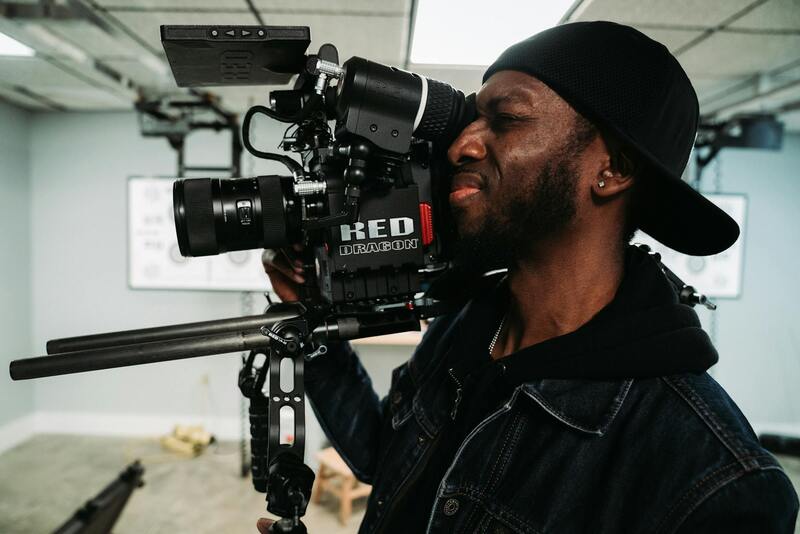
Recognizing the significance of budget-friendly photography solutions can foster a more dynamic approach to real estate marketing, ensuring that even properties with limited budgets can shine in an increasingly digital world. This strategic approach helps sellers and agents maintain a competitive edge while keeping expenses manageable and predictable within the broader scope of property sales and marketing efforts.
Tips for Finding Cheap Real Estate Photography Services in Miami
Securing affordable real estate photography in Miami requires a strategic approach that emphasizes transparency, reputation, and quality assurance. Property owners and agents should focus on conducting thorough research and comparison to find service providers who offer a combination of competitive pricing and professional standards. A practical first step involves reviewing online portfolios and client testimonials, which can provide insights into a photographer's style, reliability, and ability to deliver cost-effective results.
Networking within local real estate circles can also be advantageous. Many photographers collaborate with agents and property managers, creating opportunities for referrals and discounted rates. Attending industry events or local business meetups in Miami can help establish direct connections, often resulting in favorable pricing arrangements.
Before committing, it’s crucial to clarify the scope of work and associated costs upfront. Transparent pricing models prevent unexpected expenses and foster a trustworthy working relationship. Some service providers offer tiered packages, allowing clients to select options that best fit their budget while maintaining essential quality standards. Additionally, exploring bundled services—such as combined photography and videography—can generate further savings.
Another effective tactic is to consider emerging or lesser-known photographers who are building their portfolios. These individuals often provide lower rates in exchange for building their client base and gaining experience. Miami’s competitive market encourages many talented professionals to offer discounted packages, especially during off-peak seasons when demand may be lower.
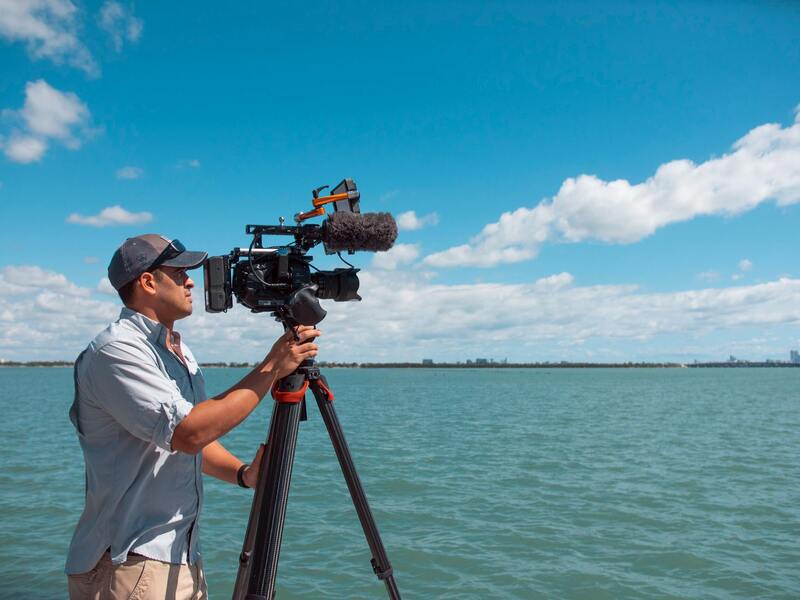
Utilizing online platforms dedicated to freelance or local service providers can further simplify the search process. Websites that list photographers often include filters for budget, location, and specialization, providing a straightforward way to identify affordable options. When evaluating potential hires, requesting sample images or a brief portfolio review is an effective step to ensure their style aligns with your marketing goals.
Finally, clear communication about deadlines and deliverables is vital. Cost-effective photography does not mean compromising on timeframes or image quality; it means efficiently allocating resources and selecting providers who can meet your requirements without unnecessary expenditure. By combining diligent research, local networking, and transparent negotiations, property owners and agents in Miami can find reliable providers offering attractive rates for quality real estate imagery.
Tips for Finding Cheap Real Estate Photography Services in Miami
Securing affordable real estate photography in Miami necessitates strategic research and careful evaluation of potential service providers. To begin, conducting thorough online research is essential. Many local photographers and small agencies advertise their services on dedicated platforms, social media, and personal websites. These channels allow property owners to compare pricing structures and portfolios effectively. Filtering options on freelance and service-specific websites can narrow choices by budget, location, and specialization, streamlining the search process.
Reading client reviews and testimonials offers valuable insights into the photographer’s professionalism, punctuality, and overall quality of work. Clients often share detailed experiences that highlight consistency and reliability—crucial factors when selecting budget-friendly services. Additionally, examining sample images from online portfolios helps assess whether potential photographers’ style aligns with the aesthetic goals for your property. Consistent, high-quality visuals are indispensable for attracting prospective buyers or renters.
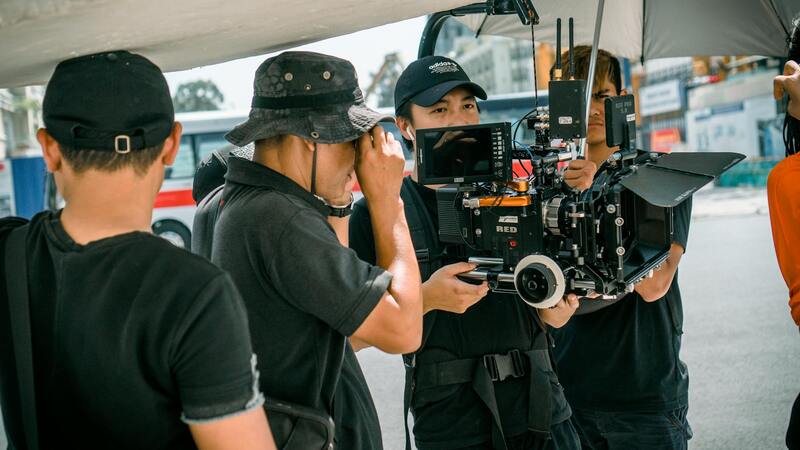
When considering options, it’s also worthwhile to explore local agency offerings, as many smaller firms operate with lower overheads and pass those savings to clients. Contacting these agencies directly can sometimes yield special packages or promotional rates not advertised online. Establishing clear communication early on is crucial—discuss your specific needs, deadlines, and budget constraints transparently.
Requesting detailed estimates is recommended to avoid unexpected charges later. Some photographers may offer discounted rates for weekday shoots or off-peak seasons, which can significantly reduce costs. Furthermore, negotiating package deals—combining photography with related services such as drone footage or virtual tours—can enhance your property’s marketing visibility at a lower overall expense.
Building relationships with emerging talent in Miami’s vibrant real estate scene can also be advantageous. Many novice photographers are eager to expand their portfolios and may provide quality work at reduced rates, especially during initial projects. Engaging with local photography communities, forums, or industry meetups can lead to reliable referrals and insider recommendations for affordable services.
Utilizing Tools and Software to Enhance Budget Photography
Leveraging modern technology is essential for maximizing the quality of real estate images without inflating costs. A variety of user-friendly editing tools and apps are available to refine photographs, ensuring they look professional and attractive to potential buyers. These tools help enhance lighting, correct color balance, and remove minor imperfections that may detract from property appeal. By investing time in post-processing, property owners and agents can significantly elevate the visual quality of their images even when initial shots are captured with more affordable equipment.
Affordable photo editing software options, such as Adobe Photoshop Elements, GIMP, or dedicated smartphone apps like Snapseed, offer powerful features suitable for real estate photos. These programs enable brightness adjustments to highlight the property's best features or correct dark shadows. Additionally, perspective correction and cropping help create a more compelling composition, making rooms appear more spacious and inviting. Learning basic editing techniques through online tutorials can also improve the visual impact without incurring additional expenses.

Furthermore, some software solutions include batch editing capabilities, allowing users to process multiple images simultaneously—saving time and effort. Consistent color grading and editing style across images create a cohesive look that appeals to prospective buyers. For those unfamiliar with editing software, many online platforms provide free trials or entry-level versions, enabling users to experiment and develop their skills without initial investments.
In addition to editing tools, various plugins and presets can be purchased or downloaded for free. These presets quickly apply professional-looking enhancements tailored for real estate photography, such as brightening interiors or emphasizing architectural details. Used strategically, these enhancements can make even modestly photographed properties appear more appealing and competitive in the market.
However, it remains important to maintain authenticity—over-editing can lead to misleading representations. The goal is to showcase the property’s best features in an honest manner that encourages genuine interest. Combining good equipment, thoughtful composition, and effective post-processing ensures cost-efficient yet high-quality visuals that attract potential buyers and renters.
Utilizing Tools and Software to Enhance Budget Photography
Leveraging affordable editing tools and specialized software can dramatically improve the visual quality of real estate images without significant expenditure. There are numerous applications designed specifically for real estate photography enhancement that are available at low or no cost, making them ideal options for those seeking to maintain a budget.
Popular free or inexpensive editing platforms such as GIMP, Canva, and Adobe Lightroom Mobile offer a wide array of features suitable for enhancing property photos. These tools allow for adjustments in brightness, contrast, and sharpness—core elements that can make images more inviting and professional-looking. Using preset filters tailored for real estate images can quickly add consistency and polish to multiple photos, saving time while ensuring a cohesive visual presentation throughout your listing.
Moreover, smartphone-based editing apps have evolved to include advanced functionalities once exclusive to desktop software. These apps typically feature user-friendly interfaces, making it easier for non-professionals to apply sophisticated edits. Some apps even include AI-driven enhancements that automatically recognize and improve key aspects of an image, such as lighting or perspective, streamlining the editing process significantly.
Additionally, many software solutions offer batch processing options, enabling multiple images to be edited simultaneously. This feature is particularly valuable when dealing with large property portfolios, allowing for consistent editing styles and faster turnaround times. Integration of various plugins and presets further enhances efficiency, providing professional-style edits that elevate the overall appearance of the property’s visuals without incurring additional costs.
It is essential, however, to maintain a balance between enhancement and authenticity. Over-editing can distort the viewer’s perception and create disconnected expectations when they visit the property in person. The goal is to present a truthful yet attractive depiction that draws in potential buyers or renters. Thoughtful application of these tools can result in compelling, high-quality images that stand out in crowded real estate listings, all while adhering to a modest budget.
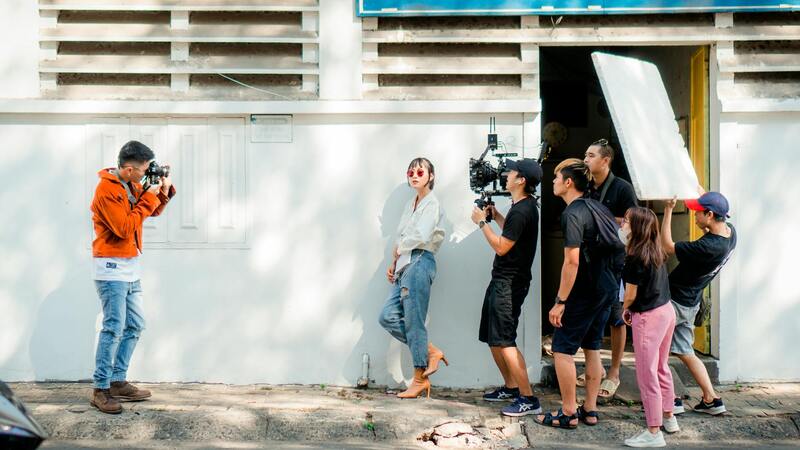
Legal and Ethical Considerations in Budget Photography
When seeking inexpensive real estate photography options, it is essential to adhere to established practices that ensure the authenticity and quality of the images. Employing legitimate methods not only upholds the integrity of property listings but also creates a transparent relationship with prospective buyers and renters. Using officially sanctioned equipment and techniques guarantees that photos accurately represent the property without misleading viewers.
One fundamental aspect is obtaining proper permissions. This includes securing consent from property owners or managers before conducting any shoot, especially if the property is leased or under management. Proper authorization safeguards against potential disputes and demonstrates professionalism in the process.
Furthermore, respecting intellectual property rights is crucial. When utilizing stock images or photographs from previous listings, ensure that the licensing terms permit their use for promotional purposes. Violating these rights can lead to legal repercussions and damage reputation. This also extends to editing and post-processing; any alterations should transparently enhance the original visuals without misrepresentation.
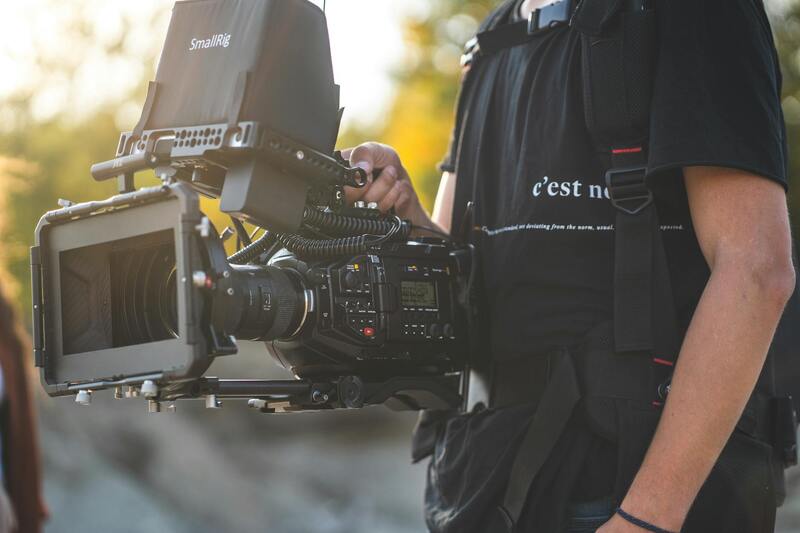
Another key consideration is the accuracy of the images. While enhancing photos is common, over-staging or overly manipulated visuals can distort the reality of the property. Maintaining a truthful representation encourages trust and reduces potential issues during closing or viewings.
Adherence to these principles ensures that low-cost professional photography aligns with ethical standards, fostering positive relationships with clients and prospective buyers. It also supports the creation of a reputable portfolio of work that can attract future business, even when operating on a restrictive budget.

Balancing Cost and Quality in Real Estate Photos
Achieving an optimal balance between affordability and visual quality is essential for real estate professionals aiming to maximize marketing impact without overspending. While reducing costs is a priority, it should not come at the expense of image clarity, lighting, and composition, which are critical for attracting potential buyers and tenants.
One effective approach involves understanding the core elements that influence the quality of property images. Lighting stands out as a decisive factor. Natural light should be utilized whenever possible, with shoot times scheduled during periods of optimal sunlight to enhance interior brightness and color accuracy. Supplementary lighting equipment, such as affordable portable flashes or LED panels, can be incorporated strategically to eliminate shadows and highlight key features, often at a low cost.
Composition also plays a pivotal role in creating appealing visuals. Simple framing techniques, like the rule of thirds, ensure that rooms appear spacious and inviting. Decluttering the space beforehand is equally important; a tidy and well-maintained setting reduces visual distractions and emphasizes the property's best attributes.
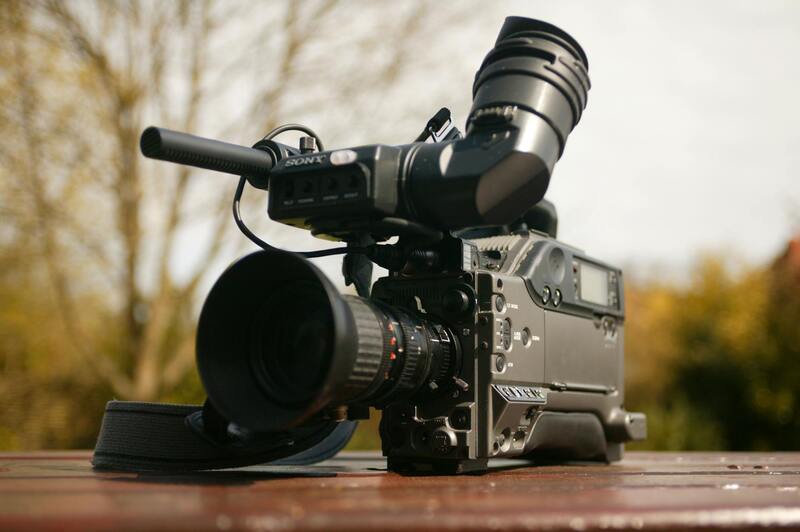
Equipment choice directly impacts the balance of cost and quality. Modern smartphones equipped with high-resolution cameras can produce impressive images when paired with affordable accessories like wide-angle lens attachments. These tools are often inexpensive and enhance the shot quality without the need for professional-grade cameras.
Post-processing techniques can further elevate images obtained from low-cost equipment. Basic editing software, many of which are free or budget-friendly, can correct exposure issues, enhance colors, straighten images, and remove minor imperfections. When used judiciously, such edits strengthen the visual appeal without misrepresenting the property.
In addition to individual efforts, leveraging existing resources is vital. Utilizing free online tutorials and guides on fundamental photography skills empowers agents and property owners to produce professional-looking images on a shoestring budget. Developing a consistent shooting routine that emphasizes lighting, staging, and composition enhances the overall quality of affordable photography efforts.
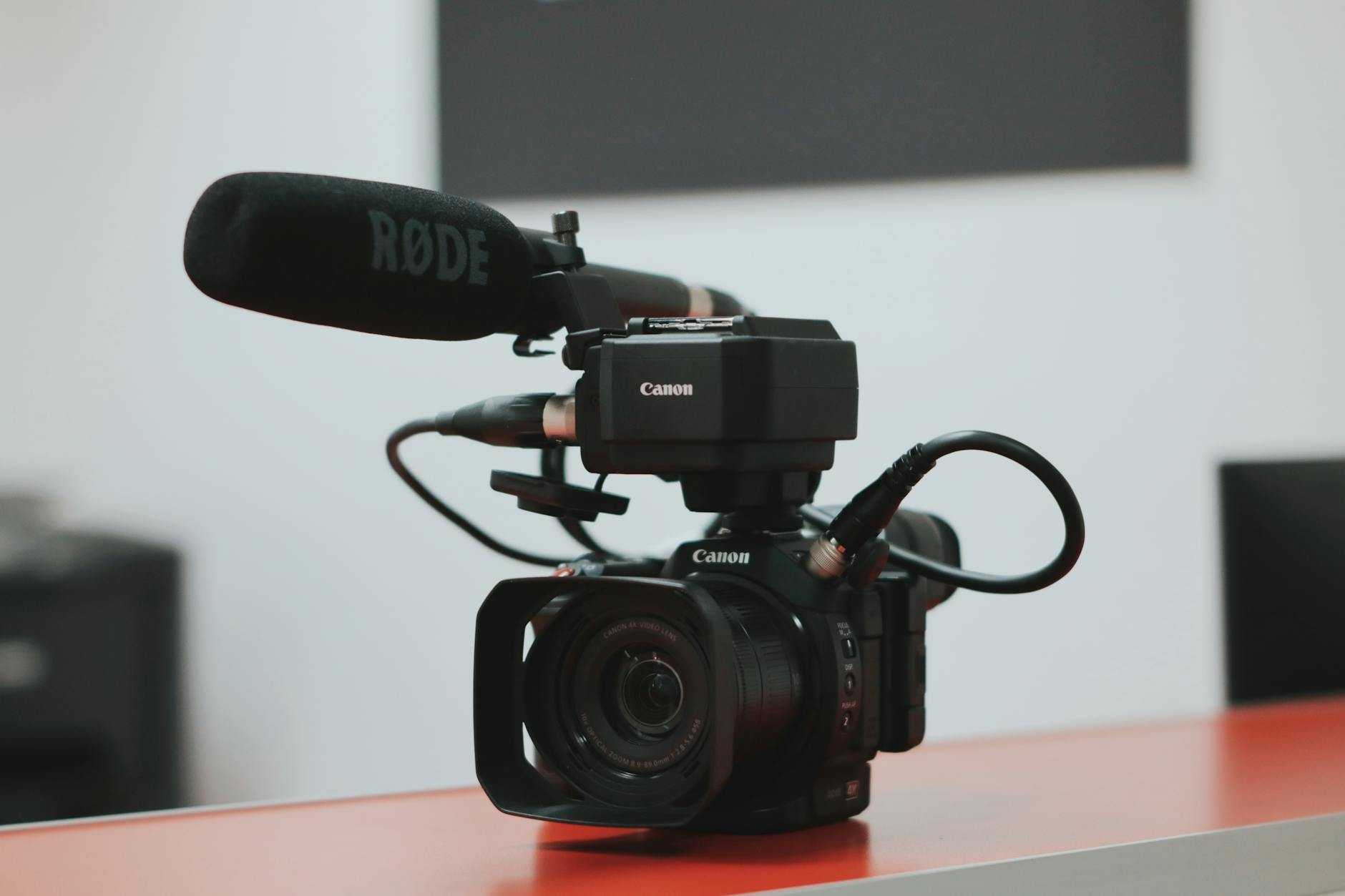
Ultimately, the key lies in focusing on the principles of good photographic practice—adequate lighting, thoughtful composition, and careful post-processing—rather than expensive equipment. By mastering these elements, real estate professionals can deliver impactful property visuals that attract interest and facilitate faster sales, all while maintaining a strict budget.
Legal and Ethical Considerations in Budget Photography
When working within a limited budget for real estate photography, it is essential to adhere to established standards of transparency, honesty, and respect for property ownership. While pursuing cost-effective methods, all images should accurately represent the property's condition, layout, and features to avoid misleading potential buyers. Misrepresentation, whether intentional or accidental, can lead to misunderstandings, dissatisfaction, or even legal complications, which can ultimately impact your reputation and sales success.
To maintain integrity, always seek permission from property owners or authorized representatives before photographing and publishing images. Ensure that all shots are taken from angles that genuinely reflect the property's dimensions and spatial relationships. Avoid excessive editing or compositing that alters the property's true appearance. Instead, utilize basic editing to correct lighting issues, straighten images, and enhance clarity without misrepresenting the property's actual features.
In addition, when employing guest photographers or third-party services, establish clear agreements that specify the scope of work, image rights, and usage rights. This clarity prevents potential disputes and ensures that all parties uphold ethical standards in the presentation of property visuals. Respect for intellectual property rights also includes proper attribution when reusing images or incorporating external content into marketing materials.

Utilizing legitimate, recognized resources for training and tools supports ethical photography practices. Many free or affordable online tutorials focus on foundational skills and best practices, guiding real estate professionals on how to produce appealing yet authentic images. This approach minimizes the temptation to cut corners or employ deceptive editing techniques, fostering trust with clients and prospective buyers.
Furthermore, comply with local regulations related to photography and property advertisement. In some jurisdictions, there are specific rules regarding privacy, property signage, and the display of certain features. Adhering to these rules not only ensures compliance but also demonstrates professionalism, even when working with constrained budgets.
Ultimately, balancing cost-efficiency with ethical principles protects your reputation and enhances long-term success in real estate marketing. By focusing on honesty, transparency, and respect for legal boundaries, real estate professionals can effectively use affordable photography that benefits both buyers and sellers while upholding the highest standards of integrity.