
Importance of High-Quality Real Estate Photography
In the competitive Miami real estate market, the visual presentation of a property plays a pivotal role in attracting interested buyers. High-quality real estate photography acts as the digital first impression, capturing the essence and appeal of a property with clarity and impact. When prospective buyers browse online listings, the quality of images directly influences their decision to schedule a viewing or move on to another property. Superior images not only highlight the best features of a home but also convey a sense of scale, flow, and ambiance that mere descriptions cannot fully communicate.
Studies have shown that listings with professional-grade photos tend to generate significantly more interest than those with amateur images. This increased engagement often results in quicker sales and higher closing prices, ensuring sellers get the best return on their investment. For Miami's diverse real estate market—ranging from luxury condos to sprawling family homes—having a captivating visual presentation is crucial. It sets a property apart in a crowded marketplace, attracting targeted attention from qualified buyers and real estate agents alike.
Moreover, high-quality photography builds credibility and trustworthiness. It demonstrates a commitment to excellence and professionalism, which can influence a buyer’s perception of the property’s value and condition. Achieving this level of imagery requires an understanding of specific techniques, equipment, and post-processing skills that only experienced real estate photographers possess. In essence, investing in top-tier real estate photography is not just about aesthetics; it is a strategic move to maximize visibility, accelerate sales, and optimize financial outcomes.
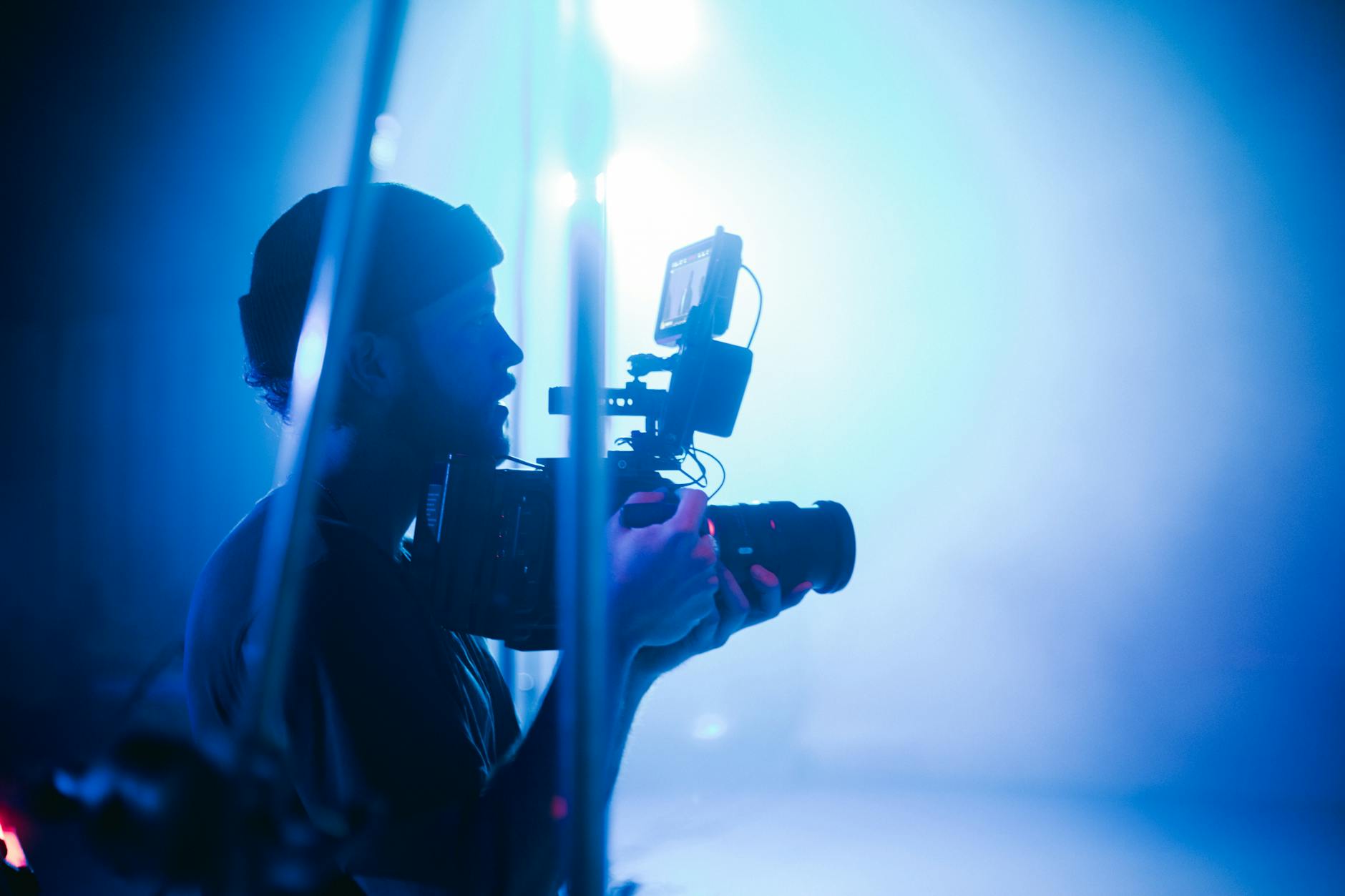
Effective real estate photography is also a reflection of market trends and consumer behavior. As digital platforms continue to evolve, high-resolution images, virtual tours, and immersive experiences have become standard expectations from buyers, especially in a vibrant, luxury-oriented city like Miami. This shift underscores the importance of professional photography that leverages the latest technology and artistic composition to showcase properties in the most appealing way.
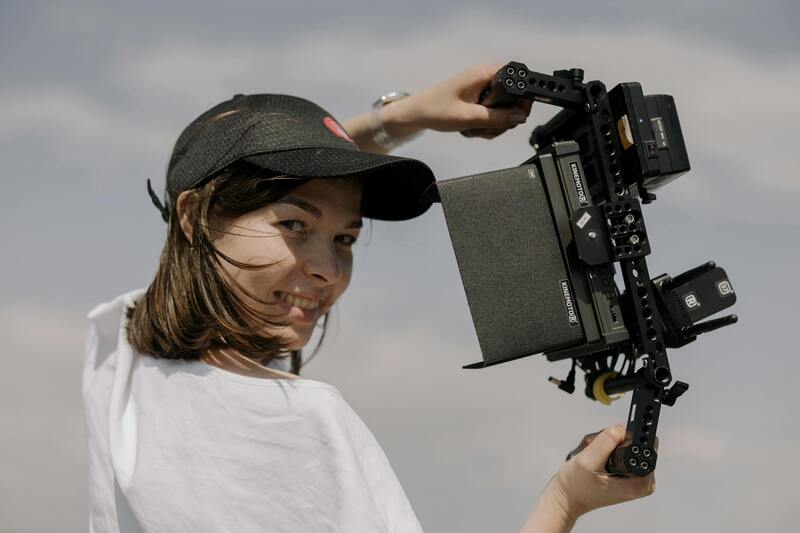
Ultimately, the impact of high-quality real estate photography extends beyond aesthetics. It influences perception, engagement, and trust—all vital elements that contribute to a successful sale in Miami’s dynamic real estate environment. Sellers and agents who recognize the value of professional imagery often find their listings perform considerably better, creating a competitive edge that translates into quicker transactions and optimal market value.
Choosing the Right Photographer in Miami
Selecting a highly skilled real estate photographer in Miami requires a thorough understanding of the professional's background, portfolio, and technical expertise. The city’s real estate market is highly competitive and visually driven, making it essential to hire a photographer who not only possesses technical proficiency but also understands local market nuances and consumer preferences.
When evaluating potential photographers, consider their experience with similar property types—luxury condos, waterfront estates, or commercial spaces. A portfolio showcasing diverse projects can be indicative of adaptability and creativity. Additionally, attention to detail in their previous work reveals their ability to highlight key property features, from intricate architectural elements to landscaped outdoor areas.
An effective way to assess a photographer’s professionalism is by reviewing their methodology for capturing images under various lighting conditions and utilizing different equipment setups. Look for photographers with a comprehensive understanding of composition, color balancing, and post-editing techniques that enhance property visuals without misrepresenting the actual space.
In Miami's vibrant real estate landscape, proximity to the property and availability also play a critical role. Prompt scheduling, flexibility in capturing different times of day, and the capacity to produce quick turnaround times contribute significantly to a successful partnership. Additionally, a reputable photographer often provides extra services such as virtual staging, drone photography, or 3D virtual tours—tools that increasingly influence buyer engagement and decision-making processes.
Collaborating with a local expert who is well-versed in Miami’s distinct neighborhoods and architectural styles can yield images that resonate strongly with potential buyers. The right photographer not only captures stunning visuals but also understands the importance of consistency and branding for real estate agencies and individual sellers alike. Their expertise ultimately translates into compelling imagery that elevates listing appeal and accelerates sales timelines.
Effective Editing and Post-Processing Techniques
Once the initial photographs are captured, meticulous post-processing is vital to produce images that stand out in online listings. Expert editing ensures that images are bright, sharp, and visually appealing while maintaining an authentic representation of the property. This process often involves color correction to accurately reflect the property's hues, contrast adjustments to enhance depth, and subtle retouching to eliminate distractions such as lens flare, minor blemishes, or unintended reflections.
High-quality real estate photography also benefits from the strategic use of software tools that can correct distortion caused by wide-angle lenses, ensuring straight lines and proportional perspectives. When applied judiciously, such techniques contribute to a polished image that draws viewers in without compromising realism. Over-editing, however, can mislead potential buyers and distort the true nature of the property, so a professional approach strikes a balance between enhancement and authenticity.

Strategic Use of Lighting and Composition
Effective lighting is the cornerstone of compelling real estate images. Photographers skilled in the craft know how to leverage natural light to create warm, inviting atmospheres that highlight a property’s best features. This involves scheduling shoots during optimal times—often early morning or late afternoon—to capture soft, golden light that enhances interior and exterior visuals.
In addition, artificial lighting setups such as diffusers, reflectors, and LED panels can supplement ambient light, especially in darker rooms or poorly lit areas. Proper lighting ensures balanced exposures, prevents harsh shadows, and reveals textures and colors accurately.
Composition, on the other hand, directs viewer attention toward focal points, such as a stylish kitchen island or a spacious living room. Techniques like the rule of thirds, leading lines, and framing help create engaging images that guide the viewer through the space naturally. A well-composed shot delivers a sense of scale and flow, making the property more appealing to prospective buyers.

Adherence to Ethical Imaging Standards
Maintaining integrity in real estate photography is essential to uphold trust and transparency. Photographers must accurately represent the property without misleading potential buyers through excessive editing or staging. This includes honest depiction of room sizes, true color rendering, and unobstructed views that reflect the actual space.
Ethical standards extend to avoiding the use of images that have been manipulated to alter the appearance of the property outside its real characteristics. For instance, digitally adding furnishings or removing existing features should be done with discretion, ensuring the images remain truthful and consistent with the property's current state.
Clients benefit from clear communication regarding the scope of photography services, expectations about the images, and adherence to these professional principles, thereby fostering confidence and long-term collaboration.
Legal and Ethical Considerations in Real Estate Photography
Maintaining transparency and honesty in real estate photography is vital for preserving the trust between agents, photographers, and potential buyers. Accurate visual representation ensures that buyers have a realistic understanding of the property’s condition and features, reducing misunderstandings and dissatisfaction later in the buying process. This commitment to credibility protects all parties and sustains a reputation for professionalism within the industry.
Adherence to truthful imaging involves several best practices. Photographers should refrain from manipulating images beyond basic enhancements, such as adjusting brightness, contrast, or color correction to better reflect natural lighting and true colors. The goal is to present the property as authentically as possible, avoiding alterations that could mislead viewers about the property's actual state or features.
Furthermore, visual integrity requires careful consideration when post-processing images. Removing or adding elements should be approached with caution. For example, digitally removing clutter or minor imperfections can improve the visual appeal without misrepresenting the property. Conversely, enlarging spaces or changing room dimensions through digital means can create false impressions, which should be avoided.
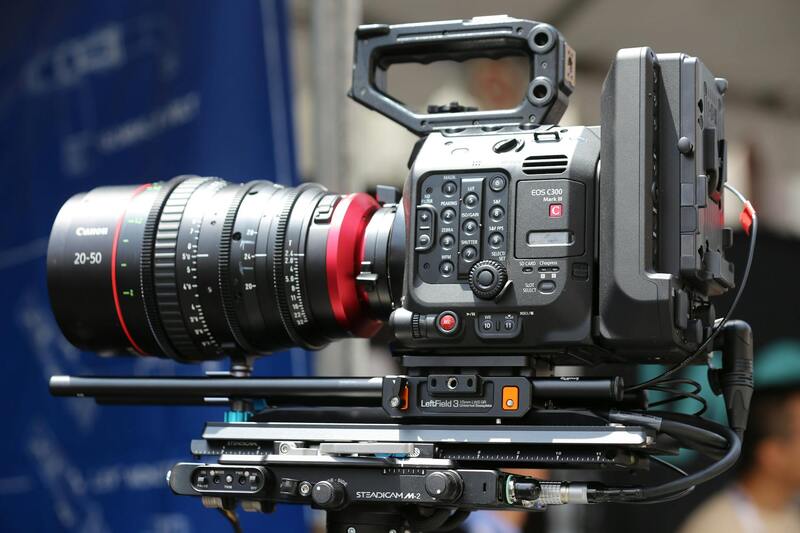
Ethical standards also extend to the timing and scope of images captured. Photographers must respect the current condition of the property, capturing images during appropriate times of day to avoid misleading shadows, reflections, or distortions. Additionally, respecting privacy and obtaining necessary permissions before photographing interiors ensures transparency and maintains professional integrity.
Clear communication with clients about what the photography will entail—in terms of scope, style, and post-production processes—is essential. Establishing these expectations upfront helps prevent misunderstandings and aligns the project goals with the client’s needs. It also establishes trust in the relationship and emphasizes a commitment to honest representation.
Finally, documenting the imaging process and the standards applied can serve as a reference point if questions or disputes arise regarding the images. By prioritizing ethical practices, real estate photographers foster credibility, enhance market confidence, and contribute to a transparent property marketplace in Miami.
Legal and Ethical Considerations in Real Estate Photography
Adhering to established guidelines in real estate photography is essential for maintaining transparency and trustworthiness within the property market. Photographers should ensure that all images truthfully represent the property's current condition, avoiding deceptive practices such as digital enhancement beyond basic corrections or misrepresentation of space and layout. This commitment safeguards both the integrity of the listing and the satisfaction of potential buyers.
Respecting the privacy of homeowners and tenants is crucial. Photographers must seek appropriate permissions prior to entering properties or capturing images of interior spaces, especially when confidential or sensitive areas are involved. Before conducting photoshoots, clear communication with clients ensures understanding of what will be photographed, the scope of post-production editing, and any additional requests that align with honest portrayal standards.
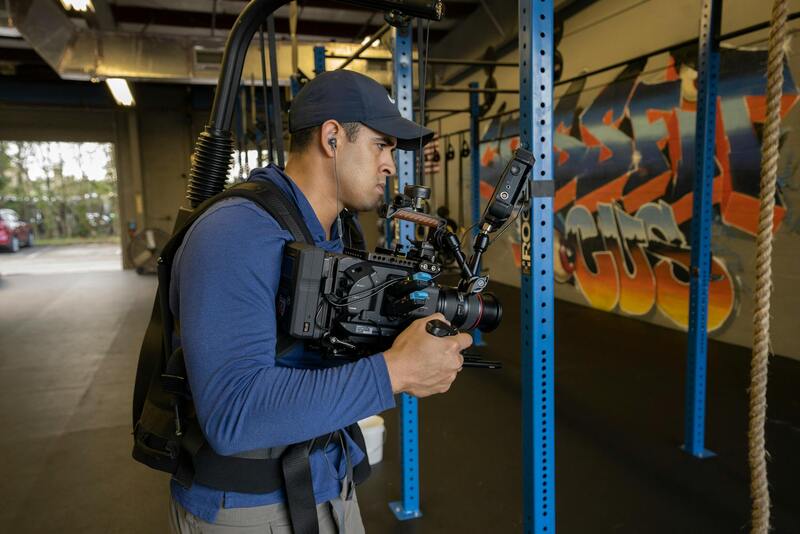
Photographers should also be mindful of the timing when capturing images. Shooting during optimal lighting conditions, such as during the day when natural light is abundant, minimizes the need for excessive editing and creates more authentic visuals. Limiting post-production adjustments solely to necessary enhancements, like color correction and brightness adjustments, preserves the true appearance of the property.
In the digital age, maintaining a record of images and the editing process can be invaluable. This documentation provides clear evidence of the integrity of the images should any questions or disputes arise, reinforcing professionalism and accountability.
Implementing Ethical Standards Enhances Market Confidence
By consistently practicing ethical photography, professionals contribute to a more trustworthy real estate marketplace. Accurate photography reduces misunderstandings, aligns expectations, and facilitates smoother transactions. Ensuring each image ethically and accurately represents the property allows potential buyers to make well-informed decisions based on factual visuals, ultimately leading to more successful sales outcomes.
Legal and Ethical Considerations in Real Estate Photography
In the realm of professional real estate photography, adhering to strict standards enhances trustworthiness and fosters a positive reputation among clients and viewers. Clear consent from property owners before the shoot ensures that all parties are aware of how images will be used and distributed, which is essential for transparent professionalism. Obtaining permissions for any necessary disclosures or proprietary elements within the property safeguards against misunderstandings and maintains the integrity of the imaging process.
Respecting the privacy of individuals is another critical aspect. Photographers must be cautious not to inadvertently capture personal or confidential areas that are not meant for public viewing. This involves meticulous planning of the shoot, including a comprehensive site walkthrough to identify sensitive spaces and seek necessary permissions or exclude certain areas from the visual presentation.
Avoiding images that could deceive viewers is fundamental. This includes being honest with perspective, avoiding excessive angles that distort space, and ensuring that virtual staging or other enhancements do not mislead potential buyers about the property's condition or features. It’s equally important to preserve the property's authentic appearance by limiting post-processing adjustments to color correction, lighting enhancements, and minor retouching only where appropriate. Such practices uphold an ethical standard that benefits both clients and viewers by providing a truthful representation.
When sharing images online, proper attribution and copyright considerations should be observed. Professional photographers maintain ownership rights over their images, and proper licensing ensures they are credited appropriately. This transparency not only respects intellectual property but also enhances credibility, signaling to clients and consumers that the photographer operates with integrity.
In the increasingly digital marketplace, these ethical and legal practices become vital pillars of a sustainable real estate photography service. They help establish long-term relationships based on trust, which is crucial for repeat business and referrals. Moreover, by maintaining high standards, photographers contribute positively to the overall reputation of the Miami real estate market, ensuring that buyers and sellers can rely on the visual information presented to make informed decisions.
Legal and Ethical Considerations in Real Estate Photography
Adhering to established legal and ethical standards in real estate photography ensures that the visual content accurately represents the property, fostering trust between clients and viewers. Photographers must secure explicit permission before entering a property for photoshoots, respecting the privacy of current occupants and the property owner. This practice not only maintains professionalism but also prevents misunderstandings or disputes related to consent.
When capturing images, it is crucial to avoid misleading representations. This involves using honest angles and avoiding excessive manipulation that could exaggerate space or features. For example, wide-angle lenses can distort perspective if used improperly, making rooms appear larger or smaller than they are. Professional editing should be limited to necessary adjustments like brightness and color correction, while avoiding alterations that could deceive potential buyers.

Proper attribution rights are another key aspect. Photographers retain ownership of their images, and any licensed use should be clearly documented. Ensuring licensing rights are in place protects against potential copyright infringement issues and maintains transparency with clients about image rights.
Respect for privacy extends beyond consent to include the confidentiality of sensitive information. Photographers should avoid capturing private areas or personal belongings unless explicitly authorized. This respect heightens credibility and demonstrates a genuine commitment to professionalism.
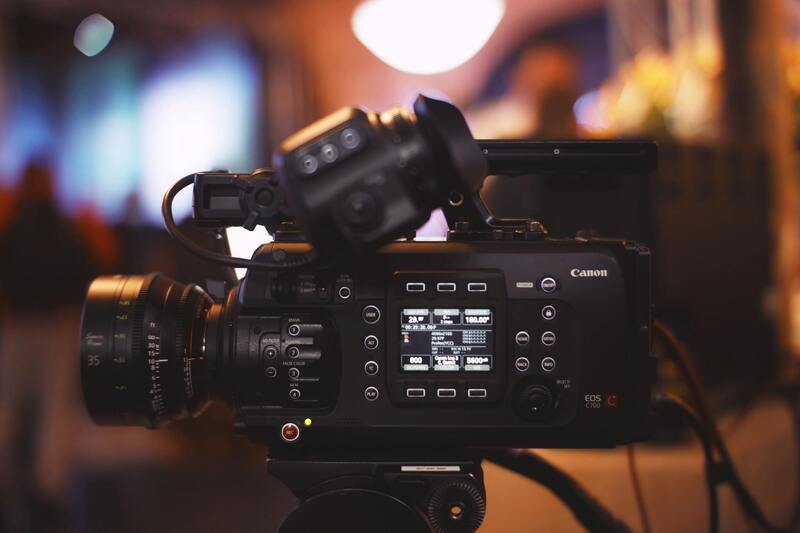
Implementing these practices contributes to sustains a reputable standard within the Miami real estate market by providing truthful visual representations that buyers can trust. As digital marketing becomes increasingly dominant, maintaining high ethical standards becomes a vital element of long-term success, promoting transparency, accuracy, and integrity in every image shared.
Implementing Your Real Estate Photography in a Legal and Ethical Way
To ensure your real estate images are both effective and compliant with industry standards, it is essential to adhere to proper practices that respect intellectual property rights and uphold transparency. The use of legitimate methods for obtaining photographs involves securing appropriate permissions and licenses, especially when working with professional photographers or third-party agencies. This not only protects the interests of all parties but also solidifies trust with clients and potential buyers.
One of the fundamental steps is to clearly establish ownership rights and licensing agreements before any photos are used publicly. Photographers typically retain rights to their images unless a license has been granted, so it’s crucial to verify and document usage rights in writing. This may involve negotiating specific terms related to how images can be utilized in online listings, print media, or promotional materials. Ensuring these agreements are comprehensive minimizes misunderstandings and provides a legal framework for future reference.
Authentic representation is another critical aspect. Using legitimate equipment and techniques guarantees that the images accurately reflect the property's condition. Manipulating photos beyond necessary enhancements—such as avoiding excessive retouching or digital alterations—maintains the integrity of the listing. Buyers rely heavily on accurate visuals for decision-making; misleading images can undermine credibility and result in potential disputes or reputational harm.
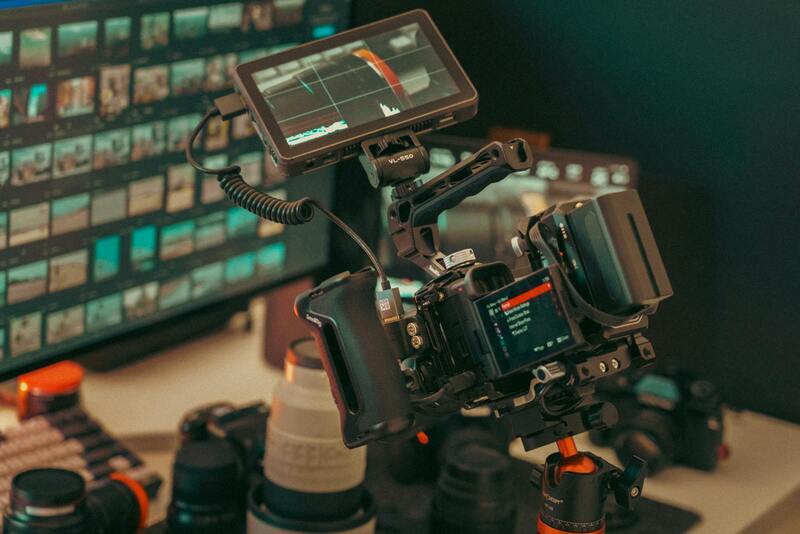
Respect for privacy needs to be strictly observed as part of ethical standards. This includes obtaining explicit consent before capturing private areas, personal belongings, or sensitive spaces. Avoiding intrusive shots not only complies with respectful practices but also enhances the professional image of the real estate agent or agency. When in doubt, blurring or omitting certain areas can help preserve privacy without compromising the quality of the overall presentation.
Furthermore, it is vital to maintain honest communication with clients about the capabilities and limitations of professional photography. Educating them on what can and cannot be achieved legally and ethically encourages transparency and fosters long-term professional relationships. Regular training or consultation with legal experts on intellectual property and privacy laws can further reinforce good practices within your team.
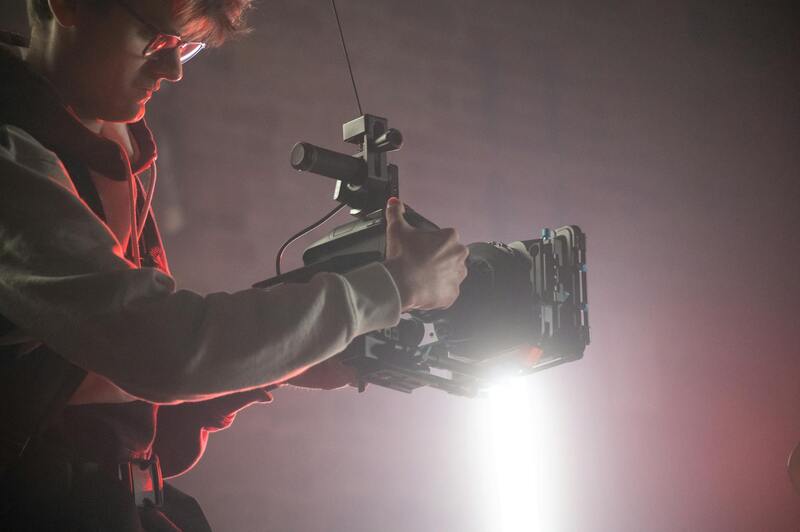
Incorporating these best practices will not only elevate the quality and reliability of your real estate marketing efforts but will also maintain the high ethical standards expected in Miami’s competitive real estate market. When handling visual content responsibly, professionals contribute to a marketplace built on trust, fosters buyer confidence, and sustains their reputation for integrity and excellence.